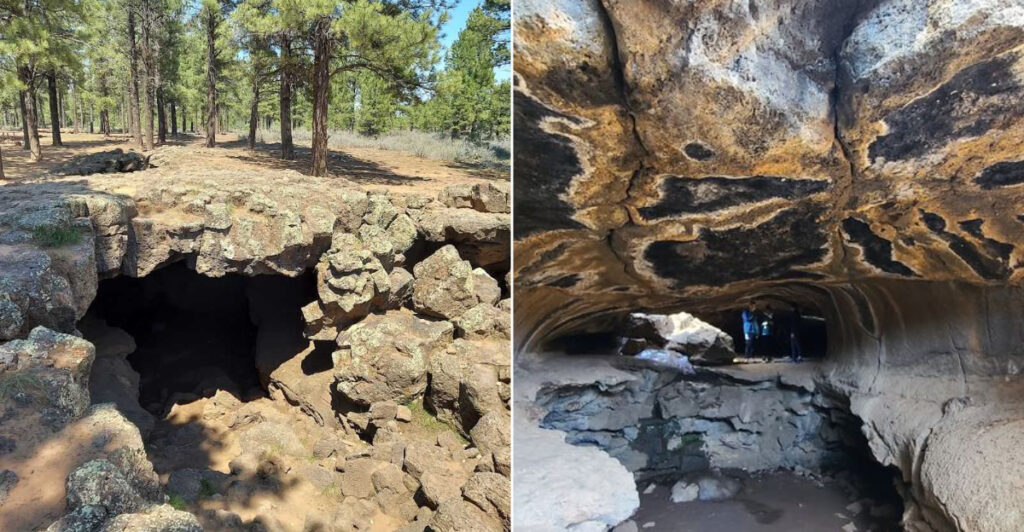
The best adventures make your shoes dirty before your imagination even catches up. Beneath the pine-dotted ridges of southern Utah, an ancient lava tube system turns a quiet forest detour into a full-body exploration, complete with darkness, uneven rock, cool underground air, and just enough mud to make clean clothes a bad idea.
This is not a polished attraction with bright lights and handrails doing all the thinking for you. It asks for a headlamp, sturdy shoes, a little caution, and the kind of curiosity that keeps you moving when the daylight disappears behind you.
The reward is pure underground drama: rough volcanic corridors, hidden chambers, echoing silence, and that thrilling feeling of being somewhere the surface world forgot. Bring backup lighting, watch your footing, and embrace the mess.
Utah’s wild side is not always above ground, and this one proves the shadows can be unforgettable.
The Road That Tests Your Commitment Before You Even Arrive
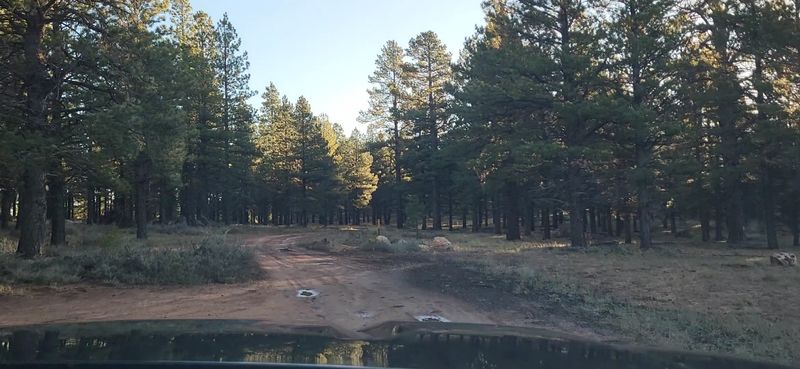
Before the cave even says hello, the road gives you a personality test. This place sits along Duck Creek Ridge Rd, Duck Creek Village, UT 84762, and the final stretch of unpaved road leading to the parking lot is not exactly a Sunday cruise.
Visitors consistently report a rough, rocky, muddy surface that rewards high-clearance vehicles and punishes overconfidence in sedans.
An SUV or truck is your best bet, though some visitors have made it in standard cars. The Mammoth Creek approach, however, is a different story entirely.
Multiple visitors flag that route as suitable only for lifted 4x4s or ATVs, so stick to the main ridge road for a smoother experience.
Pro Tip: Ignore GPS directions that route you via Mammoth Creek. Follow the signage along Duck Creek Ridge Rd instead, and you will save yourself a white-knuckle detour.
The large parking lot at the end has an outhouse and picnic tables under trees, which feels like a small miracle after that drive. Pack out your trash since there is no garbage service on site.
Best For: Visitors with high-clearance vehicles, truck owners, and anyone who treats a bumpy dirt road as part of the adventure rather than an obstacle to it.
What Mammoth Cave Actually Is, And Why It Matters
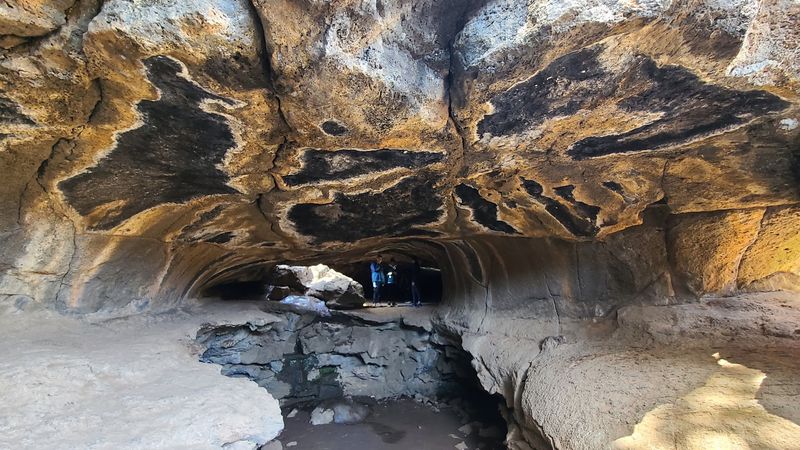
Lava tubes are formed when flowing lava creates a hardened outer crust while molten rock continues moving underneath. Once the lava drains, it leaves behind a hollow tunnel, sometimes stretching for extraordinary distances underground.
Mammoth Cave is exactly that: an ancient, sprawling lava tube complex with multiple chambers and several distinct access points.
The cave system features two main tubes, each with separate entry and exit points, plus a few smaller side openings. One of the main entrances is large enough for a six-foot-four adult to stand upright.
The other routes get progressively lower and narrower as you go deeper, transitioning from a comfortable stoop to hands-and-knees crawling to full belly crawling if you push far enough.
Why It Matters: Unlike commercial caves with guided tours and paved paths, this is a self-guided, unmonitored natural site. There are no staff members, no lighting, and no handrails.
That raw, unfiltered quality is precisely what makes it remarkable for visitors who want a genuine geological experience rather than a packaged one.
Quick Verdict: A free, accessible lava tube system that delivers real underground exploration without requiring professional spelunking credentials, just preparation and a healthy respect for geology.
Gear Up: What To Bring So The Cave Does Not Win
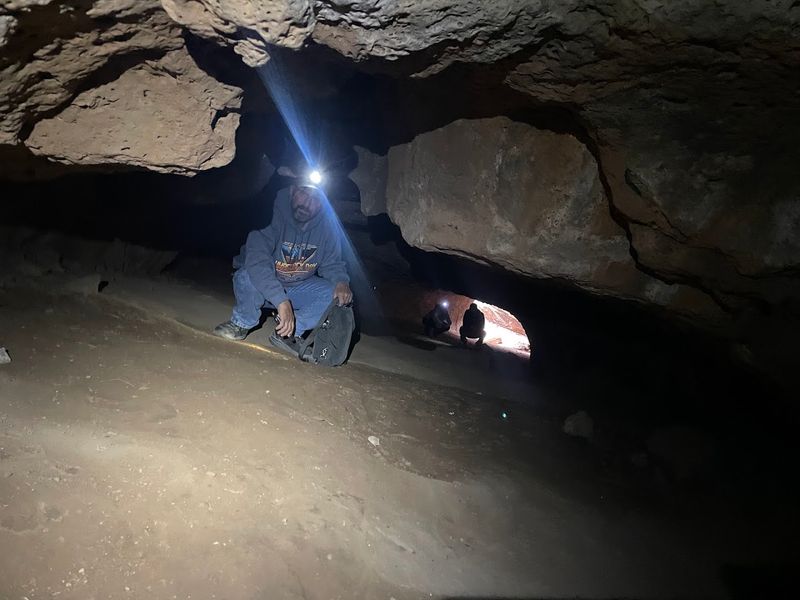
Showing up to Mammoth Cave without a headlamp is roughly equivalent to showing up to a dinner party without pants. Technically possible, deeply regrettable.
The cave has zero natural light once you move past the entrance, and a phone flashlight simply does not cut it in a space this dark and this deep.
Visitors strongly recommend bringing two light sources per person, ideally hands-free headlamps, so you can use both hands for climbing over jagged volcanic rocks. The floor is uneven and sharp in places, making sturdy boots with ankle support a genuine safety choice rather than a fashion one.
Insider Tip: Pack a warm layer regardless of the outside temperature. The cave stays consistently cold year-round, and the contrast after a hot Utah summer day can catch you off guard.
Gloves you do not mind destroying are a smart addition since the rock surfaces are rough and the cave is damp in sections.
Knee pads are optional but appreciated by anyone planning to push deeper into the narrower tubes. Wear clothes you are fully prepared to sacrifice to the mud gods.
Bring a change of clothes in the car for the drive home.
Common Mistakes to Avoid: Relying on a single phone light, wearing sandals, and underestimating how cold underground air feels after a warm hike in.
Navigating The Entrances: More Doors Than You Might Expect
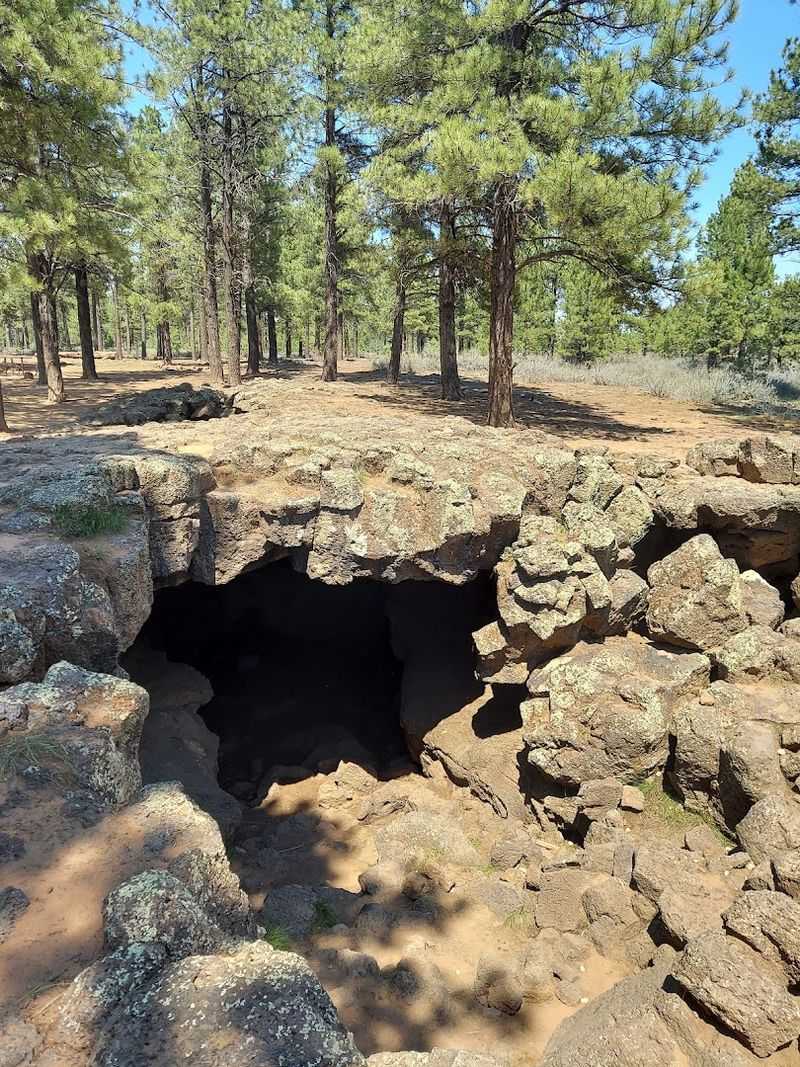
Mammoth Cave has five documented access points, though finding all of them without a navigation app is an optimistic exercise. Most visitors locate three of the entrances fairly easily.
The main entrance is a large hole in the ground, dramatic and obvious, dropping into a chamber where you can immediately see the scale of what you have stumbled into.
A metal gate with a steel-bar opening, roughly two feet by four feet, guards the primary lava tube entry. You crawl through the bottom gap to access the full cave system.
It functions as a practical size filter, ensuring visitors understand what they are committing to before they get too far in. A second entrance at the far end of the parking lot connects to the other side of the tube system.
Planning Advice: Use AllTrails or Google Maps to locate the access points before you arrive. Signage on site is minimal, and at least one family has reportedly turned back after failing to find an entrance that was right in front of them.
A small stand of aspen trees near one entrance marks a short, shallow opening that kids can explore without flashlights, going about thirty feet before natural light fades.
Best Strategy: Walk the full perimeter of the site first to spot all visible entrances before committing to any single route into the cave system.
Inside The Tube: What The Darkness Actually Looks Like
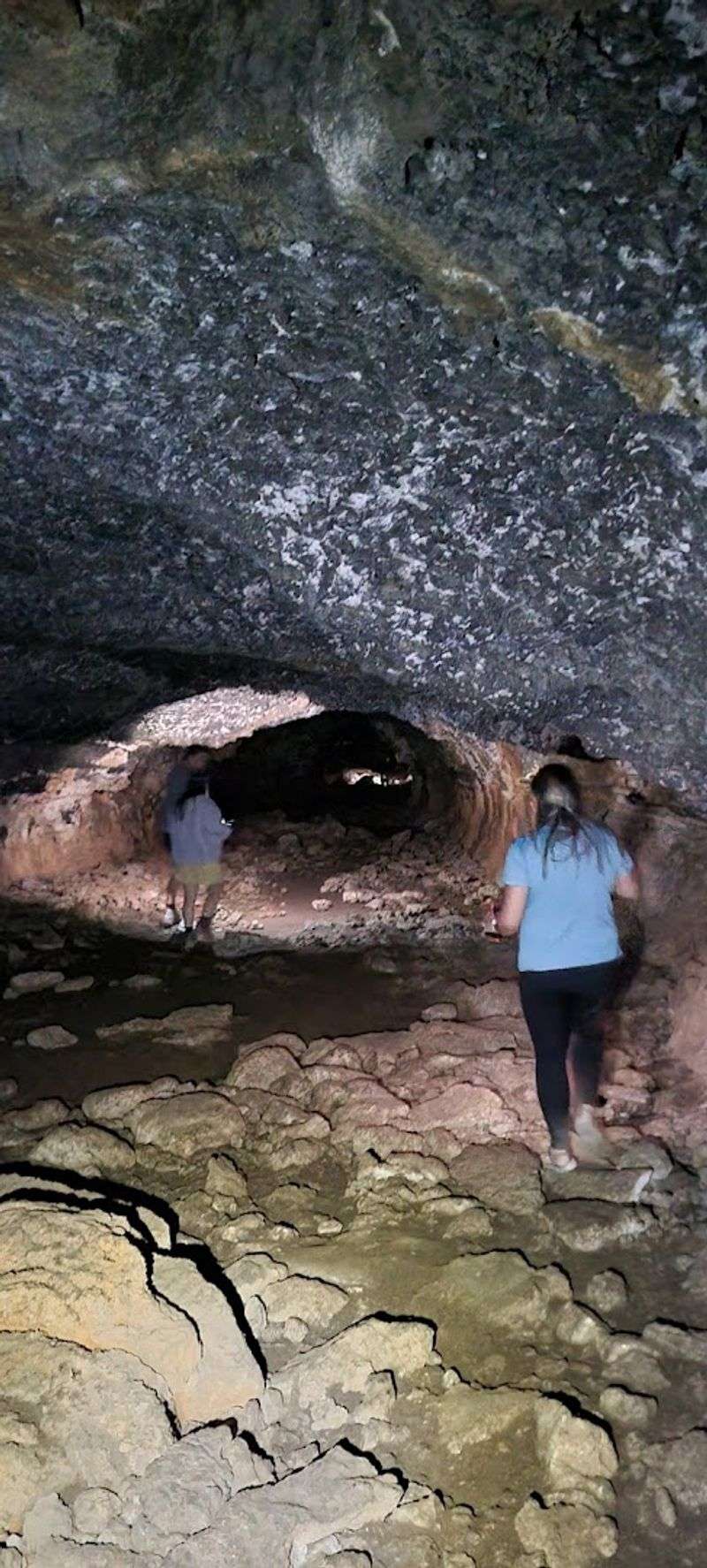
Once your eyes adjust and your headlamp cuts through the dark, the ceiling becomes the main attraction. Visitors consistently call out the patterns, textures, and colors on the lava tube ceiling as unexpectedly beautiful, a geological record of ancient volcanic activity frozen in rock above your head.
It is the kind of detail that makes you stop crawling just to stare upward.
The main tube is wide enough at the entrance for comfortable movement, but it narrows steadily. Adults will find themselves walking hunched, then crouching, then on hands and knees, and eventually on their stomachs if they push to the far end.
The rock floor is jagged in places, with scattered boulders and uneven surfaces that demand constant attention.
Mid-Adventure Re-engagement: Here is where the trip shifts from interesting to genuinely memorable. The deeper sections feel remote and ancient in a way that no surface trail quite replicates, and that contrast is exactly what keeps visitors talking about this place long after the mud washes off.
A metal grate in the lower section protects a bat habitat, and bats are the reason the cave is seasonally closed during winter months. The gate opens in May, so summer and fall visits offer full access.
Who This Is For: Physically active visitors comfortable with confined spaces, uneven terrain, and a bit of productive discomfort.
Families, Kids, And The Cave That Scales To Everyone
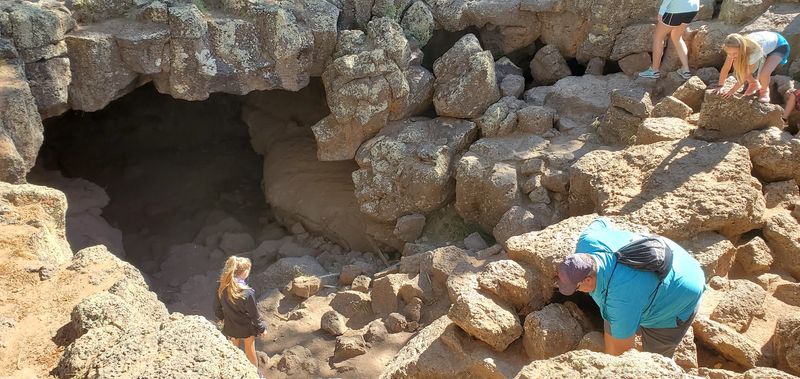
Mammoth Cave has a genuinely rare quality among adventure destinations: it scales. A seven-year-old with a headlamp and zero fear of the dark will have an absolute blast.
A cautious adult who prefers not to belly-crawl through volcanic rock can still enjoy the main chamber and the upper tube section without pushing into the narrower passages.
Visitors with young children report that kids take to the headlamp-and-crawl format with enthusiasm that borders on alarming. The cave rewards curiosity at every level, from the easy first thirty feet near the aspen grove opening to the deep tube sections that require genuine physical effort.
Couples looking for something beyond a standard scenic overlook will find the shared challenge of navigating underground genuinely bonding.
Who This Is Not For: Visitors with significant claustrophobia should assess carefully before committing to the narrower passages. The tightest sections are a real squeeze, and turning back is always a valid choice once the ceiling starts dropping.
The cave is not recommended for anyone who cannot comfortably manage uneven rocky terrain.
Solo visitors are welcome but should tell someone their plans before heading in. There are no staff, no monitors, and no cell signal underground.
The outhouse and picnic tables at the parking lot make a pleasant regrouping spot before or after the cave.
Plan Your Visit: Timing, Access, And The Final Word On Mammoth Cave
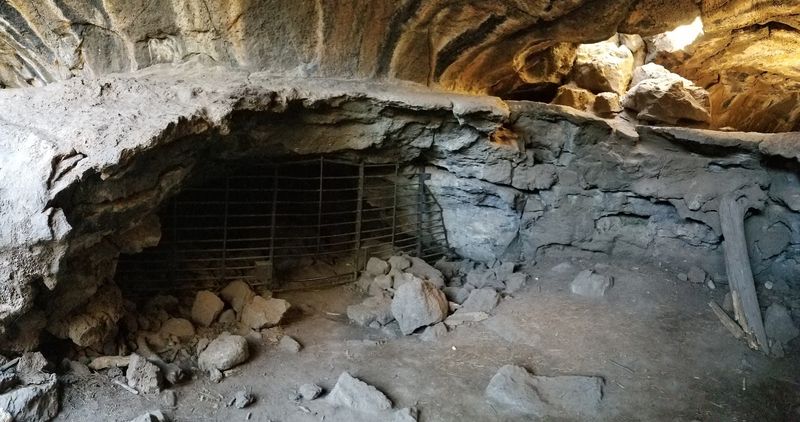
Summer and fall are the prime windows for a full Mammoth Cave experience. The cave is partially closed during winter months to protect hibernating bats, with the gate typically reopening in May.
Spring visits can be complicated by snow, ice, and mud that make the access road genuinely impassable for anything short of an OHV. Plan accordingly and check conditions before you go.
The site is open daily from 8 AM to 8 PM, which gives you a comfortable window for a half-day outing. The cave entrance is less than one hundred yards from the parking lot, making the approach genuinely easy once you have survived the road.
Admission is free, which remains one of the most satisfying sentences in American outdoor recreation.
Quick Tip: Arrive in the morning to avoid afternoon heat on the drive in, and to give yourself plenty of time to explore without rushing. Combine Mammoth Cave with nearby Bower Cave and Duck Creek Cave for a full day of lava tube exploration in the area.
Core Value Summary: Mammoth Cave is a free, self-guided volcanic cave system in southern Utah that delivers a legitimate underground adventure for families, couples, and solo explorers willing to arrive prepared. Bring two headlamps, sturdy boots, warm layers, and the right vehicle.
The cave will handle the rest.