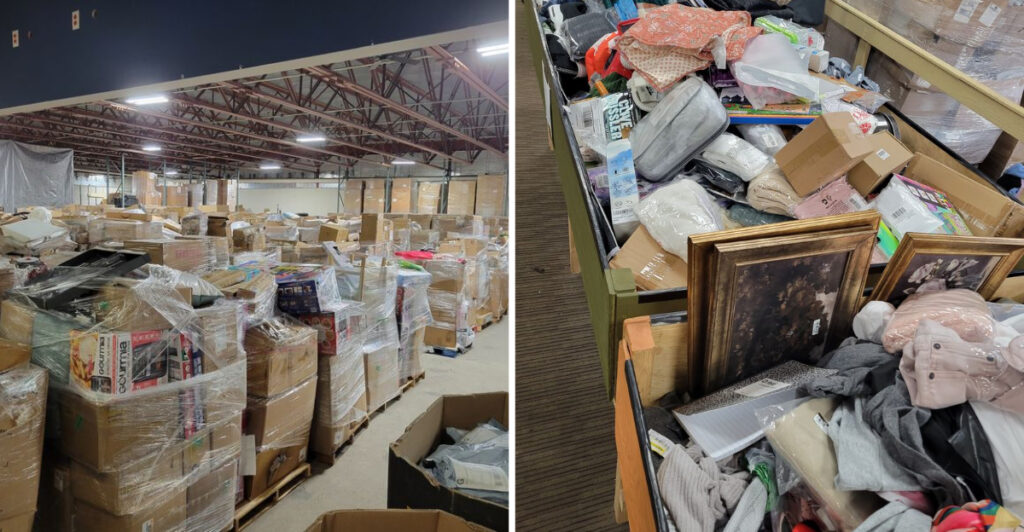
There is regular shopping, and then there is buying a pallet without knowing exactly what mood it woke up in.
This Michigan liquidation business keeps that uncertainty front and center. Returned merchandise comes and goes. Overstock finds do the same.
What is available one week may be completely different the next.
You can browse in person, shop online, or arrange local pickup when the purchase gets too bulky for an ordinary errand.
Pallet shopping happens later in the week, while appointments cover the earlier days.
I like the kind of place where curiosity gets there before the shopping list does. Here, even the inventory seems to enjoy keeping secrets.
Eight-Foot Amazon Pallets Show The Scale Of The Inventory
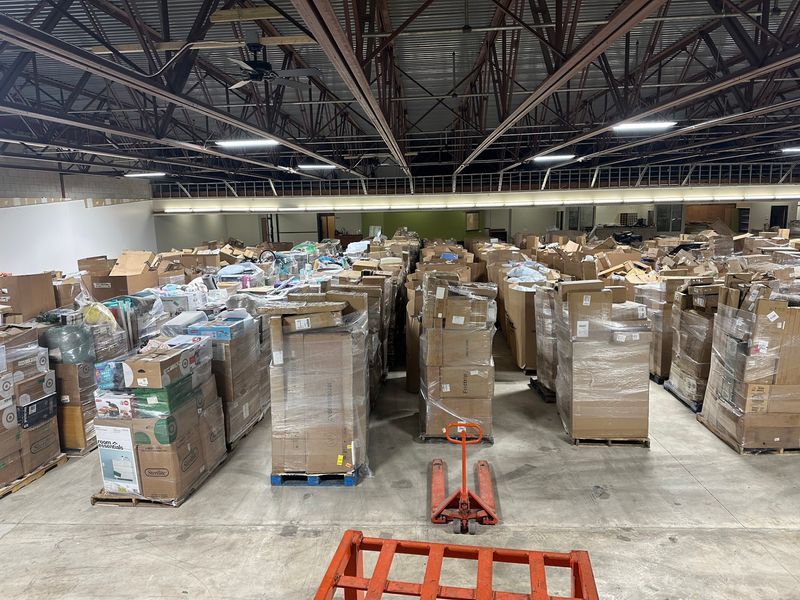
GRP Liquidations currently sells Amazon Monster Pallets that stand around eight feet tall.
A typical Amazon Monster Pallet contains roughly 40 to 60 boxes.
That gives the in-person shopping floor a very different scale from a standard discount store.
A single pallet can contain many separate packages rather than one repeated product, so browsing starts with the load itself before moving toward individual boxes.
The exact contents remain uncertain.
Return pallets can contain products in different conditions, and GRP sells liquidation pallets as-is. Some merchandise may be new in the box, while other items can show wear, packaging damage, or missing accessories.
That makes inspection and realistic expectations important before buying.
For a first pallet purchase, focus on the source retailer and the type of load rather than assuming every box will contain the same category.
An Amazon pallet can cover a broad mix.
A retailer-specific pallet from another source may lean more heavily toward apparel or another kind of merchandise.
The height gets attention first, but the variety inside is what shapes the actual purchase. Take a slow look at the pallet label and retailer source before deciding. Those details tell you more about the likely mix than the stack’s size alone.
Furniture And Home Goods Fill Another Part Of The Operation
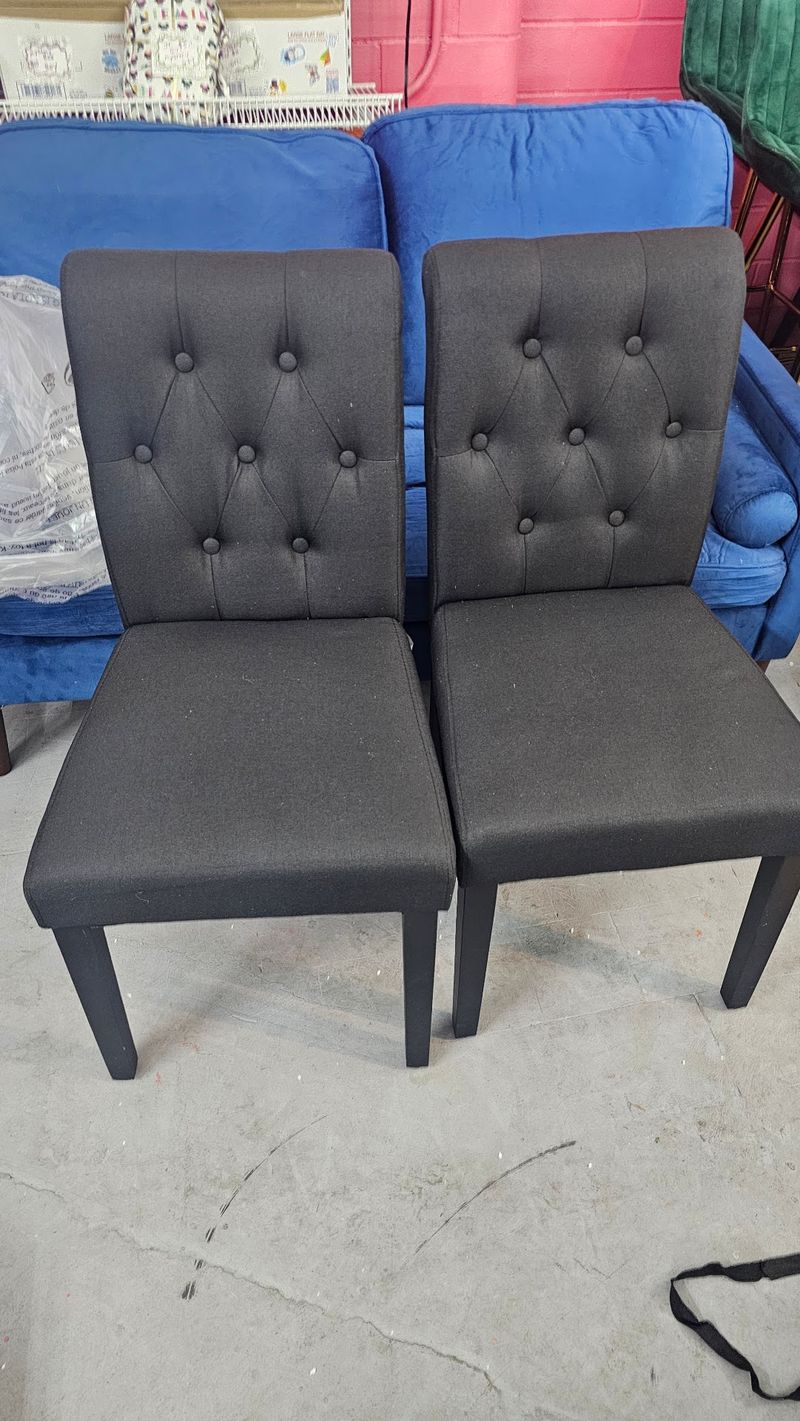
GRP Liquidations also works with home decor and furniture.
GRP handles truckload quantities of major department-store home decor, furniture, and related merchandise.
Current categories include couches, chairs, tables, lighting, bedding, artwork, and other household pieces.
That gives buyers an option beyond sealed mystery boxes and general-merchandise pallets.
Furniture requires a different kind of inspection.
Look over upholstery, frames, legs, hardware, packaging, and visible surfaces before deciding whether a piece fits the room you have in mind.
Liquidation merchandise can include closeouts, overstock, and light returns, so condition can vary from item to item.
That does not make the furniture section complicated. It simply means the purchase should be based on the piece in front of you rather than on what the original retail box once promised.
Measure the space at home before shopping for a couch, table, or larger item.
A good price does not help much when the furniture cannot fit through the door or into the room.
For smaller home goods, the decision can be quicker. A lamp, framed piece, or bedding set is easier to fit into an ordinary vehicle, but visible condition still deserves the same attention as a larger furniture purchase.
Lighting, bedding, art, and compact decor are easier to compare without planning a large pickup.
Retail Returns And Overstock Keep The Mix Changing
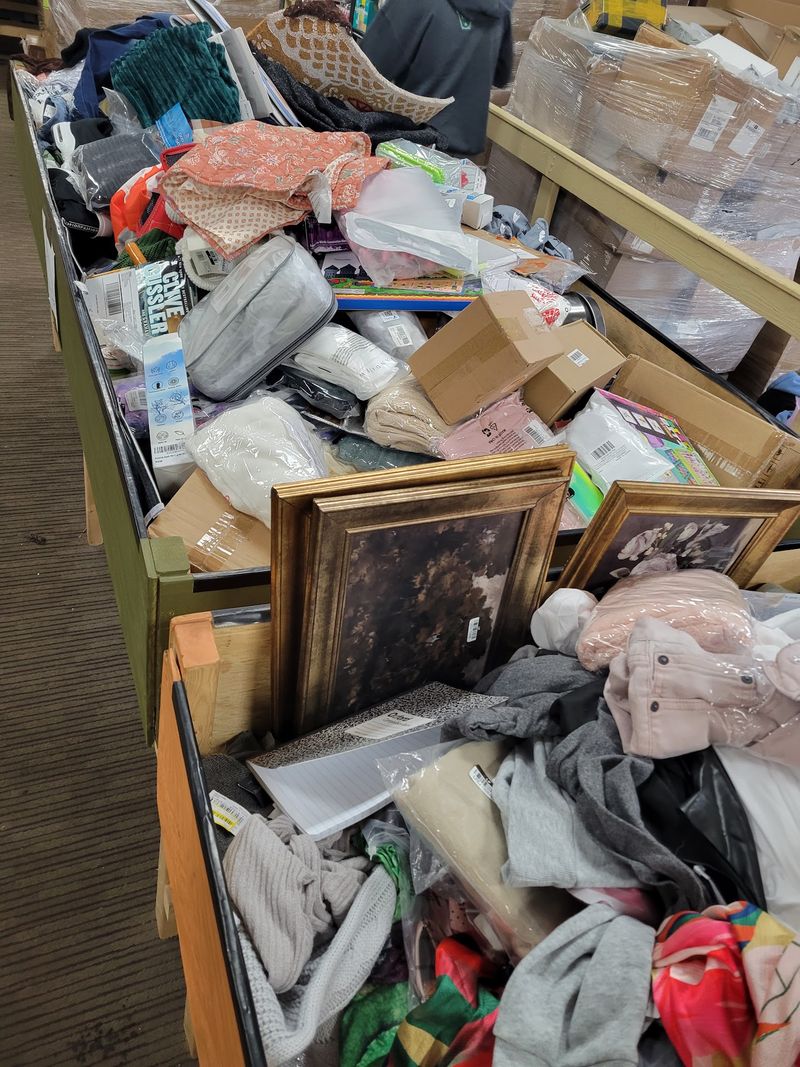
Returns and overstock form a major part of GRP Liquidations’ inventory.
Pallets can be sourced from Amazon, Target, Walmart, Foot Locker, Shein, and other retail channels, along with carrier-based returned-mail loads from DHL.
Each source creates a different kind of shopping trip.
A Foot Locker box may focus on sportswear and apparel. A Target box can include general merchandise, home goods, electronics, apparel, health and beauty products, and other mixed items.
DHL returned-mail pallets can lean toward clothing, electronics, and household goods.
The exact contents still vary.
That is why one visit or order should not be treated as a preview of the next.
New inventory arrives regularly, and boxes can contain different quantities, categories, and conditions.
Some products may remain sealed. Others can have open packaging, minor cosmetic damage, signs of use, or missing accessories.
Start with the source retailer that best matches what you actually want to sort through.
A reseller focused on clothing may choose differently from someone looking for mixed household goods.
The changing product mix is easier to handle when the goal is broad enough to allow surprises. Keep a short list of useful categories in mind rather than one exact model or color, then compare what is actually available that day.
Mystery Boxes Keep The Contents Unknown Until Opening
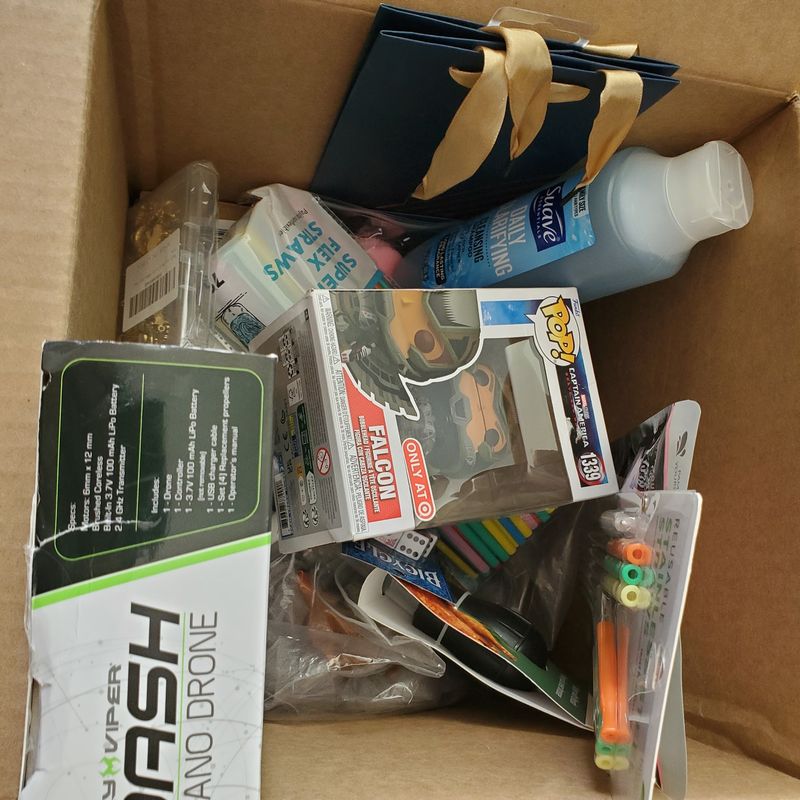
Mystery boxes are one of GRP Liquidations’ smaller-volume options.
The company currently offers boxes sourced from Amazon, Foot Locker, Shein, DHL returned mail, mixed merchandise, and other liquidation channels.
The exact contents stay unknown until the box is opened.
Larger mystery boxes add more items and more variety than the standard format.
That makes them different from ordering one clearly identified retail product.
You are buying a source category and an unknown assortment rather than a guaranteed list of specific items.
Condition can vary too.
Returned and overstock merchandise may arrive in sealed packaging, open boxes, or packages with cosmetic damage. Some items can also be missing accessories.
Choose a mystery box only when the unknown part is acceptable.
Anyone who needs one specific product should shop differently.
For a casual purchase, a smaller box keeps the amount manageable. Higher-volume buyers can move toward larger coffin boxes or pallets when they want more merchandise to sort.
The warehouse and online store both support that range, so the purchase size can grow without changing the basic liquidation model.
Buyers Can Move From One Box To Full Truckloads
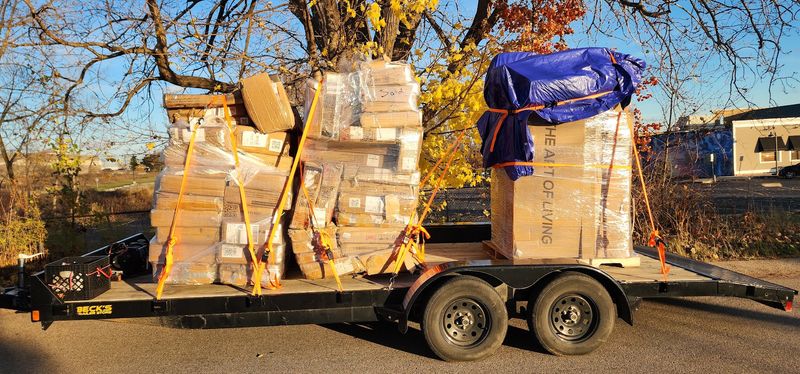
GRP Liquidations sells at several different volume levels.
Individual mystery boxes sit at the smaller end. Pallets move the purchase into wholesale quantities, while full truckloads are available for buyers working at a much larger scale.
The pallet catalog includes retailer-specific and mixed options.
Freight shipping is available for pallet orders, and local buyers can also visit the Grand Rapids location in person.
That makes the business useful to more than one type of buyer.
Someone curious about liquidation can start with a single box.
A reseller with storage space and a clear sales plan may choose a pallet.
A high-volume operation can inquire about truckloads.
The larger the order, the more important storage, transportation, unloading, and sorting become.
A pallet is not simply a bigger mystery box that can be carried home in the back seat.
Freight may require a liftgate, and larger deliveries need enough space for unloading.
Local pallet shopping removes some of the distance between buyer and merchandise, but preparation still matters.
Know what vehicle or loading setup is available before committing to bulky inventory.
Starting smaller leaves room to learn how the merchandise is sorted, inspected, stored, and eventually used or resold.
The Grand Rapids Pallet Location Has Set Shopping Hours
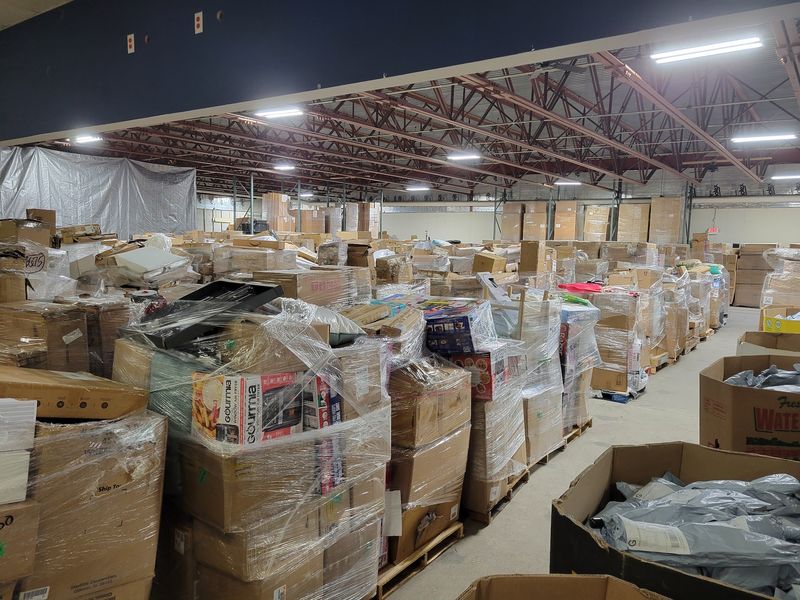
Local buyers can visit GRP Liquidations at 903 Chicago Dr. SW, Grand Rapids, MI 49509.
Current pallet hours are Thursday from noon to 7 p.m., Friday from 9 a.m. to 5 p.m., and Saturday from 8 a.m. to 1 p.m.
Monday, Tuesday, and Wednesday are available for pallet appointments.
Sunday is closed.
That schedule makes Thursday the latest in-person shopping day, while Saturday starts earliest and ends in the early afternoon.
Choose the day according to how much time the purchase may take.
A single box decision can move quickly.
Comparing pallets, checking furniture, or planning a larger load deserves more room in the schedule.
Hours can change, so check the schedule before making a longer drive.
Local pickup is available for qualifying products, while other orders can be shipped.
For pallet buyers, the Grand Rapids location is the practical point of contact for in-person inventory.
Bring measurements when furniture is involved and enough vehicle space when the purchase may be larger than expected.
A Flexible Plan Makes Liquidation Shopping Easier
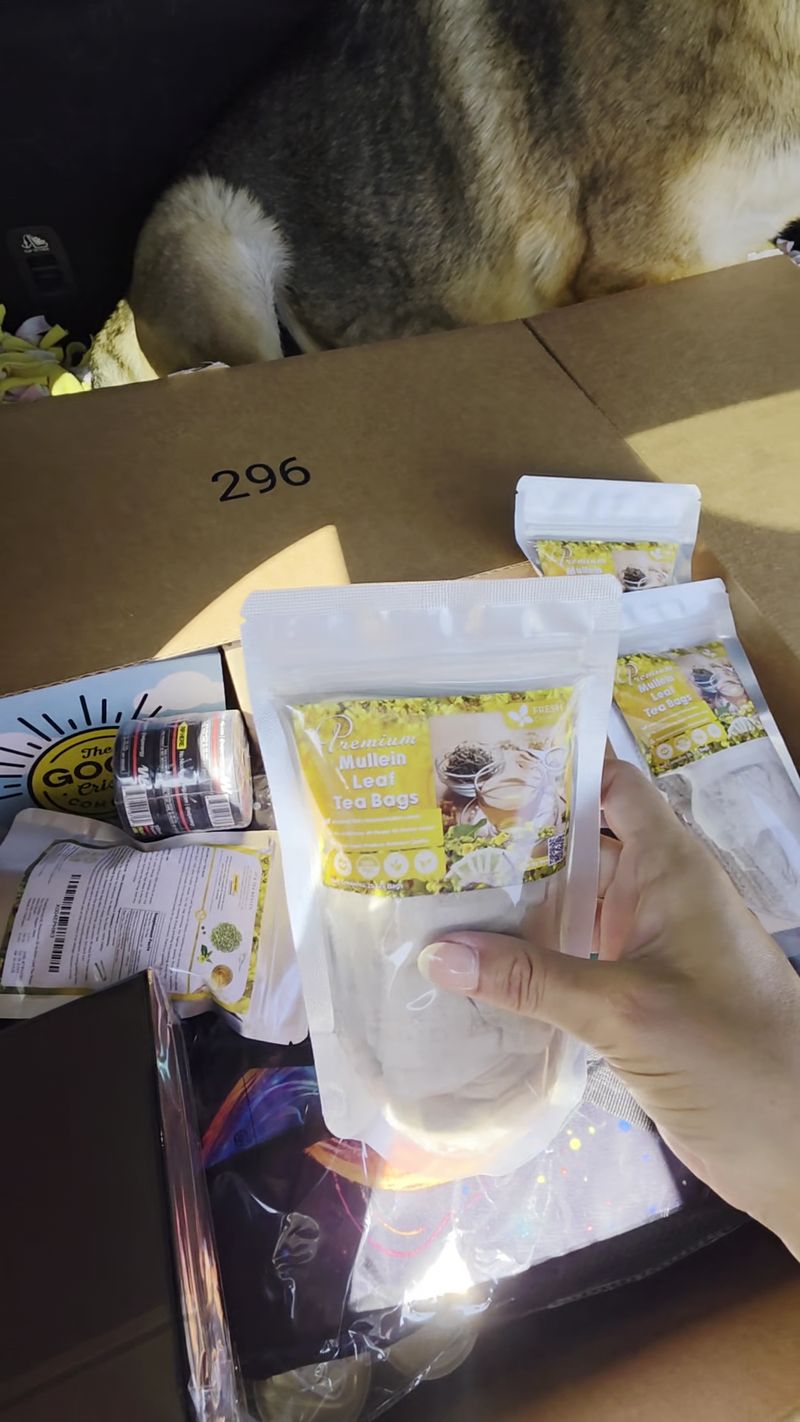
GRP Liquidations works differently from a store built around fixed shelves and permanent product lines.
Retailer returns, overstock, mystery boxes, pallets, furniture, and returned-mail loads can all move through the business, and the exact mix changes as new merchandise arrives.
That makes a flexible goal more useful than a rigid wish list.
Start by deciding how much merchandise you can realistically handle.
Then choose the source category.
Amazon works for broad mixed returns. Foot Locker points more toward sportswear. Target can cover general merchandise and home goods.
DHL returned mail brings another kind of mixed assortment.
After that, decide whether a box or pallet makes sense.
Smaller purchases are easier to store and sort. Larger loads create more volume but also demand more space, transportation, and time.
Condition belongs in the decision too.
Liquidation merchandise is not guaranteed to arrive like untouched conventional retail stock, so inspect in-person goods carefully and read the product description before ordering online.
The most useful purchase is the one that matches the space, budget, and amount of sorting you actually want to take on.
Leave room for surprises, but keep the size of the purchase grounded in what you can realistically use, move, or resell.