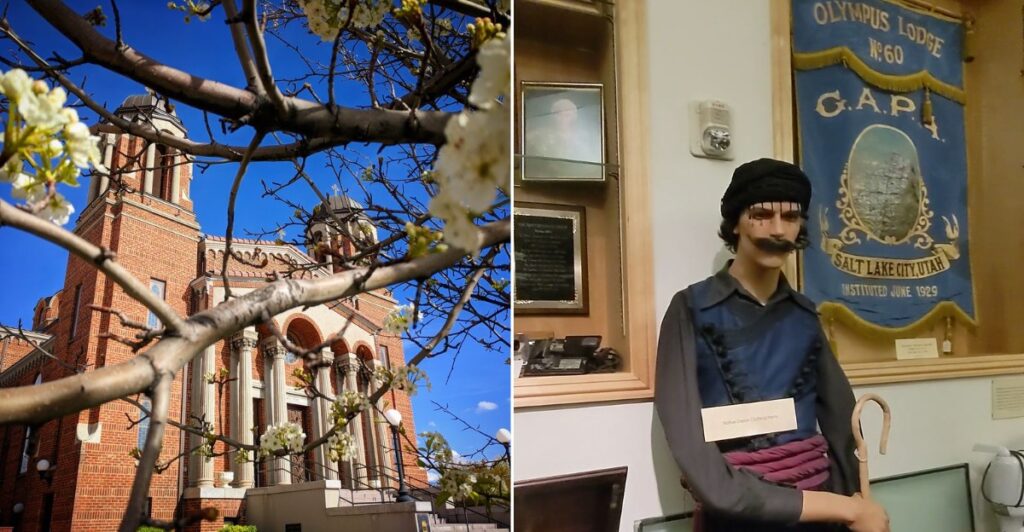
Fifty years is a long time for any weekend tradition to keep earning a crowd. This celebration has done it with Greek food, music, dancing, church tours, and enough community history to make the afternoon about far more than what ends up on your plate.
In the middle of Salt Lake City, one of Utah’s longest-running cultural gatherings turns a regular weekend into a lively connection with generations of local Greek heritage. You can watch traditional performances, learn more about the faith and neighborhood history, then immediately get distracted by whatever smells best from the food area.
That is a pretty efficient day out. The event also offers something increasingly rare: entertainment that does not require complicated planning to feel worthwhile.
After half a century, the Greek community’s place in Utah can still be experienced through music, stories, hospitality, and recipes shared in person. Arrive curious.
Leaving without pastry may require considerably more discipline.
A 50 Year Celebration With Deep Salt Lake Roots
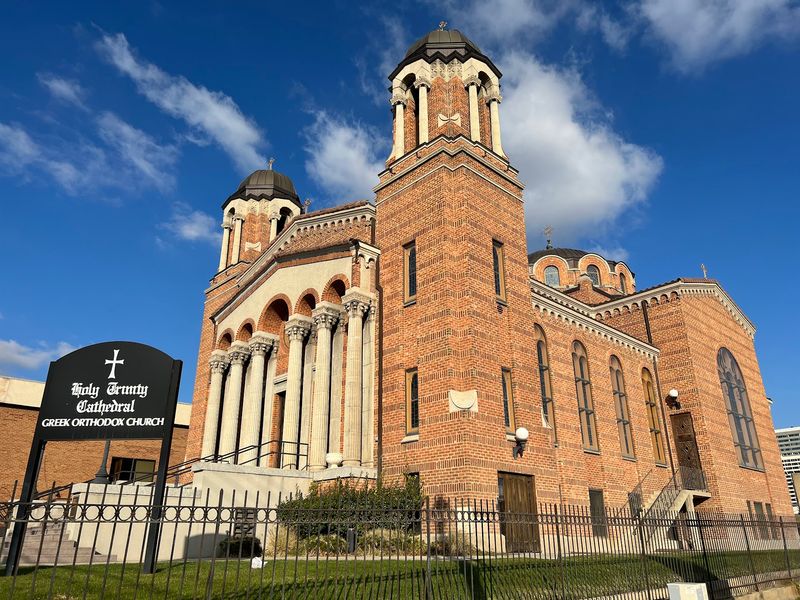
A weekend plan gets much easier when the destination already knows what it is. The Salt Lake City Greek Festival gathers food, music, dance, faith, and heritage at Holy Trinity Greek Orthodox Cathedral, 279 S 300 W, Salt Lake City, UT 84101, with the confidence of an event that has been doing this for decades.
The festival is marking its 50th year, a milestone that gives the weekend more weight than the usual calendar listing. Its roots reach back to earlier parish bazaars, while the modern festival began in the 1970s as a broader public celebration of Greek culture in Utah.
That history matters because the event is not a pop up theme weekend wearing borrowed scenery. The Salt Lake City Greek Festival is tied to the Greek Orthodox Church of Greater Salt Lake and the city’s old Greek Town area, so the setting and the story actually match.
For families, couples, solo visitors, and road trippers, the appeal is refreshingly direct: show up, eat well, watch the dancing, learn a little, and let somebody else handle the entertainment schedule. That is civilized planning.
Greek Food Does Most Of The Persuading
Food is the festival’s most persuasive argument, and thankfully it does not need a PowerPoint. The Salt Lake City Greek Festival is known for traditional Greek dishes and pastries, including favorites such as gyros, spanakopita, baklava, loukoumades, and other parish prepared offerings that draw people toward the serving lines with very little negotiation.
The practical beauty is that visitors can build the visit around appetite. A quick lunch, a dessert run, or a longer browse through several dishes all make sense, depending on time, budget, and how strongly the pastry table is making eye contact.
For people new to Greek food, the menu is approachable. Savory pies, grilled meats, rice dishes, and honey soaked sweets give enough variety without turning the day into a culinary exam.
Nobody needs to know every pronunciation before ordering, which is good news for adults who still hesitate at certain coffee counters.
The festival also works well for groups because food gives everyone a natural anchor. Children can start with familiar flavors, adults can explore more, and nobody has to pretend that sharing baklava is a selfless act.
Holy Trinity Cathedral Gives The Festival Its Sense Of Place
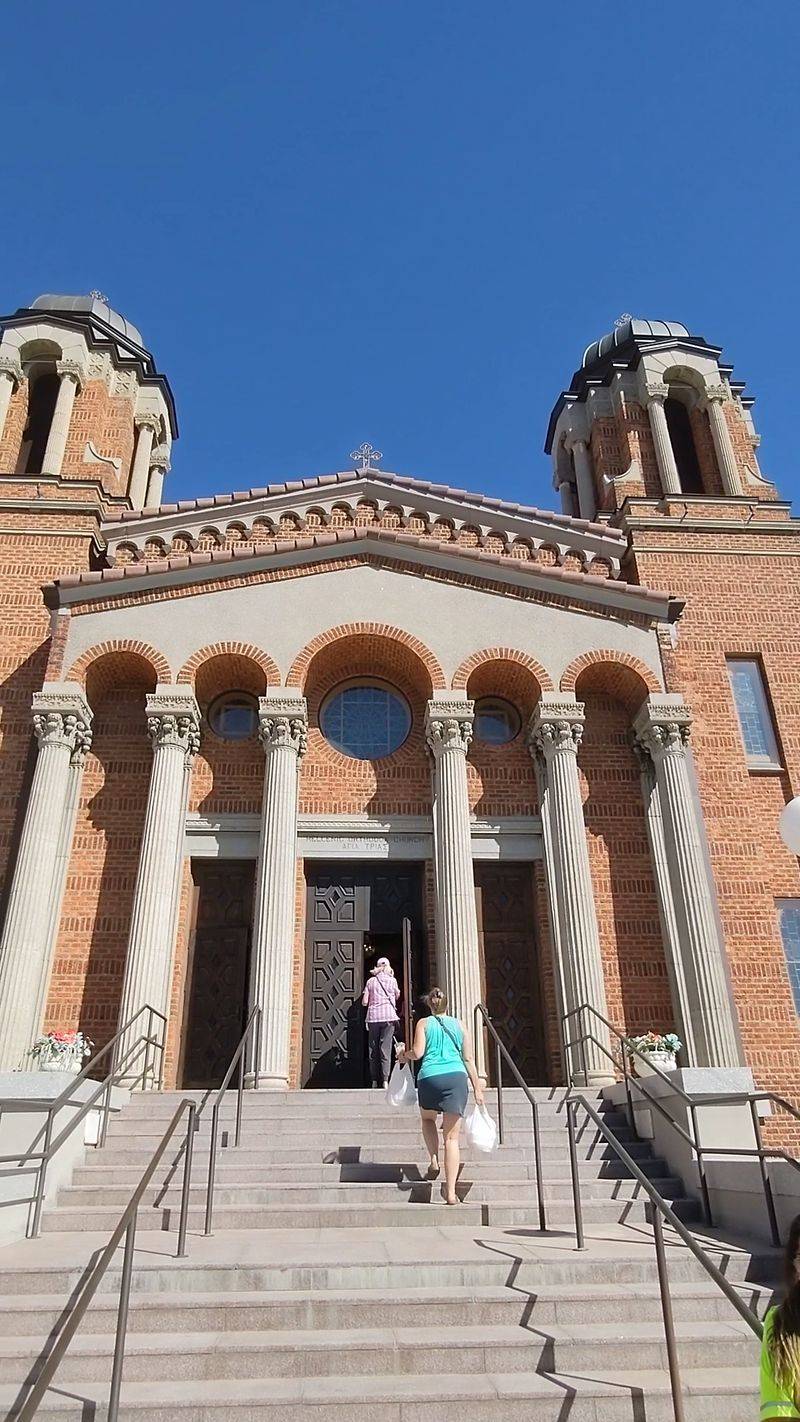
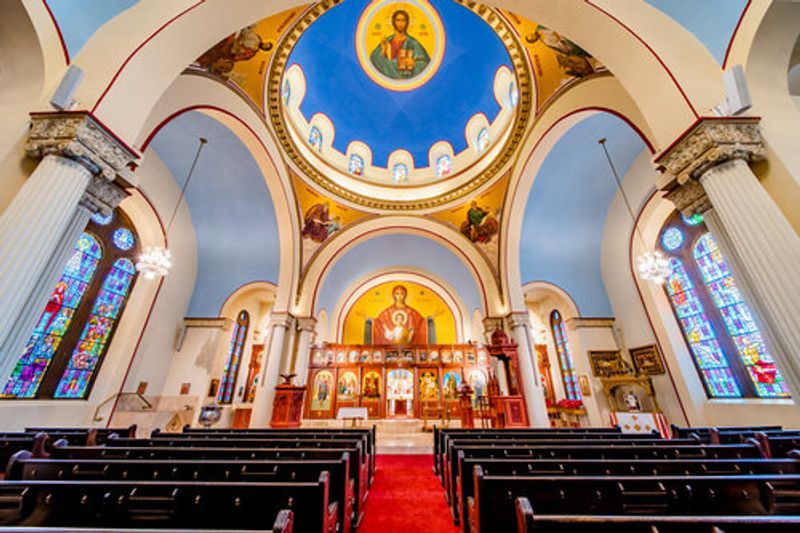
The setting is a major reason the festival feels specific to Salt Lake City instead of portable. Holy Trinity Greek Orthodox Cathedral is not just a backdrop for the Salt Lake City Greek Festival; it is the community home that gives the event its center of gravity.
The cathedral belongs to the Greek Orthodox Church of Greater Salt Lake and stands in an area historically associated with Greek Town. That local geography matters in Utah, where immigrant communities have shaped neighborhoods, churches, restaurants, shops, and public celebrations in ways that are easy to miss during an ordinary drive through town.
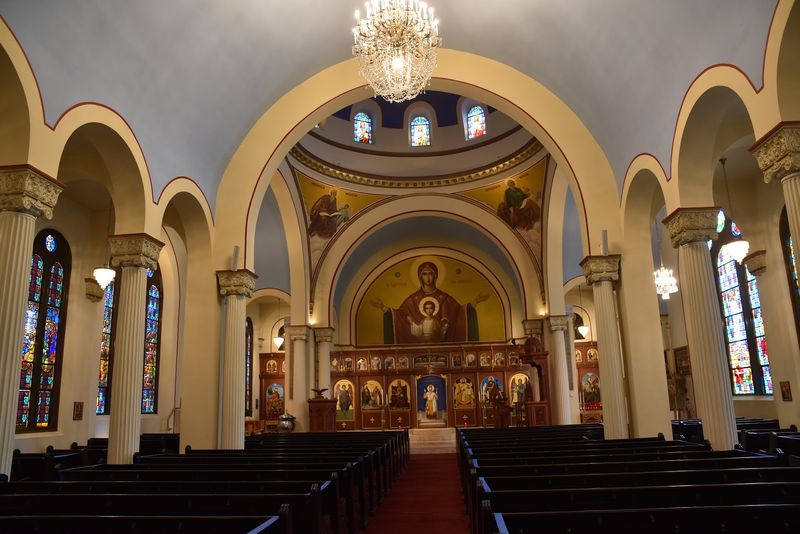
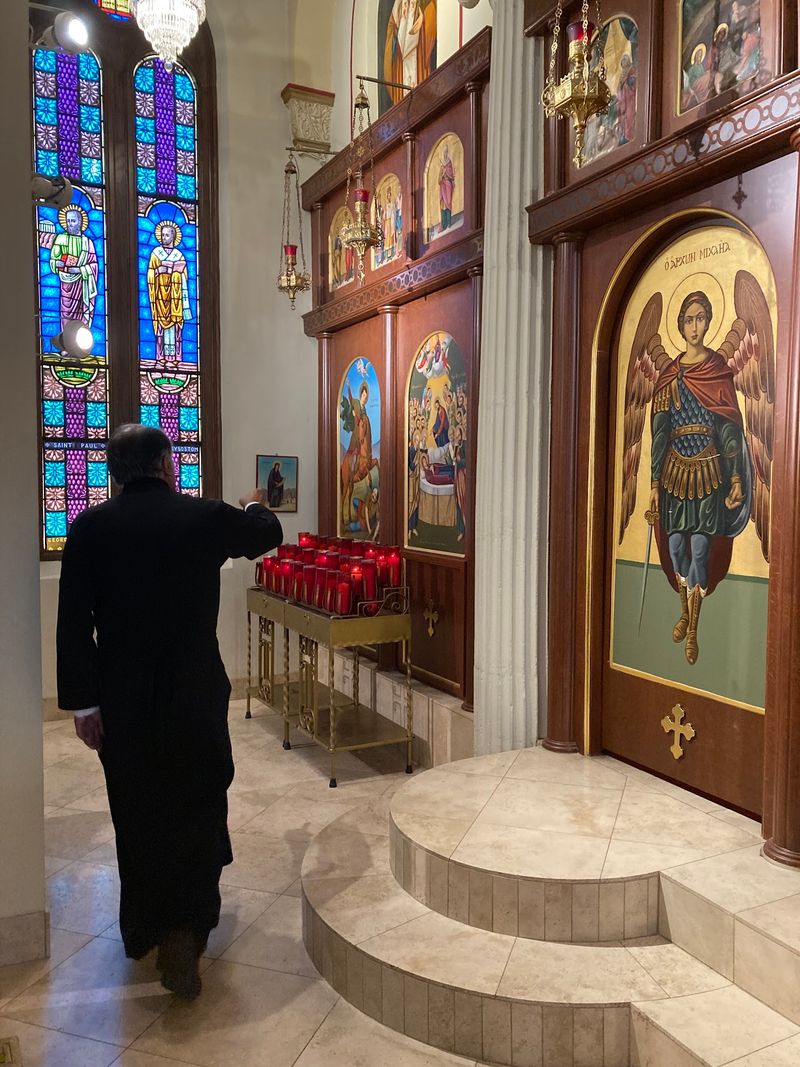
During the festival, the church campus becomes the main gathering point for cultural programming, food service, music, dancing, and chances to learn more about Greek Orthodox tradition. When tours are offered, they add a quieter layer to a day that can otherwise be ruled by plates, napkins, and the steady hope that one more pastry is a reasonable decision.
The building itself also reminds visitors that the festival is connected to living religious and cultural life, not simply entertainment. The Salt Lake City Greek Festival works because the location, the parish, and the celebration all tell the same story.
Dance Music And Heritage Keep The Weekend Moving
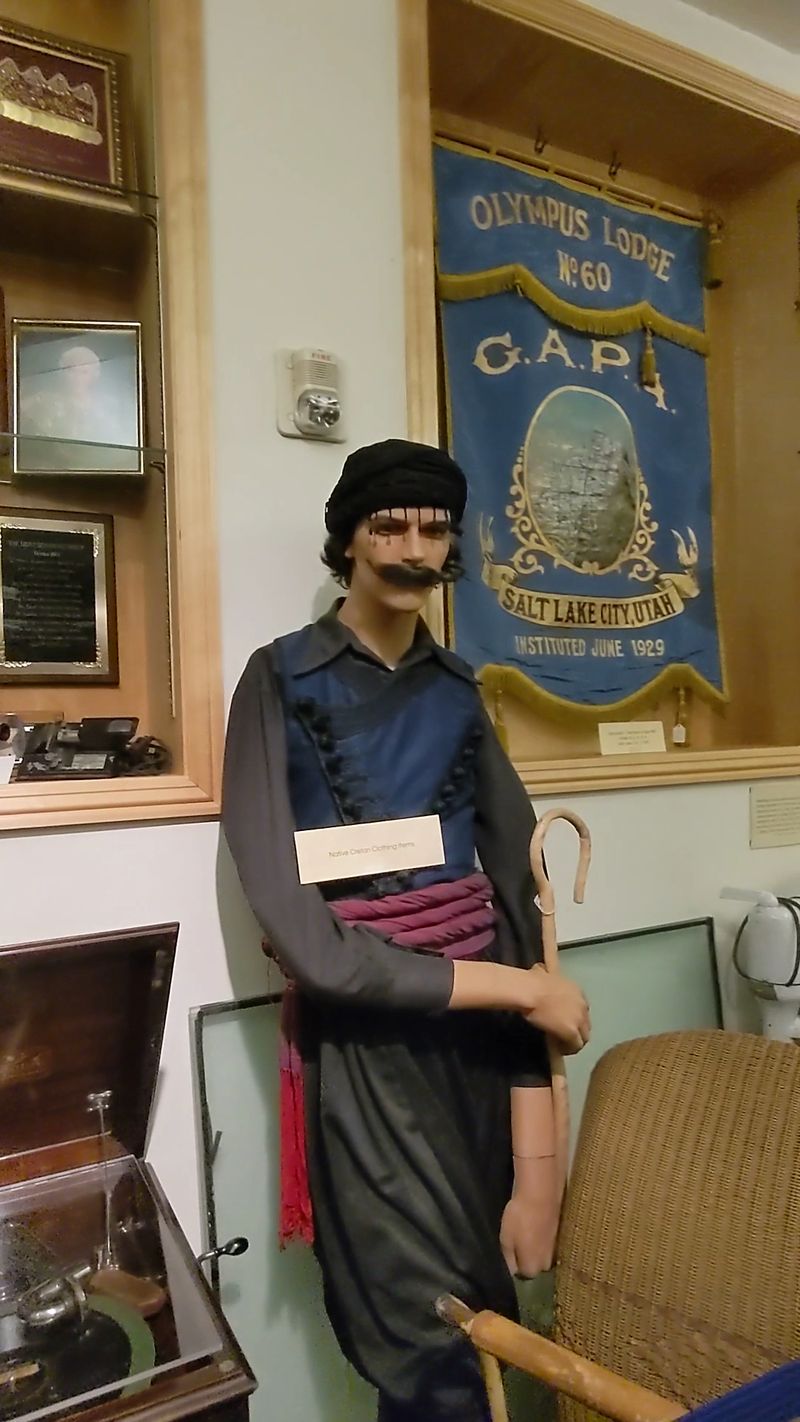
The festival’s staying power comes from more than full plates. Folk dancing, traditional music, cultural displays, and church related programming give the Salt Lake City Greek Festival a rhythm that keeps people moving from one part of the grounds to another without needing a clipboard.
Greek dance performances are especially useful for visitors who want culture they can see right away. Costumes, group formations, and repeated steps make heritage visible, and they give children a clear reason to look up from dessert, which is no small civic achievement.
The music and dancing also help explain why the event has lasted long enough to celebrate 50 years. A food only festival can be pleasant, but a community celebration with performance, faith, history, and family participation has more ways to bring people back.
Why It Matters: the festival turns Greek heritage into a public gathering where Utah residents can learn by watching, eating, listening, and asking simple questions.
That mix gives the weekend a useful balance. Visitors can keep the outing light, or they can spend more time connecting the entertainment to the cathedral, the parish, and the Greek community that built the event.
Different Visitors Can Make The Same Festival Work
Some outings ask too much from a group before anyone has even parked. The Salt Lake City Greek Festival is simpler because its parts are easy to understand: eat, watch, wander, learn, repeat as needed, then decide whether dessert counts as a separate meal.
Families can use the performances and food booths as natural stopping points, which helps when attention spans do what attention spans do. Couples can treat the festival as an afternoon date with enough structure to avoid the classic question of what now.
Solo visitors can move at their own pace, which may be the most underrated travel luxury in Utah.
Weekend travelers also benefit from the compact nature of the event. The festival is tied to one known site, rather than a scattered citywide schedule that requires heroic mapping skills and a battery percentage worthy of respect.
Because the Salt Lake City Greek Festival is a public cultural event, it suits people who like learning in motion. You do not have to commit to a formal class or long tour to come away knowing more about Greek food, dance, parish life, and the community that continues to host the celebration in Salt Lake City.
A Simple Saturday Detour In The City
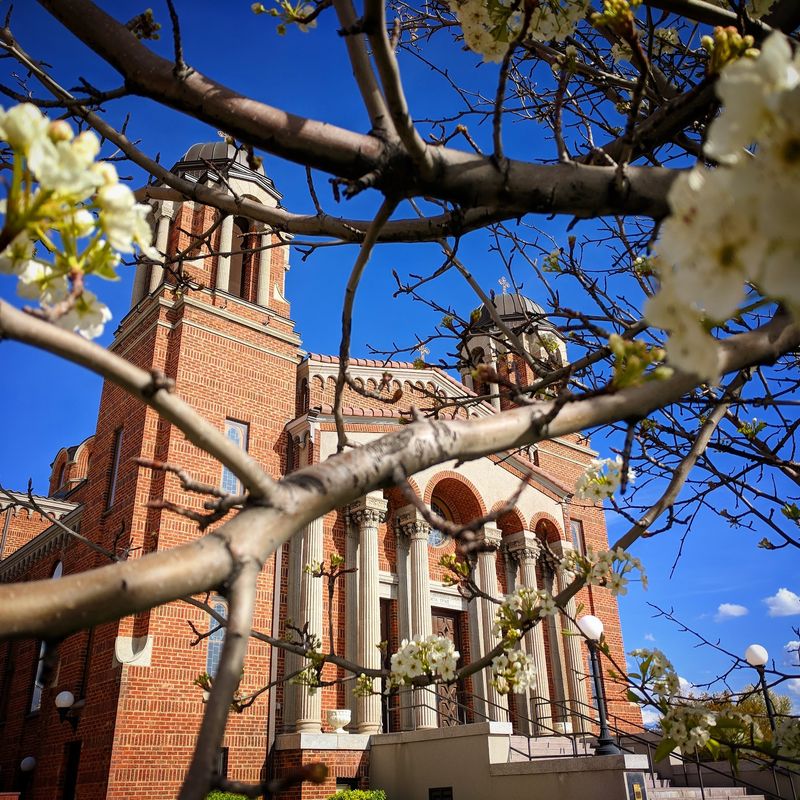
The smartest way to approach the festival is not to overbuild it. Holy Trinity Greek Orthodox Cathedral, 279 S 300 W, Salt Lake City, UT 84101, gives visitors one clear address, which is a relief in a world where some weekend plans require three tabs, two apps, and a small emotional recovery period.
A simple Saturday detour works well here. Finish errands, meet friends, or bring relatives who are already in town, then make the Salt Lake City Greek Festival the main stop instead of trying to stack the day like a travel brochure with ambition issues.
Check current festival hours, admission details, and transportation guidance through the official festival or church channels before going, since special events can adjust logistics from year to year. That small bit of planning is useful, especially for a milestone weekend that may draw strong interest from across Utah.
Once there, keep expectations practical. Plan time for food lines, performances, and a look at the cathedral if tours are available.
The outing does not need to be complicated to feel complete. A plate, a performance, and a little cultural context can carry a Saturday surprisingly far.
Why The 50th Year Feels Bigger Than A Birthday
A 50th anniversary changes the mood of an event. It invites visitors to notice not only what is being served or performed, but also the patient community work behind keeping a public tradition alive for half a century.
The Salt Lake City Greek Festival has become one of those Utah gatherings where the setting, purpose, and timing all line up. It is held at a real parish, connected to a real cultural history, and built around food and performance that can be enjoyed without needing expert background.
That is why the milestone feels bigger than a birthday candle moment. The festival shows how a community can share identity in a way that remains practical for everyday visitors.
You can bring kids, meet a date, stop in alone, or add it to a weekend in Salt Lake City without turning the outing into a production.
By the end, the strongest reason to go is also the plainest one. The Salt Lake City Greek Festival lets Utah see Greek heritage in motion at Holy Trinity Greek Orthodox Cathedral, one plate and one dance step at a time.
Text the friend who always says they want different weekend plans: this is the Greek festival one.