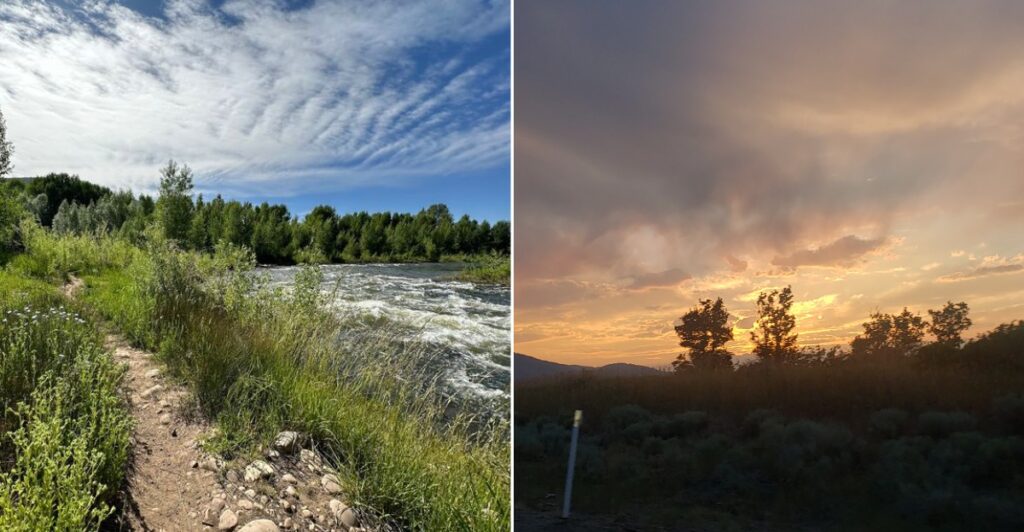
Under the boats and paddleboards at one Utah lake sit the remains of three whole towns. One of them once hosted a farming colony of Japanese American families who grew sugar beets in the 1940s.
The dam went up between 1987 and 1993. By 1995, rising water had covered old mine shafts, miners’ quarters, and an amusement hall called the Blue Goose.
I like how the story didn’t fully vanish, though. One old railroad depot got moved to safety before the flooding, and the land above the waterline became a lively state park.
Today, you can launch a kayak or cast for trout above fields that families once worked by hand. I can’t imagine floating out there without wondering what’s resting far below my paddle.
A Whole Town Is Sleeping Under Your Boat
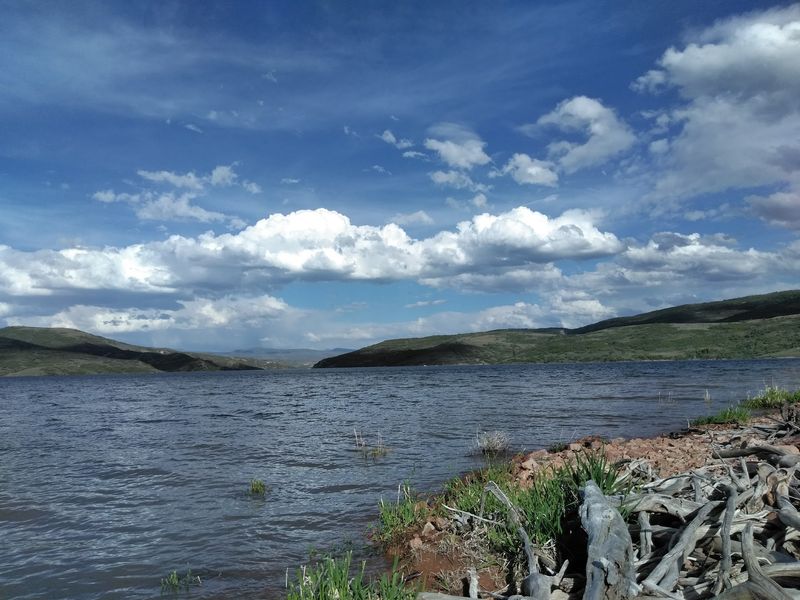
Few lakes come with a ghost town for a basement. Jordanelle Reservoir, the centerpiece of Jordanelle State Park, covers the old community of Keetley along with two smaller townsites.
Keetley developed as a mining settlement near the Ontario Drain Tunnel in the late 19th century and later became a center for mining and related industries.
The town took its name from Jack Keetley, a Pony Express rider who later supervised mining work. That’s a pretty great résumé for a guy with a lake town named after him.
When the water rose in 1995, it covered Ontario mine shafts and the quarters where miners once lived. The Blue Goose amusement hall went under too, taking plenty of local stories with it.
Not everything was lost, though. The Keetley Railroad Depot was moved to Park City before the flooding, so a piece of the town still stands on dry ground.
Knowing all this changes how the water feels. A sunny afternoon swim suddenly comes with a quiet history lesson floating right underneath you, and I think that makes a day here far more memorable than an ordinary trip to the lake.
The Sugar Beet Farmers Who Found A Safe Place Here
In 1942, a produce dealer from Oakland named Fred Isamu Wada made a bold deal. He worked out a lease with Keetley’s mayor, George Fisher, so Japanese American families could farm here.
The agreement covered approximately 3,500 acres of land in Wasatch County, although the families initially cleared about 150 acres for farming. For these families, it offered an option besides the forced relocation camps that so many others faced during the 1940s.
The farming colony grew vegetables, including lettuce and strawberries, and raised livestock to support its residents and supply nearby communities. Growing them at mountain elevation took grit, teamwork, and plenty of long days in the fields.
The colony lasted until the mid-1940s. Afterward, many of the families packed up and returned to California, where they had lived before.
I believe this chapter is the true heart of the lake’s story. It shows how one mayor and one determined businessman created a small pocket of hope during a very hard time.
Most people zipping by on jet skis have no idea about it. Now you do, and that’s worth sharing with whoever is sitting next to you on the beach.
Kids especially tend to remember a story like this far longer than a fact from a textbook.
Six Years Of Building Changed This Valley Forever
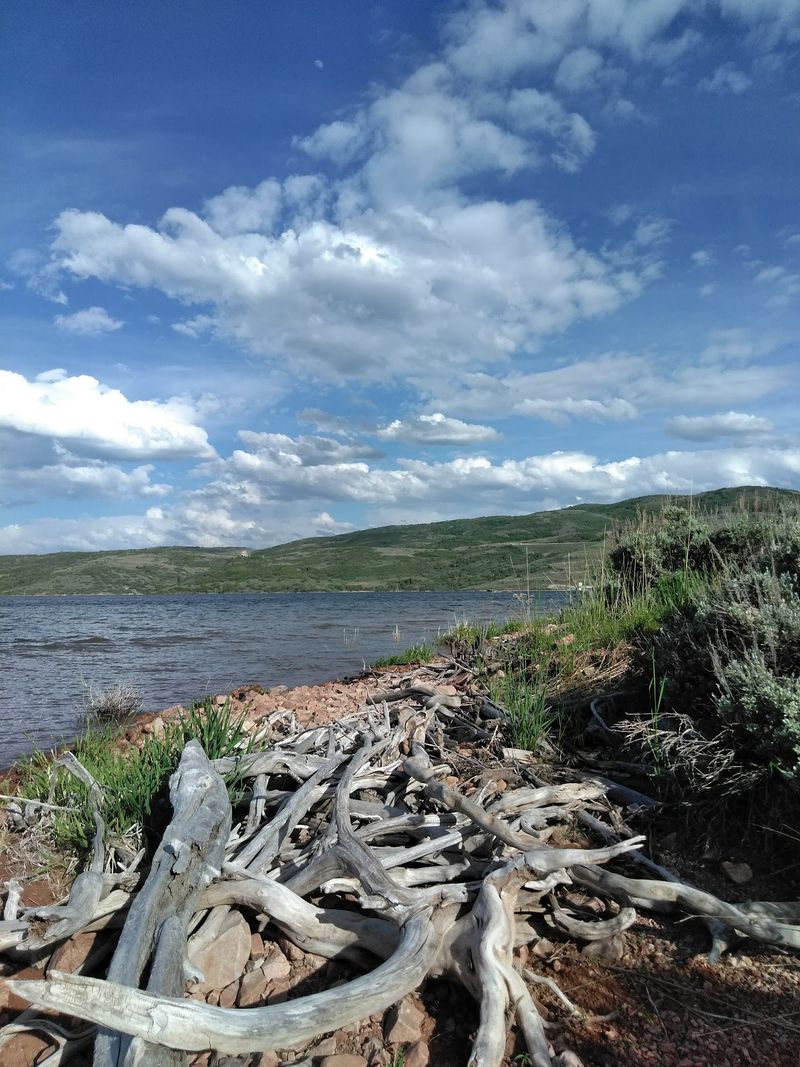
Construction crews broke ground on the Jordanelle Dam in June 1987. The work wrapped up in April 1993, after nearly six years of effort.
The dam belongs to the Central Utah Project, a large system that moves and stores water for much of the state. In a dry place like Utah, saving water is serious business.
Keetley wasn’t the only community in the path. A town named Jordanelle sat near the spot where the dam stands today.
Hailstone, the third townsite, lived along the old route of US-40 and US-189, south of Keetley. Today its name lives on in the park’s busiest recreation area.
By 1995, the reservoir had filled over all three places. Roads, homes, and work sites that families knew by heart quietly slipped under the surface.
So when you stand on the shore, you’re looking at a modern project layered over older lives. That mix of new and old gives the lake more depth than any depth chart could show.
It’s a good reminder that every big project in the West usually rests on somebody’s earlier home.
Head To Hailstone When You Want All The Action
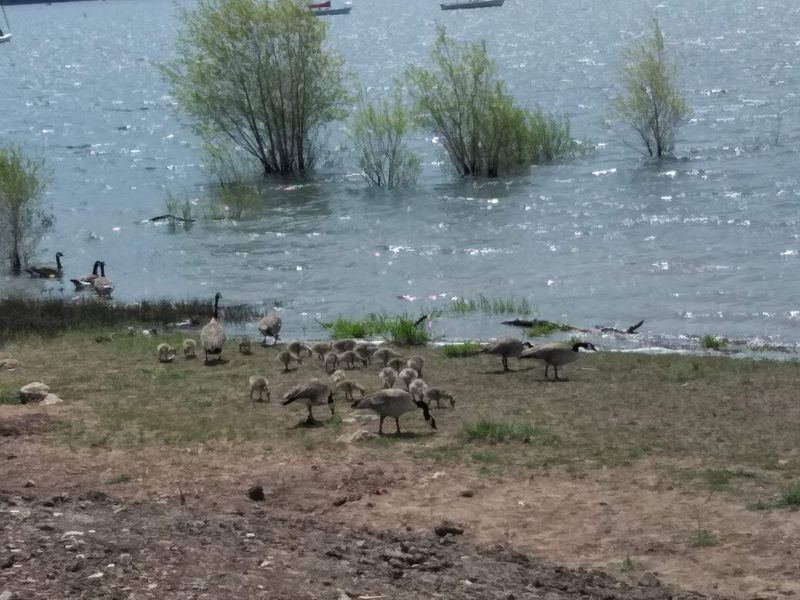
Eight lanes of boat launch tell you everything about Hailstone’s personality. It’s the main motorized hub of Jordanelle State Park, and it doesn’t do quiet.
You’ll find it at 515 State Road 319, Heber City, UT 84032. This entrance also serves as the park headquarters, so it makes a smart first stop.
A marina here offers fuel and a store for forgotten snacks or sunscreen. Rentals include ski boats, fishing boats, pontoon boats, jet skis, kayaks, and stand-up paddleboards.
No boat? No problem.
You can still claim one of 38 day-use cabanas, grab a pavilion, or let the kids loose on the playground.
Public beaches round out the scene for anyone who just wants sand and splashing. There are also designated areas for wakeboarding, which keeps the fast crowd in its own lane.
Day-use hours typically run from 6 a.m. to 10 p.m. Getting there early gives you the best shot at a shady cabana before the afternoon heat kicks in, and it gives the whole crew more hours on the water before dinner.
Pack A Rod Because The Fish List Is Long
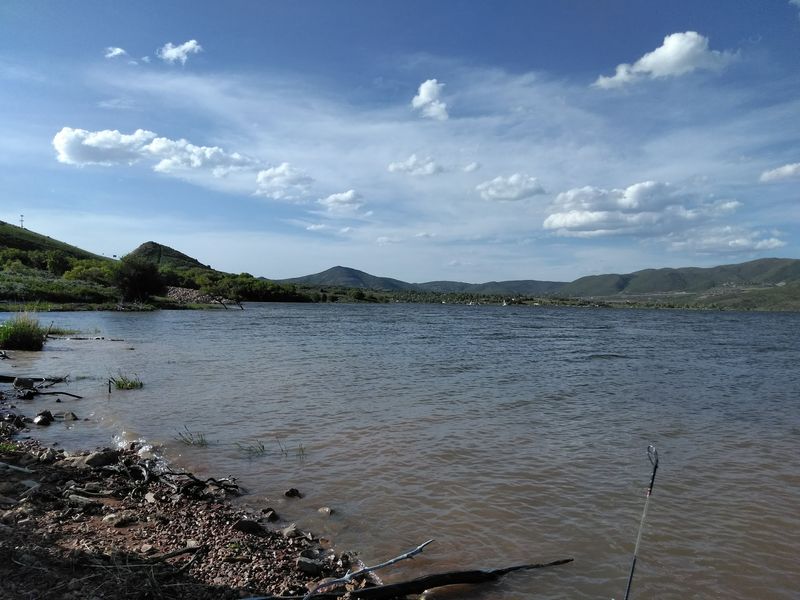
Rainbow trout, kokanee salmon, smallmouth bass, perch, wipers, and tiger muskie. That’s quite a lineup for one mountain lake in Utah.
Variety is the big win here. Trout chasers and bass fans can share the same boat without arguing over who picked the wrong spot.
Tiger muskie bring the drama. These toothy predators are a cross between muskellunge and northern pike, so landing one feels like a real trophy moment.
Kokanee salmon add a different kind of fun. They’re a landlocked form of sockeye salmon, and they turn a bright red color later in the season.
Out on the open water, boaters spread across the reservoir to find their favorite spots. Shore anglers can work the edges, which is handy for families with younger kids.
Before you cast, grab a valid Utah fishing license and check current state rules on limits. A little homework keeps the day relaxed and keeps the fish population healthy for future trips.
And yes, it’s fun to think about casting a line right above an old mining town. The fish probably don’t care, but you might.
Bring Binoculars To The Wetlands At Rock Cliff
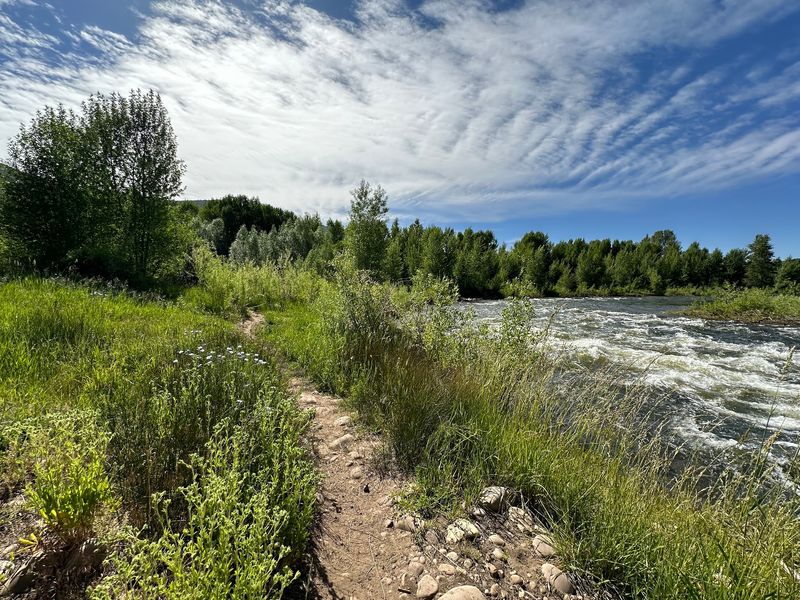
Golden eagles, red-tailed hawks, mule deer, elk, and moose all share the neighborhood at Rock Cliff. Over 200 bird and mammal species have been documented in this corner of the park.
Rock Cliff sits where the Upper Provo River flows into Jordanelle Reservoir. That meeting point creates rich wetlands, which is exactly where wildlife loves to hang out.
Elevated boardwalks let you wander above the marshy ground without soggy shoes. Interpretive trails explain what you’re seeing, so even beginners can sound like nature experts.
A Nature Center adds more background on the local ecosystem. It’s a great stop for curious kids who ask a hundred questions per minute.
The mood here feels calmer than the busy marina across the lake. Think whispers and camera clicks instead of boat motors.
Walk-in campgrounds and a group-use pavilion make it easy to stay longer. If spotting a moose is on your bucket list, extra hours near the wetlands certainly can’t hurt.
Pack binoculars, a water bottle, and some patience. The animals keep their own schedule, but the reward is worth the wait.
Paddlers Get Their Own Peaceful Corner At Ross Creek
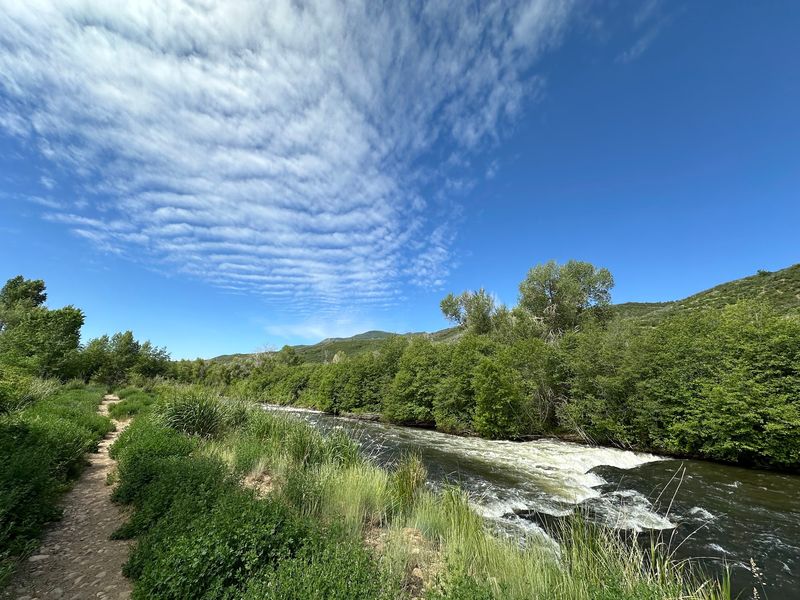
Motors stay home at Ross Creek. This area of Jordanelle State Park is set aside for non-motorized water sports and hiking.
That means kayaks, canoes, and stand-up paddleboards rule the water. A launch ramp makes getting in easy, even if your balance is still a work in progress.
I like how the park splits its personality this way. Speed lovers get Hailstone, while paddlers get a calmer spot without dodging wakes.
Anglers who prefer floating near the shoreline find this area appealing too. Drifting quietly along the edge can feel more like meditation than sport.
Ross Creek has day-use cabanas available on a first-come, first-served basis rather than by reservation. Arriving early may help your group secure a day-use cabana for snacks, shade, and drying off between paddles.
The Ross Creek Trailhead links up with the park’s long perimeter trail. So you can paddle in the morning and hike in the afternoon without moving the car.
If your idea of a perfect lake day involves birdsong more than engine noise, start here. Your paddle, your pace, and a whole lot of open Utah sky.
Stay The Night Or Circle The Whole Lake On Foot
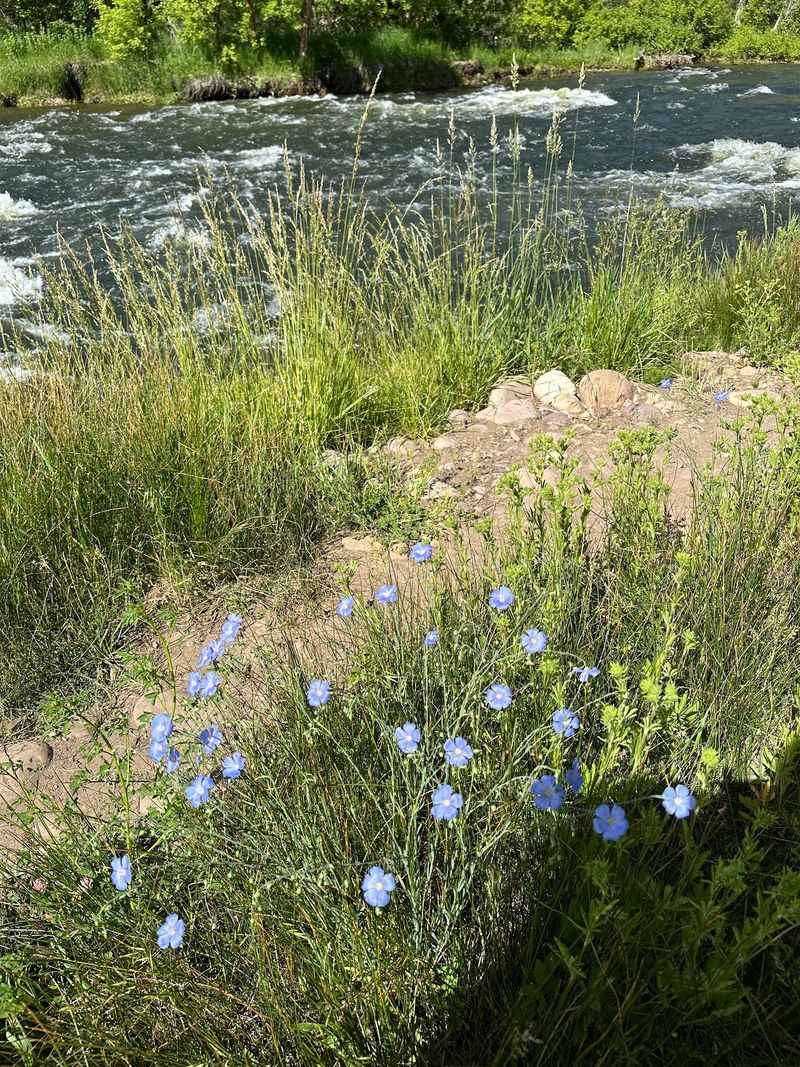
Twenty-two miles. That’s the length of the non-motorized perimeter trail that wraps around the lake.
The path connects Rock Cliff and Hailstone, and it welcomes hikers, cyclists, and horseback riders. E-bikes are welcome on the non-motorized trails too, which helps if your legs give out halfway.
Nobody says you have to finish it in one go. Short sections still deliver big views of water, hills, and the Wasatch peaks.
Overnight options cover just about every camping style. Hailstone has 103 RV sites with partial hookups, plus the McHenry tent loops.
Prefer real walls? Five cabins and three cottages offer a cozier choice, and group sites work well for reunions or scout troops.
Restrooms, showers, fire rings, and picnic areas keep things comfortable. Quiet hours run from 10 p.m. to 7 a.m., so everyone gets a fair shot at sleep.
Spots fill up during warm months, so booking ahead is a smart move. Then you can relax by the fire knowing your weekend is locked in, and the only planning left is deciding who handles breakfast.
Look Up At Night And Come Back When It Snows
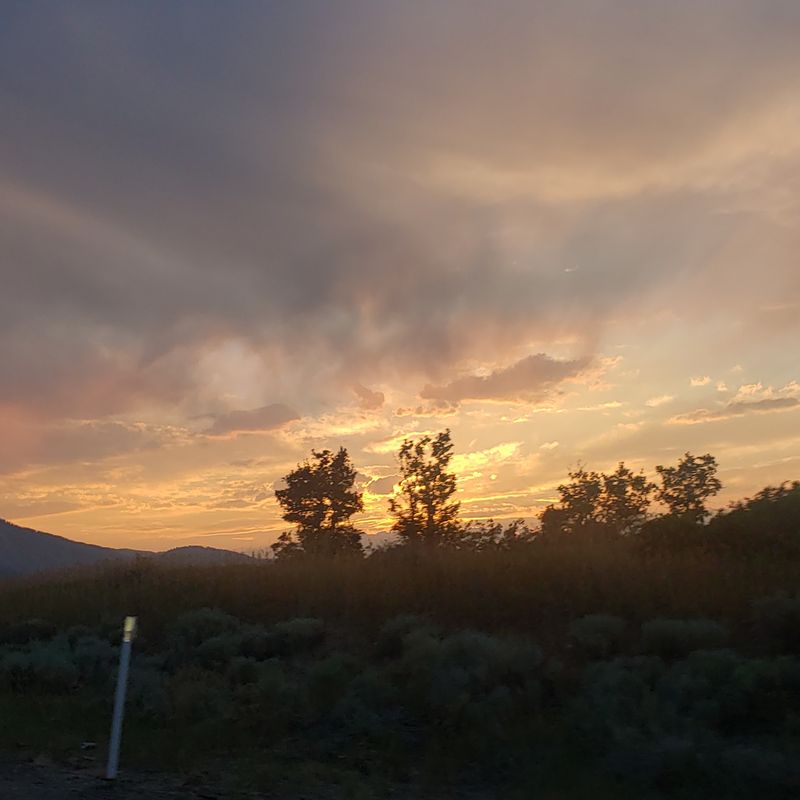
Jordanelle State Park holds the title of an International Dark Sky Park. That’s a big deal for anyone who loves stars more than streetlights.
Clear nights here can reveal far more sky than most city folks ever see. Bring a blanket, find an open spot, and let your eyes adjust for a while.
The park stays open year-round, so summer isn’t the only season worth a visit. Winter swaps paddleboards for a completely different set of adventures.
Ice fishing draws hardy anglers once the lake freezes over. Cross-country skiing and snowshoeing turn the quiet shoreline into a snowy playground.
Boat ramps get plowed in winter, allowing boating until ice forms. That’s dedication from a lake that clearly refuses to take time off.
Geology fans have one more treat. The surrounding rock formations, called Keetley Volcanics, formed from volcanic activity about 35 million years ago.
So the story here runs deep in every direction. Ancient volcanoes, a sunken farming town, and a sky full of stars all share one Utah valley, and I can’t think of a better reason to plan a return trip.