Bargain hunting gets a lot more fun when the calendar starts playing along.
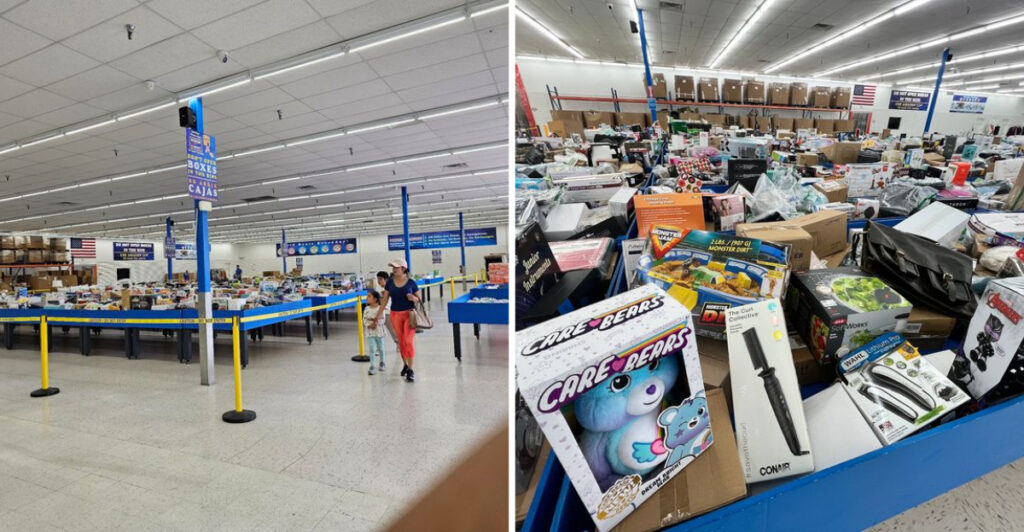
This Michigan bin store runs on a weekly cycle, with fresh merchandise filling more than a hundred open bins before the markdowns begin.
Returns and overstock keep the mix unpredictable enough that no two visits have to look the same.
Friday gives you the freshest selection. As the week moves on, prices keep dropping until the cycle hits its lowest point, followed by a full restock before everything starts again.
That leaves you with a choice: go early for more options, or wait and see what is left.
It is basically bargain shopping with a countdown clock and a shopping cart.
More Than 100 Bins Make Browsing The Main Event
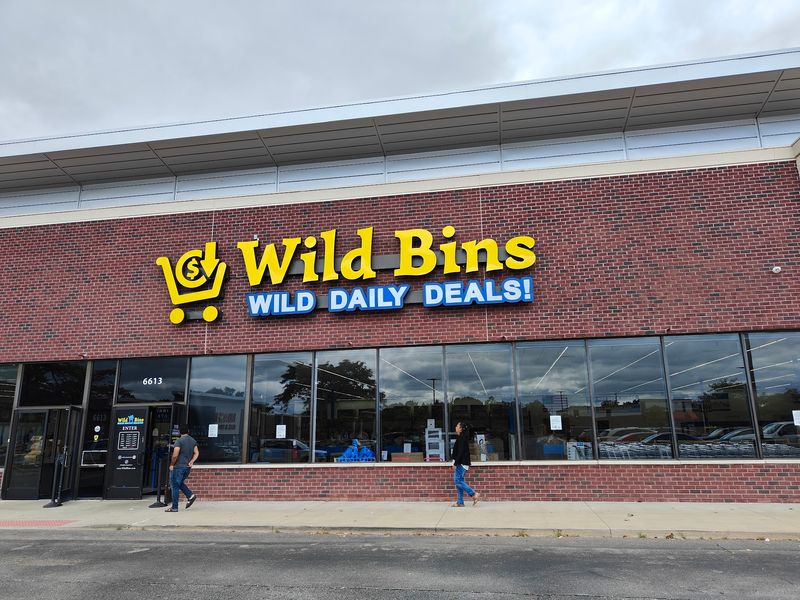
A traditional store tells you where everything belongs. Wild Bins would rather make you hunt for it.
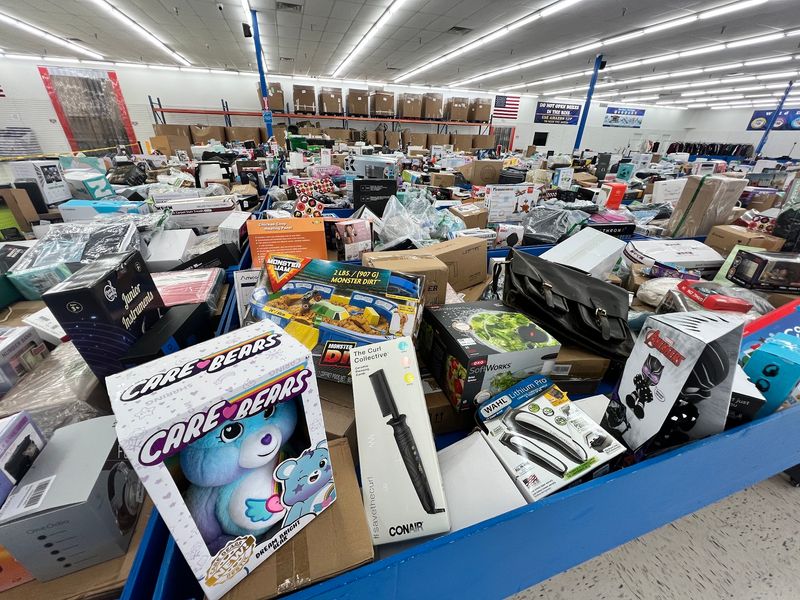
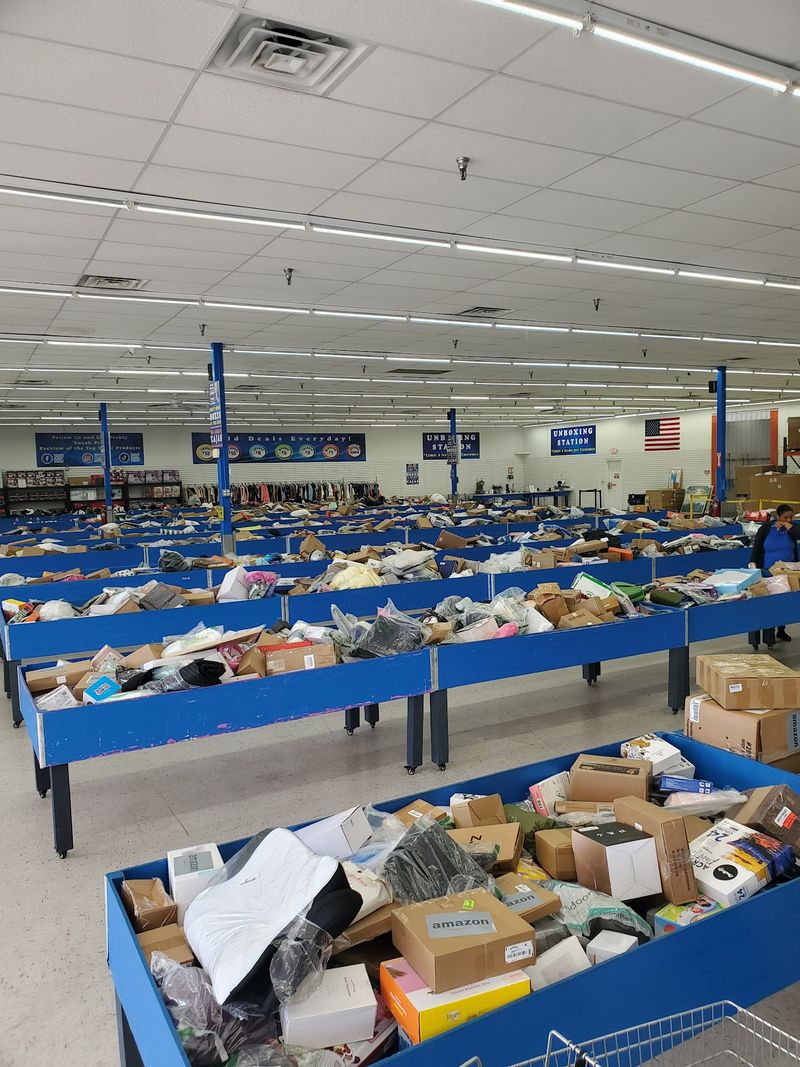
The company describes the Westland location as a real-life treasure hunt with more than 100 bins. Those bins hold returns, shelf pulls, and overstock from major retailers, so there is no fixed shelf plan telling you exactly where one category begins and another ends.
One bin can contain household goods while another brings clothing, electronics, tools, accessories, or products that are difficult to identify until you look more closely at the packaging.
Wild Bins says truckloads of merchandise arrive weekly, and it uses a first-in, first-out system rather than promising the same assortment day after day. A repeat visit can therefore look very different from the previous one.
All ages can enter the store, but shoppers must be at least 16 years old to shop directly in the bins. Younger children must stay beside an accompanying adult.
The store also supplies shopping carts and large 19-gallon IKEA bags for use inside, giving your hands somewhere to put the discoveries while the digging continues.
At more than 100 bins, “I’ll just take a quick look” can become a very optimistic sentence.
Friday Starts The Cycle With A Full Restock
Friday is not merely another shopping day here. It is the reset button.
Wild Bins closes every Thursday for a full restock, then reopens Friday at 10 a.m. for what the store calls First Pick Friday. That is when freshly loaded bins meet the highest price of the weekly cycle.
The tradeoff is easy to understand. Friday gives you the first look at the newly stocked merchandise, but waiting longer can mean paying less if the item survives.
Wild Bins is at 6613 North Wayne Road, Westland, MI 48185. The store is open from 10 a.m. to 7 p.m. Friday through Wednesday and closed Thursday for restocking.
The company also has lineup rules for shoppers arriving before opening. Leaving means giving up your spot, and nobody else can hold it for you.
Friday suits shoppers who value selection more than patience. You pay the top bin price, but you also get the first crack at Thursday’s restock.
The treasure hunt begins fresh, and the clock immediately starts working on the price.
Prices Fall Every Day Until Wednesday Hits One Dollar
The most important sign in the store may be the weekly price schedule.
Every item in the bins is twelve dollars on Friday. The price drops to ten dollars on Saturday, eight dollars on Sunday, five dollars on Monday, three dollars on Tuesday, and finally one dollar on Wednesday.
Thursday closes the loop while the store reloads for Friday.
That structure turns an ordinary purchase into a small decision about risk. If you spot something useful on Saturday, you can buy it for $10 or leave it behind and hope nobody wants it before Monday or Tuesday.
Waiting can save money, but it also gives other shoppers more time to find the same item first.
The store says its liquidation inventory can run about 50 to 90 percent below retail value, though the actual savings depend on the product and its original retail price.
Wednesday is the simplest math of all. If an item is still in the bins, it costs a dollar.
That makes the week a tug-of-war between selection and price. Friday says grab it before somebody else does. Wednesday says see what everyone else missed.
Your bargain-hunting personality probably already knows which side sounds more fun.
Major Retailer Returns Keep The Inventory Unpredictable
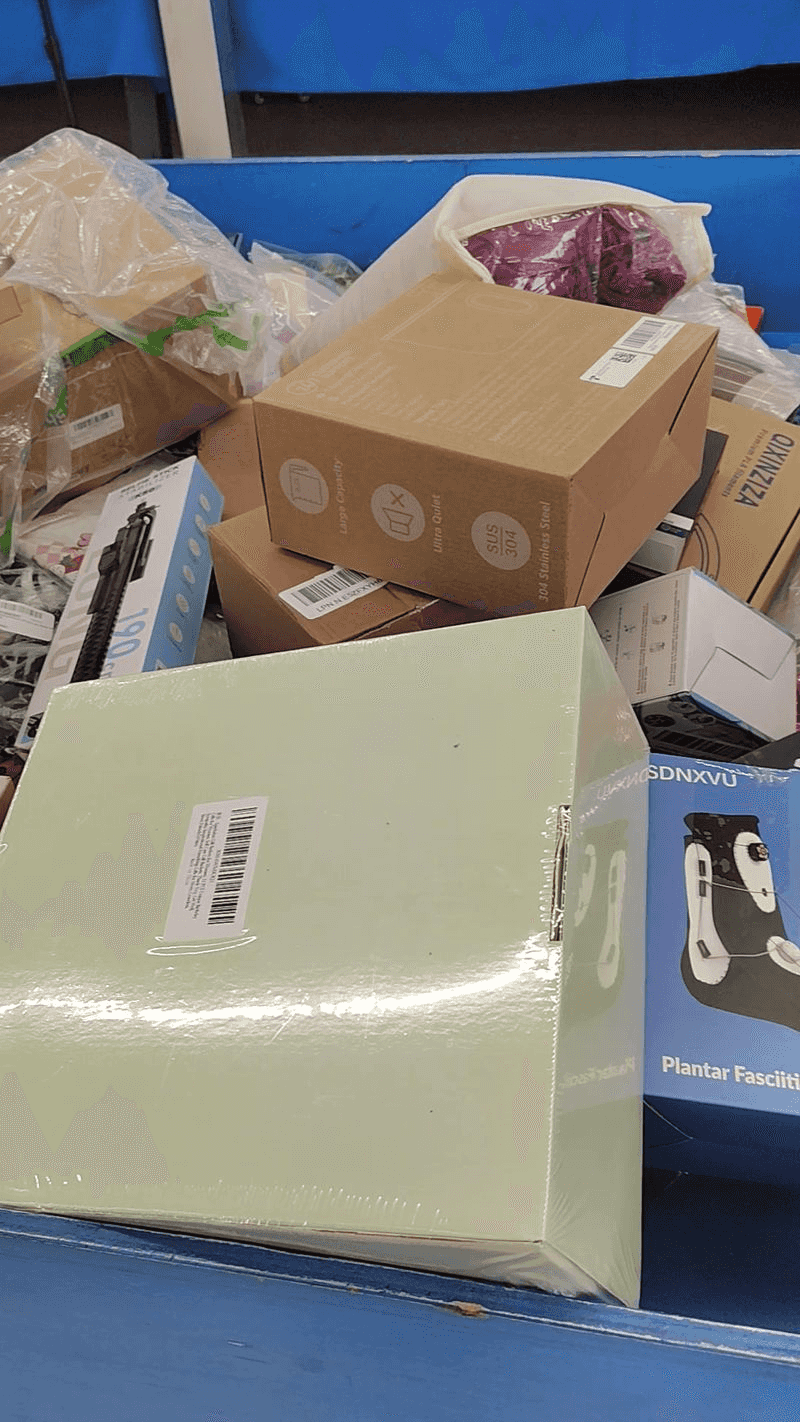
There is a reason Wild Bins does not publish a normal product catalog.
The store purchases truckloads of returns, shelf pulls, and overstock from Amazon, Target, Home Depot, and other big-box retailers.
Because those loads are driven by liquidation inventory rather than a standard wholesale order, the exact mix is not something the store can duplicate every week.
That is why sealed boxes and unfamiliar packages are common enough to require their own shopping system.
Wild Bins allows customers to use a barcode-scanning app on a phone to help identify packaged items. If a box still leaves you guessing, the store has another option instead of letting shoppers tear it open beside the bin.
This changing supply also makes social-media sneak peeks more useful than a permanent catalog. Wild Bins posts glimpses of incoming merchandise, but what remains available depends on what other shoppers pick up first.
Its first-in, first-out model keeps older inventory moving as new truckloads arrive.
If you hoped to find something you did not know you needed, the lack of a catalog starts sounding suspiciously convenient.
Fresh Merchandise Keeps Appearing Friday Through Sunday
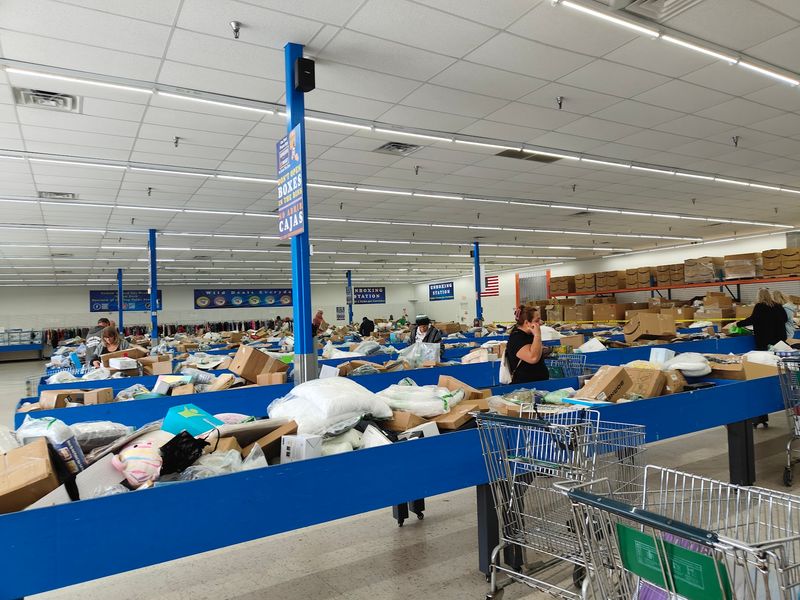
Friday gets the full reset, but the bins do not simply sit untouched until the next Thursday.
Wild Bins says employees restock the bins multiple times from Friday through Sunday. That means fresh merchandise continues entering the shopping floor during the early part of the cycle, even after the first Friday crowd has started working through the new load.
Friday morning may provide the earliest access after the full restock, but a later Friday, Saturday, or Sunday visit can still bring newly added items.
Wild Bins does not promise a particular product at a particular restock time, so trying to chase one exact item is difficult. The better approach is to treat each fresh drop as another round of unknown inventory.
By Monday, Tuesday, and Wednesday, the focus shifts more toward lower prices as the cycle works toward dollar day.
That weekly rhythm keeps the concept from being a one-and-done warehouse sale. Inventory arrives by the truckload, the store resets, merchandise keeps entering the bins through the weekend, and prices fall as the next Thursday approaches.
You can shop for maximum choice, minimum price, or some compromise in the middle.
The Unboxing Station Lets You Check A Mystery Box Properly
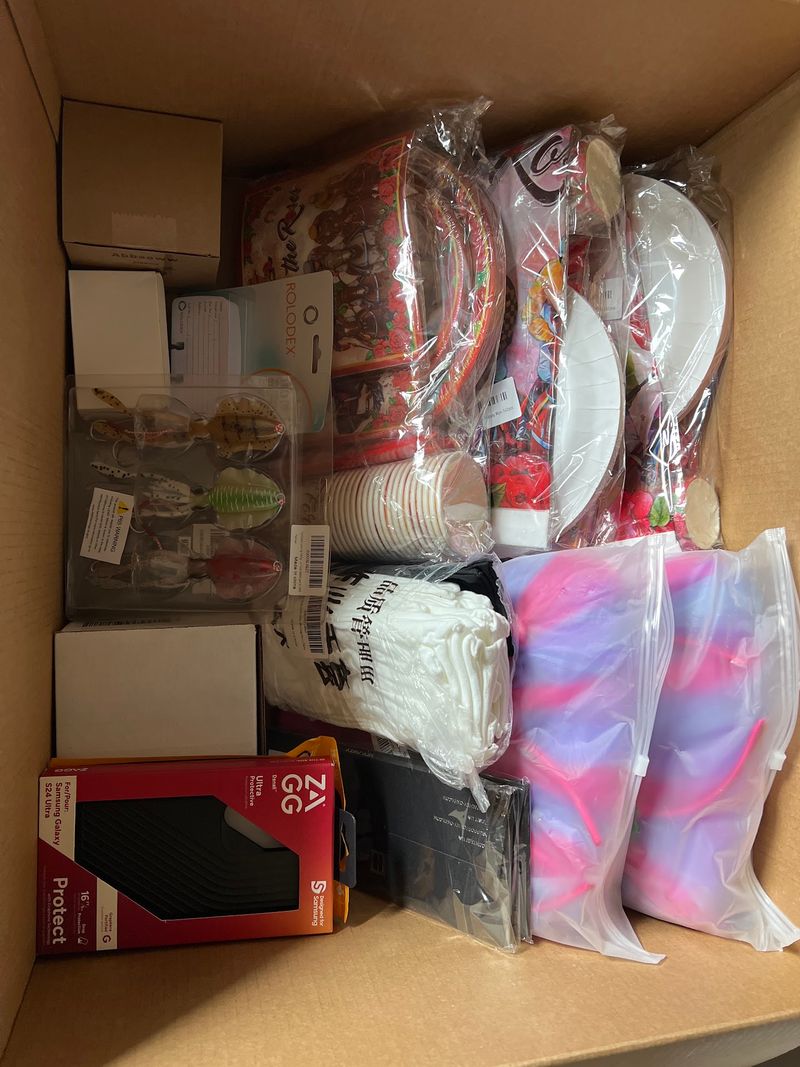
A sealed cardboard box is exciting right up until you realize you have no idea what you are buying.
Wild Bins does not allow shoppers to open packages while digging through the bins. Instead, sealed items can be taken to the box-opening station at the back of the store, where the contents can be inspected without scattering pieces or packaging around the sales floor.
That station matters because Wild Bins has an all-sales-final policy. The store does not offer returns, refunds, or exchanges, but customers may test items at the unboxing station before leaving.
That gives you a chance to inspect an uncertain purchase before deciding whether it belongs in your cart.
A barcode-scanning app may also answer the simplest question without opening anything at all.
Outside bags, backpacks, and large purses are not permitted in the shopping area. The carts and oversized IKEA bags Wild Bins provides stay inside the store, and cashiers bag purchased items during checkout.
Those rules help keep more than 100 bins of liquidation merchandise manageable.
A mystery box is still allowed to be mysterious. You just have a designated place to end the suspense.
Wednesday Turns Whatever Remains Into Dollar-Day Hunting
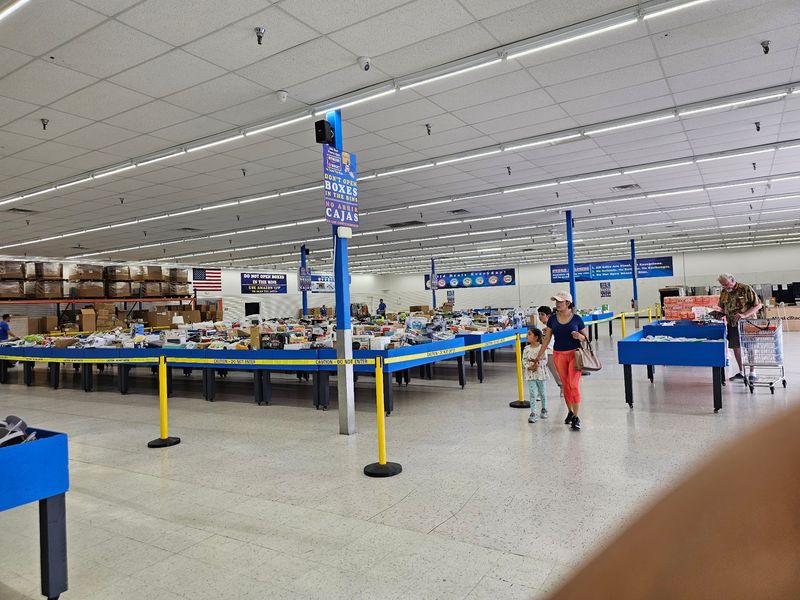
If Friday is about first choice, Wednesday is about seeing what survived.
Every item remaining in the bins one dollar on Wednesday, the lowest point in Wild Bins’ weekly price cycle. The store stays open from 10 a.m. to 7 p.m. before closing Thursday for the full restock.
Naturally, Wednesday does not offer the same untouched selection as Friday. Six days of shoppers have already worked through the bins while prices moved steadily downward.
That is exactly what makes the final day interesting.
A one-dollar price makes smaller household items, accessories, odd finds, and overlooked merchandise easier to consider without much debate. The tradeoff is that you are shopping what remains rather than what first arrived.
Wild Bins accepts cash, credit and debit cards, Cash App, Afterpay, tap payments, Google Pay, and Apple Pay, so dollar day does not literally require arriving with a pocket full of singles.
The next morning, the doors stay closed and the staff reloads more than 100 bins for another Friday start.
Then the weekly bargain puzzle begins again.