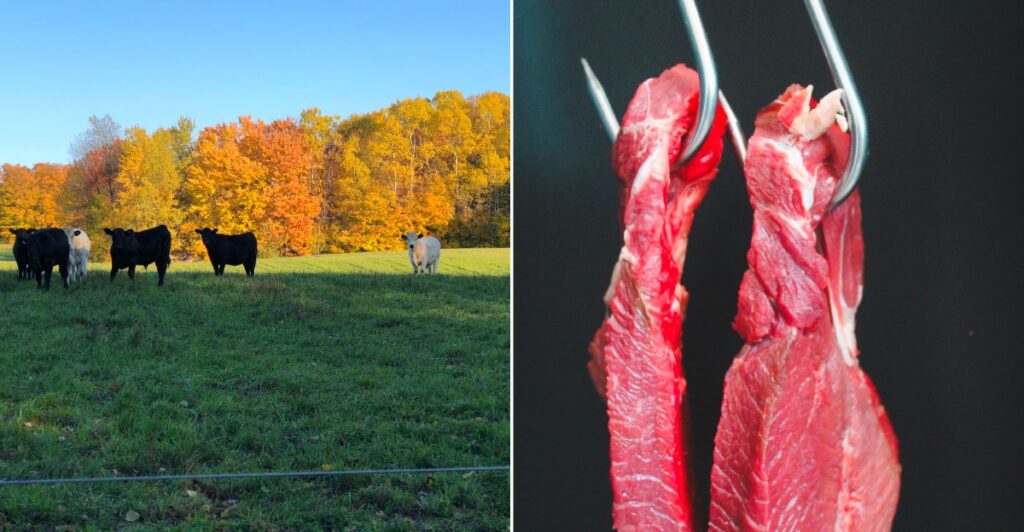
A quarter of one cow here works out to roughly 116 pounds of packaged beef. That’s a lot of tacos, burgers, and Sunday roasts sitting in your freezer.
The cattle on this farm eat grass and only grass. No grain, no hormones, no antibiotics. In winter, they munch on hay grown right on the same land.
I like how simple the whole idea feels. Six generations of one family have worked this ground in northern Michigan. They still raise cattle the slow way, on pasture, moving them from field to field.
There’s no better way to stock up for a long Michigan winter. There’s even a little red egg stand at the end of the driveway.
Mick Road Is The Farm’s Final Turn
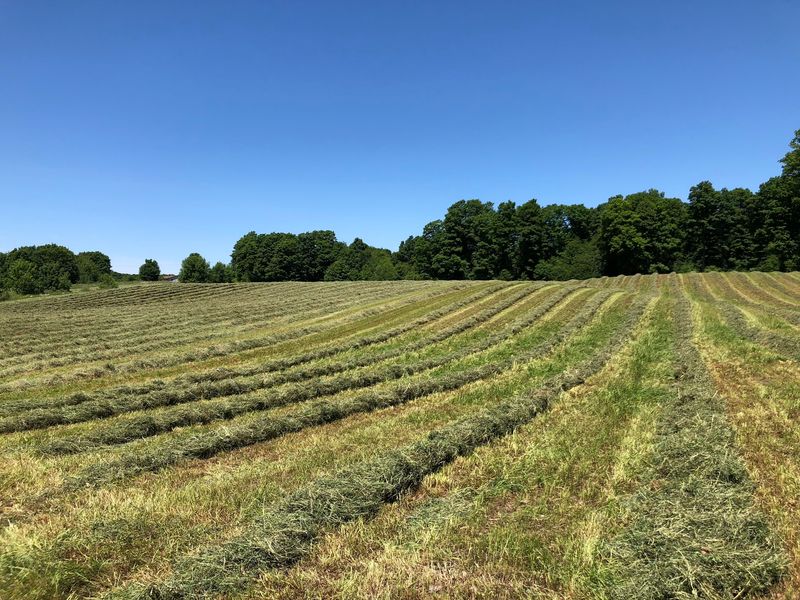
Lindgren Family Farms is based in Benzonia, Michigan, in Benzie County south of Crystal Lake. Approach through Benzonia and use Mick Road for the final stretch to the farm.
The destination is a working farm at 7033 Mick Road, not a grocery store in downtown Benzonia. The rural road and farm property are your last navigational cues.
Contact the family before making the drive and follow their pickup instructions once you arrive. Do not assume bulk beef or walk-in sales are available without an advance arrangement.
Grass From Start To Finish, With Zero Grain Sneaking In
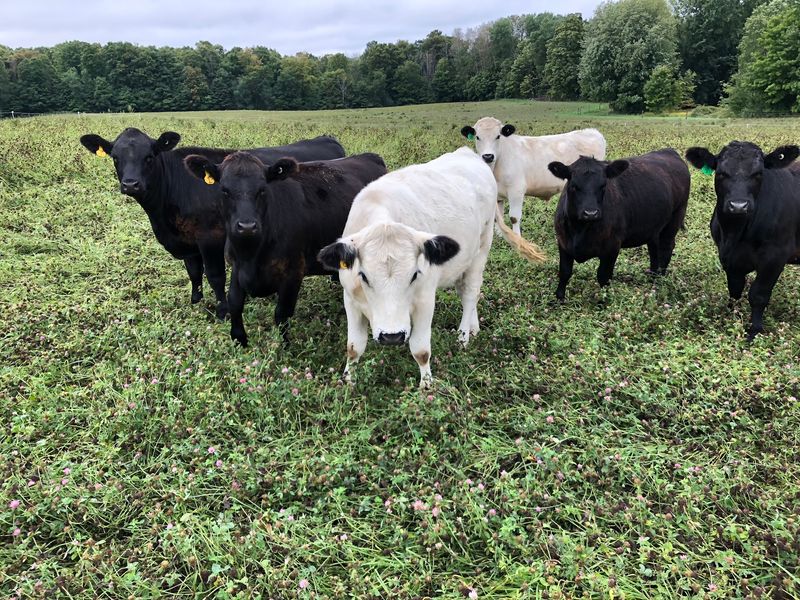
Plenty of beef gets called grass-fed. Fewer cattle stay on grass right to the very end, and that’s where the real difference shows up.
The beef here is 100 percent grass-fed and grass-finished. That means the cattle never get switched over to grain to bulk up before processing. No grains, no grain by-products, no shortcuts.
The farm also skips antibiotics and hormones entirely. The animals grow at their own pace, eating what cattle were built to eat. It sounds simple because it is simple.
Winter in Michigan, of course, buries the pasture under snow. So what do grass-fed cows eat in January? They eat non-GMO hay grown right on the farm, which keeps the diet consistent all year.
The family also puts a strong focus on raising and handling their cattle humanely. Calm, healthy animals living outdoors is the whole goal.
If you’ve ever squinted at a label at the grocery store trying to decode it, this setup is refreshing. You know exactly what went into the animal. You can even drive past the fields where it grazed, which beats any fancy packaging claim.
Those Cows Keep Moving, And The Pasture Loves It
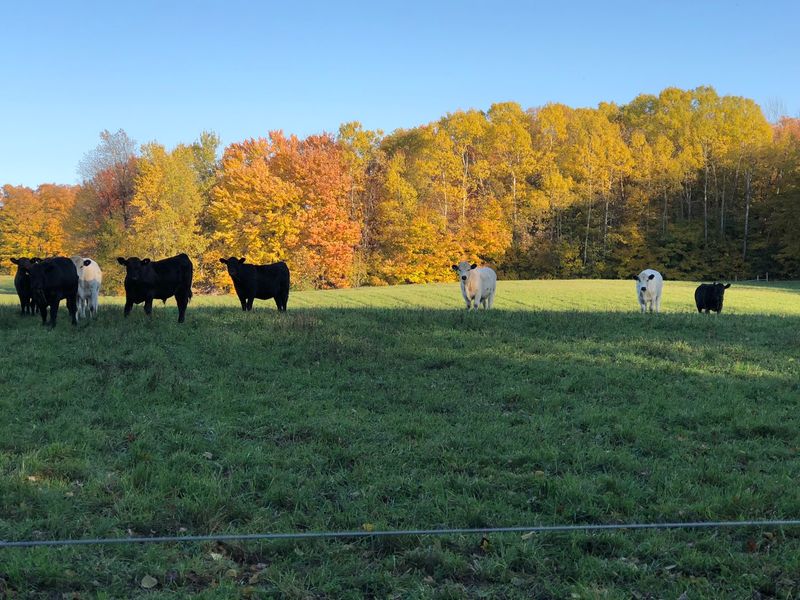
Cows on this farm don’t camp out in one field all summer. They rotate, and that one habit does a surprising amount of good.
Lindgren Family Farms uses rotational grazing along with regenerative management practices. In plain words, the cattle graze one section, then move on so that patch can rest and regrow. It’s a bit like letting your lawn recover after a backyard party.
The family focuses on the health of four things together: the cattle, the pasture, the hay fields, and the soil. Healthy soil grows better grass. Better grass feeds healthier cows.
That loop is the heart of regenerative farming. Instead of using the land up, the goal is to leave it stronger each year. For a farm planning on a seventh generation someday, that makes perfect sense.
You don’t need a farming degree to appreciate it. Just know that the beef in your freezer came from animals that spent their days walking fresh pasture. They weren’t standing around in mud waiting for a feed truck.
Honestly, that sounds like a better life than most of us get on a Monday morning.
Quarter, Half, Or Whole: Pick How Full Your Freezer Gets
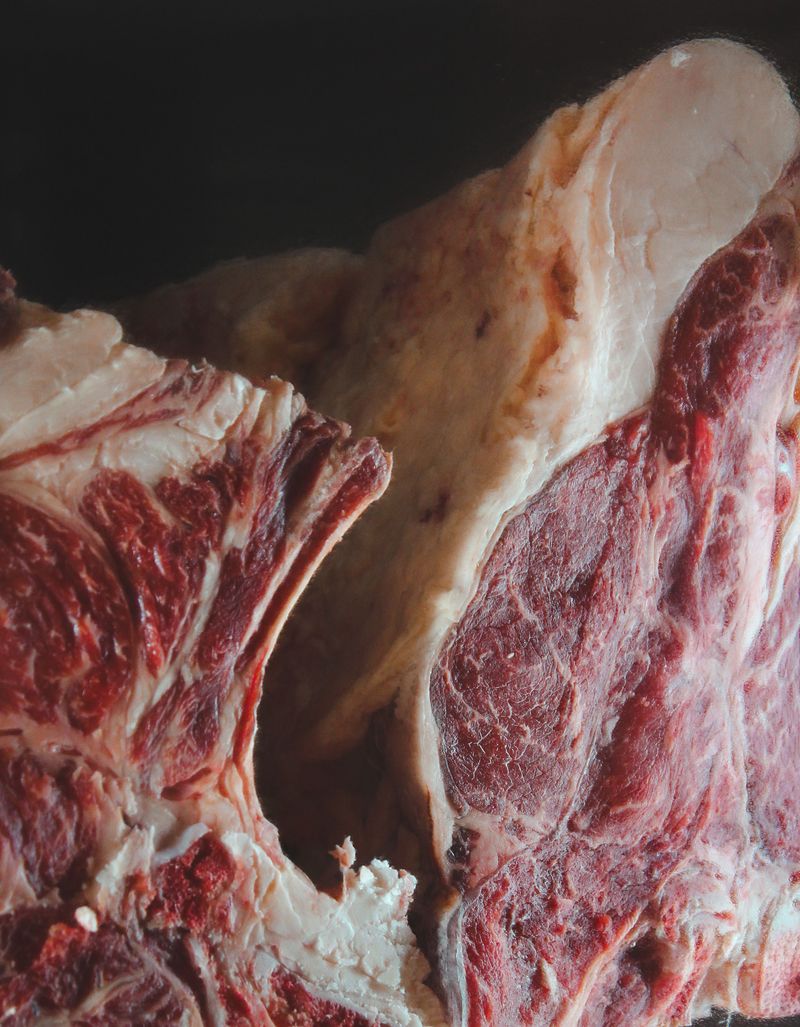
Here’s where bulk buyers start grinning. You can order a quarter, a half, or a whole cow from Lindgren Family Farms.
A quarter works well for a smaller family or anyone new to bulk beef. A half suits bigger households or folks who really love burgers. A whole cow? That’s for serious planners, or a few families splitting the haul.
The farm gives a helpful example of the math. A 1,200-pound live animal yields about 648 pounds of hanging weight. That turns into roughly 466 pounds of packaged beef.
So a quarter share lands around 116 pounds of packaged meat. That’s a chunk of freezer space, so measure before you commit. A chest freezer is your new best friend here.
The beef comes frozen and vacuum-packed, with ground beef packed in tubes. Neat, stackable, and ready to grab on a busy weeknight.
Buying this way means fewer trips to the store and a freezer that feels like a safety net. Snowstorm coming? You’re covered. Unexpected guests?
Covered again. It’s grocery shopping done once, with months of payoff.
Hanging Weight Sounds Tricky, But The Process Is Easy
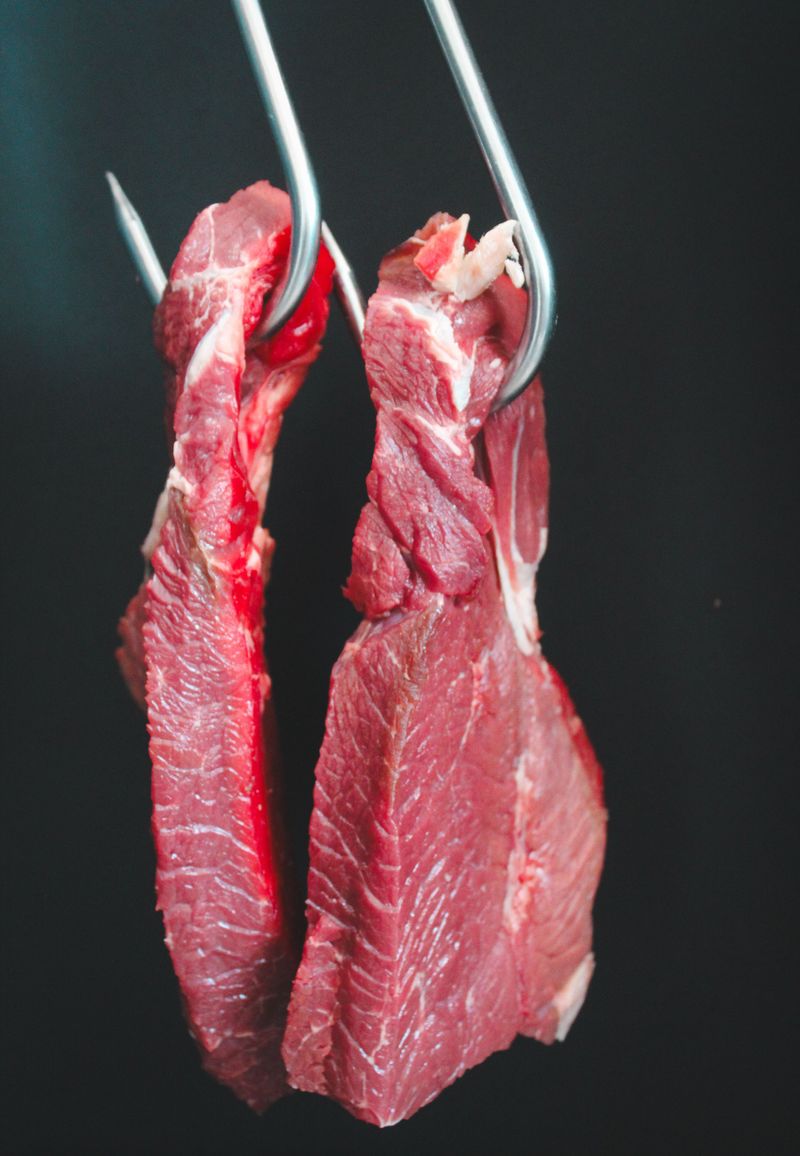
Bulk beef has a little vocabulary, and hanging weight is the big one. Don’t worry, it’s not a pop quiz.
Beef here is priced by hanging weight, which is the weight of the carcass before final cutting and trimming. Processing and packaging fees are separate. The processor sets those fees, and they can change.
Getting started is straightforward. You place a deposit to reserve your share. The farm takes care of hauling the cattle to the processor, so you never deal with that part.
Once you’ve paid in full, you pick up your frozen, vacuum-packed cuts directly from the processor. Bring coolers or a roomy trunk. A quarter cow will not fit in a lunch box.
Timing matters too. Bulk orders for the 2027 season open January 1, 2027. If you want a share, mark that date and plan ahead.
The whole setup is refreshingly honest. You see how the weight breaks down, and you know who handles each step. For first-timers, that clarity takes a lot of the guesswork out of buying beef in bulk.
Not Ready For 116 Pounds? Grab A Few Steaks Instead
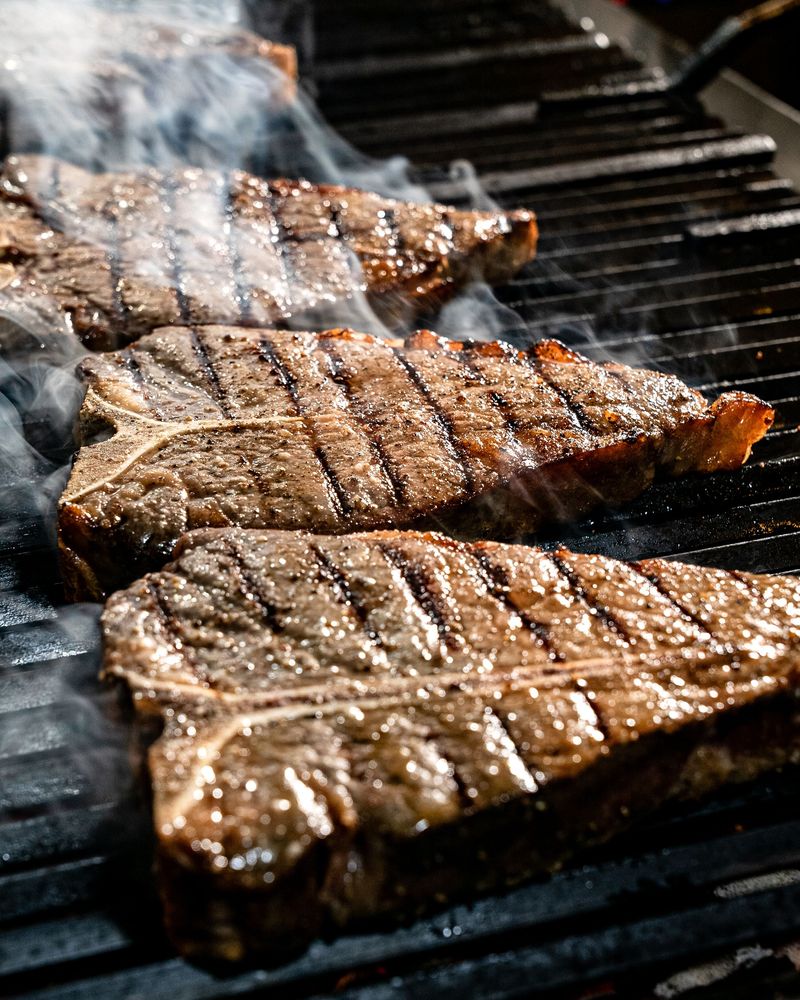
Good news for the freezer-challenged among us. You don’t have to buy a quarter cow to taste what this farm raises.
Lindgren Family Farms also sells beef by the pound. Options include ground beef, tenderloin, New York strip, and T-bone. It’s a smart way to test the waters before committing to a big order.
Availability changes daily, though. What’s in stock on Tuesday might be gone by Thursday. Calling the farm before you head over saves you a disappointing drive.
Think of it as a sampler run. Grill a strip steak, make a batch of burgers, and see how your family reacts. If the plates come back clean, you’ll know a bulk order makes sense.
A T-bone is also a pretty great excuse for a weekend cookout. Grass-fed beef tends to be leaner, so many cooks keep an eye on the heat and avoid overcooking.
Buying a few cuts is also handy for special dinners. Birthday on the calendar? A tenderloin from a sixth-generation Michigan farm makes a memorable centerpiece without a whole freezer full of commitment.
A Little Red Egg Stand Waits At The End Of The Driveway
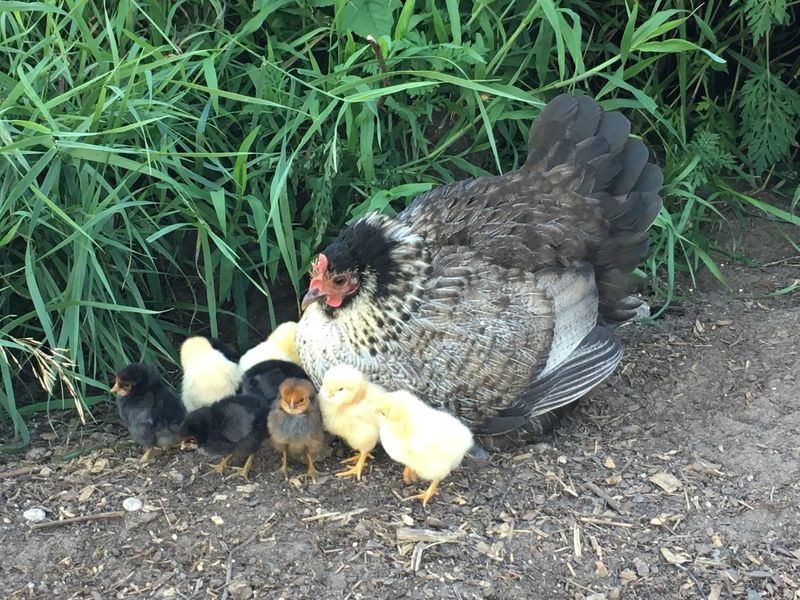
Beef is the star, but the chickens deserve their own applause. A small red self-serve egg stand sits at the end of the farm’s driveway, selling free-range eggs by the dozen.
These hens really are free-range. There are no fences holding them in. They roam the farm, foraging for plants, seeds, berries, and bugs like tiny feathered explorers.
They also get locally sourced, non-GMO grain. So their diet mixes farm buffet with a steady backup meal.
The flock includes several breeds. You’ll find Barred Rocks, Buff Orpingtons, Black Australorps, and Americanas. That last group lays blue eggs, which is a fun surprise when you open the carton.
Kids especially tend to get a kick out of blue eggs. Breakfast suddenly feels like an Easter morning bonus round.
A self-serve stand is also wonderfully old-school. You stop, grab your dozen, pay, and go. It’s an easy add-on if you’re already in the area picking up beef. Steak and eggs from the same farm?
That’s a pretty satisfying breakfast story to tell.
The Hay Fields Explain A Lot About That Winter Beef
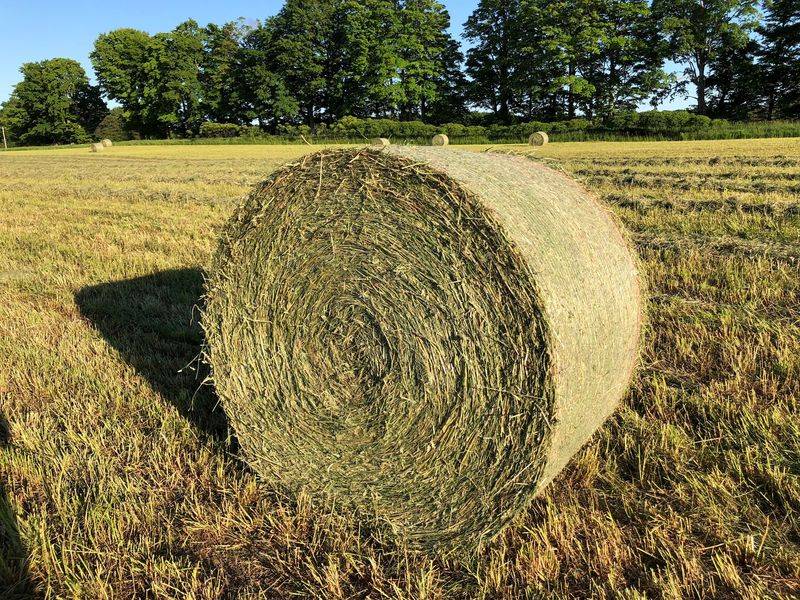
Grass-fed cattle need a plan for winter, and here the plan covers 113 acres. That’s how much alfalfa and grass hay the family grows.
Of those acres, 95 were newly seeded in 2018. Fresh stands like that help keep the hay quality strong. It’s the same hay that feeds their own cattle through the snowy months.
The family cuts it with a disc mower that has conditioner rollers. That equipment helps the hay dry more evenly in the field. Then it gets baled into 4×5 net-wrapped round bales.
Those bales are stored indoors. Keeping hay out of the rain and snow protects it from spoiling, which matters a lot for animal feed.
The farm also sells hay to the public in season. Right now, though, it’s sold out. Horse owners and fellow farmers will want to check back next season.
For beef buyers, the hay story is the quiet behind-the-scenes hero. It’s why the cattle stay on a homegrown, grass-based diet all year long, even when Michigan winter shows up uninvited.
Plan Your Trip To This Benzonia Farm Before You Go
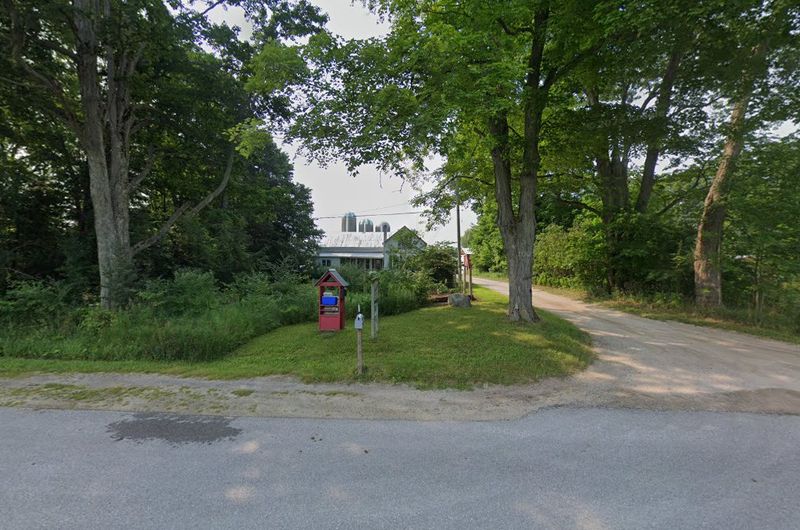
Ready to stock up? You’ll find Lindgren Family Farms at 7033 Mick Road, Benzonia, Michigan 49616.
Benzonia sits in Benzie County, in the northwest part of the Lower Peninsula. It’s a scenic region, so the drive itself can be part of the fun.
The farm lists hours of 9 a.m. to 5 p.m., seven days a week. Still, a quick call ahead is smart. By-the-pound beef availability changes daily, so checking first keeps your trip smooth.
Keep expectations simple. This is a working farm focused on selling its products directly to families. It isn’t set up as a tour stop or attraction beyond the self-serve egg stand.
That’s honestly part of the charm. You’re buying straight from the people who raised the animals and grew the hay. No middleman, no fancy store, just a family farm doing its thing.
Bring a cooler if you’re grabbing steaks, and a little cash-ready spirit for eggs. Then head home with dinner sorted. Few errands in Michigan feel this good, and fewer end with a freezer this happy.