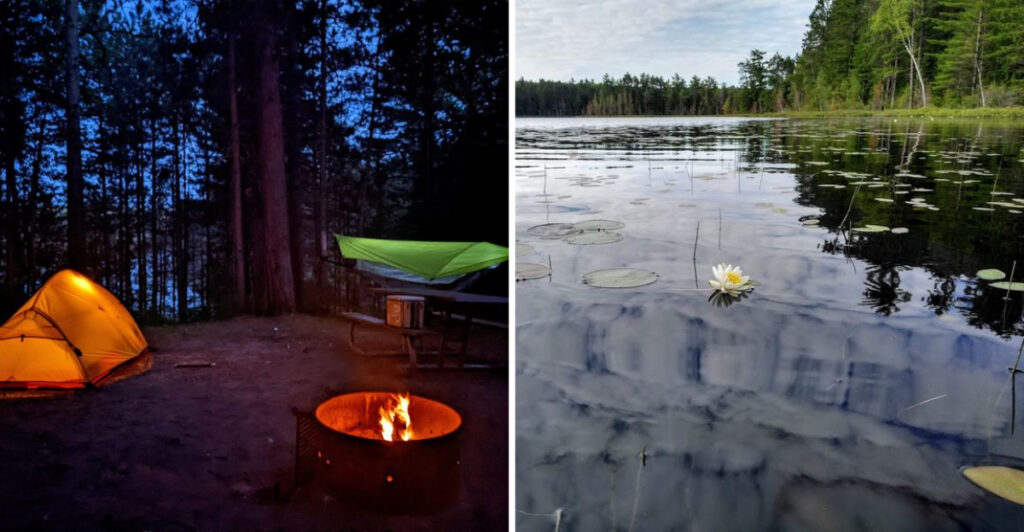
Some weekends arrive carrying an unreasonable number of expectations. There should be adventure, rest, good food, fresh air, and somehow no rushing whatsoever.
This little Michigan lake has found a simpler formula. Ten campsites sit among the pines. A fire ring waits beside each one.
Fishing begins right from the shoreline, and the water is small enough for a canoe to explore without turning the afternoon into an endurance event.
Nothing flashes or demands a reservation for six different activities before breakfast. Instead, the lake offers quiet mornings, iron-stained water, and evenings where woodsmoke clings to every sweatshirt around the fire.
When was the last time your biggest decision was whether to cast another line or stay put and watch the shoreline?
The nearest entertainment is whatever moves along the water, jumps at the end of a fishing line, or appears between the trees.
Michigan has larger lakes and busier campgrounds. This one understands that a weekend does not need to be packed to feel full.
The Forest Road Quietly Turns Down The Volume
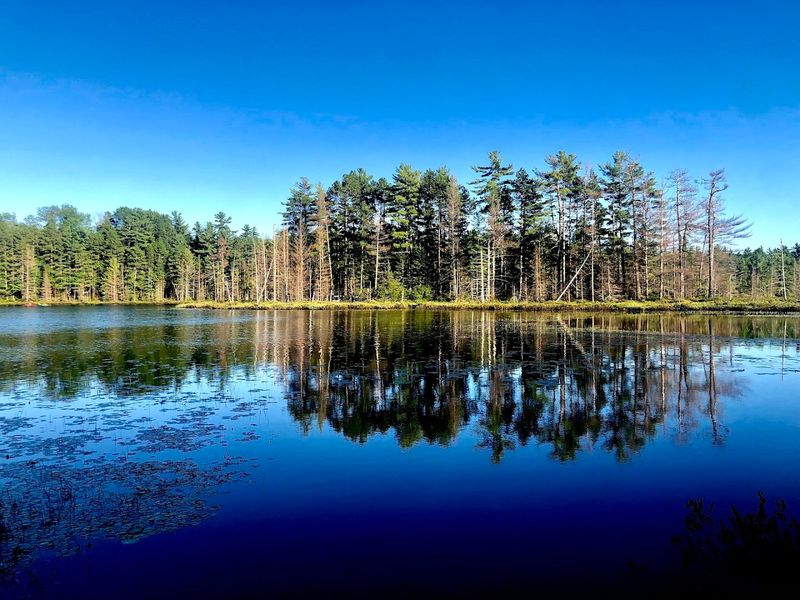
The forest begins lowering the volume before the campground even appears. Traffic thins, pine trees close in, and the outside world starts losing reception in more ways than one.
County Highway 612 winds through thick pine forest outside Wetmore, Michigan, and the traffic thins out well before the campground entrance comes into view.
Island Lake Campground sits within Hiawatha National Forest, one of Michigan’s most expansive stretches of federally managed woodland. Getting there feels intentional, like the forest is filtering out anyone who is not serious about unplugging.
The campground address is Co Hwy 612, Wetmore, MI 49895, and it sits well off the busier tourism routes that funnel visitors toward Pictured Rocks National Lakeshore. That distance is part of the appeal.
Visitor use here stays noticeably lighter than at more prominent campgrounds in the region. The roads leading in are quiet. The parking areas are calm.
By the time the first campsite appears between the trees, the week already seems farther away than the mileage suggests. Apparently, pine forest is very good at deleting unnecessary noise.
Ten Campsites Keep The Crowd On A Very Short Guest List
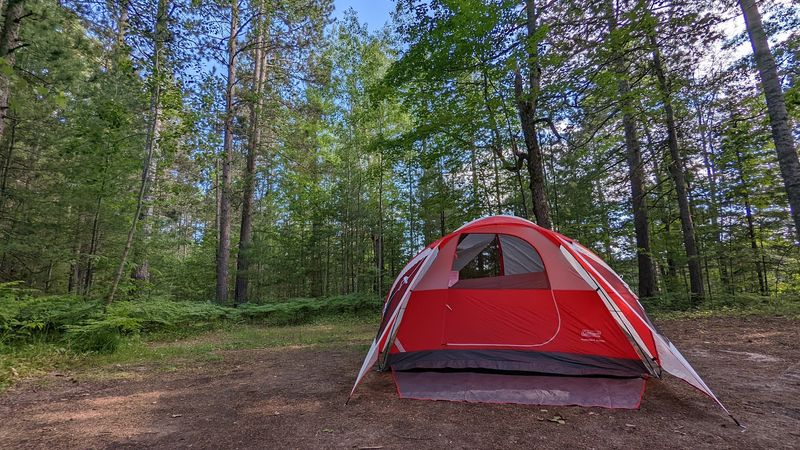
How many campsites does a peaceful weekend really need? Here, the answer is ten, plus one group site. And not a single extra row added for good measure.
With so few sites spread across a wooded setting, the campground never fills with the kind of noise and movement that larger facilities attract.
Spacious layouts mean neighbors stay at a comfortable distance. Several sites sit directly overlooking the lake, giving campers a front-row view of the water without any extra effort.
Campsites here are nonelectric, which keeps the experience firmly in rustic territory. They are simple, functional, and exactly what a weekend in the woods should feel like.
Some sites are reservable while others operate on a first-come, first-served basis. Arriving with a plan is smart, especially during the warmer months when even a small campground can fill up faster than expected in Michigan’s Upper Peninsula.
With only ten individual sites, the campground leaves enough space for conversations to stay private and evenings to remain peaceful. The forest gets most of the guest list, which is exactly how it should be.
The Pines Give Every Campfire Better Scenery
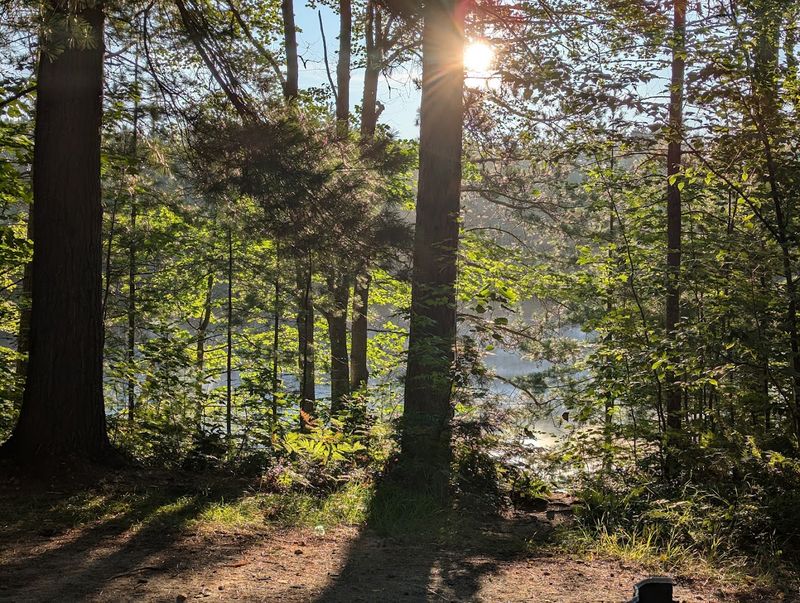
A campfire without pine trees is still pleasant, but it lacks proper stage design. Here, the forest handles the backdrop while the flames take care of the evening program.
Tall pines surround most of the campsites, creating a natural canopy that blocks wind and holds the warmth of a fire close.
The scent of pine mixed with woodsmoke is the kind of thing that stays in memory long after the weekend ends. Fire pits at each site include a cooking grate, which means meals cooked over open flame are not just possible but genuinely encouraged.
Visitors are advised to source firewood locally rather than transporting it from another area. This practice protects the forest from invasive pests that can hitchhike on wood from distant locations. Firewood is typically available near the destination, making the process straightforward.
Campfires here are tied to the designated rings within the campground setup, keeping things safe and contained. Evening fires feel unhurried at a place like this.
There is no schedule pushing anyone toward bed, no event starting at a nearby venue, and no ambient glow from a nearby town washing out the stars above the Michigan tree line.
Soon the fire settles, the pine scent mixes with woodsmoke, and nobody remembers why bedtime ever required a schedule. Marshmallows may disappear, but the evening has no intention of hurrying.
The Fishing Hole Begins At The Water’s Edge
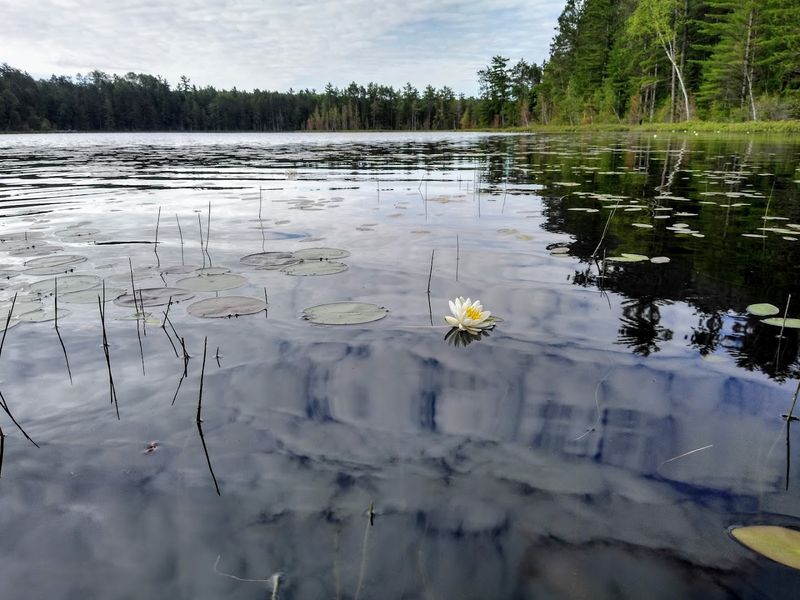
Island Lake removes nearly every excuse for postponing the first cast. No trailer, launch ramp, or complicated boat setup stands between you and the water.
Shoreline fishing is fully accessible here, meaning anglers can cast a line directly from the bank without any additional gear or watercraft.
The lake covers approximately 32.5 acres, a compact size that puts most of the fishable water within reach of a good cast from the shore.
That accessibility makes Island Lake a solid choice for casual anglers, families with kids just learning to fish, or anyone who wants to spend a quiet morning at the water’s edge without a complicated setup.
The lake’s modest size also means it warms up reasonably well through the season. This keeps fish active and catchable through summer weekends.
A carry-in boat access point does exist for those who want to take a small watercraft out. Canoes and kayaks work well here, and a few campers bring them specifically for fishing from the water rather than the bank.
The shoreline itself provides a calm, tree-lined setting that makes even a slow fishing morning feel worthwhile in Michigan’s quiet Upper Peninsula forest.
Will every cast bring you a fish? Probably not. Still, waiting beside calm water beneath the trees is a rather pleasant way to be ignored.
Bass Bluegill And Perch Share The Fishing Duties
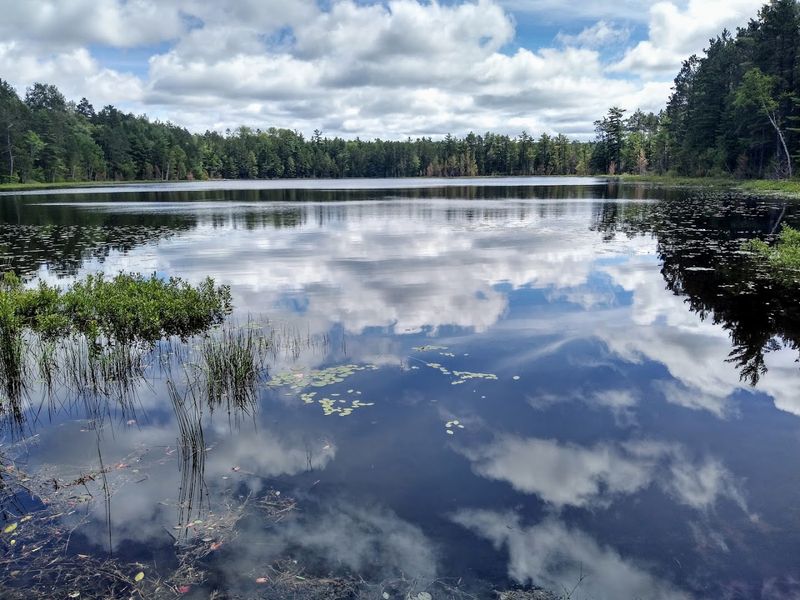
Bass bring the drama, bluegill handle the confidence building, and perch occasionally turn one good cast into a very busy few minutes.
Largemouth bass are the headline act. They tend to hold near structure and shoreline vegetation, making them a satisfying target for anglers willing to work the edges of the lake carefully. Bass fishing here has drawn consistent praise from visitors who have returned season after season.
Bluegill are the reliable backup. They bite readily, fight well for their size, and are a fantastic option for younger anglers building confidence on the water.
Perch add another layer to the mix, offering a different style of fishing and a species that tends to run in schools, which can lead to fast action when the timing is right.
The water at Island Lake carries a natural iron-stained quality that is common in many Upper Peninsula lakes. It does not affect the fishing. The fish are healthy, the lake is active, and a morning on the water here tends to produce results even without expert technique.
Michigan fishing licenses are required and should be obtained before arriving at the campground.
Bass may bring the excitement, while bluegill and perch keep the line from getting bored. By breakfast, the biggest catch may be the story someone has already begun exaggerating.
Canoes Match The Lake’s Indoor Voice
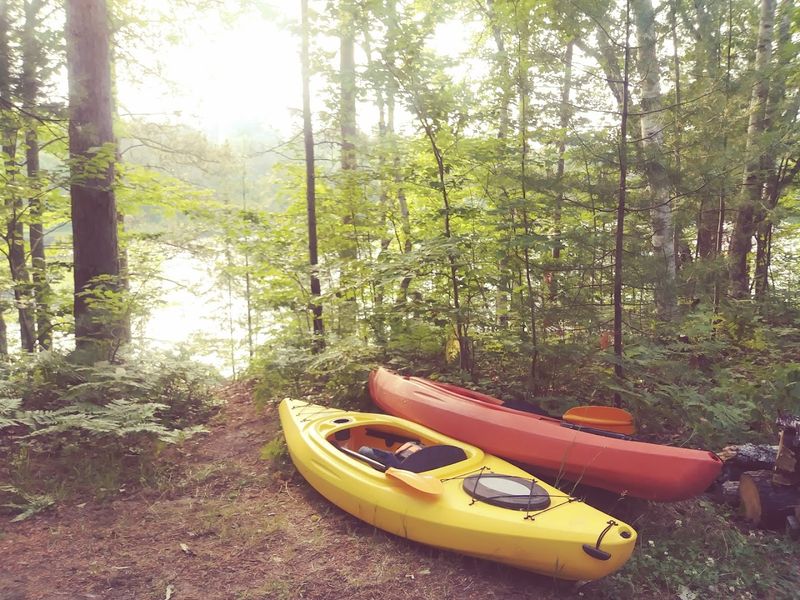
Would a loud motor improve this scene? The pines, paddlers, and peacefully floating ducks would probably vote no.
The carry-in boat access point accommodates small nonmotorized watercraft without any complicated launch procedure.
Paddlers carry their boat to the water, set off, and within minutes they are surrounded by pine-covered shoreline and open sky.
The compact size of the lake means the whole perimeter is explorable in a single outing without pushing hard.
Canoeing and kayaking here offer a different perspective on the campground. From the water, the pine forest looks taller. The campsites visible from the lake seem tucked even deeper into the trees.
The iron-stained water has a dark, almost amber quality that gives the lake a distinctive look unique to this corner of Michigan.
A quiet early-morning paddle is especially rewarding. The lake surface stays glassy and calm. Sound carries across the water in an almost eerie way.
Wildlife tends to be more active at that hour, making a quiet paddle as much a nature experience as a recreational one.
The farther the canoe drifts from shore, the taller the trees seem and the smaller the campground becomes. Out there, even a paddle dipping into the water will sound almost impolite.
Michigan Weekends Forget To Check The Clock Here
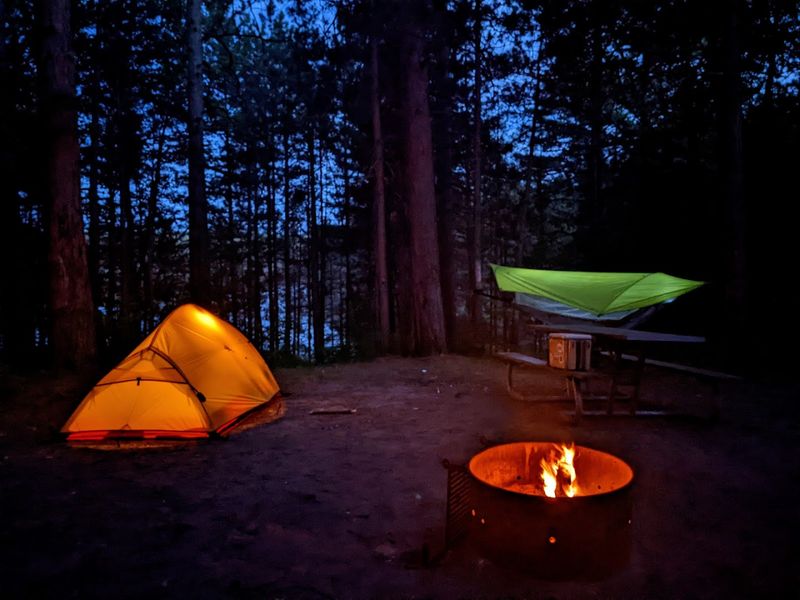
The first evening may still include checking the time. By the second, the clock begins looking less like useful information and more like an unnecessary opinion.
The campground has no on-site host. This means arrivals and departures happen without ceremony. Campers manage their own experience, which suits the independent spirit that tends to draw people to a place like this in the first place.
Cell service is limited or absent at the campground, depending on the carrier. That absence turns out to be one of the more popular features among repeat visitors.
Evenings settle in slowly. The fire takes hold. Perch and bass from the afternoon sit in a cooler nearby.
The pine canopy overhead holds onto the last light of the day longer than open sky would. Michigan’s Upper Peninsula has a particular quality of stillness after dark that is hard to describe and easy to remember.
Island Lake Campground does not offer luxury, entertainment, or convenience. It offers ten campsites, a quiet lake, good fishing, and the kind of uncrowded weekend that is increasingly hard to find.
Eventually, the phone stays untouched, the fire burns lower, and darkness settles over the pines. Nothing important has been missed. That may be the most memorable part of your weekend.