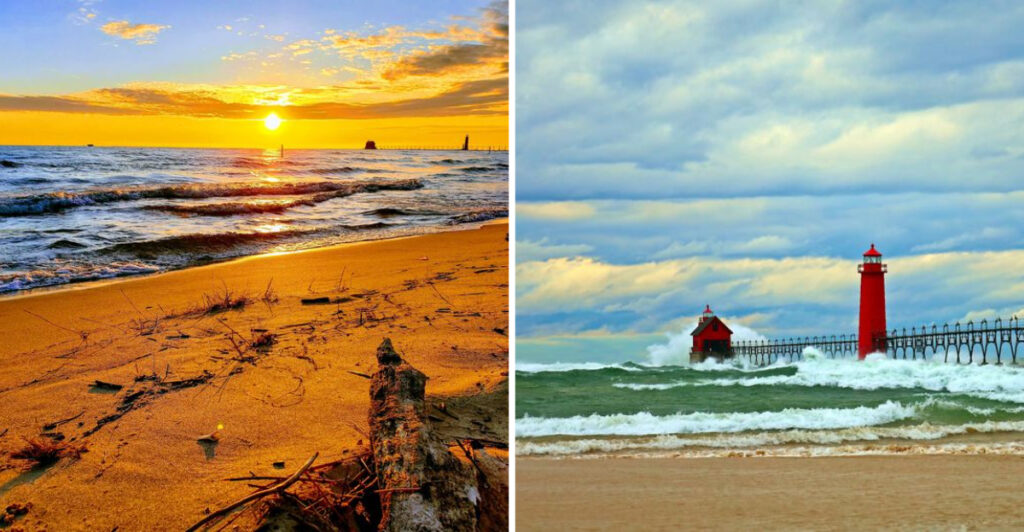
When did a lake day start needing crowd strategy?
This Michigan town makes summer easy to love and harder to navigate once everyone else has the same idea.
Much of the action stays close to the waterfront, so busy days can feel crowded fast. Warm weekends only add to the squeeze as more visitors head toward the same popular stretch.
What looks relaxed on paper can feel very different once the day gets going.
That tension is exactly why the conversation has not gone away.
The lakefront still has plenty going for it, but people are noticing just how much busier summer has become.
The Town Packs A Lot Into A Small Waterfront Area
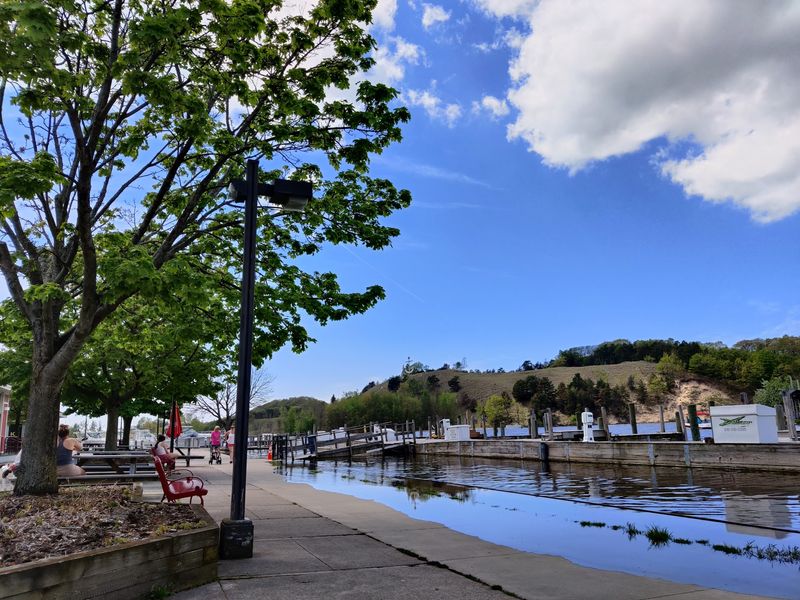
Grand Haven sits where the Grand River reaches Lake Michigan, giving the city both a riverfront and a broad Great Lakes shoreline. Downtown, the boardwalk, the state park, the pier, and the lighthouse are all close enough to connect during the same outing.
That layout makes the town easy to explore without constantly getting back in the car. You can move from downtown toward the waterfront and eventually reach the pier and beach.
The Grand Haven Coast Guard Festival is the clearest example of how busy the city can become. The ten-day celebration in late July and early August was expected to draw more than 350,000 attendees in 2026, with more than 35 events scheduled.
Not every summer day feels like festival week, but Grand Haven has documented periods when a relatively small lake town prepares for a very large influx of visitors.
Grand Haven State Park Puts Lake Michigan Front And Center
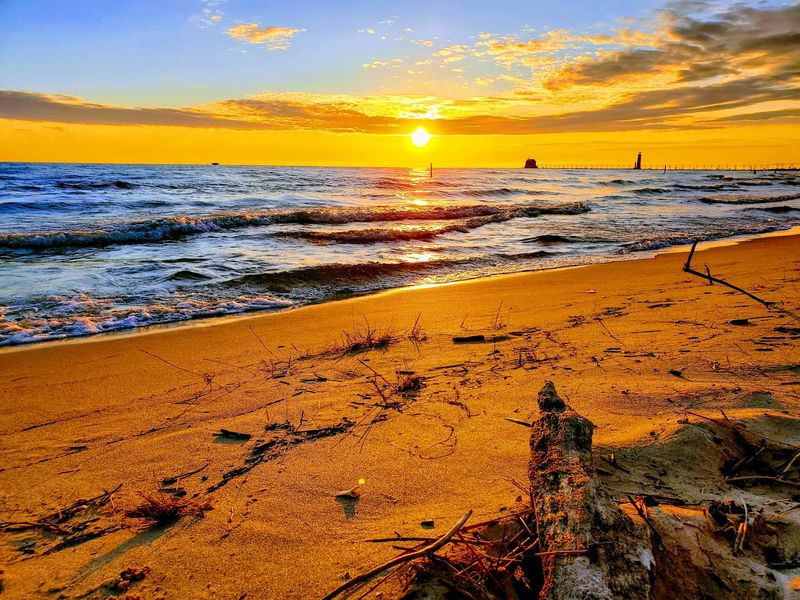
The beach is one of the strongest reasons to come here.
Grand Haven State Park covers 48 acres and includes a half-mile of sandy Lake Michigan shoreline.
The park occupies a narrow stretch between Lake Michigan and the Grand River harbor, placing the beach, campground, pier access, and waterfront route within one compact area.
It also has a designated swim beach, picnic areas, a beach pavilion, a modern campground, and direct views of the south pier and its two red lights.
Downtown Grand Haven is within walking distance, which helps connect the beach to the rest of the city. The adjacent waterfront route also makes it possible to continue toward the harbor instead of treating the park as a separate stop.
Lake Michigan conditions deserve attention even on a beautiful day. The Michigan Department of Natural Resources uses a beach-flag warning system at designated swim areas, and red flags mean the water is unsafe for swimming.
That makes the state park easy to fold into a larger Grand Haven day, whether you spend hours on the sand or stop mainly for the lake view.
The Boardwalk Links Downtown With The Pier
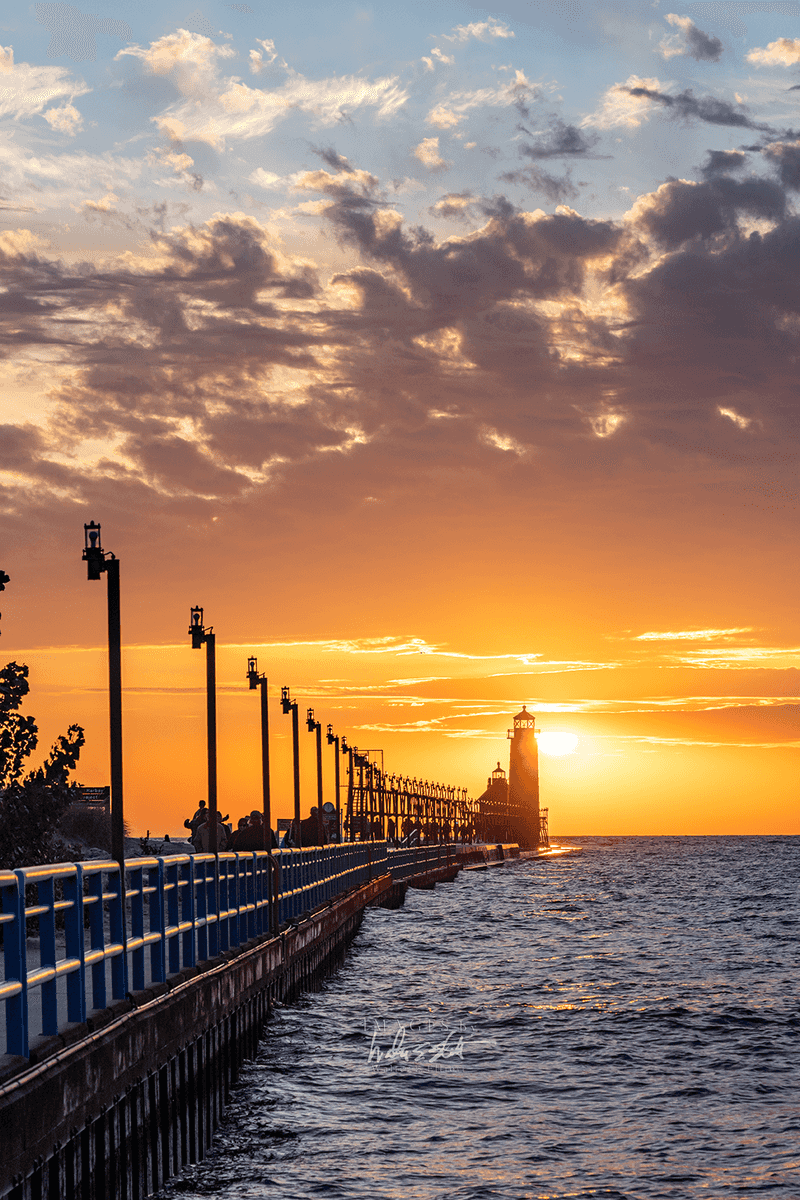
The Grand Haven Boardwalk is not a wooden boardwalk in the classic seaside sense. It is a 1.5-mile paved path along the Grand River harbor.
The full out-and-back walk covers about three miles, and the harbor route includes several grassy areas and benches where visitors can stop to watch boats.
Starting near Chinook Pier, the route passes restaurants, marinas, charter-fishing boats, and parks before reaching the catwalk, pier, and lighthouse. It also intersects with downtown shops and restaurants.
Benches and grassy areas along the route give you places to pause, and the boardwalk is open year-round from dawn to dusk. The route is paved throughout.
During warmer months, it can be combined easily with the beach, pier, downtown, and evening waterfront activities. If you only have a few hours in town, this route covers an impressive amount of Grand Haven without making the day feel scattered.
It also helps explain why the waterfront feels so connected: many of the places people come to see are tied together by the same paved corridor.
The Two Red Lights Define The Harbor View
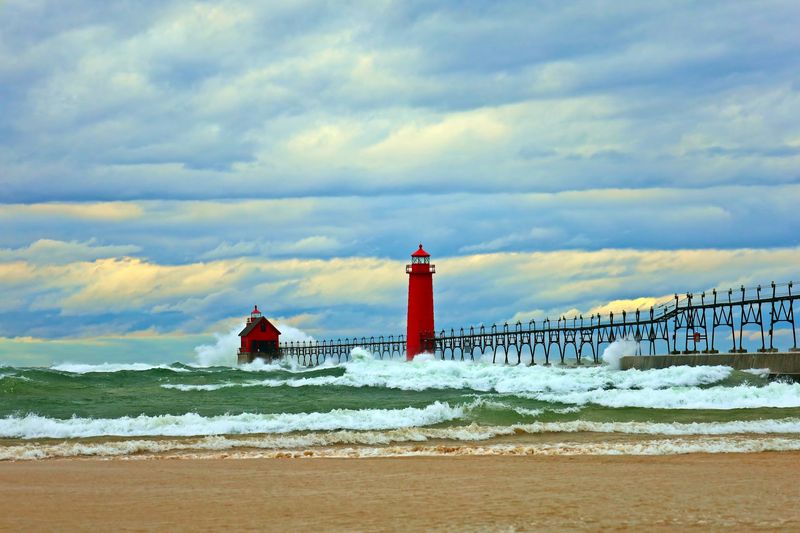
Grand Haven’s south pier carries two red lights connected by a lighted catwalk.
The outer light was built in 1905, while the red fog signal building dates to 1875 and was moved outward as the south pier was extended.
The lighthouse tradition here dates to the nineteenth century, while the current structures developed later. Today, the pair forms one of the most recognizable views along the Grand Haven waterfront.
You can see the lights from Grand Haven State Park or follow the boardwalk toward the pier for a closer look. The local tourism bureau describes the lighthouse as one of Michigan’s most photographed landmarks.
There is also a newer reason to look beyond the exterior. The fog house is currently open from 10 a.m. to 5 p.m. on Tuesdays, Thursdays, Saturdays, and Sundays, excluding holidays and periods of inclement weather.
Inside, visitors can learn about the history of the lights, the people who maintained them, and the restoration work that preserved the structure.
Downtown And The Waterfront Work As One Trip
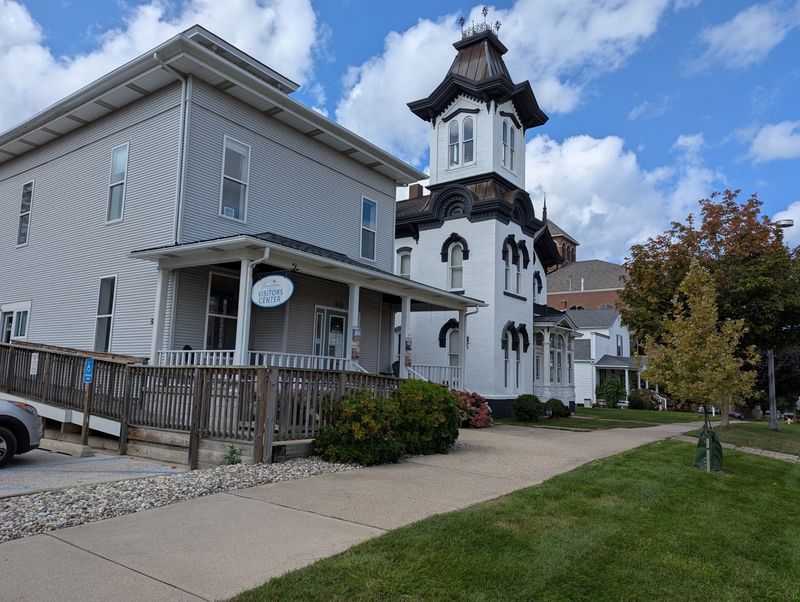
The downtown and waterfront are close enough that you do not have to choose one or the other.
The boardwalk intersects with downtown shops and restaurants, while the state park and pier sit farther west along the same general waterfront corridor.
A beach visit can turn into a downtown walk, or a downtown afternoon can continue toward the lighthouse without much logistical planning.
For trip information, the Grand Haven Area Visitors Center is at 512 Washington Ave, Grand Haven, MI 49417.
The compact setup also explains why summer activity can feel concentrated. Multiple attractions feed visitors toward the same downtown and harbor area instead of spreading them across widely separated parts of the city.
That can be convenient when you want to cover several stops in one day. Walk part of the waterfront and decide along the way whether the next stop should be the beach, downtown, or the pier.
The Musical Fountain Keeps People Near The Water After Dark
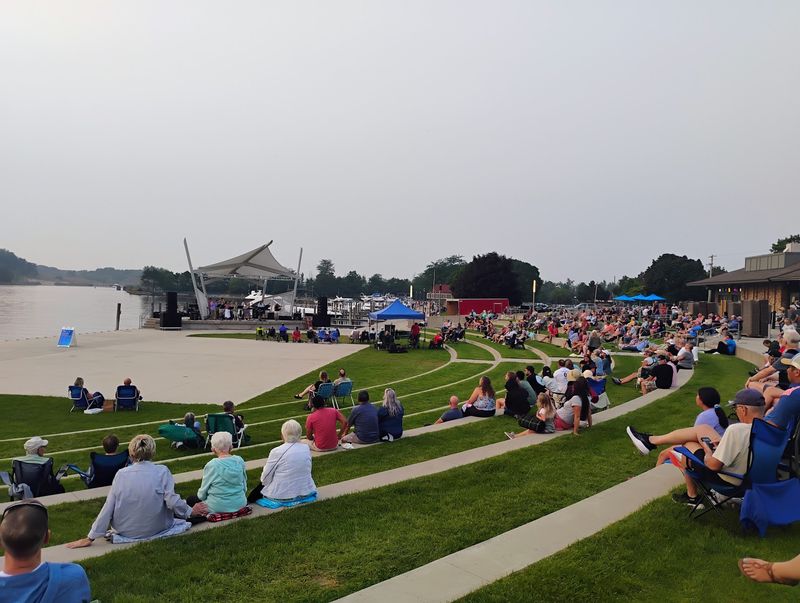
Grand Haven does not empty out when the beach day ends.
The Grand Haven Musical Fountain has been operating since 1962, combining water, lights, and synchronized music across the river from Lynne Sherwood Waterfront Stadium.
Local engineer William Morris Booth II designed the fountain, which volunteers built in 1962. At the time, it was the world’s largest musical fountain, a title it held until 1998.
During the 2026 season, shows run nightly through Labor Day weekend and then on Fridays and Saturdays through September. Individual performances generally last about 25 to 30 minutes.
That schedule gives visitors a reason to stay near the waterfront after sunset instead of treating Grand Haven as a place that winds down when the beach day is over.
Because the fountain sits in the same harbor area as the boardwalk and downtown, it fits naturally into a day already built around the waterfront.
Different playlists and special-event programming give the evening stop a different character from the beach, pier, or lighthouse.
The Coast Guard Festival Shows How Busy Grand Haven Can Get
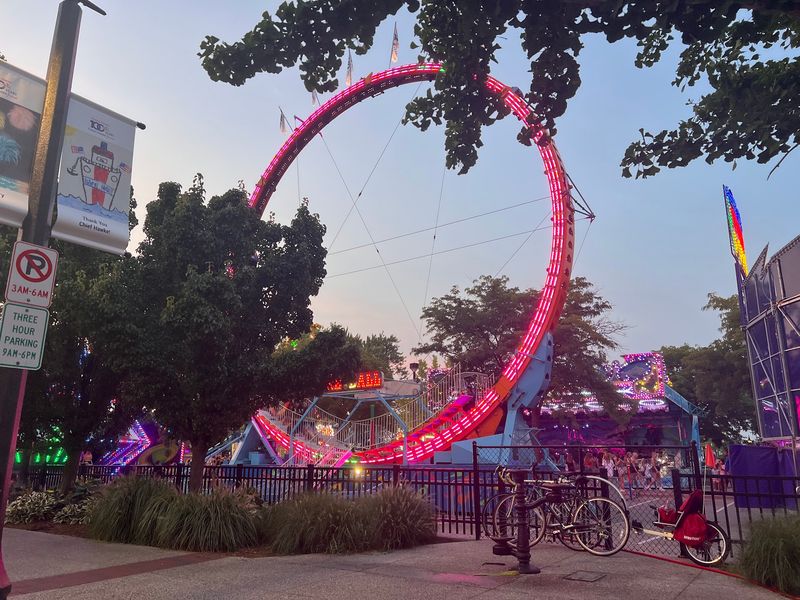
If you want the clearest evidence of Grand Haven’s summer popularity, look at the Coast Guard Festival.
The annual celebration grew from a Coast Guard personnel picnic held in 1924 and is now a ten-day event spanning late July and early August. In 2026, organizers expected more than 350,000 attendees across more than 35 family-friendly events.
Programming includes parades, ship tours, waterfront concerts, fireworks, a drone show, and other festival activities.
The festival uses downtown streets, waterfront spaces, and areas near many of the attractions visitors already want to see. That puts a very large event into the same compact part of Grand Haven that already contains the boardwalk, harbor, and nearby downtown.
If festival energy is exactly what you want, those dates deliver it in full. If your priority is simply walking the pier, seeing the lighthouse, or spending time at the beach, another summer week may give you a very different kind of visit.
The Town Still Makes A Strong Case For A Lake Day
Crowds do not erase what makes Grand Haven appealing in the first place.
The town gives you a half-mile state-park beach, a 1.5-mile paved harbor route, two red pier lights, a walkable connection to downtown, a seasonal musical fountain, and nearby dune trails within a relatively compact area.
That concentration can be a benefit when you want to see a lot without driving between every stop. It can also be the reason the waterfront feels full when summer events and good weather line up at the same time.
The easiest approach is to decide what kind of day you want before arriving. Festival energy calls for one plan, while a beach or lighthouse visit calls for another.
Grand Haven does not need an exaggerated crowd story to be interesting. Its summer draw is already obvious in the mix of Lake Michigan, harbor views, lighthouse history, downtown access, and major events.
The town gets busy because many of its best-known features sit close together. Once you see how the beach, boardwalk, pier, downtown, and fountain connect, the popularity makes sense.