A local banker handed over a box of corals, seashells, rocks, and fossils back in 1881. That gift grew into a museum collection of more than 50,000 objects, and walking through it costs nothing.
I really like that this place mixes a 2,300-year-old mummy with hometown history and a planetarium. It also holds ethnographic materials, which makes November an interesting time to think about who lived here first.
November is Native American Heritage Month across Michigan and the whole country. Before the turkey hits the table, I believe it’s worth asking whose harvests fed this land for centuries.
This museum won’t hand you every answer in one gallery. It does give you a smart, free starting point for a curious family afternoon in late fall, so why not use it?
A Box Of Seashells From 1881 Started All Of This
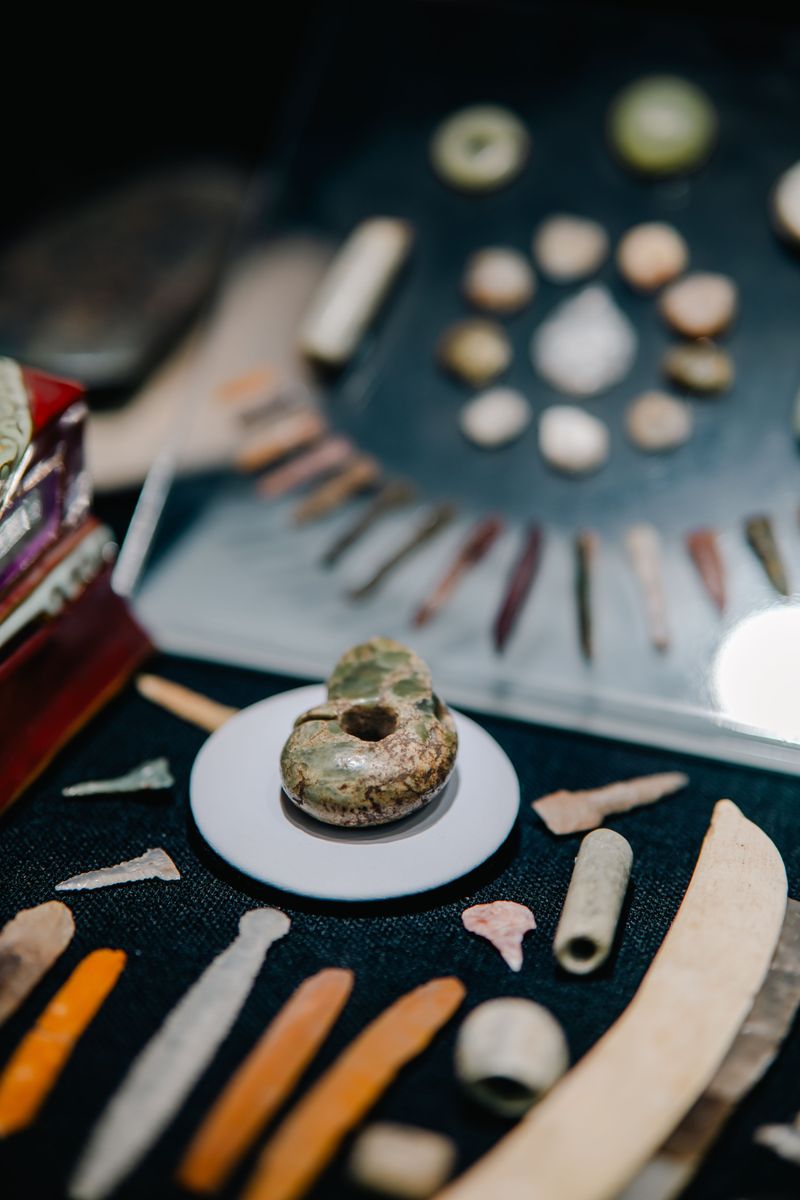
Horace M. Peck, a local banker, gave corals, seashells, rocks, and fossils to the Kalamazoo School Board in 1881. Not exactly a flashy start, but it planted a seed.
That seed kept growing for well over a century. Today the collection holds somewhere between 50,000 and 55,000 items, which is a lot of shelf space.
The mix is wide on purpose. You’ll find natural history specimens, antiquities from far-off places, and ethnographic materials tied to human cultures and daily life.
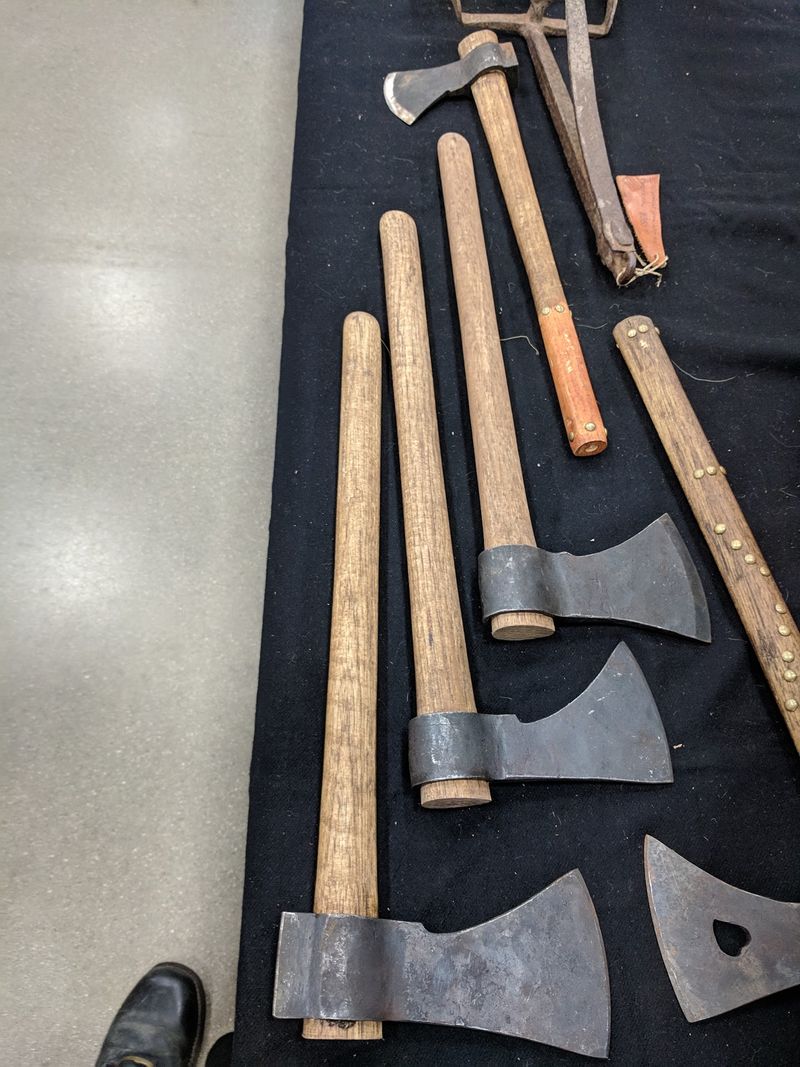
Ethnographic objects are the ones that show how people actually lived. These kinds of objects can include tools, clothing, and everyday items that mattered to the families who made them.
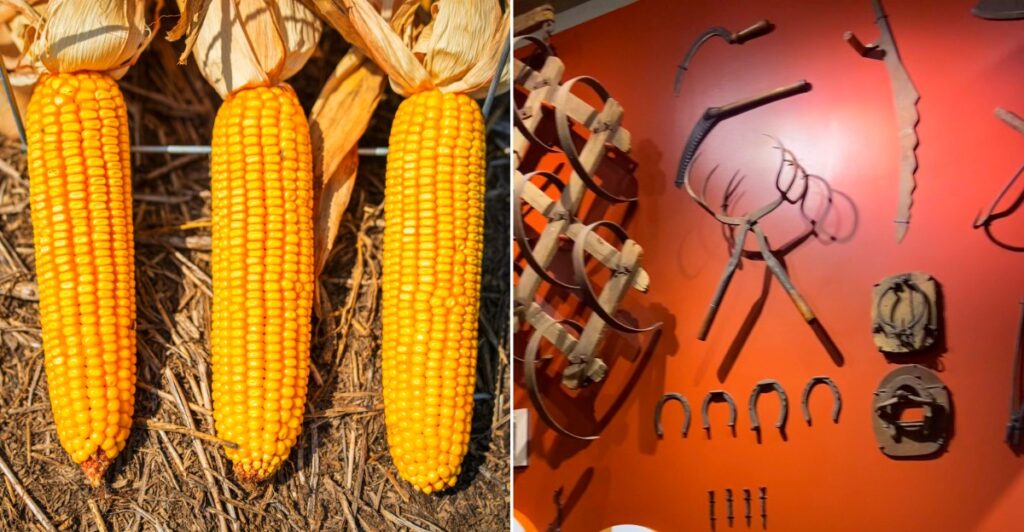
Harvest season is a fitting time to think about that. Food, storage, and sharing shaped daily life for Indigenous communities in this region long before 1881.
I believe a collection this big rewards slow looking. Pick one case, read every label, and ask your kids what the objects might have been used for.
Then flip the question around. What objects from your own kitchen would explain your family’s Thanksgiving to someone a few centuries from now?
Rose Street Leads To The Museum Galleries
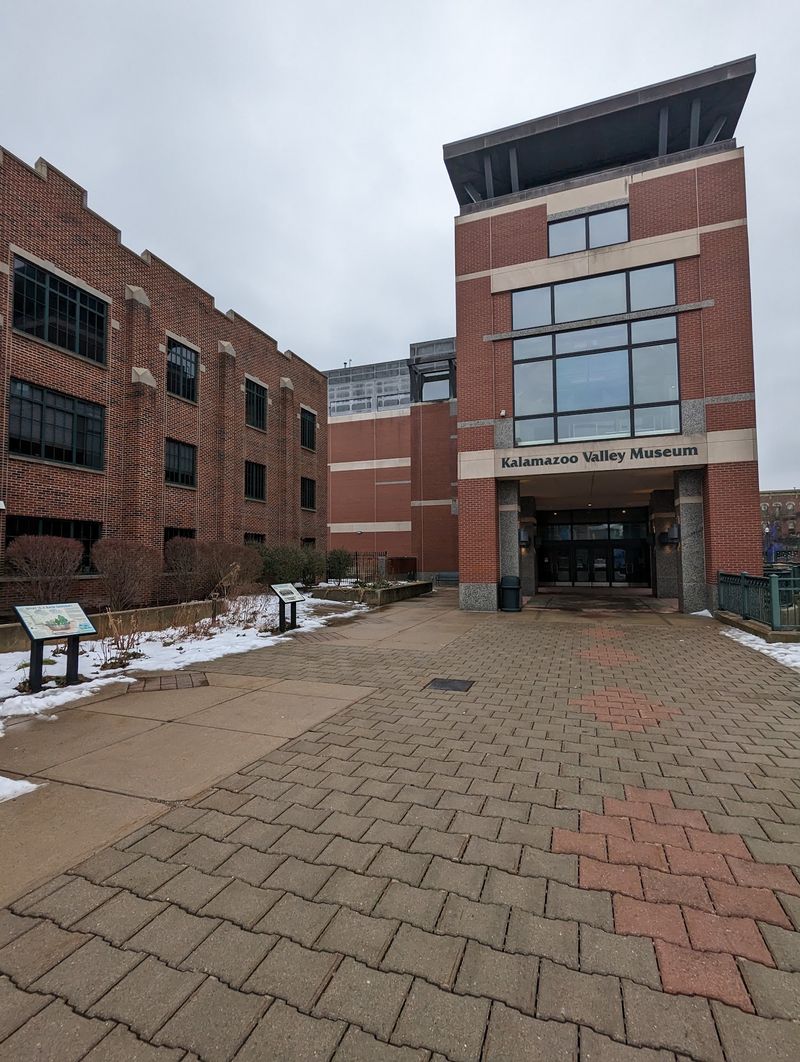
The Native American History Month program takes place on November 14, 2026, from noon to 3 p.m. at Kalamazoo Valley Museum, 230 North Rose Street in Kalamazoo, Michigan. Approach the downtown museum district by way of Rose Street.
The museum is a prominent downtown building near the Kalamazoo Valley Community College facilities. Look for its public entrance on North Rose Street rather than heading to an outlying college campus.
Enter the museum and follow signs for the galleries and the day’s free program. Arrive during the announced afternoon session for the activities.
Respect Lives Behind The Scenes Here, Too
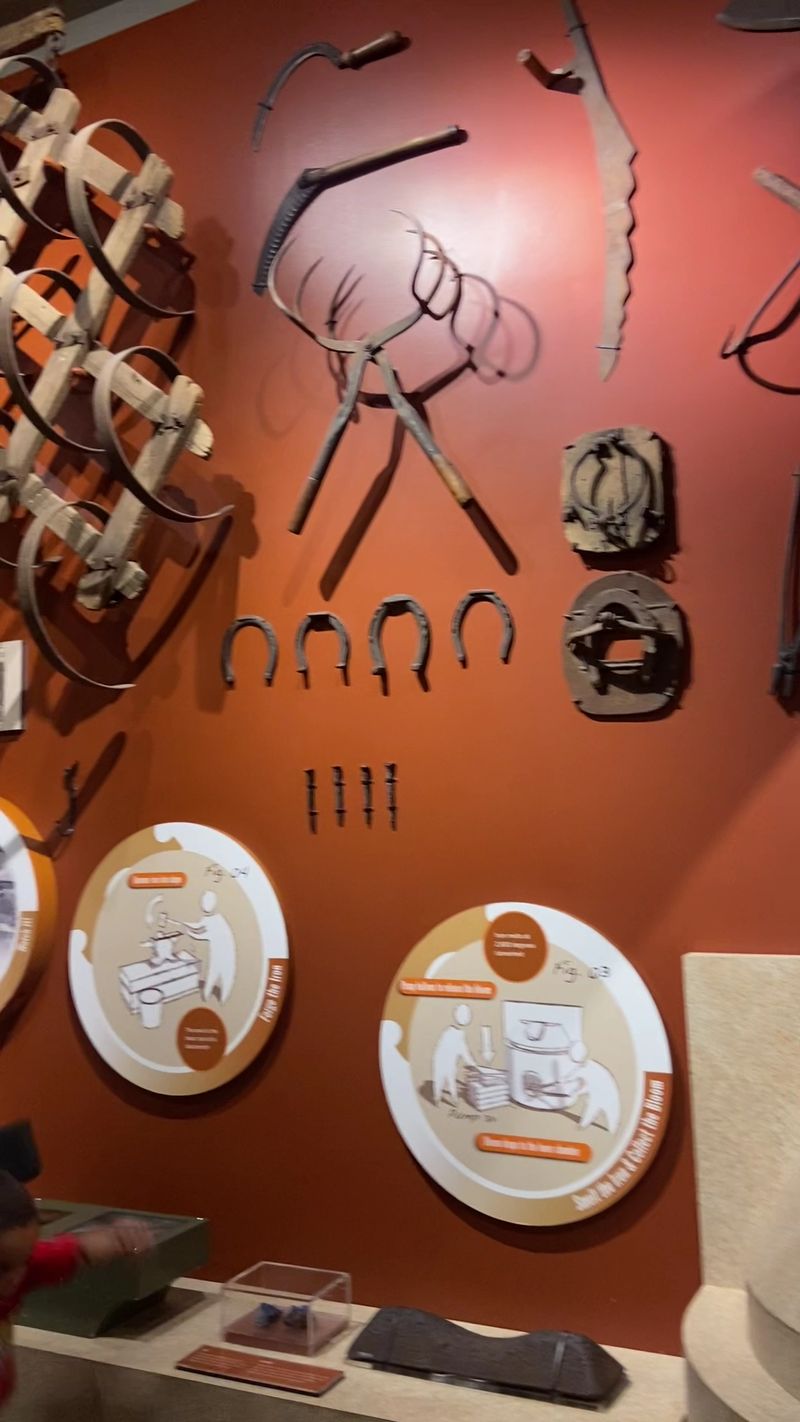
Museums don’t just collect things. They also have a duty to handle certain objects with care, and sometimes that means giving them back.
The Native American Graves Protection and Repatriation Act, known as NAGPRA, became federal law in 1990. It sets rules for returning certain Native American remains and cultural items to tribes and descendants.
The Kalamazoo Valley Museum has taken part in NAGPRA work. That tells you its connection to Native heritage goes beyond what’s on display in a gallery.
I really like that this part of the story exists, even if visitors rarely see it. Respect often happens quietly, through paperwork, consultation, and patience.
It’s a useful topic for older kids during Native American Heritage Month. Ask them who should decide where a sacred or family object belongs.
Those conversations can get deep fast, and that’s a good thing. History feels more real when kids see that people still care about it today.
Michigan has twelve federally recognized tribes, and those nations are active communities today. Keeping that in mind changes how you look at any museum case.
Grandparents, this one’s a great car-ride discussion. Nobody dozes off during a question this interesting.
Local History Starts Way Before The Guitars And Checker Cabs
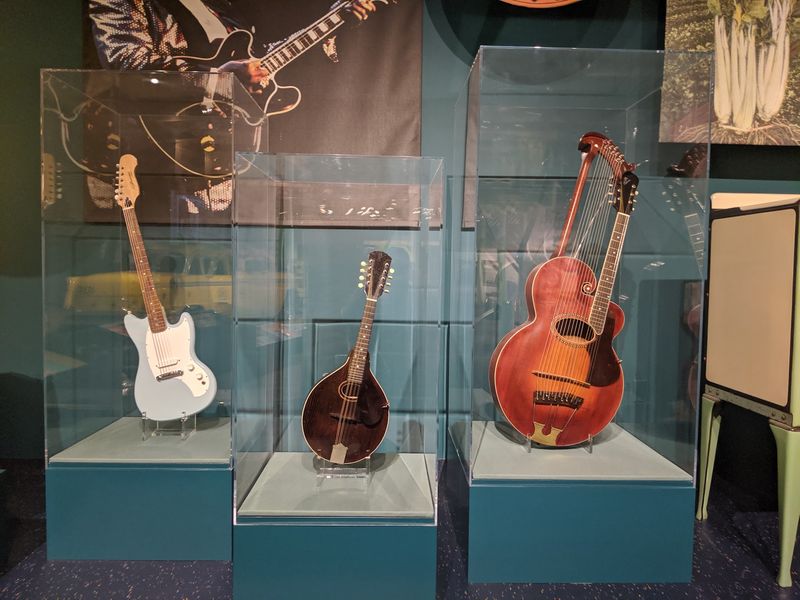
Gibson guitars and Checker Cabs both have roots in this city, and the ‘Kalamazoo Direct to You’ gallery shows them off. Interactive displays make local history feel less like homework.
Plenty of families come for those industrial stories. Honestly, a famous cab company and a famous guitar brand make a fun pair.
November gives you a reason to read the timeline a little differently. Factories and brands came late in a much longer story about this valley.
Indigenous peoples, including the Potawatomi, lived along the Kalamazoo River long before any city grew here. Their knowledge of the land, seasons, and crops came first.
So treat the gallery as a jumping-off point. Notice where the story begins, and talk about what came before those earliest chapters.
Kids love a good detective game, so give them one. Ask them to find the oldest date in the room and guess what life looked like a hundred years earlier.
That simple question connects hometown pride with deeper roots. It also makes Thanksgiving conversations more interesting than arguing over the last dinner roll.
Bonus points if someone at the table can name a Michigan tribe. Even better if they can name three.
Look Up, Because The Sky Was Everyone’s First Calendar
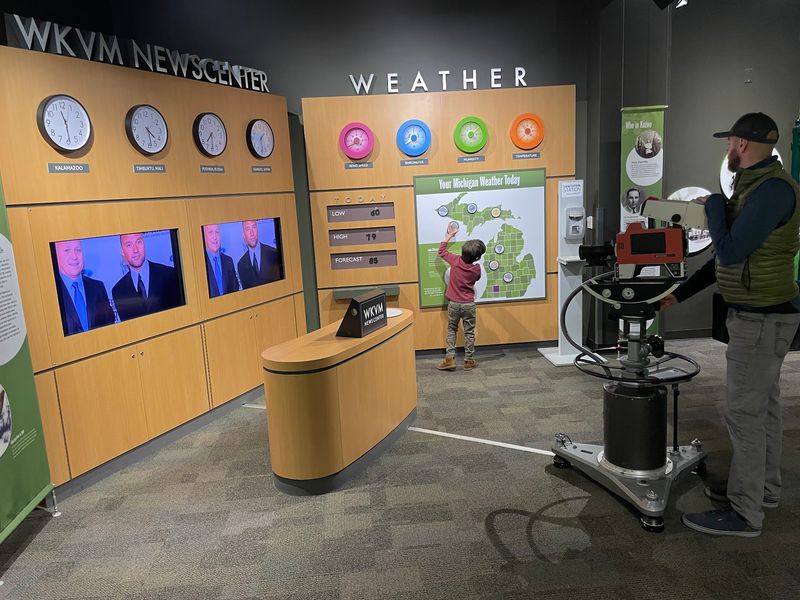
The museum’s Digistar planetarium has been running since 1959, so it’s older than plenty of grandparents. Modern LED lighting and immersive video keep the shows feeling fresh.
Some shows need a ticket, so check the schedule before you go. Showtimes can change, and it’s easier to plan the rest of your visit around them.
A fun November connection is hiding up there. Long before printed calendars, many communities tracked the seasons by watching the moon, stars, and sun.
Many Anishinaabe communities use moon names tied to the seasons. Names linked to harvest, wild rice, and falling leaves helped people know what work came next.
I can’t imagine a cooler way to teach kids about seasons. One night sky, read the right way, worked like a planner, a clock, and a farm guide.
After the show, step outside on a clear night and find the moon together. Ask what name your family would give this month based on what you see.
Maybe it’s the Pie Moon. Maybe it’s the Raking Leaves Moon, and both sound accurate for Michigan in November.
A 2,300-Year-Old Visitor Teaches How We Learn About The Past
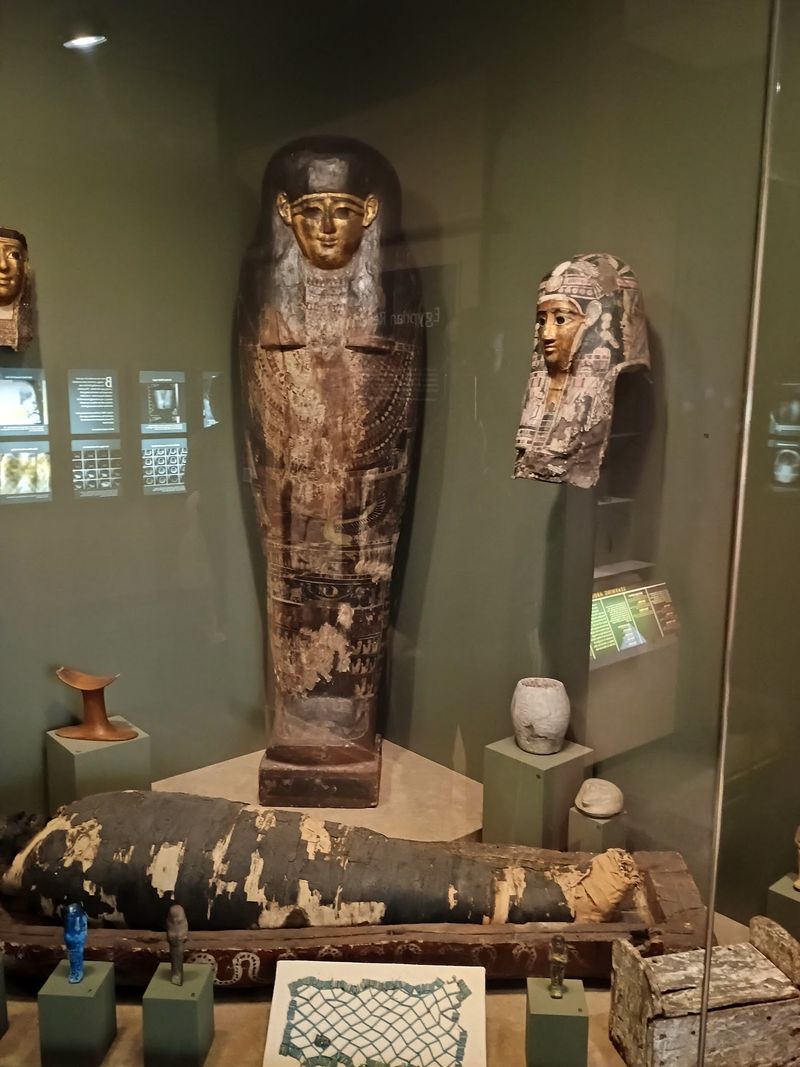
A 2,300-year-old Egyptian woman from the Ptolemaic era rests on display in ‘The Mystery of the Mummy.’ She arrived as a donation in 1928.
That exhibit sits far from Michigan harvest fields, of course. Its real lesson is how scientists learn from the past without wild guessing.
Researchers used carbon dating, CT scans, X-rays, and forensic reconstruction to study her. Each tool added a small, careful piece to a much bigger picture.
Careful study matters for every culture’s history, including Indigenous histories in Michigan. Good research listens to evidence and, whenever possible, to the communities connected to it.
Use the mummy as a teaching moment for older kids. Ask how we know what people ate, grew, or stored thousands of years ago.
Seeds, pottery, and tools can all hold clues. So can stories passed down through families for generations, which science alone can’t always capture.
Other ancient Egyptian artifacts share the space, so take your time. The details reward anyone willing to lean in and read.
Then link it back to November with one simple idea. The best harvest stories come from the people who still tell them.
Hands-On Science Turns The Three Sisters Into A Brain Teaser
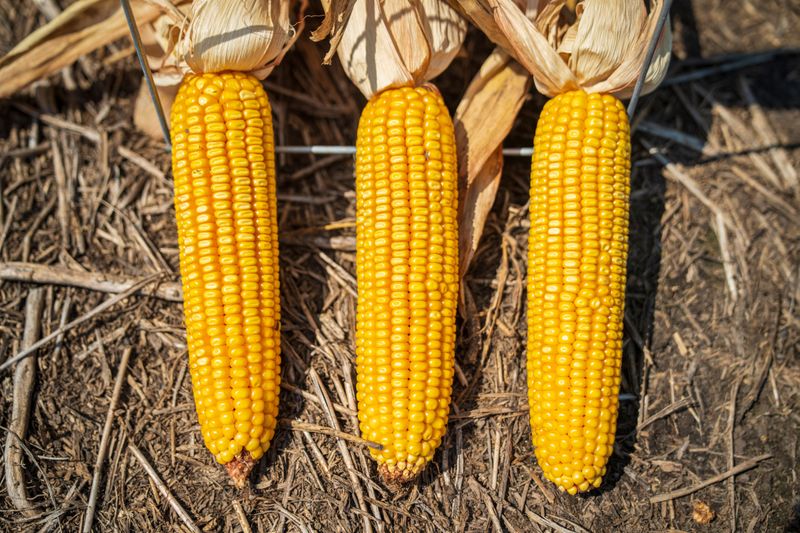
Corn, beans, and squash grown together are often called the Three Sisters. Many Indigenous farmers across North America planted them side by side for good reasons.
Corn gives beans a pole to climb. Beans add nitrogen to the soil, and wide squash leaves shade the ground to hold moisture and block weeds.
That’s genuine engineering, and the Kalamazoo Valley Museum clearly loves engineering. Its Innovation gallery and Science in Motion zone let visitors test physical ideas with their own hands.
No cornfield waits inside, sadly. The hands-on stations do get kids thinking like problem-solvers, which is exactly the mindset behind that planting system.
Afterward, try a mini version at home next spring. A big pot, three seeds, and a little patience make a surprisingly fun family project.
For Thanksgiving, you can bring the idea to the table instead. A simple dish with corn, beans, and squash gives everyone a reason to talk about where it came from.
I like how one old planting method can explain soil, sunlight, and teamwork at once. Science class never tasted this good.
Give the youngest helper the job of naming each sister. Expect them to take that responsibility very seriously.
Peek At The Calendar Before You Count On A Special Event
A specific Indigenous harvest program at the museum for November 2026 hasn’t been announced. Check the events calendar before building a whole day around one.
Events can pop up during the month, and plans change. A quick look before you leave saves you from a disappointed backseat.
Hours matter too. The museum stays closed on Mondays, and listed hours have shifted, so confirm the current schedule for your day.
Native American Heritage Month brings events all across Michigan in November. Tribal nations, colleges, and libraries often host talks, markets, and cultural programs worth your time.
Kalamazoo itself had an Indigenous arts conversation in October 2026. The Kalamazoo Institute of Arts hosted an Artists’ Exchange called Indigenous Voices and the Future of American Art.
Pairing a free museum stop with a local Indigenous-led event makes a fuller day. One gives background, and the other lets you hear voices directly.
I believe that combo beats any single exhibit. Learning from living communities keeps the month from feeling like a history quiz.
Bookmark a few options early in November. Popular programs can fill up, and Thanksgiving week gets busy faster than a pie line.
The Address Is Easy, And The Conversations Can Last All Week
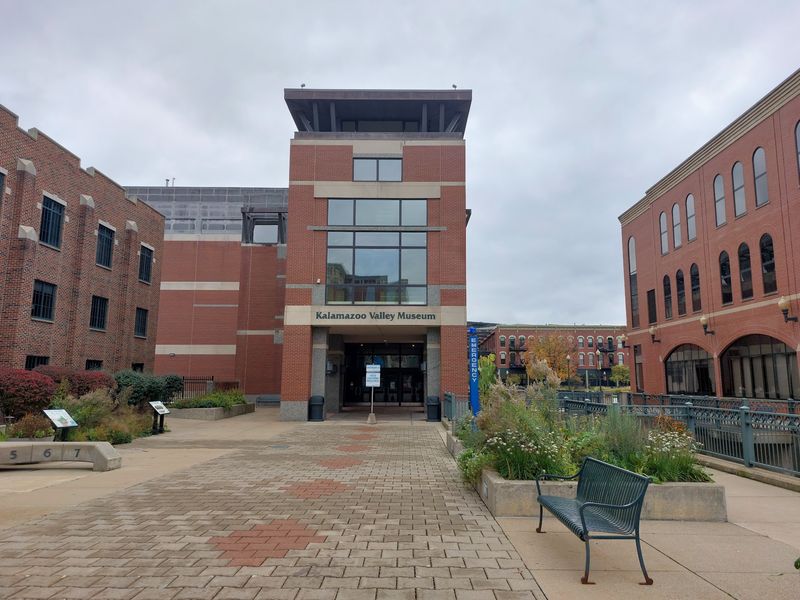
Plug 230 North Rose Street, Kalamazoo, Michigan 49007 into your map, and you’re set. The Kalamazoo Valley Museum sits right in downtown Kalamazoo.
Downtown means you can turn a museum stop into a bigger outing. Grab lunch nearby, stretch your legs, and talk about what you just saw.
The visit doesn’t need to end at the exit. Some of the best learning happens on the drive home, when kids start asking questions out of nowhere.
Encourage those questions, even the tricky ones. Saying ‘Let’s look that up together’ is a perfectly good answer.
Michigan’s tribal nations share plenty of their own history through cultural centers and their own publications. Learning from those sources keeps the story accurate and respectful.
At Thanksgiving, try one small tradition. Before eating, have each person share one thing they learned about Indigenous food or history this month.
It doesn’t need to be a speech. One fact, one question, or one thank-you to the people who tended this land first works beautifully.
I can’t think of a better way to wrap up a free afternoon at a museum. Curiosity is the one leftover nobody complains about.