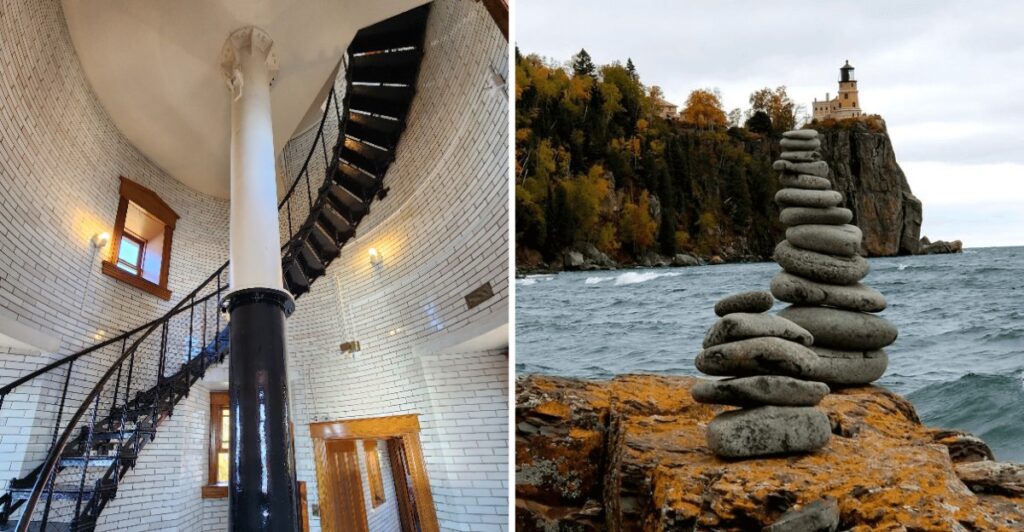
If you told me this was the ocean, I would probably believe you for a minute.
Then somebody would remind me we are in Minnesota.
Lake Superior stretches so far past the cliff that the horizon looks completely unreasonable for a lake.
Add an old lighthouse above it, and the whole scene starts feeling much bigger than expected.
Fall makes it even harder to look away.
The forest around the tower turns gold and orange, while the water below stays cold, dark, and very much in charge.
The lighthouse has been watching this stretch of coast since 1910, back when ships needed the warning more than tourists needed the photo.
And yes, the wind may absolutely ruin your hair.
At least the view gives it a good excuse.
Why Fall Turns This Cliffside Light Into Minnesota Magic
Why Fall Turns This Cliffside Light Into Minnesota Magic
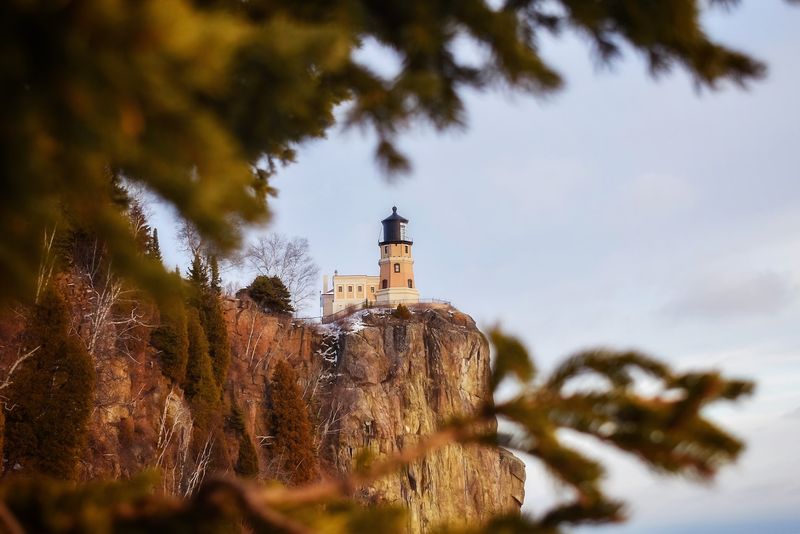
Picture a pale yellow brick tower against a blue-gray lake, framed by maple leaves turning scarlet. At Split Rock Lighthouse, autumn gives the familiar North Shore view a fresh set of colors without changing the shape of the rugged cliff below.
The cooler air makes a walk around the historic grounds appealing, especially if you are bringing a jacket and comfortable shoes.
Look toward the lake first, then turn back toward the wooded slopes. The contrast between open water and bright trees can change with every patch of sunlight.
Fall color does not arrive on a fixed date. Birches, aspens, and maples change at different rates, while wind and early frost can shorten the display. Check a recent Minnesota fall color report before making a long drive, and keep your schedule flexible if possible.
Want a quieter pace? Try an earlier arrival or a weekday rather than counting on a sunny weekend to be uncrowded. Give yourself time to explore both the lighthouse grounds and nearby park overlooks instead of racing from one photo spot to the next.
The view works even when the trees are only partly turned. A streak of yellow among evergreens can be enough to make the old light station stand out.
A 1910 Tower Built To Guard The Big Lake
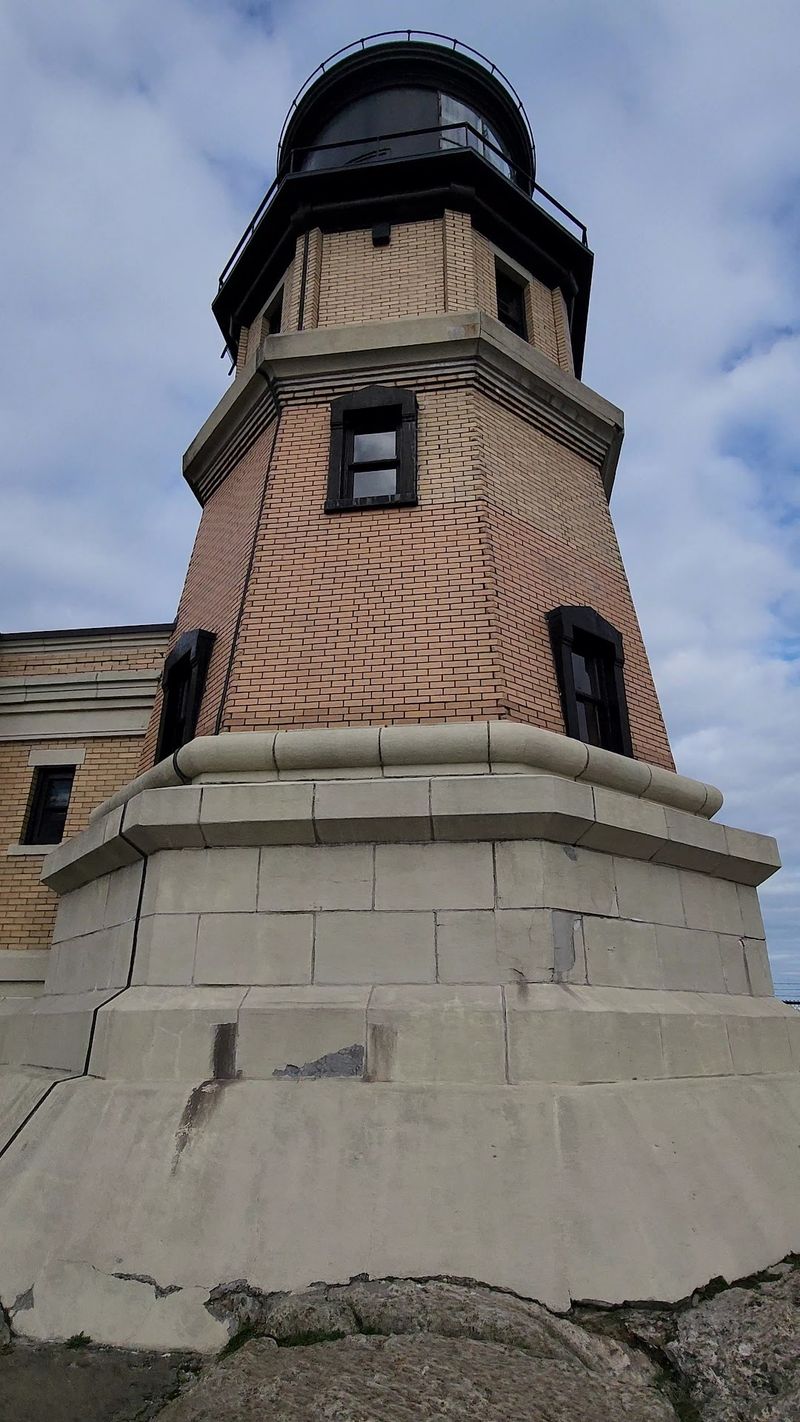
Fifty-four feet of brick might not sound especially tall until you see where the lighthouse stands. The octagonal tower rises above a cliff approximately 130 feet over Lake Superior. From that high perch, the beacon reached ships far out on the water.
The light first shone on July 31, 1910, when freighters carried iron ore and other cargo across the Great Lakes.
Workers had spent more than a year bringing the remote station to life. With no road to the site, boats delivered supplies, and a hoist lifted building materials from the water to the cliff.
The lighthouse operated until 1969. Today its surviving buildings offer a close look at the work behind a dependable navigation light, from tending machinery to keeping records and maintaining the station through difficult weather.
Look for the original Fresnel lens in the lantern room when interior access is offered. Its glass prisms focused light into powerful beams, and the heavy rotating assembly used a mercury bearing. The beam once flashed every ten seconds, giving mariners a recognizable signal.
Even without going inside, you can study the compact tower and imagine the route supplies had to take up that cliff. The cliff, brickwork, and towering lantern make an interesting final look before you head toward the water.
The November Storm That Started It All
Lake Superior showed its rough side on November 28, 1905. A severe storm damaged 29 ships, including vessels along the rocky North Shore. With growing iron ore traffic on the lake, the need for another guiding light became urgent.
Shipping interests pressed federal officials for better protection. Congress approved money for the lighthouse and fog signal in 1907, and construction followed on the isolated cliff. The station became part of a broader effort to make busy shipping routes safer.
The beacon helped captains identify their position after dark. In fog, the station could also sound a signal that carried across the water when the shoreline was hard to see. Light and sound served different purposes on a coast where visibility could disappear quickly.
Start at the visitor center if you want the shipwreck story before stepping outside. Its exhibits and short film introduce the construction challenges and the lives of people who worked at the station.
Then take a look at the lake from the cliff. On a calm day, it can be difficult to picture the waves and winds of a November gale. The open horizon gives you plenty of room to think about how demanding a voyage here once was.
Gold, Crimson, And Orange Wrap The North Shore
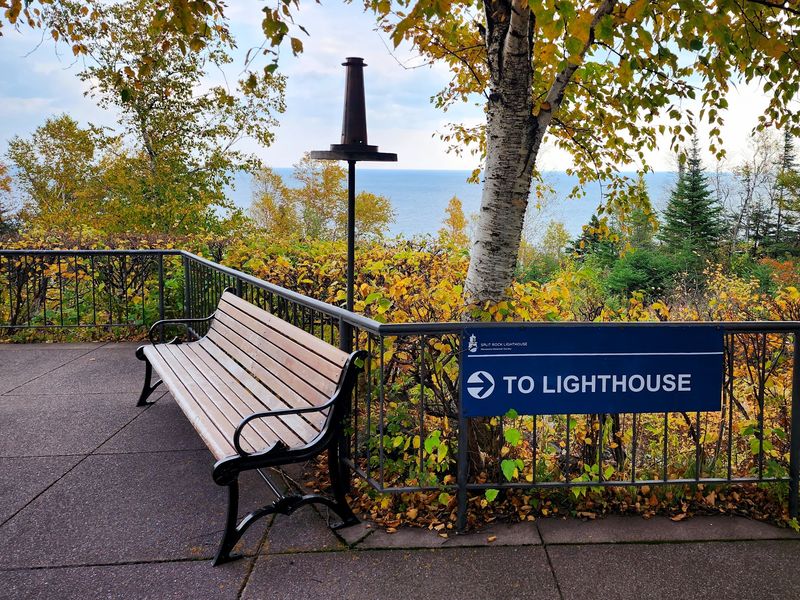
Around the lighthouse, the surrounding trees change color across the autumn weeks. Birches and aspens bring bright yellows, maples add red and orange, and spruce and pine keep the scene grounded in green.
Choose a route with a mix of forest and shoreline rather than staying in one spot. You will see how the colors change when the woods open onto Lake Superior. Dark rock, pale stone, and shifting water make useful backdrops for the leaves.
For the richest colors in photographs, pay attention to the light. A low sun can catch the edges of yellow foliage, while clouds soften the contrast and keep the lake from looking too bright. Neither requires perfect weather, although a dry jacket is certainly a bonus.
On windy days, fallen leaves may gather along the paths. Enjoy the crunch underfoot without wandering off marked routes or approaching an unstable edge for a better view.
You can also build a broader North Shore drive around the visit. The landscape along Highway 61 offers more opportunities to pause beside the water or step into a wooded trail. Take your time, and give the autumn light a chance to shift before you put the camera away.
Where Photographers Find Their Favorite Angles
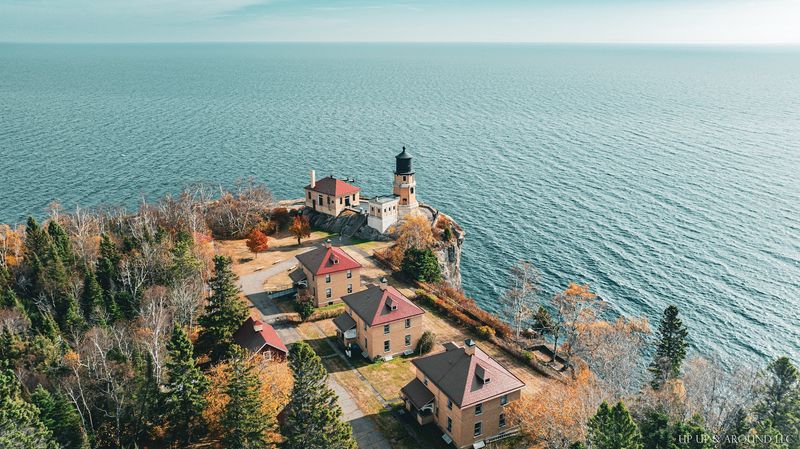
The classic photograph comes from below the cliff, where the lighthouse appears high above Lake Superior. Pebble Beach in the adjoining state park is a useful starting point for that shoreline perspective, with rocky ground and water completing the frame.
Getting to lower viewpoints involves walking, and some approaches include uneven surfaces or stairs.
Check the route before committing to a descent, especially if someone in your group would rather avoid a strenuous climb back. You do not need to reach the water to enjoy a fine view.
Near the historic station, try photographing the tower with its keeper buildings, then step back to include the lake. From a little farther away, autumn leaves can frame the roofline without covering the lantern room.
Photographing from shore calls for caution. Lake Superior waves can be unpredictable, wet rock can be slippery, and the water stays cold. Keep a comfortable distance from the edge instead of chasing a dramatic angle.
Bring a lens cloth for spray or mist and leave a little space in your plan for changing weather. If the tower or grounds are undergoing maintenance, your favorite composition may need an adjustment. A different viewpoint can still catch the cliff, the beacon, and plenty of color.
Keepers’ Homes, Fog Signals, And Forest Trails
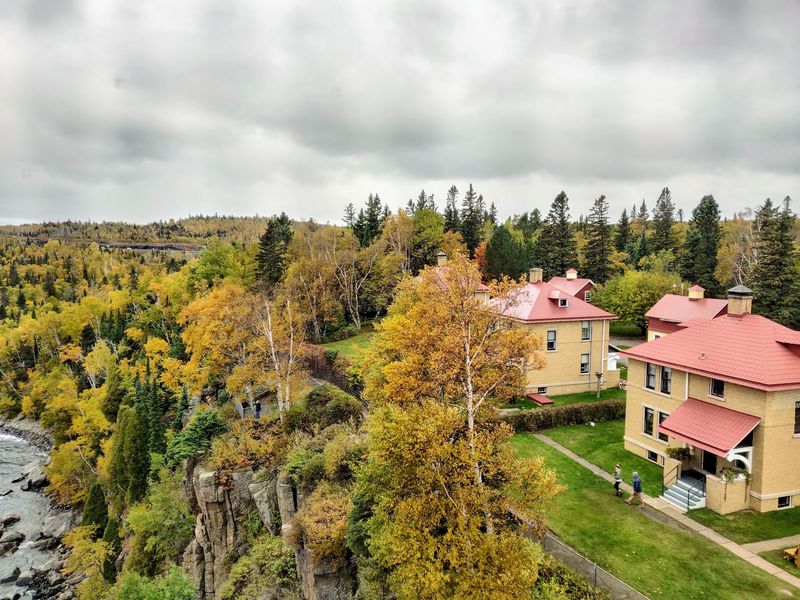
The light station was more than a tower. Keepers lived and worked here, managing the beacon and the equipment that made it reliable. Restored keeper residences give the grounds a domestic side, with rooms that recall the routines of life beside a demanding lake.
During periods when interior visits are available, you can explore the keeper buildings and learn about their everyday work. The fog signal building tells another part of the story: when mist hid the shore, sound warned ships that a dangerous coastline was nearby.
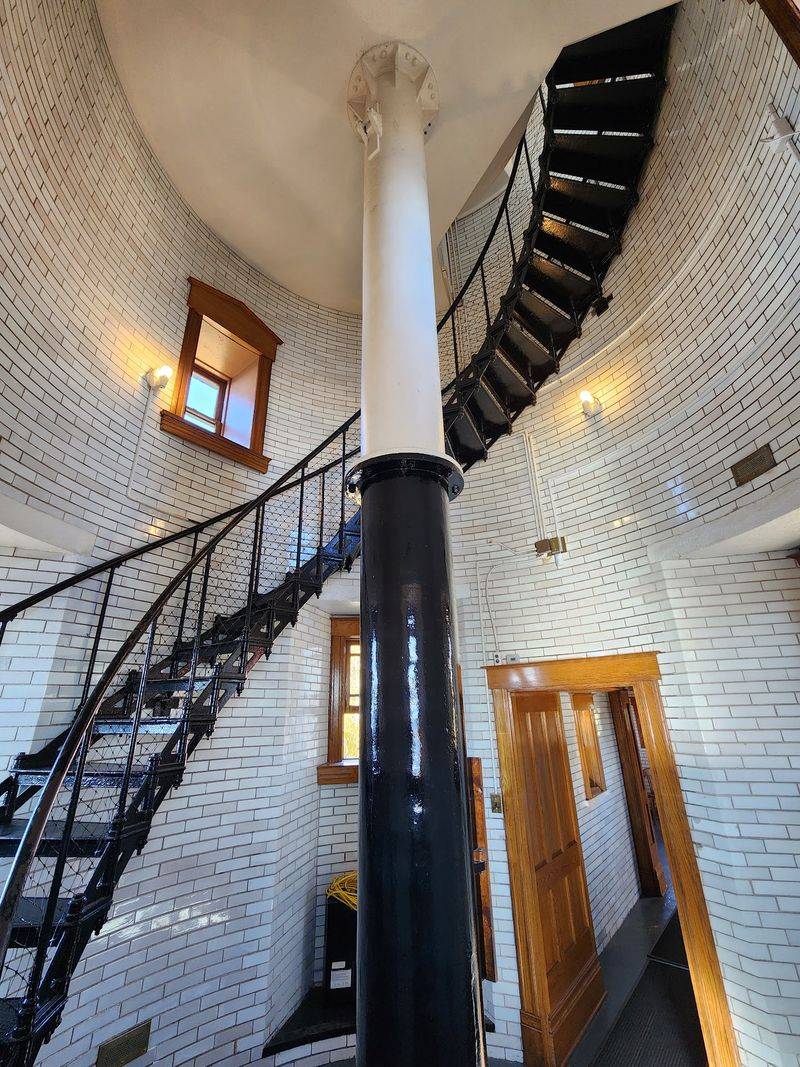
Access changes with the season, so check what your ticket includes before setting your heart on the lantern room or a particular house. The tower has a spiral staircase, and climbing it is not suitable for every visitor.
Beyond the historic site lies Split Rock Lighthouse State Park, with its own trails through forest, over rocky ground, and beside the lake. The Day Hill route is one option for hikers seeking an elevated outlook, while Pebble Beach offers a closer meeting with the shoreline.
Park trails and the historic site are managed separately, and a vehicle permit may be required for state park parking. Pick the walking distance that suits your group, pack water, and allow extra time if early snow or rain makes the paths slippery.
Smart Tips Before Your Autumn Road Trip North
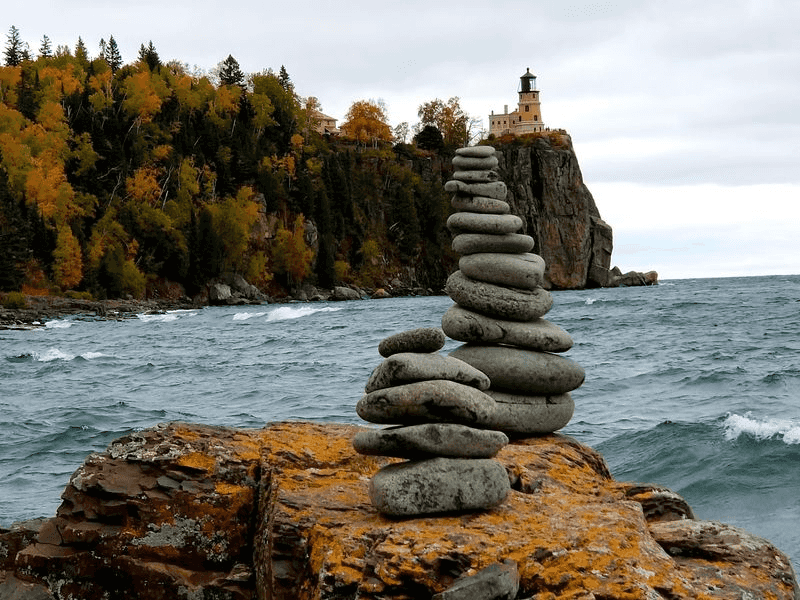
Split Rock Lighthouse sits along the North Shore between Two Harbors and Silver Bay, making it an easy addition to a Lake Superior road trip. Check the historic site schedule before leaving, since hours and interior access change as autumn moves toward winter.
Through October 19, 2026, regular daily hours run from 10 a.m. to 6 p.m., with general admission offering access to the historic buildings.
Beginning October 20, the regular schedule switches to shorter hours on select days and a grounds-only pass; special interior tours may be available separately.
Choose a date with interior access if climbing the tower is high on your list.
You can still enjoy the scenery without touring every building. Decide whether you want to focus on the historic grounds, the visitor center, or a longer walk in the state park, and allow enough daylight for your choice.
Pack a windproof layer, sturdy walking shoes, and water. Accessibility varies between the visitor center, historic buildings, shoreline steps, and trails. Ask about the easiest routes and current arrangements if stairs or uneven ground are a concern.
Plan your route to 3713 Split Rock Lighthouse Road, Two Harbors, MN 55616. Once you arrive, let the lake conditions and the leaves decide whether your first stop is the tower, an exhibit, or a quiet overlook.
There is no need to squeeze the whole shoreline into a single afternoon.