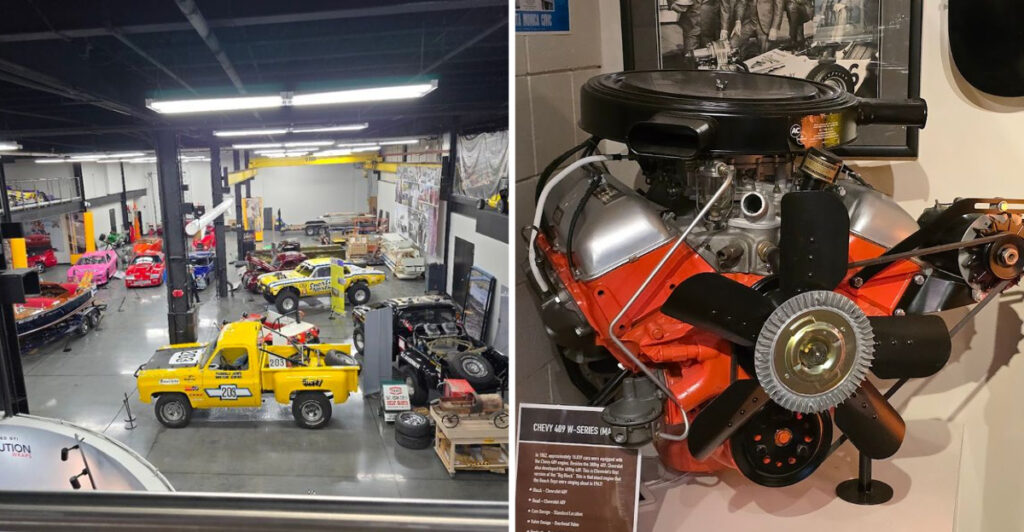
Nebraska does not exactly scream full-throttle road trip fantasy, and that is part of what makes this place such a blast to discover.
This car museum starts with classic cars and racing history, then keeps piling on the kind of surprises that make you stay far longer than planned.
One floor turns into three. A quick stop turns into a deep dive through engines, memorabilia, pedal cars, and beautifully preserved machines that helped shape American motorsport.
It is big, brilliantly curated, and packed with the kind of variety that keeps your attention locked in. Even if you are not the person in your group who usually gets excited about car museums, this Nebraska attraction has more than enough personality to win you over.
A Collection That Defies Expectations
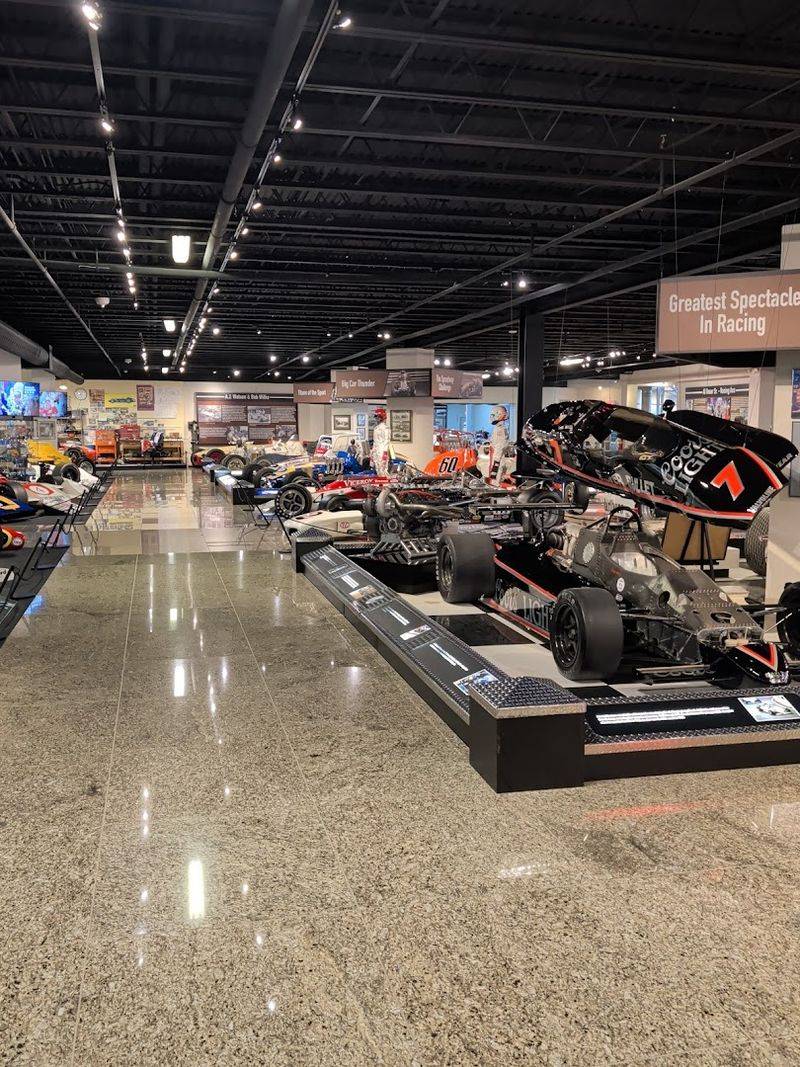
This is the moment the museum stops feeling like a roadside attraction and starts feeling enormous. What waits inside is far bigger, richer, and more layered than most people expect.
This institution holds one of the most staggering private automotive collections in the United States.
The building spans approximately 150,000 square feet, and every inch of it serves a purpose. Racing cars from multiple eras sit alongside rare engines, trophies, helmets, racing suits, and advertising materials that together tell the full story of American motorsport culture.
What makes this collection so remarkable is its depth. It is not just about displaying flashy cars.
The museum traces the engineering, the culture, and the human determination behind every vehicle on display.
Visitors frequently describe the experience as visually overwhelming in the best possible way. There is simply so much to absorb that most people need multiple visits to feel like they have truly seen everything.
The collection keeps growing, too, so each trip tends to reveal something new.
Museum of American Speed is parked at 599 Oakcreek Drive, Lincoln, NE 68528.
Three Floors Of Pure Automotive History
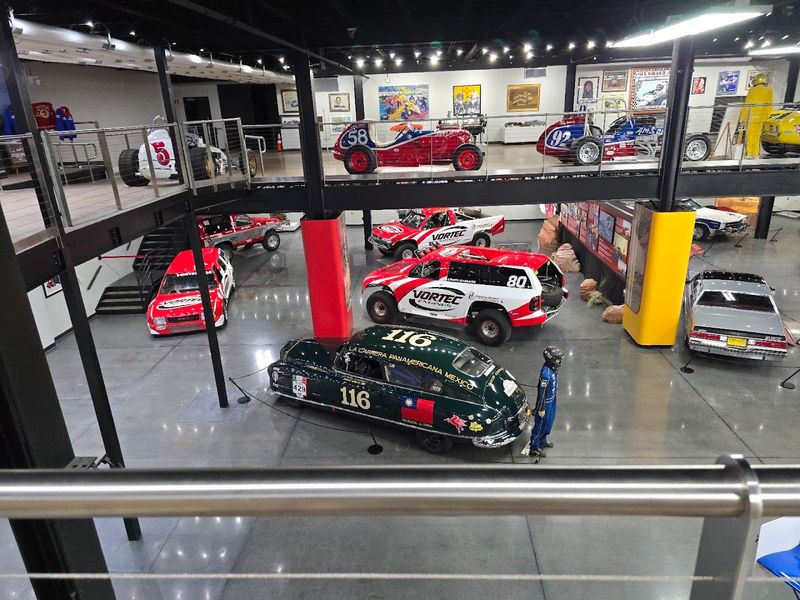
Calling it three floors almost undersells it. Each level brings a different slice of the story, so the visit keeps changing shape as you go.
The Museum of American Speed is organized in a way that rewards curiosity at every level, with each floor offering a distinctly different slice of automotive and racing history. The ground floor tends to grab attention first with its full-sized race cars and dramatic engine displays.
Moving upward, the exhibits shift toward more specialized collections, including motorcycles, bicycles, and the wildly popular pedal car gallery that surprises nearly every visitor who encounters it.
The layout is thoughtful.
Printed maps are available at the entrance, and staff members are positioned throughout to help visitors navigate and answer questions. Benches are placed at regular intervals, which is a practical touch that makes the experience comfortable for visitors of all ages and mobility levels.
Spending four hours here and still not seeing everything is entirely possible. Arriving early and giving yourself plenty of time is the smartest approach to making the most of all three floors.
Racing Legends Preserved In Detail
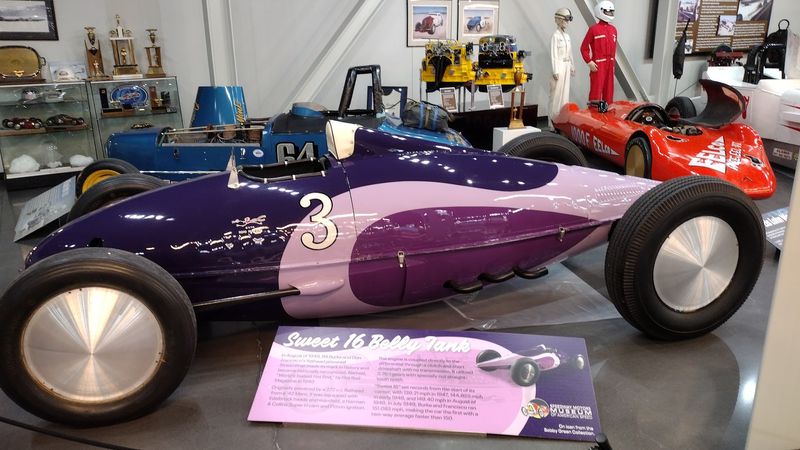
Speed has always been a defining part of American identity, and this museum makes that argument convincingly.
The racing vehicle collection includes Indy cars, sprint cars, dragsters, hot rods, and midget racers, each with its own documented history and connection to the broader story of American motorsport.
What separates these displays from what you might find at a typical car show is the level of context provided. Each vehicle comes with information about where it raced, who built it, and what made it significant.
The storytelling is woven directly into the displays rather than tucked away in a corner pamphlet.
The condition of the cars is also worth noting. These vehicles are maintained with obvious care, and the museum is described by visitors as one of the cleanest facilities they have ever entered.
Not a speck of dust lands where it should not be, which speaks to the dedication of the staff.
Getting up close to these machines and studying their construction is an experience that photographs simply cannot replicate.
Engines That Shaped Motorsport History
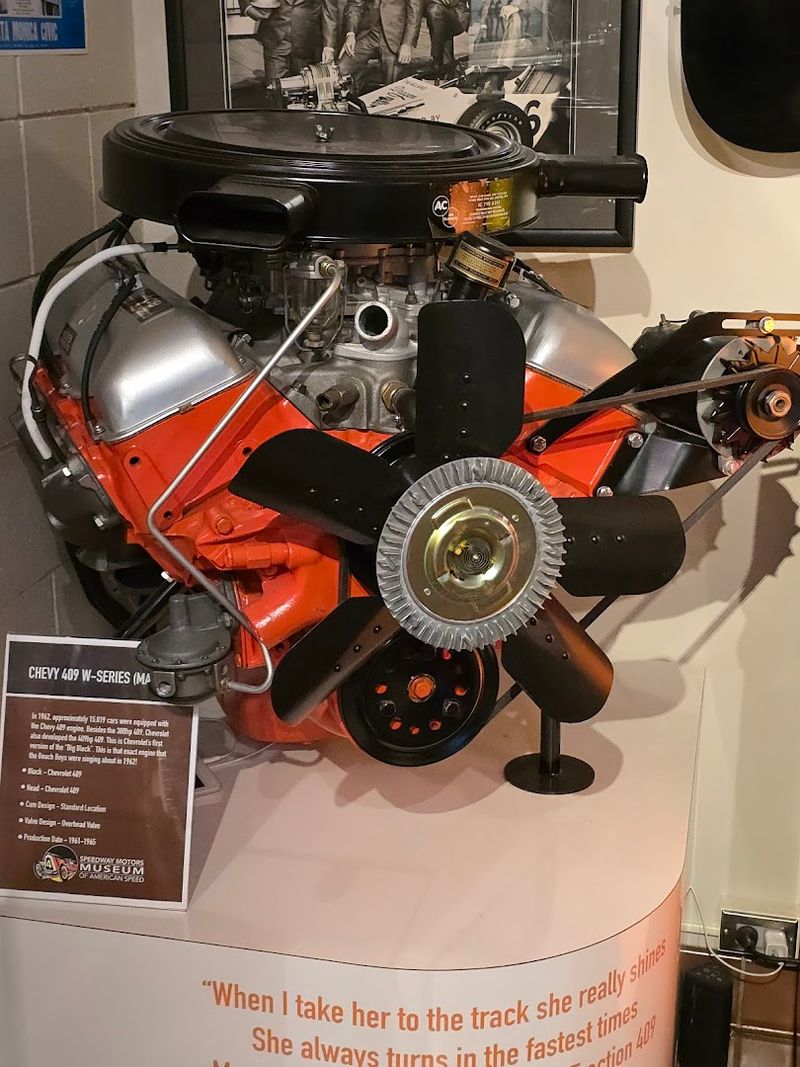
For anyone who finds beauty in mechanical engineering, the engine collection at the Museum of American Speed is the kind of thing that stays with you long after the visit ends.
Rare Offenhauser and Miller engines sit among dozens of other legendary powerplants that shaped the history of competitive racing.
These are not reproduction parts or decorative pieces. The engines on display are the real thing, many of them with direct ties to specific races and landmark moments in motorsport.
Reading through their histories feels like flipping through a textbook that was written by the machines themselves.
The presentation is excellent. Each engine is displayed at an angle and height that allows visitors to study the engineering details without needing to crouch or strain.
Lighting is consistent and well-placed throughout the exhibit areas, which makes the mechanical complexity of each piece genuinely visible.
Even visitors who arrived without much interest in engines often find themselves lingering here longer than expected, drawn in by the craftsmanship and the stories attached to each one.
The Pedal Car Gallery That Steals The Show
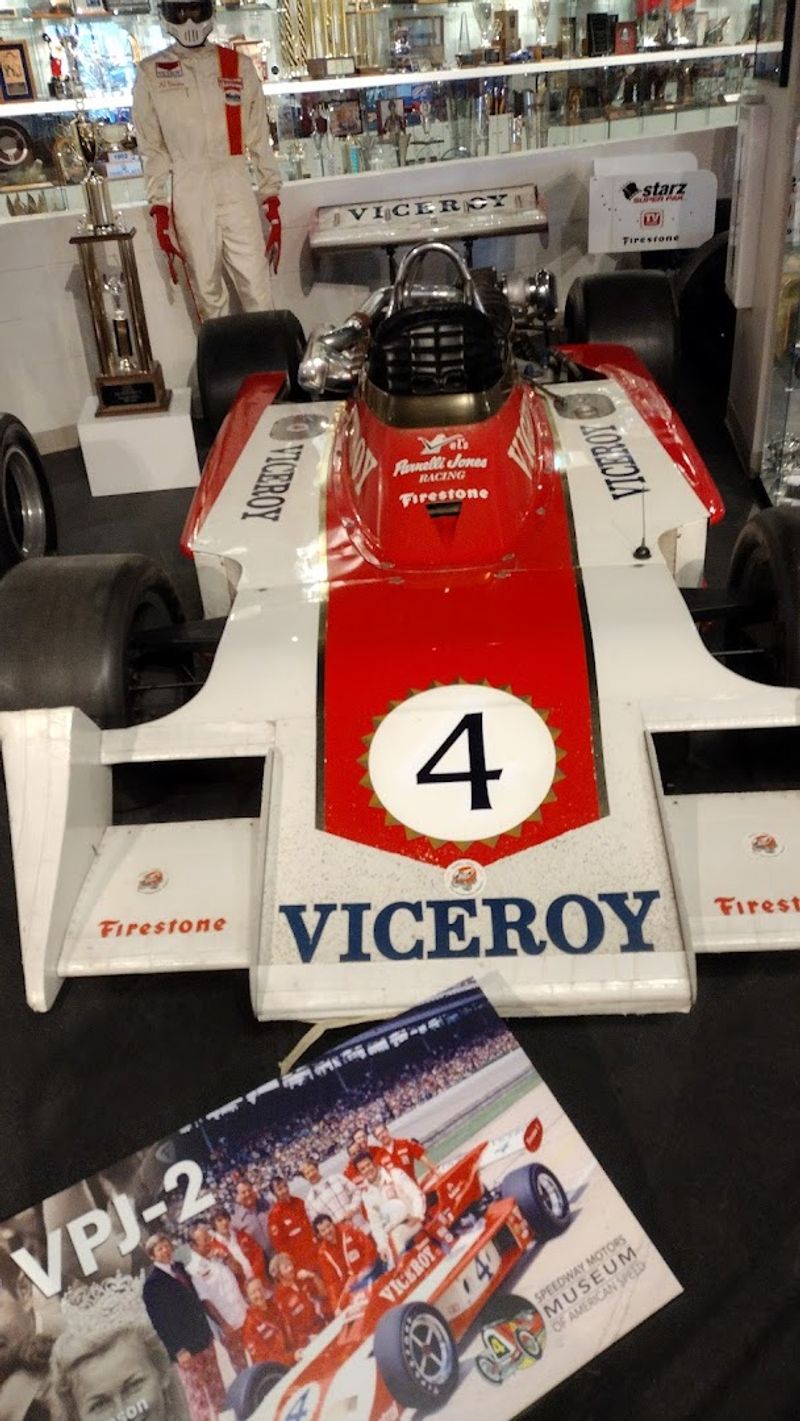
Then the museum throws in a curveball. The pedal car gallery adds a burst of nostalgia and charm that makes this section one of the most memorable in the building.
Hundreds of vintage pedal cars fill the upper floor in a display that is equal parts nostalgic and genuinely impressive as a collector’s achievement. The variety is extraordinary.
There are pedal cars shaped like automobiles, boats, airplanes, tractors, and motorcycles, representing decades of toy manufacturing history.
Some are rare finds that took years to track down, and their condition ranges from beautifully restored to deliberately preserved in original form.
Children respond to this gallery with immediate excitement, while adults tend to slow down and begin to recognize pieces from their own childhoods or their parents’ stories.
That cross-generational appeal is part of what gives the Museum of American Speed such broad visitor satisfaction across age groups.
This gallery alone justifies the trip for many families, and it represents a side of automotive culture that most people would never think to look for in a racing museum.
The Indianapolis Speedway Barn Stalls On Display
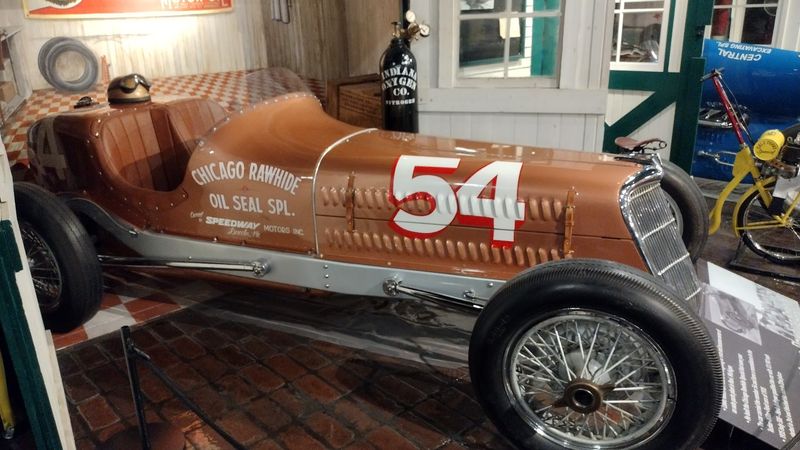
Some artifacts do more than fill space. These pieces add texture and atmosphere, giving the museum a stronger connection to racing’s earlier eras.
These structures, which once housed race cars before they took to the famous track, are now preserved and displayed inside the museum as tangible pieces of racing history.
Standing next to them, it is easy to imagine the atmosphere of early Indy racing: the smell of fuel, the tension before a race, and the mechanical preparations happening in spaces just like these.
The museum transforms what could have been a forgotten structural element into a centerpiece that gives context to everything else on display.
This kind of artifact is what separates serious museums from collections that simply line up cars and call it done. The attention to historical preservation here reflects a deep commitment to telling the full story of American speed culture, not just the glamorous parts.
It is one of those displays that visitors mention unprompted when describing their favorite moments from the trip.
Memorabilia That Brings Racing Culture To Life
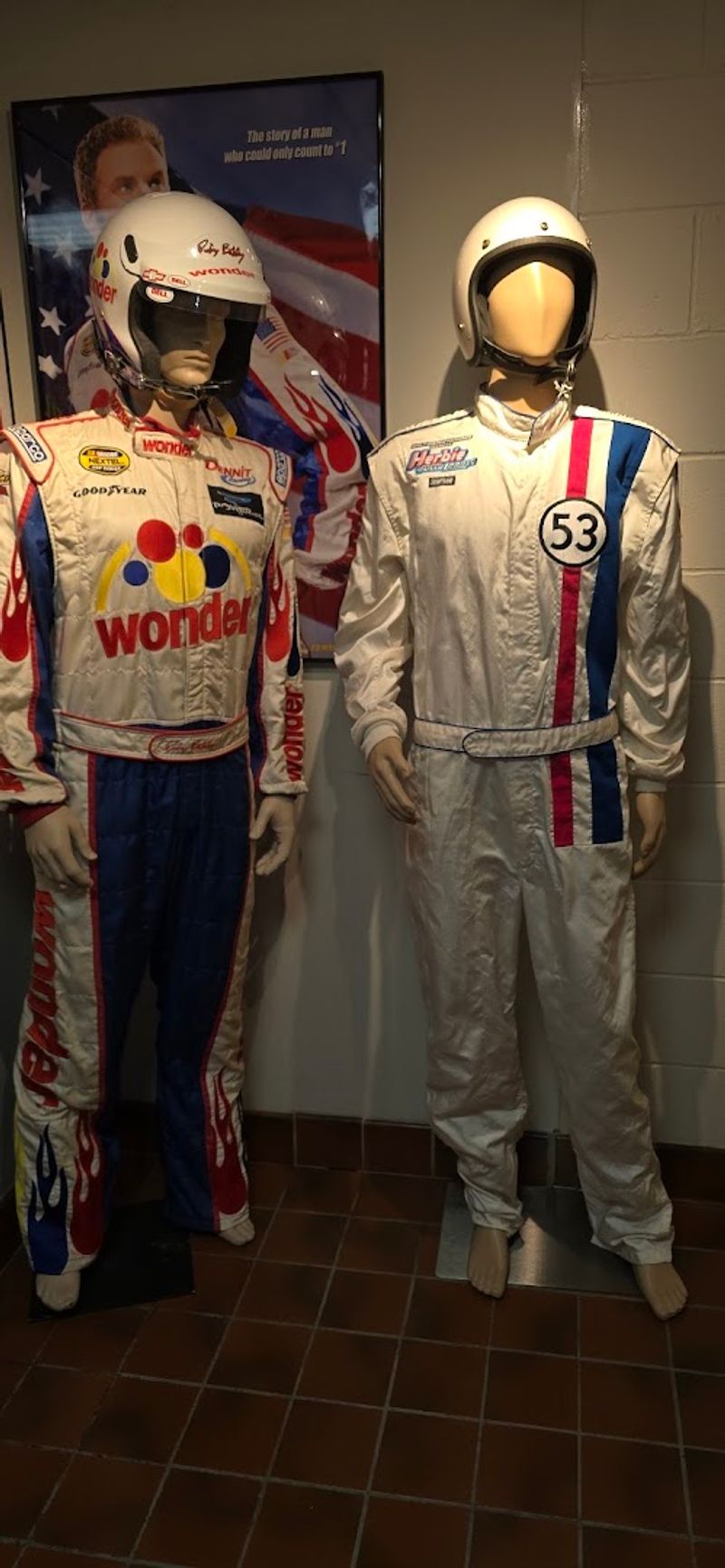
Racing is more than cars and engines. It is a culture, and the memorabilia collection at the Museum of American Speed captures that culture with remarkable thoroughness.
Helmets, trophies, racing suits, vintage advertisements, and even antique lunch boxes are part of a collection that fills display cases across all three floors.
The lunch box collection in particular draws curious looks from first-time visitors.
Hanging from the ceiling in one section, they represent the commercial side of racing culture: a reminder that speed was not just a sport but an identity that shaped what people bought, wore, and collected across generations.
Old guitars also appear in the collection, adding an unexpected dimension to the exhibits that keeps visitors guessing about what they might find around the next corner. That element of surprise is something the museum seems to cultivate deliberately.
Every piece of memorabilia here has been selected and displayed with care, and together they create a portrait of American speed culture that goes well beyond the racetrack and into everyday life.
Guided Tours That Add A Whole New Layer
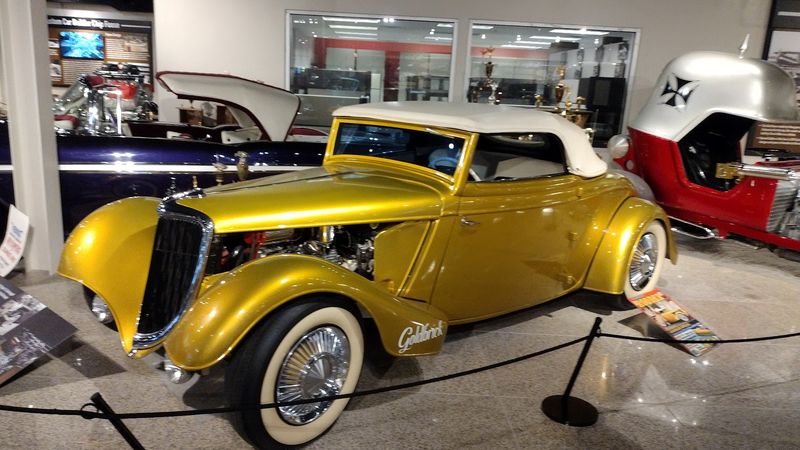
There is a lot to take in here, and that is exactly why extra context can make such a difference. A guided tour helps turn a packed museum visit into a fuller story.
The guides here are known for their deep knowledge of the collection and their ability to connect individual exhibits to broader moments in racing and automotive history.
Tours move at a pace that keeps visitors engaged without feeling rushed.
Guides share stories that are not written on any placard, including behind-the-scenes details about how certain pieces were acquired and what makes particular vehicles so historically significant.
That insider knowledge is what elevates a good museum visit into a memorable one.
The staff throughout the museum reflect the same enthusiasm. Visitors consistently describe interactions with museum attendants as warm, informative, and genuinely helpful.
The team here clearly cares about the collection and about making sure every visitor leaves with a full appreciation of what they have seen.
For first-time visitors especially, booking a guided tour is the single best way to make sure nothing important gets missed during the visit.
A Museum Built For Everyone, Not Just Gearheads
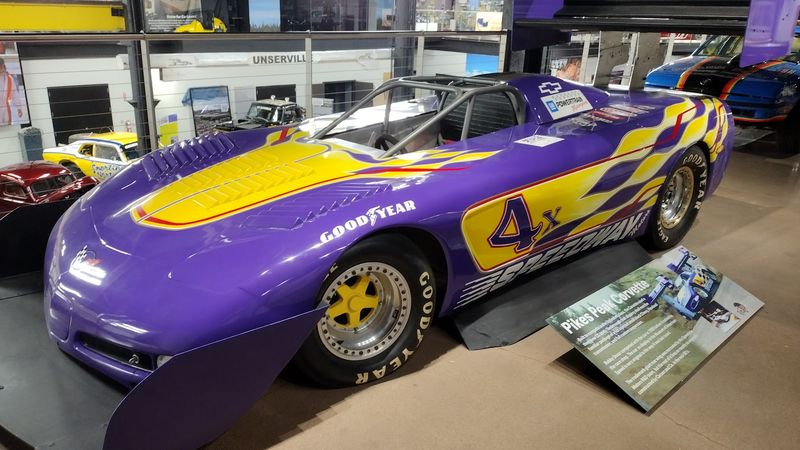
One of the more surprising things about the Museum of American Speed is how accessible it feels to visitors who did not grow up obsessed with cars.
The displays are designed to be self-explanatory, meaning that a complete newcomer can walk through and understand the significance of what they are seeing without needing prior knowledge.
Families with young children find plenty to engage with, from the colorful pedal car gallery to the interactive educational elements scattered throughout the exhibits.
Older visitors appreciate the nostalgic quality of many pieces, while enthusiasts can spend hours studying the technical specifics of each vehicle and engine.
Accessibility is also taken seriously in a practical sense. The museum offers motorized scooters at no charge for visitors who need them, and benches are placed throughout the building to accommodate those who cannot walk or stand for extended periods.
That kind of thoughtful planning makes the space genuinely welcoming to a wide range of visitors.
Nebraska has a lot to offer travelers, and this museum stands as one of the state’s most universally appealing destinations.
Planning Your Visit To Make The Most Of It
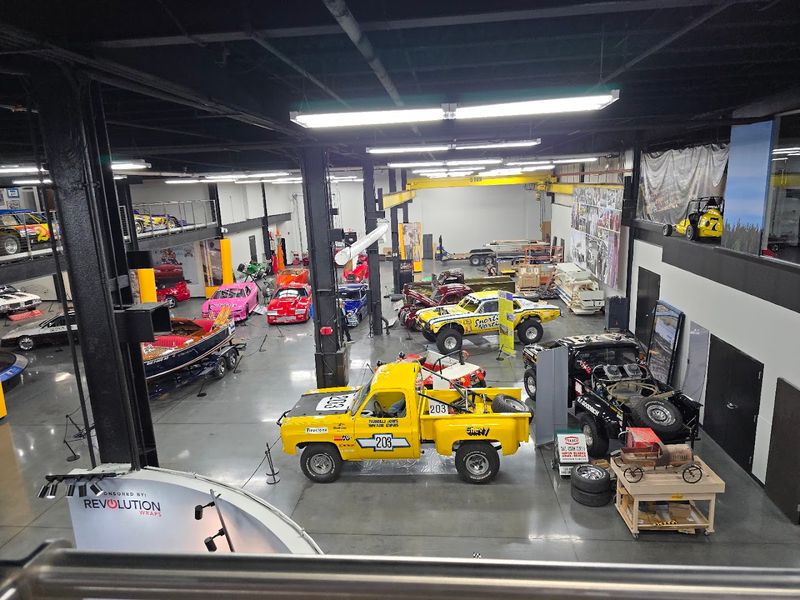
A little planning pays off at a place this big. Giving yourself extra time is the easiest way to make sure the visit feels fun instead of rushed.
Most visitors report spending three to four hours inside, and many still feel they have not seen everything the museum has to offer across its three floors.
Arriving early in the day is the most practical advice for anyone planning a Saturday visit, since closing time comes sooner on weekends and the hours can pass faster than expected once you are inside.
A printed map is available at the entrance and helps visitors prioritize what they most want to see.
The museum is located in Lincoln, Nebraska, a city that is easy to reach from multiple directions within the state.
There is a gift shop on-site for those who want to take something home, and admission is consistently described as very reasonable given the scale and quality of what is on display.
Nebraska is worth exploring, and this museum makes Lincoln an essential stop on any road trip through the region.