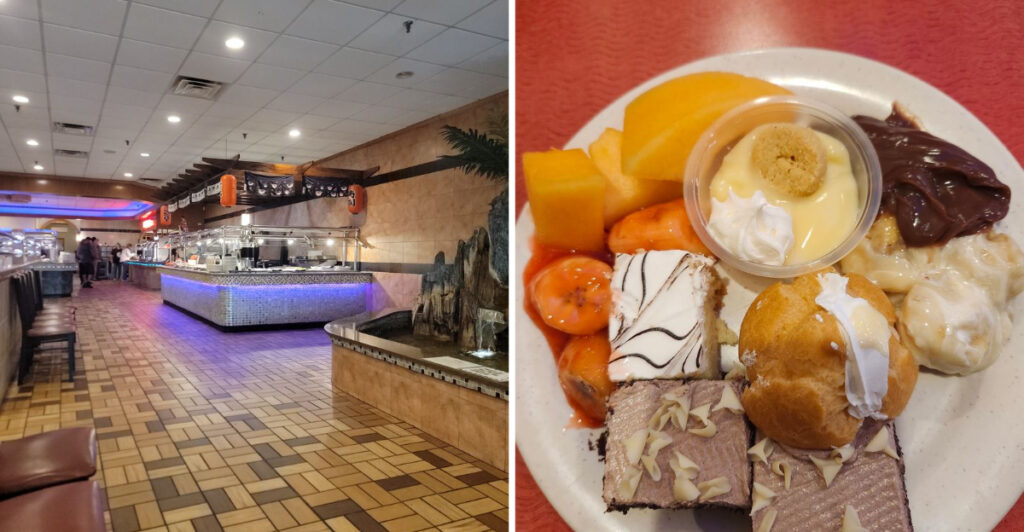
Save room for dessert. Better yet, hire it a bodyguard.
This New Jersey buffet gives sweets enough spotlight to launch their own comeback tour. Cakes line up like headliners, cookies work the crowd, and rotating treats make “I’m too full” sound like a weak opening argument.
Dinner still puts up serious competition. Chinese favorites cover the classics, sushi adds variety, and hibachi lets you build a plate with main-character energy.
Seafood and familiar comfort dishes join the lineup too, so the first round can disappear faster than your original plan.
Then the dessert display enters your peripheral vision.
That is when plate strategy becomes less dinner and more Mission: Impossible. Do you grab another savory favorite, or protect the final stretch for something frosted?
At this buffet, dessert does not wait patiently for its turn. It steals the scene, rolls the credits, and leaves everyone talking about the ending.
Glassboro Diners Can Build A Different Plate Every Time
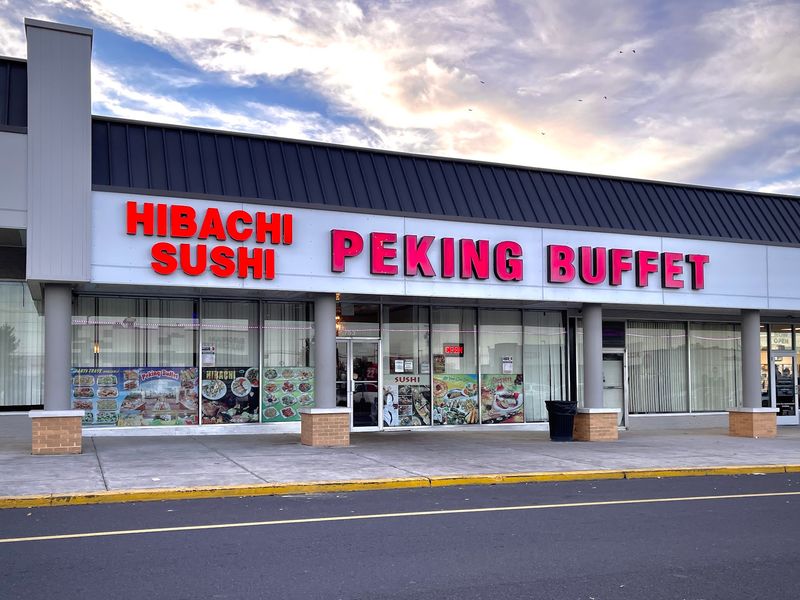
The first lap is reconnaissance. The second is where confidence takes over.
Peking Buffet gives you enough range to make two plates look as though they came from different restaurants. Sushi can lead one round, hot Chinese dishes can take over the next, and seafood or comfort-food choices can claim whatever space remains.
That flexibility helps when a group arrives with competing cravings. One person can focus on rolls, another can head toward hibachi, and someone else can begin with familiar hot dishes before branching out.
The all-you-can-eat format keeps the table from turning into a negotiation. Nobody has to agree on one entrée, split a dish they did not choose, or spend the meal wondering whether another plate would have been better.
Peking Buffet has also been part of Glassboro for decades and celebrated forty years in the community. That long run gives the restaurant more than a passing connection to the town.
The selection can rotate, so every visit does not need to produce the same plate. That is part of the fun. A buffet stays interesting when the first walk around the room still carries a little suspense.
By the time you sit down, your plate may already be introducing itself to the table.
North Delsea Drive Leads Straight To The Spread
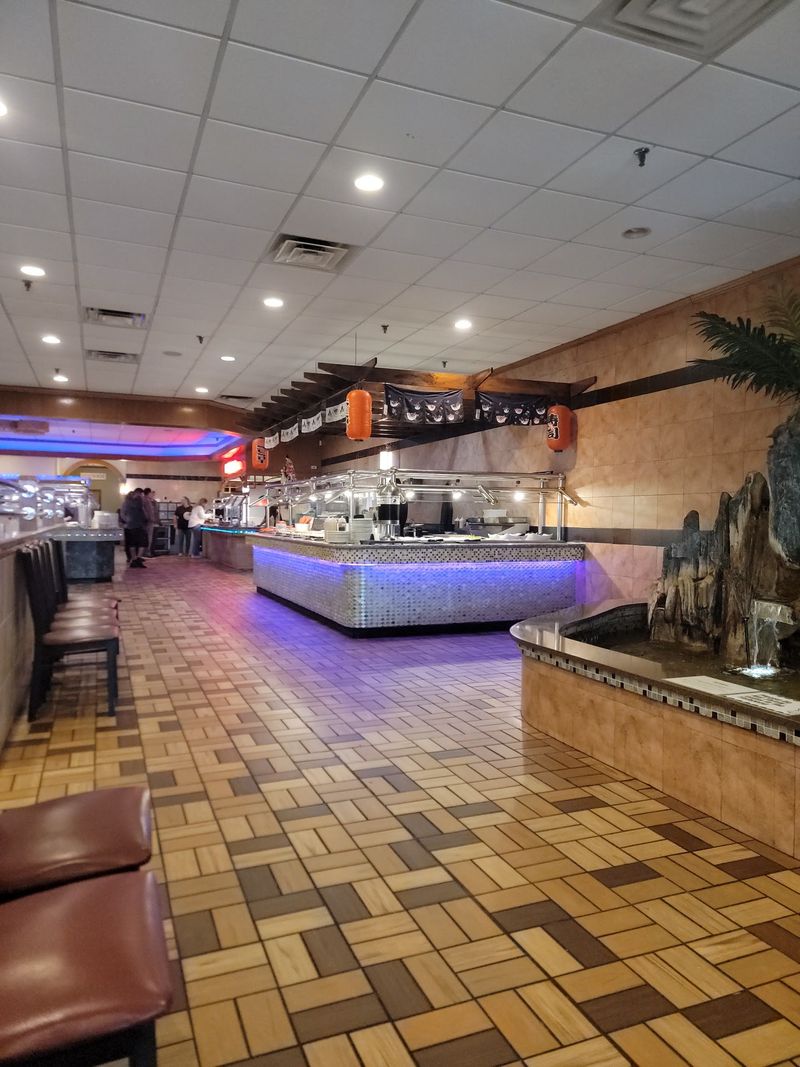
The address is easy to remember. The dessert strategy may take more preparation.
Peking Buffet is located at 753 North Delsea Drive, Glassboro, New Jersey 08028, inside the Collegetown Shopping Center. The restaurant opens at 11 a.m. and closes at 10 p.m. every day, giving you a wide window for lunch or dinner.
Takeout ordering is available online for days when a full buffet visit does not fit the schedule. Sitting down, however, gives you the complete experience of moving through the stations and building each plate yourself.
The shopping-center location keeps the trip practical. You can fit it between errands, meet a group without navigating crowded downtown blocks, or make the buffet the main event when everyone wants different things.
Once inside, take a full lap before loading the first plate. Sushi, hibachi, hot dishes, seafood, and desserts all compete for attention, and choosing too quickly can turn plate number one into a crowded committee meeting.
A better approach is to look first, commit second, and leave space for whatever wins you over on the return trip.
The buffet may be self-serve, but your appetite still benefits from a map.
Weekday lunch and evening dinner can create different moods, yet the wide daily schedule keeps both easy to arrange. You can stop in for a quick midday plate or let dinner stretch through several careful rounds.
Sushi And Hibachi Bring Energy To The Meal
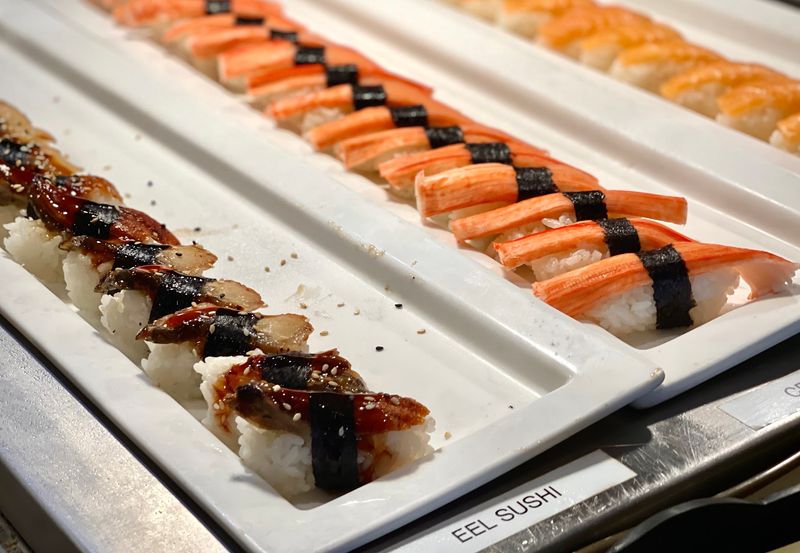
Some buffet stations wait quietly. Sushi and hibachi tend to pull you closer.
Peking Buffet includes sushi among its central offerings, giving you a cooler starting point before the hot dishes take over. A few rolls can open the meal without filling every corner of the plate.
The hibachi section adds another route through lunch or dinner. It gives the buffet a cooked-to-order element and breaks up the rhythm of choosing only from prepared trays.
Those two areas create distinct experiences under one roof. Sushi rewards quick sampling, while hibachi gives you a warmer, more substantial option before you continue around the room.
You can begin with rolls, move toward hibachi, and still leave the main hot buffet untouched until the next trip. That is how one meal starts developing chapters without anyone handing you a menu the size of a novel.
The variety also makes it easier to pace yourself. Smaller sushi portions leave room to test other dishes, while hibachi can become the centerpiece of a later plate.
The challenge is not deciding whether to explore. It is remembering that the dessert counter is already watching.
Hot Dishes Refuse To Stay In One Lane
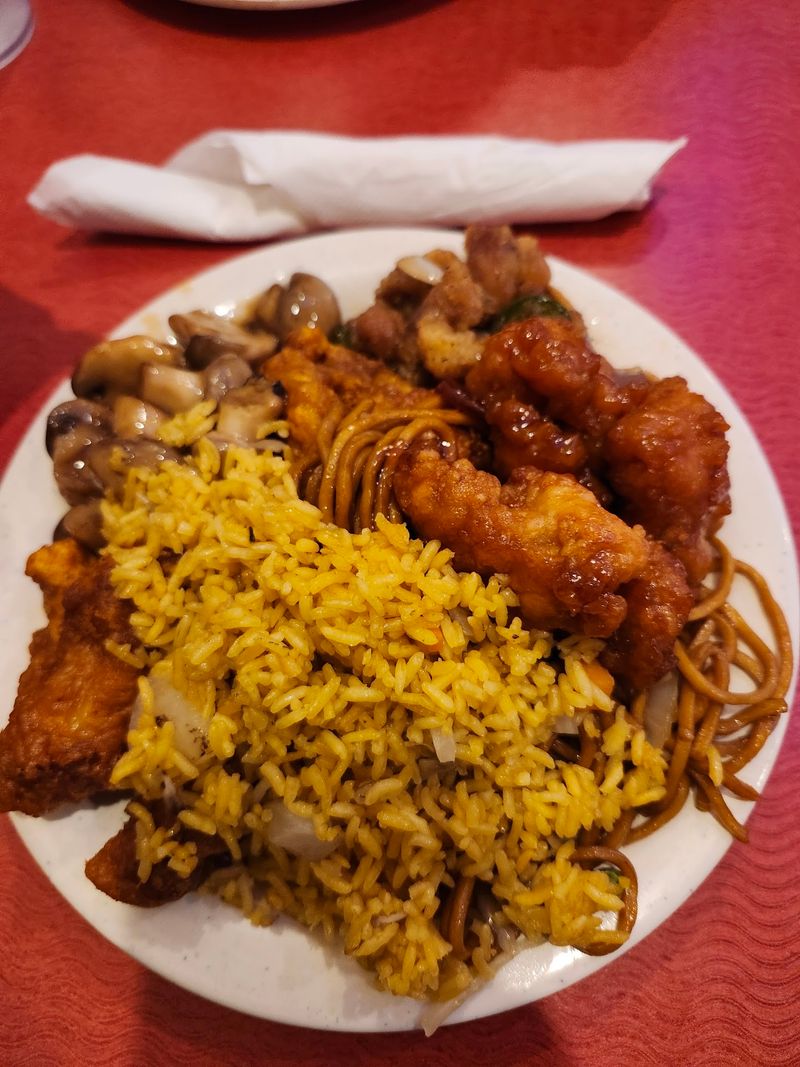
Fried rice brought company, and apparently everyone accepted the invitation.
The hot buffet stretches beyond one narrow group of dishes. Chinese favorites share space with seafood, vegetables, fried selections, and familiar choices that help mixed groups move through the same meal without ordering the same thing.
Rice and vegetable dishes can anchor a plate, while sauced meats, noodles, seafood, or crisp fried items provide the louder flavors. That range gives cautious diners a comfortable starting point and lets more adventurous eaters keep exploring.
The lineup may change, which makes building around what looks best that day more rewarding than arriving with a rigid checklist. A small scoop gives you room to test something before deciding whether it deserves a larger role on the next round.
This is where the buffet format becomes especially useful. You can compare several dishes without turning every choice into a full entrée commitment.
The hot section also creates the biggest temptation to overfill the plate. Every tray looks manageable by itself, but the serving spoon has a talent for ignoring basic geometry.
Take enough to explore, not enough to bury the plate. Dessert has not entered the conversation yet, but it is getting ready.
Cakes And Rotating Sweets Start Making Their Case
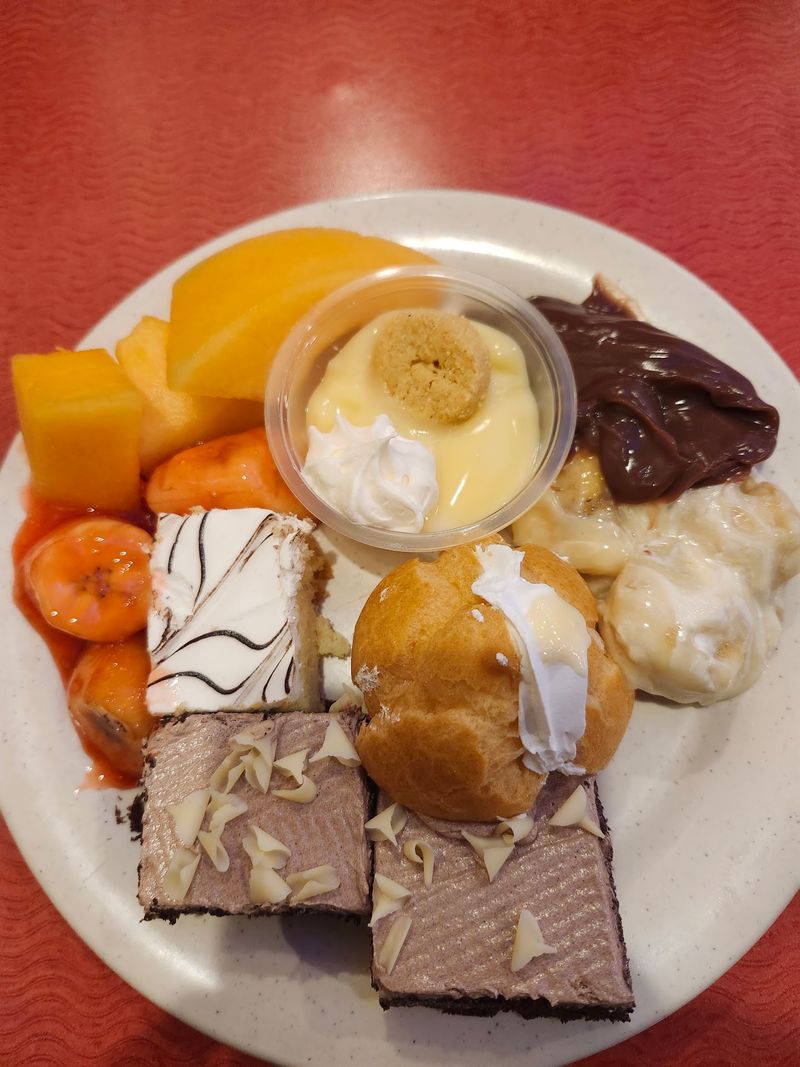
The dessert display has excellent timing and absolutely no patience.
Peking Buffet gives sweets more presence than the token cookie tray found at many buffets. Cakes, cookies, fruit, and rotating treats create a separate final stop rather than a quick grab on the way out.
The exact selection can change, which keeps the sweet section from becoming predictable. One visit may lean toward cakes, while another brings different small desserts into focus.
That variety matters because dessert does not have to mean one heavy slice after an already generous meal. You can build a smaller plate with several bites, compare textures, and decide which one deserves the final forkful.
Color also does plenty of work. Frosting, layered slices, fruit, and individual portions catch your attention while you are still carrying savory food, making restraint feel like a competitive event.
This is where experienced buffet pacing pays off. Another full plate of hot food may sound tempting, but the dessert counter has already noticed you looking.
Save room early, and the final round becomes a victory lap rather than a storage problem.
Small Portions Turn Dessert Into A Tasting Round
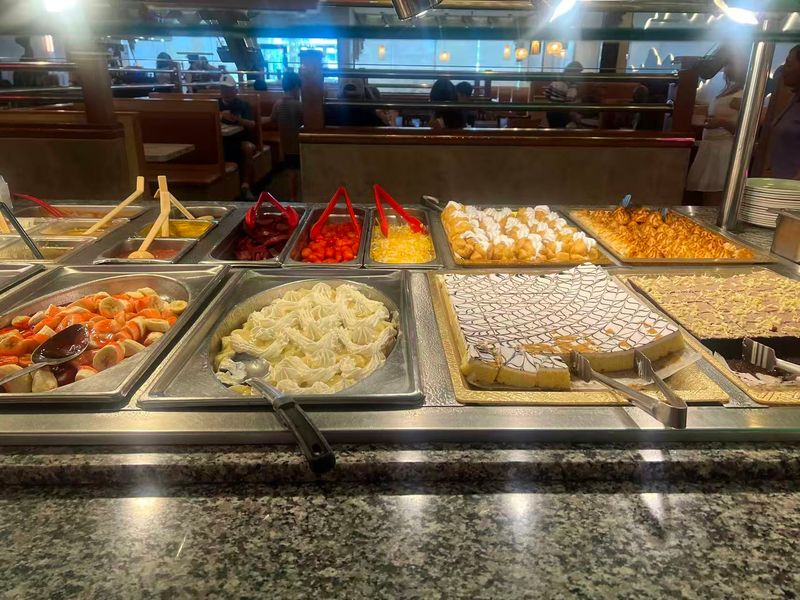
One slice is dessert. Several little bites become a research project with frosting.
The best way to approach a rotating sweet display is to keep the portions small enough to compare. A piece of cake, a cookie, some fruit, and another bite-sized treat can create more variety than one oversized serving.
That strategy fits the buffet format perfectly. You are free to sample first and return only for the dessert that earns a repeat.
Fruit adds a lighter counterpoint after fried, sauced, and grilled dishes, while cakes and cookies bring the richer finish many diners expect. Mixing them keeps the final plate from leaning too far in one direction.
The rotating lineup also gives repeat visits a little suspense. You may recognize one favorite and discover something else beside it that changes the plan.
Families can build completely different dessert plates without debating a single shared order. One person may focus on cake, another on cookies, and someone else may decide fruit deserves more credit than it usually receives at a buffet.
Dessert does not need one dramatic centerpiece when several smaller choices are ready to compete.
At Peking Buffet, the final plate works best when every bite gets an audition.
A slower dessert round also gives the table time to compare favorites before anyone starts thinking about the trip home.
This New Jersey Buffet Gives Sweets The Last Word
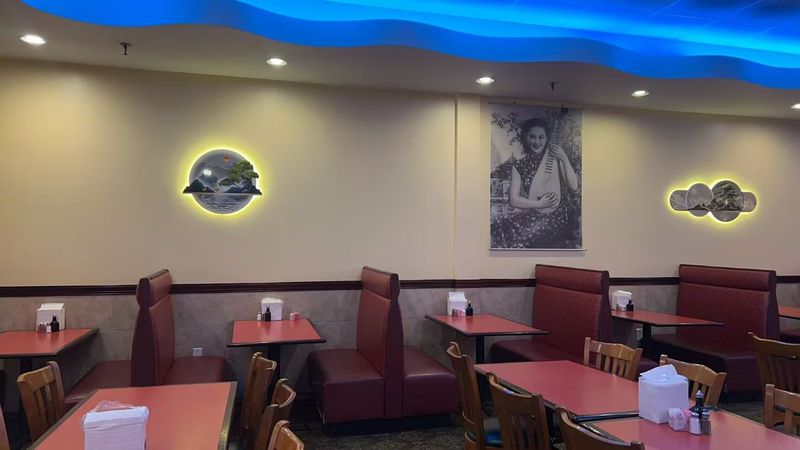
The savory stations open the show, but dessert clearly negotiated the closing scene.
Peking Buffet combines sushi, hibachi, Chinese dishes, seafood, hot selections, and a rotating sweet display under one roof. That breadth gives groups enough room to explore separately and return to the table with completely different plates.
The dessert area adds the detail that makes the meal easier to remember. Cakes, cookies, fruit, and changing treats give the ending its own momentum instead of leaving it to whatever remains near the exit.
Forty years in Glassboro also give the restaurant a local history newer buffets cannot imitate. The formula has lasted by keeping choice at the center of the experience and allowing every diner to decide what deserves another helping.
You can visit for sushi, hibachi, seafood, or hot buffet favorites and still discover that the final plate becomes the one everyone discusses.
That is the trick here. Dessert does not replace the main event. It waits until you are confident the meal is over, then makes one more offer.
New Jersey brings the buffet. The cakes make sure you remember it.