Hot air balloons might be what puts this desert city on the map, but there’s another side to it that deserves attention. Behind those mountain views is a healthcare community doing some remarkable work.
Doctors handle serious trauma cases here, while researchers study new treatments and cancer specialists care for patients throughout the region. Pretty impressive for a place better known for its sunsets, right?
And that’s only part of the story. Wander a little farther and you’ll find old Route 66 landmarks and historic adobe streets that give the city its unmistakable Southwestern character.
I love that contrast. New Mexico has plenty of destinations that grab your attention with their scenery, but this one offers something unexpected beyond the postcard views.
The more you learn about the medical expertise gathered beneath those mountains, the more interesting this city becomes, even for visitors who came simply to explore.
Advanced Healthcare Beneath The Sandias
Hospitals rarely make the list of reasons people fall for a city. Here, though, the healthcare story is hard to ignore once the facts start piling up.
The local university runs the only Level I trauma center in the state, so the most serious emergencies across a huge region end up in its care. Its cancer center also holds a National Cancer Institute designation, a badge earned by only a select group of programs nationwide.
Big private systems add even more strength to the mix. Presbyterian Healthcare Services and Lovelace Health System both run major hospitals and clinics across the metro area.
Veterans have their own anchor too, thanks to the Raymond G. Murphy VA Medical Center.
I find it impressive that so much specialized care sits in one high desert city of a little over half a million people.
Future doctors train at the university’s medical school, so fresh research and new treatments reach local exam rooms quickly. For road trippers, that kind of backup offers real peace of mind far out in the wide open Southwest.
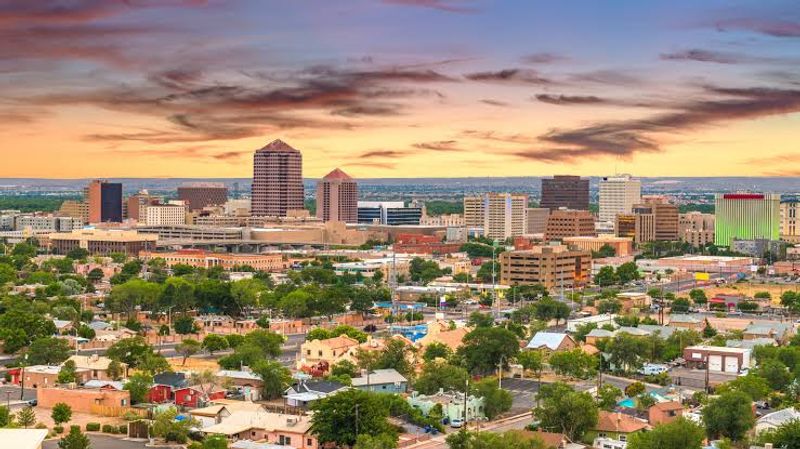
All of this care unfolds in the shadow of a mountain range that glows at sunset. The setting belongs to Albuquerque, the largest city in New Mexico, tucked beneath the Sandia Mountains.
Old Town Streets That Feel Frozen In Time
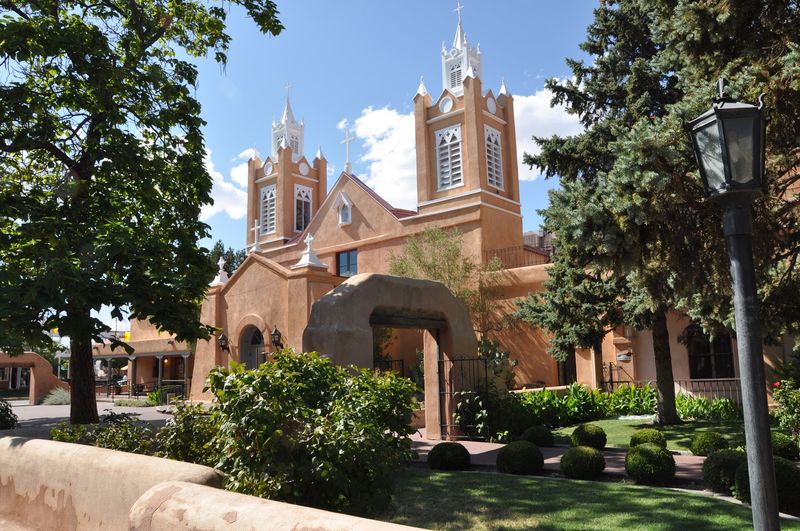
Adobe walls the color of warm toast line the narrow lanes of Old Town. Spanish settlers founded the city here in 1706, and the neighborhood still keeps much of its original layout.
Roughly ten blocks of history fill this compact district. Shops tucked into old homes sell turquoise jewelry and handmade pottery, so a quick browse can easily stretch into a whole afternoon.
Strings of dried red chiles, called ristras, hang beside many doorways. Locals say they bring good luck, and they certainly bring plenty of color to every photo.
Museums sit within easy walking distance as well. The Albuquerque Museum stands at the edge of the district, while the quirky American International Rattlesnake Museum hides close by.
I love that a place this old still feels so lived in. Families stroll the lanes while shady courtyards hum with quiet chatter during the day.
Hidden patios reward anyone who peeks around corners, since many shops open onto little courtyards with benches. Some buildings date back well over a century, and their thick earthen walls help keep interiors cool in summer.
Brick paths and uneven sidewalks can get a bit bumpy, so comfy shoes make a smart pick. Time moves a little slower here, and that is exactly the charm.
Where Medical Innovation Shapes The Skyline
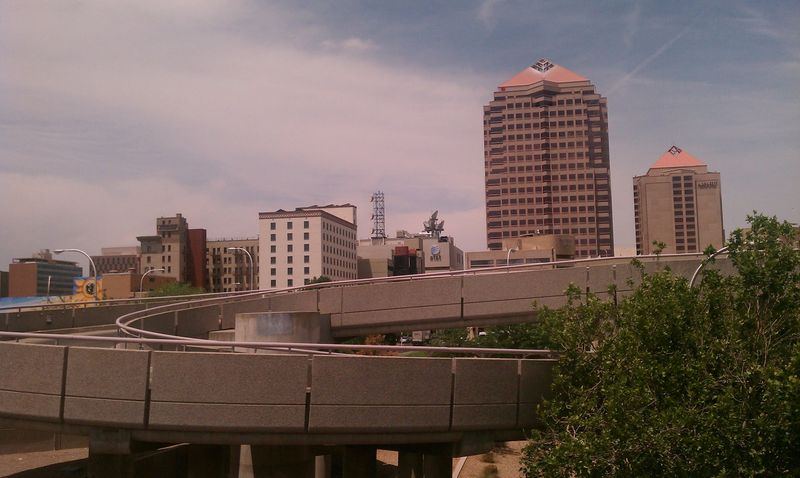
Glass towers near the university hint at serious medical ambition. The UNM Health Sciences Center brings together a medical school, nursing and pharmacy programs, and busy research labs on one sprawling campus.
Research here goes well beyond textbooks. Scientists study cancer, brain health, and infectious diseases, and their work often turns into clinical trials that local patients can join.
Telehealth plays a big role too. The university helped pioneer Project ECHO, a program that connects specialists with rural doctors through video sessions, and the idea has since spread around the world.
Honestly, that one detail might be my favorite fact in this whole article. A homegrown idea for helping faraway clinics ended up reshaping how medical knowledge travels.
Science gets an extra boost from neighbors outside of healthcare. Sandia National Laboratories operates on the city’s southeast side, adding a strong research culture that rubs off on the whole community.
Downtown, the Innovate ABQ district aims to turn bright ideas into real companies. Startups in biotech and health technology find a growing support network there.
For a mid-sized desert city, the brainpower packed into these blocks is remarkable. The skyline may be modest, but the ideas inside it reach far beyond the mesa.
Mountain Views That Steal The Show
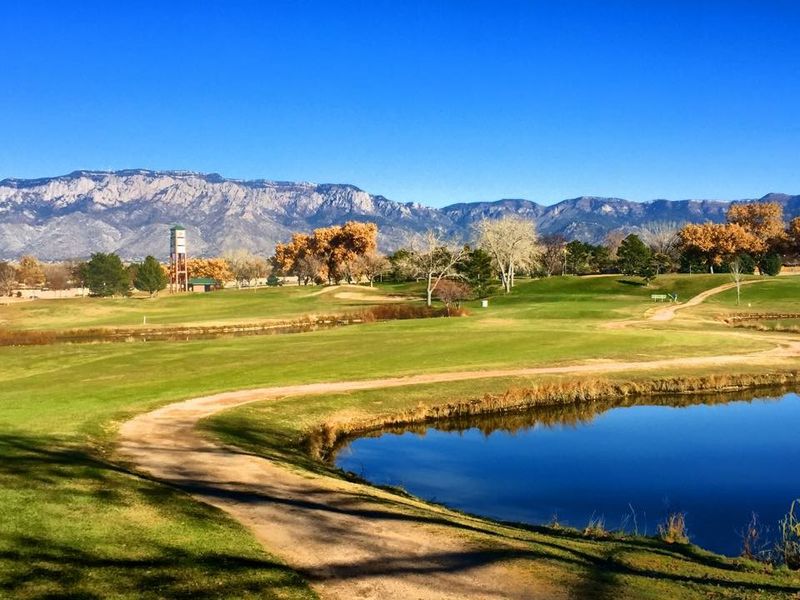
Every evening, the Sandia Mountains put on a free light show. As the sun dips low, the granite cliffs turn a soft watermelon pink, which fits nicely since sandía means watermelon in Spanish.
Sandia Crest rises to about 10,678 feet above sea level. The city itself sits at roughly 5,000 feet, so the mountains tower over neighborhoods like a giant wall of stone.
Getting to the top is half the fun. The Sandia Peak Aerial Tramway glides about 2.7 miles up the western face, making it one of the longest aerial trams in the country.
I have to admit, the idea of floating over canyons in a small cabin sounds both thrilling and slightly nerve-racking. Riders are rewarded with views stretching across thousands of square miles of desert.
Hikers have options too, with the La Luz Trail climbing steeply through pine forests toward the crest. Up top, the air feels cooler, and snow often dusts the peaks in winter.
Back in town, the mountains act as a handy compass for newcomers. If the Sandias are on your right while driving, you are heading north, which saves plenty of map checks.
Few cities get such a dramatic backdrop. Here, the scenery practically demands a second look.
A University Campus With Southwestern Flair
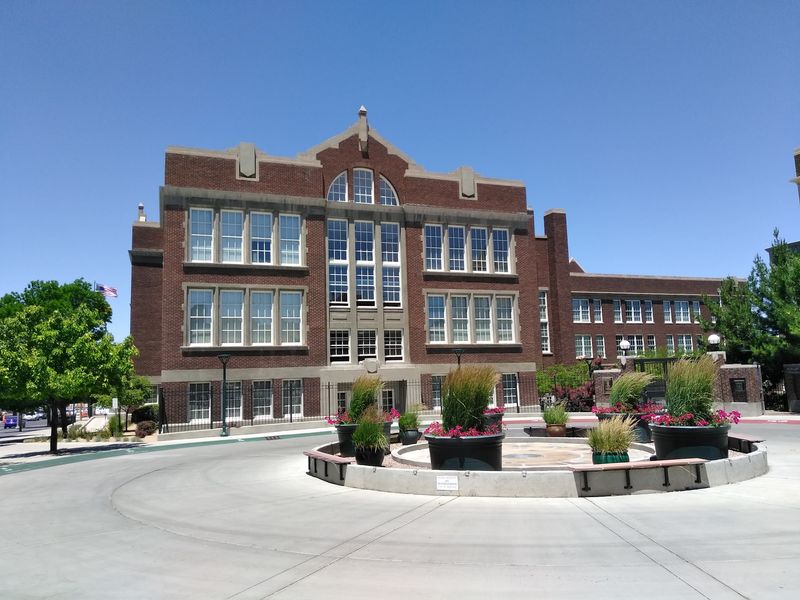
College campuses usually look like brick boxes, but this one went another direction entirely. The University of New Mexico, founded in 1889, embraced Pueblo Revival architecture, giving its buildings earthy walls and rounded edges.
Architect John Gaw Meem shaped much of that look in the 1930s. His Zimmerman Library remains a campus landmark, with carved wooden ceilings and cozy reading rooms that feel calm and timeless.
Green spaces soften all that adobe-style design. The duck pond is a favorite spot for students to relax between classes, and it offers a peaceful break even for casual visitors.
Culture lovers can explore the Maxwell Museum of Anthropology right on campus. Its exhibits explore human history and the peoples of the Southwest, and admission has long been free.
Popejoy Hall brings Broadway tours and concerts to the university as well. That keeps the campus lively well after the last lecture of the day ends.
The university also ties directly into the healthcare story, since its medical school and hospital sit just north of the main campus. Students and doctors cross paths daily, sharing coffee shops and sidewalks.
Honestly, a campus this pretty makes homework seem a little less painful. Even the parking garages try to match the style.
Route 66 Still Turns Heads Here
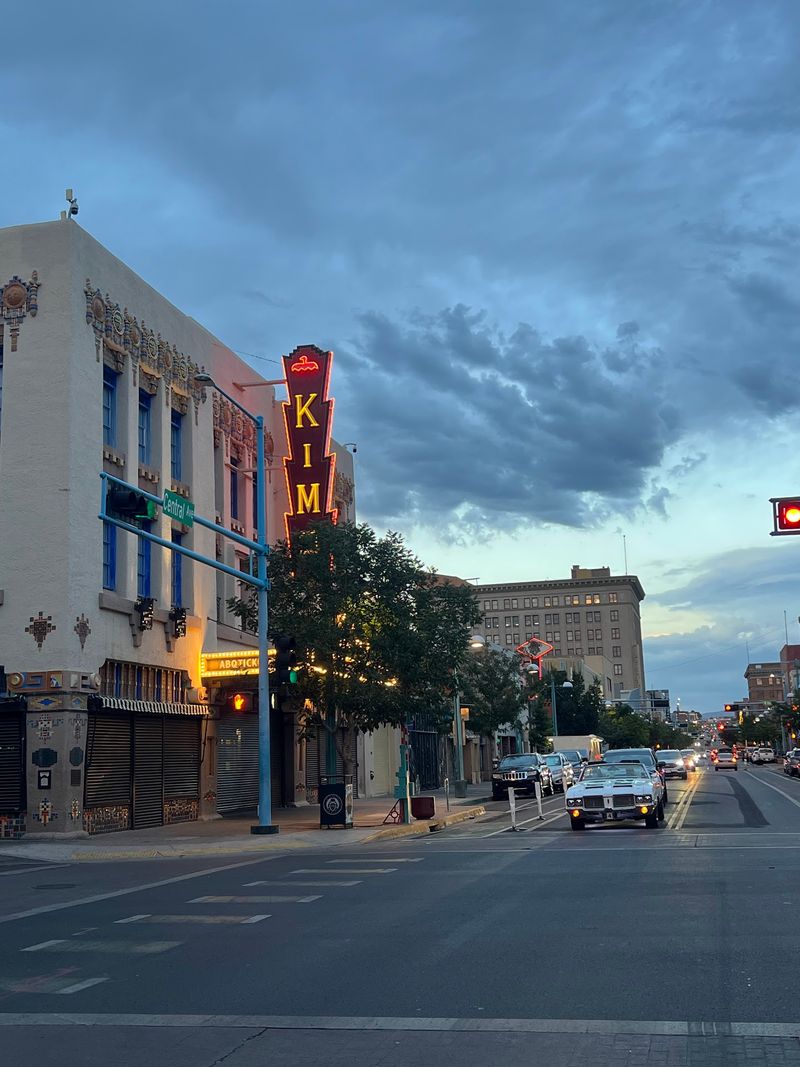
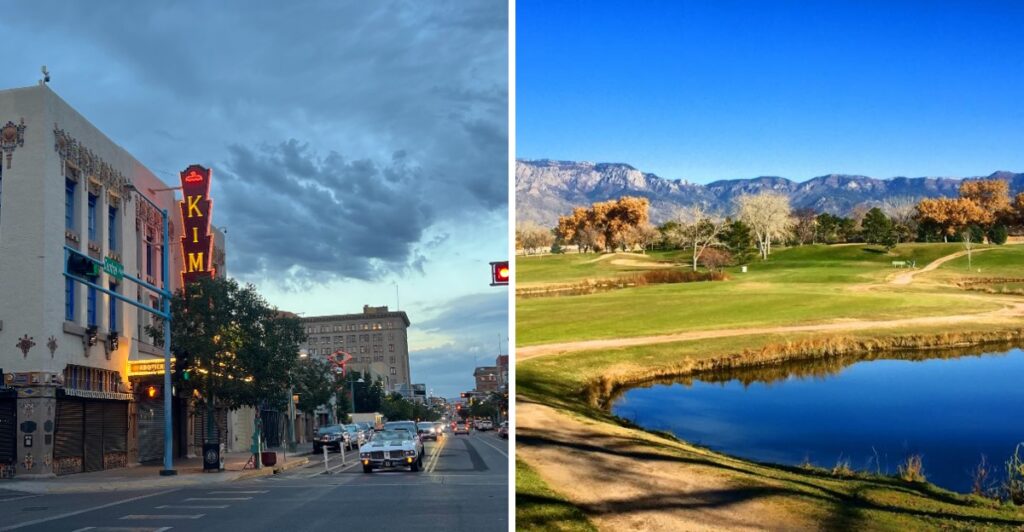
Neon still buzzes along Central Avenue, the city’s stretch of historic Route 66. The famous highway runs right through town, and its local segment ranks among the longest urban stretches of the old road.
Vintage motel signs glow after dark, showing off cowboys, arrows, and bright desert colors. Many have been restored, so a nighttime drive feels like a trip back to the 1950s.
Downtown, the KiMo Theatre steals the spotlight. Built in 1927, it mixes Pueblo design with Art Deco style, and the result is a look found almost nowhere else.
I get a real kick out of a movie palace decorated with Southwestern motifs. It proves that even old buildings can have a fun sense of humor.
Farther east, the Nob Hill neighborhood keeps the Route 66 spirit alive with quirky shops and colorful storefronts. Local diners serve up green chile cheeseburgers, a regional favorite with a spicy kick.
The Mother Road also connects the city’s past with its present. Travelers once stopped here for gas and a night’s rest, and today the same street links downtown, the university, and the hospitals.
Route 66 may be old, but it has not lost its sparkle. Here, the road still gets its kicks.
Cottonwood Trails Along The Rio Grande
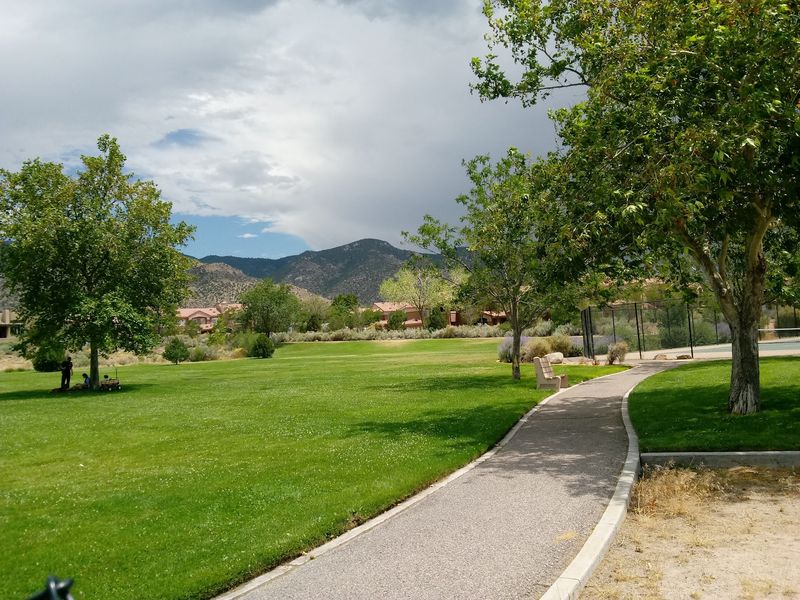
Right in the middle of the desert, a ribbon of green follows the Rio Grande. Locals call this riverside forest the bosque, and its towering cottonwood trees create a shady escape from the sun.
The Paseo del Bosque Trail runs about 16 miles through the area. Its paved path is flat and smooth, which makes it popular with walkers, joggers, and cyclists of all ages.
Autumn turns the bosque into a sea of gold. The cottonwood leaves glow so brightly that the whole riverbank seems lit from within.
Wildlife adds plenty of surprises along the way. Sandhill cranes arrive in winter, and roadrunners sometimes dart across the path like they have somewhere important to be.
I find it charming that such a calm spot sits only minutes from busy streets. That easy access encourages people to stay active, which fits nicely with the city’s health-focused reputation.
The Rio Grande Nature Center State Park offers a quieter way to explore. Its visitor center overlooks a pond where ducks and geese gather, and short trails wind through the trees.
Doctors often recommend fresh air and movement, and the bosque delivers both in style. Out here, a simple walk feels like a breath of fresh green.
Old Town Plaza With Southwestern Character
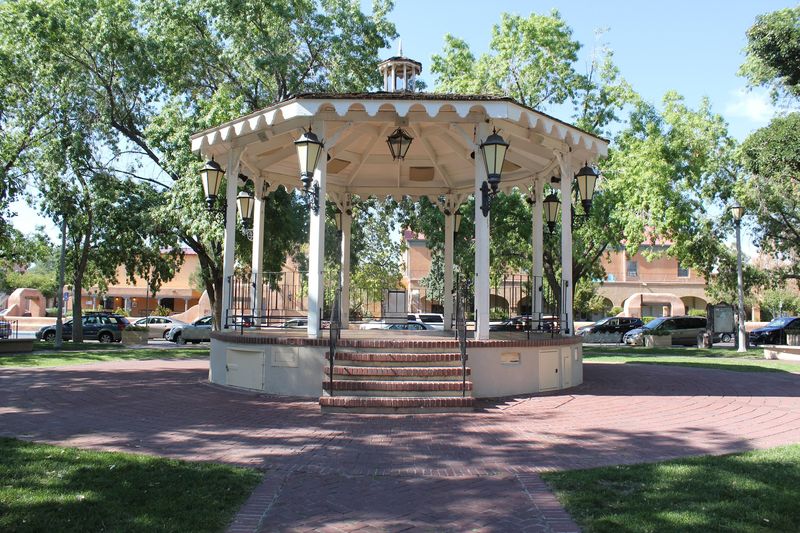
At the heart of Old Town sits a leafy plaza with a white gazebo at its center. Benches circle the square, and shade trees make it a pleasant place to rest and people-watch.
San Felipe de Neri Church faces the plaza with its twin bell towers. The current building dates to 1793, making it one of the oldest structures in the city.
Thick adobe walls have helped the church last for centuries. Inside, the space remains an active parish, so visitors are asked to keep things quiet and respectful.
Music and dance often fill the plaza during festivals and holidays. The gazebo becomes a stage, and crowds gather to enjoy performances under the bright desert sky.
Christmas Eve brings the most magical scene of the year. Thousands of glowing paper lanterns, known as luminarias or farolitos, line walls and rooftops in a tradition cherished across New Mexico.
Native American artists also sell handmade jewelry and crafts along the nearby portals. Buying directly from the makers supports local families and keeps old traditions alive.
The plaza captures what makes this city special, with deep roots standing beside modern care and innovation. Albuquerque proves that a healthy community can also have plenty of heart.