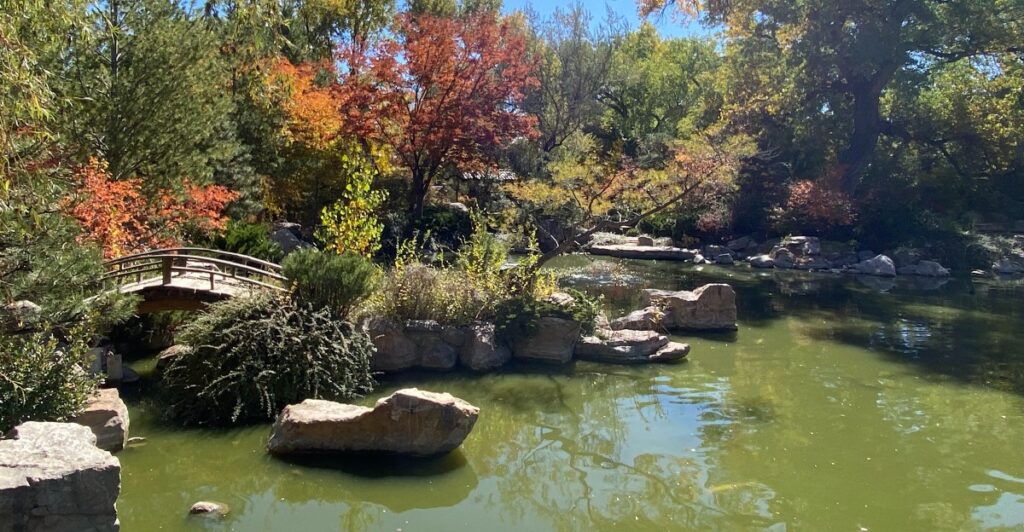
Koi the color of ripe chile peppers came drifting straight toward my shoes, mouths open, as if they had been waiting for me all morning. I had walked through a botanical garden in New Mexico expecting cactus and gravel, not a waterfall humming behind a wooden gate.
What I found felt like a secret the desert had been keeping on purpose. It turned a quick stroll into the calmest afternoon I had spent in ages.
A Four-Acre Oasis Inside the ABQ BioPark
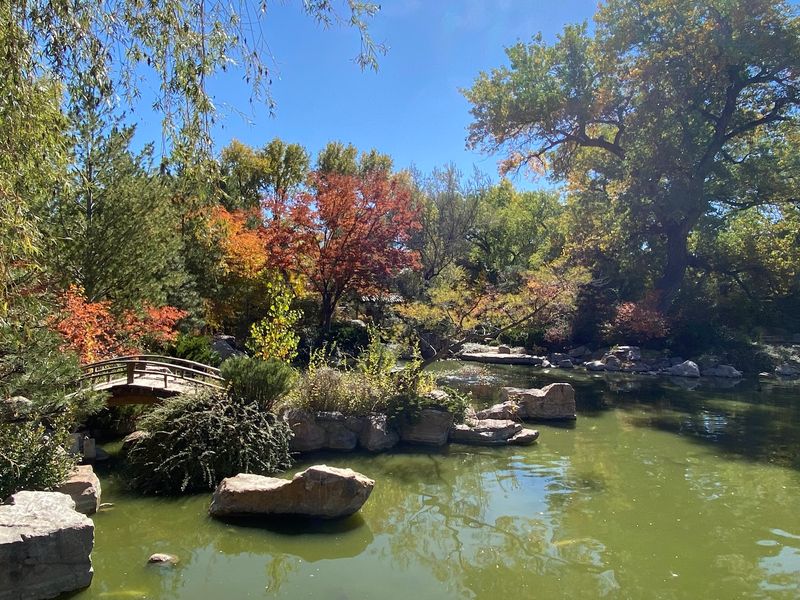
Albuquerque locals know the BioPark for its aquarium and flower beds, but plenty of them walk right past its quietest corner. The Sasebo Japanese Garden sits within the ABQ BioPark Botanic Garden, covering about four acres of carefully shaped land in the heart of the city.
Once inside, the traffic noise fades fast. Ponds, waterfalls, stone bridges and winding paths replace sidewalks and parking lots, and the whole space feels like it was lifted from another continent and gently set down near the Rio Grande.
One visitor admitted they had been to the botanical gardens a couple of times without even knowing this section existed. After finding it, they called it the best part of the whole park.
That reaction pops up again and again, and it says a lot about how easy this place is to miss.
Getting there means heading to the botanical garden side of the BioPark in the 87104 area, just west of downtown. From there, simply follow the paths toward the large wooden gates.
Consider it a garden-within-a-city, a spot that rewards anyone curious enough to wander a little farther than usual. For folks who love claiming a hidden local favorite, it earns bragging rights.
Sister City Roots and a Master Designer
Friendship across an ocean built this garden. Albuquerque shares a sister city bond with Sasebo, Japan, and the garden was created in cooperation with that partnership, which explains the name you will see on signs around the BioPark.
Noted landscape architect Toru Tanaka designed the original layout, which opened in 2007. His plan did something clever.
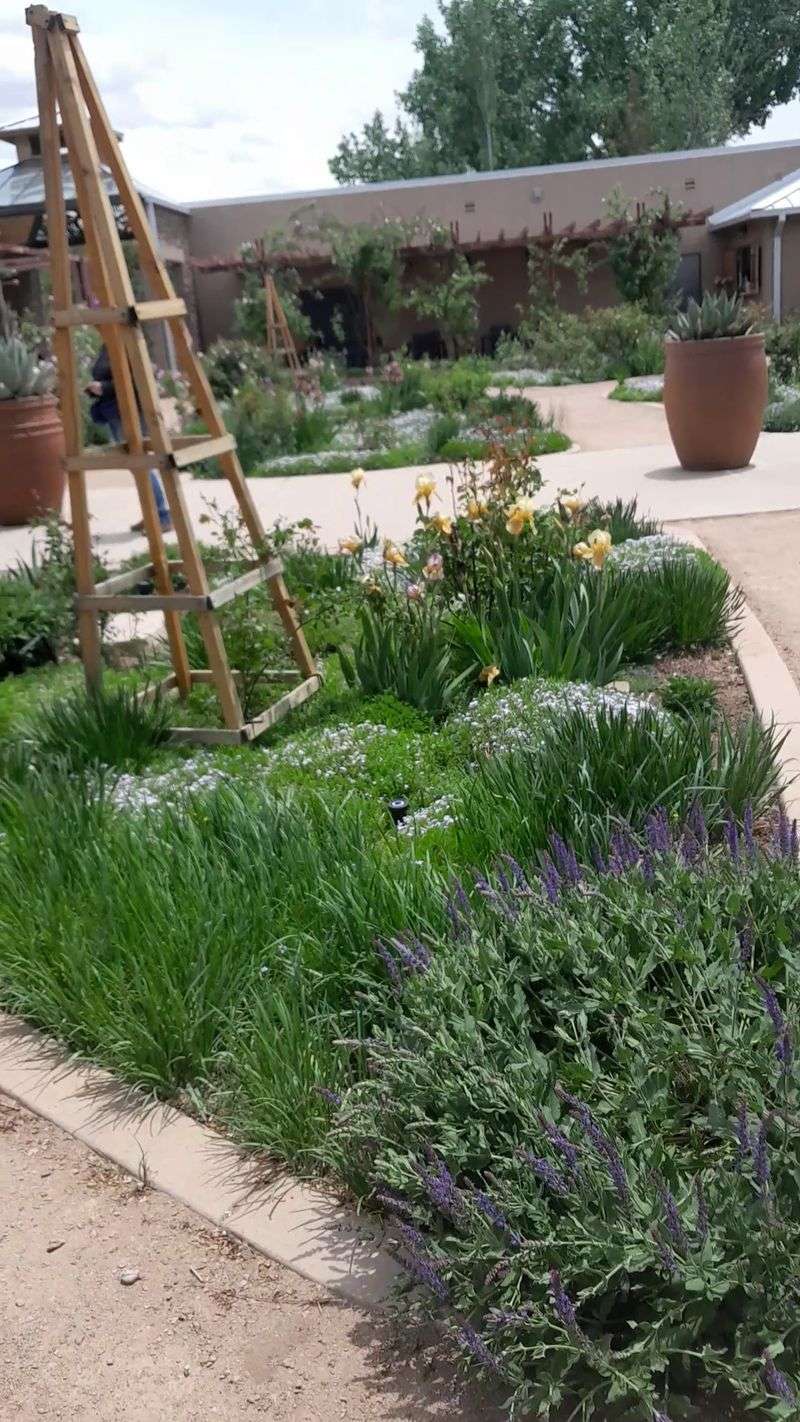
Rather than fighting the dry climate, he blended traditional Japanese plants with native New Mexico species, letting the two styles share the same soil.
Two years later, in 2009, the garden grew. Five members of the Ogata Kai, an organization of Japanese landscape architects, added a special garden-within-a-garden section.
Think of it as a small, focused room tucked inside a larger house, each part with its own mood.
Knowing this history changes how the paths feel underfoot. Every boulder and pine was placed with intention, shaped by people who spent years studying how nature and design can work together.
Fun fact for your next road trip conversation: the garden is a living handshake between two cities thousands of miles apart. Few spots in New Mexico can claim that kind of international story sitting right beside a desert river.
Wooden Gates and the Bell Tower Welcome
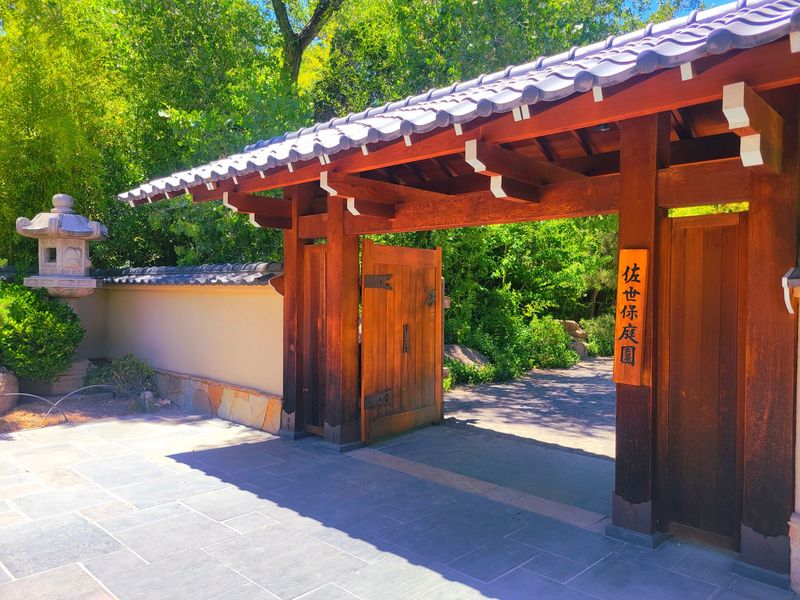
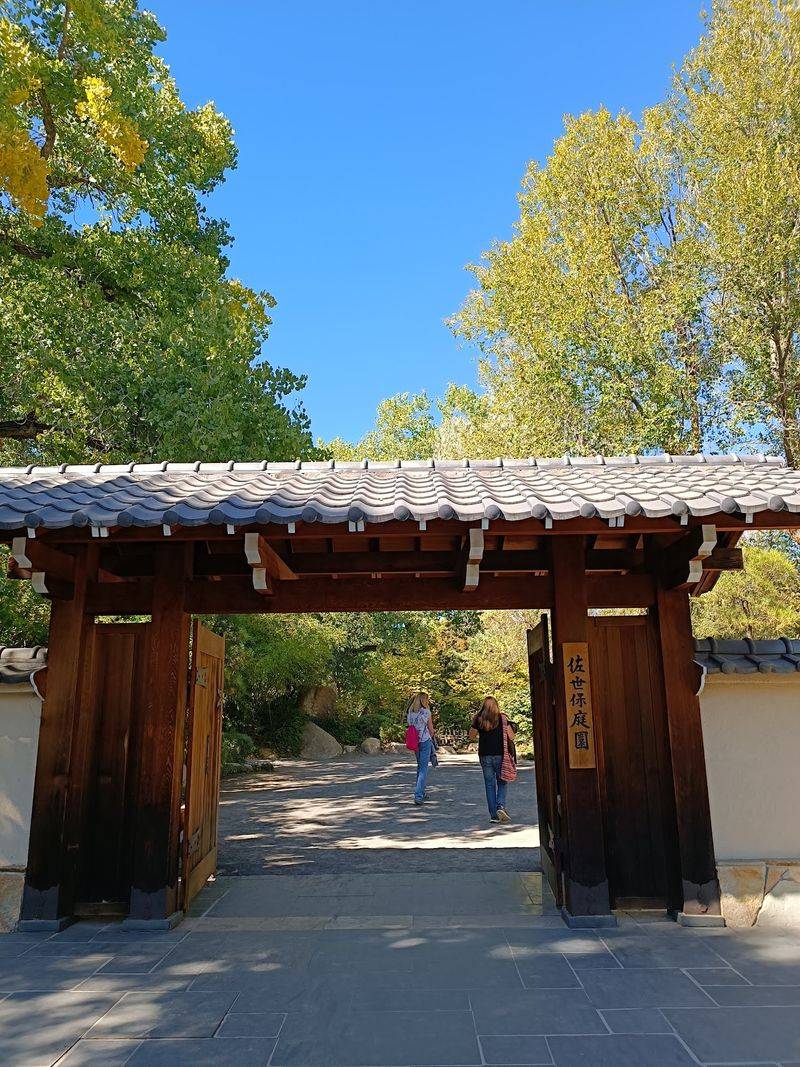
First impressions matter, and the entrance here does its job beautifully. Guests pass through large wooden gates and walk by a distinctive bell tower before the garden fully opens up ahead of them.
That short approach works like a reset button. By the time you step past the tower, the rest of the BioPark starts to feel far away, and your walking pace naturally slows down without anyone telling you to.
Japanese garden design often uses entrances this way, creating a sense of crossing into a different space. Here, the effect is strong because the contrast is so sharp.
One moment you are surrounded by open desert light, and the next you are framed by timber, stone and green branches.
Photographers tend to linger at this spot. The gates make a natural frame, and the bell tower adds a striking shape against the bright New Mexico sky.
A tip from experience: pause here before rushing to the koi. Take a breath, look through the gate, and notice how the path curves out of sight.
That hint of mystery sets the tone for everything that follows, since the best views here are almost never visible from where you start.
Koi That Swim Right Up to Say Hello
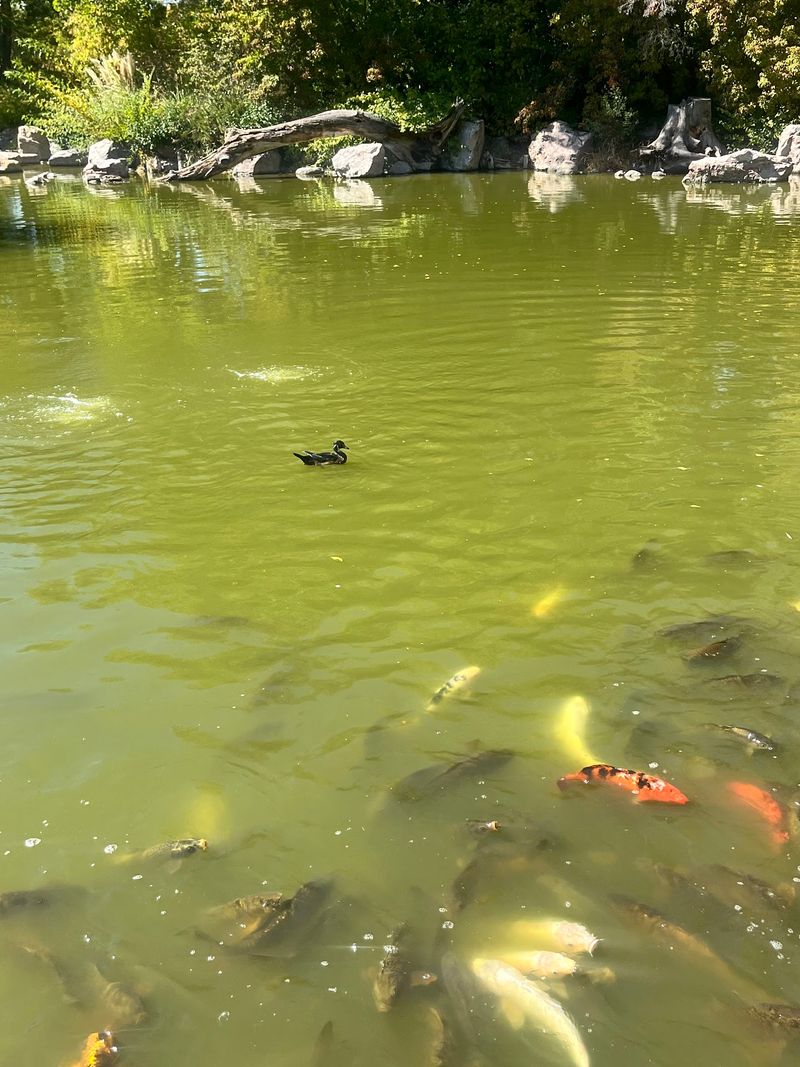
Stand still at the water’s edge for a moment and something funny happens. The fish come to you.
Visitors mention it often, describing koi gliding right up to the bank whenever someone lingers nearby.
Koi are easily the most talked-about residents of the garden. Bright orange, white, gold and spotted fish drift through the ponds in lazy loops, flashing color against the dark water.
Keep an eye out for variety. One family visiting with three generations noticed the classic short-finned koi alongside fancier fish with long, flowing fins known as butterfly koi.
They also shared a neat tidbit: there are more than 20 breeds of koi.
Kids love this part, and honestly, so do grown-ups. Watching a crowd of fish jostle politely near your feet is oddly soothing, like a slow, living screensaver.
Even in winter, one guest noted, plenty of koi were still visible, though steam rising off the pond made the water look a bit murky. Summer visits tend to show the fish at their most vivid.
Bring patience, find a quiet bend in the path, and let the koi decide when to put on their show.
Waterfalls, Streams and a Surprising Lake
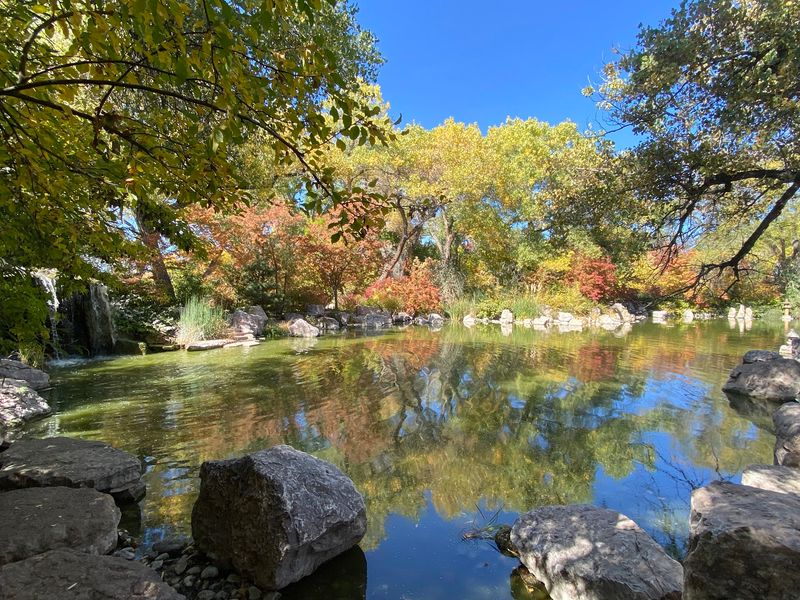
Water in the high desert always feels a little like magic. Here, it tumbles, trickles and pools in ways that make you forget how dry the surrounding landscape can be.
Waterfalls are among the features visitors bring up most. The sound of falling water fills the air as you get closer, a steady hush that drowns out chatter and softens the whole mood of the garden.
Beyond the falls, an impressive lake anchors the space. Guests describe it as one of the highlights of the entire BioPark, with calm surfaces that mirror the trees and sky on still days.
Small streams wind between these larger features, crossed by both stone and wooden bridges. Each crossing offers a slightly different view, so it pays to stop mid-bridge and look both ways.
One regular summed it up well, calling the ponds and waterfalls part of what makes the garden a favorite spot for clearing the mind. That makes sense.
Moving water has a way of pulling your attention outward, away from phones and to-do lists.
For New Mexicans used to arroyos and dusty riverbeds, seeing this much gentle water in one place can feel like a genuine treat.
Stone Lanterns, Pagodas and Raked Gravel
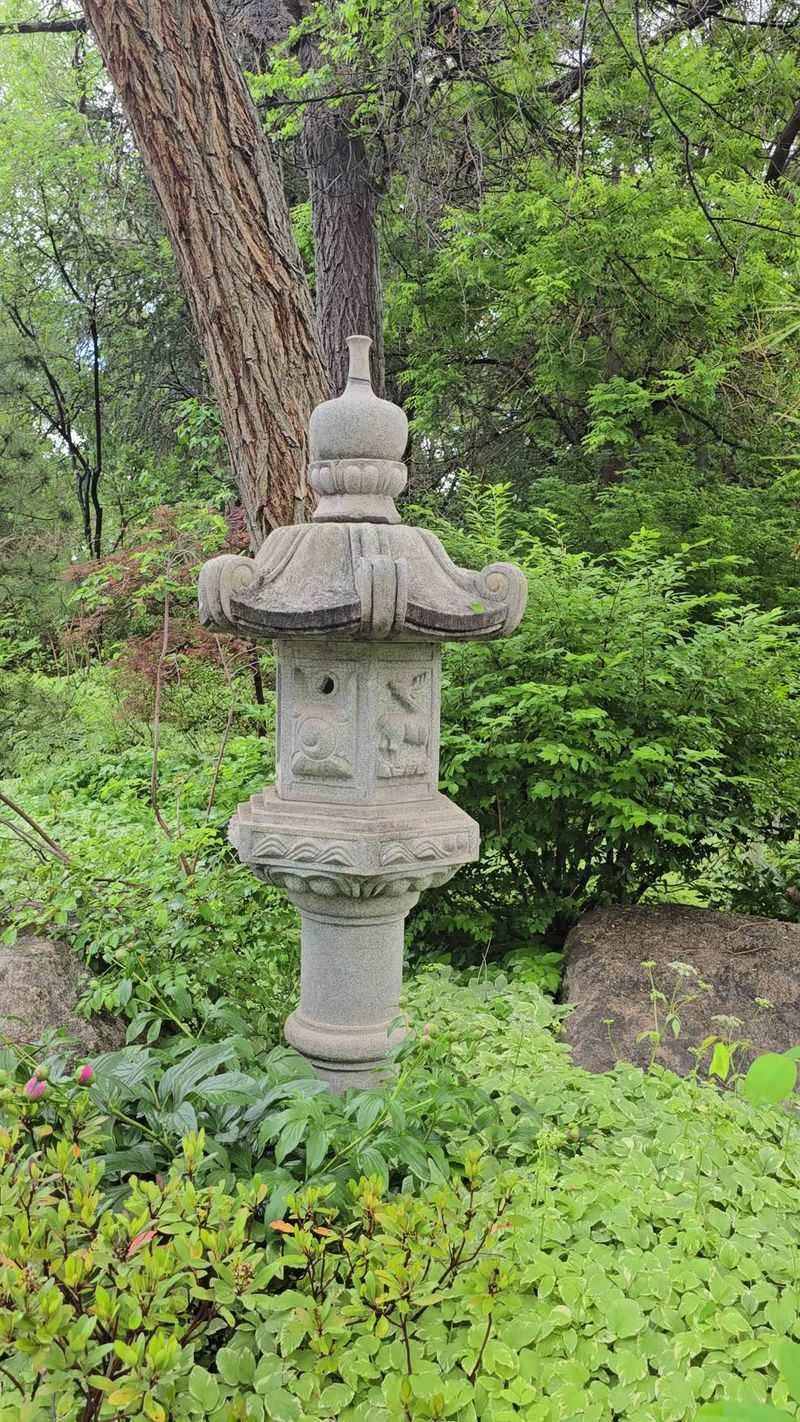
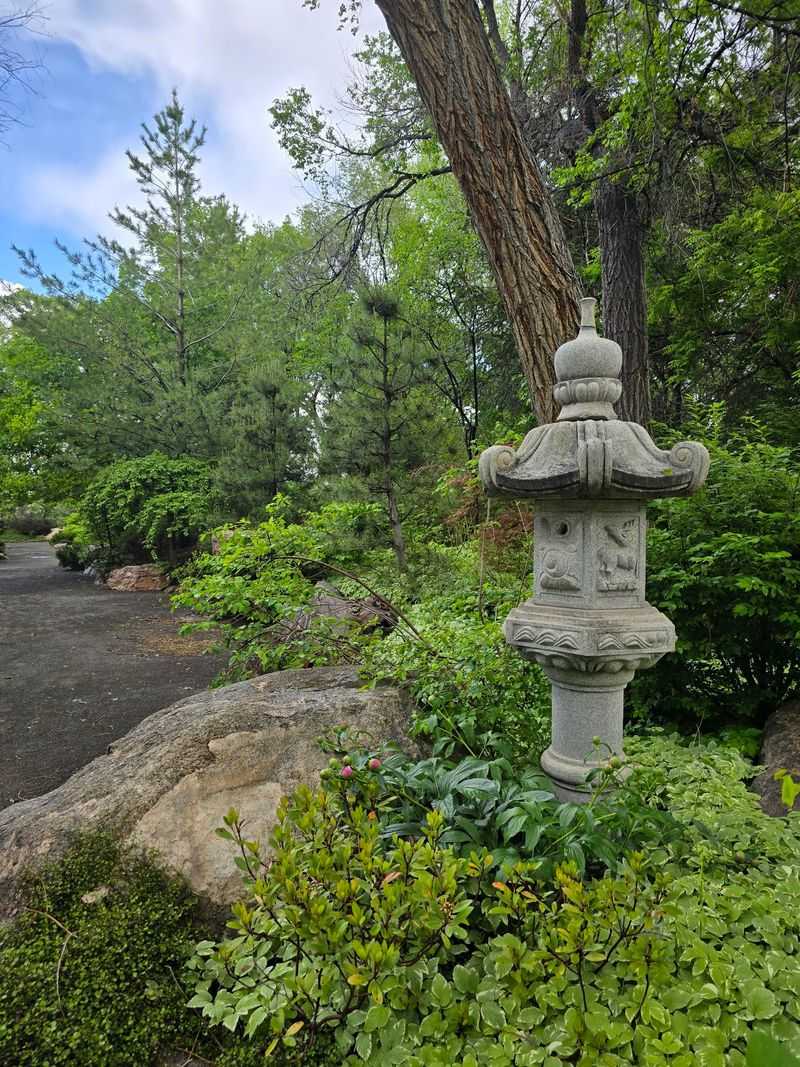
Granite silhouettes stand guard along the walkways, quiet and patient. Large stone lanterns decorate the paths throughout the garden, giving the space a sense of old-world craftsmanship.
Pagoda sculptures appear here and there too, their stacked tiers catching the light at different times of day. Spotting them becomes a little game as you walk, since new ones seem to appear just around each curve.
Then there is the raked stone. One visitor pointed out that the stones are raked in the style of a zen garden, forming neat lines and ripples that suggest flowing water without a single drop.
Why do these pieces matter? In Japanese design, lanterns and stone arrangements add structure and calm.
They give the eye a place to rest between bursts of greenery and splashes of water.
Against New Mexico’s own landscape of rock and mesa, these stone elements feel strangely at home. The state knows a thing or two about beautiful stone, after all.
Take a slow lap focused only on the stonework. You may notice textures, moss patches and carved details that slip right past you when your attention is on the koi.
Little Paths and Quiet Sitting Spots
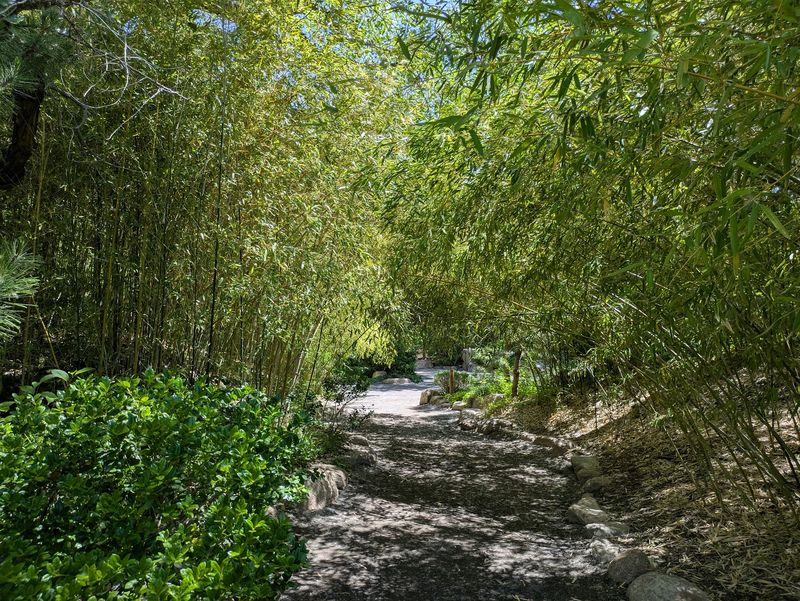
Around nearly every bend, another bench seems to appear. That is part of the charm.
The garden is laced with little paths, and several sitting areas invite you to stop and simply look.
Visitors describe it as a nice place to pause and relax, a spot where a leisurely stroll turns into a longer stay without much effort. One guest said it was relaxing just to sit down and wander around, which captures the easygoing rhythm perfectly.
Accessibility gets a mention too. An accessible viewing platform offers a great look over the water, while smaller side paths branch off for those who want to explore further.
These nooks reward curiosity. A path that looks like it leads nowhere might open onto a pond view, a hidden lantern, or a shady corner nobody else has found yet.
A word of caution after rain, though. One visitor noted that wet weather made a few paths slippery, so sturdy shoes are a smart choice.
Bring a book, a sketchpad, or nothing at all. Some of the best moments here happen when you sit still long enough to hear the water and watch the light shift across the pines.
Every Season Paints Its Own Picture
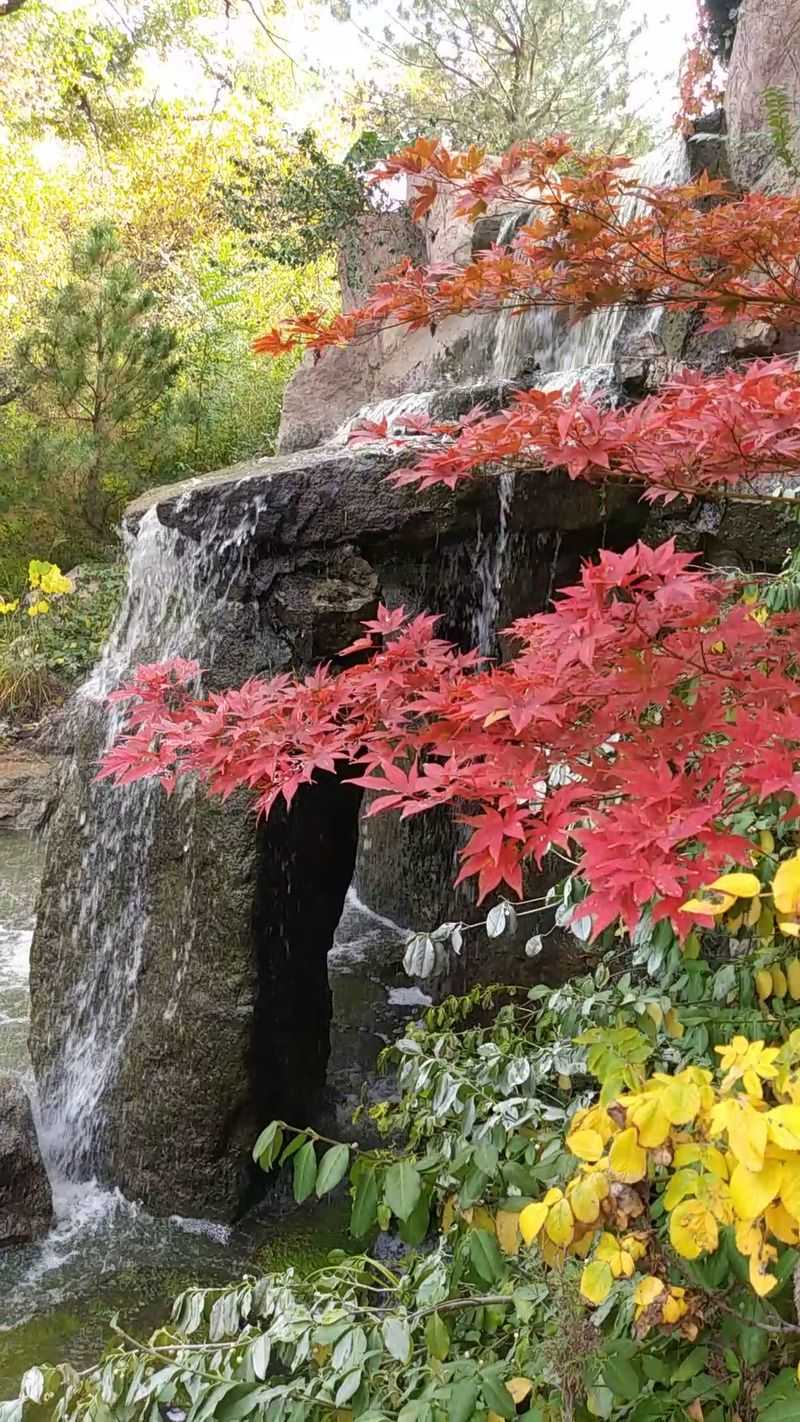
Fall arrives here in a blaze of color. One visitor called the garden lovely any time of year but especially nice when vibrant autumn leaves take over, and that timing lines up neatly with New Mexico’s favorite season of roasting chile and crisp mornings.
Summer brings the fullest greenery. A guest who visited in April noticed the garden was not yet as lush as it gets later, and suggested summer for anyone hoping to admire the trees, flowers and plants at their peak.
Winter has its own quiet appeal. Steam can rise off the ponds, the crowds thin out, and the koi still make appearances, even if the full splendor waits for warmer months.
Rainy days deserve a mention too. One visitor described a wet afternoon with very few people around, calling it perfect for exploring every nook without bumping elbows.
Now for the practical side of warm weather. Several guests advise bringing mosquito repellent, since bugs can be out in force early and late in the day during summer.
So which season wins? That depends on your mood.
Each visit reveals a different version of the same peaceful place.
River of Lights After Dark
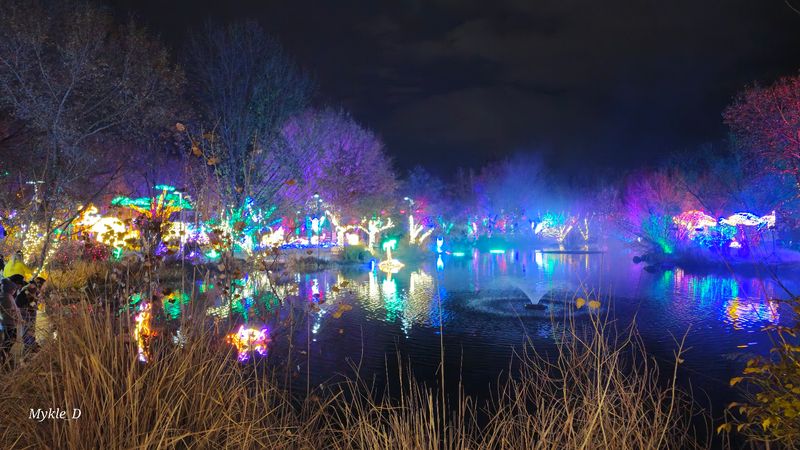
When winter nights settle over Albuquerque, the BioPark transforms. River of Lights, the popular holiday event, brings glowing displays to the grounds, and the Japanese garden becomes a whole new experience after sunset.
Visitors who came during the event describe it as pleasant and incredible, praising how well decorated and well maintained everything looked. Another called it a must for anyone who has never gone.
Lights reflecting on still pond water create an especially dreamy effect. Bridges, lanterns and trees take on fresh shapes in the glow, and familiar paths suddenly feel brand new.
For locals, River of Lights has become something of a holiday tradition, the kind of outing families plan around each year. Bundling up, grabbing something warm, and wandering the glowing paths is a cozy way to celebrate the season in the high desert.
Still, the garden does not need twinkling bulbs to shine. As one guest put it, the Japanese garden is beautiful during normal times too.
If you can manage both, try it. A sunny daytime stroll and a sparkling winter evening show two sides of the same place, and each makes you appreciate the other more.
Who Falls Hardest for the Garden
Families, couples, solo wanderers and even wedding parties all seem to find something here. The garden is known as a very popular spot for weddings, and it is easy to see why with its bridges, lanterns and waterfall backdrops.
Parents appreciate how kid-friendly it feels. One visitor encouraged others to go for an afternoon stroll, bring lunch, pack a picnic and take the kids, calling it great for all kinds of occasions and mentioning friendly people along the way.
Grandparents and grandkids share the joy of watching koi together. That multigenerational appeal shows up in stories of families visiting with moms, sons and everyone in between.
Then there are the solo visitors. Some call it their favorite place to clear their mind, a peaceful refuge when life gets loud.
Timing affects the mood, though. One guest who visited on Earth Day found it very busy and hard to explore around the crowds, though everyone who came that day received a free plant.
For the calmest experience, a weekday or quiet weather day works best. That is when the garden feels most like your own personal discovery.
Practical Notes and a Gentle Verdict
Planning ahead is refreshingly simple. The garden keeps steady hours every day of the week, from 9 AM to 5 PM, Monday through Sunday.
Access comes through the ABQ BioPark Botanic Garden in Albuquerque, so your visit pairs naturally with the rest of the botanical grounds. For current admission details and event schedules, the City of Albuquerque BioPark website is the best place to check before you head out.
Pack smart. Bug spray for summer, comfortable shoes for paths that can get slick after rain, and maybe a picnic lunch if you plan to make a day of it.
Visitors consistently praise how colorful and well kept the grounds feel, with one mentioning recent upgrades and Japanese cultural accents that add to the charm. A single guest did note leaves and debris on some trails during one visit, so conditions can vary.
So, is it worth the trip? For anyone craving calm in the middle of a busy city, the answer leans strongly toward yes.
Koi, waterfalls, lanterns and quiet benches make this one of Albuquerque’s most soothing corners.
Go once, and you will likely start planning your next seasonal visit before you leave.