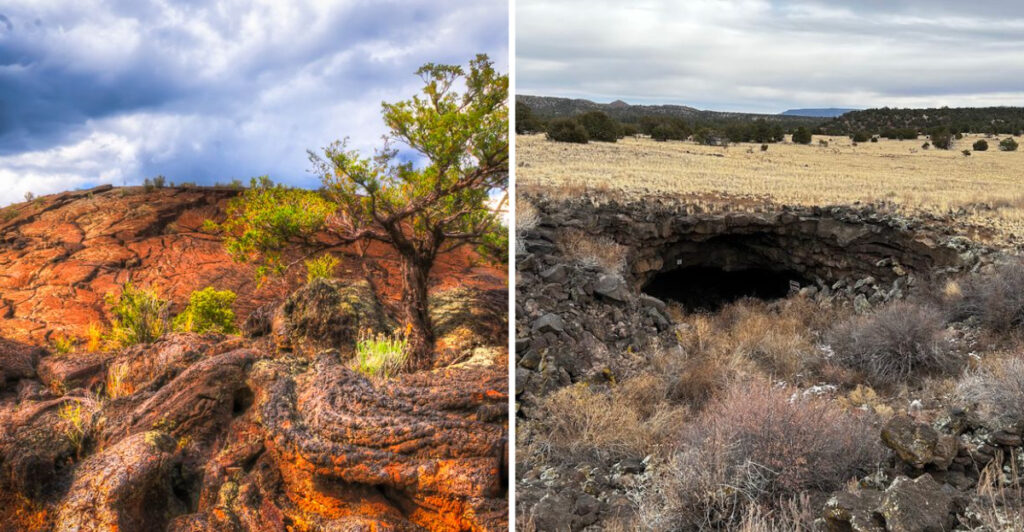
New Mexico hid its basement under a lava field, and naturally forgot to install stairs.
Nearly 300 lava-tube caves sit below the surface, but only prepared visitors should go looking for the door.
This is wild ground, not a guided cavern with mood lighting and a smooth path. A headlamp matters. So you need good judgment and knees willing to cooperate.
Aboveground, the landscape already looks like the planet had a rough afternoon. Underground, the real plot begins.
You move carefully through spaces left behind by flowing lava, with every turn reminding you that geology can be both brilliant and deeply inconvenient.
New Mexico gives you two ways to enjoy the drama: stay in daylight and admire the evidence, or descend into the volcanic basement and meet it up close.
Either way, the rocks get the final word, and they have been rehearsing it for a very long time.
The Badlands Make A Fiery First Impression
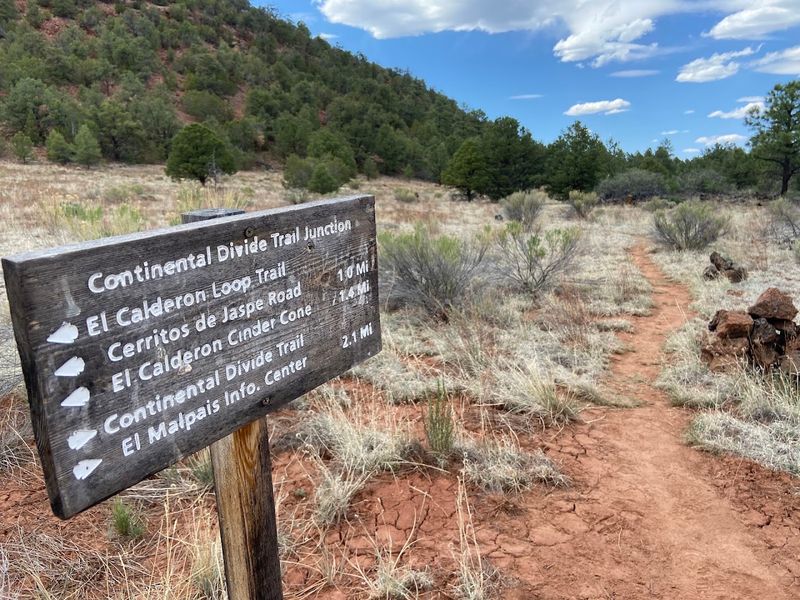
Before you head underground, the surface delivers a very convincing opening act. Dark lava spreads across the desert in rough waves, with ponderosa pines, distant mesas, and sandstone cliffs adding color around the edges.
El Malpais means “the badlands” or “bad country” in Spanish, a name inspired by volcanic ground that made travel difficult. The national monument protects more than 115,000 acres shaped by five major lava flows and at least eight volcanic vents.
Those flows did not all arrive at once. The oldest of the five major flows dates back roughly 115,000 years, while the youngest formed only a few thousand years ago. In geological terms, the landscape has barely finished cooling its coffee.
You can begin with Sandstone Bluffs Overlook for a broad view across the lava or tackle a surface trail before considering a cave. That order helps you understand the scale of what lies underneath and gives your eyes something bright to remember later.
Bring sun protection, plenty of water, and shoes with serious tread. Lava rock has no interest in forgiving flimsy soles.
The surface looks like another planet, but the real plot twist is under your boots.
Nearly 300 Lava Tubes Hide Below The Desert
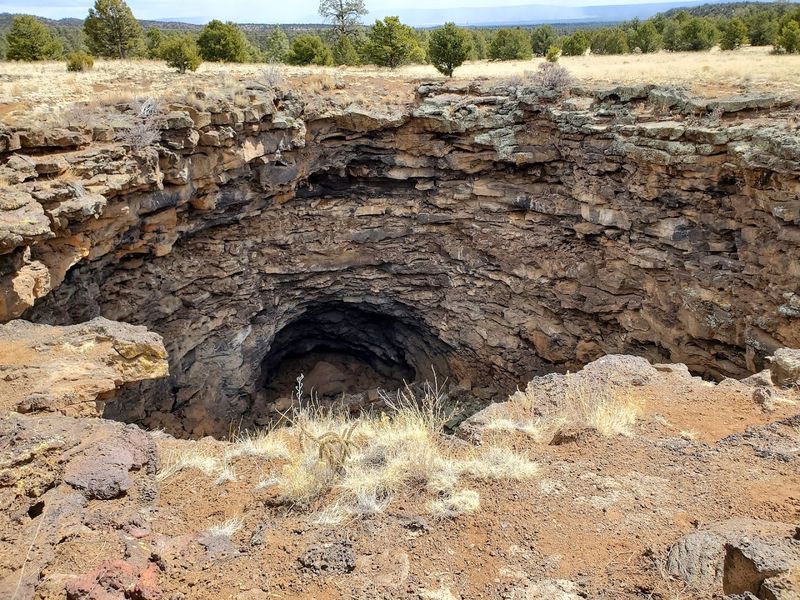
Here is a number worth letting sink in: almost 300 lava-tube caves dot the volcanic landscape. Suddenly, the ground seems less solid and much more interesting.
Lava tubes form when the outside of a moving lava flow cools and hardens while molten rock keeps traveling beneath it. Once the liquid lava drains away, a hollow passage remains. Later collapses can create entrances, skylights, and piles of broken rock across the cave floor.
Do not picture neat tunnels with level paths. El Malpais protects undeveloped wilderness caves with no permanent lights, steps, or marked routes underground.
iScrambling over unstable rubble is part of the experience, and route-finding skills matter before and after you enter.
Only Giant Ice Cave and Lava Bomb Cave are currently open for summer recreational caving. The others remain closed to protect bats and sensitive underground resources, so choosing a random opening and hoping for the best is not an adventurous plan.
It is simply the wrong one.
Which appeals to you more: a cave with seasonal ice or one with volcanic evidence sitting beneath its own skylight? Thankfully, the monument does not make the decision easy.
Giant Ice Cave Makes You Work For The Chill
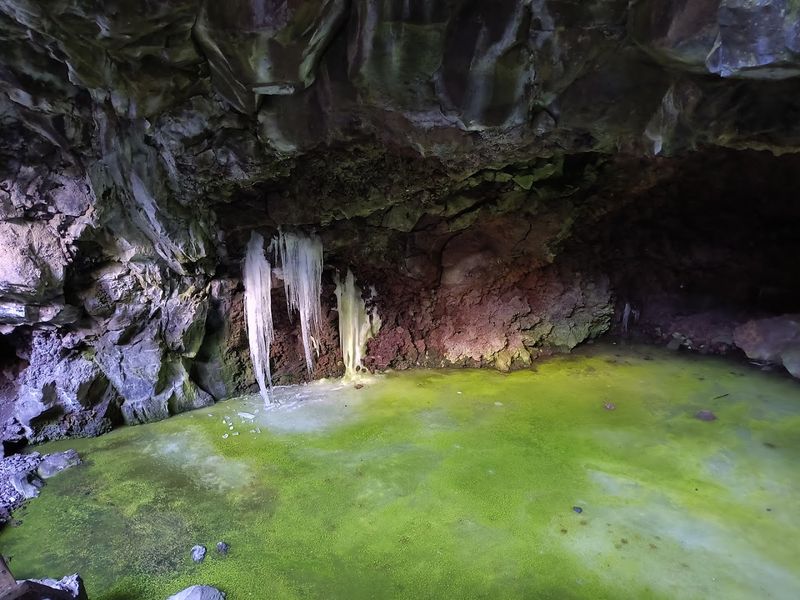
Giant Ice Cave has a misleadingly refreshing name. Reaching it can involve heat, dust, rough roads, sharp lava, and enough boulders to make “ice” sound like a personal reward.
The drive requires about eight miles on unpaved roads that may become impassable after rain or snow. High clearance is strongly recommended, and four-wheel drive may be necessary when conditions deteriorate.
Ask about the road before leaving pavement because confidence cannot pull a vehicle out of mud.
From the parking area, a cairn-marked route covers about 1.2 miles round trip across rugged lava. The distance looks friendly on paper, but the surface demands slow steps and constant attention.
Inside, Giant Ice is large but shallow, with a cave floor dominated by unstable breakdown from the ceiling and walls. Temporary translucent ice columns can form during winter and spring, sometimes reaching several feet high.
By summer, the ice may shrink or disappear, so never treat it as a guaranteed decoration.
This cave is rated very difficult and is a poor choice for inexperienced or poorly equipped visitors. Be honest about your group’s abilities before the rock makes the decision for you.
Cold name, warm-up hike, serious scramble. Giant Ice understands irony.
Lava Bomb Cave Keeps The Evidence On Display
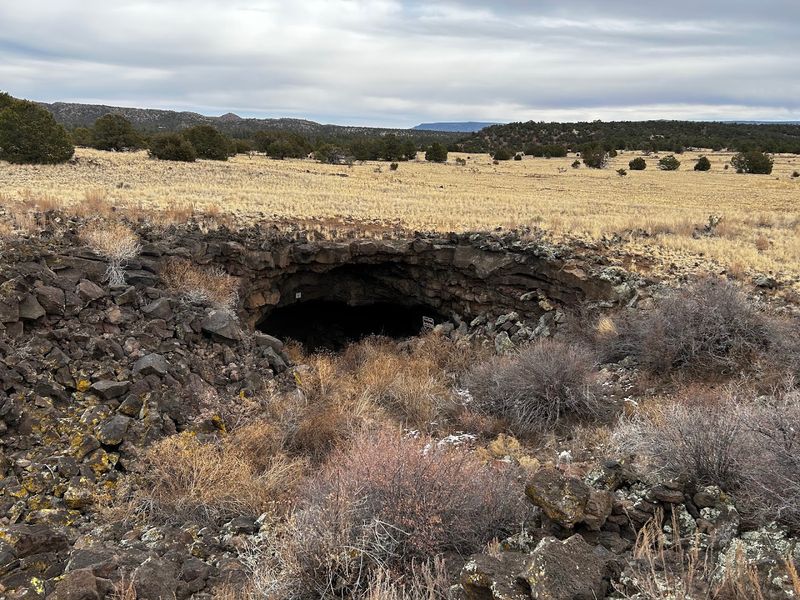
Some caves have stalactites. Lava Bomb Cave has the geological equivalent of a signed confession.
About 17,000 years ago, a volcanic projectile launched from the Hoya de Cibola vent and crashed through the roof of an existing lava tube. The impact created a skylight, and the rounded lava bomb still rests on the cave floor beneath the opening it punched.
The cave is short and shallower than many wilderness tubes, but getting there requires more skill than the word “short” suggests.
Primitive roads continue roughly four miles beyond the Big Tubes trailhead, where high clearance is required and four-wheel drive is strongly recommended. Rain can make the route a firm no.
There is no marked trail to the cave. The route partly follows an old mining road before fading into wilderness, so you need a topographic map or GPS and the ability to use it. This is not the moment to discover that your navigation style is mostly guessing with enthusiasm.
Once inside, you will scramble over unstable boulders before the floor levels near the lava bomb. Look up at the skylight, look down at the culprit, and decide which one deserves the better photo.
Most rocks merely sit there, but this one left receipts.
The Caves Expect More Than A Phone Flashlight
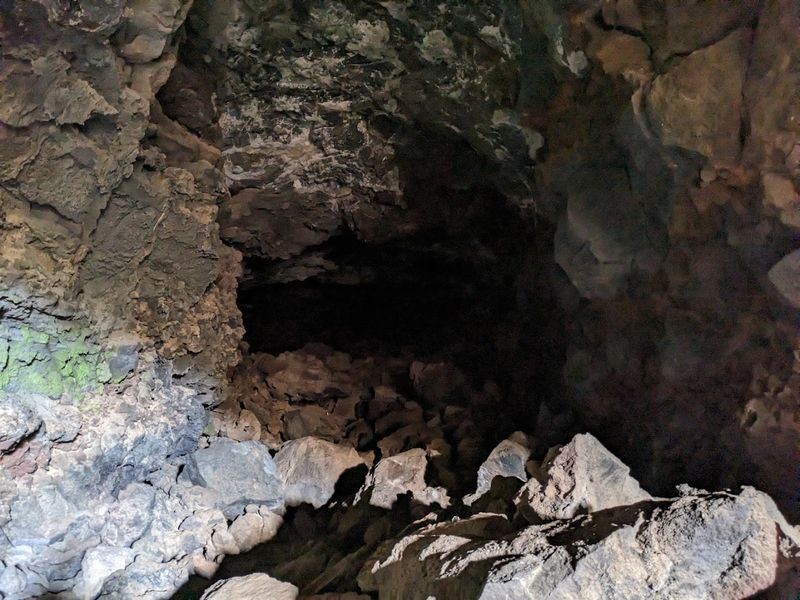
Your phone can order dinner, translate a menu, and settle an argument. It is still not a proper caving light.
Each person should carry three independent light sources plus extra batteries. A helmet, gloves, knee pads, long sleeves, long pants, warm layers, and closed-toe shoes with strong grip are equally sensible.
Temperatures in many caves hover around 42 degrees Fahrenheit, so the desert heat outside does not get the final vote.
Never enter alone. Stay together, tell someone where you are going and when you expect to return, and choose a cave suited to the least experienced person in the group. El Malpais does not recommend its wilderness caves for children under ten.
Gear used in other caves may need cleaning and decontamination to reduce the risk of spreading white-nose syndrome. Rangers provide instructions when permits are issued, so bring honest information about where your equipment has been.
Do not eat, drink, smoke, camp, or bring pets inside. Avoid touching formations and cultural objects, and keep lights pointed away from any bats you encounter. Pack like the cave plans to quiz you, because it probably will.
A Free Permit Comes With Important Ground Rules
The permit costs nothing, but that does not make it casual paperwork. It is your entry ticket, safety briefing, road update, and reminder that the cave belongs to more than today’s visitors.
Permits are issued in person on a first-come, first-served basis to groups of two through ten people. Every member must be present, solo permits are not issued, and each open cave accepts no more than ten permitted visitors per day.
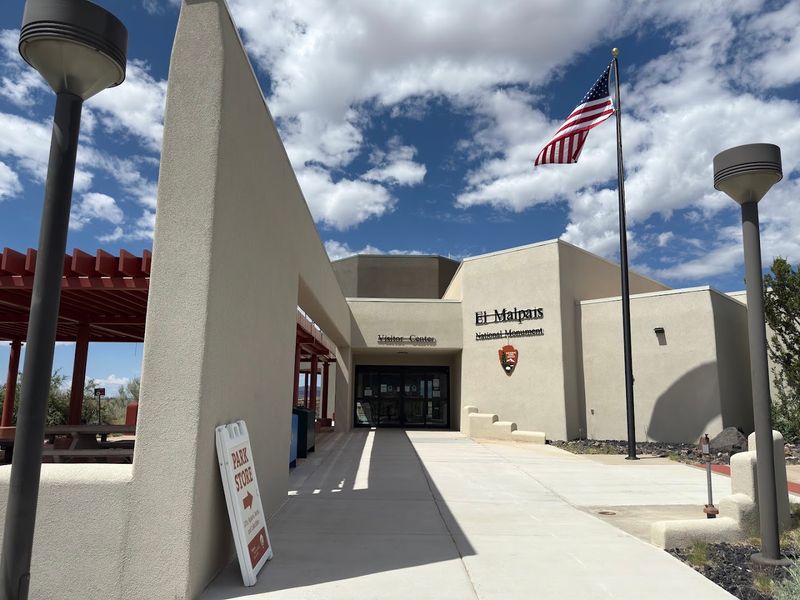
You can pick one up at the El Malpais Visitor Center or the El Morro National Monument Visitor Center, generally between 9 a.m. and 5 p.m.
The El Malpais Visitor Center is at 1900 East Santa Fe Avenue, Grants, New Mexico, making it the practical first stop before committing to a backcountry road.
Talk with a ranger about cave status, weather, road conditions, equipment, and navigation. Summer monsoons can turn dirt roads into mud, while closures may shift to protect wildlife or other resources.
Would you rather spend ten minutes asking questions or several hours discovering why you should have? Your future self already voted for the ranger conversation.
Seasonal Closures Give The Bats A Quiet Winter
Every underground adventure eventually meets the residents, and these residents prefer winter without visitors.
All lava-tube caves close from November 1 through April 30 to protect hibernating bats. Waking during winter forces a bat to burn precious fat reserves before insects return, and repeated disturbances can threaten its survival.
Many caves also stay closed during warmer months to protect maternity colonies while mothers raise their young. That is why only two wilderness caves currently welcome summer recreational cavers, even though the monument contains hundreds.
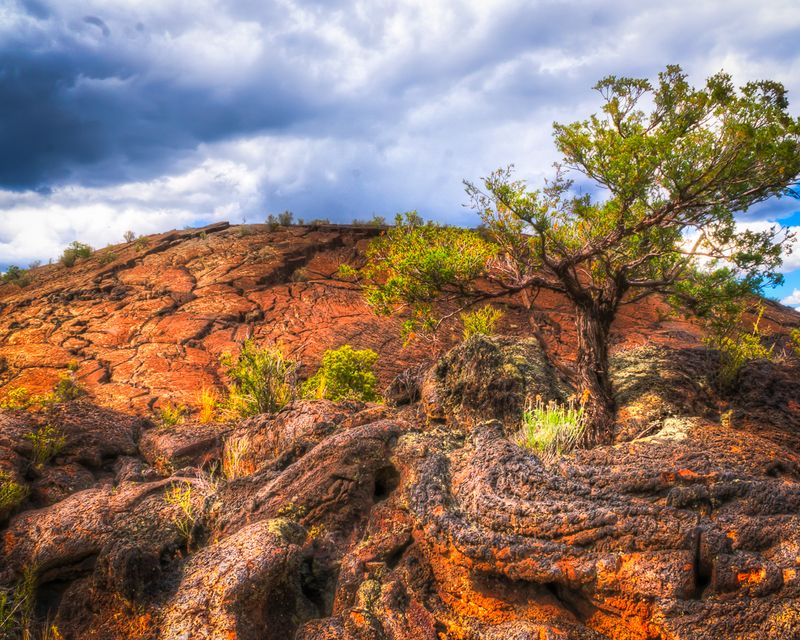
If your travel dates fall during the closed season, keep the day above ground. Lava Falls, the Zuni-Acoma Trail, and Sandstone Bluffs Overlook can still fill your schedule with volcanic scenery without asking you to crawl over a single boulder.
Check current conditions before driving because construction, weather, wildfire precautions, and road damage can affect access. Download maps for offline use as well. Remote lava fields are excellent for scenery and less committed to cell service.