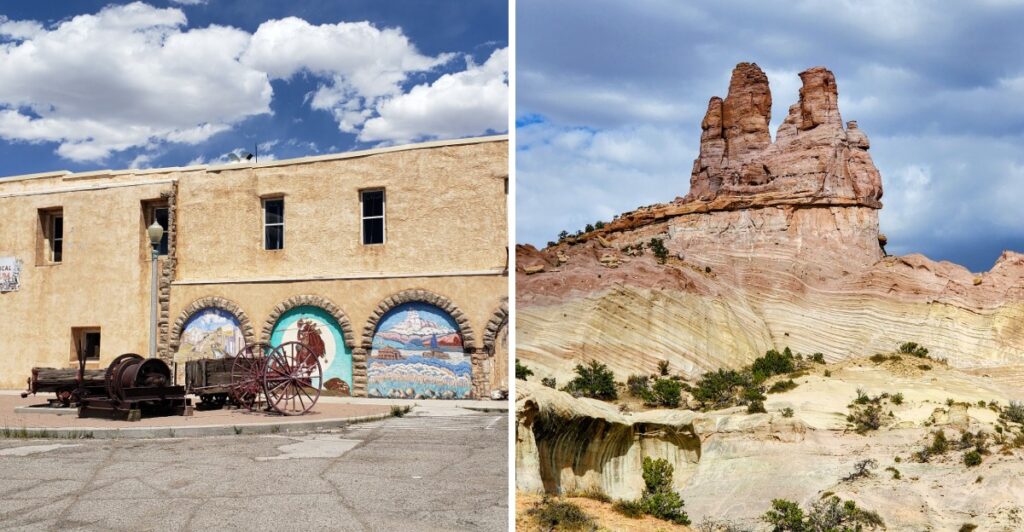
Gallup is known as a major center for Native American jewelry and art, with creations from the surrounding region reaching buyers across the country. That reputation stopped me cold.
I have a thing for places where art isn’t a hobby but the backbone of daily life.
This town sits right where the Navajo Nation meets the north edge of the city limits. Zuni Pueblo lies to the south, and the Hopi Reservation is close by.
About half of the people who live here identify as American Indian or Alaska Native.
I appreciate that this corner of New Mexico wears its heritage out in the open. Old Route 66 neon glows over trading posts and murals.
Red sandstone cliffs rise just east of town. So how does one city end up called the Heart of Indian Country?
The Nickname Heart Of Indian Country Was Earned, Not Borrowed
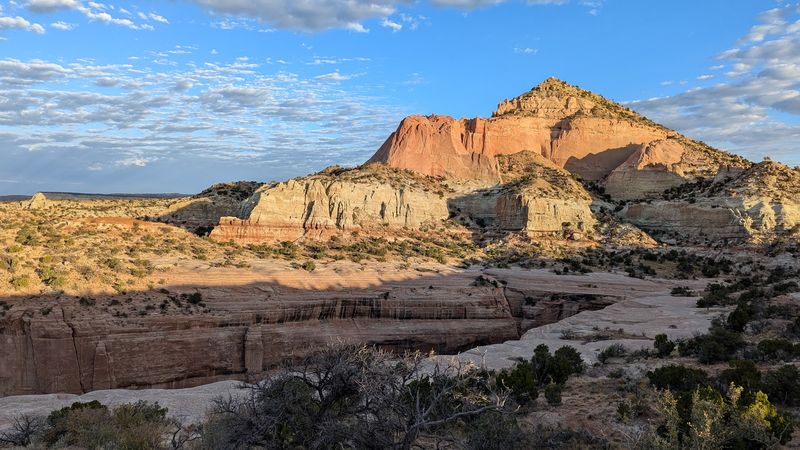
Long before trains or highways showed up, this spot was already a busy crossroads for Native American trade. The Navajo called it Na’nizhoozhi, a name tied to its role as a trading bridge.
Gallup, New Mexico became an official town in 1881 as a stop on the Atlantic and Pacific Railroad. It took its name from David L.
Gallup, a paymaster for the railroad company.
Today, about half of the roughly 21,000 residents identify as American Indian or Alaska Native. Members of the Navajo, Hopi, and Zuni tribes all call the city home.
Location explains a lot of this. The Navajo Nation borders the city to the north, and Zuni Pueblo sits to the south.
The Hopi Reservation is also nearby, which makes Gallup a natural meeting point. That’s why folks call it the Heart of Indian Country or the Gateway to Native America.
It’s also the county seat of McKinley County. So it serves as the go-to hub for shopping, schools, and services across a huge stretch of land.
Visiting here means stepping into a living community, not a museum display. Respect, curiosity, and an open mind go a long way.
Your Jewelry Box Might Already Have A Gallup Connection
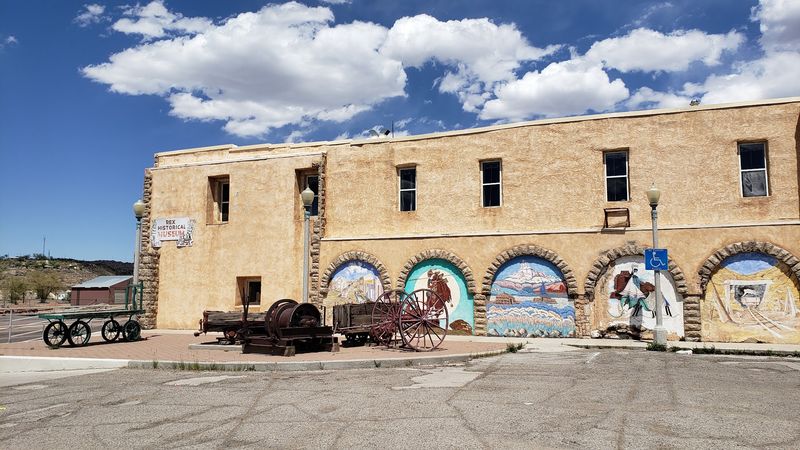
Gallup is a major center for Native American jewelry, with much of the artwork produced and sold throughout the surrounding region. That’s remarkable for a city this size.
Gallup also hosts the largest wholesale Native American art business sector in the United States. Shop owners from across the country come here to stock their shelves.
Silver and turquoise get most of the spotlight, and for good reason. Still, the art scene stretches far beyond rings and bracelets.
Navajo, or Dine, rugs are a big draw for collectors and first-time buyers alike. Pottery from several different tribes also fills shelves across town.
Paintings round out the mix, giving you even more ways to bring a story home. Each piece connects to a family, a tradition, and serious skill.
Here’s a smart tip for shoppers. Ask questions about who made a piece and what tribe the artist belongs to.
Good dealers are happy to share that background. Buying authentic work supports artists directly and keeps these traditions strong.
Set a budget before you go, though. Once you start browsing, that one souvenir plan tends to fly right out the window.
Route 66 Neon Makes Main Street Feel Like A Time Machine
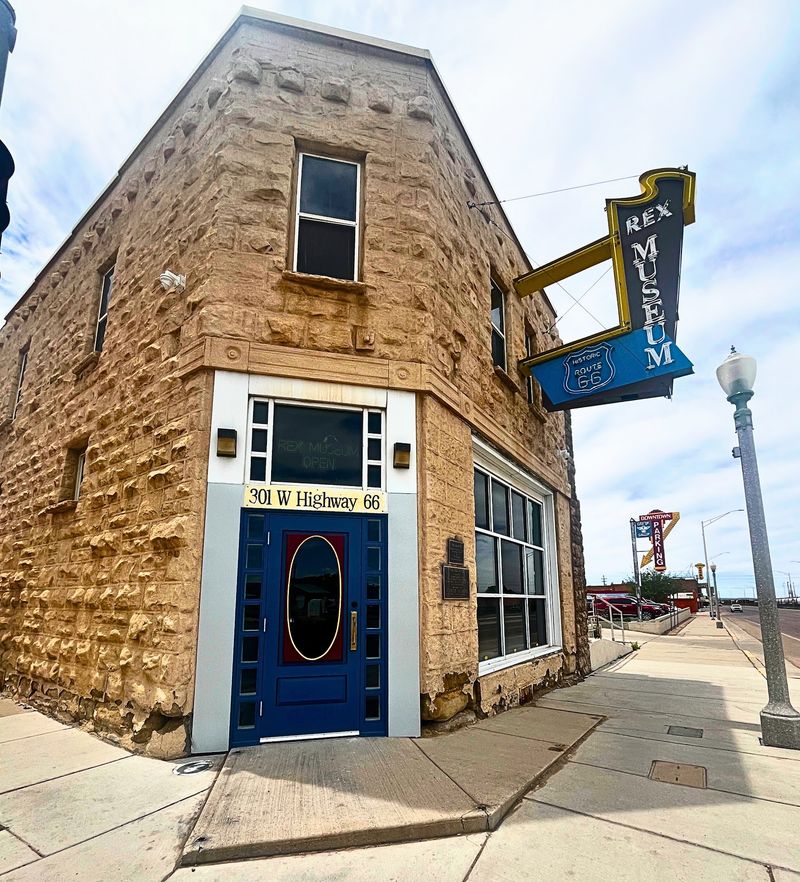
Historic U.S. Highway 66 cuts straight through the middle of town.
Gallup wears that history proudly, from original neon signs to bold murals.
Main Street and Coal Avenue are the places to start. Both streets hold numerous galleries and trading posts packed with Native American art.
Walking these blocks feels like flipping through a road trip scrapbook. Old signs glow above storefronts, and painted walls tell local stories in bright color.
Bring your camera and give yourself extra time. Every corner seems to offer one more mural worth a photo.
Coal Avenue’s name isn’t random, by the way. Gallup was once known as Carbon City because of its big coal mining industry.
The Rex Museum preserves that local history, including railroad and mining days. It’s a nice stop for anyone who likes the backstory behind the buildings, but visits currently require an appointment.
Sitting about halfway between Albuquerque and Flagstaff along Interstate 40, Gallup is an easy break on a long drive. Plenty of travelers pull off for gas and end up staying for hours.
Honestly, that’s the best way to use a pit stop in New Mexico.
One August Event Has Been Gathering Tribes Since 1922
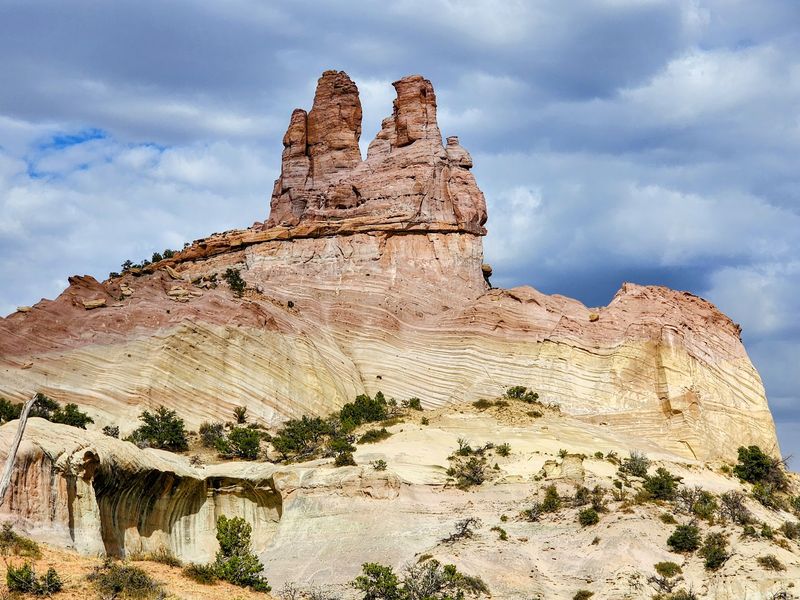
Few events in the country can match a century-plus run. The Gallup Intertribal Indian Ceremonial started in 1922 and still happens every August.
It’s one of the country’s longest-running celebrations of Native American culture. Tribes and visitors come together for a celebration of culture, art, and tradition.
The event takes place at Red Rock Park, just east of town. Those red sandstone cliffs make a stunning backdrop for everything happening below.
Planning ahead is a smart move here. August is a popular time in Gallup, so booking a room early helps a lot.
Pack sun protection and water too. Summer days in New Mexico can get warm, especially outdoors at a park.
Treat the Ceremonial as a chance to learn, not just watch. Some parts carry deep cultural meaning, so follow posted rules about photos.
When in doubt, simply ask before snapping a picture. That small bit of courtesy matters.
Kids and adults can both get a lot out of this event. It turns a summer trip into something your family will talk about for years.
Red Rock Park Puts Ancient History Right Outside Of Town
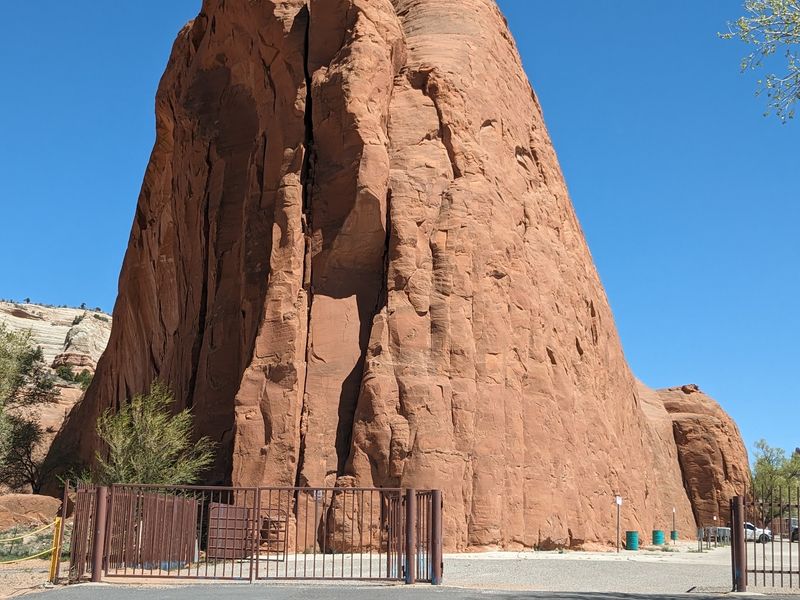
Bright red cliffs rise like a wall just east of Gallup. Red Rock Park is where the landscape steals the show.
This area holds Ancestral Puebloan archaeological sites dating back to around 300 A.D. That’s a lot of history packed into one scenic spot.
Archaeologists have documented centuries of Ancestral Puebloan history across the region. Today, the surrounding area remains deeply connected to the living cultures of the Navajo, Zuni, and other Indigenous peoples.
Inside the park, the Red Rock Museum focuses on that heritage. Displays include pottery and silver work.
It’s a great way to connect the art you see downtown with its deep roots. The museum makes the past feel close and real.
Outside, the sandstone formations practically beg for photos. Morning and late afternoon light make the red rock glow even brighter.
Wear sturdy shoes and carry water when exploring outdoors. The high desert can surprise you with sun and wind.
Treat any archaeological sites with care, of course. Leave everything exactly as you found it, so the next visitor gets the same wonder.
Stop Here To Honor The Navajo Code Talkers
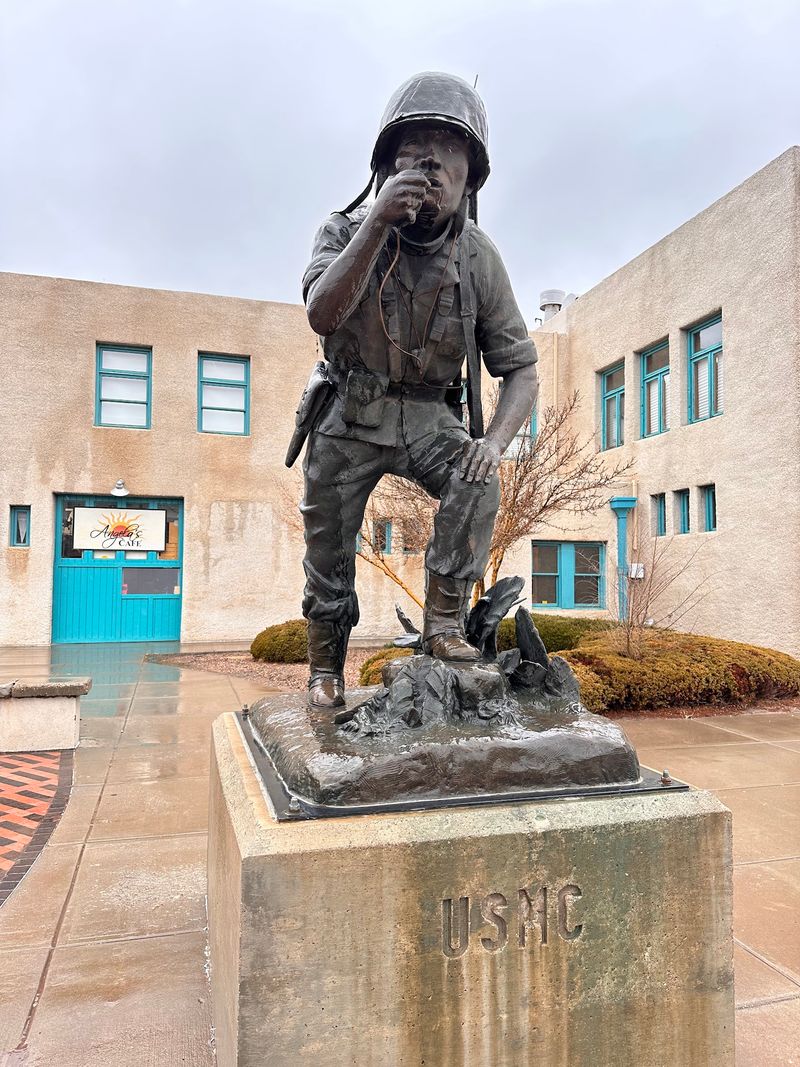
Some of the most important heroes of the 1940s spoke a language their enemies could never crack. Their story gets a well-deserved home in Gallup.
The Gallup Cultural Center covers the region’s wide history. Exhibits move from early Native American settlements to the arrival of the railroad and Route 66.
Inside, you’ll also find a Navajo Code Talker Exhibit in the Cultural Center’s Master Gallery. It honors Navajo men who used their language to send secret military messages during World War II.
Their code helped protect American troops and plans. It’s a powerful reminder of how culture and language can change history.
The Cultural Center also shows Native American crafts and cultural exhibits. That makes it a great first stop for understanding the city.
Families will find plenty to talk about afterward. Kids often love the idea of a secret code, and this one is real.
Gallup has another proud title worth knowing. Rand McNally named it America’s Most Patriotic Small Town in 2013 and 2014.
After visiting this museum, that honor makes a lot of sense. Give yourself time to read, reflect, and soak it all in.
Hollywood Cowboys Once Called This Town Their Backyard
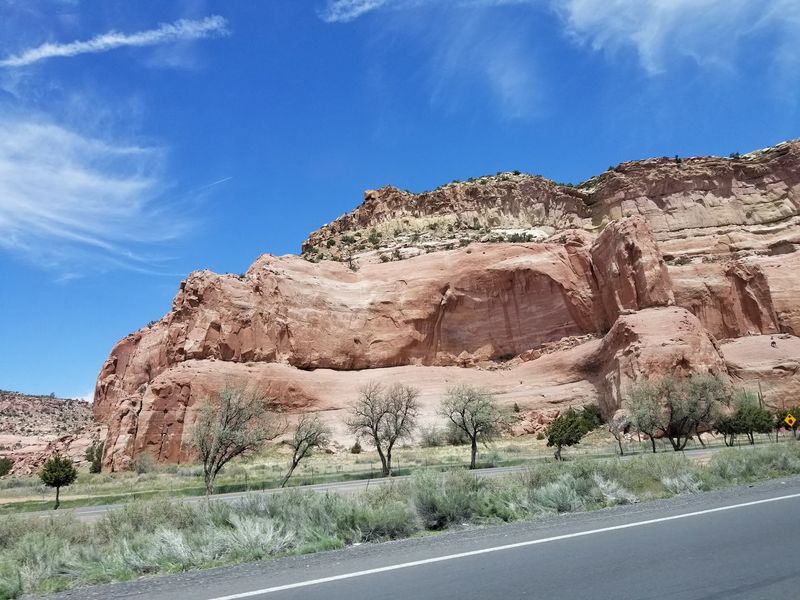
Movie directors in the 1940s and 1950s needed rugged scenery that screamed Wild West. Gallup’s dramatic terrain fit the bill perfectly.
The surrounding land became a popular filming location for Hollywood Westerns. Mesas, cliffs, and wide-open views did half the acting.
Where did all those stars sleep? Many stayed at the historic El Rancho Hotel, a common lodging spot for actors and film crews.
That connection adds a fun layer to any visit. You can stand in a place that once buzzed with movie-making energy.
Film buffs should plan a slow drive around the outskirts. The same landscapes that framed classic Westerns still look ready for a close-up.
Bring a playlist of old movie soundtracks for extra effect. Nobody will judge you for humming a dramatic theme song.
This history also shows how Gallup mixes many stories at once. Native heritage, railroad roots, mining days, and Hollywood glamour all share the same streets.
Few towns in New Mexico can claim such a wild mix. It keeps every visit feeling a little like a new episode.
Lawmakers Gave Gallup A Title That Demands Hiking Boots
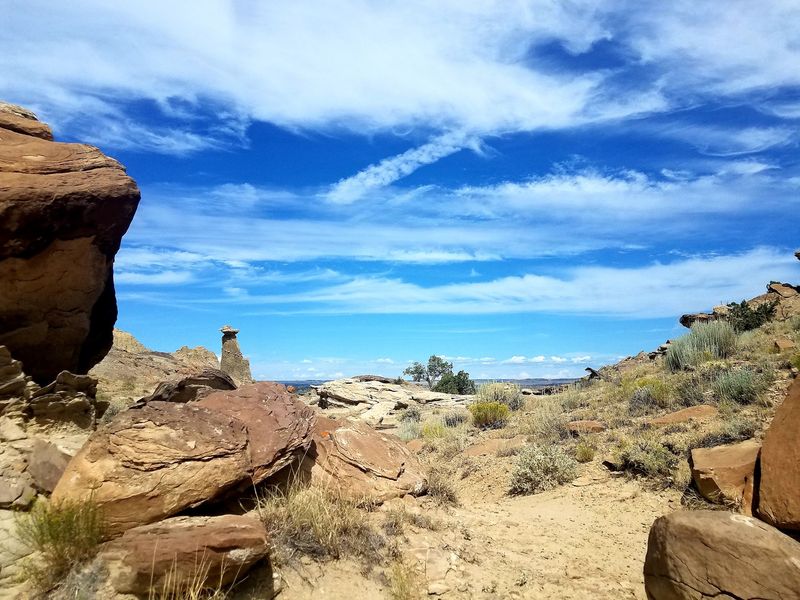
In 2011, the New Mexico state legislature named Gallup the Adventure Capital of New Mexico. That’s an official seal of approval for outdoor fun.
The area offers wide-ranging landscapes and plenty of trails. Hikers, bikers, and casual walkers can all find something that fits their pace.
Gallup also serves as a gateway to nearby National, State, and Navajo Parks. Ancient cultures and natural wonders sit within reach of town.
The city is part of the Trails of the Ancients Byway too. This scenic route highlights prehistoric sites across the region.
A road trip along the byway pairs well with a stay in town. You get history lessons and jaw-dropping views in the same afternoon.
Desert weather calls for some planning. Start early, carry more water than you think, and check conditions before heading out.
Tell someone your route when exploring remote trails. Cell service can be spotty in wide-open country.
Remember that some land nearby belongs to tribal nations. Follow local rules and permits, since respecting that land is part of being a good guest.
A Few Smart Tips Make Your Visit Even Better
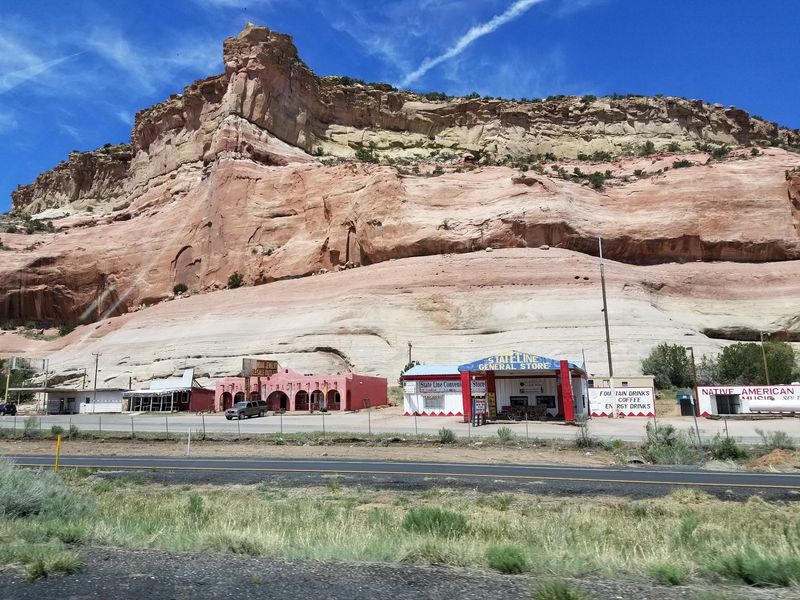
Getting here is refreshingly simple. Gallup sits in northwest New Mexico along Interstate 40, roughly midway between Albuquerque and Flagstaff, Arizona.
That location makes it a natural overnight stop on a cross-country trip. Instead of rushing through, give the city at least a full day.
Start with the Gallup Cultural Center to get your bearings. Then wander Main Street and Coal Avenue for galleries and trading posts.
Save an afternoon for Red Rock Park and its museum. Golden hour on those cliffs is worth timing your day around.
Education runs deep here too. The University of New Mexico-Gallup Campus and Navajo Technical University both serve the local community.
When shopping, buy directly from artists or trusted dealers when you can. Your dollars help support families who keep these art forms alive.
Above all, remember that Gallup is a real home for thousands of Native residents. Kindness, patience, and genuine interest make you welcome company.
Leave room in your schedule for surprises. A mural, a conversation, or a rug pattern might become your favorite memory of the whole trip.