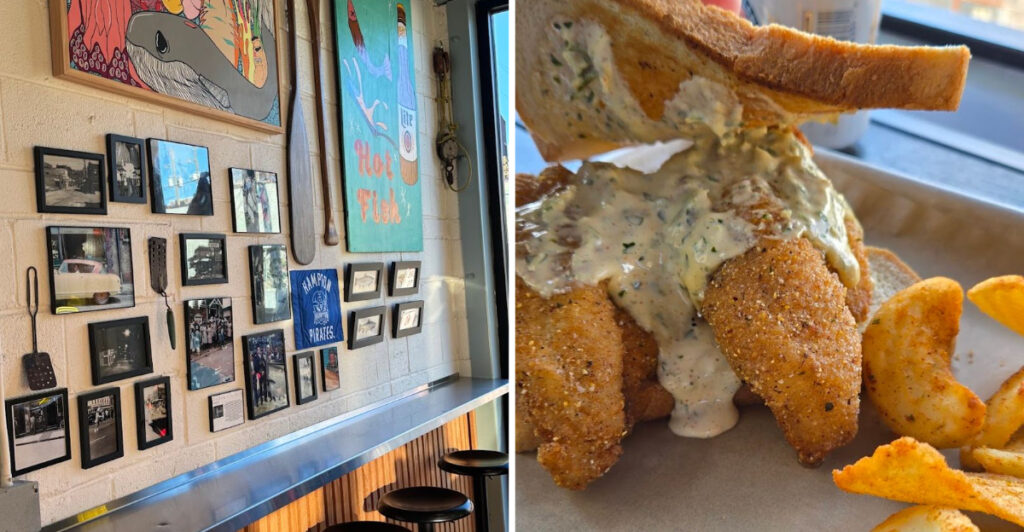
Eight ounces of catfish has entered the chat, and the bread is losing badly.
This Asheville sandwich does not arrive centered or eager to impress. It sprawls past the edges, while tangy sauce keeps the operation deliciously unstable.
North Carolina has spent generations proving fried fish needs no costume department. Hot oil, soft bread, and a confident hand can do more than a tower of toppings ever could.
The restaurant opened in 2024, but the idea carries older fingerprints. Family fish fries and Southern fish-camp cooking sit behind every bite, translated into a sandwich with zero interest in restraint.
You may lift it carefully. That courtesy will not be returned.
By the time the last piece disappears, the wrapper looks like a storm report and your lunch plan feels embarrassingly small.
North Carolina did not serve you a sandwich. It handed you a dare with tartar sauce.
Eight Ounces Of Catfish Refuse To Play A Supporting Role
This is not a bread sandwich searching for fish. The fish arrived early and claimed the lease.
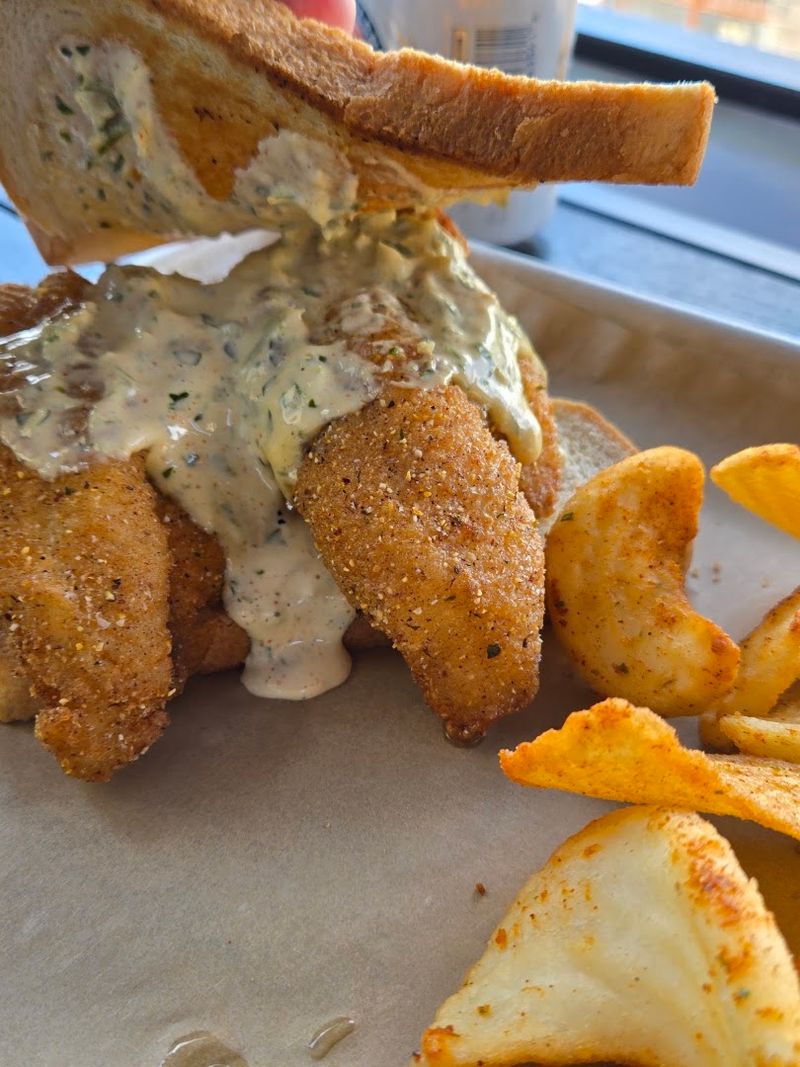
Good Hot Fish builds its signature sandwich with eight ounces of fried North Carolina catfish. The current menu places that generous fillet on squishy white bread and adds buttermilk tartar sauce, keeping the construction direct and gloriously difficult to ignore.
Eight ounces changes the eating strategy. You are not nibbling through lettuce while waiting for seafood to appear. The catfish fills the center, pushes toward the edges, and makes every bite answer the same question: how did the bread agree to this job?
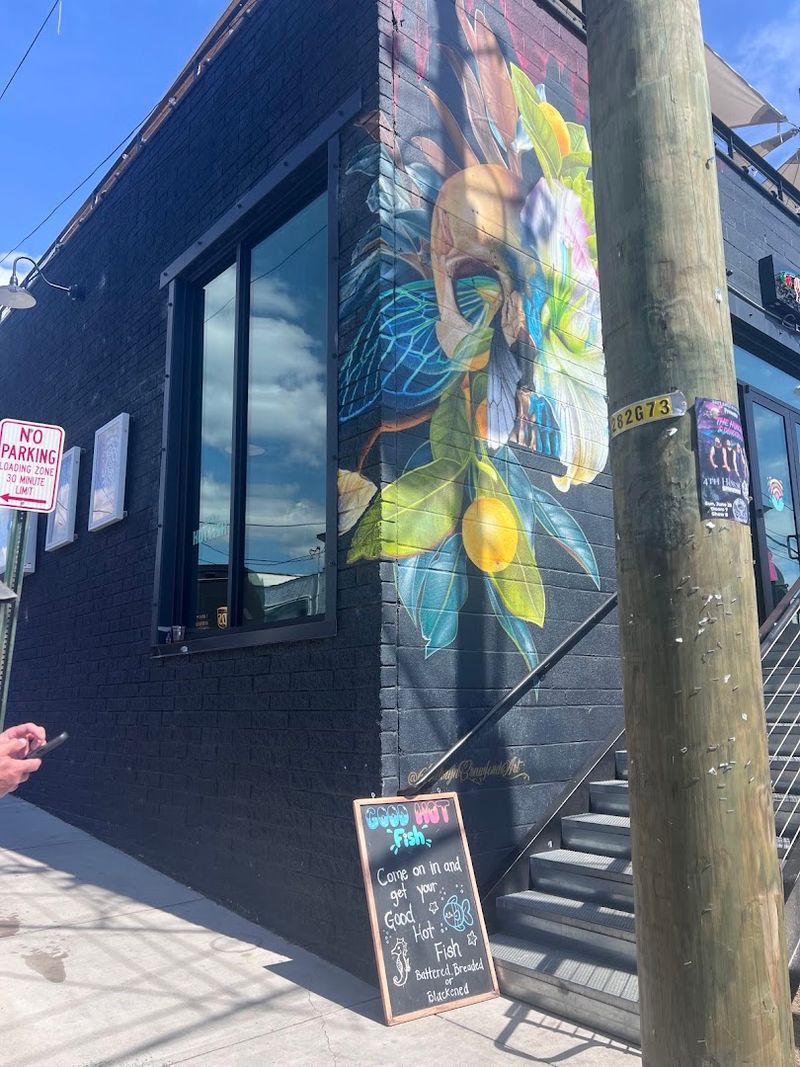
The restaurant opened on January 20, 2024, after chef Ashleigh Shanti developed Good Hot Fish through pop-ups. Its permanent home at 10 Buxton Avenue in Asheville is compact and counter-driven, with seating inside and outside.
That small format suits the sandwich. Your order does not disappear beneath ceremony or oversized presentation. It arrives ready to be held, admired briefly, and handled before the crust loses its nerve.
Bring both hands. The catfish has no intention of staying politely inside the borders.
Locally Milled Cornmeal Makes The First Crunch Count
Crunch should arrive before your brain has time to write tasting notes.
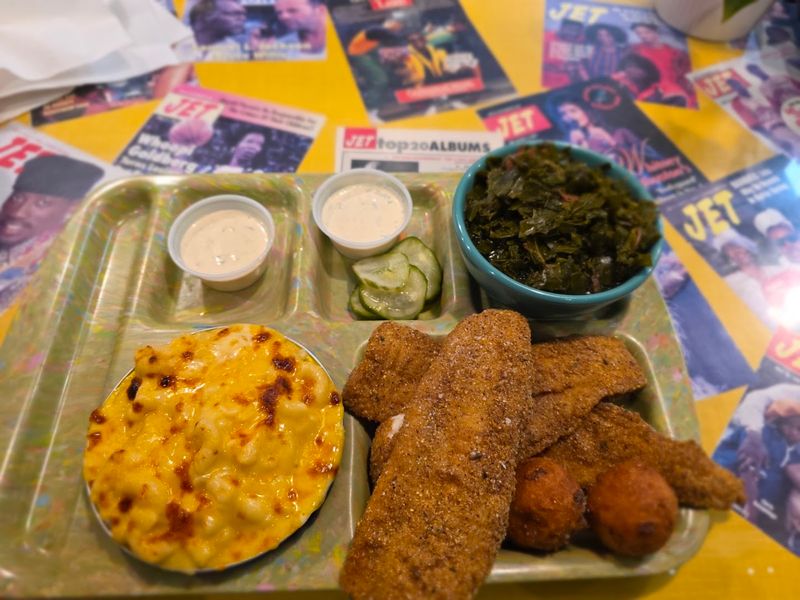
The Michelin Guide highlights the sandwich’s coarsely ground, locally milled cornmeal coating. That texture gives the crust more character than a fine, flour-heavy shell, creating an audible break before you reach the tender fish underneath.
Coarse cornmeal brings tiny ridges and uneven edges that catch heat and crisp differently. The result is not a smooth golden jacket. It is a rougher crust with enough structure to stand beside sauce and soft bread without immediately surrendering.
The local milling also keeps the sandwich connected to the region around it. Good Hot Fish says its menu supports local agriculture and changes with seasonality, availability, and market pricing. The catfish sandwich, however, stays firmly in the spotlight.
You notice the coating first through sound, then texture, then the toasted corn flavor following behind. That order gives each bite a small opening act before the fish takes over again.
Some sandwiches whisper. This one comes with its own sound effect and refuses to lower the volume.
Buttermilk Tartar Sauce Knows Exactly When To Step In
Sauce often arrives as backup. Here, it earns a speaking role.
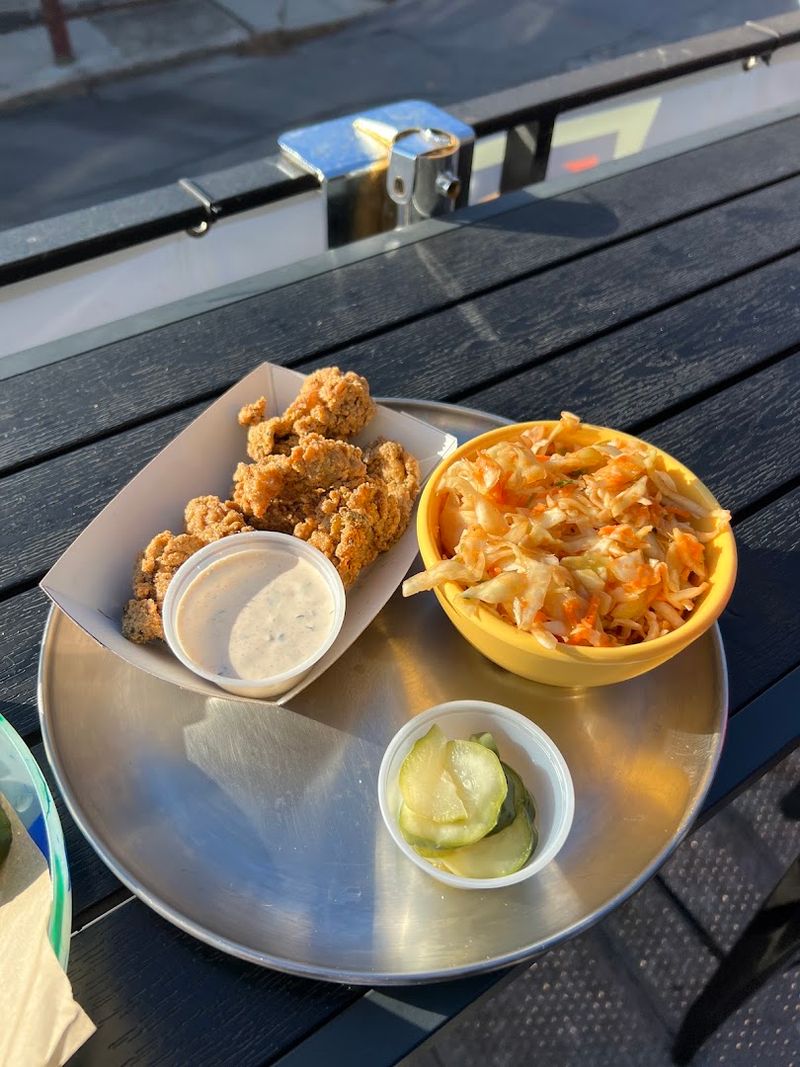
The sandwich uses buttermilk tartar sauce, while Michelin describes it as spiced. That combination gives the fried catfish creaminess, tang, and a little extra movement without covering the cornmeal crust.
Buttermilk brings acidity that helps cut through fried richness. Tartar sauce contributes the familiar creamy partner many people expect beside fish, yet this version is built specifically for the restaurant’s sandwich rather than sitting anonymously in a plastic packet.
The balance is important because the other components are so straightforward. Catfish, cornmeal, white bread, and sauce leave nowhere for a weak ingredient to hide. Each part has to do its job without starting a fight.
Too little sauce would leave the sandwich dry. Too much would soften the crust and send lunch toward your sleeves. The goal is enough tang to keep the bites lively while the fish stays unmistakably in charge.
You may begin by noticing the crunch. The sauce is why your next bite arrives before you finish discussing the first.
Squishy White Bread Lets The Catfish Show Off
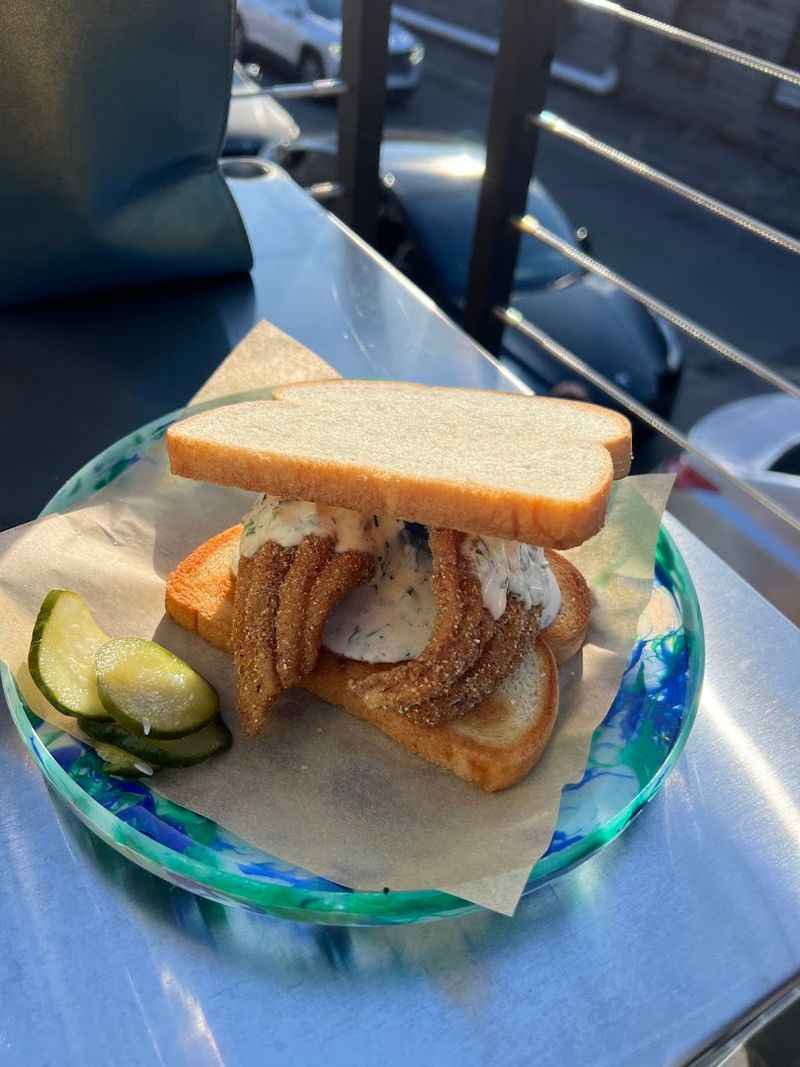
Brioche can take the afternoon off. This sandwich already hired the right bread.
Good Hot Fish describes its bread as squishy white bread, a phrase that tells you exactly what to expect. It is soft, mild, and willing to compress around the thick catfish instead of competing with it.
A firmer roll could turn the sandwich into a wrestling match. A sweet bun might pull attention toward itself. White bread keeps the bite familiar and places the seasoning, crust, fish, and tartar sauce at the center.
The softness also creates a sharp contrast with the cornmeal coating. Your fingers meet tender bread first, then your teeth hit the crisp crust, and finally the catfish gives way underneath. That sequence is simple, but simple does not mean sleepy.
The bread has one more difficult assignment: holding eight ounces of fish while sauce joins the operation. You will still want napkins, and perhaps the confidence to lean over the plate.
Fancy bread loves attention. This bread knows the smartest person in the room sometimes holds everything together and says almost nothing.
Southern Fish Camps Pointed The Menu Toward Home
Good Hot Fish is a counter-service fish fry inspired by the fish camps of earlier generations. Shanti’s own connection reaches back to family fish fries and the coastal food memories that shaped her cooking.
The restaurant carries that idea through ingredients and format rather than decorating the room with borrowed nostalgia.
Catfish, cornmeal, hushpuppies, fish plates, and practical counter service make the meal recognizable, while Shanti gives the menu her own regional perspective.
The current lineup reaches beyond the signature sandwich.
A shrimpburger, trout bologna and cheese, fish nuggets, and a rotating daily fish plate share space with sides such as baked macaroni and cheese, Sea Island red peas, stewed greens, grits, hot slaw, potato salad, and hushpuppies.
Seasonality can change the details, so repeat visits may bring a different fish or preparation. The basic direction stays clear: seafood, Southern memory, and a kitchen willing to give familiar ideas a sharp new edge.
This is fish-camp cooking with mountain mail delivery. The package arrived hot.
Great-Aunt Hattie Mae Gave The Restaurant Its Name
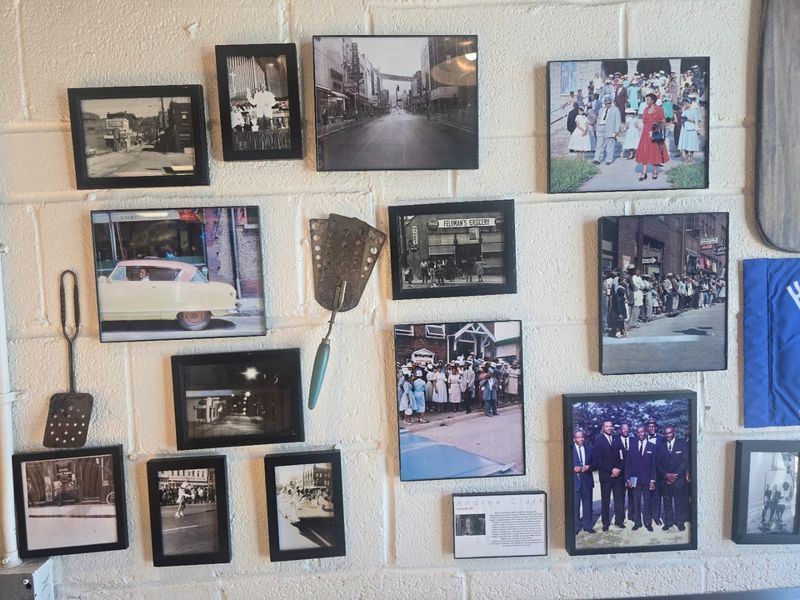
The name did not need a committee, because great-aunt Hattie Mae had already handled it.
Shanti has explained that Hattie Mae sold fried fish near community gatherings and produce stands. She would hold up a brown paper bag and call people toward her “good hot fish,” turning a practical sales cry into a family phrase that lasted for generations.
That story gives the restaurant name unusual precision. “Good” sets the expectation. “Hot” warns you not to delay. “Fish” removes every remaining mystery.
The women in Shanti’s family shaped more than the wording. Family fish fries taught her how food gathers people, carries memory, and creates opportunity. The Asheville restaurant turns those lessons into daily service without treating family history like decoration.
You can see the influence in the directness of the menu. The sandwich does not hide behind a clever title. The restaurant does not pretend the fish needs rescuing through excessive toppings.
The point is to cook it well, serve it hot, and let people come together around it.
Hattie Mae once raised a paper bag to gather a crowd. The neon fish now helps with the same assignment.
Ashleigh Shanti Gives Asheville A Fish Fry With Its Own Voice
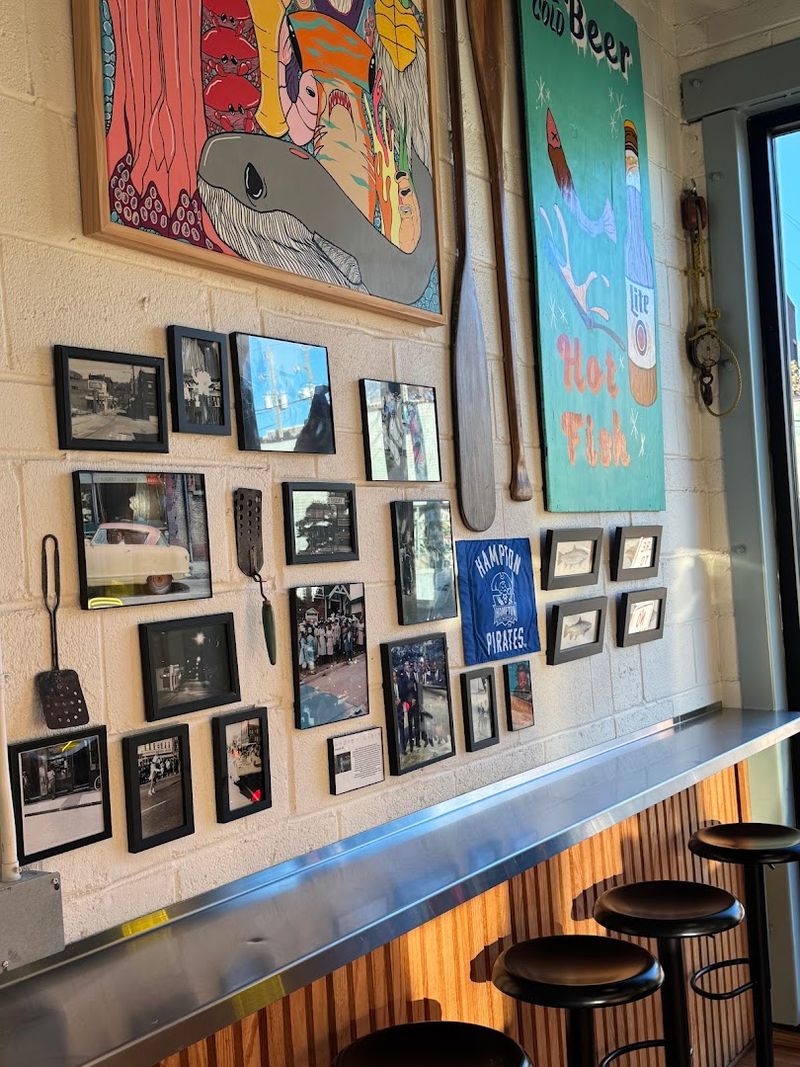
Recognition arrived quickly, but the sandwich was already doing the heavy lifting.
Good Hot Fish now appears in the Michelin Guide’s Asheville selection. Michelin specifically praises the North Carolina catfish, locally milled cornmeal, white bread, and spiced buttermilk tartar sauce that define the signature sandwich.
Shanti was also named a 2025 James Beard Award semifinalist for Best Chef: Southeast. The recognition followed years of work exploring Southern food, Black Appalachian traditions, family history, and the connections between mountain and coastal cooking.
Inside the restaurant, the experience stays compact. Counter seating keeps you close to the action, and the focused menu makes choosing easier until the shrimpburger and trout bologna begin making persuasive arguments.
The sandwich offers the clearest introduction. It tells you what the restaurant values without requiring a speech: regional fish, local grain, family memory, crisp technique, and enough personality to make white bread look like an excellent decision.
The first visit may begin as a sandwich mission. It can end with an extra side, a second menu plan, and proof that restraint never received an invitation.
Would you order the sandwich again or let another menu item interrupt the streak?
Choose freely. The catfish already knows you are coming back.