Two dinosaurs have been stuck together for millions of years, and scientists in North Carolina are still trying to separate them. Better yet, you can watch the work happen for free.
Meet Nanotyrannus and Triceratops. Their fossils were found together, and now they’re sharing an exhibit.
That’s one roommate arrangement nobody’s getting out of quickly.
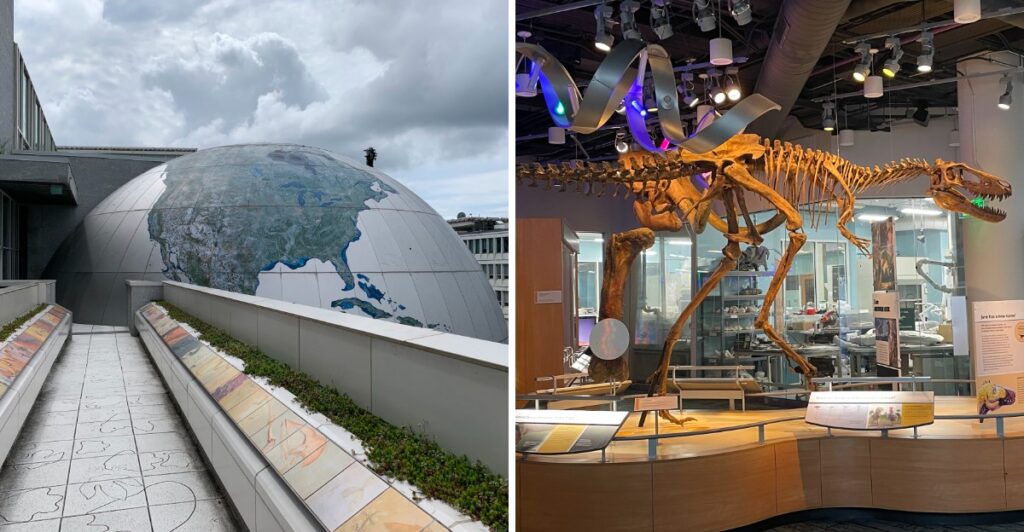
And this museum isn’t short on surprises. There’s a giant globe measuring 70 feet across, with a three-story theater inside.
Talk about seeing the world from a different angle.
The Living Conservatory also has a sloth and butterflies, though it’s closed until its planned reopening in summer 2027.
But those dinosaurs are the real reason I’d visit. Scientists are carefully uncovering a mystery that’s been underground for ages.
The dinosaurs have waited millions of years. I suppose we can give the scientists a little time to finish.
Two Dinosaurs, One Rock, And A Lab You Can Actually Watch
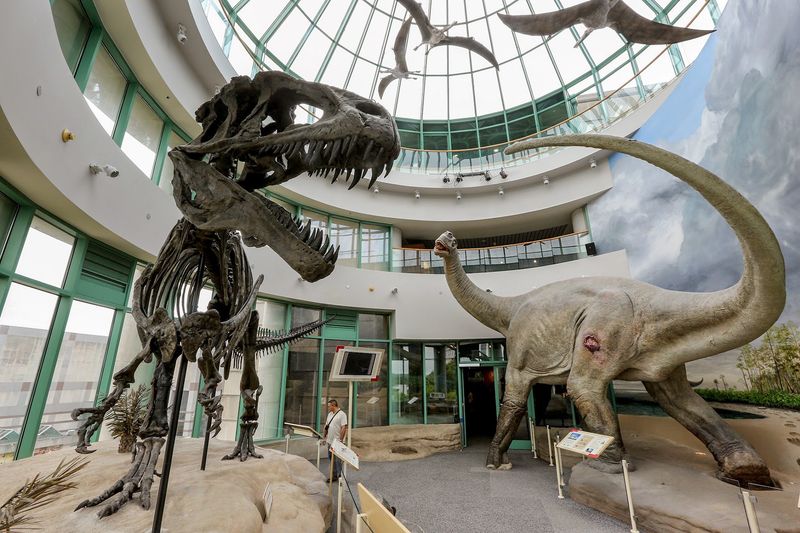
Paleontologists usually work far away in quiet labs. At the North Carolina Museum of Natural Sciences, they work right in front of you inside the SECU DinoLab.
The star is the famous Dueling Dinosaurs fossil. It holds the nearly complete skeletons of a Nanotyrannus and a Triceratops found buried together.
The fossil was first discovered in 2006. The museum acquired it in 2020, and the DinoLab opened to the public in 2024.
Here’s a bragging point for your next trivia night. The Nanotyrannus in this exhibit is described as the only 100 percent complete specimen of its kind in the world.
That alone could fill an afternoon. Yet the lab also offers interactive displays about the Cretaceous period, including a cast of a Nothronychus skeleton.
Fresh discoveries keep rolling in, too. A new ostrich-like dinosaur, possibly a brand-new species, is being prepared and studied in the lab.
Ask questions whenever the scientists are available. Watching real work happen beats reading a sign every time.
Best of all, you’re seeing science that isn’t finished yet. Each visit might show a little more bone than the last one did.
The Terror Of The South Has A Seriously Good Skull
Fake dinosaur bones are everywhere. Real ones on this scale are rare, and that makes the third floor of the Nature Exploration Center a big deal.
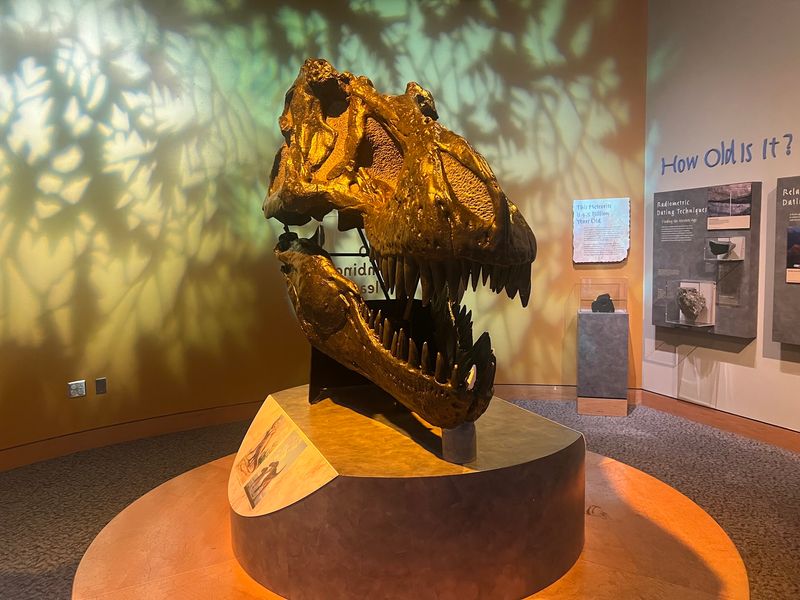
Up there stands the Acrocanthosaurus, nicknamed the Terror of the South. The museum displays the world’s most complete Acrocanthosaurus skeleton, and it’s the only real one on display.
Spend some time on the skull. It’s considered one of the most complete dinosaur skulls ever excavated, which is a fancy way of saying almost nothing is missing.
Kids tend to notice the teeth first. Adults usually notice the size and then quietly back up a step.
Right nearby, the Prehistoric North Carolina exhibit widens the story. It covers ancient life in the state, with dinosaur bones and remains of a giant sloth from over 1.5 million years ago.
Yes, a giant sloth once lived around here. Today’s sloths have clearly downsized, and you can learn about the museum’s resident sloth while its Living Conservatory remains closed.
Plan to linger on this floor. Between the bones, the history, and the photo ops, it rewards a slow pace more than a quick lap.
Butterflies Above, A Sloth Nearby, And Zero Rush
Slow living has a mascot here, and it hangs upside down.
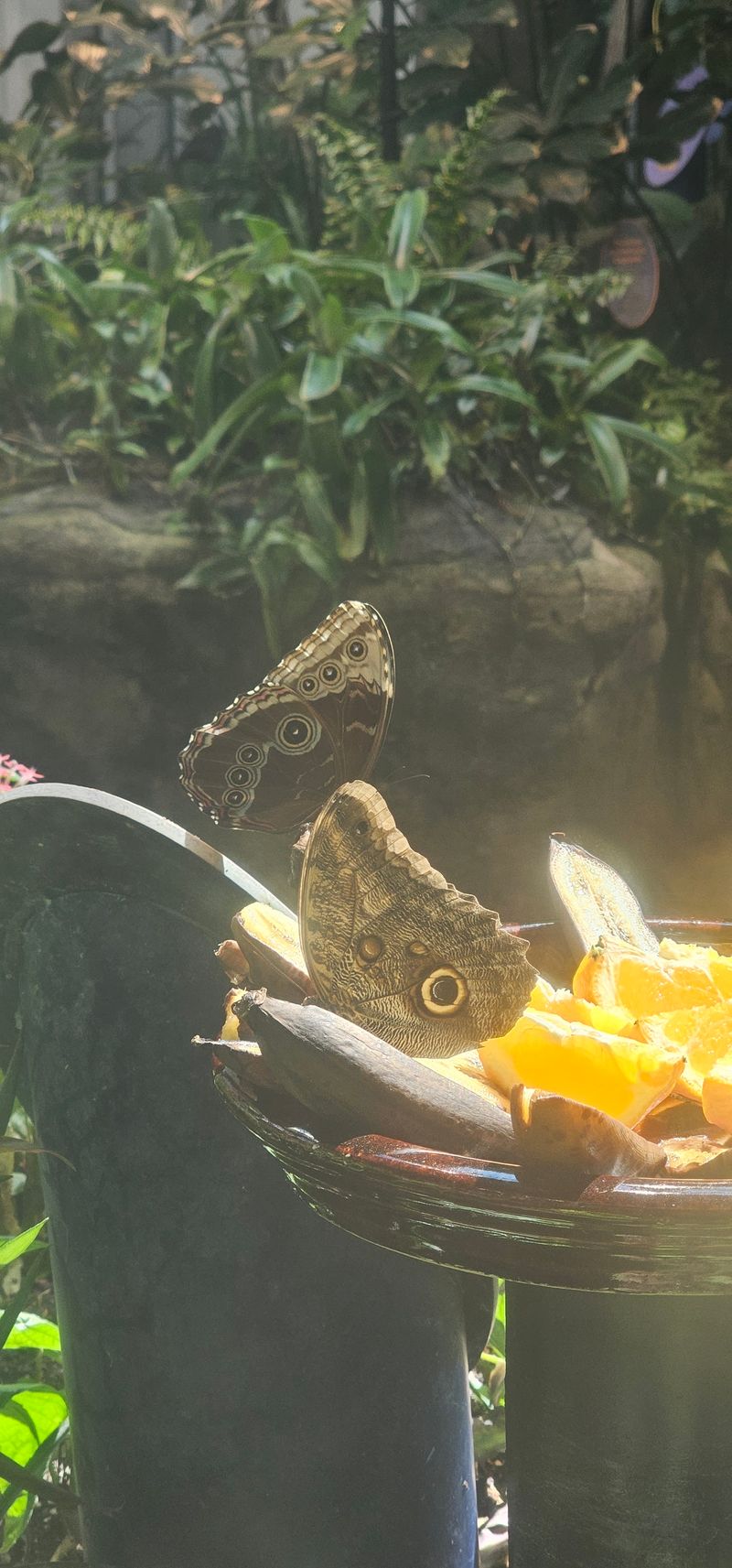
The Living Conservatory houses a two-toed sloth, butterflies, turtles, and fish, but you will have to wait until its scheduled reopening in summer 2027 to experience the exhibit.
The room recreates a tropical dry forest.
When the Living Conservatory reopens, visitors will be able to step inside the tropical habitat and share the space with its animals.
When the Living Conservatory reopens, visitors will be able to watch butterflies flying freely around the room.
Move gently and keep your hands to yourself, since these delicate creatures need room to do their thing.
The sloth deserves patience. Sloths are famous for moving at their own speed, so spotting one might take a few minutes of careful looking.
Don’t skip the smaller residents either. The turtles and fish add plenty to see if the sloth decides it’s nap time.
A quick planning tip helps here. Check the museum’s schedule before you go, since special areas can have their own hours or occasional closures.
For younger kids, this room often becomes the highlight. For grownups, it’s a calm break from all those big bones and busy halls.
Either way, it’s a warm little world tucked inside a big city building. Your phone camera will get a workout.
Snakes, Frogs, And Bugs Are Waiting Around Every Corner
Live animals don’t stay in one corner of this museum. They pop up throughout the exhibits, so wildlife keeps surprising you as you wander.
Tropical Connections features emerald tree boas and poison dart frogs. Both are bright, bold, and much better viewed from the safe side of the glass.
Love creepy-crawlies? The Arthropod Zoo has live and static displays of insects, crustaceans, arachnids, and other arthropods native to North Carolina.
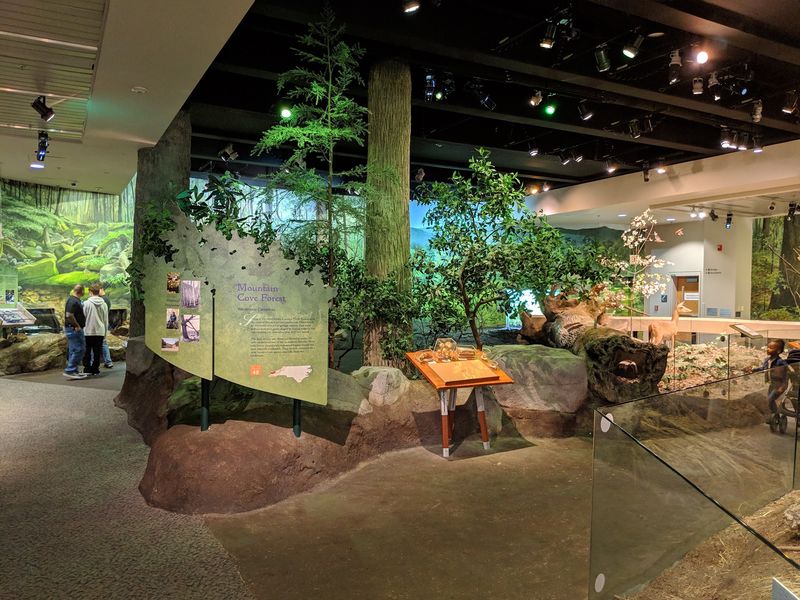
Mountain Cove shifts the scene to the Appalachian Mountains. Its displays explore mountain ecosystems and wildlife, complete with live animal exhibits.
Then there’s Snakes of North Carolina. It shows live species native to the state, which is a handy way to learn who’s who before your next hike.
Families might want a simple game plan here. Let each kid pick one animal to find, and the hunt suddenly becomes an adventure.
For extra fun, the Windows on the World theater hosts demonstrations and live animal visits. Check the daily schedule when you arrive to catch one.
All of this comes with free general admission. That’s a lot of scales, legs, and wings for exactly nothing at the door.
A 70-Foot Planet Sits Right On The Street

Most buildings have a lobby. The Nature Research Center has a planet, and you can see it from the sidewalk.
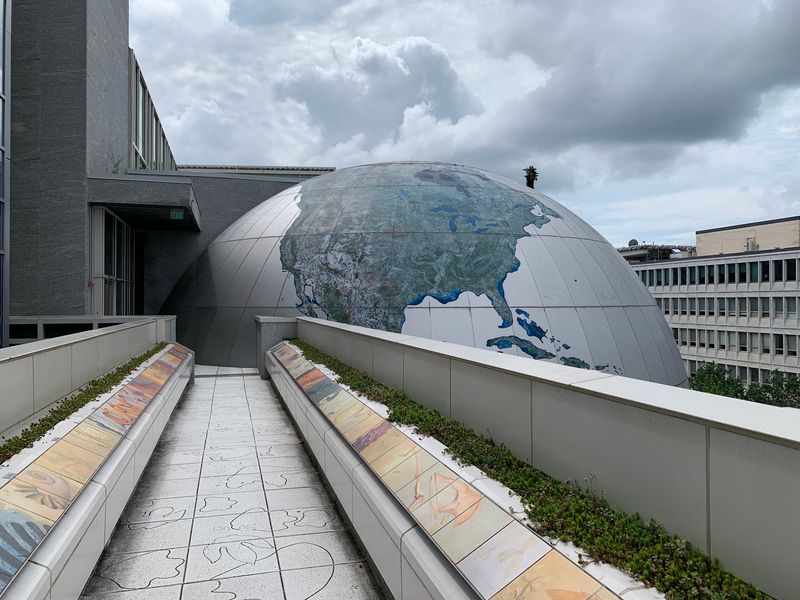
Meet the SECU Daily Planet Theater, housed in a globe measuring 70 feet in diameter. Its outside is covered with high-resolution satellite images of Earth.
Inside, the globe holds a three-story theater space. The theater area itself measures 45 feet across, which is plenty of room for big ideas.
It’s described as the world’s second-largest globe. That’s a fun fact for anyone who likes being almost number one.
The globe opened in April 2012 along with the Nature Research Center. Since then, it has hosted live science presentations, educational films, and programs on its giant screen.
Schedules change, so look at the day’s lineup when you arrive. A live talk can make a regular visit feel like a special event.
Photographers, take note. The globe makes a striking shot from outside, especially with the city around it.
Inside or out, it’s hard to ignore. Few places let you watch science on the inside of Earth while the rest of North Carolina hums along outside.
Glass Labs Turn Real Science Into A Spectator Sport
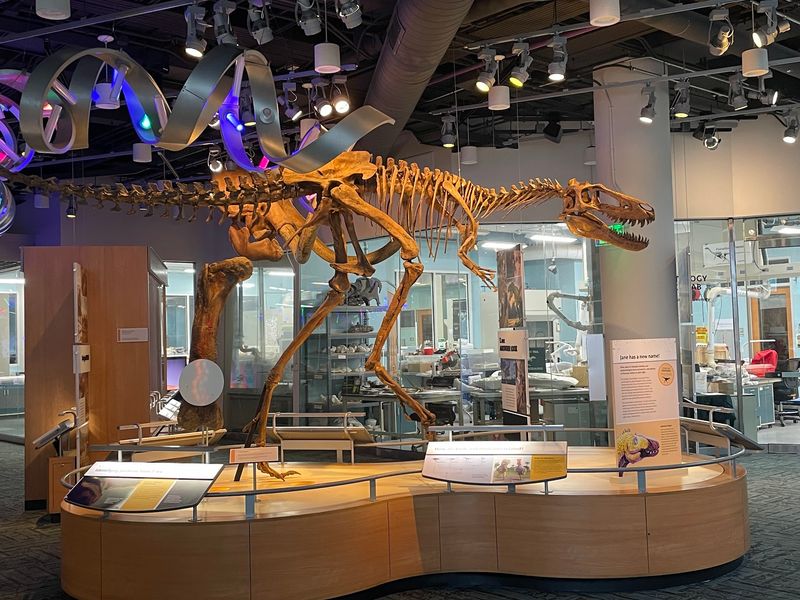
Nosy people, rejoice. The Nature Research Center was built with glass-walled research labs, so you can watch scientists doing their actual jobs.
The vet lab is a standout. On the second floor, trained veterinarians perform routine exams and procedures on the museum’s small animals.
A two-way intercom lets you ask questions. That means your kid can finally ask a real vet whatever wild thing they’ve been wondering.
Want to get your own hands busy? The Investigate Labs offer hands-on experiments led by museum educators.
The Naturalist Center adds even more to explore. Other exhibits cover topics like DNA, weather, ocean change, and space.
Unraveling DNA even includes a giant DNA strand model. It’s a much easier way to picture genetics than squinting at a textbook.
This building is also green in more ways than one. It holds LEED Platinum certification, with features like LED lighting, skylights, and a green roof.
Here’s a smart move for families. Pick one lab demo or experiment and build the rest of the visit around it, so nobody gets overwhelmed.
Look Up, Because The Whales Are Overhead
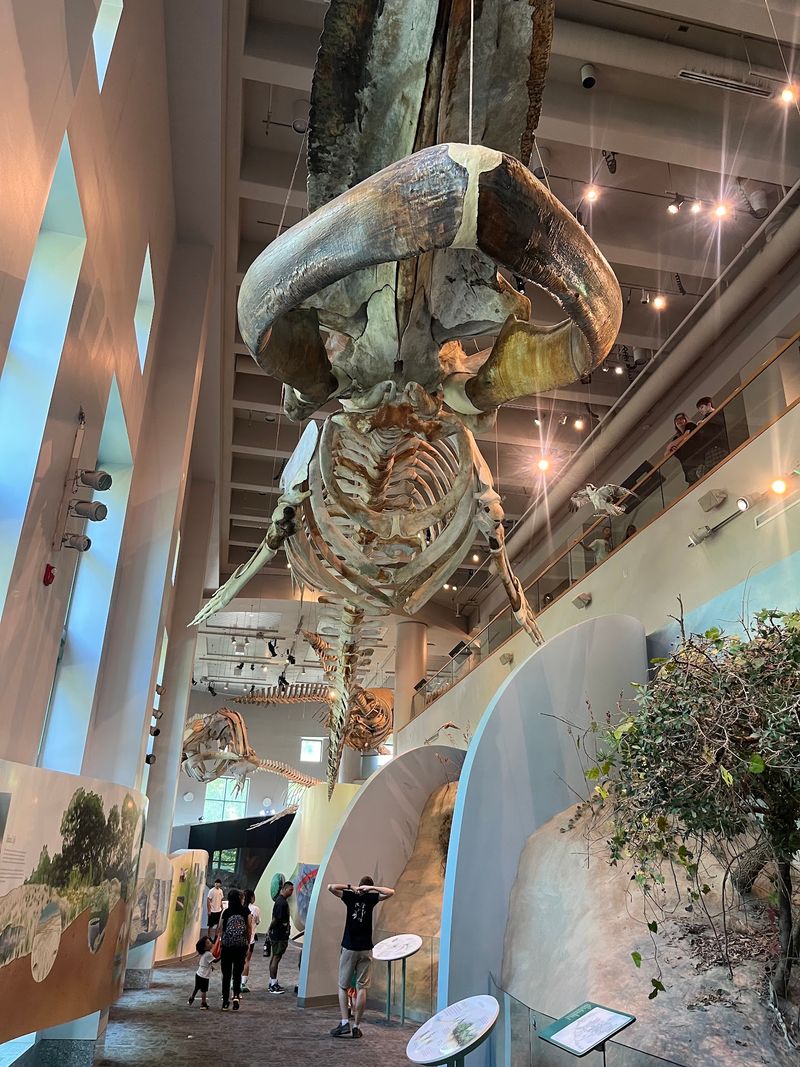
A 54-foot sperm whale skeleton nicknamed Trouble hangs in this museum. With a name like that, you just know there’s a story.
Trouble is part of the Coastal North Carolina Overlook exhibit on the second floor. The collection of marine mammal skeletons here is genuinely impressive.
Alongside Trouble, you’ll find a blue whale skeleton. There’s also a rare True’s beaked whale and an endangered North Atlantic right whale.
Seeing them from an overlook changes everything. You get a real sense of their size, which photos never quite capture.
This exhibit connects nicely to the coast of North Carolina. It reminds visitors that some of the planet’s biggest animals swim not far from the state’s beaches.
For kids, a simple challenge works well. Ask them to guess which whale is longest, then read the signs together to find out.
Bring your patience and your neck muscles. You’ll spend a lot of time looking up, and that’s exactly the point.
Honestly, it’s one of the best free views in Raleigh. No ocean trip required, and nobody gets seasick.
Plan Your Day Around Two Buildings And One Bridge
Two buildings, one bridge, and plenty of ground to cover. That’s the setup in downtown Raleigh, so a little planning goes a long way.
The Nature Exploration Center sits at 11 W Jones St, Raleigh, NC 27601. The Nature Research Center is just up the street at 121 West Jones Street.
A pedestrian bridge links the two. You can cross between dinosaurs and research labs without stepping outside.
The museum is open Tuesday through Sunday, from 10 AM to 5 PM. It closes on Mondays and on certain holidays.
Hungry? The Daily Planet Cafe serves fresh, local food. The Museum Store and Nature Art Gallery sells books, science kits, educational toys, minerals, and jewelry.
Accessibility is taken seriously here. Options include apps, assistive learning devices, guided tactile tours, and ASL and deaf-blind interpreters by request.
History fans will like this bit. The museum dates to 1879 and was officially established in 1887, making it the oldest established museum in North Carolina.
It’s also a Smithsonian affiliate and the largest natural history museum in the Southeast. Not bad for a place that asks for zero dollars at the door.