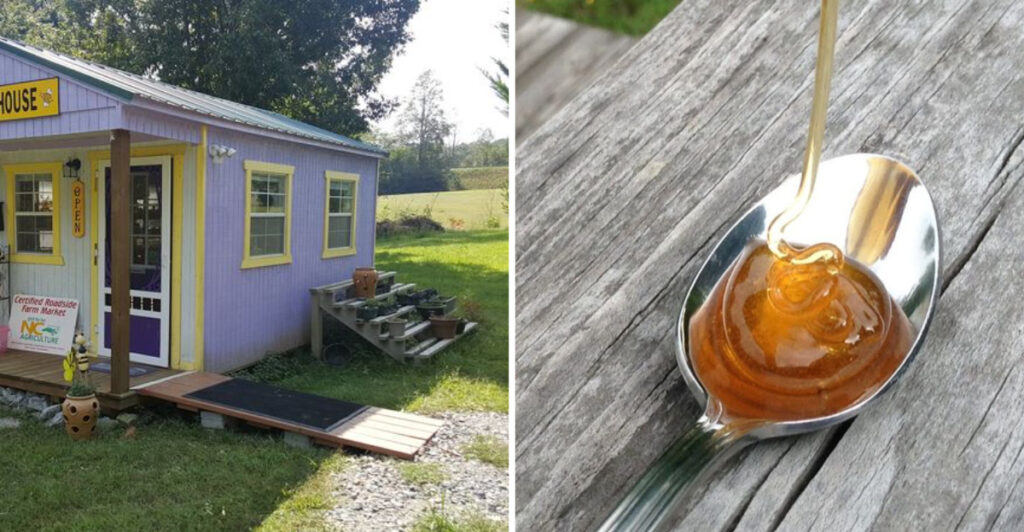
The bees had a short window to work with, and they nailed the assignment.
Sourwood trees bloom for only a short window, giving them limited time to create one of the region’s most prized honey varieties.
This North Carolina family farm follows that natural rhythm, offering sourwood honey alongside other seasonal options when available. The jars come from a process that cannot simply be rushed or repeated whenever someone wants a taste.
That short window is what makes it special. The flowers bloom, the bees get to work, and the season moves on.
I’d say a jar like this deserves a little extra appreciation before the first spoonful.
Sourwood Trees Give Bees Only A Short Summer Window To Work With
Sourwood is a late-blooming native tree that grows across North Carolina’s mountains and Piedmont. Its white, bell-shaped flowers arrive in summer, and the nectar they produce is especially valuable to honey bees.
The window is short. In North Carolina’s mountain region, the average sourwood bloom begins around late June and lasts roughly twenty-five days. Weather and microclimate can shift those dates, so the calendar is more guide than guarantee.
That means beekeepers have only a few weeks when sourwood nectar can dominate what bees are bringing back to the hive. Once the bloom fades, the opportunity closes until the following year.
Sweet Betsy treats sourwood as a seasonal varietal rather than something that appears on the same schedule all year. Early spring and spring wildflower honeys fill other parts of the season, while sourwood belongs to its own short summer stretch.
That makes timing part of the fun. A jar is not just another pantry staple. It is tied to a bloom that passes quickly and cannot simply be restarted when demand rises.
For anyone used to seeing honey as a year-round grocery item, sourwood tells a very different story.
This Seasonal Honey Comes From North Carolina Mountain Country
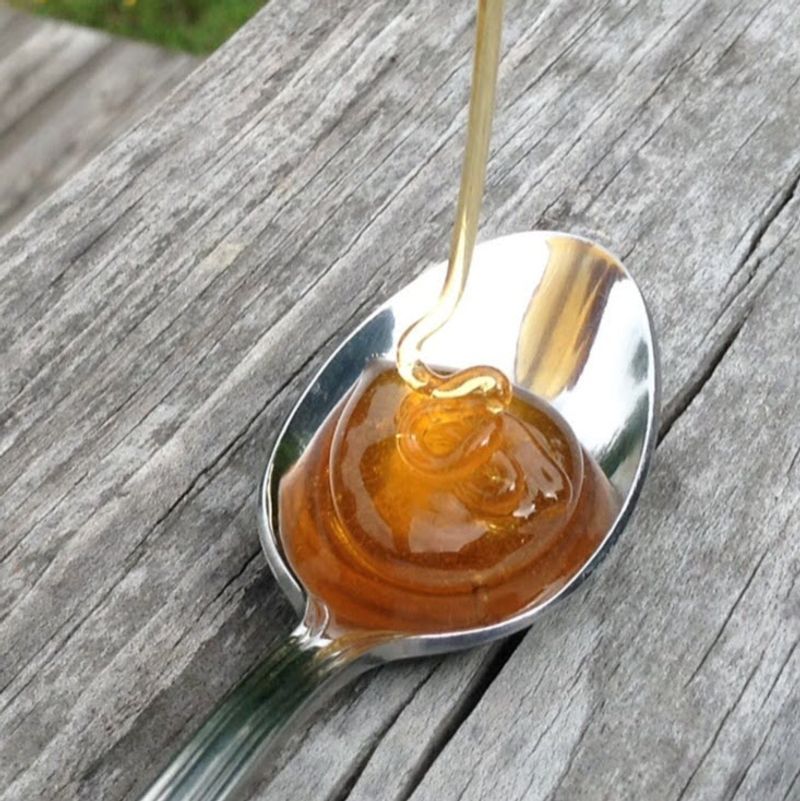
Sourwood, formally known as Oxydendrum arboreum, is native to the eastern and southern United States, but it has an especially strong connection to the Southern Appalachians. In North Carolina, the tree is common through the mountains and extends into the Piedmont.
Its flowers are an important nectar source for bees, and sourwood honey has become one of the best-known varietal honeys associated with the region.
Sweet Betsy Farm sits in Marion, where the foothills meet western North Carolina’s mountain country. That puts the farm in a landscape where sourwood trees are part of the surrounding native plant community.
The honey itself can vary slightly from season to season because nectar sources, weather, and bloom timing never repeat in exactly the same way. That natural variation is part of what separates a seasonal varietal from a standardized supermarket blend.
You can find Sweet Betsy Farm at 3947 Mudcut Rd, Marion, NC 28752.
A visit does not require a complicated itinerary. The farm keeps a self-serve stand open daily, so a honey stop can fit easily into a drive through the Marion area.
The connection between jar and region is simple. The trees bloom here, bees work that summer window, and the resulting honey carries a distinctly Appalachian identity.
Sweet Betsy Keeps Its Honey Raw, Unheated And Unfiltered
Sweet Betsy handles its honey with minimal processing. The farm’s honey is sold raw, unheated, and unfiltered, keeping the product close to the form in which it comes from the hive.
That does not mean every jar will look exactly the same forever. Natural honey can change texture over time, and crystallization is a normal part of that process.
Sourwood is actually slower to crystallize than many other honeys because of its sugar composition. If another jar does begin to firm up, gentle warming in hot, not boiling, water can help return it to a more liquid texture.
The farm also keeps chemical treatments away from its bees and avoids artificial chemicals and pesticides in its growing practices. That approach fits the small-scale setup, where honey production is tied closely to the health of the colonies and the land around them.
There is no need to dress the idea up much further. Bees gather nectar, the honey is harvested, and the farm avoids turning the finished product into something overly processed.
That makes the jar useful in familiar ways. Spoon it over biscuits, stir it into tea, or save it for recipes where the honey gets a chance to stand out.
Weather Can Decide How Much Sourwood Honey A Season Produces
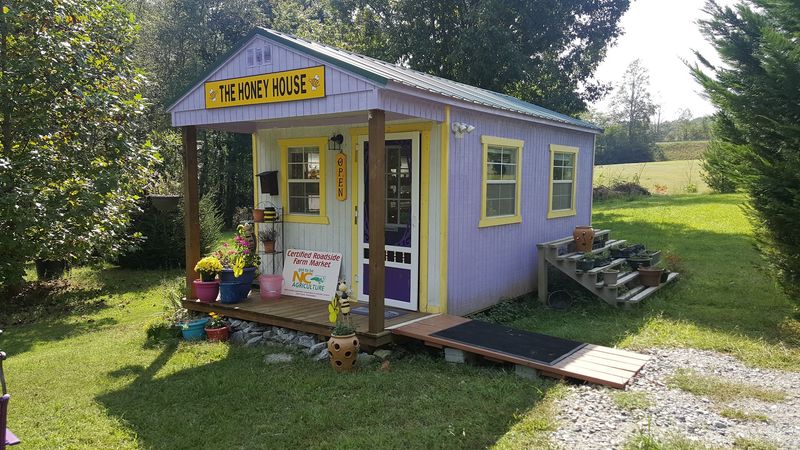
A short bloom leaves very little room for a bad stretch of weather. Sourwood may flower on a fairly predictable summer schedule, but the amount of nectar bees can collect depends on what happens while those flowers are open.
Bloom dates can move with elevation, temperature, rainfall, and local microclimates. Even within North Carolina, sourwood does not begin and end at exactly the same moment everywhere.
That uncertainty matters because beekeepers cannot extend the flowering period. If conditions do not line up well during those few weeks, the season can produce less surplus honey.
Strong colonies matter too. Bees need to be ready when the nectar flow begins, because arriving late to a brief bloom means losing part of an already narrow opportunity.
This is why sourwood honey naturally feels more seasonal than many everyday foods. The crop is not built around a factory timetable. It depends on trees, bees, weather, and timing all cooperating closely enough to create a harvest.
Some years can be more productive than others, and the exact amount available afterward reflects what happened during that summer bloom.
The next time a jar of sourwood looks simple sitting on a shelf, remember how many moving parts had to line up before the lid ever went on.
The Self-Serve Honey Stand Makes A Farm Stop Easy
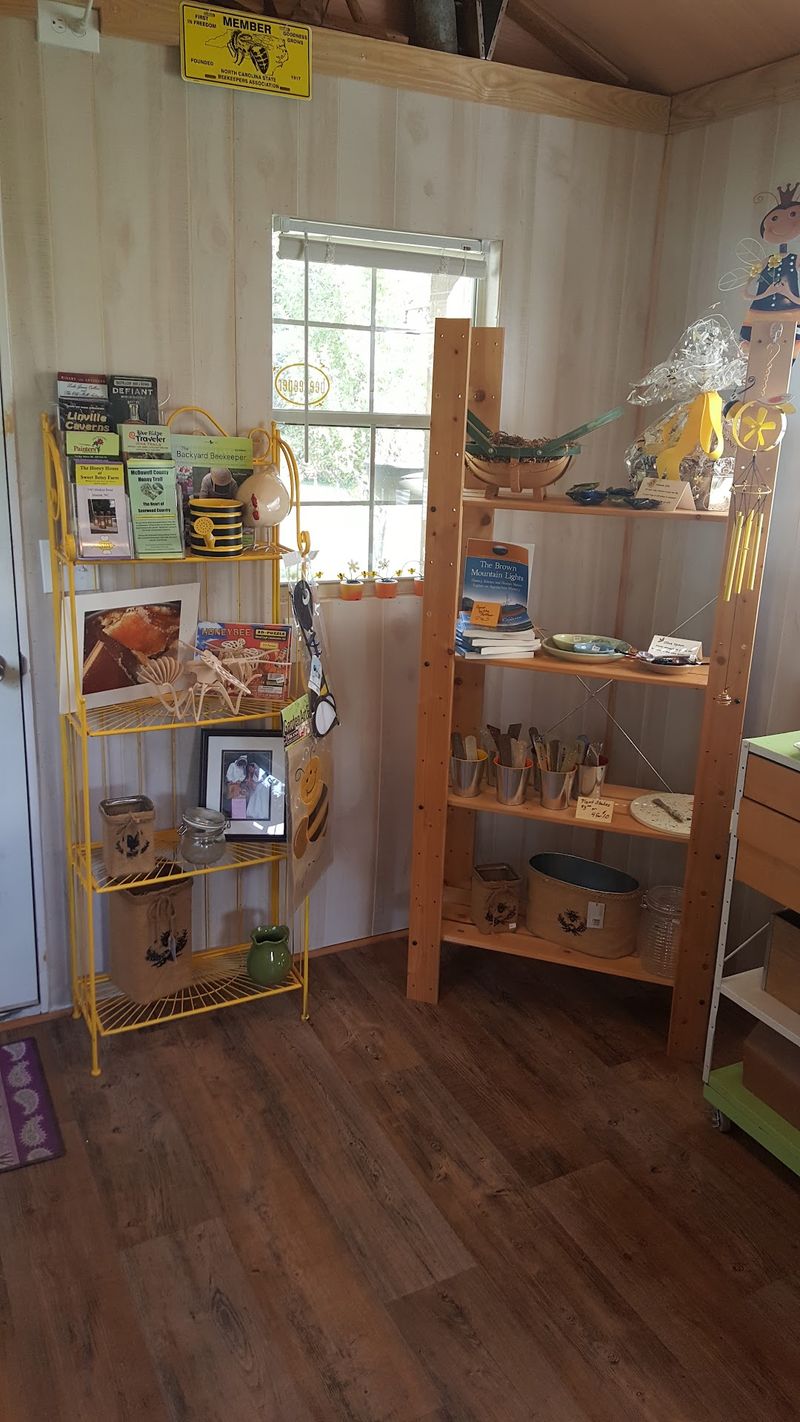
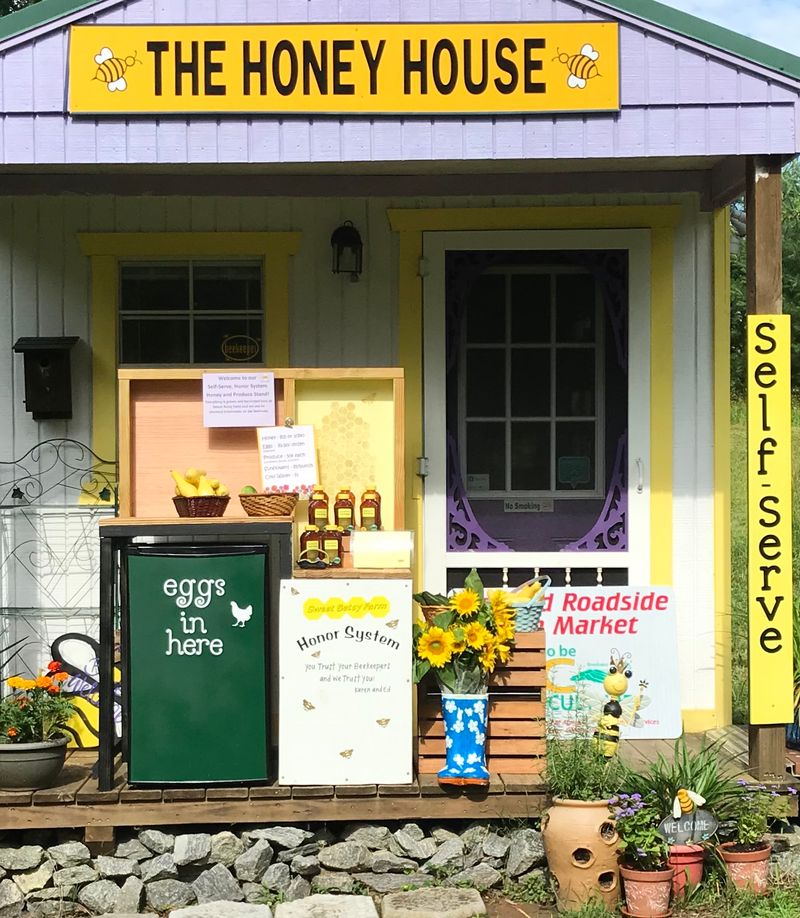
Sweet Betsy keeps honey buying pleasantly straightforward. The farm has a self-serve stand that is currently located indoors and open daily from 9 a.m. to 6 p.m.
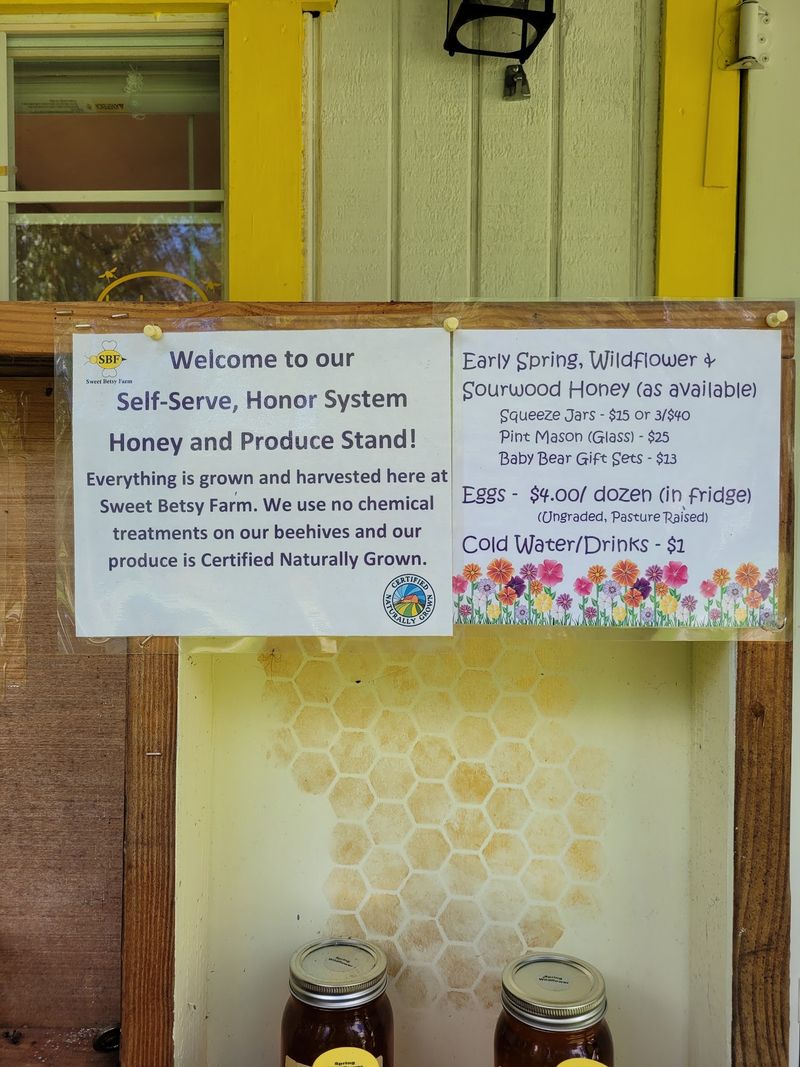
Honey is the main reason to stop, and eggs are also available through the stand. The exact honey selection changes with the seasons, so early spring, spring wildflower, and sourwood may appear at different points of the year.
That rotating availability matches the way the farm produces its varietals. You are not walking into a store where every flavor is expected to be stocked permanently regardless of the harvest.
The self-serve setup also makes the stop flexible. You do not need to arrange a full farm visit just to pick up a jar, and the daily hours leave a wide window for fitting Marion into a larger day trip.
If sourwood is available, it can go straight from the stand to the pantry. If another seasonal honey is on hand instead, that gives you a different snapshot of what the bees were working earlier in the year.
There is something appealing about a farm stop that does not ask you to overplan it.
Pull in, see what honey the season has produced, choose a jar, and keep going.
Pollinator-Friendly Farming Keeps The Bees At The Center
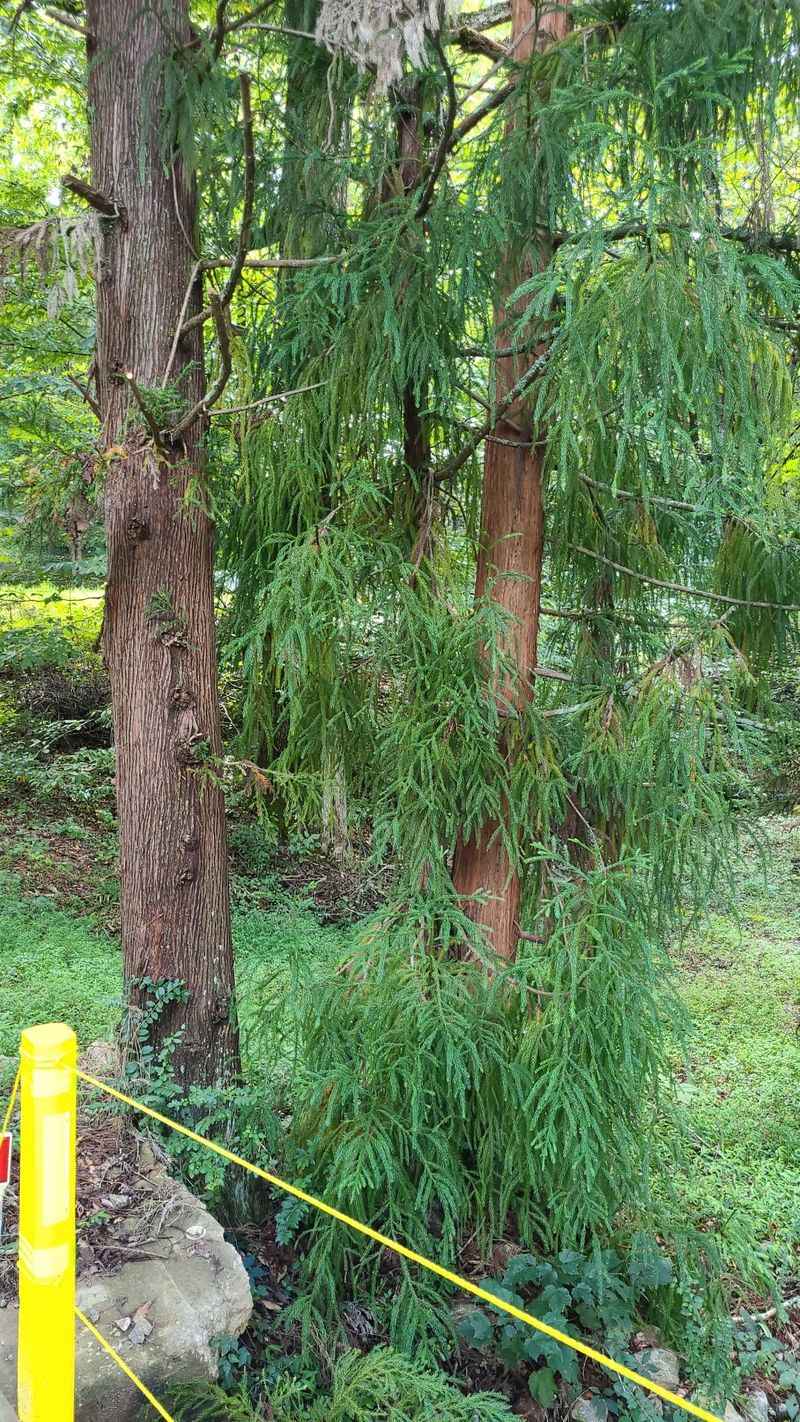
Honey production only works when the bees have enough forage and healthy surroundings, so Sweet Betsy’s approach reaches beyond the moment a jar is filled.
The farm uses minimal intervention and focuses on maintaining an environment that supports its honey bees. Its growing practices avoid artificial chemicals and pesticides, while the bees are managed without chemical treatments.
That matters throughout the year, not just during sourwood bloom. A colony needs food sources before and after those summer flowers appear, and a varied landscape helps keep bees working through the broader growing season.
Sourwood itself is a native pollinator plant. Its summer flowers attract bees and other insects, while other flowering plants take over at different points in the calendar.
The farm’s small-scale approach keeps that relationship easy to see. Honey is not separate from the landscape around the hives. It comes directly from what is flowering, when it blooms, and how well the colonies can use it.
That is especially obvious with a varietal like sourwood. A short-lived flower can shape an entire batch of honey.
Supporting pollinators does not require owning hives, either. Native flowering plants in home gardens can provide additional forage for local bees and other insects.
One jar may start with a tree, but the larger story stretches across the whole season.
Hive Tours Offer A Closer Look At Where The Honey Begins
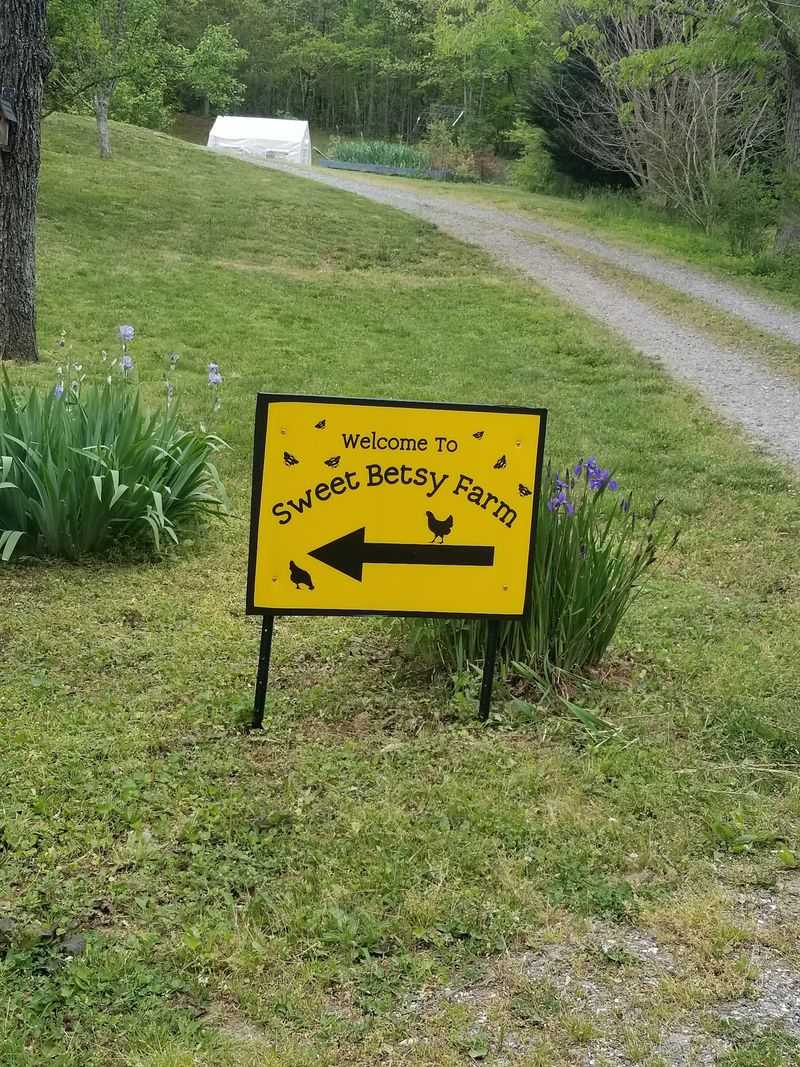
For visitors who want more than a quick stop at the stand, Sweet Betsy also offers hive tours. The experience gives small groups a closer look at how managed honey bee colonies work and where the farm’s honey begins.
Tours are intentionally limited in 2026 to reduce stress on the bees. Groups can include up to six people, and advance arrangements are required rather than treating the tour as a drop-in activity.
That makes the self-serve stand and hive tours two very different ways to visit. One can take only a few minutes. The other slows things down and puts the bees themselves at the center of the experience.
Seeing a hive up close also makes the sourwood story easier to picture. Nectar gathered during a short bloom has to be brought back, processed by the colony, stored in comb, and eventually harvested before it becomes the jar sitting on the kitchen counter.
The process is familiar in theory, but watching bees work gives those steps more weight.
A tour also makes one fact hard to miss: honey starts long before extraction day. It begins with healthy colonies and whatever happens to be blooming outside.
For sourwood, that means a brief summer opening that can be measured in weeks rather than months.
When those flowers arrive, the bees do not get much time to waste. Neither does anyone hoping to catch the season in a jar.