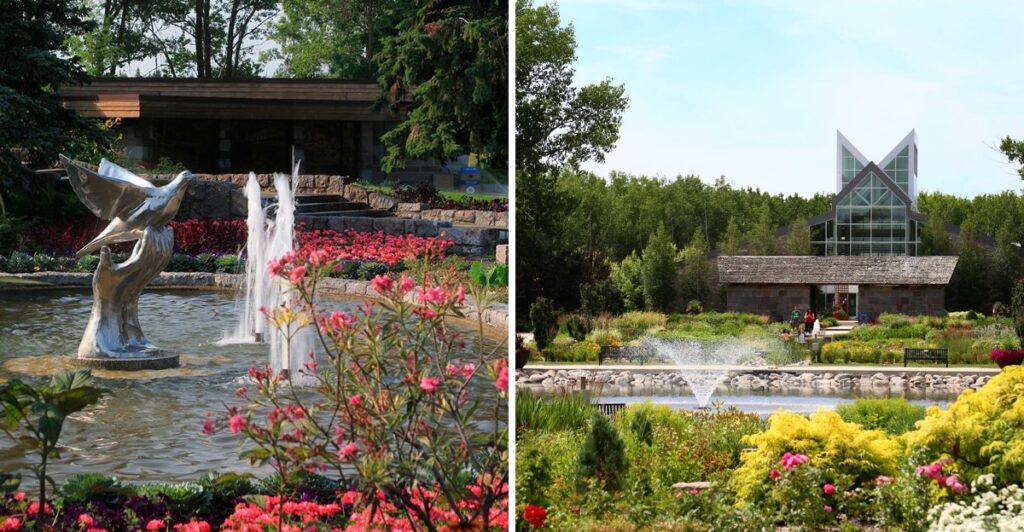
You have to pass through customs just to leave a flower garden. That is a real thing here, and I find it hilarious.
The border line runs right through the grounds. One half sits in North Dakota, and the other half sits in Manitoba. You can stroll past tulips in one country and admire petunias in another.
The place is so beloved that North Dakota adopted a nickname inspired by it. Officially. In 1957.
I can barely name my houseplants, so I respect that level of commitment.
There’s also an 18-foot floral clock and a conservatory with over 5,000 species and cultivars of cacti and succulents.
It might be the only garden where your passport matters as much as your camera.
Yes, You Really Can Stand In Two Countries At Once
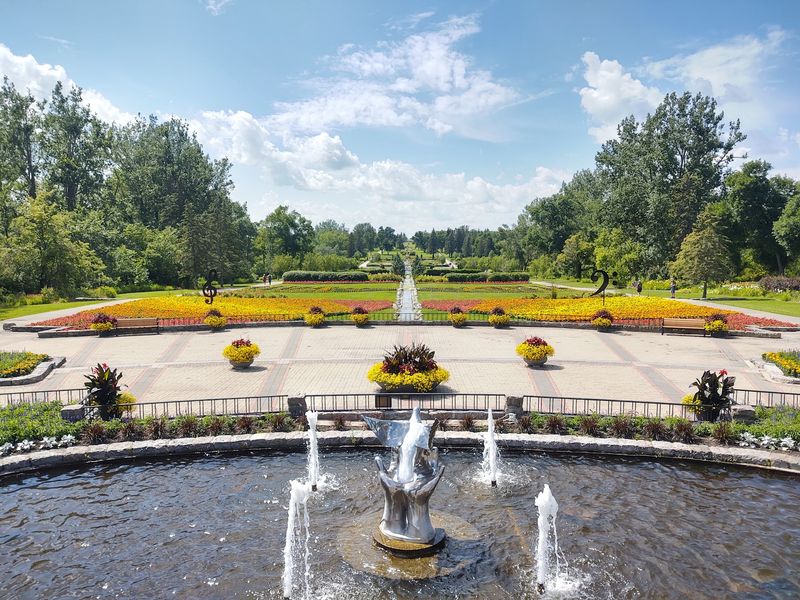
The International Peace Garden sits right on the border between North Dakota and Manitoba. Half the grounds belong to the United States, and half belong to Canada.
That setup is the whole point. The garden celebrates the long friendship between the two neighbors, and it does so with flowers instead of speeches.
Canadian horticulturalist Dr. Henry Moore dreamed up the idea in 1928. The garden was dedicated on July 14, 1932, and about 50,000 people showed up for the occasion.
Manitoba donated 1,451 acres, and North Dakota added 888 acres. Today the property covers nearly 2,400 acres of prairie, forest, and planted beds.
The Dedication Cairn still marks the original ceremony spot on the border. It’s a simple stone landmark, but it makes a great photo backdrop for anyone wanting proof of a two-country stroll.
Plan to wear comfortable shoes, because the formal gardens stretch along the line for quite a distance. You’ll want time to wander both sides without rushing.
Bring your sense of wonder too. Few places let you hop between nations while admiring a petunia bed, and fewer still make it feel this calm and friendly.
Pack The Right Papers Before You Smell The Roses
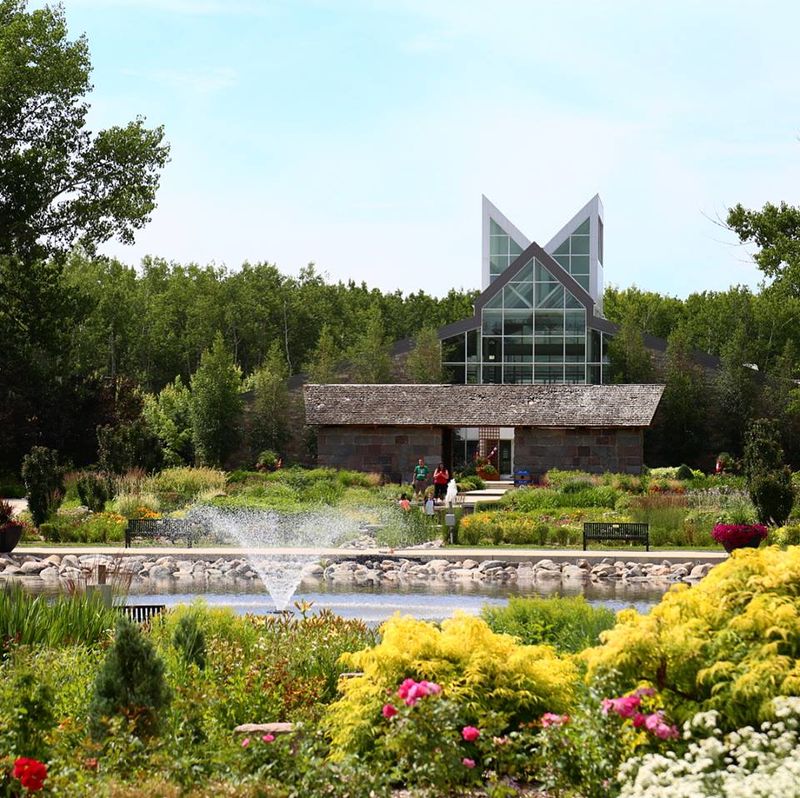
Paperwork is part of the adventure here.
Since the garden sits on an international border, you’ll need to pass through customs when you leave, but not when you enter from your respective country.
Adults can use a passport.
Some visitors may use alternative ID depending on age and citizenship, but check current U.S. and Canadian border requirements before visiting.
On the U.S. side, the address is 10939 Highway 281, Dunseith, ND 58329. The garden sits about 20 miles north of Dunseith, deep in the Turtle Mountains.
Canadian travelers come in from the north. The entrance is roughly 28 kilometers south of Boissevain, Manitoba.
The gardens themselves stay open daily from 8 a.m. to 8 p.m. The gatehouse is open daily, too, so you can plan an early start or a golden-hour walk.
Day passes are sold per person, and children 5 and under get in free. Families who plan to return often can grab an annual household membership instead.
Double-check your documents the night before. Nobody wants to explain to a customs officer that the birth certificate is still sitting on the kitchen counter back home.
Time Literally Blooms On This Giant Floral Clock
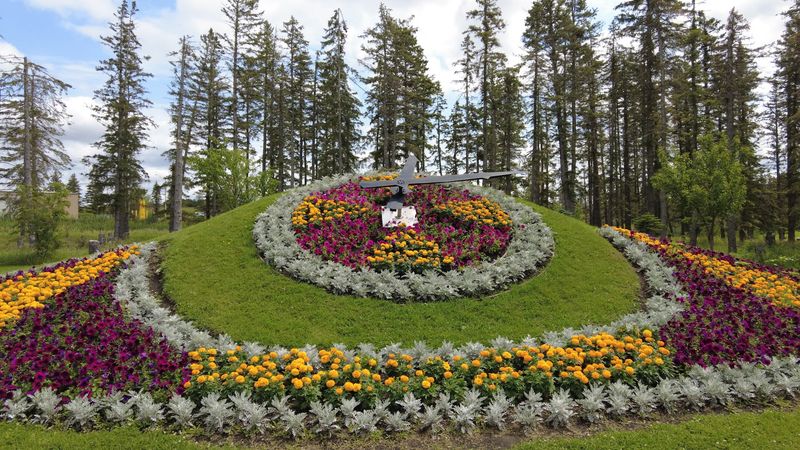
Eighteen feet across and covered in flowers, the floral clock might be the most famous timepiece in the Peace Garden State. It’s also one of the few clocks people happily stare at on vacation.
The International Peace Garden received a floral clock from Bulova in 1966, which was replaced with a new clock in 2005.
Gardeners plant its face with fresh blooms, so the design changes from year to year.
Nearby, a floral flag display adds even more color. Between these two showpieces and the formal beds, the garden plants somewhere between 80,000 and 150,000 annuals and perennials each year.
That’s a staggering amount of digging. Picking a favorite bed feels almost rude to the gardeners who planted them all.
The Sunken Garden is another must-see stop. It sits lower than the surrounding paths, giving you a fresh angle on the patterns and colors.
Summer is the best time to catch everything at full strength. Plan your trip for the warm months if flowers are your main goal.
Bring a camera with plenty of storage. The clock alone could fill your phone, and you’ll still have the flag and Sunken Garden waiting.
Over 5,000 Prickly Characters Live Inside The Conservatory
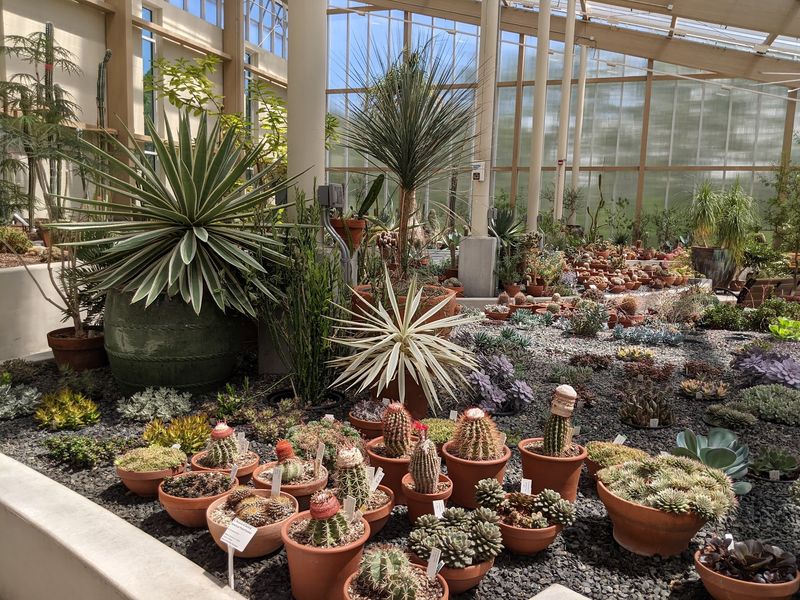
Cactus fans, North Dakota has a surprise for you. The Don Vitko Cacti and Succulents Collection lives in an expanded conservatory at the International Peace Garden.
It holds more than 5,000 species and cultivars of cacti and succulents from around the world.
That’s a lot of spines for a spot better known for snowy winters.
Don Vitko donated the collection to the International Peace Garden in 2010. Since then, it has grown into one of the most talked-about features on the grounds.
The conservatory opens daily from 10 a.m. to 6 p.m. Inside, you’ll find a year-round landscape, interpretive features, and seasonal shows.
That makes it a smart stop when the weather turns chilly or rainy. The plants don’t care what’s happening outside, and soon you won’t either.
Take your time reading the signs. Many of these plants come from deserts thousands of miles away, and their shapes look almost unreal up close.
One quick tip for pet owners. Leashed dogs are welcome on most of the grounds, but they can’t join you inside the conservatory, so plan your visit accordingly.
Quiet Corners Here Carry Some Serious Meaning
Some of the most moving spots in the garden don’t involve flowers at all. They invite you to slow down and think.
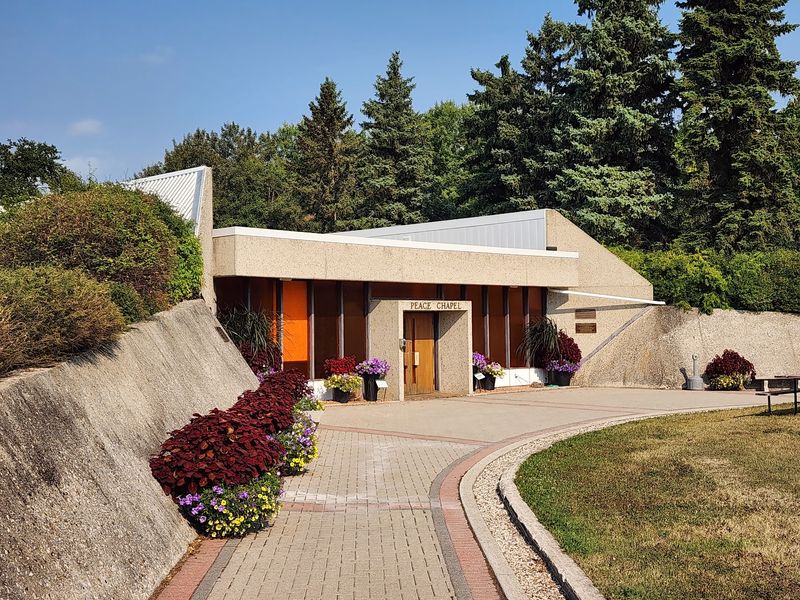
The Peace Chapel features walls inscribed with inspiring quotes from global leaders. It’s a calm place to read and catch your breath between garden walks.
The Carillon Bell Tower adds music to the setting. Its bells give the grounds a gentle soundtrack that fits the peaceful theme.
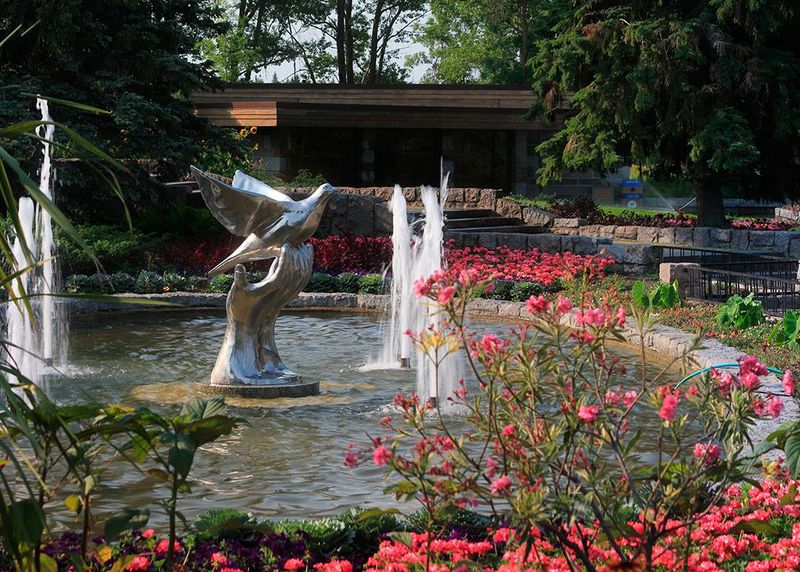
Art lovers can look for the Hands of Peace sculpture. The Promise of Peace Sculpture is another piece worth finding during your visit.
Each of these stops tells part of the garden’s bigger story. Together, they remind visitors that friendship between nations takes effort and care.
Give yourself extra time for this part of the trip. Rushing past the chapel quotes would be like skimming the best chapter of a good book, and you’d miss the heart of the International Peace Garden.
Thank The Civilian Conservation Corps For That Rustic Lodge
Back in 1934, crews from the Civilian Conservation Corps started building at the garden. Their handiwork still stands today.
The Historic Lodge is the star of that era. Workers finished it in 1937, and it now hosts a variety of events.
The CCC was a program that put young men to work on parks and public lands. Many beloved spots across the country owe their trails and buildings to these crews.
Here, their efforts helped turn an idea into a real destination. Without them, the early garden would have looked very different.
History buffs will enjoy another fun fact. North Dakota adopted Peace Garden State as its official nickname in 1957, inspired by this very place.
That’s right, a whole state borrowed its nickname from a garden. Not many flower beds can say they influenced license plates.
The Interpretive Center is a good place to learn more background. Stop there early, and the rest of your walk will make even more sense as you spot the landmarks you just read about.
Trade The Flower Beds For Trails And Lakes
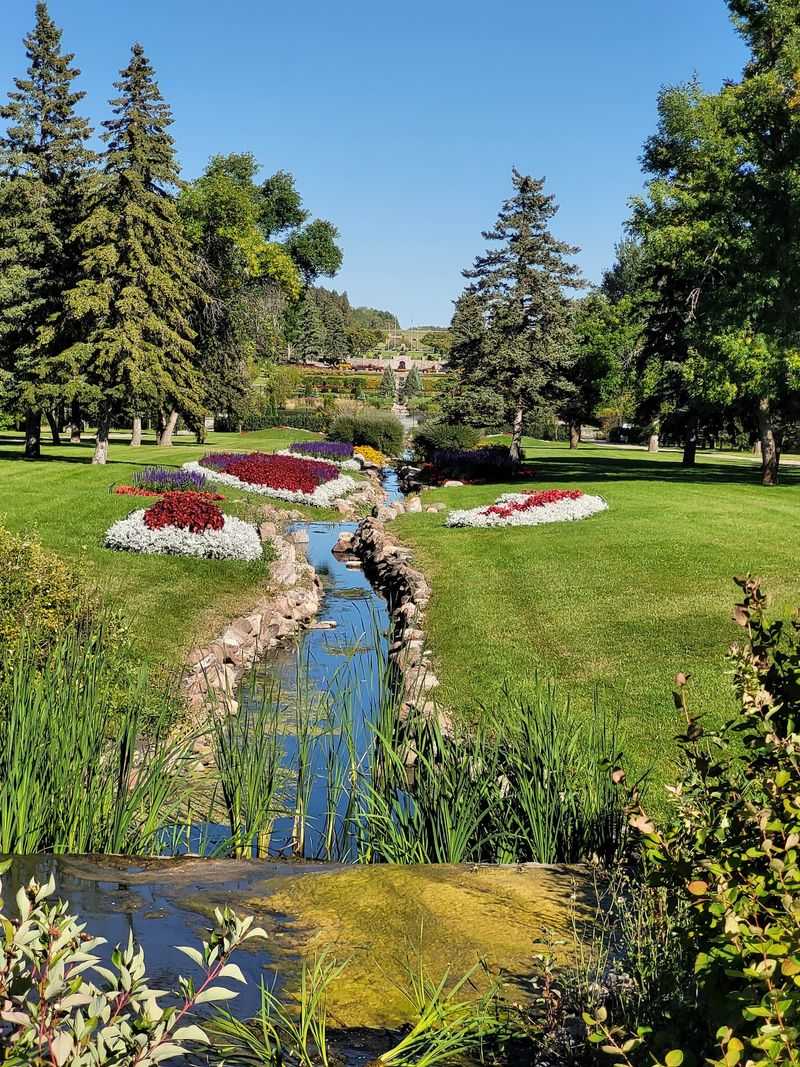
Most of those 2,400 acres aren’t planted beds at all. Prairie, forest, and lakes fill much of the International Peace Garden.
That means plenty of room to explore. Hiking and biking trails wind through the Turtle Mountains, and scenic drives offer an easier option.
Paddlers can go canoeing or kayaking on the lakes. A calm morning on the water makes a nice break from the busy formal gardens.
Keep your eyes open while you move around. The grounds offer chances to spot abundant wildlife, so binoculars are a smart addition to your bag.
Winter doesn’t shut things down either. Cross-country skiing is available when the snow arrives, turning the trails into a quiet white playground.
The garden is truly a year-round destination. Each season brings different reasons to visit, from summer flowers to fall color to snowy glides.
Pack layers no matter when you come. Weather in this part of the country can shift fast, and being comfortable means you’ll stay out longer and see more of the woods and water.
Stay Overnight And Wake Up On The Border
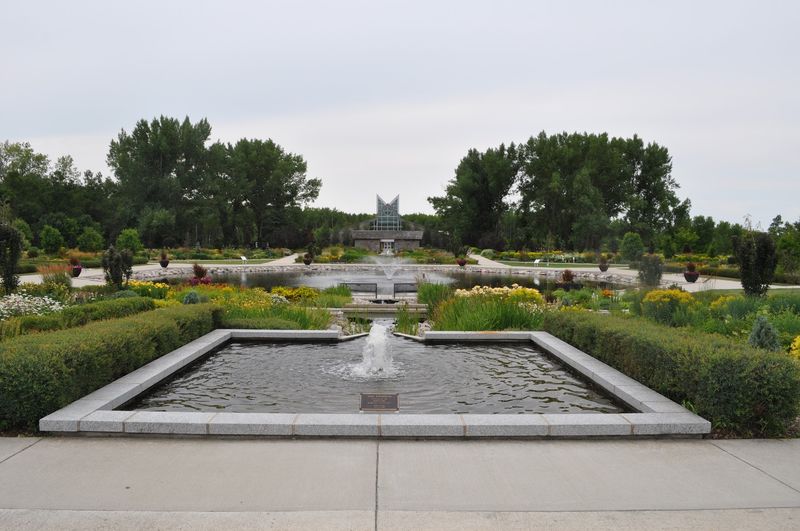
One day may not be enough. Fortunately, the International Peace Garden offers several ways to stick around.
Campgrounds are available for folks who love sleeping outdoors. Waking up in the Turtle Mountains is a pretty great way to start a garden day.
Cabins open up in the fall and winter seasons. They come with three or four bedrooms, full kitchens, linens, a TV, and a washer and dryer.
These cabins are rented through April 15 but aren’t offered in spring or summer. Bookings need a two-night minimum, and pets and smoking aren’t allowed.
Dormitory rooms become available after August 1. Each quiet room has two twin beds, with shared restrooms down the hall.
Bring your own bedding and towels for the dorms. Think of it as summer camp, but with a much fancier backyard.
Prefer a hotel? Nearby towns include Bottineau, Rugby, and Belcourt in North Dakota, plus Boissevain and Brandon in Manitoba.
Whatever you choose, an overnight stay gives you time to see everything. You’ll leave rested and maybe already planning next year’s trip.