
What if your beach trip came without traffic hassles, arcade noise, or a parking meter quietly chipping away at your wallet?
One Virginia town skips the coastal circus. The beach stays sandy, while the bay stays calm. Downtown sits close enough for lunch, shopping, and a walk back to the water without launching a full expedition.
Railroads and steamers shaped the town in the 1880s. Their story still runs through the streets. The working harbor keeps things interesting without turning the waterfront into a tourist stage.
Virginia has louder beach towns. This one wins by lowering the volume. Come for an afternoon, and do not be surprised when leaving becomes the only plan nobody wants to follow.
Railroad Tracks Created A Town Beside The Bay
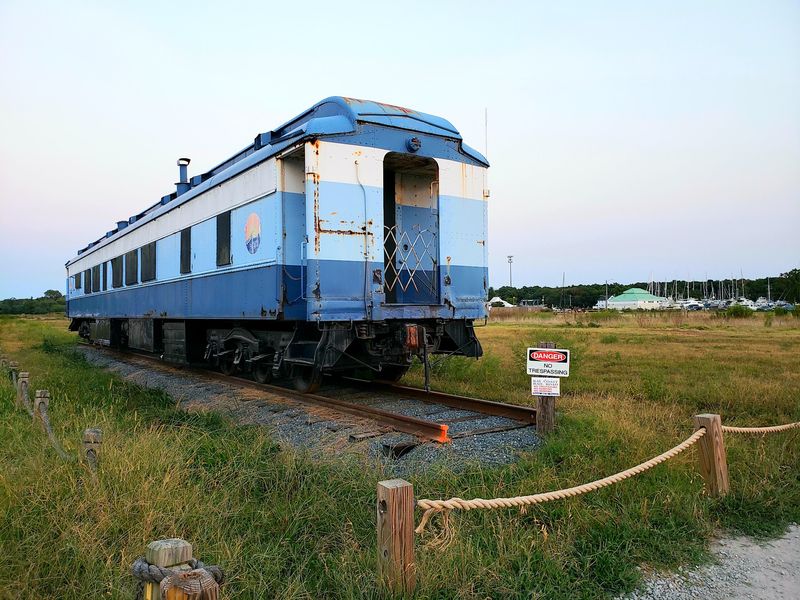
Cape Charles began as a planned railroad community rather than a settlement that slowly expanded without direction. In 1883, railroad investor William L. Scott purchased land for a southern rail terminus, harbor, and new town.
Engineers mapped the streets in 1884. East-west avenues received the names of Virginia statesmen, while north-south streets were named for fruits, creating a pattern you can still recognize while exploring downtown.
Passenger and freight trains began running in October 1884. Steamers and specially designed railroad barges then carried people and freight across Chesapeake Bay, connecting the Eastern Shore with Norfolk.
That transportation link quickly brought workers, businesses, churches, homes, and public services. Cape Charles became an economic center for Northampton County and a gateway for goods moving between the peninsula and larger East Coast markets.
You can still see the town’s railroad identity in its broad avenues, historic buildings, and waterfront layout. The streets do not simply lead toward the bay; they reveal why the community was created in the first place.
The Cape Charles Museum and Welcome Center adds context through exhibits covering railroads, ferries, steamers, and harbor life. A visit there makes the downtown walk much more interesting because every old building suddenly has a larger story behind it.
The Town Address Leads Into A Walkable Historic Center
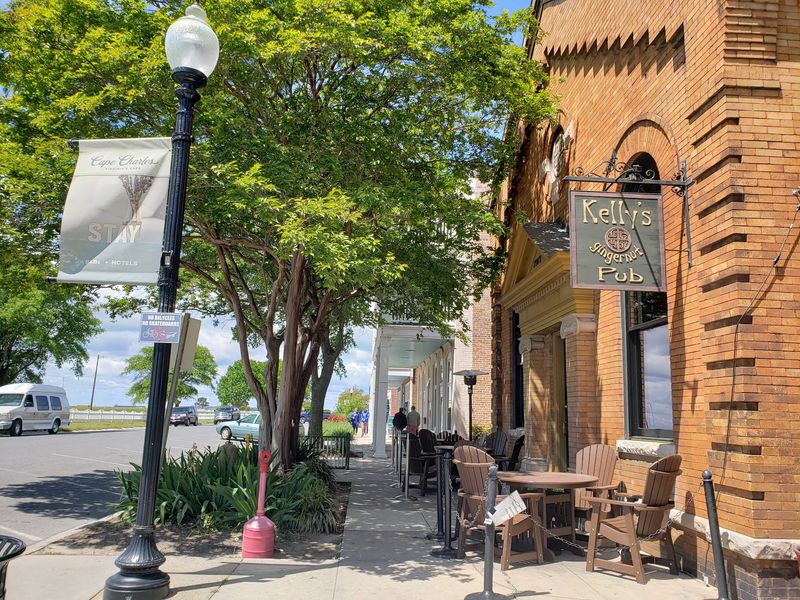
Downtown Cape Charles rewards slow exploration. Mason Avenue and nearby blocks hold independent shops, galleries, restaurants, and buildings that preserve the scale of the town’s late nineteenth-century growth.
You can park, begin walking, and let curiosity determine the route. One storefront may lead to local art, another to books or coastal gifts, and the next to something warm from a kitchen.
The town’s official offices are located at 412 Tazewell Avenue, Cape Charles, Virginia 23310. The address sits within the historic community and works as a useful navigation point when you are orienting yourself.
Cape Charles became a designated Virginia Main Street community in 2020. That program supports downtown economic development while using historic buildings and local character as strengths rather than obstacles.
The result is a commercial center that still belongs to the town around it. New businesses bring energy, but the street does not look like a shopping complex assembled from the same national template.
A short walk can easily stretch when a gallery window, lunch menu, or shaded bench starts making persuasive suggestions. That is part of the pleasure of exploring a town where nearly every turn remains manageable on foot.
The Free Public Beach Keeps Coastal Days Simple
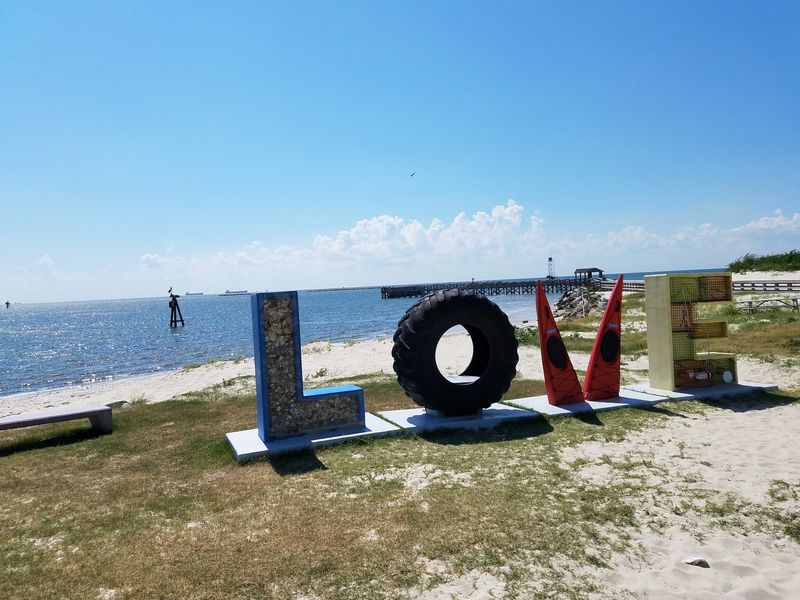
Cape Charles Town Beach sits within walking distance of downtown and does not charge an entrance or parking fee. That easy access makes it one of the town’s strongest attractions for families and casual day-trippers.
The beach faces Chesapeake Bay rather than the open Atlantic. Water near the shore is usually calmer and shallower than the surf at many ocean beaches, creating an inviting place for wading and relaxed swimming.
You can arrive without navigating a massive resort complex or carrying a complicated beach plan. Bring towels, water, sun protection, and whatever helps your group settle into the sand.
The shoreline extends for roughly half a mile and has several public entrances. A restroom, gazebo, overlook, and the town’s LOVE sculpture add convenient landmarks along the waterfront.
Because the beach connects so naturally with downtown, you can change the pace whenever you like. Swim for a while, dry off, walk toward Mason Avenue, and return later when the sun feels softer.
The bay also delivers memorable sunsets. Instead of watching the light disappear behind buildings, you can face west and see the colors spread across open water.
You can spend the entire afternoon in the sand or divide it between swimming and downtown browsing. Cape Charles makes either plan wonderfully easy.
The Working Harbor Gives The Waterfront Real Energy
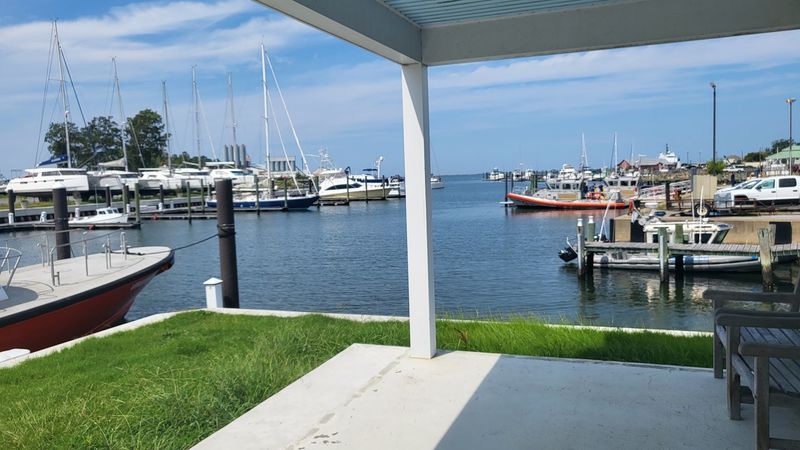
Harbor remains an active home for commercial and recreational boats. Its protected basin includes slips, long side-docking space, and berths designed for vessels of different sizes.
That working role keeps the waterfront from becoming decorative scenery. Boats arrive for fuel, dockage, supplies, maintenance, and overnight stays while crews move through familiar routines.
You can watch the activity without needing to understand every line or engine. The simple movement of boats coming and going gives the harbor a rhythm that changes throughout the day.
The town docks sit within walking distance of the beach, fishing pier, shops, and restaurants. Boaters can secure a vessel and reach much of Cape Charles without immediately needing another form of transportation.
Visitors arriving by car can follow the same waterfront links in reverse. Begin downtown, walk toward the beach, continue to the pier, and finish near the harbor without turning the outing into a driving tour.
The harbor’s location also reflects the town’s original purpose. Rail lines once carried freight to the water, where barges and steamers completed the crossing toward Norfolk.
Today’s vessels are different, but the harbor still makes Cape Charles feel connected to the wider Chesapeake Bay rather than merely positioned beside it.
Mason Avenue Brings New Life To Old Buildings
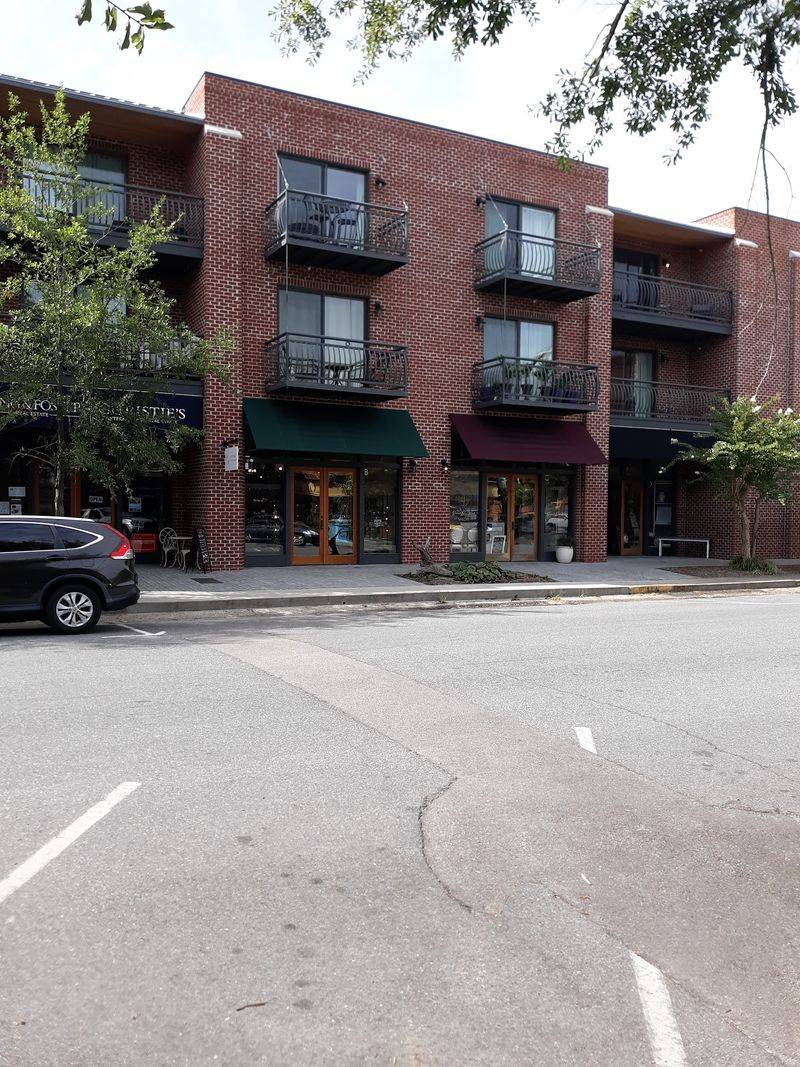
Mason Avenue forms the commercial heart of Cape Charles. Its historic storefronts now hold a changing collection of locally operated businesses that give visitors reasons to wander beyond the beach.
The street works because the choices sit close together. You can browse art, shop for gifts, pause for food, and continue exploring without returning to the car after every stop.
Historic architecture gives the walk visual consistency. Brick buildings, traditional proportions, and older façades create a setting that carries the town’s railroad-era character into the present.
The downtown revival did not require erasing those details. Restored and reused buildings allow modern businesses to operate inside spaces tied to the town’s earlier years.
That combination creates a more personal experience than a strip of identical stores. Owners, artists, cooks, and local organizations shape the character of each stop.
Cape Charles Main Street supports those businesses while promoting preservation and community events. Its work helps keep downtown active beyond the busiest summer weekends.
You may arrive for the bay and discover that Mason Avenue fills the hours between beach visits. One relaxed afternoon can include coffee, browsing, lunch, and several conversations you never planned to have.
Outdoor Adventures Stretch Beyond The Sand

The beach may be the easiest outdoor attraction, but it is not the only way to enjoy the landscape. Calm bay water makes kayaking and paddleboarding appealing when weather and conditions cooperate.
Fishing remains part of the town’s coastal identity. The public pier gives you a place to cast without bringing a boat, while charters and boating opportunities extend the experience farther onto the water.
Birding also fits naturally into an Eastern Shore visit. The surrounding peninsula lies along major migratory routes and includes marshes, coastal habitats, and nearby protected lands.
Cyclists and walkers can explore the town’s flat streets at an easy pace. Historic neighborhoods, waterfront views, and short distances make a simple ride feel more like sightseeing than exercise.
Golf is available in the broader Cape Charles area, giving travelers another outdoor choice when the group wants something beyond sand and water.
You can build a busy weekend from all of these options, but you do not have to. One paddle, one beach walk, and an hour on the pier may be enough adventure for a perfectly satisfying day.
The coastal setting gives every outdoor plan a relaxed quality. You can stay active without turning the visit into a race from one attraction to the next.
A Coastal Weekend Can Unfold Without Rushing
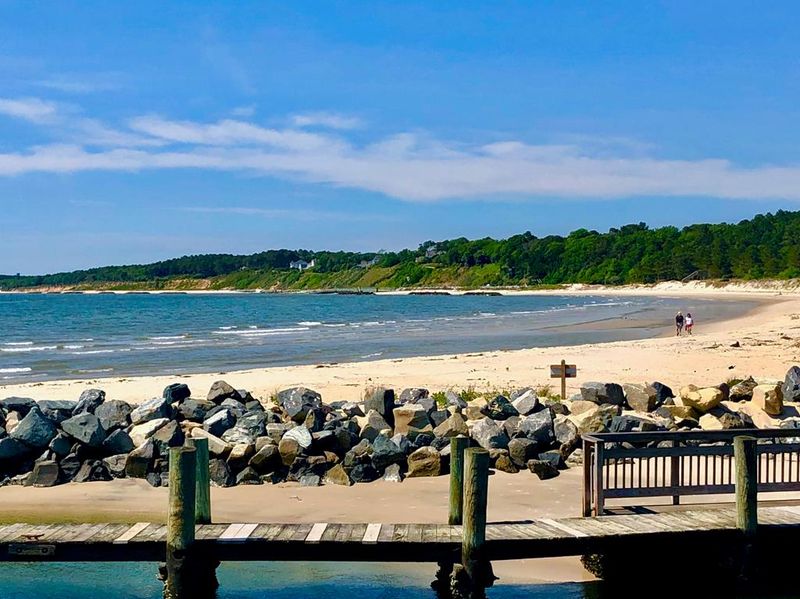
Cape Charles works best when you resist turning it into a checklist. The town is compact enough for spontaneous changes, and the beach, harbor, museum, and downtown sit close enough to share the same day.
Begin with history if you want context before exploring. The museum explains how railroads, steamers, ferries, and harbor activity shaped the streets you are about to walk.
Move toward Mason Avenue when hunger or curiosity takes over. Independent businesses give you plenty to browse without forcing the afternoon into a rigid schedule.
The beach can take over when the weather warms. Calm water, open sand, and free access make it easy to stay longer than expected.
Later, follow the waterfront toward the fishing pier and harbor. Boats, bay light, and the sound of water create a natural ending without requiring a ticket or reservation.
Cape Charles has grown more visible, but its appeal still depends on modest scale. You can experience several sides of town without spending the entire visit in traffic.
The railroad built the foundation, slower decades preserved much of it, and new energy has brought the old streets back into focus.
After a day of bay water and harbor views, Cape Charles leaves you with the pleasant sense that one coastal weekend was never going to be enough.