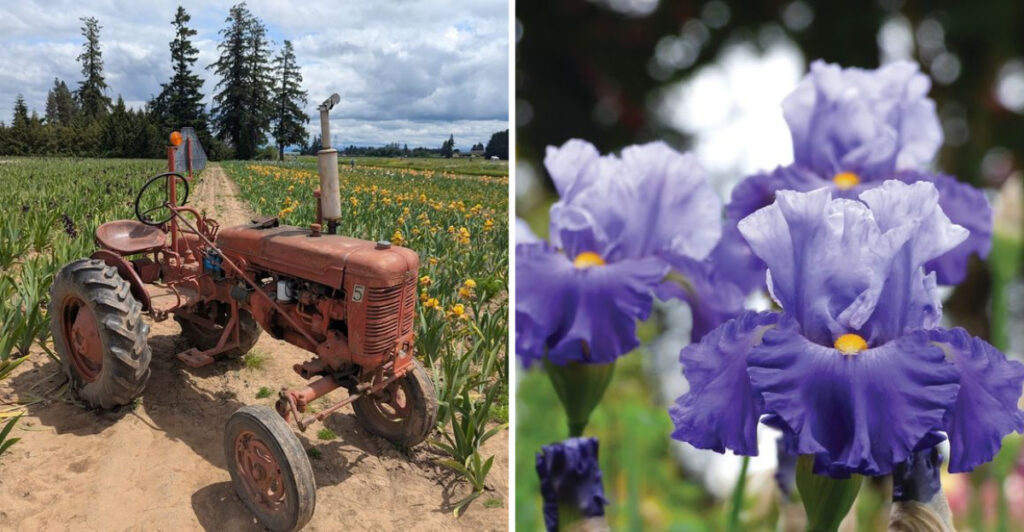
How far would you go just to see something that doesn’t quite look real? Some places hit you slowly, but this one does it all at once, color, scale, and detail layered across every step you take.
You start walking and quickly realize this is not just a quick stop or a photo opportunity. The rows stretch farther than expected, the patterns keep changing, and the whole scene feels almost unreal the longer you stay in it.
In Oregon, landscapes usually impress with size, but this one stands out because of how much there is to take in up close. Oregon delivers plenty of scenic stops, yet few feel this immersive once you are actually in the middle of it.
If you are looking for something that pulls you in and keeps your attention from start to finish, this is one that absolutely delivers.
The Story Behind The Gardens
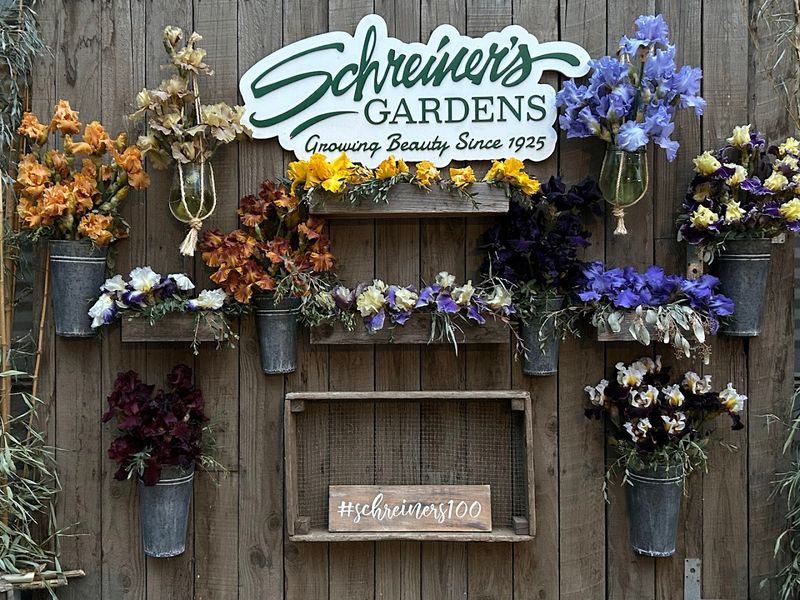
A small number of farms can claim a history as rich and rooted as this one. Schreiner’s Gardens has been cultivating irises in the Willamette Valley of Oregon for roughly 100 years, making it one of the most established iris growers in the entire country.
That kind of dedication does not happen by accident. Generations of the same family have poured knowledge, patience, and genuine passion into developing hundreds of iris varieties, many of which you simply cannot find anywhere else.
The farm started as a modest operation and grew steadily into a large multi-acre showcase that now spans well over 120 acres.
This is a showcase that draws visitors from across the Pacific Northwest and beyond every spring.
What makes the history even more impressive is that the focus has always stayed the same: grow the best irises possible and share them with the world.
Visiting feels less like a tourist attraction and more like stepping into a living legacy, one that has quietly been blooming in the Oregon countryside for a very long time.
The farm sits just outside Salem in Oregon’s Willamette Valley at 3625 Quinaby Rd NE, Salem, OR 97303.
What Acres Of Irises Actually Look Like At Full Bloom
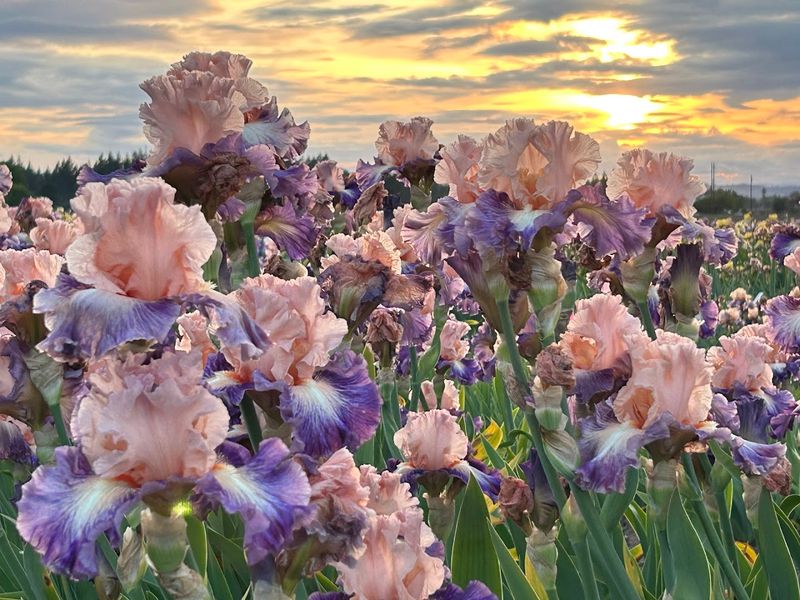
Numbers rarely do a landscape justice, but 120 acres of blooming irises genuinely earns every superlative thrown at it.
Standing at the edge of the open fields, rows of color extend so far in every direction that it starts to feel less like a farm and more like a fever dream painted in violet, gold, burgundy, and white.
The field irises bloom in dense, organized rows that create a rhythm almost musical in its repetition. Each row holds a different variety, so the color shifts gradually as you walk alongside them, almost like flipping through the world’s most extravagant color swatch book.
Visitors consistently describe the fields as surreal, and that word keeps coming up for a reason. There is simply nothing in everyday life that prepares you for the visual scale of it.
Oregon does dramatic landscapes well, but this particular corner of the state achieves something softer and more intimate despite its enormous size.
Bringing a camera is practically mandatory, though photos rarely capture the full effect.
The Display Gardens Where Every Step Is A New Surprise
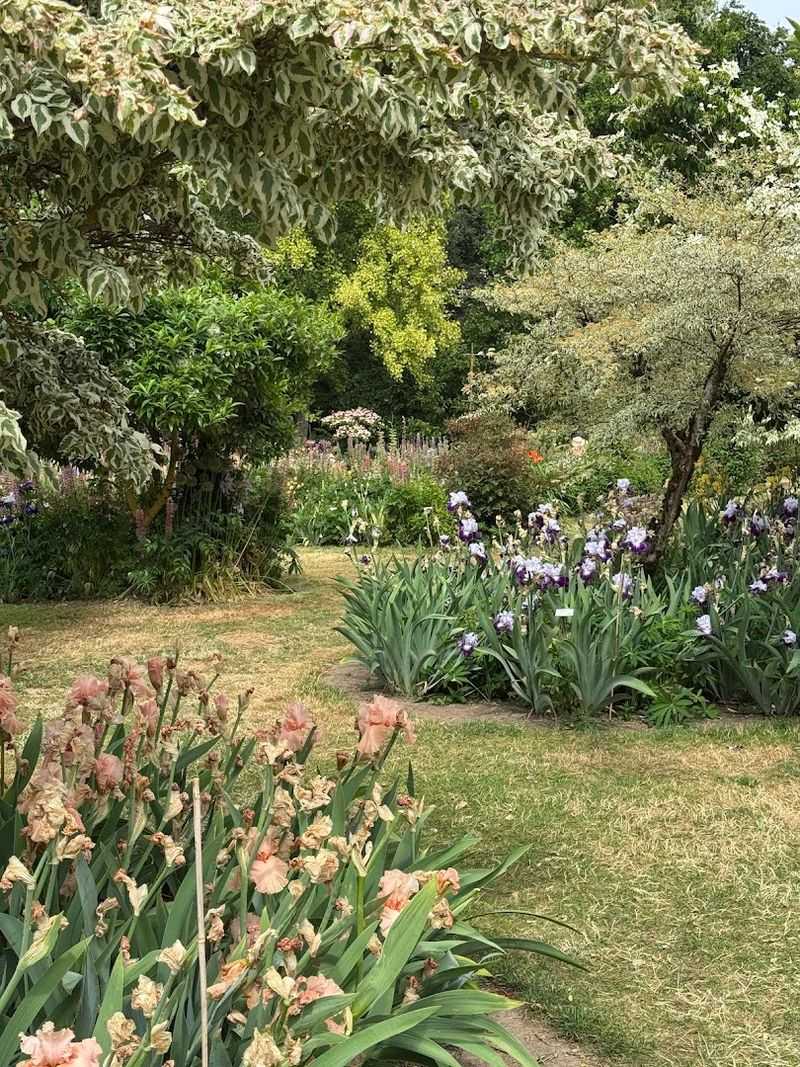
Beyond the open fields, the display gardens offer a completely different kind of beauty. Carefully arranged beds hold an extraordinary mix of flowers, including columbine, daisies, dahlias, ferns, and blooming dogwood trees that add height and drama to the overall composition.
The variety is genuinely staggering. Irises in hundreds of named cultivars are planted alongside companion plants that complement their colors and textures, creating combinations that feel both intentional and wildly abundant at the same time.
Benches are placed throughout the garden, which is a small detail that makes a big difference. Sitting down and simply listening to the birdsong while surrounded by blooms is one of those rare experiences that feels genuinely restorative.
The gardens are well-maintained and thoughtfully organized, making it easy to move through at your own pace without feeling rushed. Some visitors spend several hours in this section alone before ever making it out to the larger fields.
Oregon spring light filtering through the dogwood canopy makes the whole scene feel almost otherworldly.
Timing Your Visit For Peak Color
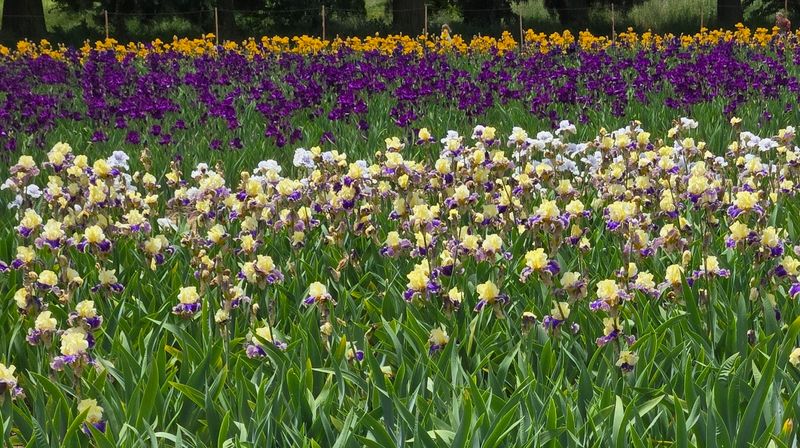
Timing is everything when it comes to iris season, and Schreiner’s Gardens rewards those who plan carefully. The bloom season typically falls in May and into early June, though the exact peak shifts slightly depending on weather patterns each year.
Mid to late May tends to be when the widest variety of cultivars are open simultaneously, giving visitors the best chance of seeing the full spectrum of colors on display. Arriving in the first week of June can still be worthwhile, as a wide variety holds its blooms longer than expected.
Sunny days draw the biggest crowds, which makes sense given how photogenic everything looks in bright light. Rainy days, however, offer their own quiet charm.
The colors deepen, the crowds thin out, and the whole garden takes on a moody, painterly quality that regular sunshine simply cannot replicate.
Buying tickets in advance can be helpful during peak bloom weekends. Oregon spring weather can be unpredictable, so packing layers is always a good call regardless of the forecast.
Dog-Friendly, Family-Friendly, And Just Plain Friendly
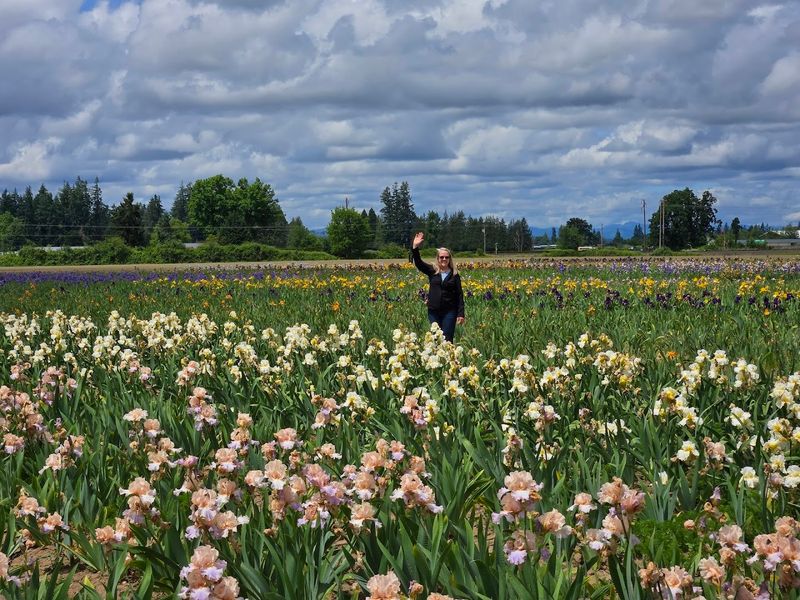
Schreiner’s Gardens makes a genuine effort to be inclusive. Leashed dogs are often welcome during bloom season, but checking current visitor guidelines before arrival is recommended.
Picnic areas with tables and chairs are spread throughout the grounds, giving families a reason to slow down and linger rather than rushing through.
Shade trees provide cover on warmer days, and the atmosphere is relaxed enough that kids can enjoy themselves without feeling like they need to be perfectly quiet or careful.
Coloring books for children have been available in the past, and the overall vibe is one of genuine community warmth rather than a strictly curated visitor experience. Food trucks and vendor tents may appear during peak bloom events, depending on the season.
Clean portable restrooms are available on-site throughout the season. Oregon families have made this an annual tradition, and it is easy to understand why once you see the joy on people’s faces as they wander the rows.
Hundreds Of Iris Varieties
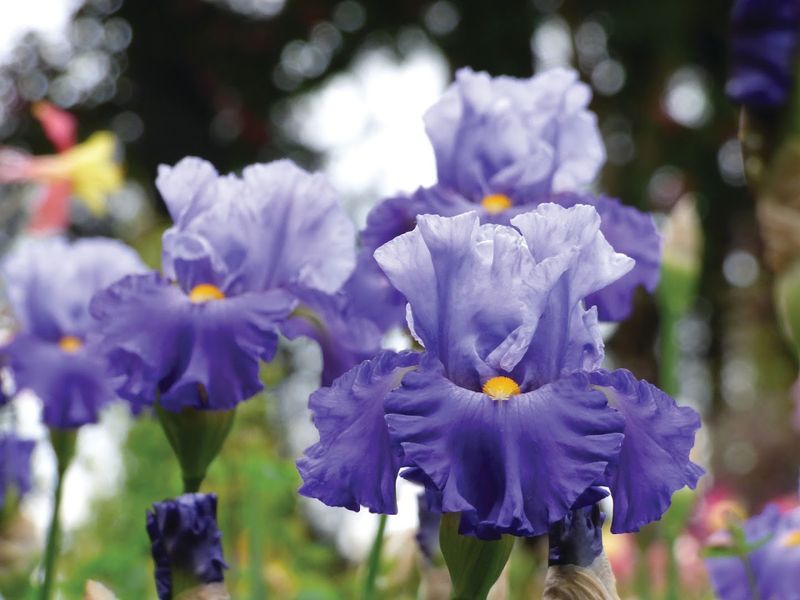
The variety count at Schreiner’s Gardens is the kind of statistic that makes serious gardeners go a little wide-eyed.
The farm grows and displays hundreds of distinct iris cultivars, ranging from classic tall bearded types to rarer forms in colors and patterns that seem almost too intricate to be natural.
New introductions are debuted each season, and some of the most exciting varieties visible in the display gardens are not yet available for purchase.
That creates a delicious kind of anticipation, knowing that what you are admiring today might become available to grow at home in a future season.
Bicolor irises with contrasting falls and standards are particularly popular, and the farm offers cultivars in combinations that go far beyond the standard purple-and-yellow palette most people associate with the flower.
Ruffled edges, lace-like textures, and almost iridescent color shifts make certain varieties stop visitors mid-stride.
For anyone who loves plants, this level of diversity is genuinely rare to find in one place. Oregon gardeners have benefited from having such a resource practically in their backyard for generations.
Taking The Beauty Home
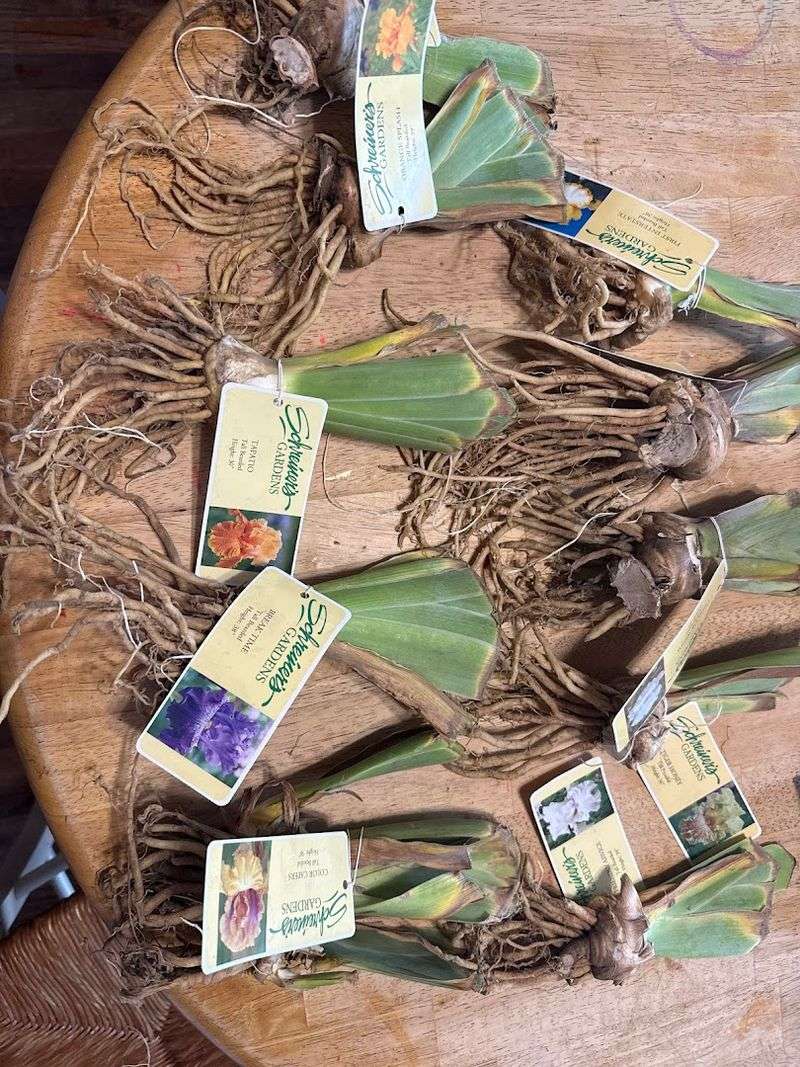
One of the most satisfying parts of a visit is the chance to bring a piece of the garden home. Schreiner’s Gardens sells iris rhizomes and select potted plants, allowing visitors to recreate at least a small version of what they have just experienced in their own backyard.
The rhizomes are field-dug and shipped directly from the farm to preserve plant health, which means in-person availability is somewhat limited to certain varieties in pots.
Most ordering happens online or through catalogs, with fall being the primary planting season for irises.
The quality of the rhizomes is something customers consistently praise. Plants arrive with robust root systems and clear labeling that makes identifying and planting each variety straightforward, even for gardening beginners.
The gift shop also stocks bouquets of cut irises, which make for a beautiful and affordable souvenir.
For those who fall hard for a particular variety during their visit, writing down the name is strongly recommended.
Popular cultivars can sell out quickly after bloom season ends, and nothing stings quite like missing out on your new favorite flower.
Practical Tips For A Perfect Day
A little preparation goes a long way toward making a visit to Schreiner’s Gardens truly memorable. The busiest days tend to be sunny weekends in mid-May, so arriving early helps secure parking and gives more time to explore before the crowds build up.
Allergy sufferers should be aware that the pollen levels can be significant when thousands of irises are in full bloom simultaneously. Bringing antihistamines is a practical step that many visitors wish they had thought of in advance.
Entry fees apply for adults, while children under a certain age typically get in free, making it an accessible outing for families watching their budget.
Comfortable walking shoes are a must, especially if the plan includes exploring the full extent of the fields. Oregon weather can shift unexpectedly in spring, so a light jacket tucked into a bag is worth the minimal effort.
The gift shop, food trucks, and vendor tents round out the experience and make a full half-day or longer visit feel completely worthwhile.