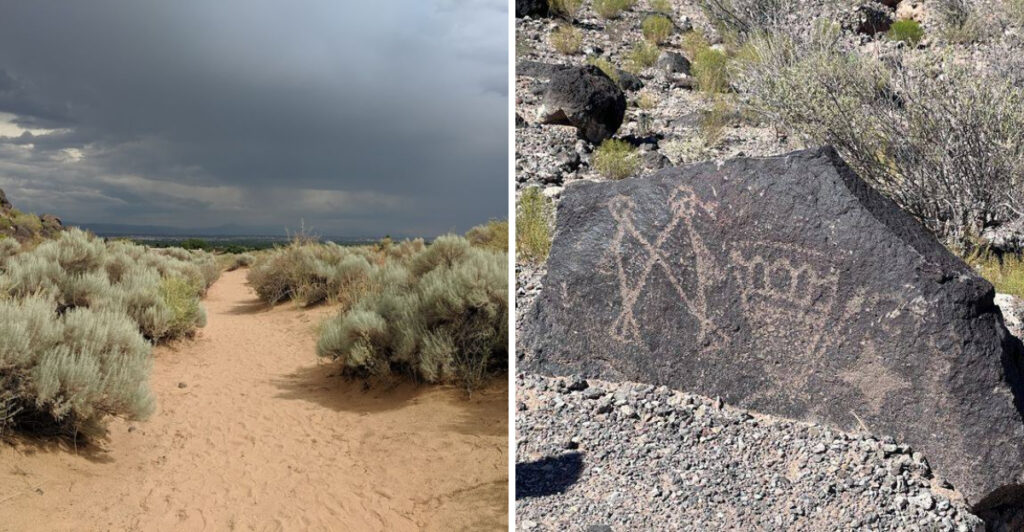
You might drive near this place and never guess what is sitting on the western edge of a desert city. Then you step onto the trail, look at the volcanic rock, and realize the desert has been holding a record of human life in plain sight.
The carvings are everywhere once your eyes adjust. Birds appear beside footprints.
Faces sit near shapes that feel familiar, then mysterious. Across 17 miles of basalt cliffs, there are roughly 24,000 to 25,000 images, created over time by Native communities, including Ancestral Pueblo people, with marks from early Spanish settlers.
It is not loud history. It does not perform for you.
You have to meet it halfway.
That is what makes it stick. New Mexico can give you big skies all day, but here the ground has something to say too.
Take your time, look closely, and let the stones pull you in slowly.
Ancient Marks On Volcanic Stone
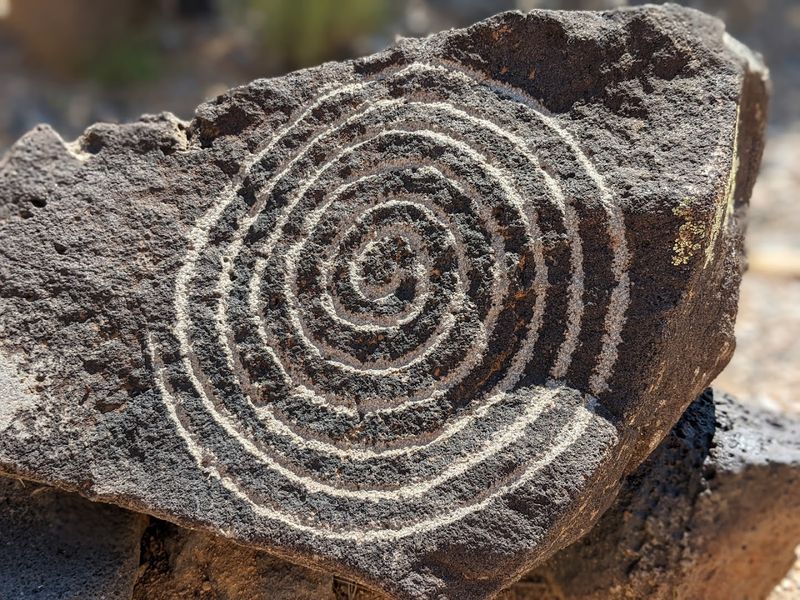
A dark basalt boulder covered with carved images can stop you in your tracks, especially when you realize how many centuries of human presence are held on its surface.
The petroglyphs here were made by pecking through the dark “desert varnish” coating on the surface of basalt rocks, revealing the lighter stone underneath, and the contrast is striking even after all these centuries.
Some of the oldest carvings at this site may date back roughly 3,000 years, which means people were leaving their mark here long before most of the world’s famous monuments were even conceived.
The majority of the images were created between AD 1300 and the late 1680s, a period of intense cultural activity across the region.
Spirals, animals, human figures, and symbols that researchers still debate fill the rock surfaces in ways that feel both mysterious and deeply personal.
On the trail, I kept thinking about the hands that held the tools, the people who chose this specific stone on this specific day to record something they felt mattered.
You can find this living record of human creativity at Petroglyph National Monument’s Visitor Information Center at 6510 Western Trail NW, Albuquerque, NM 87120.
Desert Trails With Timeless Views
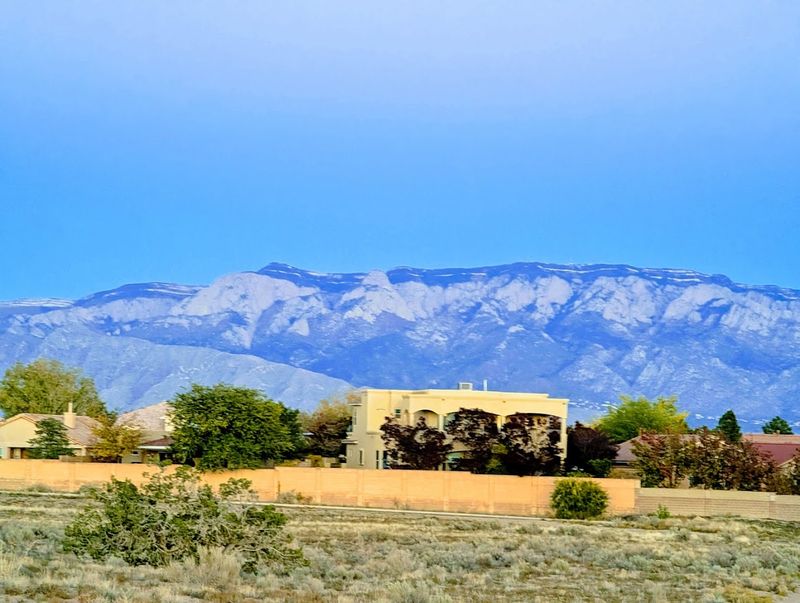
Few hiking experiences match the feeling of a trail where the scenery shifts from city skyline to raw volcanic landscape within just a few hundred steps.
The monument offers several trails across different areas, and each one delivers its own personality, from the shorter paths at Boca Negra Canyon to the longer, more rugged routes through Rinconada Canyon.
Visitors consistently praise the panoramic mountain views that frame the hikes, and I can confirm that the Sandia Mountains rising to the east make for a dramatic backdrop that photographers will want to plan around.
Trails range from short and easy to moderately challenging, so there is genuinely something here for most fitness levels, though some sections do involve uneven terrain and jagged volcanic rock.
Boca Negra Canyon is open daily from 8:30 AM to 4:30 PM, while Rinconada Canyon, Piedras Marcadas Canyon, and the Volcanoes Day Use Area follow different access and parking hours.
A hat and plenty of water are not just recommended here, they are practically a survival strategy on a sunny New Mexico afternoon.
Every trail rewards patience with something unexpected just around the next boulder.
Symbols Scattered Across The Mesa
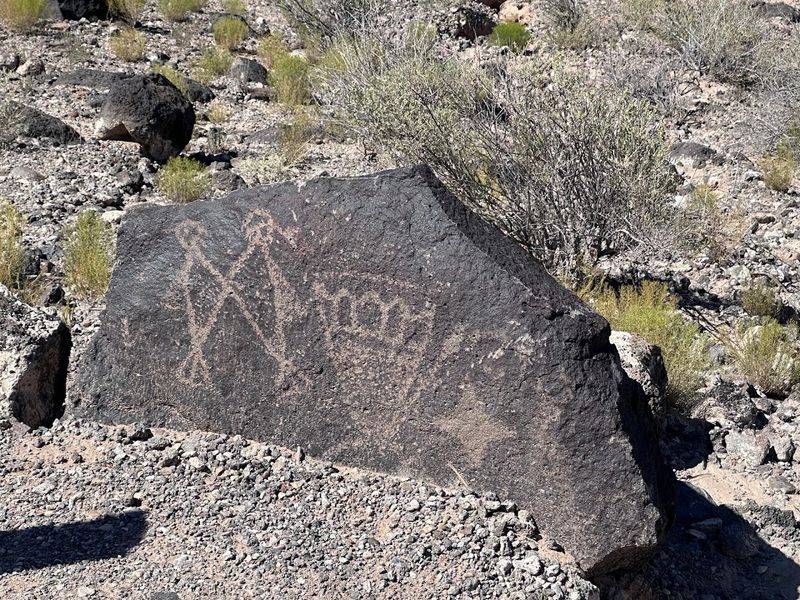
The scale of this monument is the first thing that really surprises you. About 25,000 petroglyph images are spread across 17 miles of volcanic escarpment, which is not something you can fully absorb in a single visit.
The symbols range from recognizable animals like birds and deer to abstract geometric shapes and human-like figures that researchers call anthropomorphs, and every trail section reveals a different mix of imagery.
What struck me most was how the carvings are not clustered in one tidy spot but rather scattered organically across the mesa, as if the artists were responding to the rock itself, choosing surfaces that spoke to them.
Interpretive signs along the trails provide context about cultural significance and possible meanings behind the motifs, which adds genuine depth to what might otherwise feel like a simple walk.
The visitor center is worth stopping at before hitting the trails because the maps and background information genuinely change how you see the carvings.
A petroglyph tucked into a shadowed crevice can feel a little like winning a scavenger hunt, except the prize is a direct connection to someone who lived here centuries ago.
A Quiet Walk Through Rock Art
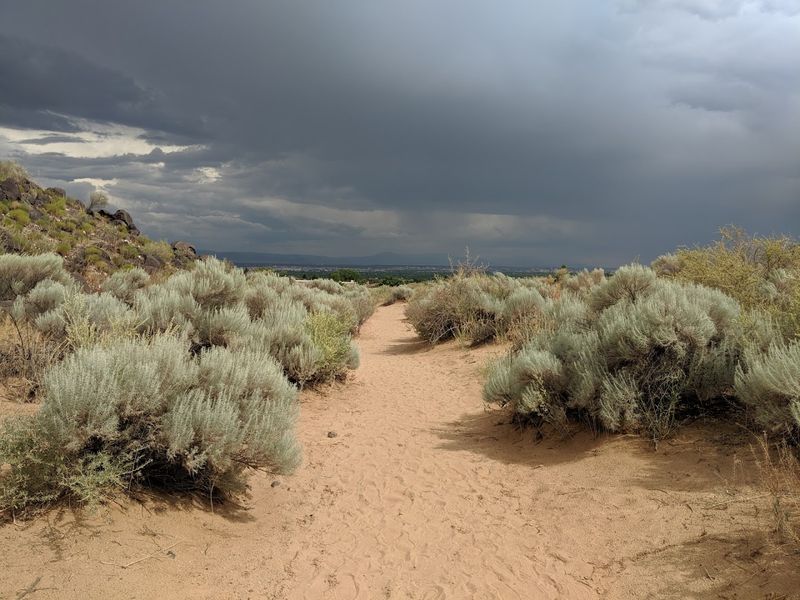
A trail like this can feel meditative, with the wind, your own footsteps on volcanic rock, and the occasional rustle of a jackrabbit darting between boulders filling the quiet.
Visitors have spotted coyotes and jackrabbits along the trails, and the wildlife sightings add an unexpected layer of life to a landscape that might otherwise feel purely ancient and still.
The trails are primarily self-guided, which means you set your own pace and spend as long as you want in front of any carving that catches your eye, and trust me, plenty of them will.
Boca Negra Canyon is a popular starting point and features around 100 petroglyphs along trails most visitors can experience in about an hour.
The monument is free to visit, making this one of the most accessible cultural experiences in the entire Southwest.
Vault restrooms are available near some trailheads, and shaded rest areas provide welcome relief on hot days, so the practical needs of visitors are thoughtfully covered.
I left this place feeling quieter inside than when I arrived, which is exactly the kind of thing a good walk through history can do to a person.
Basalt Cliffs Under Open Skies
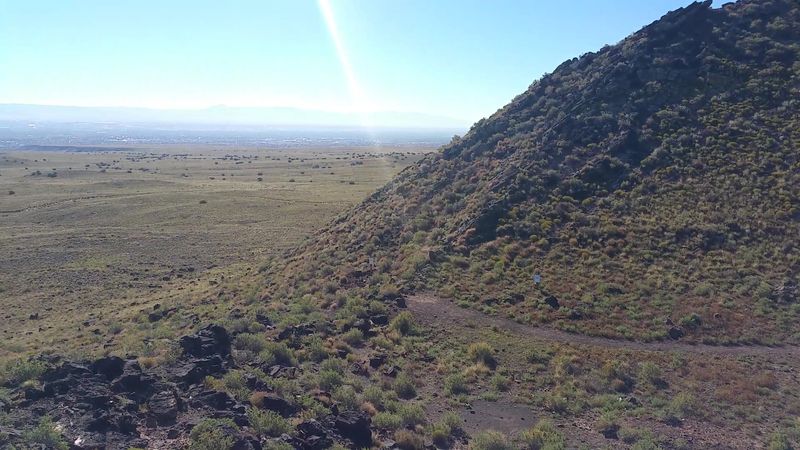
The geology here is just as compelling as the human history, and the two are so intertwined that you really cannot appreciate one without the other.
Ancient volcanic activity shaped the West Mesa landscape, creating the basalt escarpment, lava flows, and volcanic cones that now define this rugged stretch of Albuquerque’s western edge.
At the base of the basalt escarpment, the cliffs feel ancient in a way that goes beyond the carvings, as if the rock itself is broadcasting its age through every weathered surface.
The monument stretches 17 miles along this volcanic feature, making it one of the largest petroglyph sites in all of North America, a fact that genuinely surprised me when I first read it.
The Volcanoes Day Use Area offers trails around several volcanic cones, but it does not offer petroglyph viewing, so it is best treated as a separate stop for scenery, geology, and wide-open views.
Under the enormous high-desert sky, the black rock and the carved symbols create a visual contrast that no photograph fully captures, though I certainly tried my best with every angle I could find.
High Desert Paths And Hidden Carvings
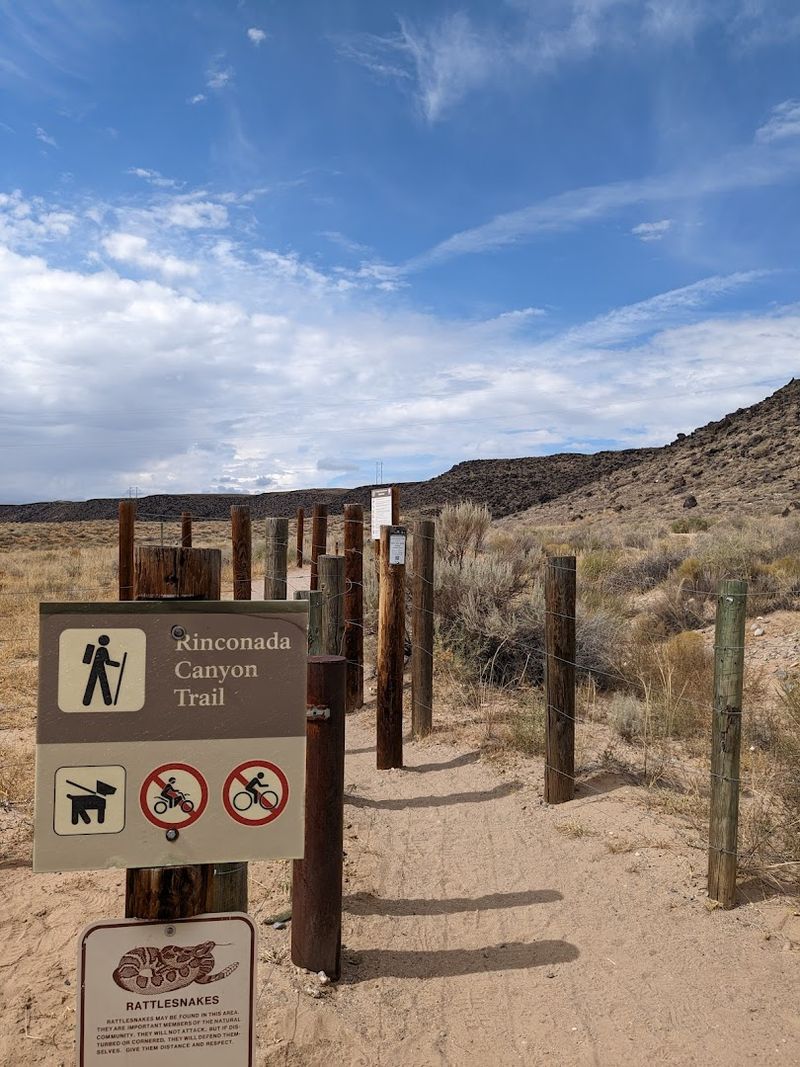
Part of what makes exploring this monument so addictive is the hunt. The petroglyphs are not always announced by big signs or roped-off viewing areas, so finding them requires you to slow down and actually look.
That scavenger-hunt feeling captures the experience better than any polished description, because the reward of spotting a well-camouflaged carving on your own feels genuinely earned.
The high desert terrain keeps you alert, since the paths involve stepping over uneven lava rock, navigating narrow sections, and occasionally scrambling up short slopes, all of which adds to the sense of real exploration.
Rinconada Canyon offers one of the longer trail experiences in the monument, with a 2.2-mile loop and about 300 petroglyphs, making the extra distance well worth the effort for anyone with a full morning to spare.
Wildlife encounters are part of the package here, and I spotted a coyote trotting casually between rock formations as if it owned the place, which it probably felt it did.
Trail and parking hours vary by area, so it is smart to check current access details before you head out.
Hidden carvings have a way of revealing themselves to those patient enough to keep looking.
Where Culture Meets The Landscape
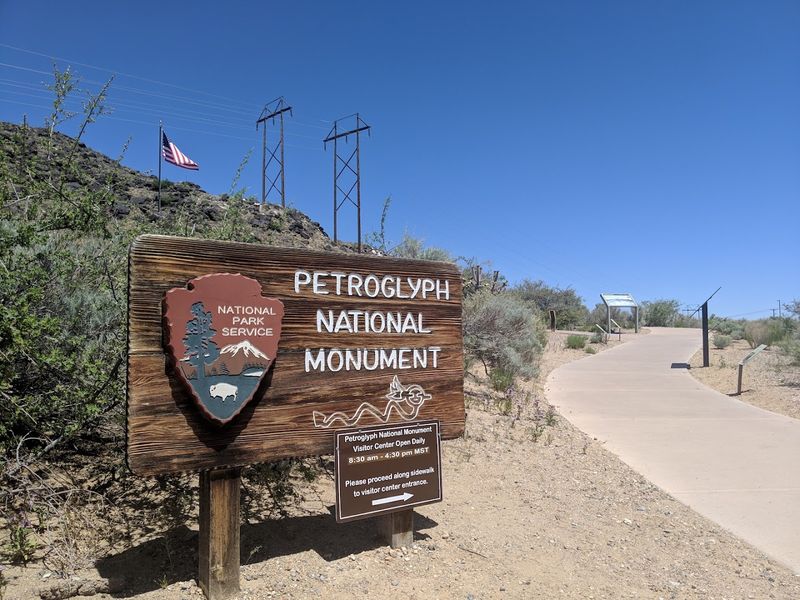
The cultural weight of this place is something you feel before you fully understand it, a quiet reverence that settles over the trails even when other visitors are nearby.
The petroglyphs here were created by Ancestral Pueblo peoples, other Native American groups, and early Spanish settlers, making this one of the few sites where multiple cultural traditions are literally carved into the same landscape side by side.
For contemporary Pueblo peoples and other Native American tribes, these images are not historical artifacts in the distant academic sense but living expressions of spiritual identity and connection to the land that their communities continue to honor today.
The monument was established on June 27, 1990, and covers 7,236 acres cooperatively managed by the National Park Service and the City of Albuquerque, a partnership that reflects how seriously both organizations take the site’s preservation.
Interpretive signage throughout the trails does an excellent job of presenting multiple cultural perspectives without reducing the carvings to simple tourist curiosities, and I appreciated the thoughtfulness behind that approach.
That awareness changes the experience from sightseeing to something closer to listening, as if the rock faces are still mid-conversation and you have just arrived at a very important moment in the dialogue.
Rugged Views Along Sacred Stone
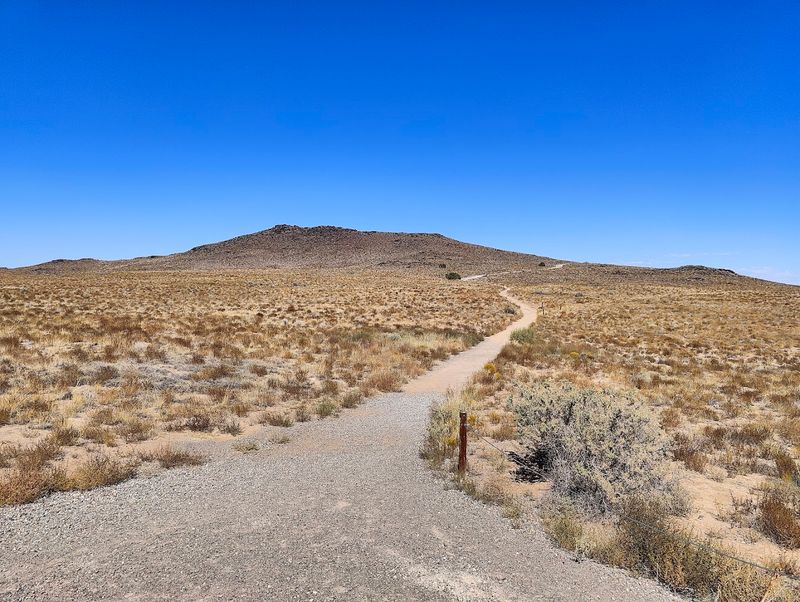
This monument earns its reputation not through polished amenities but through raw, honest beauty that keeps drawing people back.
The combination of rugged volcanic terrain, wide desert vistas, and the Sandia Mountains anchoring the eastern horizon creates a visual experience that feels genuinely cinematic, especially in the early morning when the light is soft and the shadows on the basalt run long and dramatic.
The Visitor Information Center offers maps, educational exhibits, a park store stocked with thoughtful souvenirs, and useful background that sets a positive tone before you even hit the first trail.
Parking areas are spread across the monument’s different sections, so driving between areas like Boca Negra Canyon and the northern trails is part of the experience, and the neighborhoods and gas stations in between give the whole place an interesting urban-meets-wilderness character.
For anyone with mobility challenges, Boca Negra Canyon has a shaded patio with a view scope, though the trails themselves vary in difficulty and may not be accessible.
By the end, I understood why this sacred stone can make every minute feel too short.