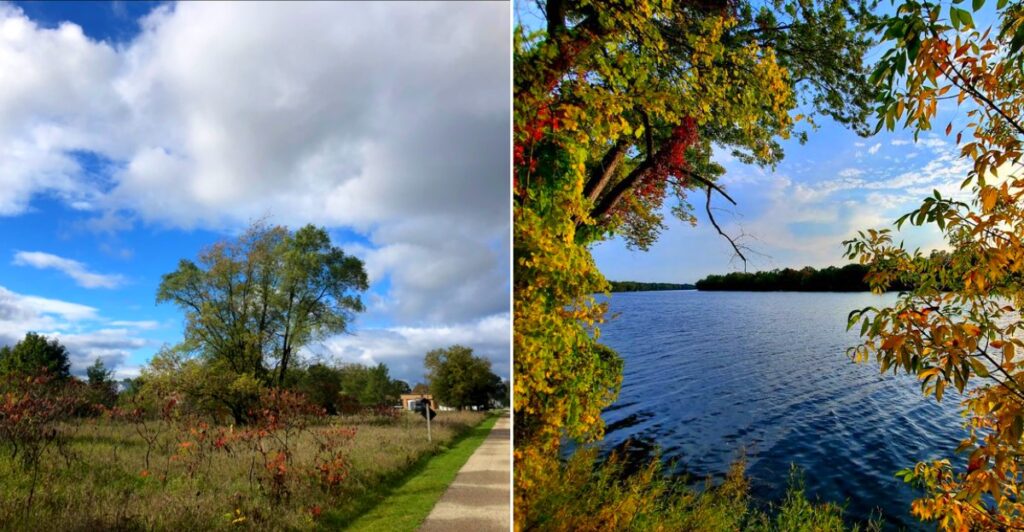
Ninety-two miles of trail sit on an old railroad bed, and almost all of it is paved. That makes it the longest single paved trail in Michigan. It also ranks third longest in the whole country.
One ribbon of asphalt ties together 15 towns and cities. The route runs from the Grand Rapids area all the way north to Cadillac. Farms, woods, and main streets take turns showing up along the way.
One trailhead sits right in the middle of the action. It gives riders, walkers, and skaters an easy place to start or take a break. You can roll north or south and still find a small town ahead.
There’s no friendlier way to see this part of the state. Which direction would you pick first?
Ninety-Two Miles Means You Can Pick Your Own Adventure
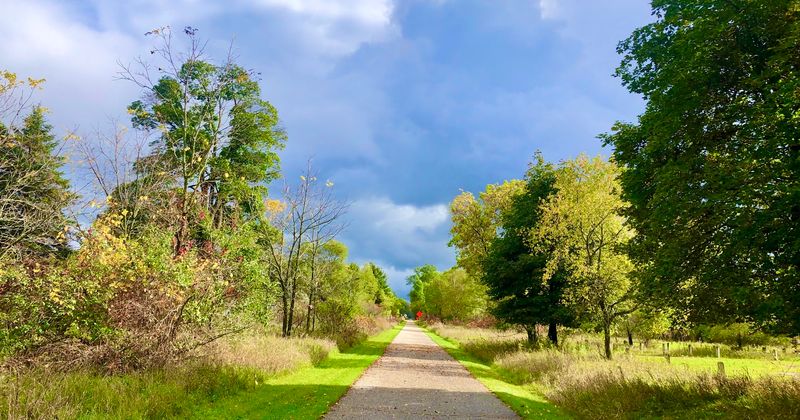
Here’s a number that makes cyclists grin: 92 miles. That’s the full length of this linear state park across Michigan’s Lower Peninsula. It stretches from the Comstock Park area near Grand Rapids north to Cadillac.
Nobody says you have to tackle all of it at once. Plenty of trail fans break it into chunks over several trips. A short out-and-back from the Big Rapids trailhead can be just as rewarding as a marathon day.
The trail also holds bragging rights. It’s Michigan’s longest single paved trail and the third longest in the United States. Telling friends you rode part of it sounds pretty impressive.
For a beginner, start small. Try a few miles out, then turn around while your legs still feel fresh. Remember that every mile out is another mile back.
Stronger riders might plan a point-to-point trip with a pickup car waiting at the other end. That trick lets you cover more ground without doubling the distance. Either style works, and the trail patiently waits for whatever pace you bring.
The Old Depot Is Your Starting Signal
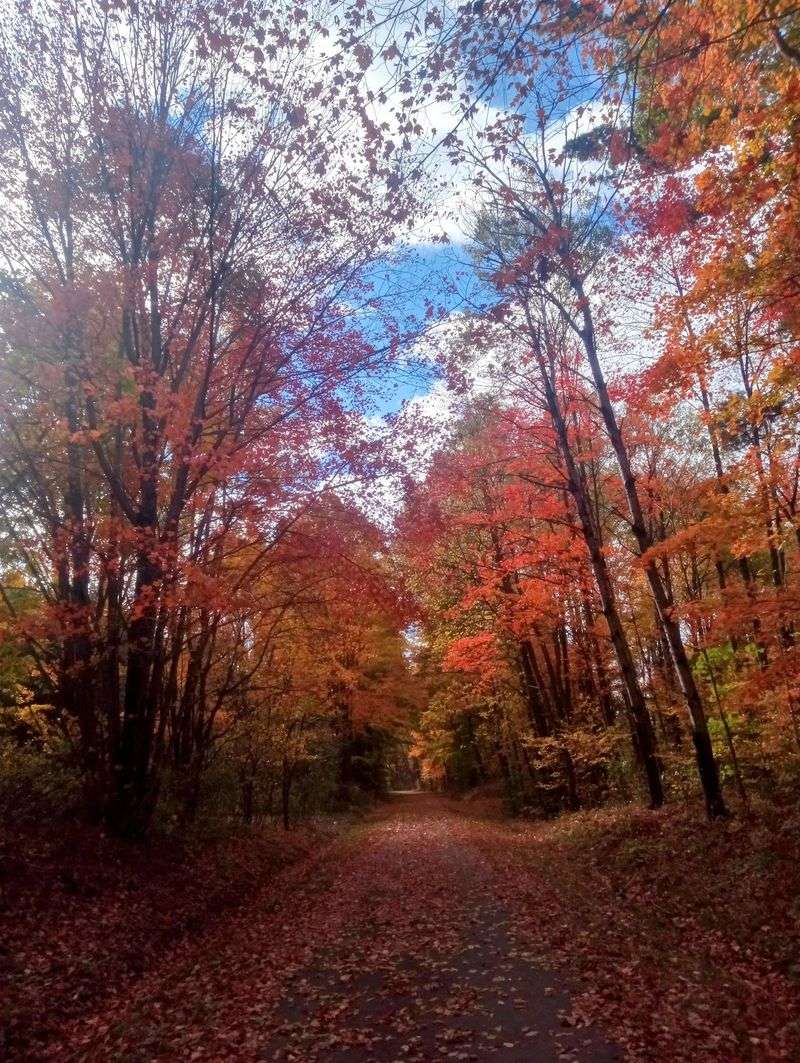
The Fred Meijer White Pine Trail crosses western Michigan, connecting Comstock Park with Cadillac. A convenient central starting point is the Big Rapids depot trailhead, reached via US Highway 131 at Exit 139 and M-20 east through downtown.
After crossing the Muskegon River, continue straight through the traffic light to the former railroad depot staging area. That old rail corridor is the clue that you have found the paved trail rather than a city sidewalk.
Use the designated trailhead area where parking is available, then join the trail on foot or bicycle. Check current Michigan DNR trail notices before planning a longer ride.
Flat Ground Makes Everyone Feel Like An Athlete
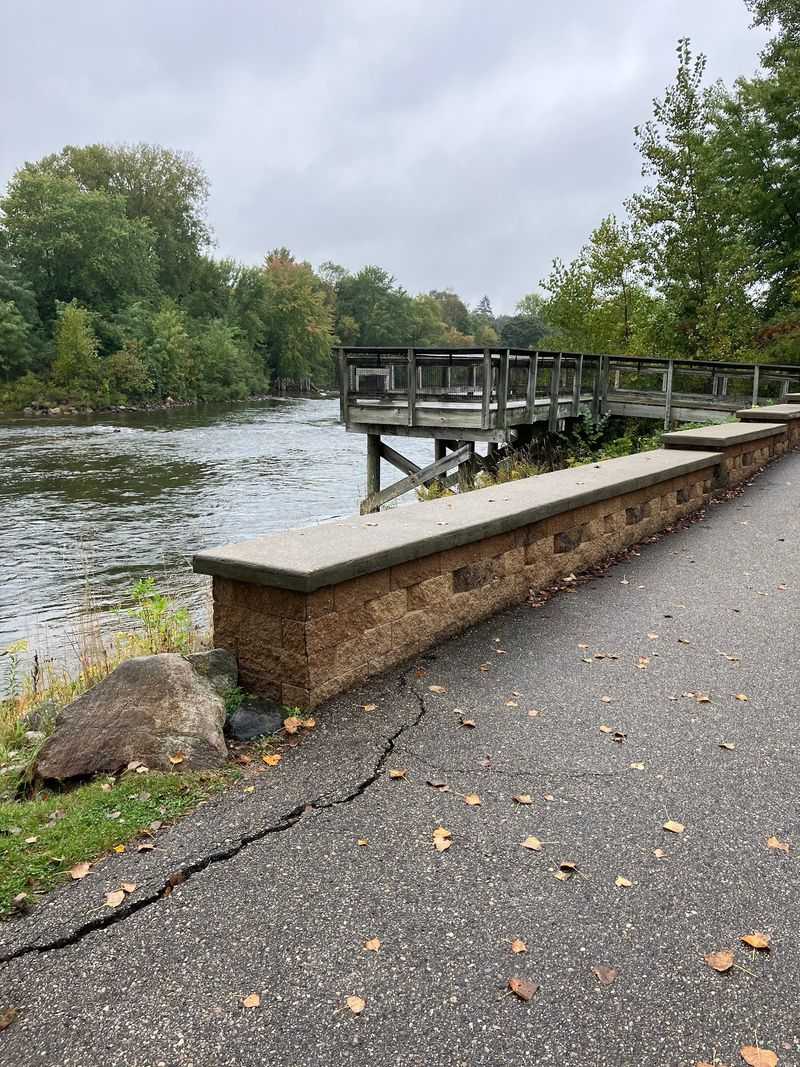
Railroads hate steep hills, and that’s great news for you. Trains needed gentle grades, so the old rail bed stays mostly flat. That makes the Fred Meijer White Pine Trail State Park friendly for a wide range of people.
The trail is designed to be ADA compliant, with gentle grades along its length. That opens the door for many visitors who might skip a rugged hiking path. Strollers and wheelchairs have a much easier time on smooth, level ground.
Families with younger kids can relax a bit too. Nobody has to push a bike up a monster hill while complaining loudly. Small legs can keep a steady pace and still enjoy the scenery.
Flat doesn’t mean boring, though. The trail shifts from tree-lined stretches to open country and back into town. Your eyes stay busy even when your legs don’t work very hard.
Still, take breaks and pace yourself. Long, flat rides can sneak up on you because they feel easy. Pack snacks, sunscreen, and plenty of water, and you’ll finish smiling instead of groaning.
Bikes, Skates, Or Sneakers Are All Welcome Here
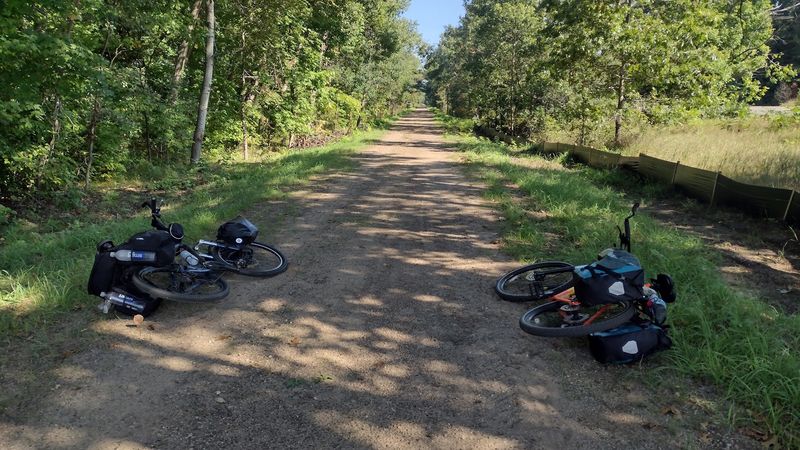
Got wheels? Great. Got running shoes? Also great.
Biking, walking, running, and in-line skating are all welcome on this paved trail. The smooth surface makes it easy to choose whatever activity fits your mood. One day might be a speedy bike ride, while another could be a slow evening stroll.
Runners get a steady path without dodging car traffic. Walkers can take their time and actually notice the scenery. Skaters get a long, open surface, which is rarer than you’d think.
Sharing is part of the deal, so trail manners matter. Stay to the right and pass on the left. A friendly heads-up before passing helps everyone stay calm and safe.
Some older sections can feel bumpy in spots, while newer paving rides much smoother. Skaters and riders with skinny tires should keep an eye on the surface ahead. Wider tires handle rough patches more comfortably.
The trail is non-motorized during the warmer months, which keeps things peaceful. You’ll hear birds and wind more than engines. That calm feeling might be the best part of all.
Small Towns Pop Up Just When You Need A Break
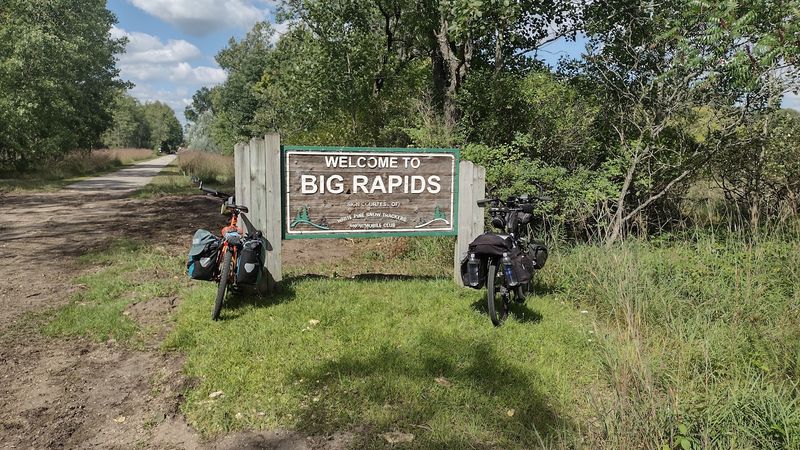
Fifteen towns and cities line this route. That’s a lot of chances for a snack break, a restroom stop, or a quick look around.
Each community adds its own flavor to the ride. Many offer dining, lodging, and local attractions within reach of the trail. You can turn a simple bike day into a mini road trip without a car.
Big Rapids is one of the notable trail towns along the way. Heading south, riders eventually reach places like Howard City, Cedar Springs, and Rockford. Head north instead, and Reed City and Cadillac wait farther up the line.
Planning stops ahead makes everything smoother. Look up which towns have food or water near the trail before you leave home. Not every stretch has drinking water close by.
A good strategy is to pick a lunch town as your turnaround point. That gives your ride a goal and a reward. Nothing motivates tired legs quite like knowing a sandwich is waiting.
Small-town stops also let you rest without feeling rushed. Stretch, refill, and then roll on.
Countryside Views Stretch Out Between The Stops
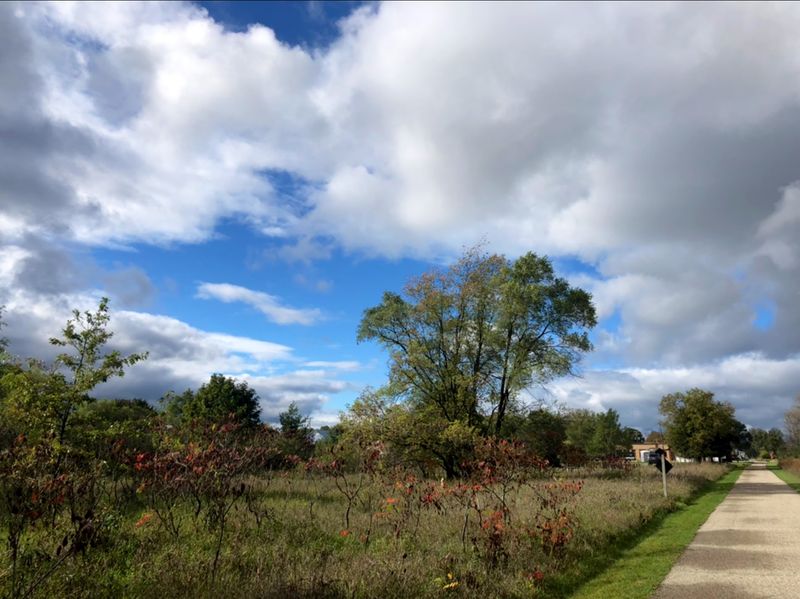
Between the towns, the scenery takes over. The trail rolls past woods, open fields, and quiet rural stretches of West Michigan.
That mix keeps the ride interesting. Shady tree tunnels can switch to wide-open farm views in a few minutes. Every bend shows a slightly different side of the countryside.
The path follows the old railroad corridor, so it often feels tucked away from busy roads. You’ll still cross some streets, though. Slow down at crossings and watch carefully, since drivers may not expect trail users.
Bring a camera or phone for photos. Golden evening light over farm fields can look especially pretty. Early mornings may bring cooler air and calmer stretches.
Spring and summer paint the trail green. Fall brings warmer colors to the trees along the corridor, which makes a ride feel extra cozy.
Remember that rural stretches can be long between services. Carry a basic repair kit and a spare tube. A flat tire miles from town is a lot less dramatic when you’re ready for it.
Thank A Grocery Legend For This Trail Name
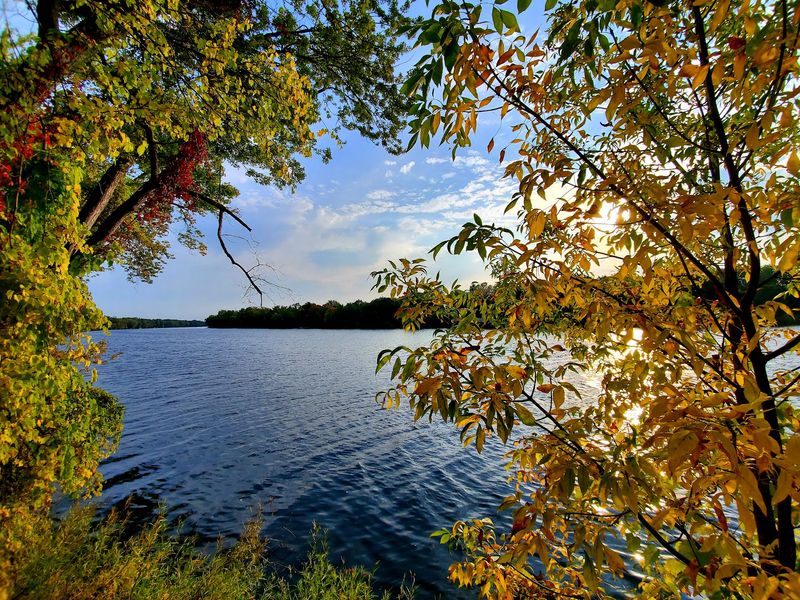
Yes, that Meijer. The trail carries the name of Fred Meijer, the Michigan businessman connected to the well-known grocery and retail chain.
His name now appears on this long state park trail. It’s a fun fact to share with whoever is riding beside you. Most people know the store, but fewer know about the trail.
The Fred Meijer White Pine Trail State Park is managed as a linear state park. That’s a fancy way of saying the park is long and skinny instead of wide and round. It’s a park you travel through rather than wander around.
The trail’s roots go back to the Grand Rapids and Indiana Railroad. Old rail lines like this one became perfect paths once trains stopped running. The flat, connected corridor was already there, waiting for new travelers.
Knowing the backstory makes the ride feel richer. You’re pedaling on a route that once moved freight and passengers across Michigan. Now it moves families, runners, and weekend explorers.
Not bad for an old railroad bed. History rarely gets this much fresh air.
Winter Turns Part Of The Route Into Snowmobile Country
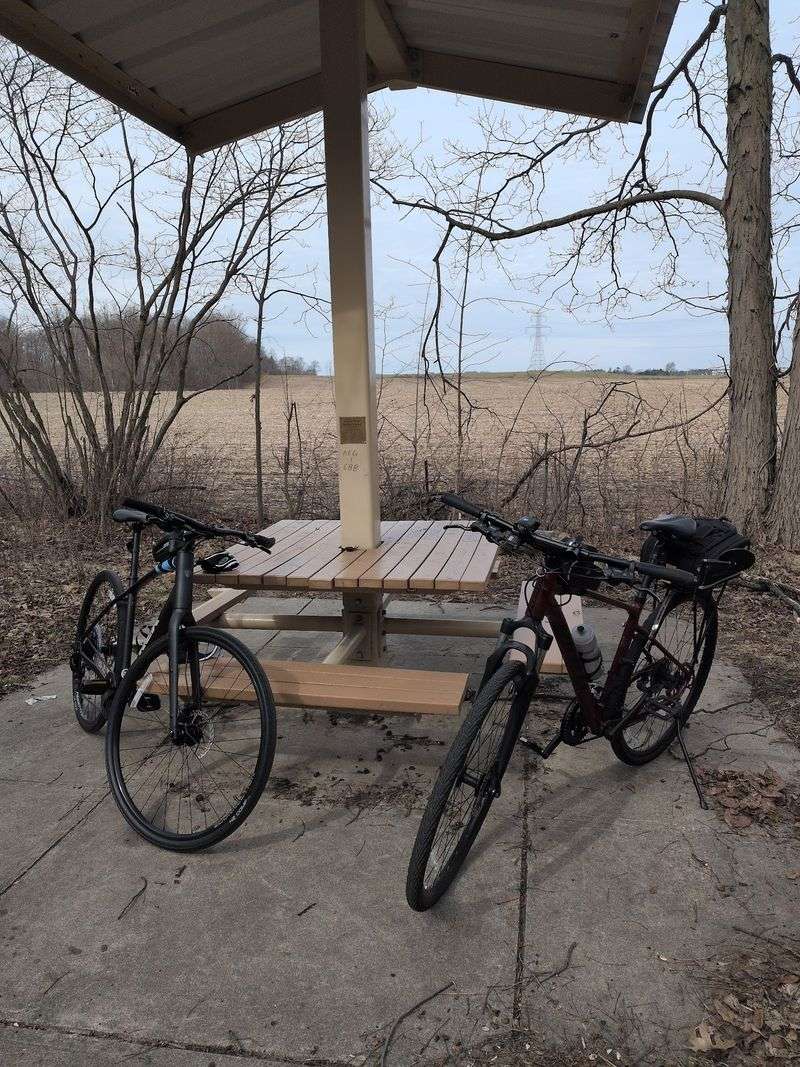
Snow doesn’t shut this trail down. The park stays open year-round, and winter brings a whole new personality.
From Russell Road north to Cadillac, snowmobiling is allowed when there’s at least six inches of snow. That section becomes a winter route for sledders exploring northern Michigan. It’s a big change from the quiet summer bike scene.
The Big Rapids Depot Trailhead, at 100 Maple Street, Big Rapids, Michigan 49307, makes a handy reference point for planning. Check current trail conditions before any winter trip. Snow depth and rules can affect which uses are allowed.
Walkers who love cold weather can still enjoy parts of the corridor. Dress in layers and wear boots with good grip. Snowy trails look peaceful, but icy patches can surprise you.
Shorter daylight hours matter too. Plan to finish before dark, since winter afternoons fade quickly.
Winter visits offer a different kind of beauty. Bare branches and white fields make the countryside feel calm and wide open. A thermos of hot cocoa back at the car makes the whole outing even better.
A Few Smart Tips Will Make Your Visit Smoother
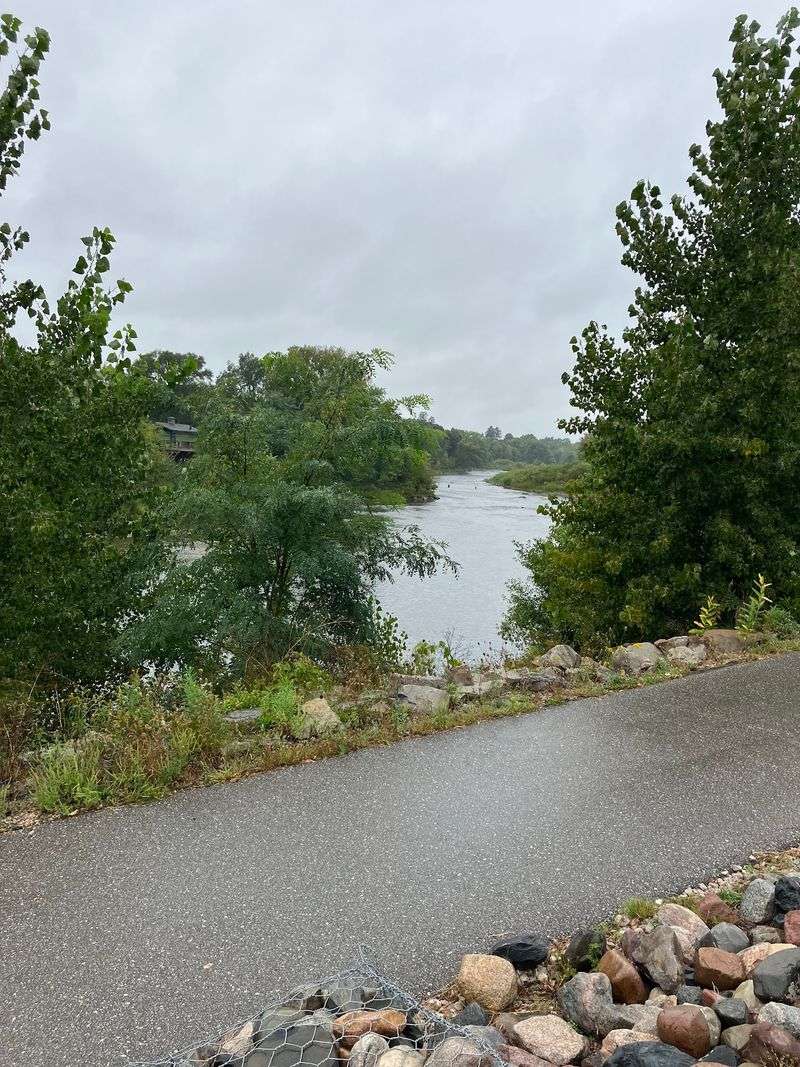
Good news first: the trail is open 24 hours, every day of the week. That flexibility makes it easy to fit a ride into a busy schedule.
Daylight is still your best friend, though. Riding in the morning or afternoon gives you better views and safer road crossings. Bring lights if a ride might stretch toward evening.
Water is a big deal on long rides. Some towns offer drinking water near the trail, while others don’t. Carry more than you think you need, especially on hot days.
Surface conditions can vary between sections. Newly paved parts feel smooth, while older stretches may have bumps or cracks. Wider tires and a little patience go a long way.
Lock up valuables or leave them at home. Keeping your car tidy and your gear out of sight is simple good sense at any trailhead.
Finally, check for construction updates before you head out. Paving projects sometimes cause detours. A quick look online saves surprises and keeps your Michigan trail day rolling happily from start to finish.