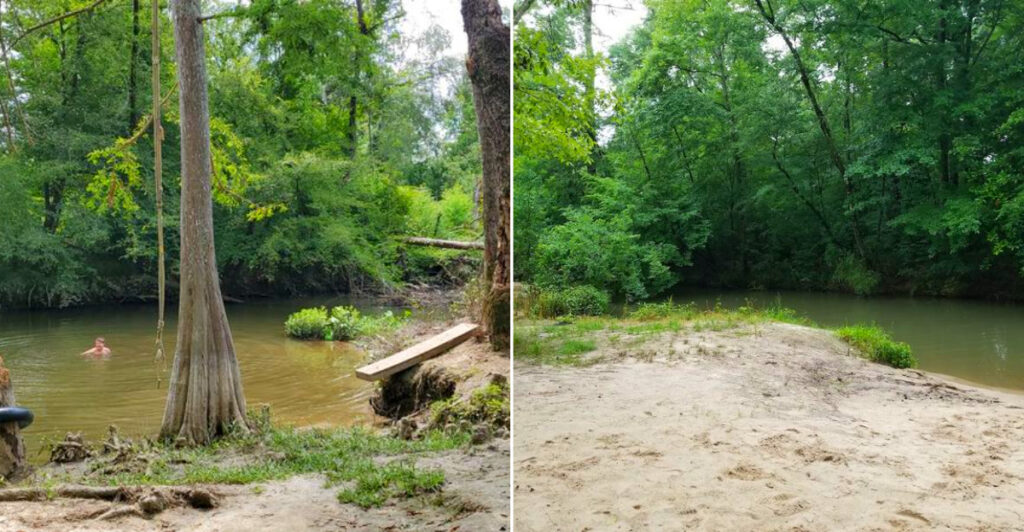
Turning off the highway onto a road that narrows between pines is the first sign you are heading somewhere most people drive past without knowing it exists. The swimming holes along this creek feel like they belong to a different state entirely.
The water arrives clear enough to see the sandy bottom, cool enough to reset a hot afternoon, calm enough that kids can wade without parents holding their breath. Overhead branches filter the sun into columns that shift as the afternoon moves.
Campsites cluster near the waterline with nothing between the tent and the creek but a few feet of sand. Traffic disappears within minutes, replaced by water over rock, wind through pine needles, the kind of quiet that makes you realize how loud everywhere else has been.
Louisiana hides swimming spots like this along creeks that most maps do not bother naming, which is exactly how the people who love them prefer it.
Quiet Creekside Arrival
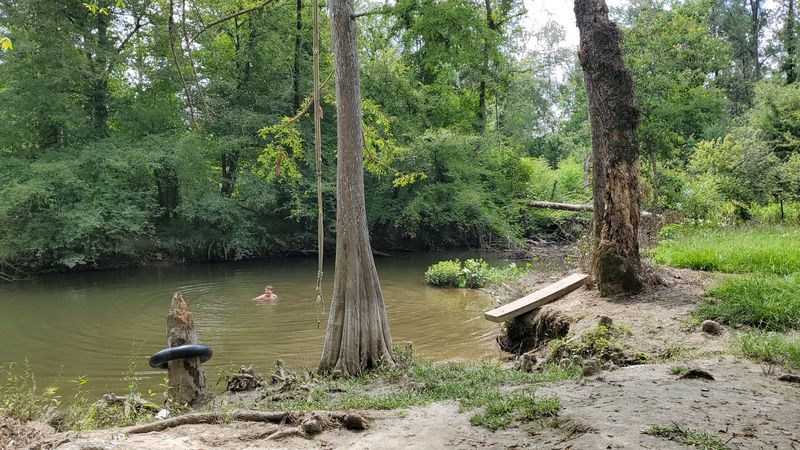
The first step is noticing how the place announces itself by silence rather than fanfare. You pull off LA Highway 165 onto a narrow lane and the sounds of traffic fade; only the rustle of leaves and distant birds remain.
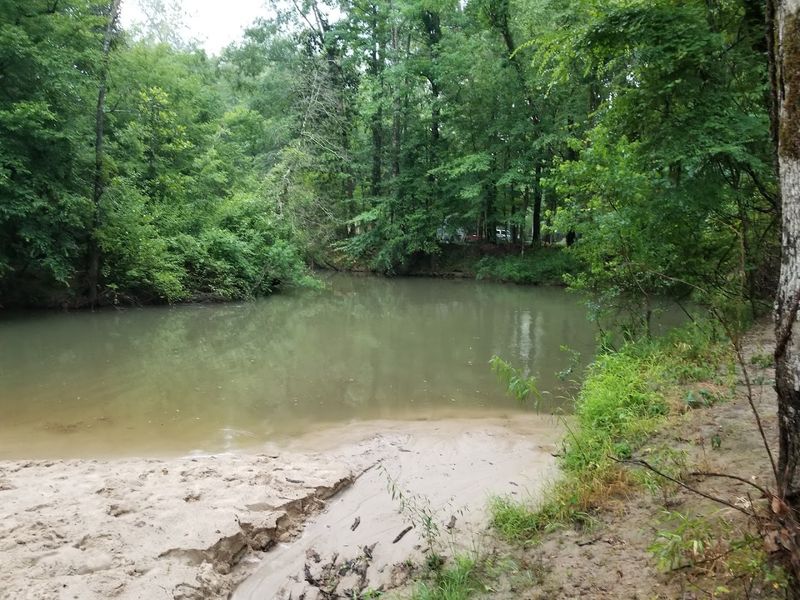
The bank here is low and grassy, with roots cradling the edge of the clearish water.
Approach slowly and you’ll find small sandy pockets and exposed tree roots that make footing interesting but manageable. Expect uneven ground and modest privacy; this is not a manicured city park but a local nook where people arrive for quiet swims and reflection.
Leave the place as you found it.
Leave Highway 165 Where The Pines Start Closing In
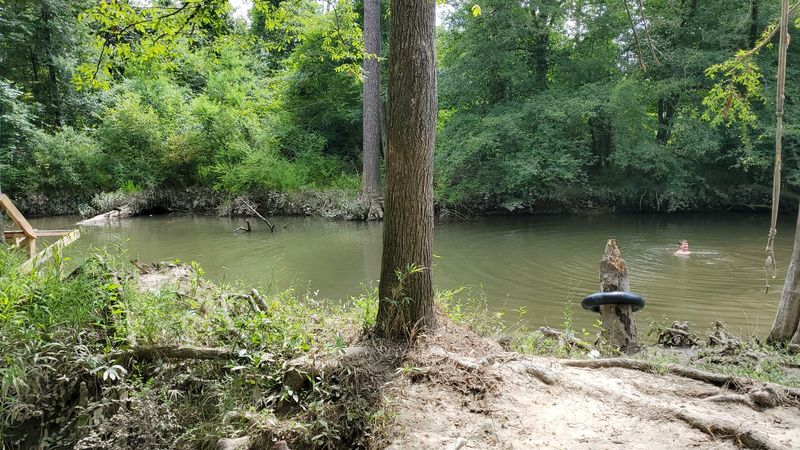
Spring Creek at Shady Nook lies just off Louisiana Highway 165 between Glenmora and Forest Hill, Louisiana. The drive follows a quiet rural corridor where traffic thins out and pine forest begins replacing towns and storefronts.
Approaching from either direction, stay on Highway 165 and watch carefully for local signs or the turnoff toward Shady Nook. Since there is no standard street address, navigation can become less precise once you leave the highway.
The last stretch follows smaller country roads toward the creek. Slow down, keep the map open, and look for familiar landmarks or posted directions as the pavement gives way to a more secluded Louisiana setting.
Shady Banks And Vegetation
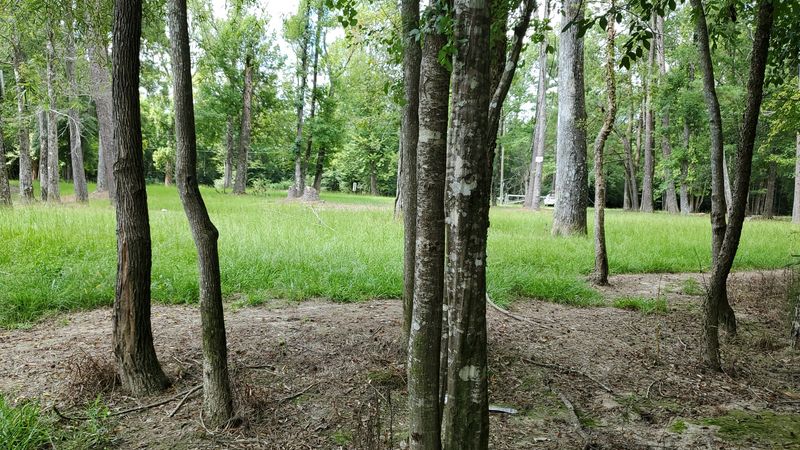
The banks are dominated by cypress, oaks, and low palmetto-like growth that curves toward the water, creating natural shade for most of the day. A canopy of leaves keeps temperatures pleasantly cooler than the surrounding open fields, and you notice dappled light moving slowly across the surface.
Vegetation is thick in spots, so the creek feels sheltered and private even when others might be nearby.
Roots and fallen limbs form little alcoves and perches, perfect for sitting and listening. Respect the plant life by staying on clear paths and avoiding trampling understory plants.
That small bit of care helps maintain the shade and keeps the spot inviting for others who come looking for quiet.
Seasonal Weather Notes
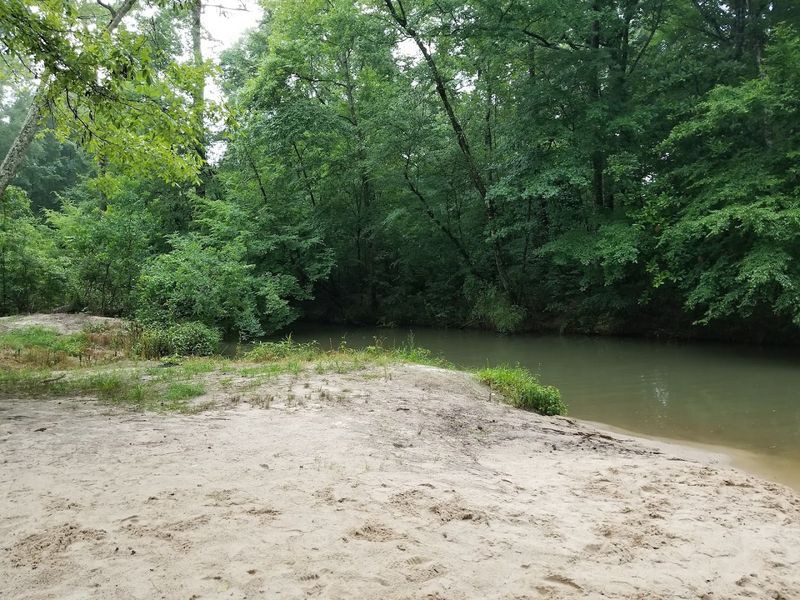
Seasonality shapes the experience at Spring Creek more than any single amenity. In spring and early summer the water runs steadier and banks are lush; by late summer water levels can dip and some sandy bars emerge.
Warmer months also bring more families, so arriving earlier in the day can make it easier to find a peaceful stretch of shoreline. After heavy rain the creek swells noticeably and currents strengthen for a day or two, so timing matters if you plan to swim or wade safely.
Fall brings crisp mornings and a different color palette as understory plants change, while winter lowers expectations for a long swim but rewards quiet walks. Cooler weather can also make the trails more comfortable and reduce insects around the water.
I usually check recent local weather and avoid visiting right after storms to reduce exposure to higher flows, floating branches, and debris.
How Locals Use The Spot
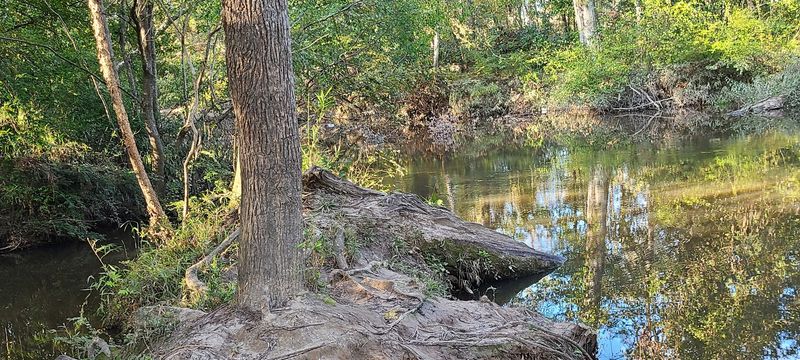
Locals treat this stretch of Spring Creek as a simple, functional gathering place rather than a destination with facilities. You’ll see families stopping for a short wade, anglers casting quietly from the bank, and walkers pausing to cool off.
Children often cluster near gentler edges, while adults settle beneath trees and keep an eye on changing water conditions. There’s a modest, unspoken etiquette here: keep noise low, pack out what you bring, and give space to regular visitors who know the best spots to step in.
Because amenities are minimal, people arrive prepared: coolers, shade umbrellas, and shoes that handle mud. On quieter weekdays, the creek feels almost private, with only passing vehicles, birdsong, and the occasional splash nearby interrupting the stillness.
Observing local habits is a good way to learn the safest shallow entry points and to understand how small communities steward shared spaces like this.
Practical Access Tips
The simplest access is from the small pull-off along LA Highway 165 where a faint footpath descends toward the bank; it’s easy to miss if you’re speeding by. Park courteously off the roadway without blocking driveways and walk in light layers that you won’t mind getting wet or muddy.
Footwear with traction is essential, since roots and clay can be slippery even in low-flow conditions.
There’s no formal parking lot, restroom, or potable water, so bring what you need and plan for a brief visit. If privacy matters, aim for weekday mornings when the lane is quiet and the light on the water is especially pleasant.
Safety Considerations
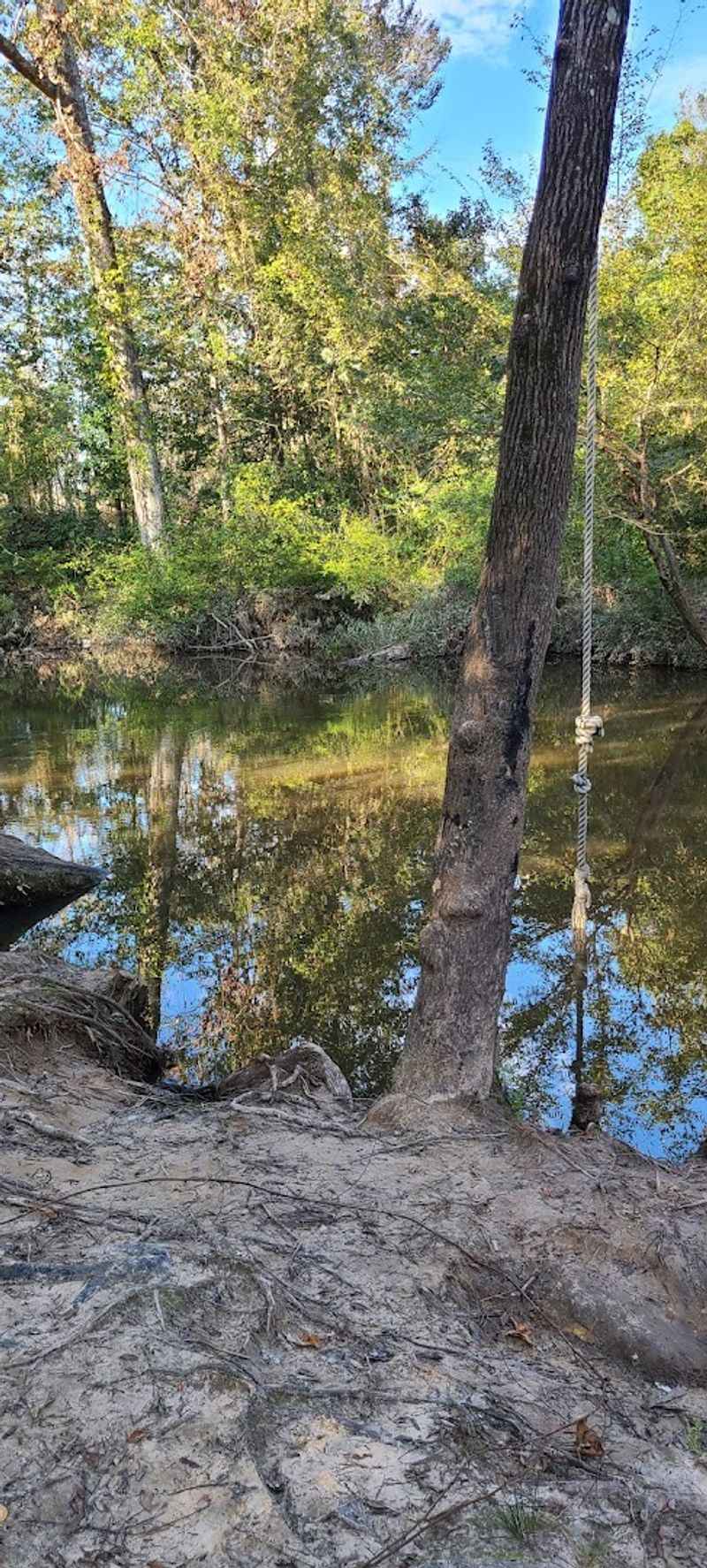
Safety at an unstaffed creek requires attention to natural hazards more than formal rules. Watch for undercut banks, submerged logs, and sudden drop-offs; these are common in small Louisiana channels.
I recommend entering slowly to feel for footing and wearing water shoes to protect against sharp shells or hidden debris on the bottom.
Water quality can change after storms, so avoid swimming for at least 24 to 48 hours following heavy rain. Tell someone where you’re going and carry a charged phone or basic first-aid kit.
Respect private property boundaries around the area and stick to public access points.
Best Time Of Day
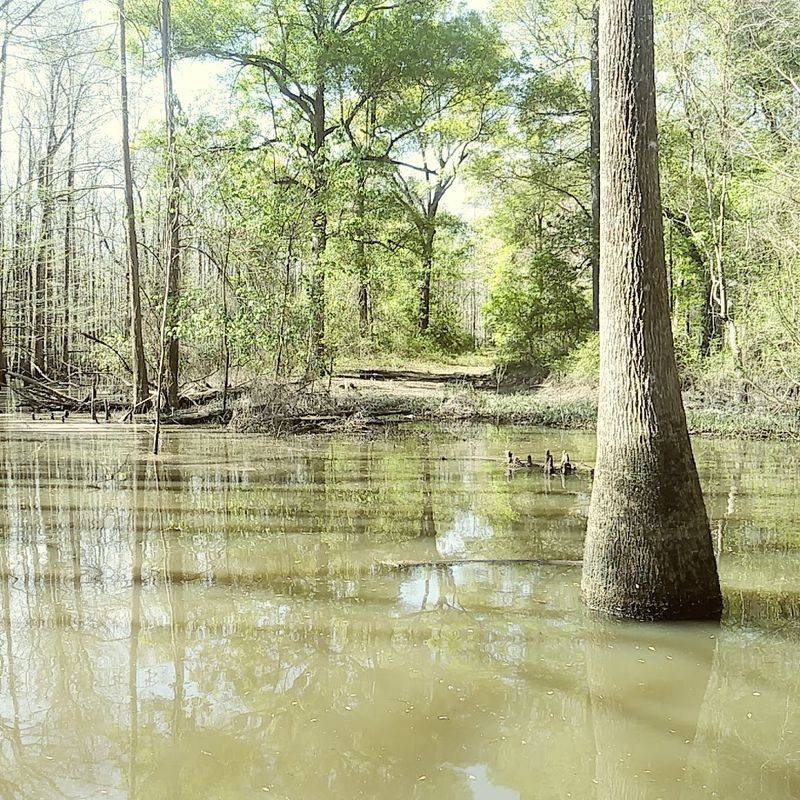
The early morning hours deliver the most peaceful experience, with mist sometimes rising off the water and very little human activity. Midday brings brighter light and warmer water temperatures but also more insects and greater chance of passing visitors.
Late afternoon offers flattering light for photos and a calmer wind, making it a favorite time for people who want to linger without full sun exposure.
If you prefer solitude, aim for weekdays and arrive before mid-morning. For photography, golden hour produces gentle contrasts and reflections that flatter the narrow channel and the tree canopy framing it.
Photography Suggestions
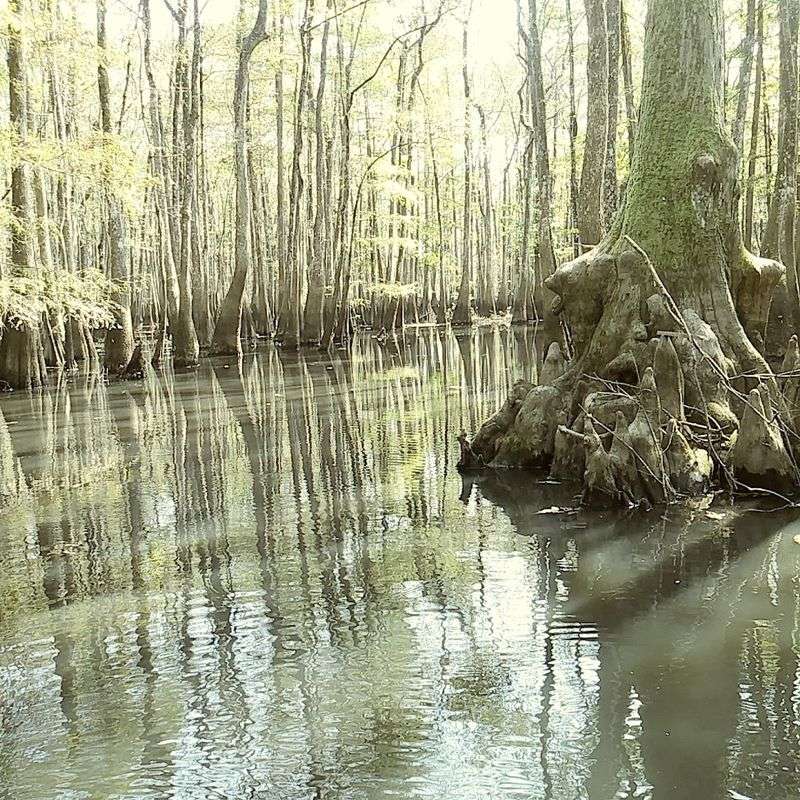
Bring a mid-range zoom or a fixed lens and seek compositions that emphasize the creek’s narrow intimacy: reflections, root textures, and small pockets of open sky framed by trees. Shooting from low angles near the bank highlights reflections and depth, while overhead shots show patterns of submerged leaves and sandbars.
A polarizer helps manage glare when the sun is high, but softer light in morning or late afternoon often needs no filter at all.
Respect privacy by avoiding close portraits of individuals without permission. Use the natural framing the vegetation provides to create images that feel private and contemplative rather than crowded.
Preservation And Leave No Trace
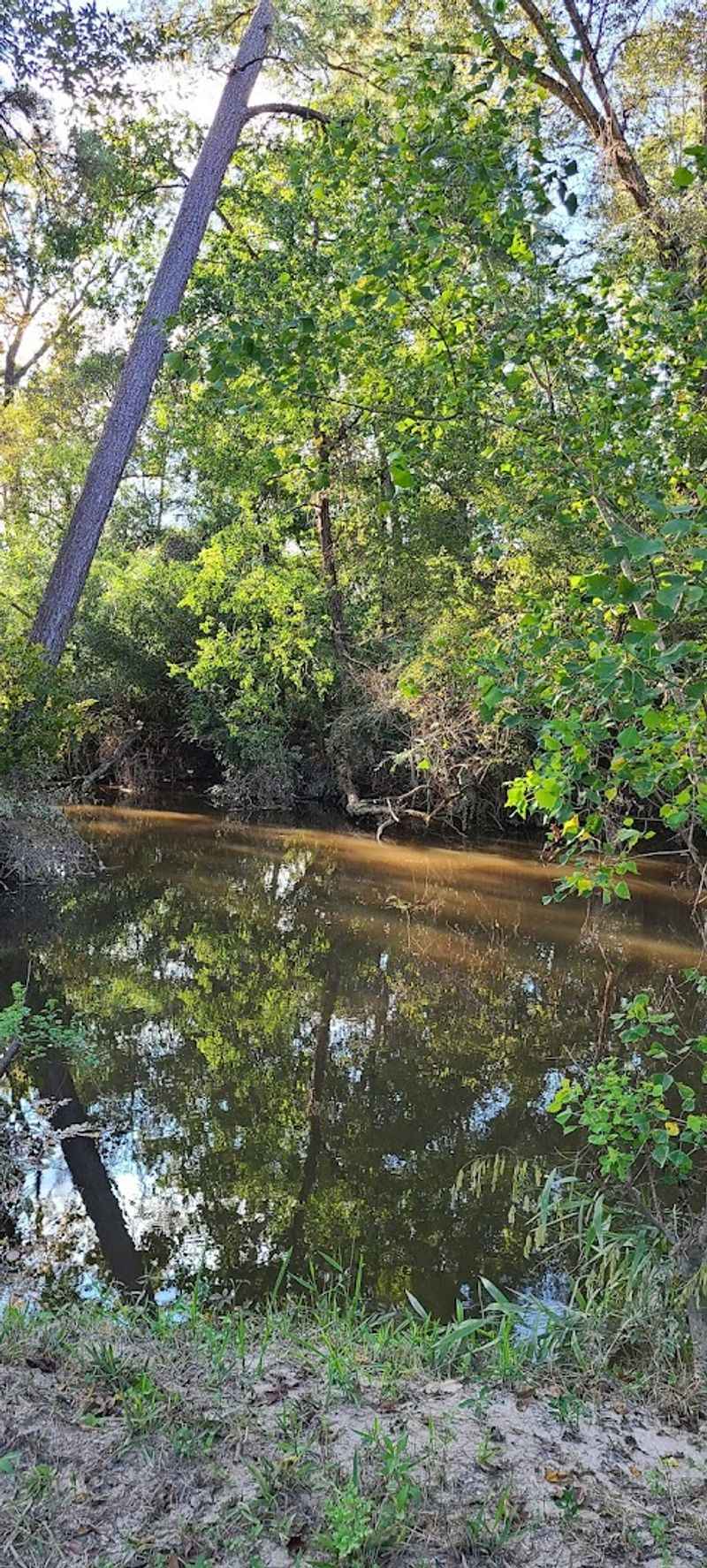
Preserving a small local site like Spring Creek depends on everyday habits more than grand gestures. Pack out everything you bring, including small items that can entangle wildlife or clutter the bank.
If you see litter, a gentle intervention by picking up what’s clearly human-made helps maintain the place’s quiet charm and signals stewardship to others.
Stay on durable surfaces and avoid trimming live vegetation for shade or seating. Small actions compound over time; when visitors treat the area with respect, the creek remains welcoming and the community can continue to enjoy it without formal infrastructure or regulations.
What To Bring
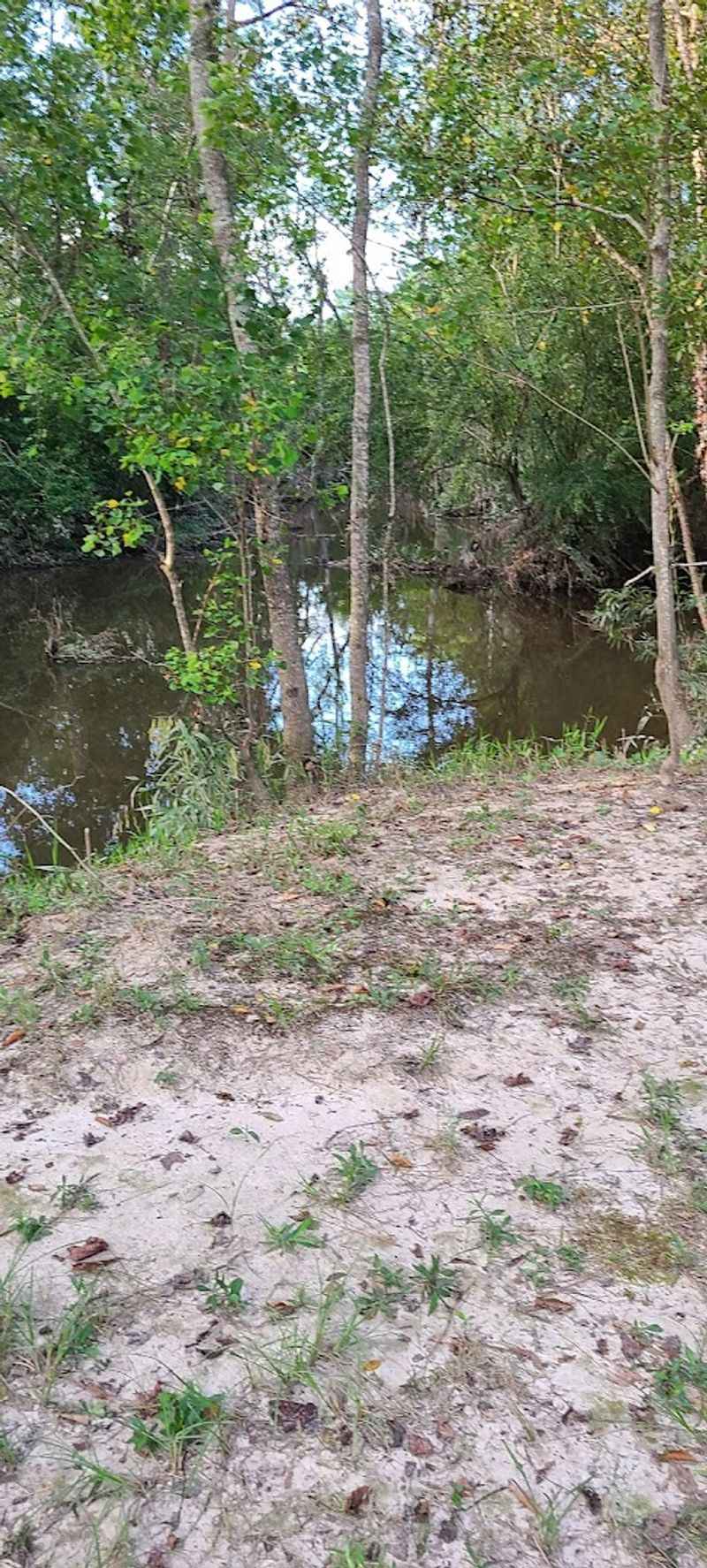
Pack light but deliberately: sturdy water shoes, a sun hat, reef-safe sunscreen, and a refillable water bottle are essentials. Bring a small towel and a dry bag for electronics in case of unexpected dips or spray.
A compact first-aid kit and insect repellent are prudent given the rural setting and potential for bites or scrapes.
If you plan to stay longer, include a lightweight folding chair or blanket and a simple trash bag so nothing is left behind. These basic items make a modest, informal visit comfortable without altering the creek’s natural rhythm.
Respecting Local Boundaries
Not every stretch of water adjacent to a road is public access, and property lines can be unclear along rural creeks. Look for obvious signs of private land such as fences, posted signs, or maintained lawns that end at the water and avoid crossing into those areas.
Stick to visible public access points and respect homeowners who live nearby; their relationship with the creek often predates any recreational visitors.
When in doubt, ask a local or park authority about access rules. Maintaining good relations with nearby residents helps keep small, informal sites like this open and welcoming for future visitors.