What happens when a garden stops asking children to look quietly and starts inviting them to investigate everything?
That is the clever idea behind this playful Ohio escape. Every path leads to something unexpected, from prehistoric surprises and oversized stepping stones to plants that respond when curious hands reach out.
More than thirty themed spaces keep the experience moving without making the day feel rushed. One corner may spark questions about history, while another sends young explorers searching for colors or unusual textures.
The garden changes throughout its May-to-October season, giving Ohio families a reason to return.
Tie the shoelaces and accept that the children are leading today’s expedition!
More Than Thirty Mini Gardens Turn Every Path Into A New World
The first challenge is accepting that one garden can contain this many stories.
The grounds include more than thirty miniature themed areas, each with its own plants, decorations, and small surprises.
A woodland corner can give way to a farm garden, then a music garden may interrupt with a completely different idea before anyone has finished discussing the last one.
Children do not need to understand landscape design to notice the changes. Leaves grow softer, colors shift, sculptures appear, and the family starts debating whether the next section belongs to fairies, farmers, or a very organized dinosaur.
Let younger visitors choose the route whenever paths divide. Control turns a simple walk into a mission without requiring a heroic hiking plan.
Parents can invent titles for each stop. The tallest flower becomes mayor, a curved branch becomes a dragon tail, and neat vegetables may belong to rabbits with excellent gardening skills.
The official name may be Children’s Garden, but the paths operate more like doors. Every turn opens another tiny universe.
Gumball Alley Gives Tiny Explorers A Color Challenge
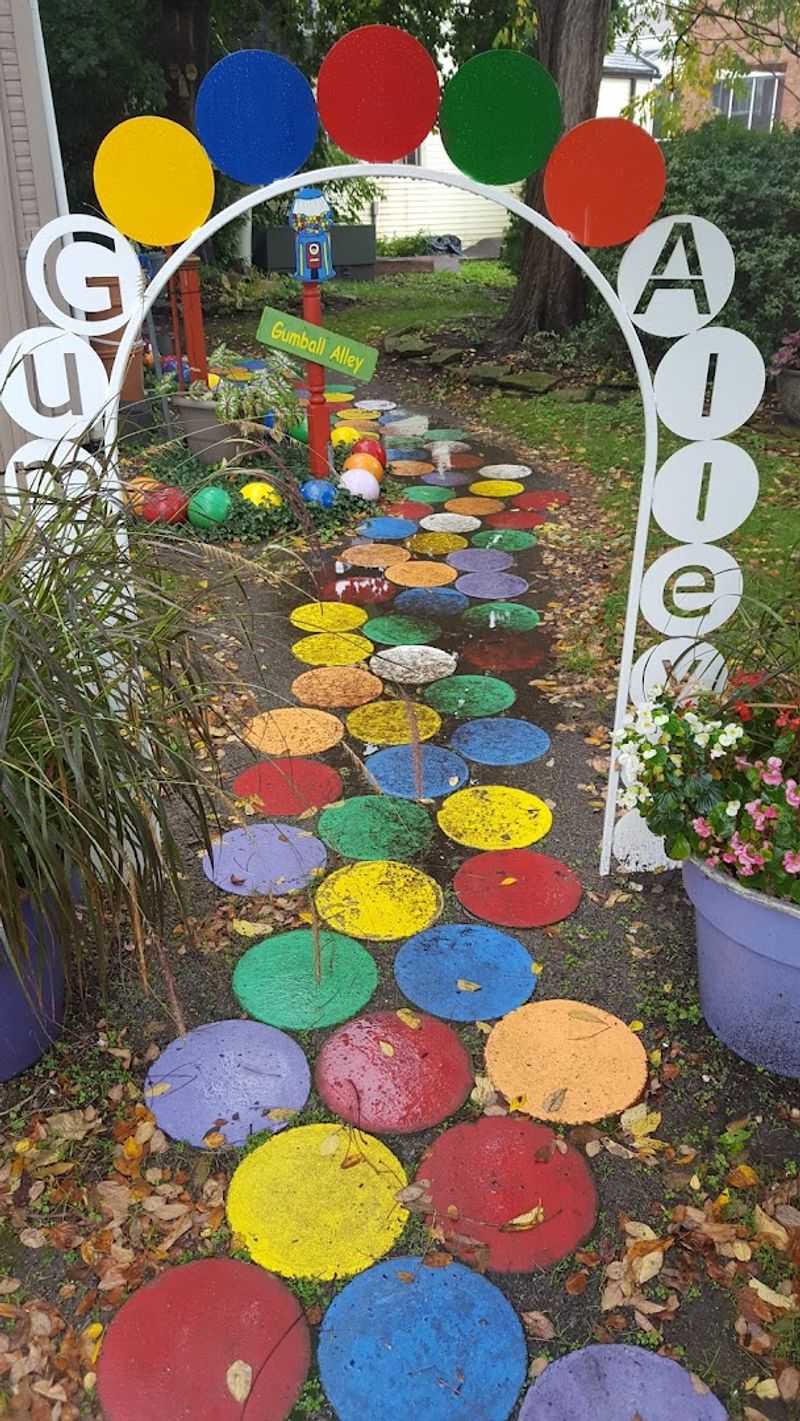
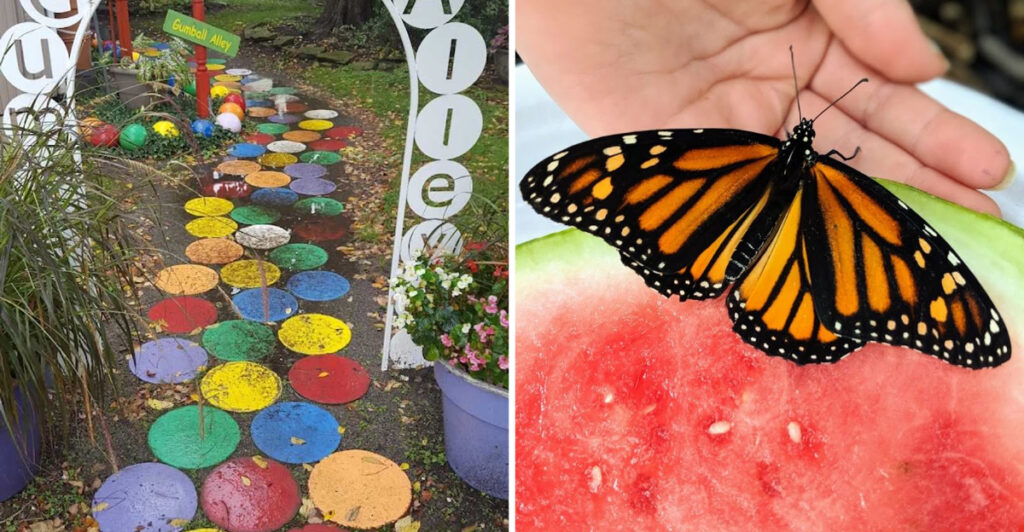
A trail of giant painted circles is almost impossible for small feet to ignore.
Gumball Alley was created with help from local middle school students as a recycling lesson. Its bright round pavers resemble oversized candy pieces, turning a pathway into a game before anybody explains the environmental idea behind it.
Try crossing while stepping only on one chosen color. Then switch colors, count the circles, or appoint one child as the official route caller. The rules can change halfway through because childhood constitutions are famously flexible.
The recycling story adds another layer. Those cheerful “gumballs” kept materials out of a landfill and returned with a much louder wardrobe.
You can find the garden at 620 West Market Street, Lima, Ohio, between the Allen County Museum and the Lima Public Library. Its downtown setting makes it easy to pair the outdoor adventure with books or museum exhibits.
Gumball Alley may not contain candy, but convincing excited children of that fact could require a formal investigation.
The Sensory Garden Lets Noses Fingers And Ears Join In

Eyes are useful here, but they do not get to conduct the whole tour.
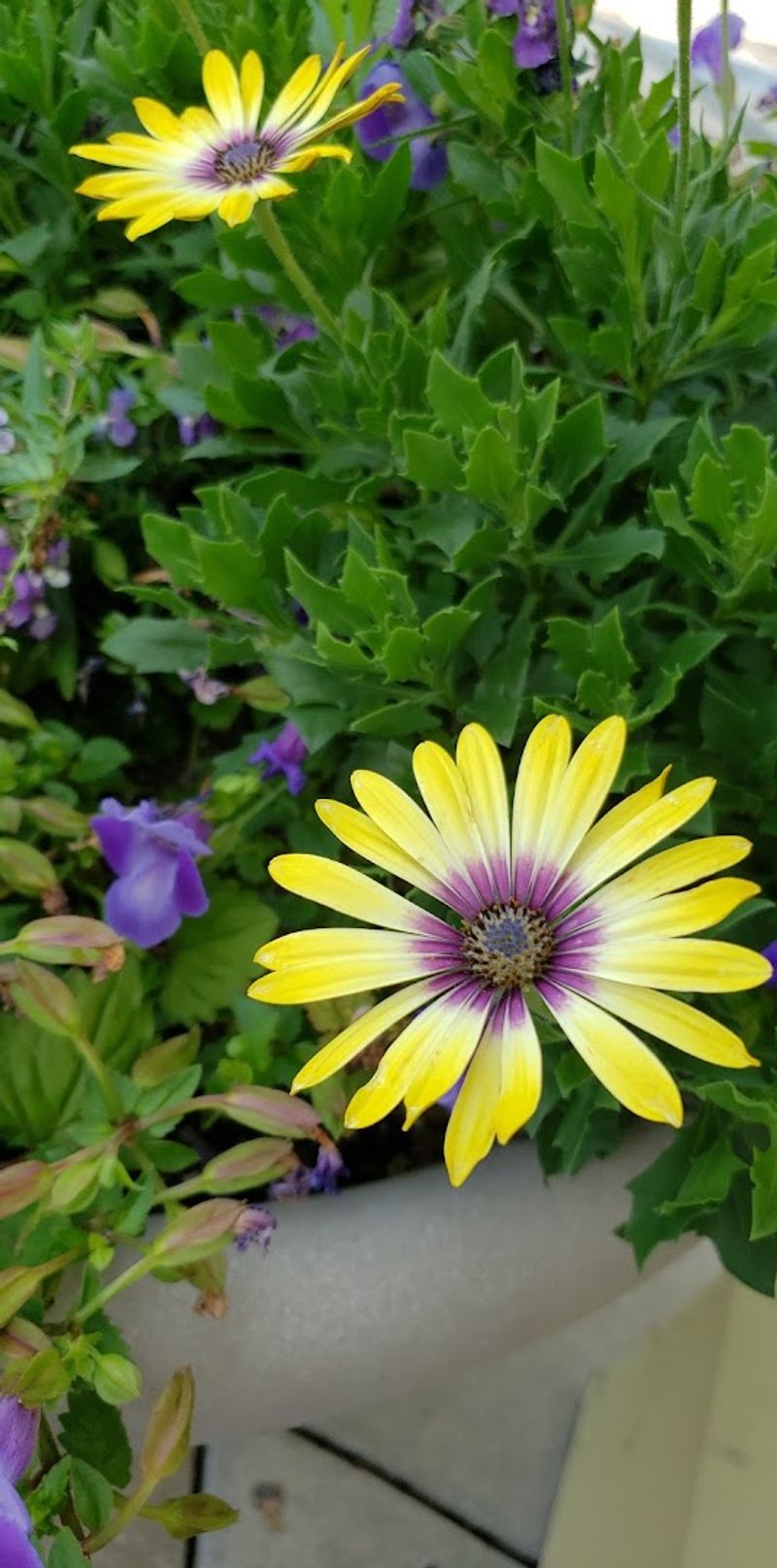
The Sensory Garden was part of the original plan and invites children to examine plants through touch, scent, color, and sound. Lamb’s ear brings softness, roses supply perfume, and geraniums may earn a dramatic reaction.
Then there is Pig Squeak, a plant whose leaf can make a tiny oink-like sound when rubbed. A botanical pig impression is a strong move, especially when nobody expected the flower bed to join the conversation.
Ask children to find three textures without damaging anything. Smooth, fuzzy, rough, waxy, or prickly leaves can turn observation into a game.
Listening deserves its own round. Wind rustles through leaves, insects hum near flowers, and birds may provide commentary from above. Standing quietly for thirty seconds can become a serious experiment when everyone compares what they heard.
The Sensory Garden proves that nature does not whisper only to scientists. It also speaks fluent sniff, stroke, rustle, and occasional oink.
Dinosaurs Candy Land And Dora Refuse To Share One Storybook
Most adventures choose one theme. This garden cheerfully ignores that rule.
A Dinosaur Garden, Candy Land Garden, Zoo Garden, World Garden, and Dora’s Bilingual Garden all belong to the same collection.
Children can move from prehistoric imagination to bright storybook colors without needing a time machine, passport, or explanation from the adults.
Dora and her gardening friend Isa joined the garden in 2011, bringing a bilingual element to the grounds. Labels and playful prompts encourage children to practice Spanish colors and counting while they explore.
That lesson arrives inside a game. A child searching for a red flower or counting objects in Spanish is learning without hearing the serious voice reserved for worksheets.
Themed areas also give siblings with different interests room to claim favorites. One child may vote for dinosaurs, another may prefer Candy Land, and a third may decide the zoo section deserves a second visit because an important imaginary animal was missed.
By the end, the garden has mixed cartoons, creatures, candy colors, and prehistoric drama into one very unusual storybook. Nobody needs to agree on the plot.
Butterflies, Bees, And Vegetables Become Garden Characters
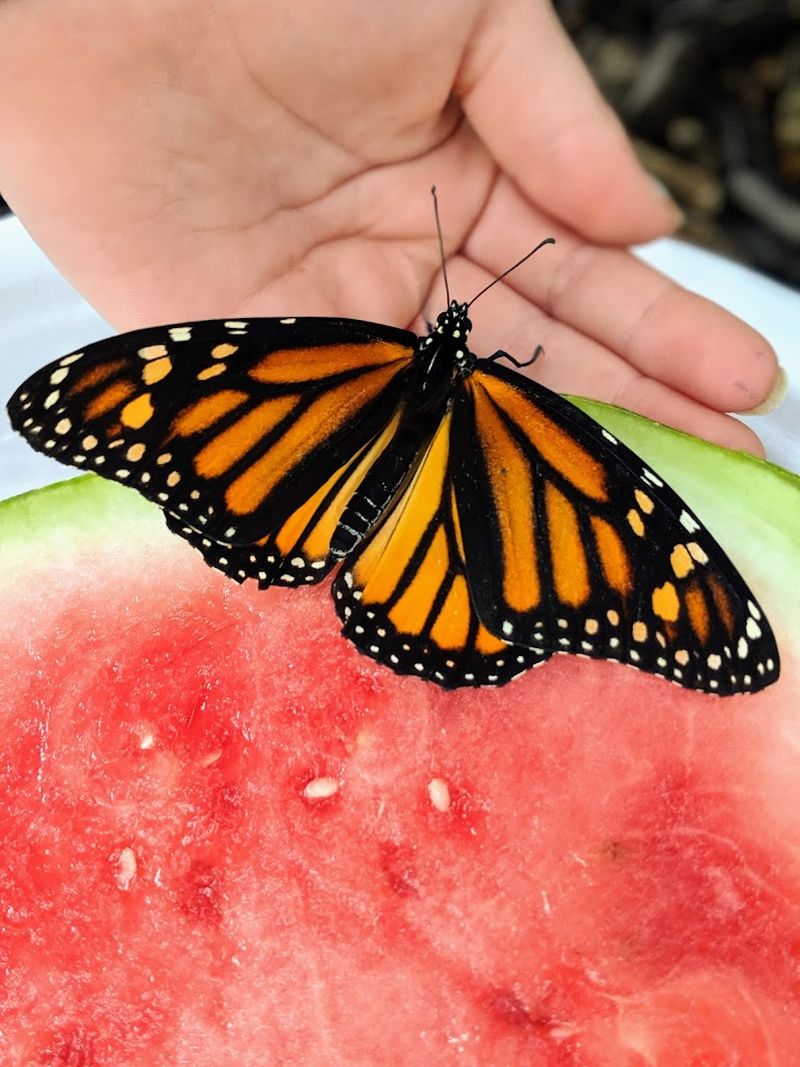
The smallest residents may be the busiest ones on the property.
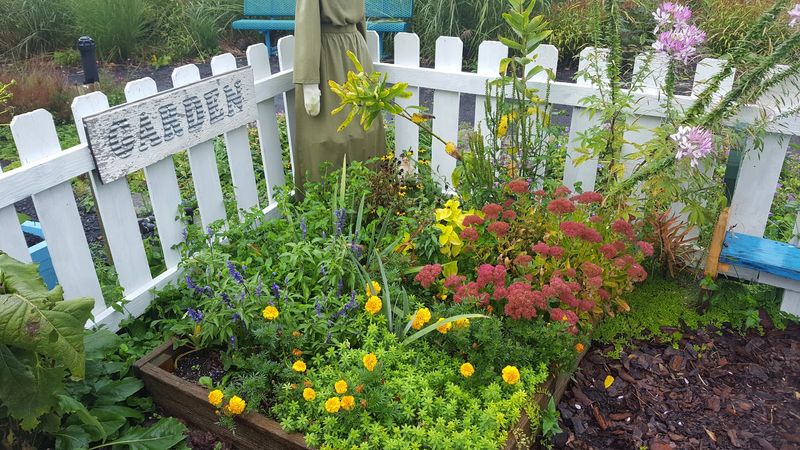
Pollinator gardens, butterfly spaces, native plants, herbs, fruits, and vegetables connect pretty flowers with the living systems behind them. Blooms become fuel stops, hiding places, and insect meeting points.
Turn the visit into a pollinator patrol. Count butterflies without chasing them, watch bees from a respectful distance, and look for flowers that seem especially popular. Children quickly learn that the garden has traffic patterns even without roads.
The Farm Garden, Grandma’s Herb Garden, and Tops and Bottoms Veggie Bed bring food into the adventure. Leaves, roots, stems, and fruits become clues about which part of a plant people eat.
Ask which vegetable looks most like it belongs in a wizard’s kitchen. Invite everyone to choose an herb based only on scent. Let the children guess what grows above the soil and what is conducting secret business underground.
A garden bed can teach an impressive amount before lunch. It can also make broccoli look slightly more mysterious, which is progress.
History Hides Between Flowers And Topiary
Just when the expedition appears fully committed to bugs and make-believe, the past enters wearing leaves.
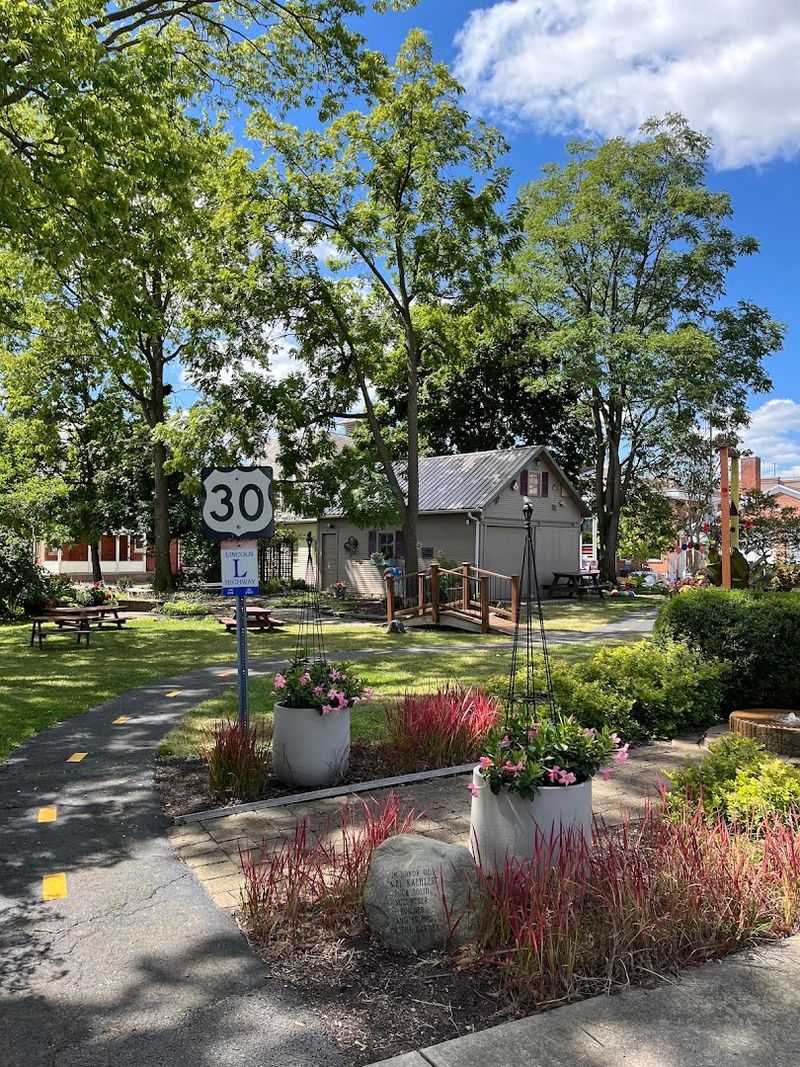
Historical elements include a Lincoln Highway feature, an oil derrick, a train topiary, and an original Johnny Appleseed apple tree. They connect the garden to transportation, industry, and regional stories.
The train topiary gives young visitors an easy starting point. Ask where they think it is traveling, what cargo it carries, and who might be waiting at the imaginary station.
The oil derrick can open a conversation about Lima’s history without demanding a full lecture beside the flower bed. Older children may notice how industry shaped the area, while younger explorers may simply decide the structure belongs to a mechanical giant.
Johnny Appleseed’s tree brings history back to something children can recognize. Apples, seeds, travel, and patience create a story that fits naturally in a garden where small beginnings become large results.
Here, history does not sit behind glass. It grows branches, wears topiary, and occasionally boards a leafy train.
Scavenger Hunts Give Every Explorer An Official Assignment
A child with a checklist becomes a detective with excellent footwear.
Official children’s resources include a search-and-find activity, scavenger hunt, and butterfly coloring page. They give wandering a goal while leaving room for surprises.
A scavenger hunt helps when attention begins bouncing faster than a grasshopper. Looking for a frog figure, unusual leaf, birdhouse, bright flower, or garden character gives that energy somewhere useful to land.
Families can also create their own challenges. Find something shaped like a heart. Spot five different greens.
Locate the tiniest flower. Choose one object that could become the door to an invisible house.
Avoid turning the hunt into a race. The best discoveries often happen when one child stops to inspect a tree face or asks why two leaves on the same plant look different.
The checklist may begin the game, but curiosity usually scribbles extra missions in the margins.
A Gazebo Picnic Gives The Adventure A Storybook Finale

Even fearless explorers eventually request snacks.
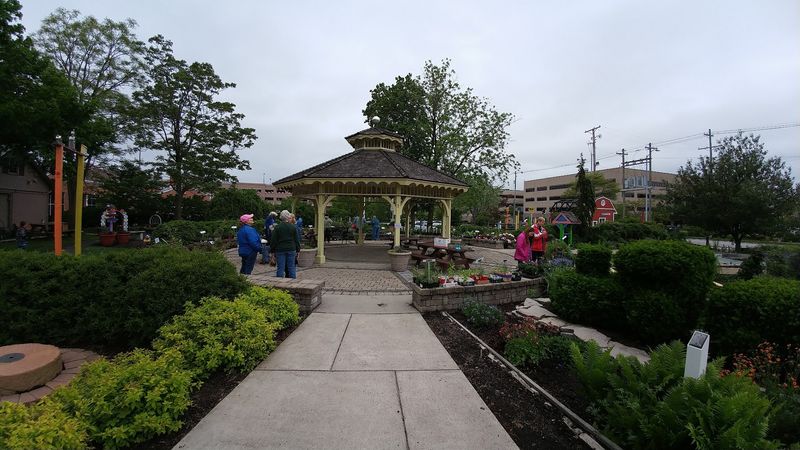
The Gayle Edwards Gazebo provides a sheltered focal point for picnics and a natural place to pause between garden missions. Pack a simple lunch, let everyone report their favorite discovery, and listen as the same path somehow produces four completely different stories.
The garden sits behind the Allen County Museum, beside the library parking area, and in the backyard of the historic MacDonell House. Nearby stops can extend the outing.
Visit during the May-to-October season, wear shoes suited to outdoor paths, and bring water on warm days. A coloring sheet or small notebook can give children a place to draw the oddest plant, invent a garden creature, or record the day’s official Pig Squeak verdict.
Before leaving, allow one final child-led lap. Adults tend to assume the group has seen everything. Children know the dinosaur may have moved, the butterflies may have called a meeting, and Gumball Alley may require another color challenge.
The garden sends families home with dirty shoes and at least one impossible story that somehow happened before lunch.