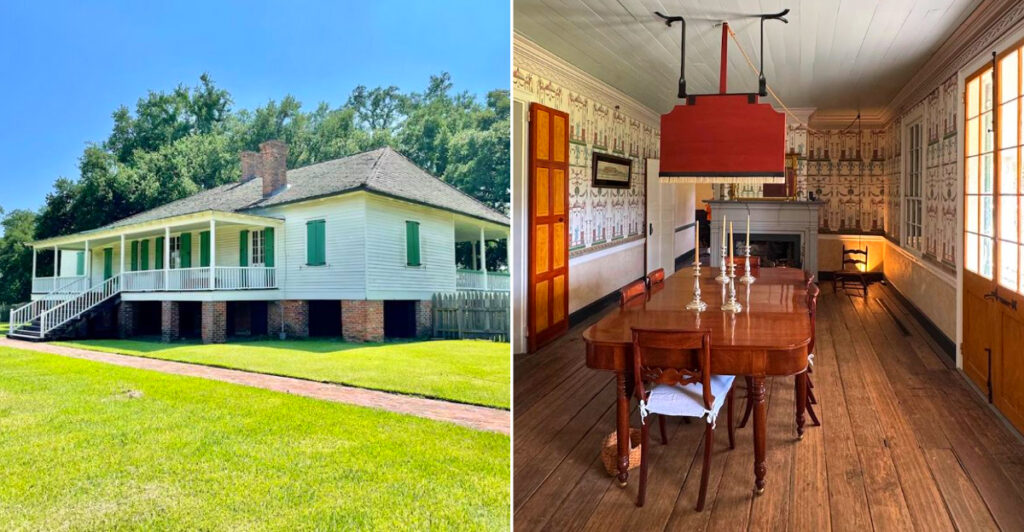
Stepping through the front door of a home built when this was still a territory feels less like touring a museum and more like interrupting a conversation that started two hundred years ago.
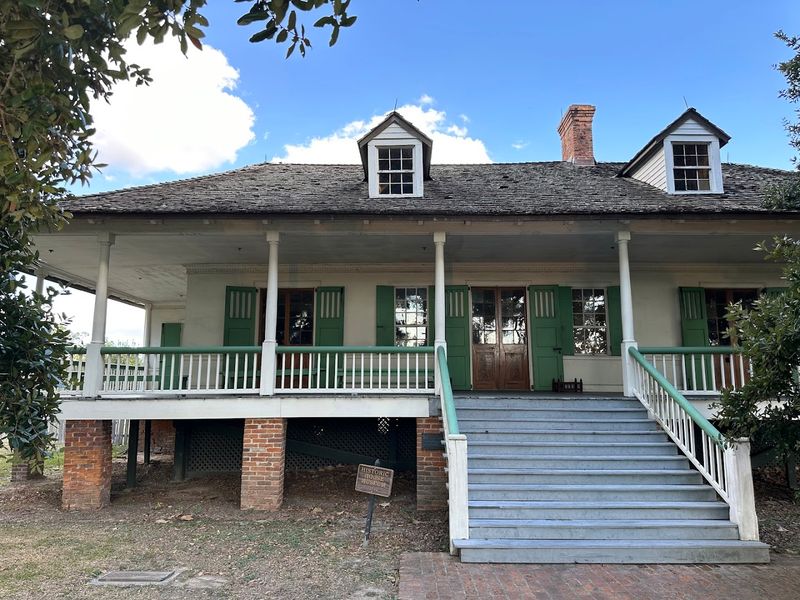
The raised cottage design pulls warm air up through the gallery, a trick builders understood long before air conditioning existed. Wide plank floors creak underfoot.
Original cypress walls hold their shape after more than two centuries.
Period furnishings sit in rooms where natural light falls through shutters hand-carved when the house was new.
Outside, live oaks draped in Spanish moss shade brick pathways leading past a reconstructed slave cabin, an open-hearth kitchen where docents demonstrate colonial cooking, a pigeonnier standing as a quiet reminder of the full history.
Gardens bloom in patterns established generations before anyone alive was born. Louisiana holds places where the past sits close enough to touch, and this one lets you walk right through the front door.
Quiet Arrival And First Impressions
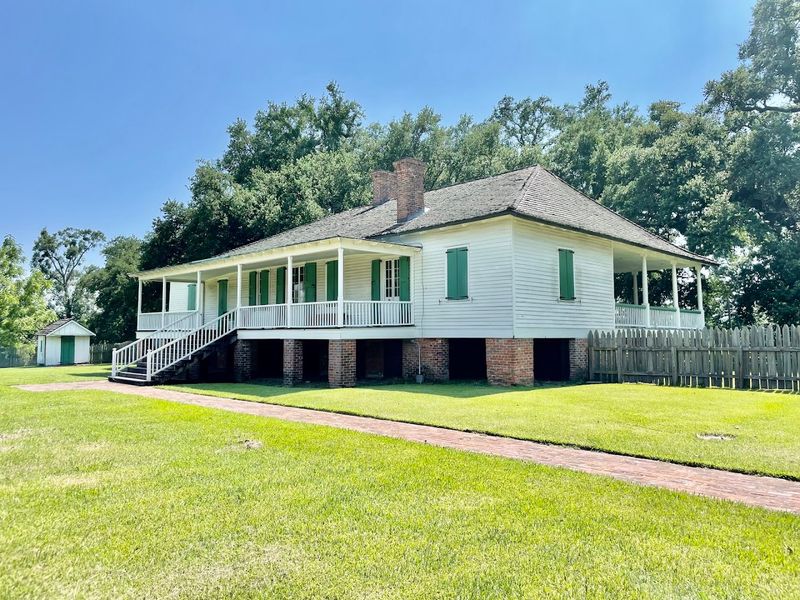
The first thing I noticed was how the house sits low and wide, almost conversational with the river plain it once overlooked. The raised foundation and broad gallery announce practical responses to climate and flooding, not mere decoration, and that functional elegance sets the tone for the visit.
Moving closer, the cypress boards, pitch and joinery reveal decades of maintenance choices that preserved original fabric. The roofline and gallery produce cross breezes you can feel as soon as you step into the shade, an old technology of comfort that feels both ingenious and obvious.
There is a calm modesty about Magnolia Mound that invites curiosity rather than awe, and that restraint makes every detail worth noticing as you begin the tour.
Follow Nicholson Drive Until The Oaks Take Over
Magnolia Mound sits at 2161 Nicholson Drive in Baton Rouge, Louisiana, just south of downtown. The route stays close to the Mississippi River and passes through a busy urban stretch before the historic grounds come into view.
Drivers arriving from Interstate 10 can take the Nicholson Drive exit and head south. Continue past the downtown edge, keeping an eye on the street numbers as the road begins to feel greener and less crowded.
The entrance can be easy to pass, so slow down as you approach the address and watch for the Magnolia Mound signs. Turn into the property, follow the drive toward the parking area, and leave the traffic behind.
The Garden And Working Landscape
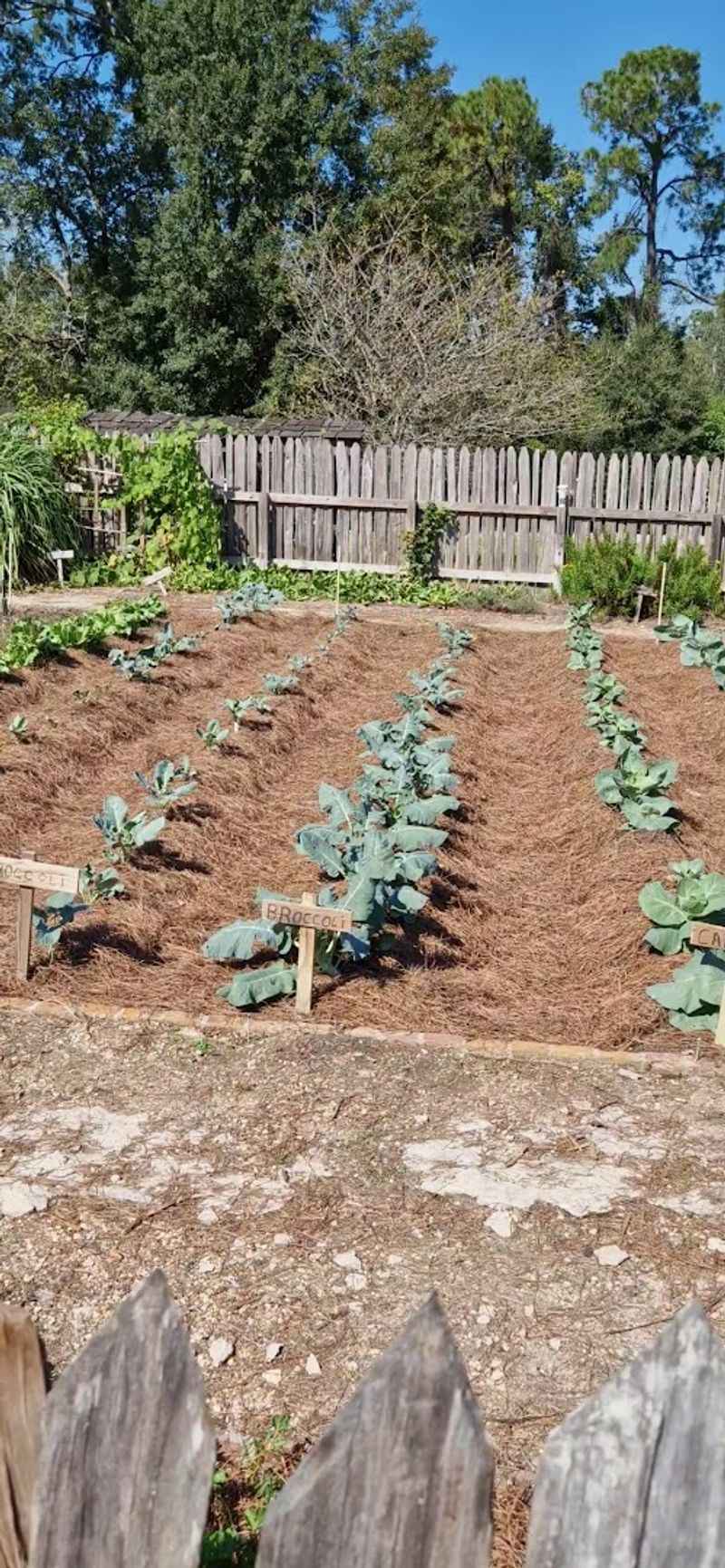
The working garden behind the main house feels like a living chapter of daily life rather than a decorative afterthought.
The beds and paths reflect crops and herbs that would have supported kitchen needs, and the vegetables growing there connect modern visitors to the tastes and rhythms of early nineteenth-century households.
Garden signage and occasional demonstrations clarify which plants were staples and why certain species thrived in the Louisiana climate. The garden also functions as an interpretive tool for school groups and workshops, where hands-on learning makes the past less abstract and more tactile.
Spending time among the raised beds and shaded paths gives a practical sense of how food, labor, and landscape were interwoven at Magnolia Mound.
Outbuildings That Tell Hard Stories
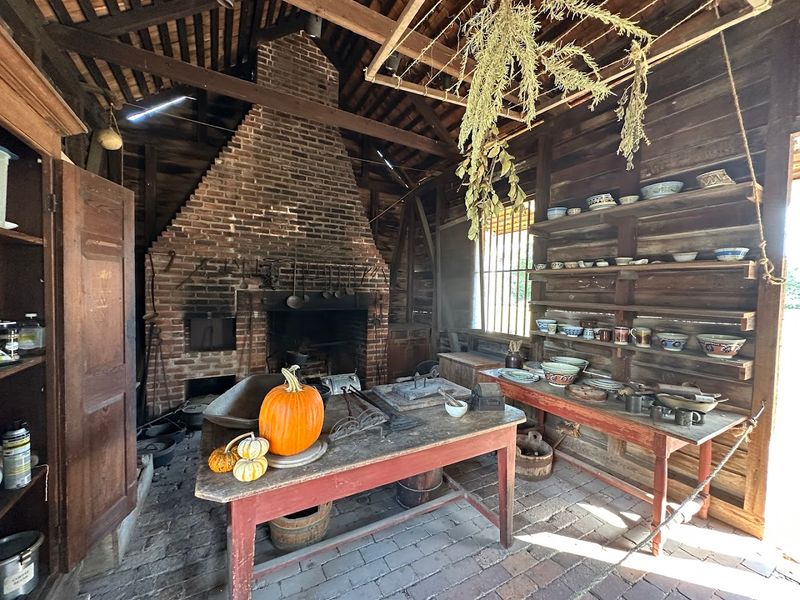
The outbuildings at Magnolia Mound confront visitors with the social realities behind plantation life, including a reconstructed double slave cabin and an overseer’s house.
These structures are arranged to show labor systems in situ, and the interpretation is careful to balance architectural description with the human stories of those who lived and worked there.
Exhibits inside the cabin and kitchen explain daily tasks, material culture, and the limits of the archival record. The pigeonnier and other ancillary buildings also reveal patterns of resource use on the estate, and the presence of an actual reconstructed kitchen gives a concrete sense of domestic labor rhythms.
Encountering these outbuildings is essential; they anchor the estate’s aesthetic qualities to the people whose labor made them possible and prompt reflective questions about power and memory.
Guided Tours And The Docent Experience
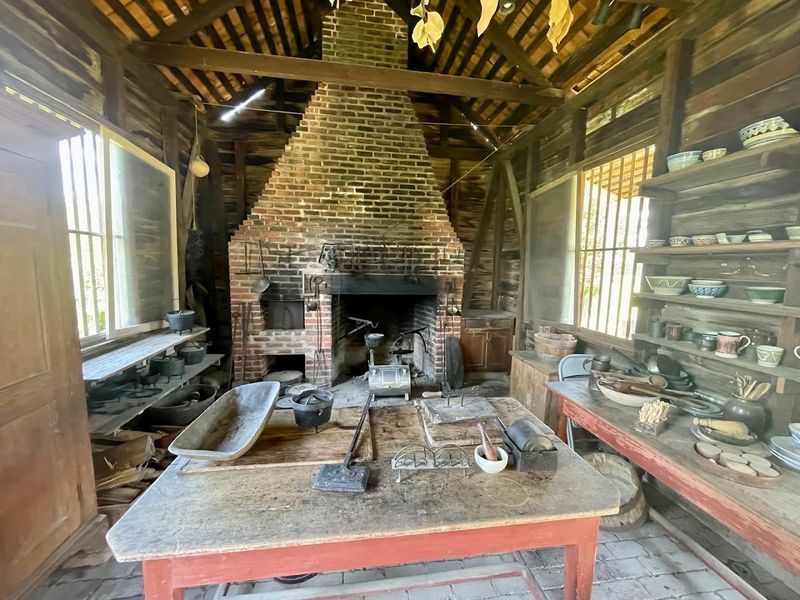
The guided tours at Magnolia Mound transform static architecture into narrated lived experience, with costumed docents providing context, nuance, and local color. Guides explain construction methods, object histories, and daily routines while answering questions, which helps visitors grasp complexities beyond architectural aesthetics.
Tour scheduling is predictable and worth planning for, since access to the interior requires a docent-led visit. The combination of trained volunteers and staff means interpretation can vary slightly, but the factual framework about Creole life and plantation economy remains consistent and well sourced.
If you want depth, choose the guided tour rather than self-directed exploration, because hearing the stories aloud makes the history more immediate and memorable.
Material Culture And Furnishings
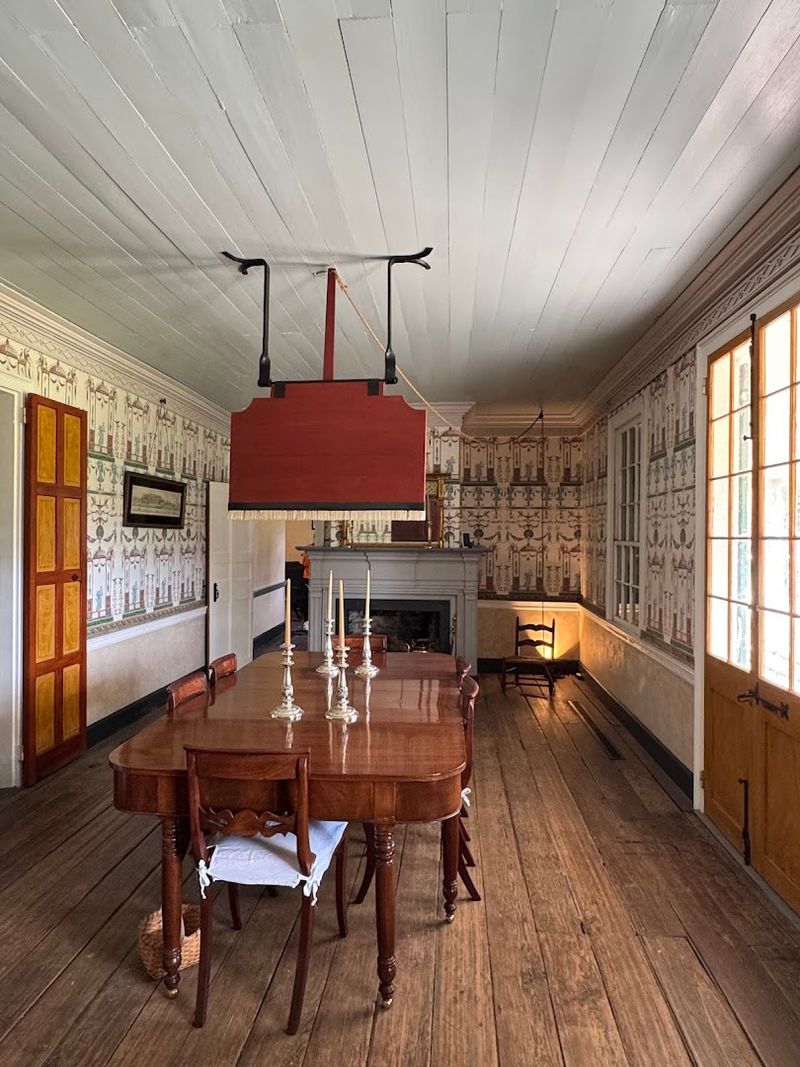
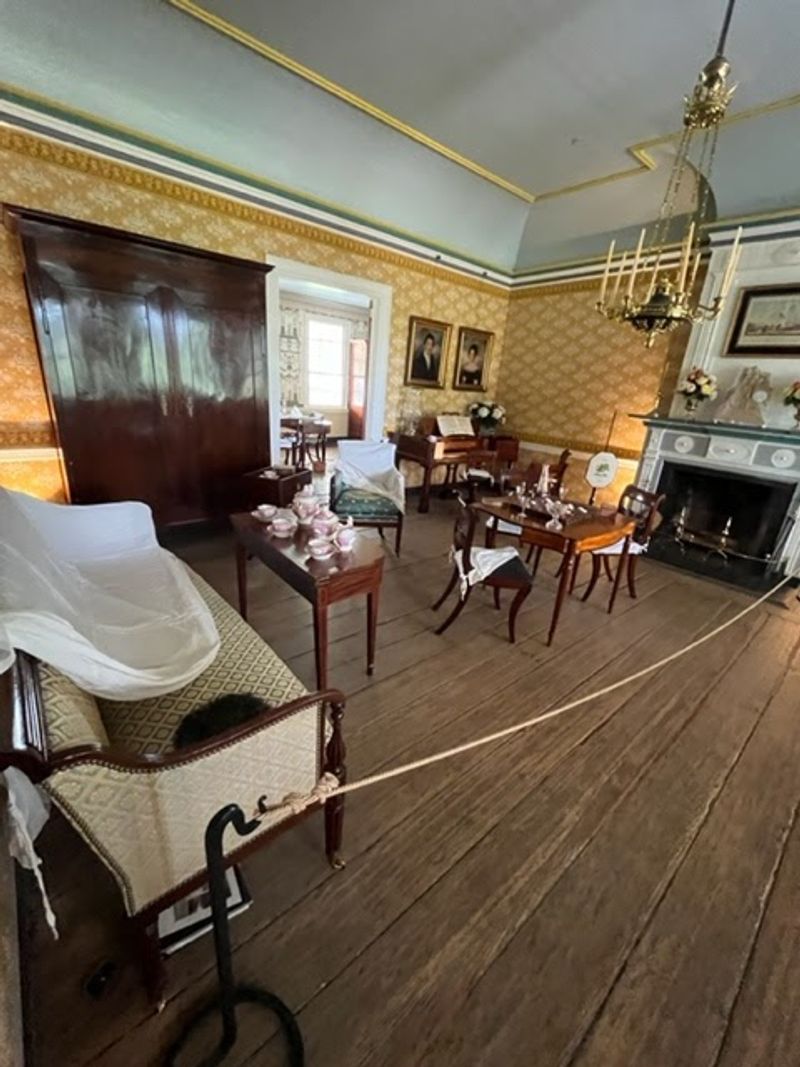
The rooms at Magnolia Mound are furnished with a curated selection of Louisiana-made objects and period pieces that evoke early nineteenth-century domestic life.
Textiles, ceramics, and Federal-style furniture are arranged to suggest household routines, but the interpretation is transparent about provenance and the fact that not every object belonged to the original family.
Labels explain sourcing choices and restoration decisions, which I appreciated because they make the museum’s curatorial reasoning visible. Small tools and kitchen implements are particularly revealing, as they offer glimpses of everyday labor, craft, and domestic improvisation.
These material details deepen understanding of social history by showing how taste, trade, and local production intersected in Creole households of the period.
Seasonal Events And Educational Programs
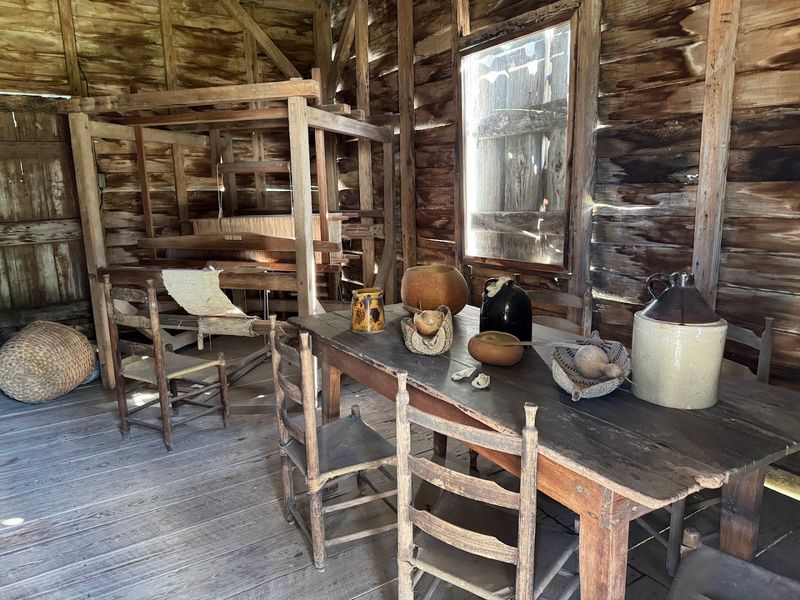
Magnolia Mound hosts workshops, lectures, and seasonal events that extend the museum’s mission beyond static displays. Programs like cooking demonstrations, craft workshops, and First Free Sunday tours encourage hands-on learning and attract diverse local audiences, reinforcing the site’s role as a community resource.
Events often pair living history with expert talks that unpack topics such as Creole craft techniques or agricultural practices. These programs are particularly useful for families and school groups because they translate archival material into experiential learning moments.
Checking the museum calendar before a visit can turn a routine tour into a richer encounter, especially when demonstrations or special exhibits align with your interests in material culture or culinary history.
Interpretation Of Enslaved People’S Lives
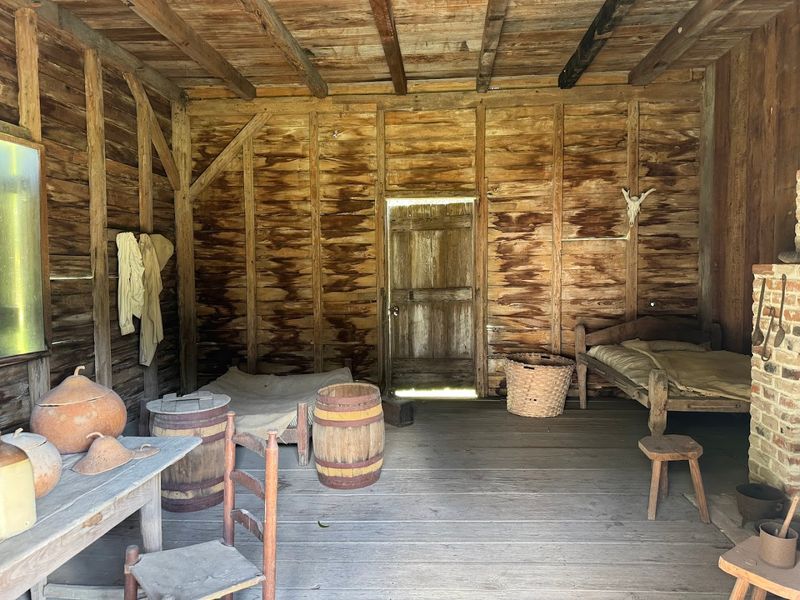
The museum pairs architectural evidence with primary-source interpretation to make the experience grounded and respectful rather than sensational. Docents address difficult topics directly, offering context about labor systems, local economy, and the human consequences of slavery on the plantation landscape.
This thoughtful framing refuses easy narratives and invites visitors to reflect on the moral complexity embedded in the site’s history.
Accessibility And Visitor Logistics
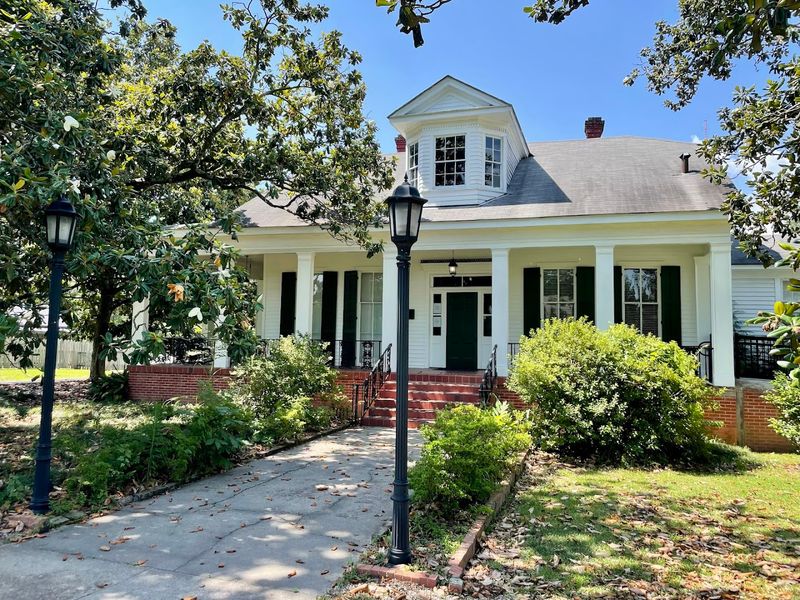
Finding Magnolia Mound requires attention because the entrance is subtle from Nicholson Drive, but once on site the museum is compact and walkable with clear pathways among buildings.
The visitors center hosts the gift shop, restrooms, and ticketing, and guided tours run on a schedule that makes planning straightforward for families and solo visitors.
Hours are generally 10 AM to 4 PM on weekdays and Saturdays, with shorter Sunday hours, so arriving mid-morning gives time for both a tour and grounds exploration. The terrain is mostly level but includes gravel paths; comfortable shoes and sun protection are wise choices during summer visits.
Parking is available on site and staff can provide maps; if mobility assistance is needed, contacting the museum ahead of time is recommended to ensure the best experience.
The Pigeonnier And Small Scale Features
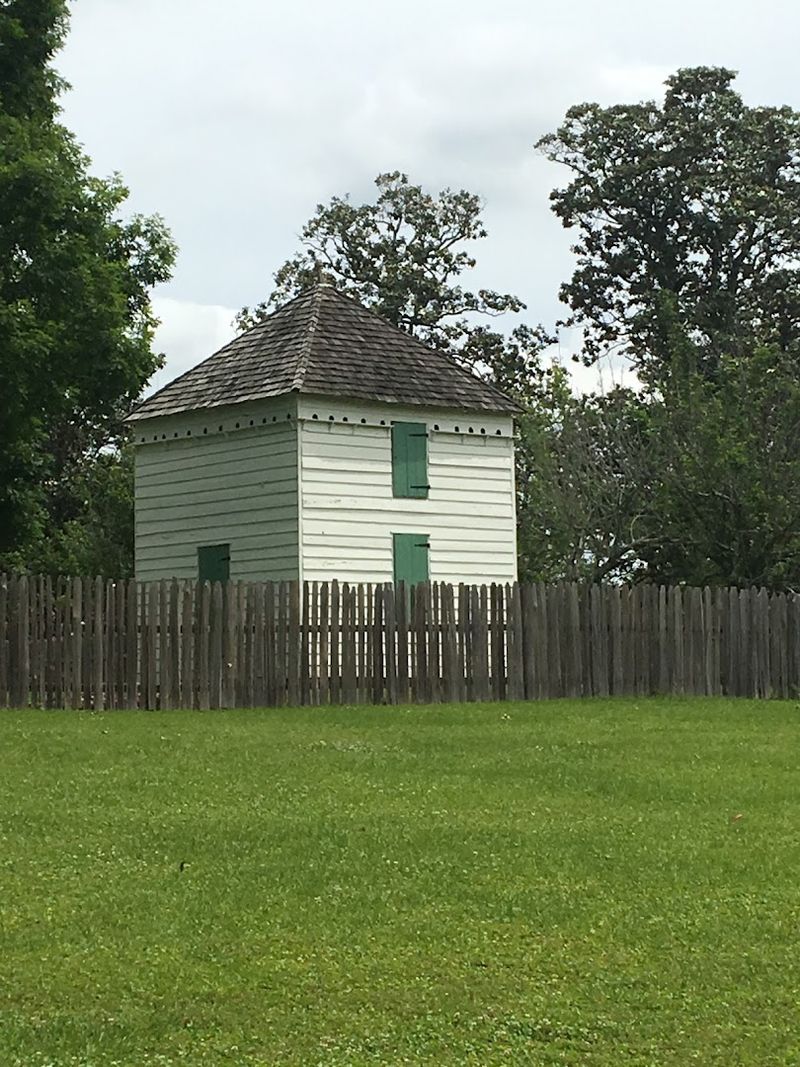
A small but compelling feature at Magnolia Mound is the pigeonnier, a dovecote dating to the early nineteenth century that hints at agricultural practices and status signaling on Creole estates.
The structure is compact and oddly charming, and seeing pigeons nesting in a reconstructed example bridges the gap between agricultural history and everyday rhythms of the past.
Interpretive panels explain why such structures were valued for meat and fertilizer, and how they fit into the overall economy of the plantation. The pigeonnier also functions as a scale anchor within the landscape, helping visitors imagine the spatial ordering of activities and storage on the property.
Not everything grand has to be large; small features like this can be remarkably telling about priorities and resource management in the period.
Preservation Techniques And Recent Work
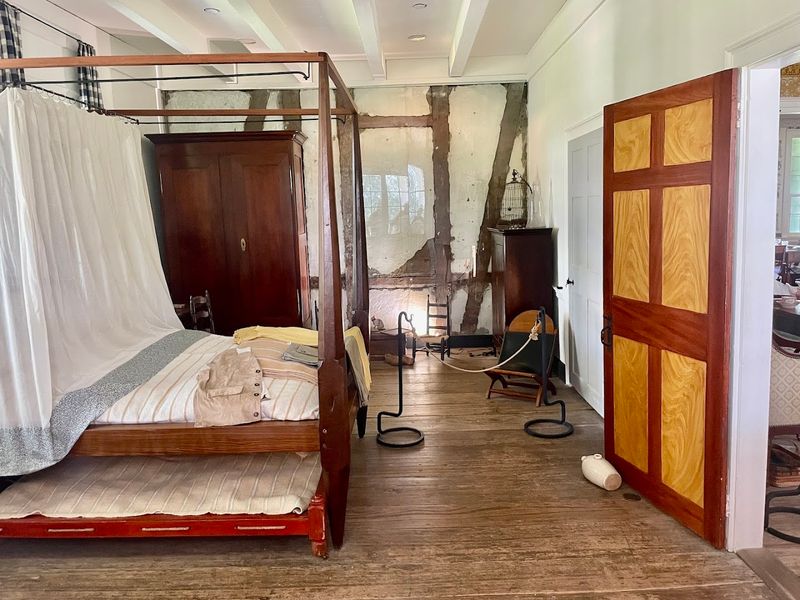
Preservation at Magnolia Mound balances maintaining original fabric with stabilizing necessary repairs, and the site’s stewardship by BREC and Friends of Magnolia Mound reflects community investment in authenticity. Techniques include careful bousillage repair, selective replacement of deteriorated cypress with matching materials, and conservation of interior woodwork that preserves Federal-style features.
Documentation and transparent labeling of restored versus reconstructed elements help visitors understand what is original and what is interpreted. Funding and volunteer labor are visible parts of the ongoing maintenance story, reminding visitors that such sites require active care to survive.
Seeing the conservation choices up close offers insight into how historic houses are kept alive for educational use rather than frozen as relics.
Practical Tips For Planning Your Visit
If you plan a visit to Magnolia Mound, arrive with an eye for the tour schedule since interior access requires a docent-led group and tours fill at peak times.
Weekday mornings and early afternoons are typically less crowded, and checking the BREC website or calling ahead confirms hours and any special programming that might coincide with your trip.
Bring sun protection and comfortable shoes for walking the grounds, and allow time for the gift shop and garden areas that extend the educational experience. Admission fees are modest and family-friendly, and interpretive staff and volunteers are usually happy to answer follow-up questions after the tour.
With a little planning, Magnolia Mound rewards attentive visitors with layered historical insight and a sense of place that lingers after you leave.