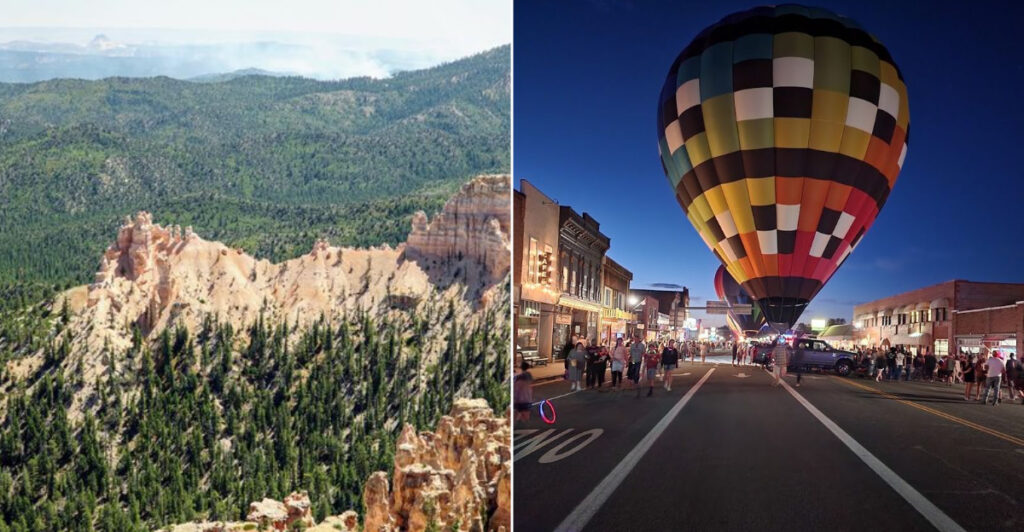
A town of 1,700 can carry more personality than a city ten times its size. Set in a high valley, this community moves at the pace of porch conversations, cooling pies, and streets that never seem interested in rushing anyone.
Utah’s pioneer spirit shows in the brick storefronts, practical traditions, and quiet confidence that nothing here needs polishing for attention. Its name comes from a Southern Paiute word meaning “Big Fish,” a fitting clue that local history runs deeper than the population count suggests.
Quilts are not decoration here; they are part of the town’s identity, stitched into festivals, family stories, and everyday pride. Then there is the homemade pie, which can turn a quick stop into a serious scheduling problem.
Somewhere along this Utah valley, slowing down stops feeling like wasted time. It feels like the whole reason you came, especially when every block holds a story worth hearing.
A Town That Earns Its Reputation Before You Even Park
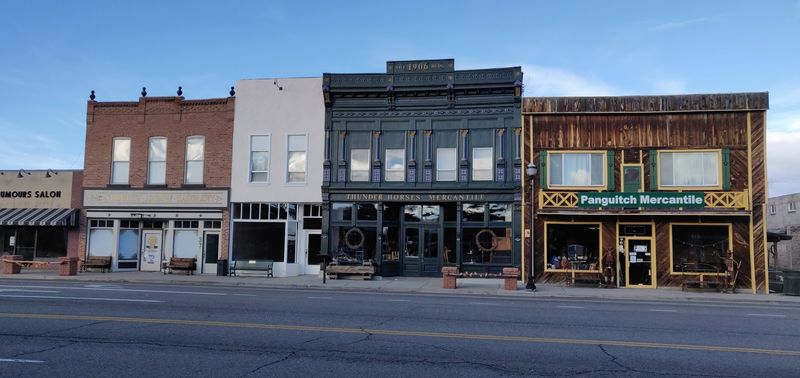
Some towns announce themselves with a billboard. Panguitch, Utah announces itself with an almost suspicious lack of noise, the kind of quiet that makes city-dwellers instinctively check their phone signal.
Sitting at an elevation of roughly 6,600 feet in Garfield County, it is the county seat, which in a county this size feels like a distinction earned rather than inherited.
The name itself is a conversation starter. Derived from a Southern Paiute word meaning “Big Fish,” it nods to the rainbow trout that populate nearby lakes year-round.
That detail alone says something useful about the place: nature here is not decorative, it is functional and alive.
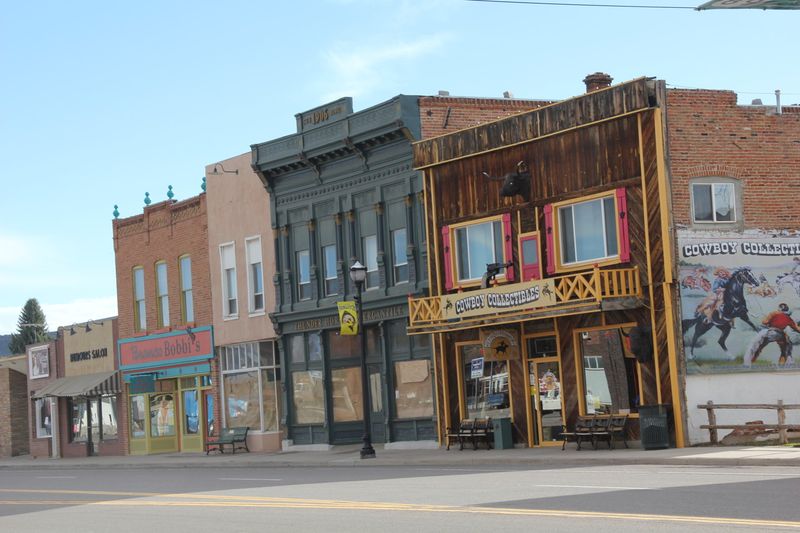
First-time visitors often arrive expecting a dusty stopover and leave with plans to return. The town’s brick architecture gives Main Street a solidity that feels deliberate, like the founders were building something they intended to last.
Quick Tip: Arrive on a weekday morning if you want the streets mostly to yourself and the light hitting those red-rock surroundings at its most dramatic. Panguitch rewards the unhurried traveler who actually stops rather than just slows down while passing through on the way to somewhere else entirely.
The Quilt Walk Festival And Why It Still Stops People Cold
Every year, Panguitch hosts the Quilt Walk Festival, and if you have never seen an entire town organize itself around fabric and stitching, prepare to recalibrate your assumptions about what constitutes a good time. The event celebrates a remarkable piece of local lore: pioneer settlers who, stranded by deep snow, reportedly laid their quilts across the drifts and walked to safety on top of them.
That story has the ring of something almost too poetic to be true, which is precisely why it has stuck around. The festival draws quilters, collectors, and genuinely curious visitors who arrive expecting a craft fair and discover something closer to a community ritual.
Vendors, workshops, and displays fill the town with color and a level of textile enthusiasm that is, frankly, infectious.
Best For: Craft enthusiasts, history lovers, and anyone who appreciates traditions that carry real weight behind the pageantry. Families with kids find the hands-on elements surprisingly engaging, and couples tend to leave with at least one quilt they did not plan to buy.
The festival turns Panguitch into a destination rather than a detour, and that shift in status is one the town has clearly earned through consistency and genuine local pride.
Pie Culture Here Is Practically A Civic Institution
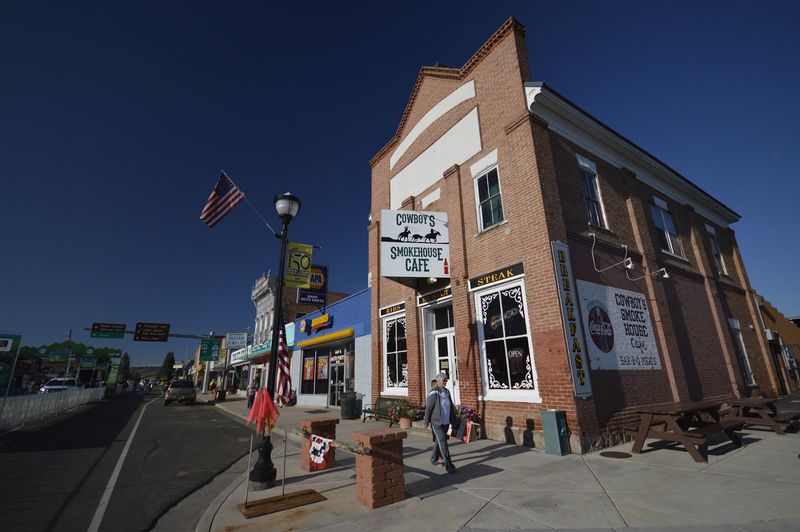
There are towns that have good pie, and then there is Panguitch, where pie seems to function as both sustenance and social currency. Local diners and bakeries treat their crusts with the kind of seriousness that other places reserve for fine dining, and the results land on the table with a quiet confidence that needs no explanation.
Fruit pies dominate, and given the region’s agricultural history, that makes complete sense. A slice here is not a novelty or a tourist performance.
It is simply what people eat, what they bring to gatherings, and what they use to measure the quality of a kitchen. Visitors who stop expecting a casual snack often find themselves ordering a second slice before they have finished the first.
Insider Tip: Pair a pie stop with a short stroll down Main Street before or after. The combination of fresh air at high elevation and something genuinely made from scratch creates a satisfaction that is hard to manufacture elsewhere.
Solo travelers, couples on a road trip, and families looking for a low-stakes activity all find common ground here. Pie, it turns out, is an excellent equalizer and one of Panguitch’s most reliable calling cards.
Pioneer Spirit Is Not A Marketing Slogan Here, It Is Architecture
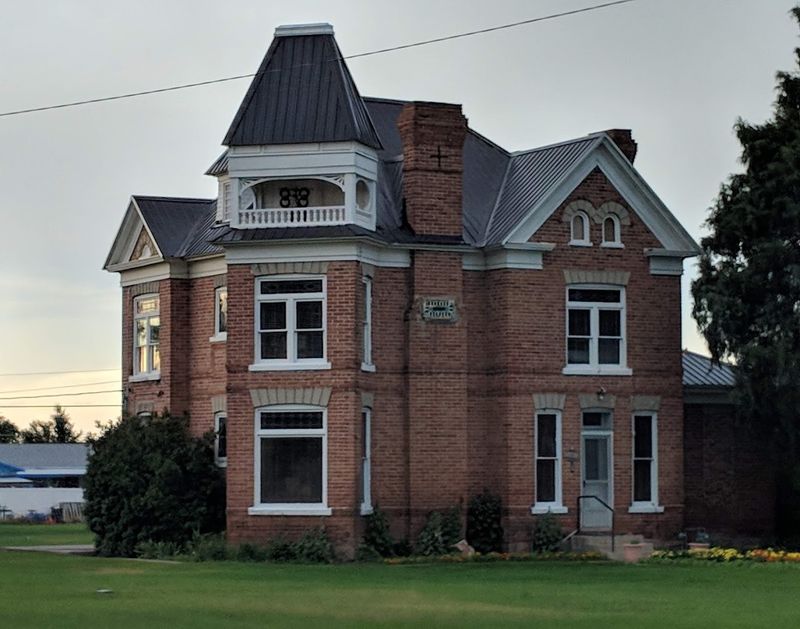
Walk down almost any block in Panguitch and you will notice the brick. Not the decorative kind applied as an afterthought to a modern facade, but the real, load-bearing, built-to-outlast-everyone brick that settlers laid in the late 1800s with the clear intention of permanence.
It gives the town a physical weight that newer mountain communities simply cannot replicate.
Pioneer heritage in Panguitch is not performed for visitors. It exists in the structures, the street grid, and the community calendar.
The town was settled by members of The Church of Jesus Christ of Latter-day Saints who came to farm and build in a valley that offered both challenge and reward in roughly equal measure. That combination of stubbornness and practicality left visible marks everywhere.
Why It Matters: Understanding that history changes how you see the town. A storefront that looks charmingly old is actually historically significant.
A wide street that seems oversized for a town this small was designed to allow a wagon and team to turn around without difficulty. These are not accidents of planning but deliberate choices made by people who thought carefully about the future.
Planning Advice: Take at least thirty minutes to walk rather than drive, because the details reveal themselves slowly and reward patience.
Rainbow Trout, High Altitude Lakes, And The Name That Started It All
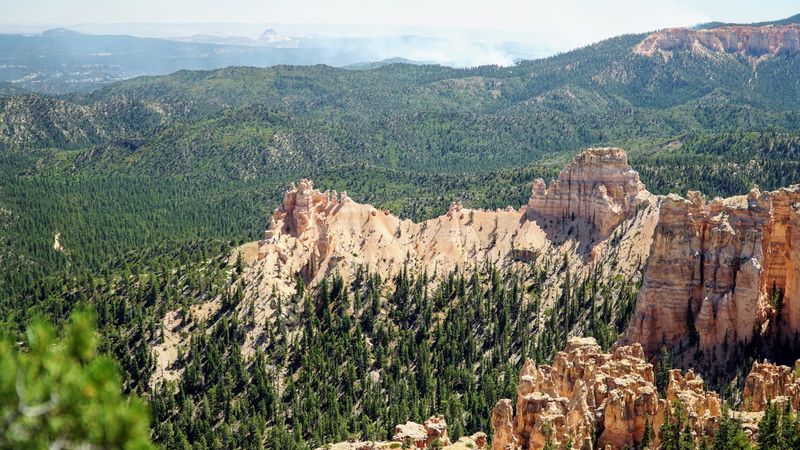
The name Panguitch translates from Southern Paiute as “Big Fish,” and the surrounding landscape backs that etymology up with remarkable consistency. Nearby lakes host rainbow trout year-round, making the area a reliable draw for anglers who want results without the pretense of a destination fishing lodge.
For non-fishing visitors, the lakes still earn their place on the itinerary. High-altitude water at this elevation has a particular clarity that photographs beautifully and feels genuinely restorative in person.
The landscape around Panguitch shifts from red rock drama to pine-covered ridgelines depending on which direction you look, and the lakes sit comfortably within that variety.
Who This Is For:Who This Is Not For: Families with kids who need a reason to put the devices down, couples looking for a scenic half-day detour, and solo travelers chasing the kind of quiet that only comes with open water and thin air. Anyone expecting resort-level amenities or a curated outdoor experience.
This is practical, unpretentious access to genuinely beautiful terrain, and it suits people who prefer their nature unpackaged. The fish were here before the town, and based on current evidence, they plan to stay well past the next census count.
What Makes Panguitch Work As A Real Weekend Destination
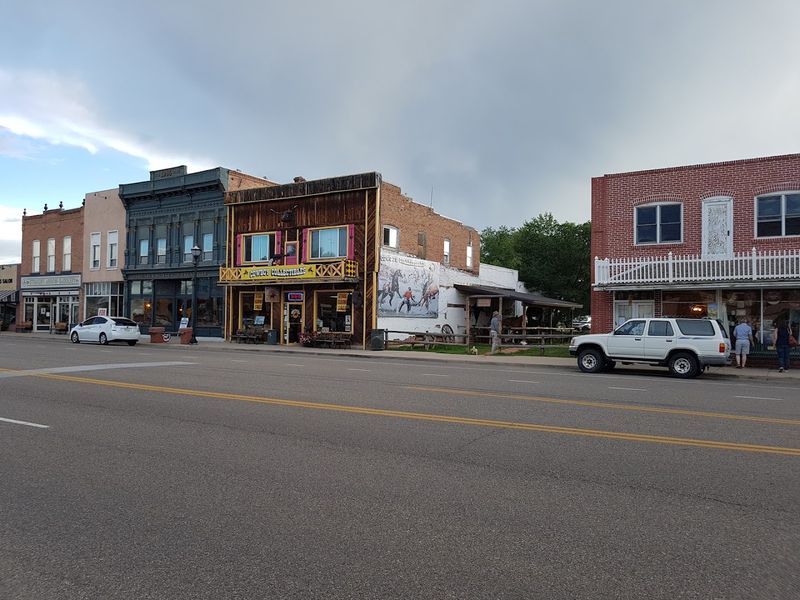
Some small towns are charming in theory but exhausting in practice, requiring a spreadsheet of reservations and a tolerance for crowds that defeats the purpose of leaving the city. Panguitch operates differently.
Its size keeps the logistics simple, its location in Garfield County puts it within reasonable range of larger Utah landmarks, and its internal rhythm rewards visitors who simply show up without an aggressive agenda.
Couples find it genuinely easy to spend a full day here without manufactured entertainment filling every hour. Families appreciate that the scale of the town keeps children from disappearing into the distance and that the local character gives everyone something to talk about on the drive home.
Solo travelers, who often feel conspicuous in aggressively family-oriented destinations, blend in naturally on Panguitch’s unhurried streets.
Best Strategy:Common Mistakes to Avoid: Build the visit around two or three anchors, a pie stop, a walk through the historic district, and a drive toward one of the nearby lakes, and let the rest fill itself in. Do not rush through expecting a highlight reel.
The town’s value compounds slowly, and the visitors who leave most satisfied are almost always the ones who gave it more time than they originally planned. That extra hour is consistently worth it.
The Honest Case For Putting Panguitch On Your Utah Map
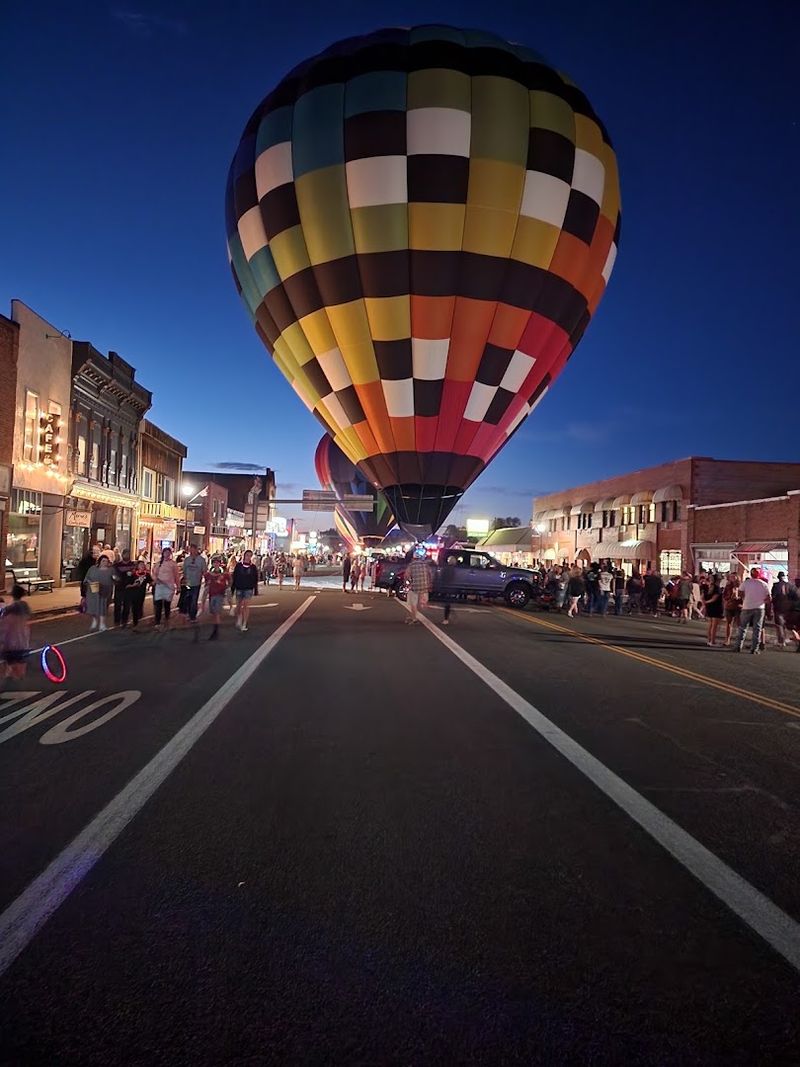
Utah gets a lot of attention for its headline attractions, and rightfully so. But the towns that sit just outside that spotlight often deliver something the big parks cannot: a sense of arrival that feels personal rather than shared with ten thousand other visitors on the same Tuesday.
Panguitch fits that description with unusual precision.
It has genuine history, a food culture built around something as honest as pie, a textile tradition that carries real community meaning, and natural surroundings that justify the drive on their own. None of that is manufactured for tourism.
It exists because the people who live here built it and maintained it across generations, which is a different thing entirely from a town that reinvented itself for visitors.
Quick Verdict: If your Utah road trip currently routes through without stopping, reconsider the math. A two-hour visit to Panguitch consistently punches above its weight class, and the combination of history, food, and landscape gives every type of traveler something to carry home.
Think of it as the friend who never oversells themselves but always delivers. The town sits at Utah 84759, ready whenever the plan finally decides to include it, and it will not need to try very hard to make the case for a return visit.