Louisiana does not warn you. One minute you are on the highway, and the next, a small road is calling your name. Do you trust it?
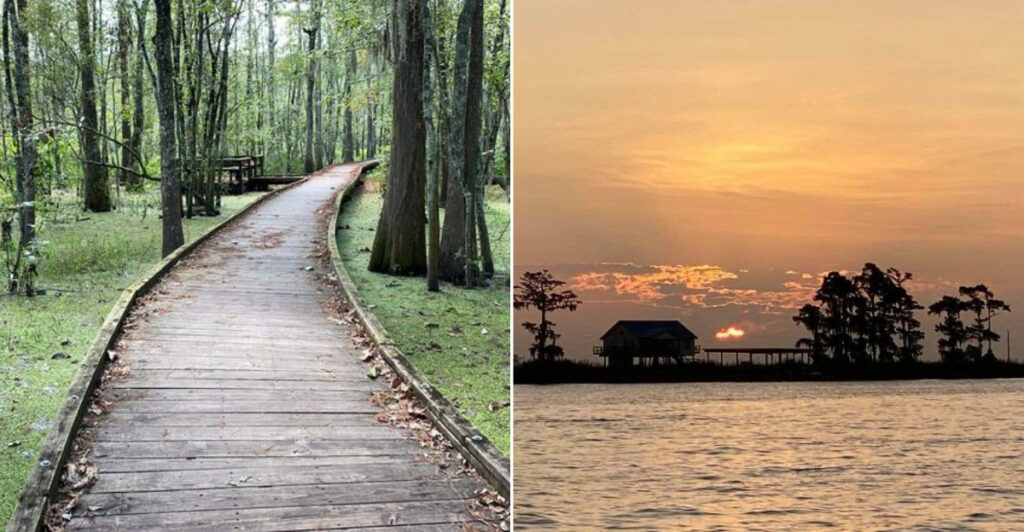
Follow it, and you land somewhere that feels completely off the map. Ancient cypress trees rise from dark, still water. Spanish moss hangs like nature forgot to clean up.
The air carries a smell you cannot name but will never forget. This is not a tourist trap. No crowds, no rush, no noise. Just Louisiana in its rawest, most honest form.
People who grew up here never really leave, and once you arrive, you will understand exactly why. Every patch of swamp, every creak of wood, every ripple in the water has a story behind it.
Where Solid Meets Water
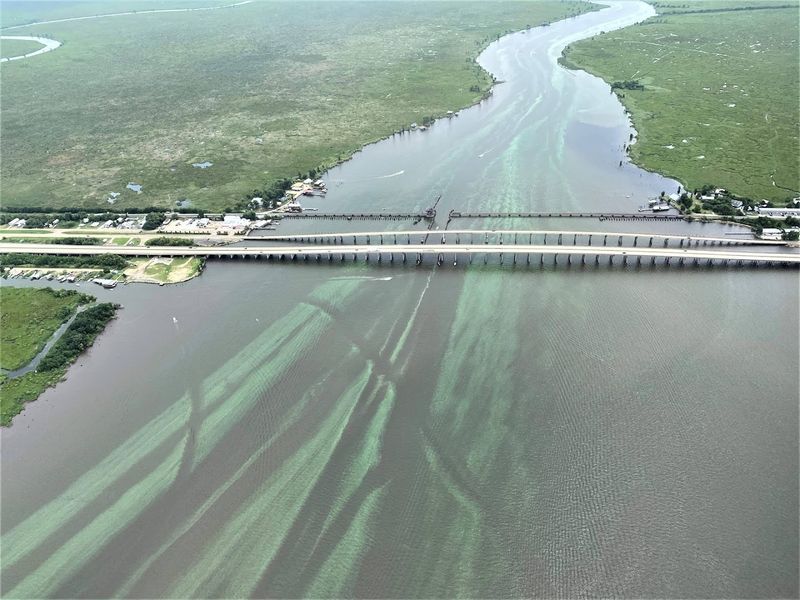
Most people could not point to Akers on a map, and honestly, that is part of its charm. Sitting in Tangipahoa Parish, Louisiana, this unincorporated community near Manchac is the kind of place that geography textbooks would call a wetland wonder.
The land here is not quite solid and not quite water. It exists somewhere in between, shifting with the seasons and the rainfall, giving the whole area a feeling of being alive in a way that flat, dry land simply cannot match.
Cypress trees rise straight out of the water like sentinels that have been standing guard for centuries. Their knobby knees poke up from the surface, and their branches hold curtains of Spanish moss that sway gently when a breeze rolls through.
The surrounding swamps connect to Lake Pontchartrain and the Maurepas Swamp Wildlife Management Area, making this corner of Louisiana one of the most ecologically rich spots in the entire state.
Birdwatchers, nature photographers, and anyone who appreciates raw, unfiltered landscapes will find something here that speaks directly to them.
Visiting in the early morning, when mist rises off the water and the world is still quiet, is an experience that stays with you long after you have driven back to the city.
A History Written In Water And Moss
Long before roads cut through this part of Louisiana, the waterways were the roads. The community near Akers, closely tied to the Manchac area of Tangipahoa Parish, has roots that run deep into the history of Louisiana’s swamp-dwelling cultures.
Indigenous communities used these waterways for transportation, fishing, and trade for thousands of years before European settlers arrived. The French, Spanish, and later American influences all left their marks on the broader region, and the swamp itself absorbed every chapter of that story without giving much away.
Trappers and fishermen built their lives along these waterways, learning to read the swamp the way a librarian reads a shelf of books. They knew which channels led where, which trees marked safe ground, and which currents shifted after heavy rain.
That knowledge was passed down through generations, and even today, you can meet older residents who carry that inherited wisdom in the way they talk about the land. Their stories are not written in any official history book, but they are absolutely worth listening to.
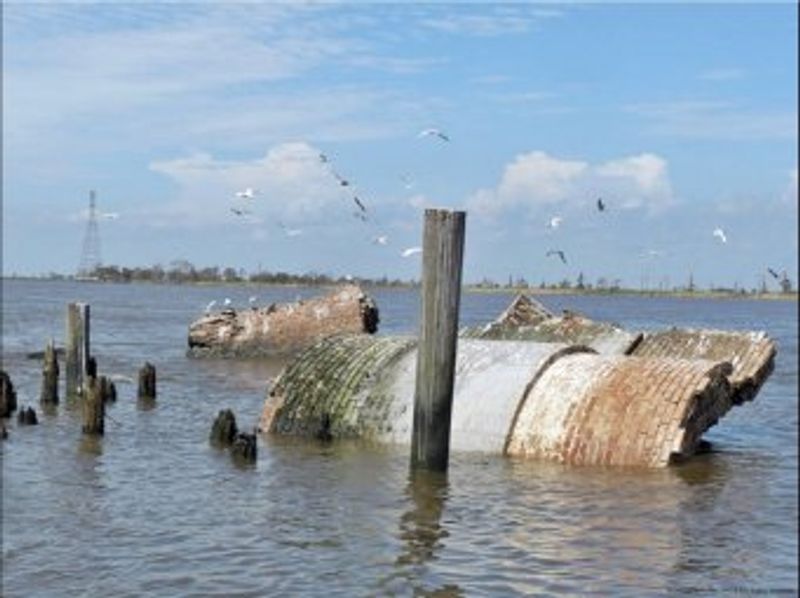
The area also sits near old railroad routes that once connected Louisiana’s interior communities to larger cities, adding another layer to its complicated and fascinating past. History here is not displayed behind glass in a museum.
Wildlife That Will Stop You In Your Tracks
Forget safari parks and zoo enclosures. The area around Akers offers wildlife encounters that feel completely real because they absolutely are.
The Maurepas Swamp Wildlife Management Area, which borders this community, is one of Louisiana’s most biodiverse wetland ecosystems.
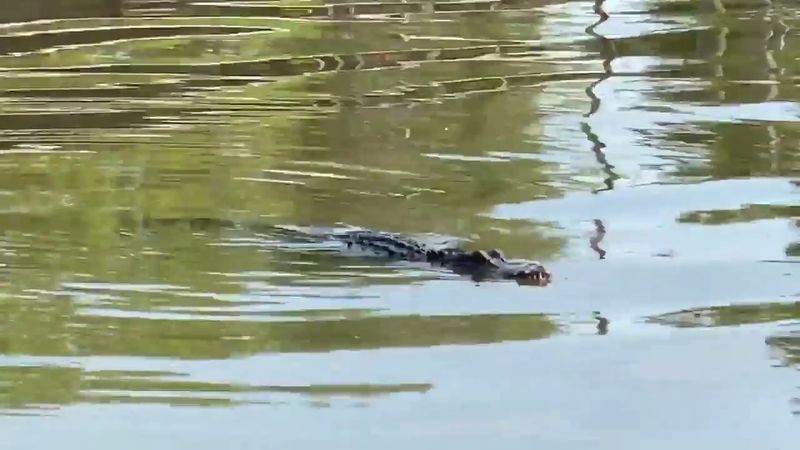
American alligators are the obvious headliners, and yes, you will likely spot one if you spend enough time on the water. They move with a calm confidence that is both impressive and a little humbling, reminding you that humans are not always at the top of the food chain out here.
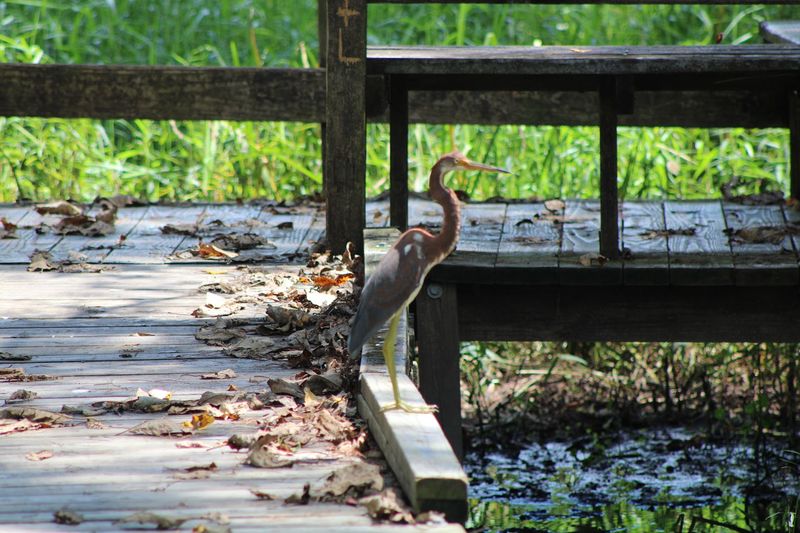
Beyond the alligators, the bird life alone is worth the trip. Great blue herons stalk the shallows with extraordinary patience. Roseate spoonbills flash their improbable pink color through the tree line.
Osprey dive with shocking speed and precision, and wood ducks paddle through the reflections like tiny, perfectly painted boats. Turtles sun themselves on logs in every direction.
Nutria, those large semi-aquatic rodents that look like nature’s experiment gone slightly sideways, wade through the vegetation along the water’s edge. River otters occasionally make an appearance for visitors lucky enough to catch them at play.
The sounds here are just as remarkable as the sights. Frogs, insects, birds, and the occasional splash of something large and unseen create a constant, layered soundtrack that no playlist could replicate.
Fishing Culture That Runs Through The Community’s Veins
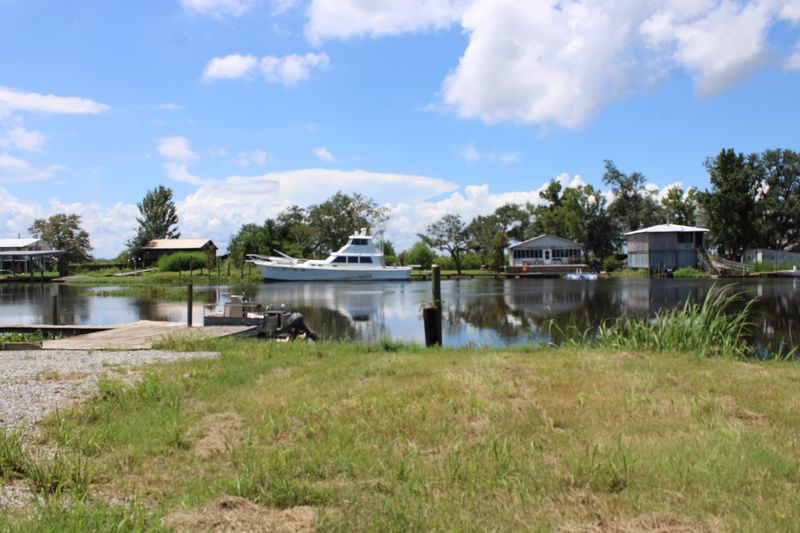
Around this place, fishing is not a hobby. For many families, it is a way of life that has been practiced across multiple generations without interruption.
The waterways connecting to Lake Pontchartrain and the surrounding swamps offer some of the most productive freshwater fishing in all of Louisiana.
Largemouth bass, catfish, crappie, and bream are the species most commonly pulled from these dark, tannin-stained waters. Local fishermen know the productive spots by feel, returning to the same bends and coves that their fathers and grandfathers worked before them.
Flat-bottom boats are the vessel of choice here, built low and light to navigate the shallow channels that cut through the swamp. Watching a seasoned local ease one of these boats through a narrow passage between cypress trees is like watching someone speak a language you wish you had learned earlier in life.
Visitors are welcome to try their luck, and renting or borrowing access to the waterways is easier than you might expect. Catching your first Louisiana bass in a swamp this beautiful is a story you will tell for years, even if the fish turns out to be smaller than you planned.
The culture around fishing here also includes a genuine pride in the ecosystem. Many local fishermen are deeply committed to conservation, understanding that healthy water means healthy fish and a healthy future for the community.
Paddling Through A Living Landscape
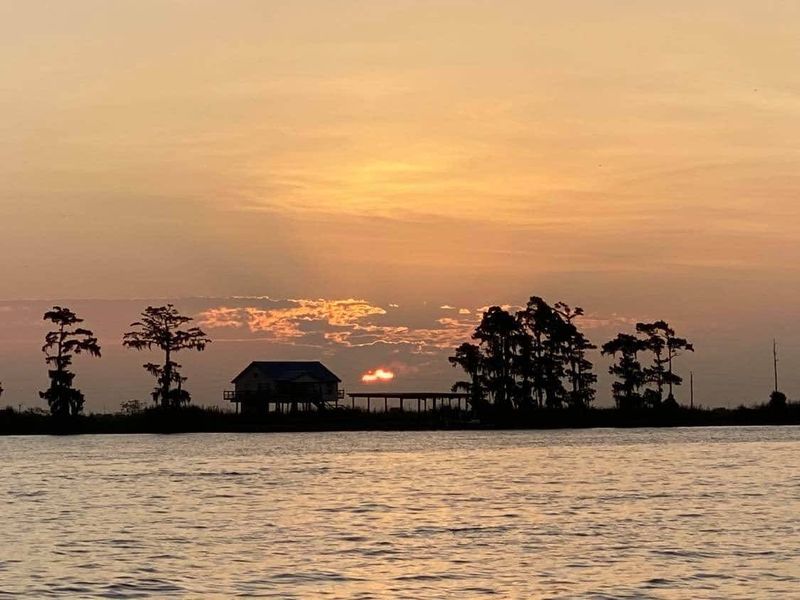
There is something about moving through a swamp at water level, in a kayak or canoe, that changes the way you see everything. The trees seem taller.
The silence seems deeper. And the occasional ripple on the water’s surface becomes something you pay very close attention to.
The waterways around Akers and the Manchac area of Tangipahoa Parish are ideal for paddling. Calm channels wind through dense cypress forests, opening occasionally into wider stretches of open water before narrowing again into shaded, cathedral-like passages.
Beginners can navigate many of these routes without any special training, as long as they pay attention to water levels and bring a reliable map or GPS. The swamp has a way of looking similar in every direction, and getting temporarily disoriented is a very real possibility for first-time visitors.
Experienced paddlers will find more adventurous routes through the Maurepas Swamp Wildlife Management Area, where the waterways become more complex.
Morning paddles are especially rewarding, with mist sitting low on the water and the light filtering through the cypress canopy in ways that feel almost theatrical. Evening paddles have their own appeal, as the swamp transitions from daytime activity to the quieter rhythms of dusk.
The Atmosphere That Makes This Place Unforgettable
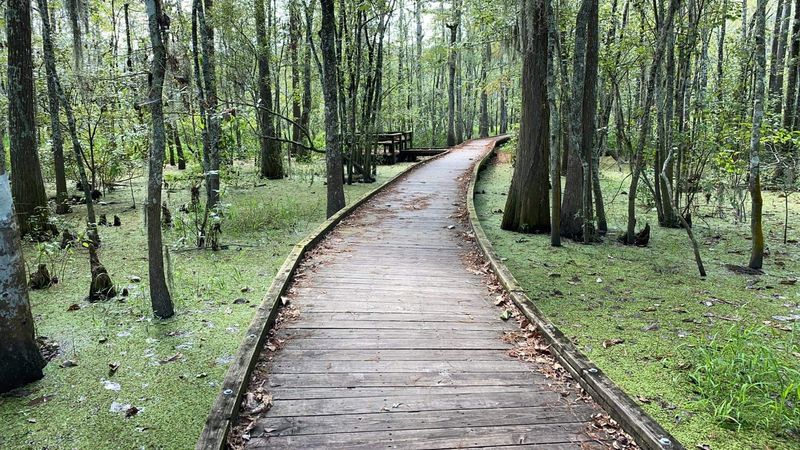
The air itself feels different here, thick with humidity and the faint, earthy scent of water and vegetation that has been composting for centuries. There is a stillness to this place that city life simply does not offer.
Not a dead stillness, but an alive one, full of small sounds and slow movements that reward patience. Visitors who slow down and actually pay attention find that the swamp reveals itself gradually, like a conversation with someone who takes their time before saying something truly worth hearing.
The light changes constantly throughout the day, turning the water from dark bronze in the morning to silver at midday and deep gold in the late afternoon. Photographers find themselves stopping every few minutes because the scene keeps shifting into something more beautiful than the last.
Locals who grew up here often describe the swamp as a place that gets into your blood. The atmosphere here is not manufactured for tourists.
It has not been packaged or polished. It is exactly what it has always been, wild and patient and completely indifferent to whether you appreciate it or not. Does that not make you want to earn its respect?
Best Times To Visit And What To Bring
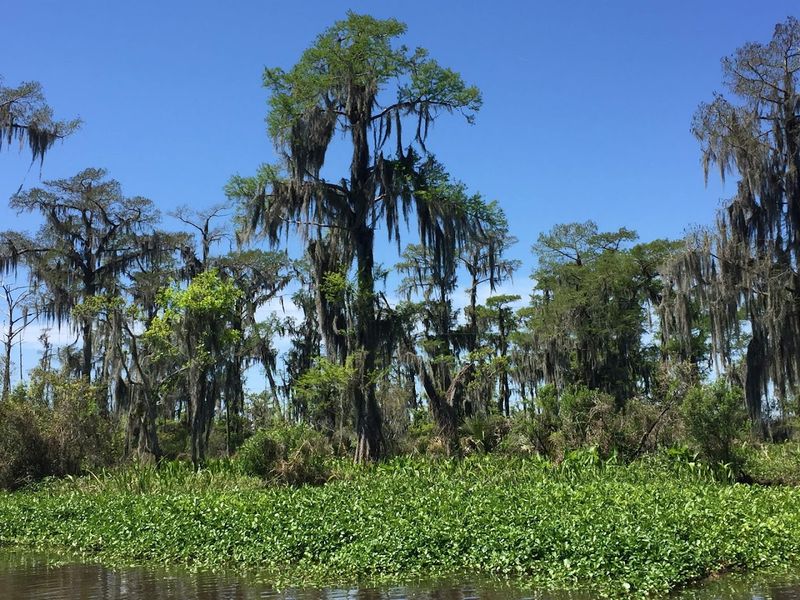
Timing your visit to Akers and the surrounding Tangipahoa Parish area makes a significant difference in what you experience. Louisiana’s climate is subtropical, which means summers are hot, humid, and intense in ways that visitors from drier climates often underestimate.
Fall is widely considered the most comfortable season for exploring this area. Temperatures drop to more manageable levels, the humidity eases slightly, and the cypress trees put on a surprising show of autumn color, turning shades of russet and orange that most people do not expect from a swamp.
Spring is also a strong choice, particularly for birdwatchers, as migratory species pass through the region in impressive numbers. The water levels tend to be higher in spring, which opens up paddling routes that may be inaccessible during drier months.
Winter visits have their own quiet appeal. The swamp feels more open without the dense summer vegetation, making wildlife easier to spot, and the cooler temperatures mean far fewer insects, which is a genuinely significant benefit.
Regardless of when you visit, a few essentials should always make the trip with you. Insect repellent is non-negotiable in warmer months.
Waterproof footwear is strongly recommended. A good pair of binoculars will transform your wildlife experience from interesting to extraordinary. Sunscreen, a wide-brimmed hat, and plenty of water round out the kit for a comfortable visit.
Why Akers Stays With You Long After You Leave
There is something about the scale of the swamp, the way it dwarfs human concerns and puts everything into a longer perspective, that tends to stick with people. Visitors often describe leaving with a feeling they cannot quite name, a calm and the faint sense that they have witnessed something genuinely ancient.
The community itself, small and unassuming, adds a human warmth to the experience. People here are friendly in a specific way that feels earned rather than performed.
They are proud of where they live without being loud about it, and that quiet pride is contagious.
Stories travel home with every visitor. The alligator spotted three feet from the kayak.
The heron that stood completely still for ten full minutes. The sunset that turned the entire swamp into a painting that no filter could improve. These are the details that end up in conversations months later.
Akers is located in Louisiana 70454, a zip code that most GPS systems will take a moment to think about before guiding you there. That small hesitation before arrival might just be the universe’s way of reminding you that the best places always require a little extra effort to reach.