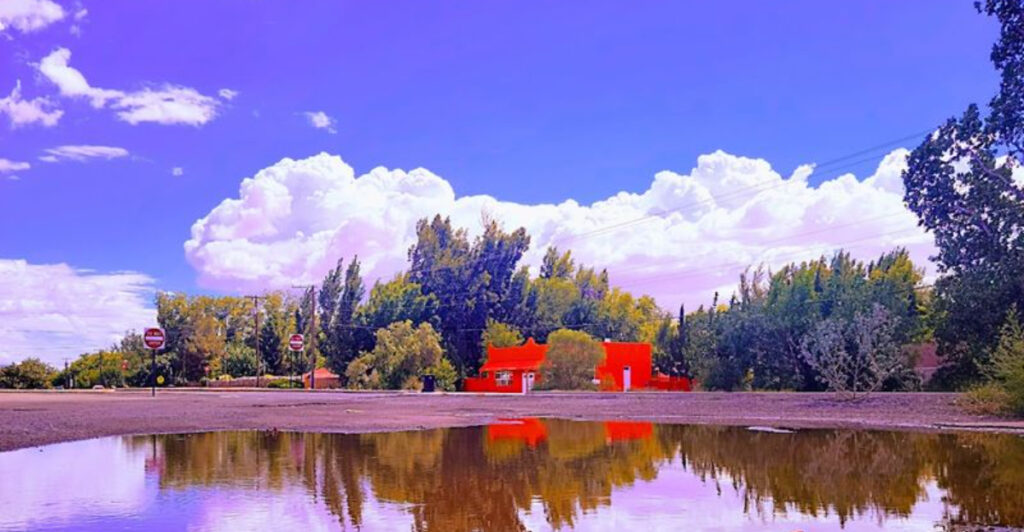
Some places do not need a loud entrance. This small village at the foot of the Sacramento Mountains pulls you in slowly, then stays with you.
Adobe walls catch the desert light. Cottonwoods lean over old irrigation ditches.
Rooftops sit beneath a mountain view that can turn a quick drive into a memory. The local flavor runs deep, especially in the anise cookies rooted in Spanish colonial baking traditions.
That sweet scent is more than a treat. It connects today’s kitchens with people who shaped this place long before highways brought travelers through.
History feels close here, not staged. It lives in worn steps, old buildings, quiet streets, and the easy pride locals carry without making a show of it.
Keep reading to see why this New Mexico village grabs attention, even while keeping its name out of the spotlight until the right moment for readers who love old places.
Adobe Walls In Desert Light
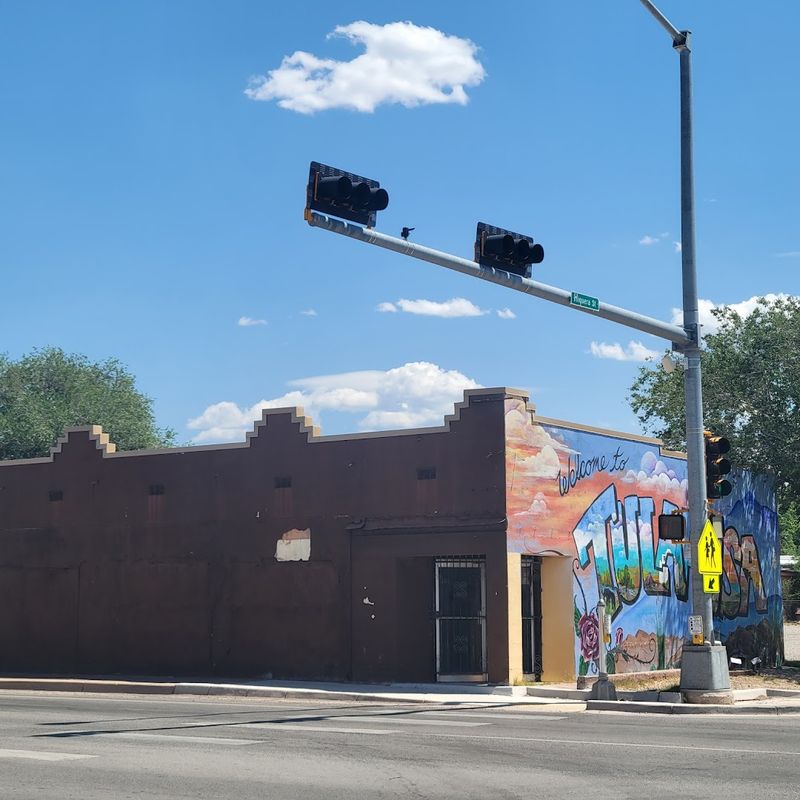
Sun hits an adobe wall differently here than anywhere else I have traveled, and the first time I stood in front of one of these clay-colored facades, I completely forgot what I had planned to do next.
Tularosa’s adobe architecture is not just decorative, it is deeply functional, keeping interiors cool during blazing desert summers and warm during crisp mountain nights.
The Tularosa Original Townsite Historic District covers 49 blocks and includes 182 buildings, earning its well-deserved spot on the National Register of Historic Places in 1979.
What struck me most was how the village actively protects this heritage, with newer construction designed to match the classic adobe style so the streetscape stays visually consistent across generations.
The walls seem to glow in the late afternoon, shifting from pale tan to a warm burnt orange as the desert light softens.
Walking past these structures feels less like sightseeing and more like reading a very long, very beautiful letter written in clay, right here in Tularosa, New Mexico 88352.
Cottonwood Streets At Noon
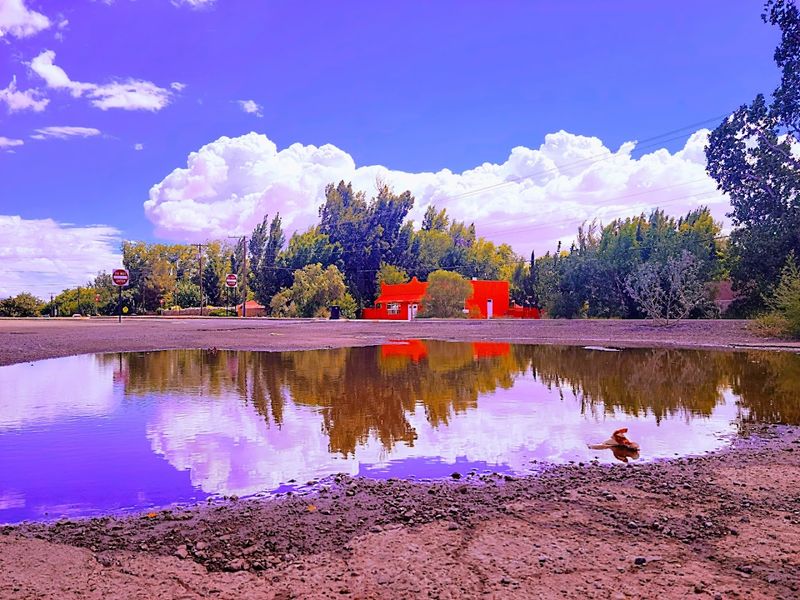
Few things surprise a first-time visitor to Tularosa more than turning a corner and suddenly finding themselves walking under a canopy of tall cottonwood trees in the middle of the Chihuahuan Desert.
These trees owe their survival to an original acequia system, a hand-dug irrigation ditch network brought by Hispanic settlers, that still carries water through the village today.
At noon, the light breaks through the cottonwood leaves in shifting patterns that make the streets feel almost theatrical, like someone arranged the shade on purpose just for afternoon walkers.
The acequia is not a museum piece or a tourist attraction, it is a working system that feeds the street trees and garden plots that give Tularosa its reputation as an oasis in the desert.
I found myself slowing down on these streets without any real reason, just letting the sound of moving water and rustling leaves do their quiet work.
An old irrigation ditch carrying water through a sun-baked desert town is a small miracle that most people walk right past without realizing what they are seeing.
Mountain Views Past Rooftops
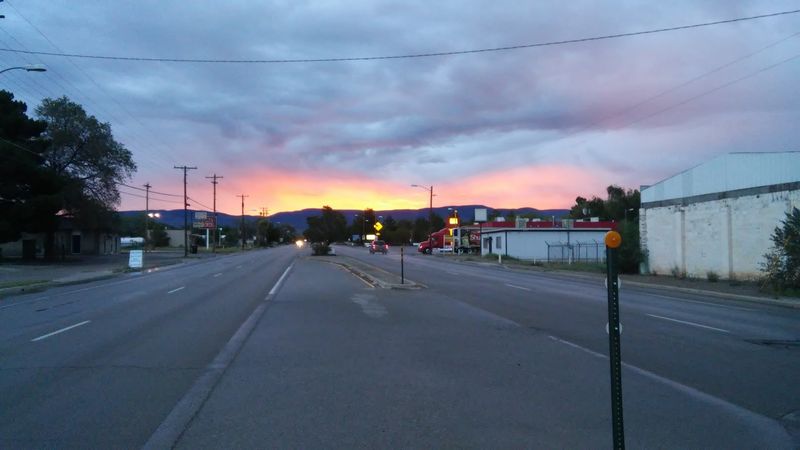
The Sacramento Mountains rise sharply above the rooftops from many east-facing spots in the village, looking almost painted onto the sky rather than actually sitting behind the buildings.
Tularosa sits right at the western edge of those mountains, which means the views are not distant or hazy but immediate and dramatic, filling the upper half of many eastward glances.
I noticed that even longtime residents still pause occasionally to look up at the ridgeline, the kind of involuntary appreciation that happens when something genuinely beautiful surrounds your everyday life.
The mountains change character throughout the day, appearing sharp and blue-green in the morning, then fading to purple and gray as the afternoon light shifts and shadows move across the slopes.
Photographers who visit Tularosa quickly learn that the best shots often need no special composition because the mountain backdrop does most of the heavy lifting behind any foreground subject.
A flat desert rooftop with a jagged mountain range looming behind it is the kind of image that stays in your memory long after the drive home is finished.
Historic Corners With Soul
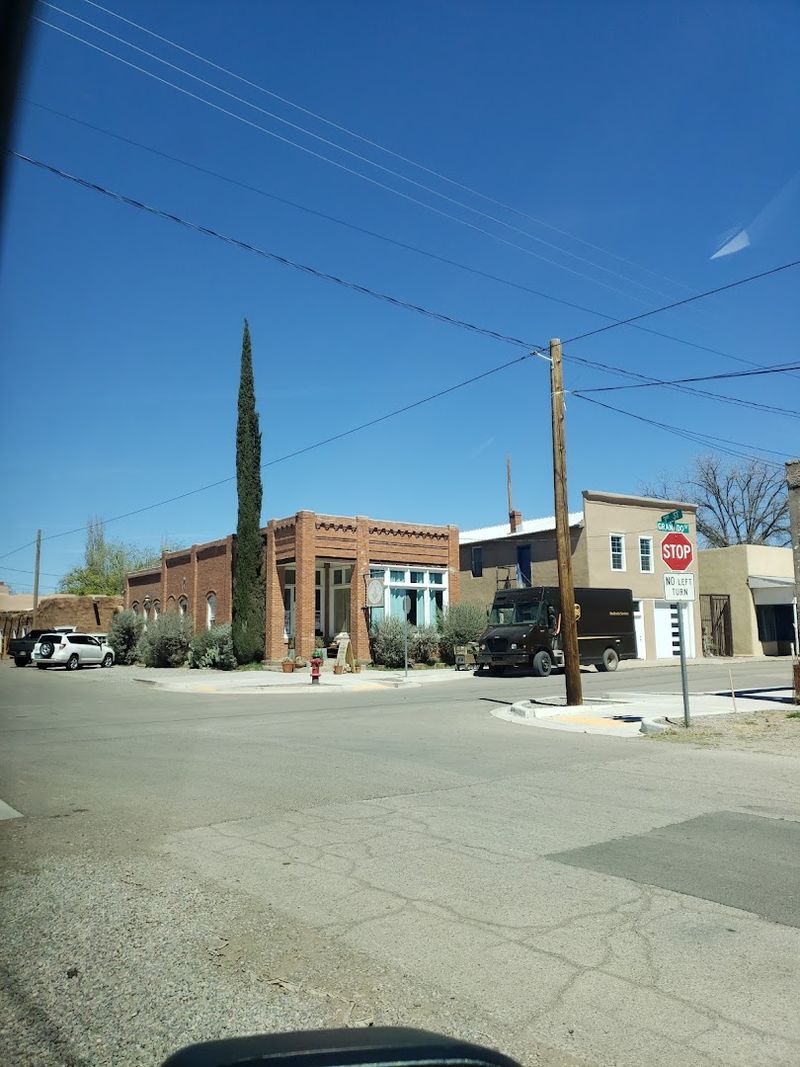
Tularosa was formally established in 1863 by Hispanic settlers who traveled from the Rio Grande valley looking for fertile land and a fresh start. Those founding roots show up on every historic corner of the village.
The name itself comes from the Spanish description of the rose-colored reeds that once grew along the banks of the Rio Tularosa, a small poetic detail that hints at how carefully early settlers paid attention to their surroundings.
Walking the older blocks, I kept stopping at corners where a carved wooden lintel or an old garden gate told a story that no information plaque could fully summarize.
The cultural continuity here is remarkable, with founding families and long-rooted local traditions still shaping homes, streets, and everyday life across generations.
History in Tularosa does not feel like something behind glass in a museum, it feels like something still breathing, still shaping daily life in small and meaningful ways.
Every corner seems to carry the weight of real decisions made by real people, and that kind of soul is genuinely rare in a world that moves too fast to look down at its own foundations.
Quiet Lanes With Old Charm
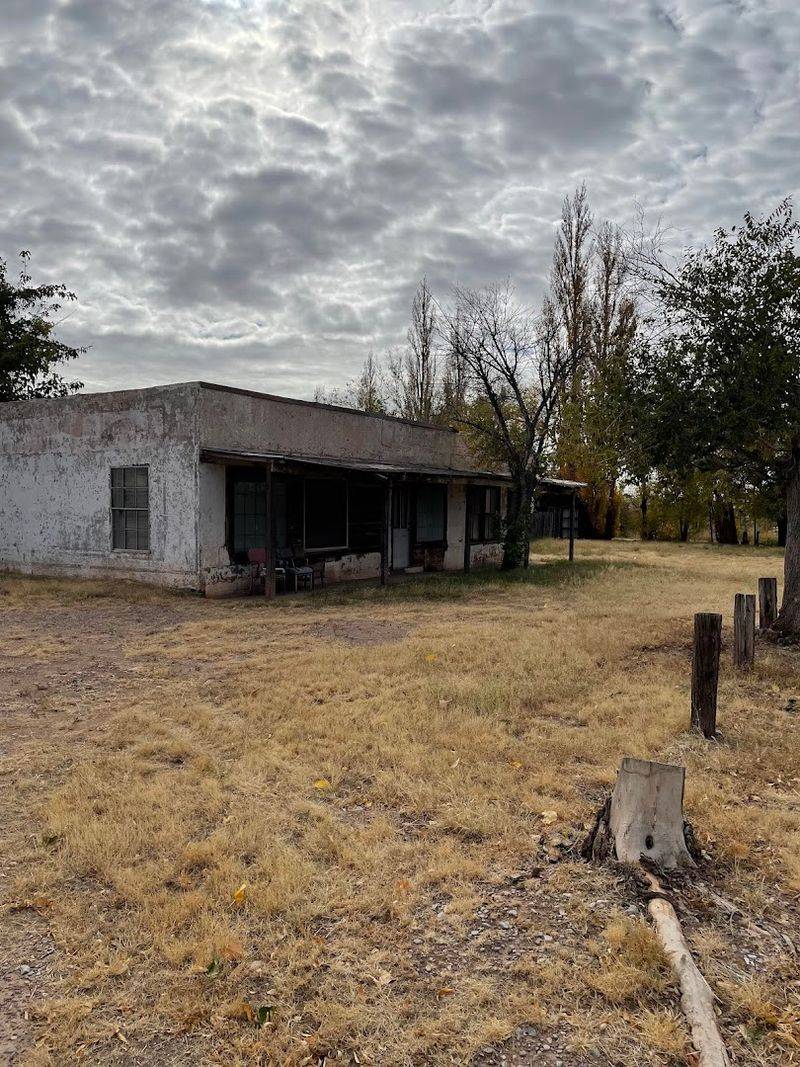
Not every great travel experience involves a crowded landmark or a busy downtown square, and Tularosa makes a convincing case for the kind of charm that only reveals itself on a slow walk down a quiet lane.
The residential streets here feel genuinely unhurried, with low adobe walls bordering gardens where roses and desert plants grow side by side in the kind of casual abundance that takes decades to cultivate.
I turned down one lane expecting a shortcut and ended up spending twenty minutes just looking at doorways, each one slightly different in color, wood grain, or hardware detail.
The village has worked hard to maintain this atmosphere, encouraging property owners to preserve traditional building styles rather than replace them with modern materials that would break the visual rhythm of the streets.
The historic core feels largely free of big commercial clutter, which makes much of the place feel like it belongs to a slower and more considered version of American small-town life.
A quiet lane in Tularosa is not just a path between two points, it is its own destination, best traveled without a schedule and with both eyes wide open.
Sunlit Plazas And Pueblo Details
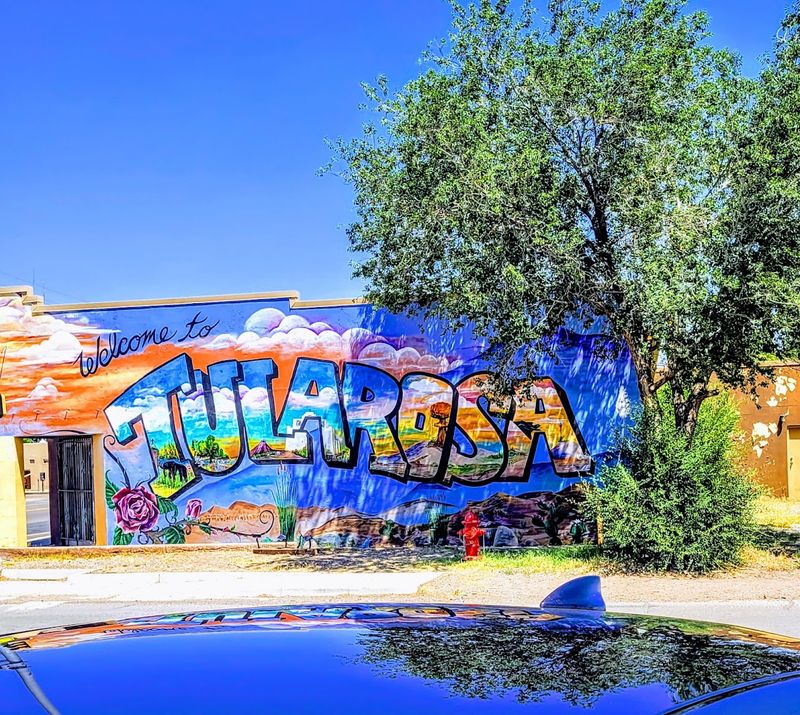
Pueblo-influenced architecture has a particular relationship with sunlight that I never fully understood until I spent time standing around Tularosa’s plaza and older courtyards watching shadows move across vigas and rounded parapets throughout the day.
The design details here are not decorative choices applied to a building, they are structural decisions rooted in centuries of practical knowledge about heat, shade, and the specific demands of desert living.
Rounded wall edges soften the harsh midday glare while deep-set windows and recessed doorways create small pools of shade that make exterior spaces genuinely usable even in summer.
I found that the plaza and open courtyards in Tularosa invite lingering in a way that modern public spaces rarely manage, partly because the proportions feel human-scaled and the materials feel warm rather than industrial.
The interplay of smooth clay surfaces, rough wooden beams, and bright New Mexico sunlight creates a visual texture that photographs love and memory holds onto stubbornly.
Standing in a sunlit Tularosa plaza, surrounded by pueblo details that connect this spot to centuries of Southwestern building tradition, feels like catching a conversation that started long before you arrived.
Desert Scenery After Glow
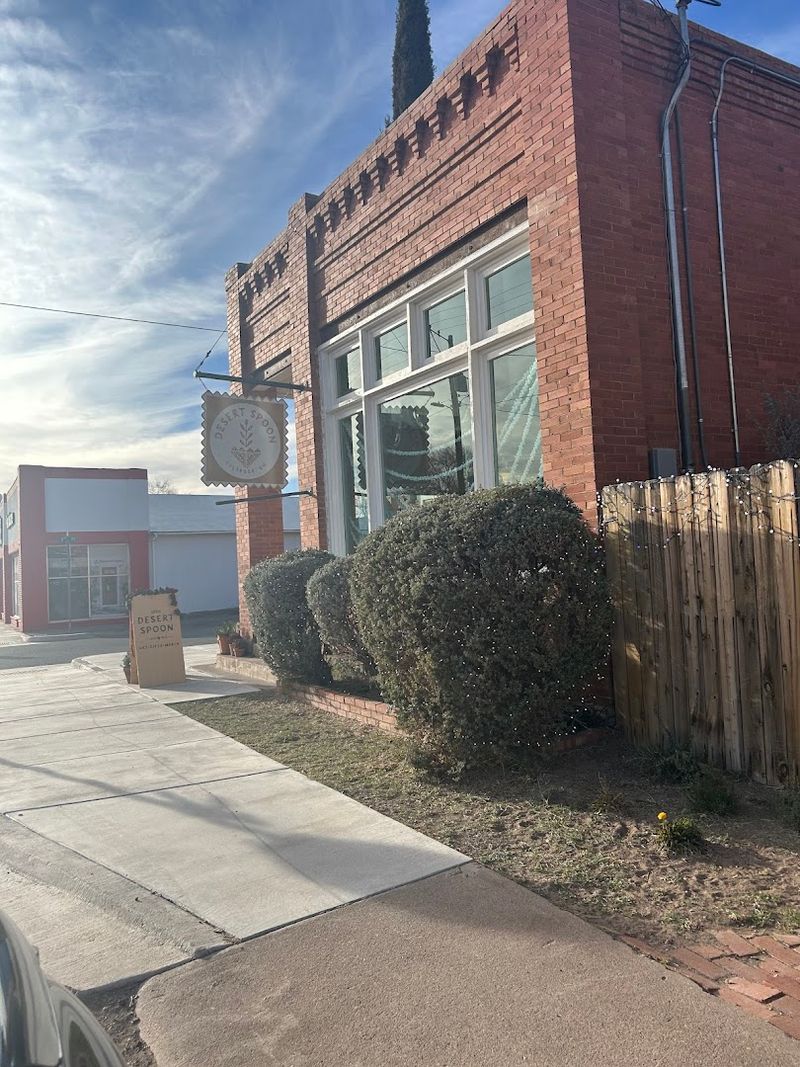
Golden hour in the Chihuahuan Desert around Tularosa is the kind of light show that makes you rethink every landscape photograph you have ever taken and wonder why you were not standing here instead.
The flat desert floor west of the village catches the last horizontal light of the day and turns it into something almost theatrical, with long shadows stretching from every yucca and creosote bush across the pale sand.
I stayed out past what I had planned one evening, unwilling to walk back to my car while the sky was still doing that thing where it cycles through pink, then orange, then a deep violet that seems too saturated to be real.
The Sacramento Mountains to the east add a second layer to the scene, their silhouette darkening steadily while the western sky behind the village stays lit for another twenty minutes after sunset.
Tularosa sits in the Tularosa Basin, which means the surrounding landscape has that wide, unobstructed quality that lets a desert sunset spread across your entire field of vision without a single building blocking the show.
Afterglow in the desert is patient and unhurried, much like the village itself, and both reward visitors who are willing to simply stop and wait.
Hidden Doorways Under Big Skies
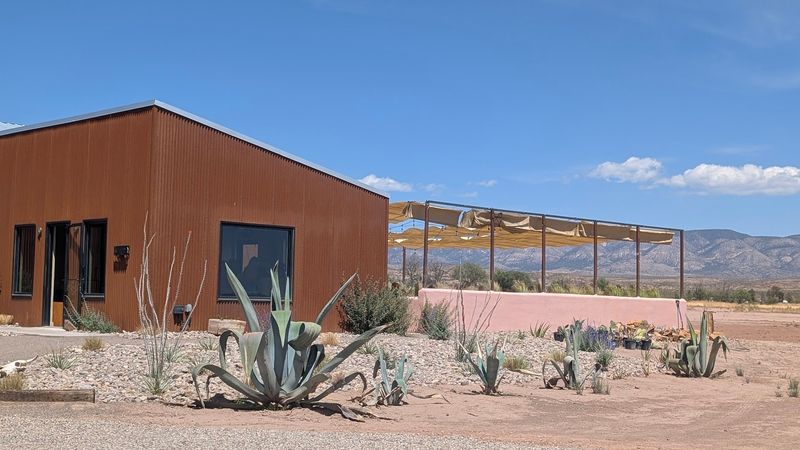
New Mexico is famous for its enormous sky, and Tularosa uses that sky as a backdrop so effectively that even a plain wooden door set into an adobe wall becomes a composition worth stopping for.
Hidden doorways appear throughout this village, tucked into garden walls, set back under small porticos, or framed by climbing plants that have been growing in the same spot for longer than most American cities have existed.
I started photographing doors on my second afternoon in Tularosa almost by accident, and by the time I left I had filled an entire camera roll with nothing but variations on wood, clay, and sky.
Each doorway feels like a small mystery, hinting at a courtyard or a garden or a family history that the street-level view will never fully reveal.
The contrast between the handmade quality of the doors and the infinite sky above them creates a visual tension that feels both ancient and immediate at the same time.
Tularosa is the kind of place where the most memorable images are not the famous landmarks but the overlooked doorways that most visitors walk past without ever slowing down to look.