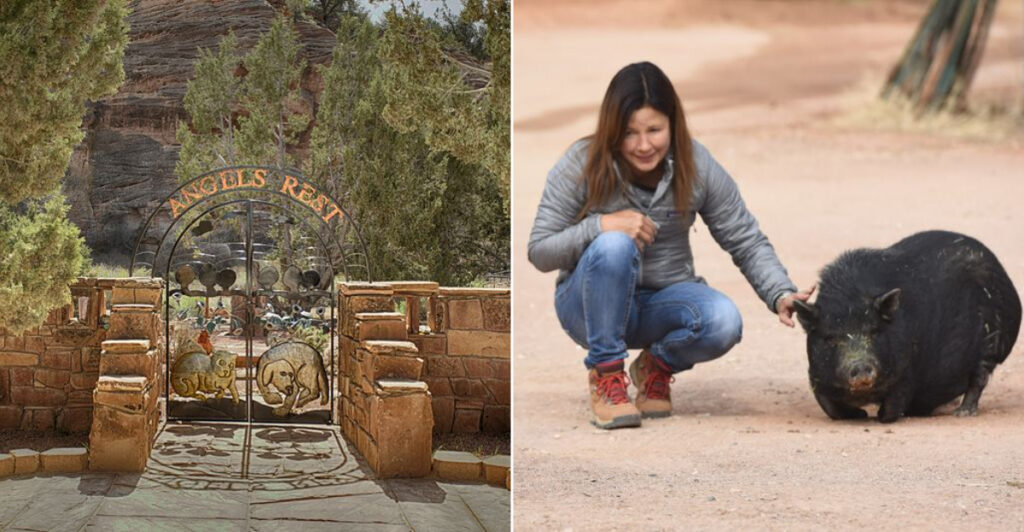
Every animal lover knows the rare feeling of seeing compassion built at full scale. In southern Utah, this red rock canyon sanctuary turns that feeling into a place you can actually visit, with rescued dogs, cats, horses, pigs, rabbits, birds, and other animals living safely under wide desert skies.
It is not just impressive because of its size. It is moving because every tour, volunteer shift, adoption story, and quiet moment with an animal points to the same idea: second chances matter.
Visitors arrive expecting a meaningful stop and often leave with full hearts, dusty shoes, and a new standard for what rescue work can look like. The scenery would be memorable on its own, but the mission gives it weight.
Utah’s canyon country feels especially powerful here, where kindness is not a slogan but a daily practice with paws, hooves, whiskers, and names.
The Grand Sanctuary Tour: Your Best First Move
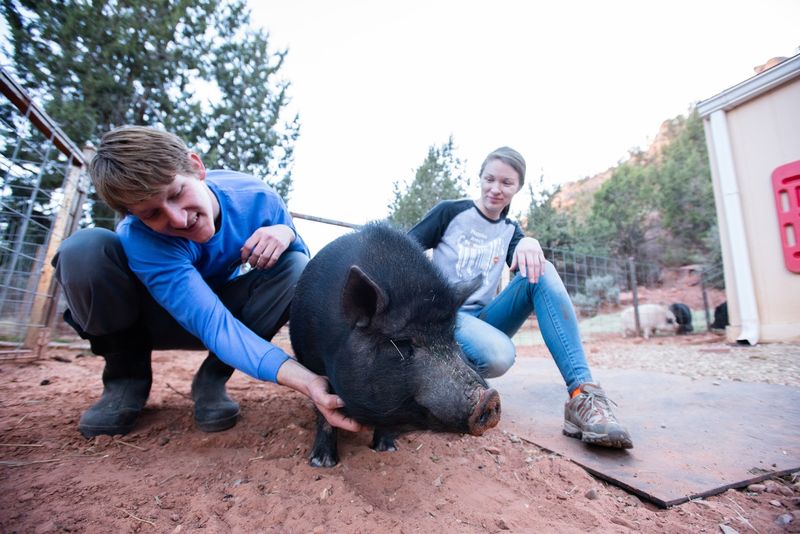
Planning ahead pays off here, and the free 90-minute guided tour is the single best way to understand the full scale of what Best Friends has built inside Angel Canyon. The sanctuary spans thousands of acres, and without a guide, you would barely scratch the surface of what is happening on the grounds.
Knowledgeable, passionate guides lead small groups through areas dedicated to different species, explaining the care philosophy, the no-kill mission, and the stories behind individual animals. Stops often include the cat houses, pig areas, and other habitats, with some opportunities to interact with residents along the way.
Tours run daily and are available both as guided and self-guided experiences, though the guided version fills up fast. Booking through the sanctuary website well in advance is strongly recommended, especially during busy travel seasons.
One visitor booked three months ahead and still felt like she got lucky.
Pro Tip: Morning tours tend to offer the most active animal sightings and cooler canyon temperatures. Check the official website at bestfriends.org/sanctuary before you go to confirm tour availability and timing.
Best For: First-time visitors, families, and anyone who wants real context before exploring independently.
Angels Rest and the Wind Chime Memorial
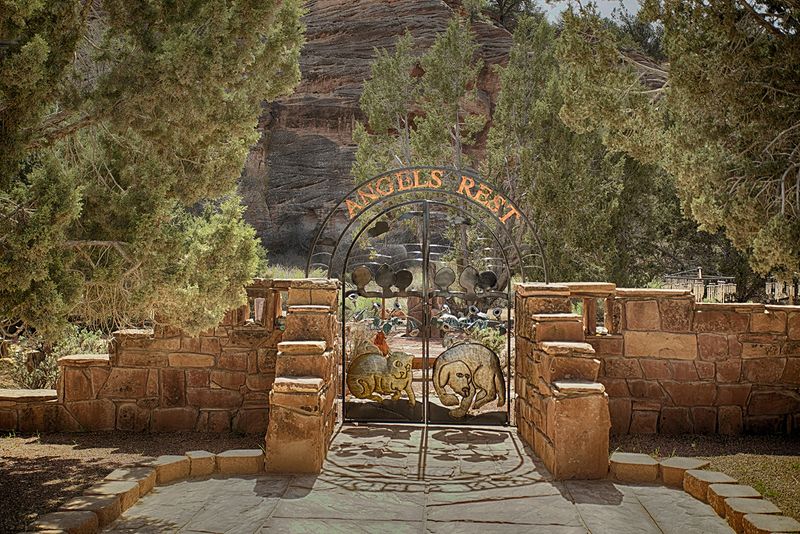
There is a spot on the sanctuary grounds that stops most visitors cold, and it has nothing to do with a living animal. Angels Rest is the sanctuary’s on-site pet cemetery, and it carries a weight that is hard to describe without sounding dramatic, except that it genuinely earns every bit of that weight.
Wind chimes hang throughout the area, and when a canyon breeze moves through, the sound is layered, gentle, and oddly comforting. Many visitors report standing quietly for far longer than they expected to.
At least one visitor mentioned that her husband, a man not known for public emotion, had tears running down his face before he realized it was happening.
The cemetery honors animals who lived out their lives at the sanctuary, and the care put into the space reflects the core belief that every animal’s life matters from beginning to end. It is not a sad place so much as a deeply respectful one.
Why It Matters: For anyone who has lost a pet, Angels Rest offers a rare kind of acknowledgment that the bond between humans and animals is worth honoring seriously and permanently.
Best For: Reflective visitors, grieving pet owners, and anyone seeking a moment of genuine stillness.
Staying On Property: Cabins, Cottages, and the RV Campground
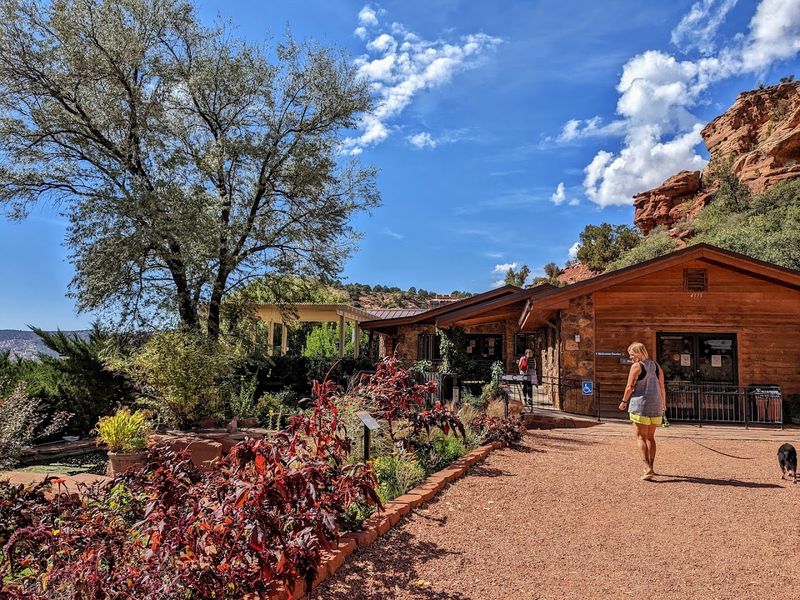
Spending the night inside the sanctuary changes the experience entirely. When the day visitors drive back toward Kanab and the canyon goes quiet, something shifts.
The red rock walls catch the last light, deer wander the property without any particular urgency, and the whole place settles into a pace that is genuinely hard to find anywhere else.
Best Friends offers cabins, cottages, and an RV campground, all on the sanctuary grounds. The cabins are pet-friendly, thoughtfully outfitted, and clean in the way that suggests someone actually cares rather than just checking a box.
One guest brought her dog and reported that her pup rotated between two dog beds all night, apparently unable to commit to just one.
The RV campground has full hookups, clean restrooms with showers, and well-spaced sites. Guests have noted the facilities are maintained at a level that genuinely surprises people who have spent time at lesser campgrounds.
Insider Tip: Book a cat sleepover if you stay overnight. You can schedule a feline visitor to spend the evening with you in your cabin, which is exactly as delightful as it sounds.
Best For: Couples, solo travelers, families with pets, and RV road-trippers passing through southern Utah.
Volunteering at the Sanctuary: Working Side by Side With the Animals
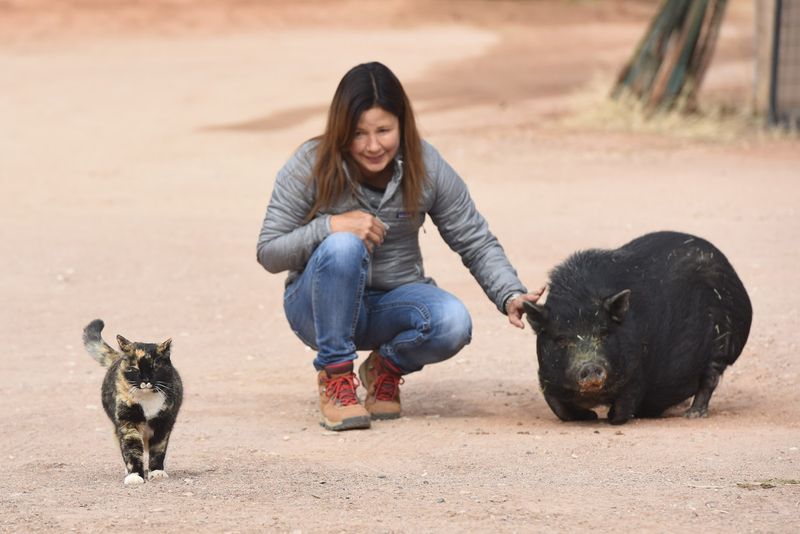
Here is something that separates Best Friends from almost every other animal welfare organization in the country: you can actually roll up your sleeves and help. Volunteer shifts are available across multiple areas of the sanctuary, including Dog Town, Cat World, Horse Haven, and a dedicated space called Roxy’s Room for dogs needing extra attention.
Shifts are structured, supervised, and genuinely useful. You are not just folding laundry in a back room while someone else handles the animals.
Volunteers walk dogs, socialize cats, assist with horse care, and engage directly with animals that benefit from consistent human contact. One family spent three days volunteering across different areas of the sanctuary and described it as the most meaningful vacation they had ever taken.
Volunteer spots fill up quickly, so planning ahead is essential. The sanctuary website outlines how to register and what to expect from each area.
Some volunteers return annually, treating it as a standing commitment rather than a one-time experience.
Common Mistakes to Avoid: Do not show up expecting to volunteer without booking in advance. Shifts are limited and structured for the animals’ wellbeing, not drop-in availability.
Best For: Animal lovers of all ages, families with older kids, and solo travelers looking for meaningful engagement.
The Vegan Cafe With a View That Earns Its Own Reputation
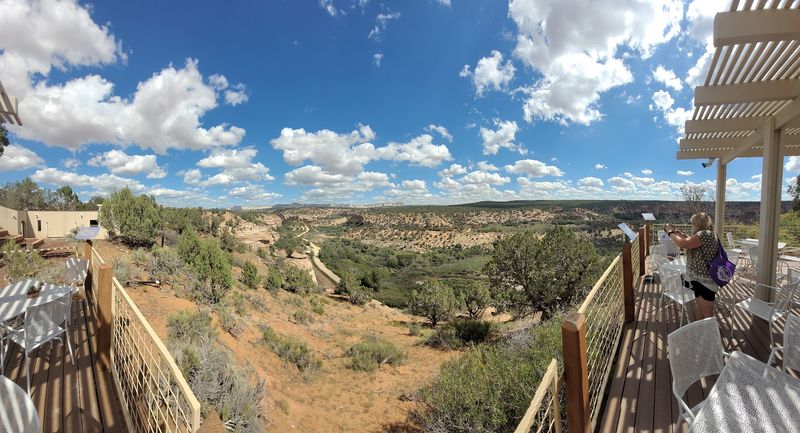
Do not let the word vegan send you reaching for the car keys before you have given this place a fair shot. The cafe at Best Friends sits on a patio overlooking the canyon, and the view alone has been described by multiple visitors as worth the five-dollar lunch price before a single bite is taken.
The menu is plant-based, filling, and more satisfying than skeptics tend to expect. The salad bar in particular has generated the kind of enthusiasm that is usually reserved for steakhouses and Sunday brunch spots.
Dessert, by consistent visitor report, does not disappoint.
This is also a genuinely affordable stop. The canyon scenery framing the outdoor seating is the kind that costs nothing extra but feels like it should.
Lunch here makes for a natural midday pause between a morning tour and an afternoon of self-guided exploration around the sanctuary loop.
Quick Tip: The cafe is open during sanctuary hours, but seating on the patio fills up around midday. Arriving slightly before or after the lunch rush gives you more breathing room and better odds of snagging an unobstructed canyon view.
Best For: Everyone, including committed carnivores who are willing to be pleasantly surprised.
Adopting From Best Friends: When a Visit Becomes a Life Change
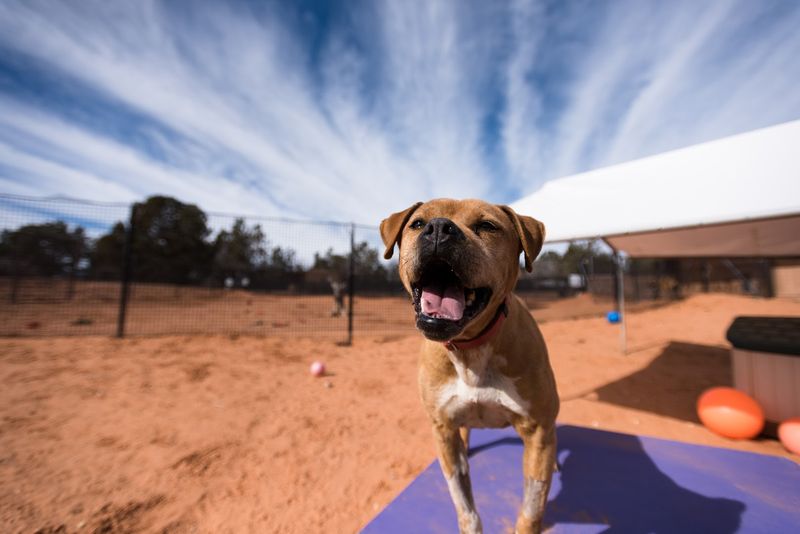
Some people arrive at Best Friends with a tour booked and leave with a dog. This is not a rare outcome.
The sanctuary has a full adoption program staffed by specialists who take the matching process seriously, working with visitors to find the right fit rather than simply handing over the nearest available animal.
The adoption area includes a dedicated dog facility, and visitors who spend time with the animals during tours or volunteer shifts often find themselves unexpectedly attached to a specific resident. One visitor who stopped spontaneously on a road trip home ended up adopting a dog named Beet, renamed Opal, with staff going out of their way to finalize the paperwork and send her home with a full bag of supplies the same day.
Best Friends also assists with safe transport logistics for adopters who have traveled a significant distance. The process is thoughtful, not rushed, which is exactly what it should be when a living animal is involved.
Planning Advice: If adoption is even a possibility in your mind, mention it when you arrive. Staff can pair you with an adoption specialist and structure your visit accordingly from the start.
Best For: Families, couples, and individuals who are open to the possibility of leaving with a new family member.
The Gratitude Garden and the Canyon Loop: A Drive Worth Taking Slowly
After the guided tour wraps up, visitors are free to drive the sanctuary loop on their own, and this is where the experience quietly becomes something else. The red rock canyon walls that frame the entire property are not subtle.
They are the kind of geological drama that makes you understand why people move to southern Utah and then never leave.
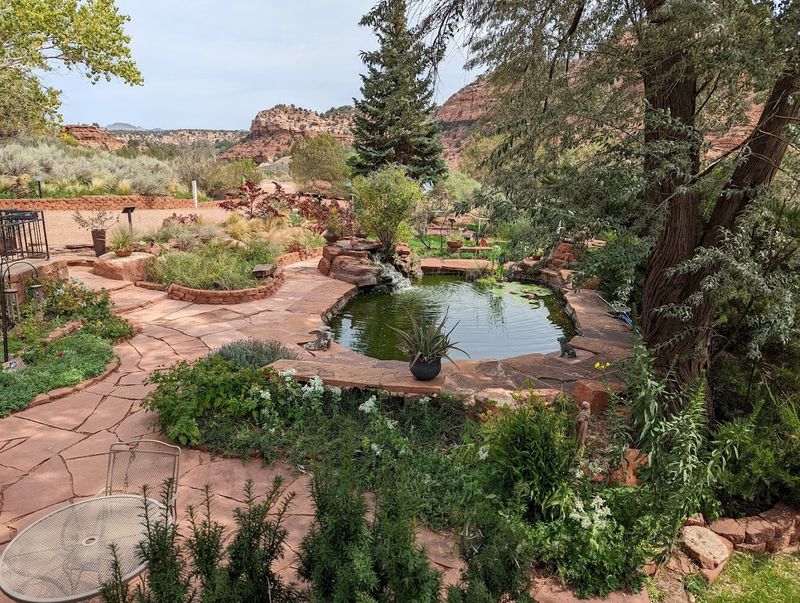
The Gratitude Garden sits at an elevated point on the property and offers views that visitors consistently describe with words like jaw-dropping and breathtaking, which are usually overworked adjectives but feel honestly earned here. It is a short walk from the parking area and requires no particular fitness level to reach.
The self-guided loop also passes the Angels Rest memorial and gives visitors unrushed time to absorb the scale of what the sanctuary has built across this canyon landscape. Deer are frequently spotted along the route, apparently unbothered by human presence and moving through the property as though they own it, which in a meaningful way, they do.
Best Strategy: Save the self-guided loop for after your tour so the context you have gathered makes the scenery and the sanctuary’s layout land with full impact.
Best For: Everyone, but especially couples, photographers, and anyone who needs a genuinely unhurried hour outdoors.