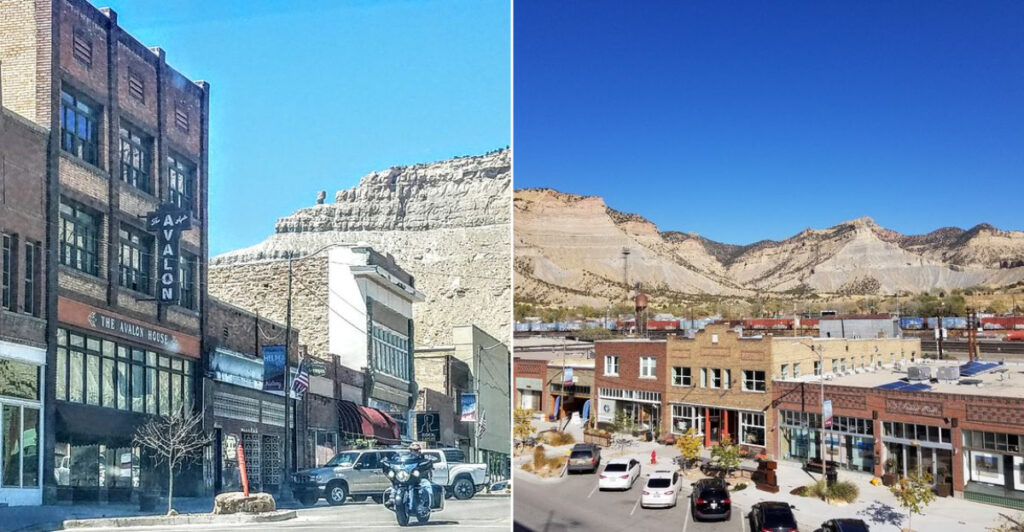
A small town proves its strength when the main street feels like a shared living room instead of a backdrop. About 110 miles southeast of Salt Lake City, this canyon community in Utah has built that kind of loyalty one storefront, gathering, and face at a time.
With just over 2,100 residents, it does not need crowds to feel alive. The appeal comes from people who keep showing up, supporting local businesses, preserving buildings, and treating downtown as something worth protecting.
That gives the historic corridor an energy bigger places often struggle to manufacture. You can feel the difference while walking past restored facades, local art, and businesses that seem connected to the town rather than dropped into it.
For travelers curious about communities that still feel rooted, this corner of eastern Utah offers a compelling example. Sometimes the strongest places are the ones that simply refuse to drift apart.
A Town That Chose Itself Before Anyone Else Did
Some towns get famous because a movie was filmed there. Others make the travel blogs because a celebrity bought a cabin nearby.
Helper, Utah, did neither of those things, and it is better for it. This Carbon County city, sitting roughly 7 miles northwest of Price, built its identity the old-fashioned way: through people who stayed, invested, and showed up.
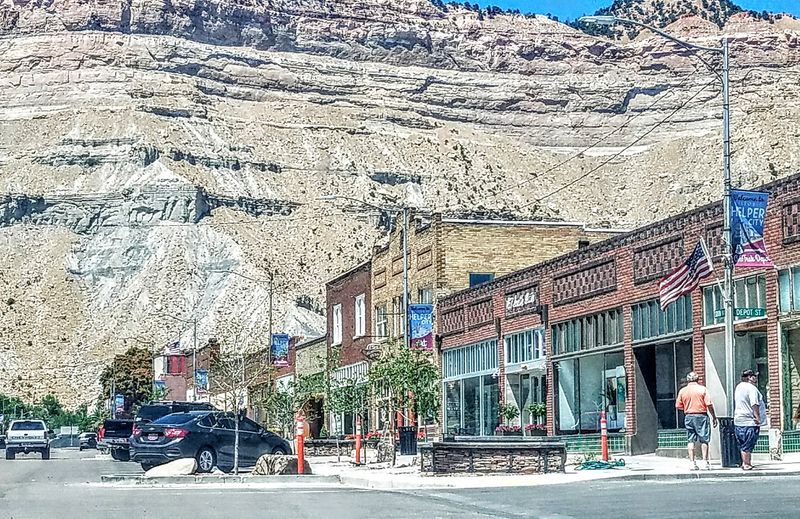
The town sits at an elevation that gives winter some real authority, and the canyon walls that frame it feel less like scenery and more like punctuation. You get the sense that Helper knows exactly where it stands, geographically and culturally.
Why It Matters: Communities that grow organically tend to have a texture that planned destinations simply cannot replicate. Helper’s loyalty loop, where locals support local, has kept its Main Street alive in ways that would make urban planners quietly envious.
Best For: Travelers who want to feel the pulse of a real working town rather than a curated experience designed for Instagram approval.
Main Street as the Town’s Living Room
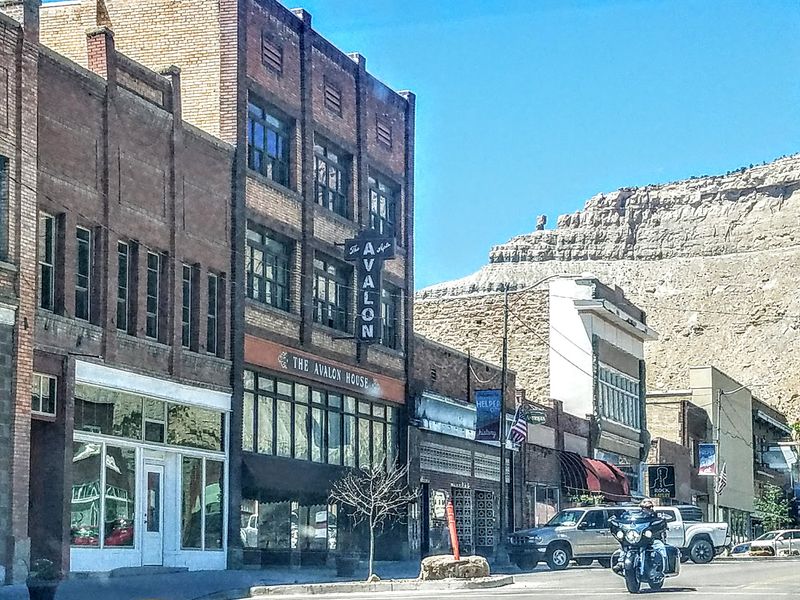
Not every town can claim that its main street is also its social calendar, its town hall, and its therapy session all in one. Helper’s Main Street manages all three without trying too hard.
The buildings carry the kind of architectural confidence that comes from being built to last, not built to trend.
Walking it feels like flipping through a well-worn photo album. There is history in the brickwork, personality in the storefronts, and a rhythm to the foot traffic that tells you people actually live here rather than just pass through.
That is rarer than it sounds.
Pro Tip: Go on a weekday morning if you want the street to yourself. Go on a weekend if you want to see the community version of Helper, neighbors talking across doorways, kids on bikes, the whole scene.
Insider Tip: The stretch of Main Street in downtown Helper rewards slow walkers. Rushing it means missing the details, and the details are exactly the point here.
Carbon County Roots Run Deeper Than Most Maps Show
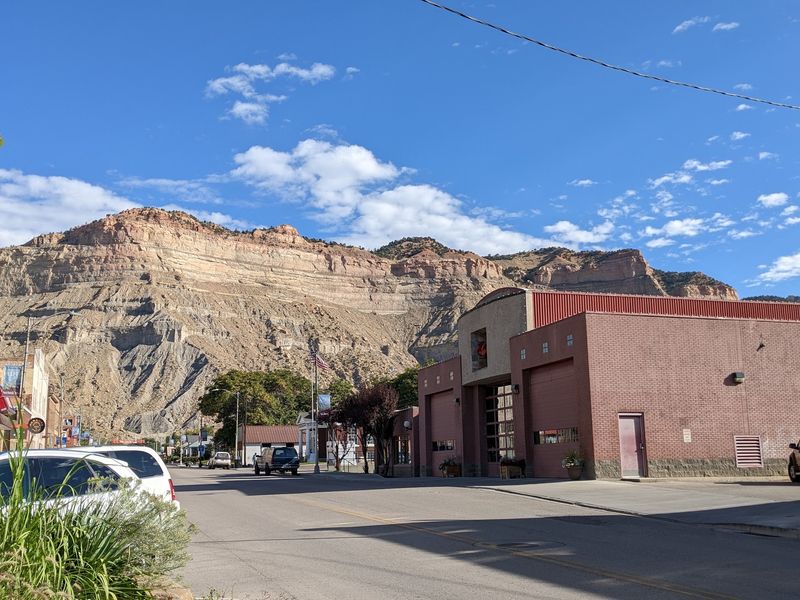
Carbon County has a working-class backbone, and Helper has always been one of its most expressive vertebrae. The town’s name itself comes from its railroad history, when helper engines were added to trains to push them up the steep canyon grade.
That is not a metaphor anyone manufactured after the fact. It is just what happened, and the town wore the name proudly.
That kind of origin story matters because it shapes community character in ways that persist long after the original industry has faded. Helper knows what it was built for, and that clarity gives it a grounded confidence you notice within about fifteen minutes of arriving.
Fun Fact: The town’s name is literally functional. Helper engines were a real railroad necessity on the steep grades of Price Canyon, and the community that grew around that stop took the name as its own.
Who This Is For: History-curious travelers, road-trippers passing through on US-6, and anyone who appreciates a place with an actual origin story rather than a marketing one.
Why Locals Keep Choosing Downtown Over Everywhere Else
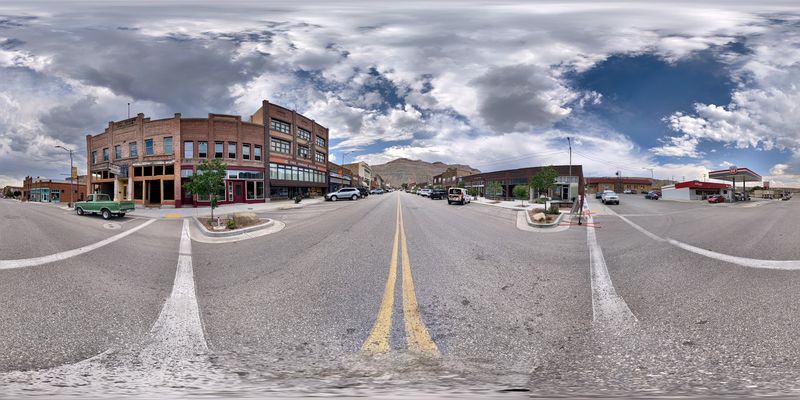
There is a particular kind of local loyalty that does not need a hashtag. You see it in the way people in Helper navigate downtown, not because it is the only option, but because it is the preferred one.
That preference is earned, not assumed, and it shows in how the community has maintained its commercial core over decades.
Price is just 7 miles away, which means Helper residents have easy access to larger retail options. And yet, downtown Helper keeps drawing people back.
That pull is worth paying attention to because it signals something genuine about the relationship between this community and its physical center.
Best Strategy: If you are visiting from Salt Lake City or passing through on a road trip, treat Helper as a destination, not a detour. The difference in how you experience it is significant.
Common Mistakes to Avoid: Do not speed through Helper on your way to Price. The town rewards the pause, not the pass-through.
Pull over, walk a block or two, and let the place make its case.
A Place That Works for Families, Couples, and Solo Wanderers Alike
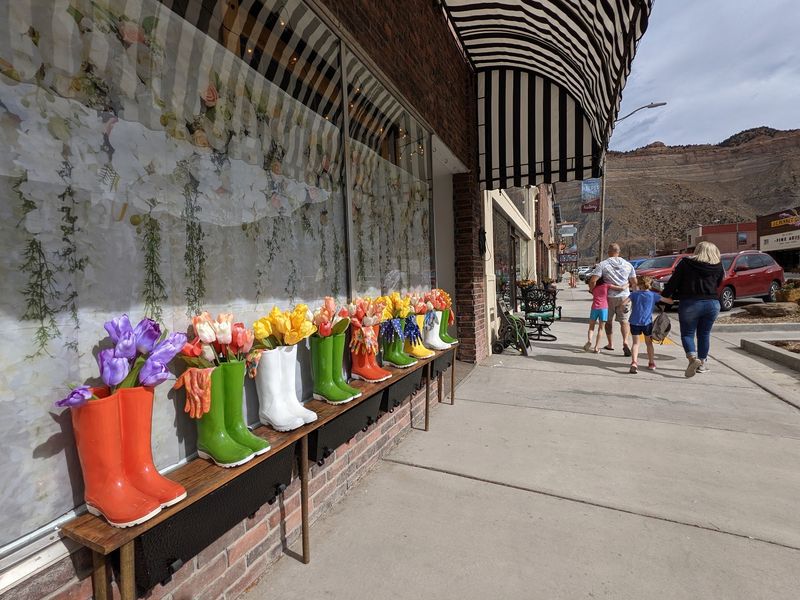
Helper has a rare quality: it does not cater to one type of visitor and ignore the rest. Families find it manageable and genuine, without the sensory overload of larger tourist towns.
Couples get the quiet, the scenery, and the kind of unhurried afternoon that actually leads to real conversation.
Solo travelers, the ones who move at their own pace and stop whenever something catches their eye, will find Helper particularly rewarding. There is no pressure here, no line to join, no timed ticket to worry about.
The town simply exists and invites you to exist alongside it for a while.
Quick Verdict: Helper, Utah is the rare small-town stop that adjusts to whoever shows up. It does not perform for tourists.
It just continues being itself, which turns out to be more than enough.
Planning Advice: Helper is about 110 miles from Salt Lake City, making it a reasonable day-trip distance. Pair it with a drive through Price Canyon for a route that earns its scenery on both ends.
Making a Mini-Outing Out of a Main Street Stroll
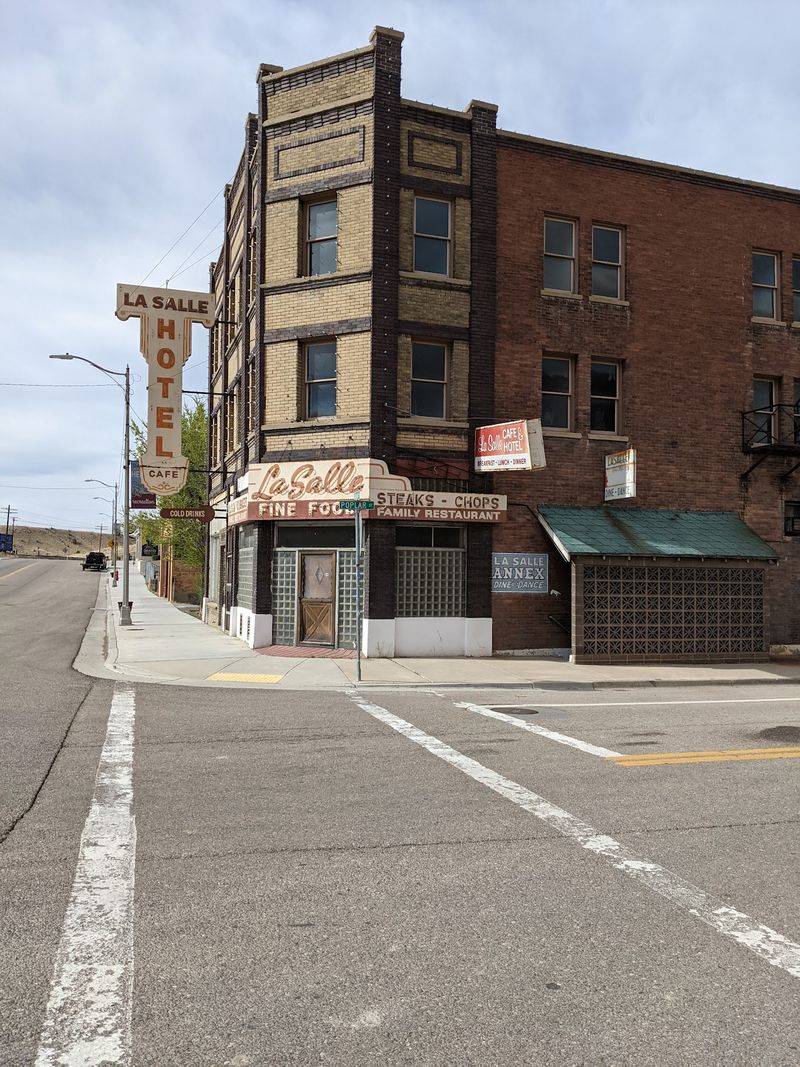
The easiest way to do Helper is also the best way: park once and walk. Main Street is compact enough to cover on foot without a strategy, which is exactly the point.
Think of it as a post-errand reward or a pre-drive stretch that happens to come with genuine atmosphere attached.
If you time it right, the canyon light in the late afternoon hits the brick facades in a way that makes even a casual phone camera look like it is trying hard. That is not a small thing when you are building a case for a return visit.
Quick Tip: Combine your Main Street walk with a short drive through Price Canyon before or after. The canyon road between Helper and the surrounding area offers the kind of scenery that makes the whole outing feel like more than the sum of its parts.
Best For: Anyone who wants a low-effort, high-atmosphere stop that does not require reservations, a guidebook, or a particularly early alarm. Helper handles the rest once you show up.
The Kind of Town a Friend Texts You About
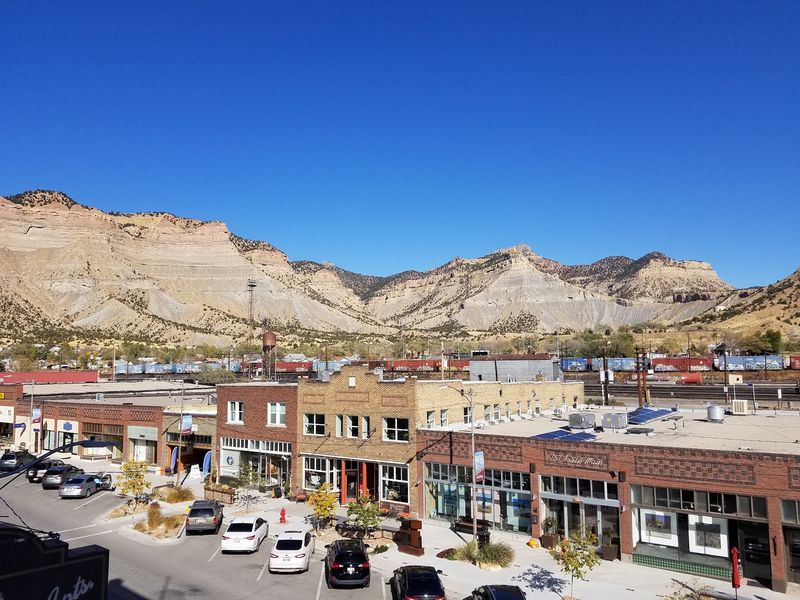
There is a short list of places that earn the highest possible travel endorsement: the unprompted text from a friend that just says “you need to go here.” Helper, Utah is firmly on that list for the people who have found it, and firmly off the radar for everyone else. That gap is narrowing, but slowly enough that the town still feels like a discovery.
At just over 2,100 residents, Helper is small enough to feel personal and confident enough to feel complete. It does not need to be bigger to be better.
The community has figured out something that larger towns often spend millions trying to manufacture: a genuine sense of place.
Insider Tip: Visit the Western Mining and Railroad Museum on Main Street for context that makes the whole town click into focus. Understanding Helper’s history makes the walk down Main Street feel like a conversation rather than a tour.
Final Word: Helper, Utah is the answer to the question you did not know you were asking about what a small American town looks like when it actually takes care of itself. Go find out.