Your weekend has officially improved when the loudest argument is whether to visit the upper lake or the lower one first.
This spot does not greet you with traffic, packed sidewalks, or a list of attractions demanding timed tickets.
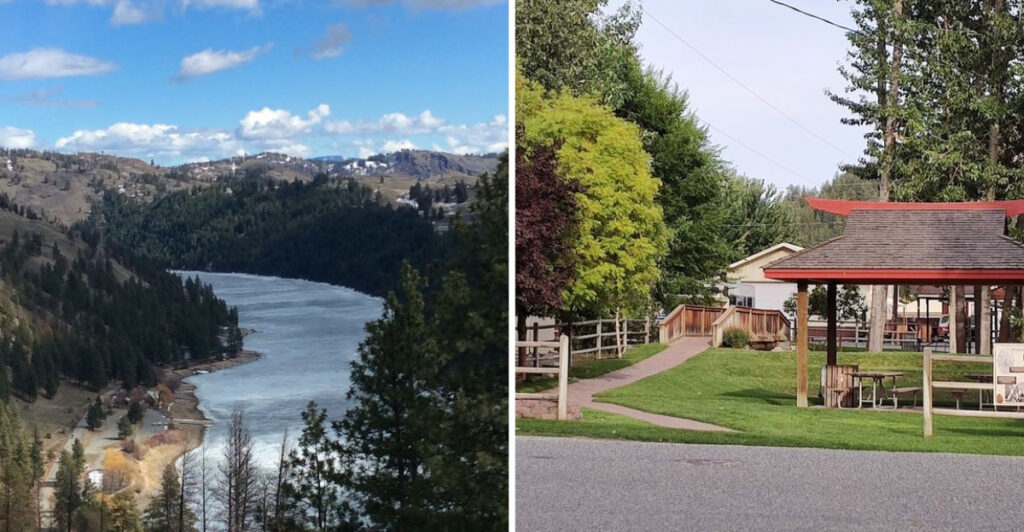
This tiny Washington valley town sits between two reservoirs, surrounded by forested hills and enough open country to make your calendar look unnecessarily dramatic.
You can fish before breakfast, walk from town into a 97-acre state park, and browse a museum built around mining and pioneer history. Or, you can simply sit near the water until checking your phone starts looking like extra work.
Washington has bigger mountain destinations and far more famous lakes. This valley answers with short distances, practical outdoor access, and a population hovering around 190.
That changes the math of a getaway.
Outdoor layers and one loose plan are a must here. And don’t worry, the valley will happily erase the rest of your schedule.
The Road Into Town Quietly Changes The Rules
You know the drive is working when the nearest traffic jam involves a slow truck and absolutely nobody panics.
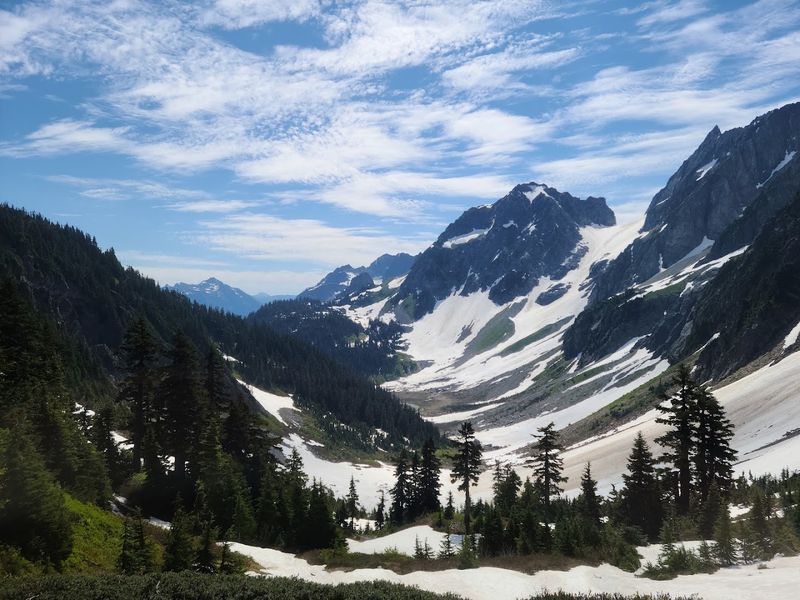
Conconully sits in north-central Washington on the sunnier side of the North Cascades, surrounded by state and national forestland. The town rests at roughly 2,300 feet, with Salmon Creek running through the community and hills rising quickly around it.
The route requires more intention than a casual interstate exit. That extra effort acts as a useful filter, leaving behind many travelers who prefer destinations with giant parking lots and roadside billboards announcing every available activity.
Once you arrive, distances shrink considerably. The village, museum, creek, state park, and waterfront areas sit close enough together that you can stop treating the car like a permanent travel companion.
The landscape also refuses to stay in one mood. Spring brings cooler water and active fishing. Summer belongs to camping and boating, while autumn changes the hillsides before winter shifts attention toward snowmobiling and seasonal events.
Keep an eye on road and weather conditions, particularly outside summer. Mountain country does not care that your reservation confirmation looked optimistic.
Conconully rewards the drive, but it still expects you to arrive prepared rather than surprised by nature behaving naturally.
Two Lakes Make Choosing A Favorite Unnecessarily Difficult
One lake would have been generous. Conconully apparently wanted to avoid looking underprepared.
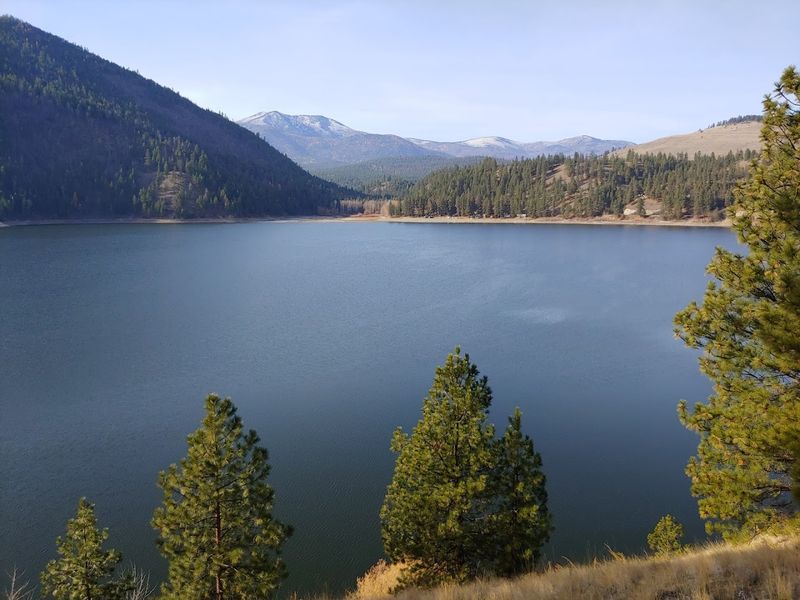
The community sits between the lower Conconully Reservoir and Upper Conconully Reservoir, also called Salmon Lake.
The state park occupies the shoreline of the lower reservoir, while the upper lake lies just beyond town, placing two different stretches of water within a remarkably compact area.
That arrangement gives you options without requiring a long drive between them. You can begin the morning beside one lake, return to town for a break, and investigate the other before lunch has fully settled.
Both waters support fishing, and the area also welcomes boating, kayaking, canoeing, and paddleboarding. The upper lake has a state-operated launch area, while the lower reservoir has access through the park and private resorts.
Water levels can affect launches, shoreline access, and swimming conditions. Confirm current conditions before arriving with a boat and heroic confidence.
You do not need watercraft to enjoy either lake. A chair, a shoreline view, and enough patience to notice the light changing across the hills will manage the afternoon quite effectively.
The difficult part is choosing where to sit. Fortunately, changing your mind requires only a short trip through town.
Conconully State Park Fits A Lot Into Ninety-Seven Acres
Small park, very ambitious résumé.
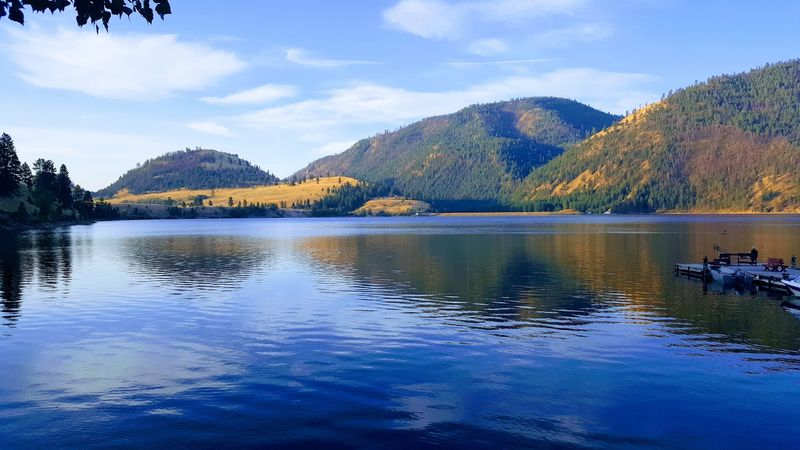
Conconully State Park covers 97 acres and includes about 5,400 feet of freshwater shoreline.
Fishing gets top billing, but the park also supports boating, swimming, birdwatching, biking, kayaking, paddleboarding, waterskiing, picnicking, and the ancient vacation art of sitting down without explaining why.
Two boat ramps and an 80-foot dock handle motorized and nonmotorized craft. The park also has standard and partial-hookup campsites, five cabins near the lower reservoir, and ten additional full-hookup sites by the upper lake.
That range makes the park useful for several travel personalities. Tent campers can keep things traditional.
RV travelers get hookups, while cabin guests receive walls, beds, lights, heat, air conditioning, and locking doors without pretending they enjoy sleeping directly on the ground.
Day visitors can use picnic tables, playgrounds, restrooms, showers, and a reservable kitchen shelter. A Discover Pass is required for vehicle access, and separate launch or camping costs may apply.
Seasonal timing matters. The park generally operates from early April through October and closes for winter, with exact dates dependent on conditions.
Book ahead during popular weekends, especially when fishing events or warm weather increase demand.
The park may cover only 97 acres, but your folding chair could become emotionally attached.
Fishing Here Is Less Of A Hobby And More Of A Town Language
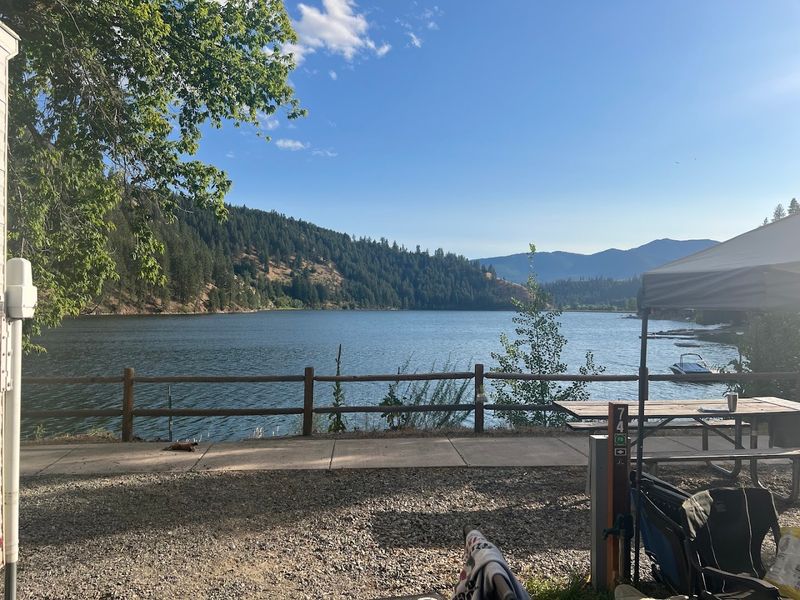
Ask where the fish are biting and watch casual conversation become a technical conference.
Conconully’s lakes support rainbow trout, smallmouth bass, and kokanee, with species varying between the upper and lower waters.
The lower reservoir is a popular opening-day destination, and trout fishing often remains strong through spring before warmer water pushes fish farther offshore.
The convenient access is part of the appeal. You can launch from the state park, fish from a small boat, work accessible shoreline areas, or stay at a nearby property with its own dock.
That does not mean you can arrive with a rod and improvise every legal detail. Fishing seasons, catch limits, license requirements, and emergency rules can change.
Check the current Washington regulations before casting rather than asking a nearby angler to serve as your unpaid attorney.
Fishing also shapes the community calendar. The town promotes an annual trout derby among its local events, turning a peaceful lake morning into a slightly more competitive discussion about who found the best spot.
Non-anglers are still welcome. You can paddle, photograph wildlife, or perfect the convincing expression of someone who completely understands the difference between kokanee and every other fish.
Bring a jacket for cool mornings and enough food for a longer outing than planned. Fish rarely respect your lunch reservation.
The Museum Gives The Ruins Names And Personalities
Old objects become far more interesting once somebody explains why a family kept them for a century.
The Conconully Museum opened in 2003 and is operated by the Conconully Area Historical Association. Its collections focus on how residents lived and worked during the town’s earlier mining, ranching, farming, government, and recreation years.
The museum sits on Lottie Avenue and generally opens on weekends and holidays between Memorial Day and Labor Day, with special visits sometimes available by arrangement. Confirm the schedule before building your day around the door being unlocked.
Give the exhibits more than a quick lap. A tiny community can produce a surprising amount of history when it has survived mining excitement, political importance, catastrophic flooding, dam construction, and generations of outdoor tourism.
Frank Matsura’s photographs add a particularly valuable record.
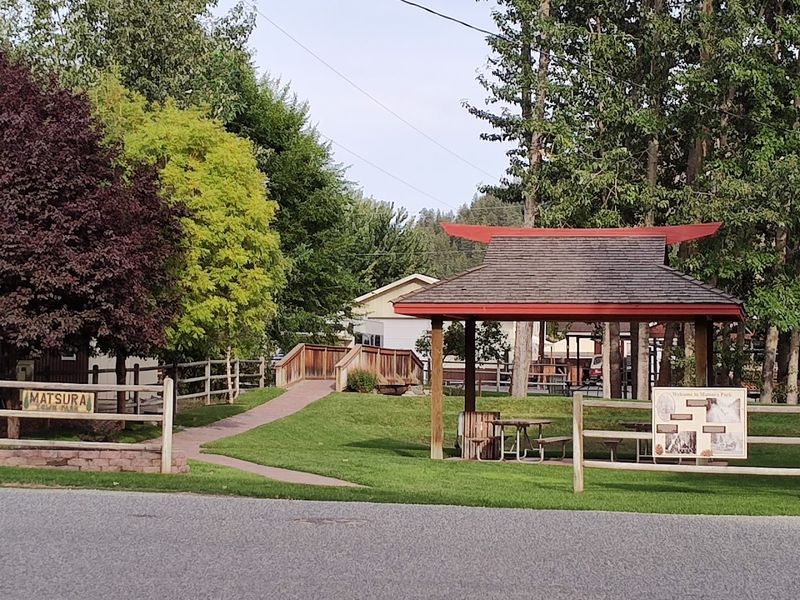
The Japanese photographer arrived in Conconully in 1903 and documented residents, community life, and construction of the reservoir project.
Matsura Park, which follows the north fork of Salmon Creek through town, honors his work. His images capture more than buildings and machinery.
They preserve faces, clothing, celebrations, working conditions, and ordinary moments that make early Conconully look like a lived-in community rather than a chapter heading.
Visit the museum before walking around town, and empty spaces begin filling themselves in.
History has already supplied the people. You only need enough imagination to hear them talking.
A Good Weekend Here Leaves Several Hours Unassigned
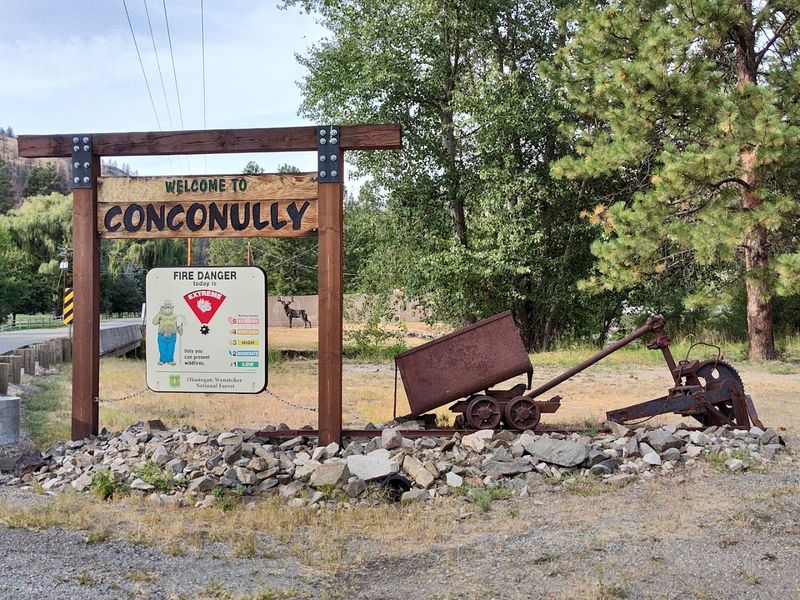
The easiest way to ruin a quiet getaway is to schedule relaxation in fifteen-minute blocks.
Build your trip around one main activity per day. Fish or paddle in the morning, browse town and the museum later, then leave enough time for a picnic or walk that does not need a destination.
Driving remains the practical way to reach Conconully and move between lakes, trail access points, lodging, and surrounding forest roads.
Fill the tank before heading into the valley, carry drinking water, and download any maps you may need before phone reception decides to take its own vacation.
Reserve camping or cabins early for popular summer weekends. Check park alerts, water levels, boating access, fishing regulations, wildfire conditions, and museum dates shortly before departure.
Pack layers even in warmer months. Mountain valleys can produce cool mornings, hot afternoons, and evenings that make the jacket left in the hotel seem personally insulting.
Most importantly, leave room for the town itself. Walk beside Salmon Creek. Sit near one lake, then change your mind and visit the other.
Read about a photographer who documented the valley more than a century ago. Conconully will not hand you a checklist or congratulate you for completing it.
It offers something more useful. A weekend where doing less somehow gives you more to remember.