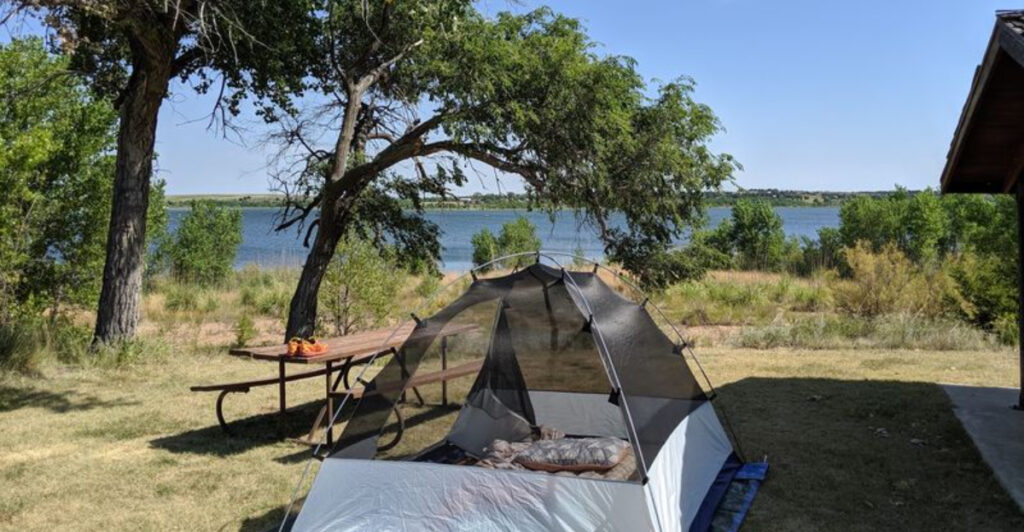
Some places make you forget there are other people around. This remote Kansas shoreline has that effect almost immediately.
The appeal is simple. It sits far enough from the usual rush to make an ordinary afternoon feel like a small escape.
Once you settle in, the whole place can seem surprisingly removed from everything else, which is exactly why it gives off that private-island feeling.
Kansas is not the first state most people associate with secluded shoreline escapes, and that makes this one even more fun to discover.
It is the kind of spot that can make you rethink what a lake day is supposed to look like.
The first time I found a shoreline that felt completely separate from the rest of the world, I stayed much longer than planned. I kept thinking someone else would eventually show up and break the illusion.
Nobody did. Since then, I have had a soft spot for places that make a simple afternoon feel like you quietly claimed the whole view for yourself.
A Shoreline That Hides In Plain Sight
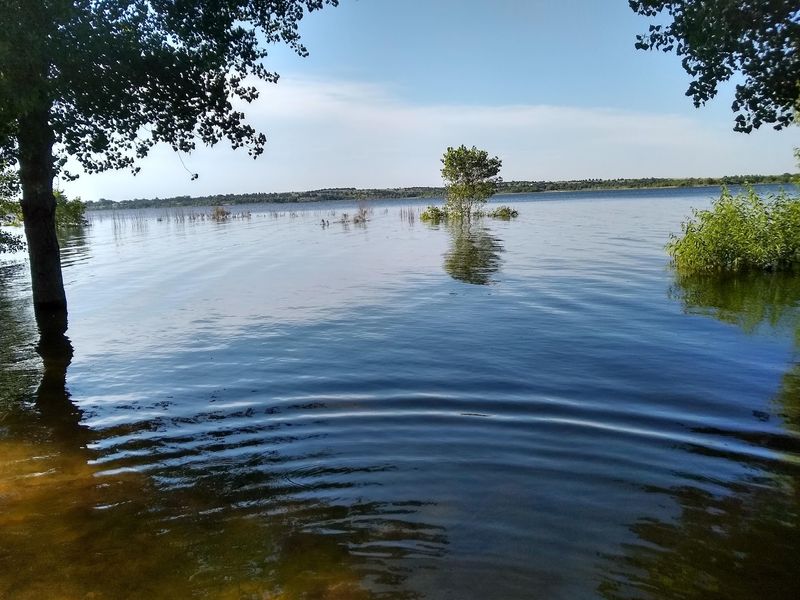
Most people picture Kansas as one long straight line, and then the road bends toward the water and the whole idea falls apart.
Chalky bluffs rise above the reservoir here, and the shoreline curls into shallow coves that feel far away from anything.
What struck me first was the emptiness. On a weekday morning I counted more killdeer than people, and the only sound was water tapping against packed sand.
The Page Creek Area sits on the southern side of the lake, which keeps it quieter than the busier north shore developments. Gravel access roads slow traffic naturally, and that alone filters out the crowds.
Bring shoes you do not mind getting dusty, because the ground near the water shifts between grass, silt, and small stones. Pack a folding chair too, since the best spots rarely come with furniture.
Limestone Bluffs Give The Park Its Name
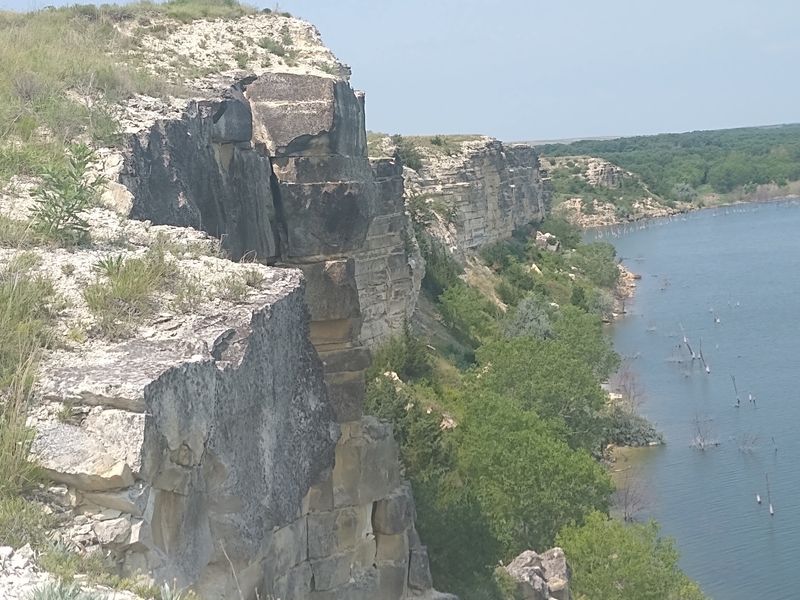
Those pale cliffs across the water are not decoration, they are the reason the whole place is called Cedar Bluff.
The rock is chalky limestone laid down when a shallow sea covered this part of North America, and it weathers into soft ledges and rounded shoulders.
Late afternoon is when the stone really performs. Sunlight turns the gray-white surfaces warm cream, and the shadows in the crevices deepen into blue.
Fossil hunters love this formation, though collecting inside park boundaries is not the point of a visit. Looking closely at the layers is free and honestly more interesting.
Give yourself time to sit and study the ridgeline instead of rushing past it.
I spent twenty minutes doing nothing but watching cloud shadows crawl across the bluffs, and it ranked among the better twenty minutes of the whole trip.
Fishing That Rewards Early Risers
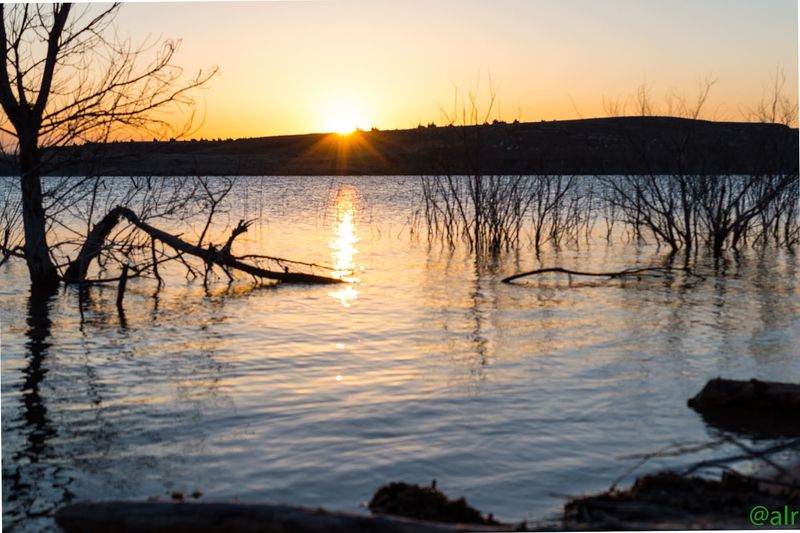
Anglers show up here before the sun does, and there is a reason for that.
The reservoir holds walleye, crappie, white bass, channel catfish, and wipers, and the calm early hours near rocky points tend to produce the most action.
Shore fishing works well along the coves in this section, especially where submerged structure sits close to the drop-off. A boat opens up more water, though plenty of people do fine standing on solid ground.
Water levels fluctuate a lot in this part of Kansas, so what was a good spot two years ago might be dry now. Checking current conditions before loading the truck saves disappointment.
Kansas residents ages sixteen through seventy-four generally need licenses, as do nonresidents sixteen-plus.
I would pack more drinking water than seems reasonable, because shade along the bank is scarce past mid-morning.
Camping With Room To Spread Out
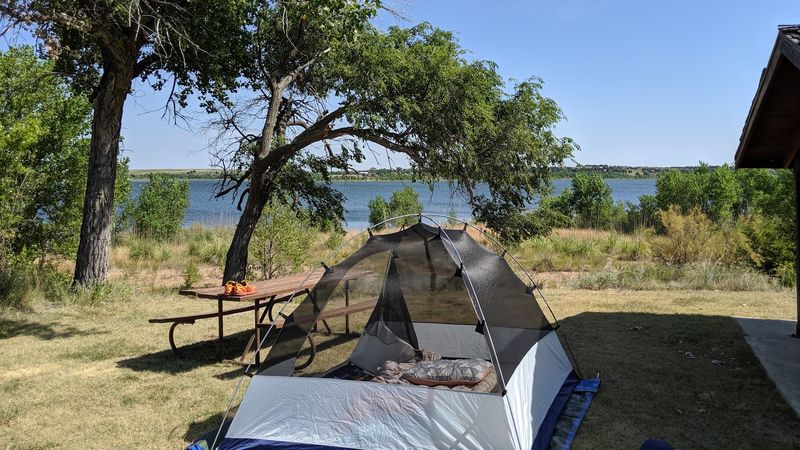
Roomy is the word that keeps coming to mind. Sites in the southern portion of the park sit far enough apart that setting up a tent does not feel like moving into an apartment building.
Options range from water-and-electric sites for RVs to primitive spots where a picnic table and a patch of grass are the whole package.
Prices stay modest by state park standards, and self-pay stations ease late arrivals. Showers at the nearby bathhouses run hot, which matters more than any brochure will admit after a dusty afternoon.
Firewood is not always available on site, so hauling your own from town is smart. Weekends in summer fill faster, while spring and fall midweek nights can feel almost private.
Page Creek sites are currently nonreservable. During busy holidays, arriving early helps you find open ground with much less competition.
Prairie Trails Worth Lacing Up For
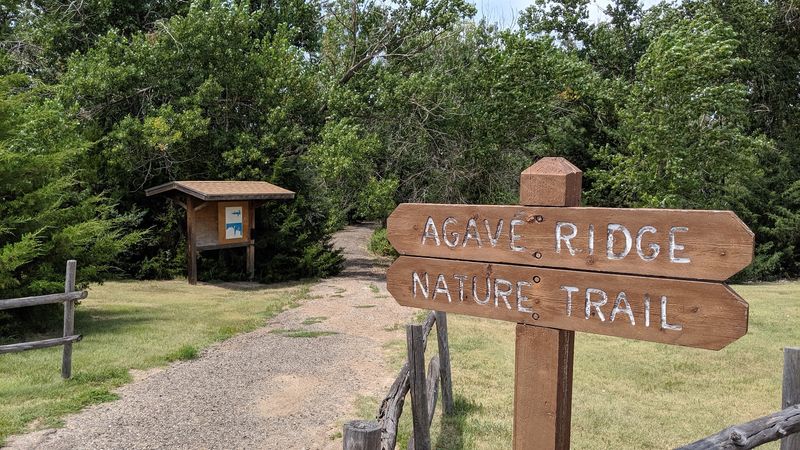
Hiking in shortgrass country surprised me. The trails near the park wind through prairie rather than forest, so the views stay open the entire way and the horizon does most of the storytelling.
Nature paths in the area start easy and can be extended along mowed loops for several miles if legs and daylight allow. Footing stays mostly flat with gentle rises toward the ridge overlooks.
Wildflowers appear in late spring, and grasses turn copper and gold by October. Both seasons beat July for comfort.
Ticks and chiggers are genuine residents of Kansas grassland, so long socks and repellent are worth the trouble. A wide brim hat helps too, since shade is basically theoretical out there.
My favorite stretch ended at a rise where the whole reservoir opened up below. Simple reward, very good payoff.
Night Skies That Steal The Show
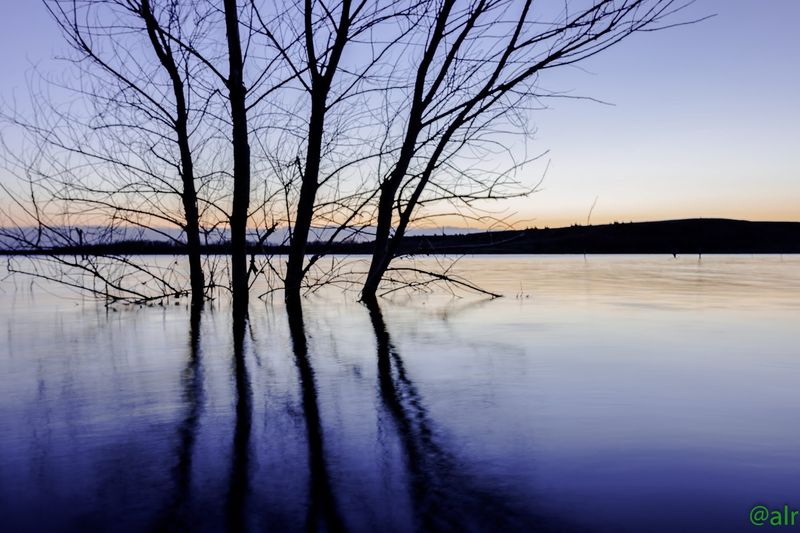
Nothing prepared me for how dark it gets out here. With no cities nearby to wash out the sky, the Milky Way stretches overhead in a way most people never witness from home.
Stargazing becomes the main evening activity by default. Bring a blanket, let your eyes adjust for twenty minutes, and skip the flashlight unless it has a red setting.
Photographers take advantage of the open shoreline for long exposures, using the water and bluff silhouettes as foreground. Moonless nights near the new moon give the sharpest results.
Temperatures drop quickly after sunset in this part of western Kansas, even in summer. A jacket you thought you would not need usually gets worn.
I stayed out until my neck ached. Worth every crick, and I would do it again without hesitation.
Wildlife You Can Actually Spot
Dawn brings the parade. Mule deer and white-tailed deer move along the grass edges, wild turkeys strut through the campground loops, and pronghorn sometimes appear on the surrounding rangeland.
Birders do well here year round. Pelicans and cormorants pass through on migration, hawks ride the thermals above the bluffs, and meadowlarks provide the soundtrack that most Kansas mornings deserve.
Prairie dogs and jackrabbits keep things lively at ground level. Coyotes call after dark, which sounds unnerving the first night and comforting by the second.
Binoculars earn their space in the bag. So does a slow pace, because rushing along the shoreline scatters everything before you see it.
Keep food sealed and stored, both for your sake and the animals. Watching from a distance is the whole point, and it works better when nobody gets used to handouts.
Water Levels Tell A Longer Story
Anyone who visited decades ago will notice the difference right away.
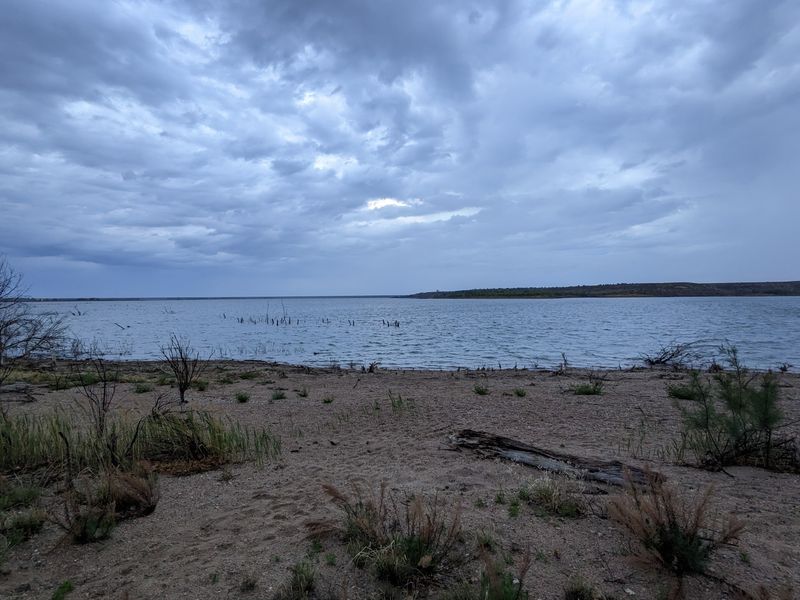
The reservoir has seen long stretches of low water, shaped by drought cycles, high evaporation, and reduced inflow along the Smoky Hill River.
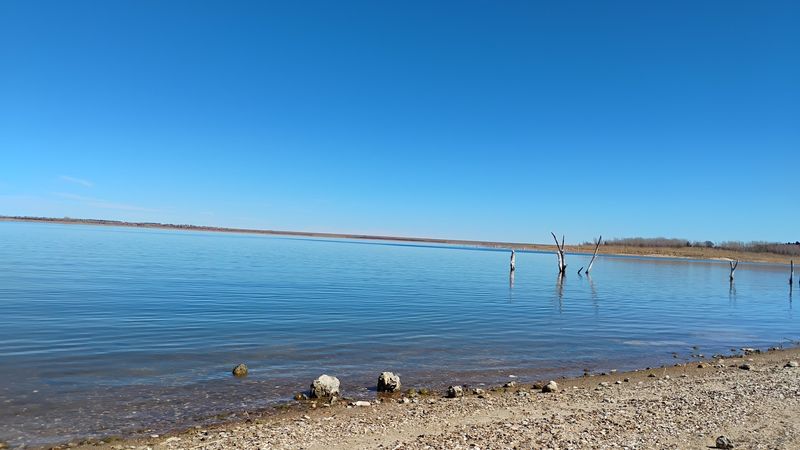
Old beach areas sit well back from the current edge in some years, and young trees have taken root on ground that was once underwater. Wet years push the shoreline back out again.
Understanding that rhythm changes how you plan. Boat ramp usability, swimming access, and shore fishing spots all shift with the lake level.
Checking recent conditions before the drive is genuinely useful, especially if you are towing a boat across half of Kansas to get here.
The scenery holds up regardless. Lower water simply exposes more of the sandy flats, which makes for excellent walking and surprisingly good photography.
Getting There Without The Guesswork
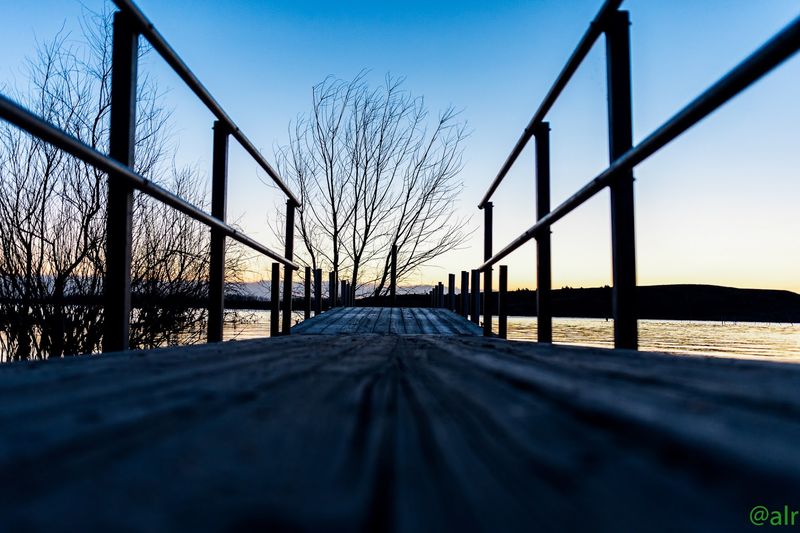
Directions matter more than usual out here, since cell service comes and goes.
The park sits south of Interstate 70, reached by heading down Kansas Highway 147 from the Ogallah exit, with the address listed as 32001 KS-147, Ellis, KS 67637.
Ellis and WaKeeney are practical stops for groceries, ice, and gas. Stocking up before turning off the highway is smart, because options thin out fast.
Office hours are eight to four Sunday through Thursday, with longer Friday and Saturday schedules. Vehicle permits and camping fees are available at the office or self-pay stations.
Download maps ahead of time. Coverage can drop to a bar or two depending on where you stand, which is charming until you need a route.
Fuel up, load a cooler, and treat the drive as part of the experience rather than an obstacle.
Best Seasons And Small Details To Remember
Timing shapes everything at a place this exposed. Late spring and early fall hit the sweet spot, with mild temperatures, fewer insects, and light that flatters the bluffs.
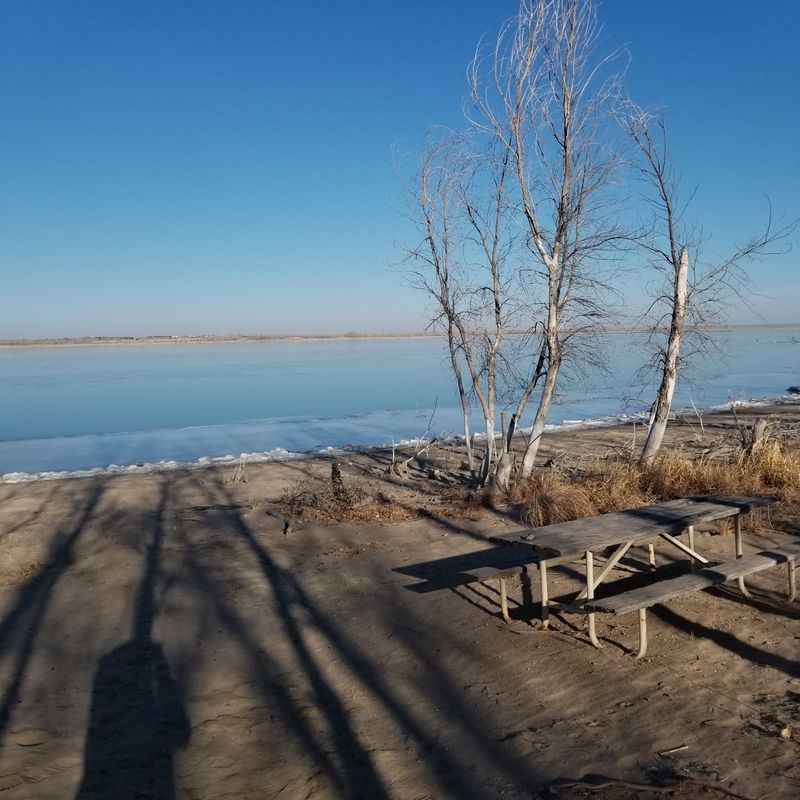
Summer brings heat and wind, so shade shelters and early starts become essential. Winter turns the shoreline stark and beautiful, with ice edging the coves and almost nobody around.
Bugs show up in warm months, though many are more annoying than biting. Repellent handles the rest.
Pack layers, sunscreen, and extra water no matter the forecast, because Kansas weather enjoys changing its mind mid-afternoon. Storms can build quickly on the plains, so keeping an eye on the sky pays off.
Leave the site cleaner than you found it, and the next visitor gets the same quiet you did. That small courtesy is what keeps this shoreline feeling like your own discovery.