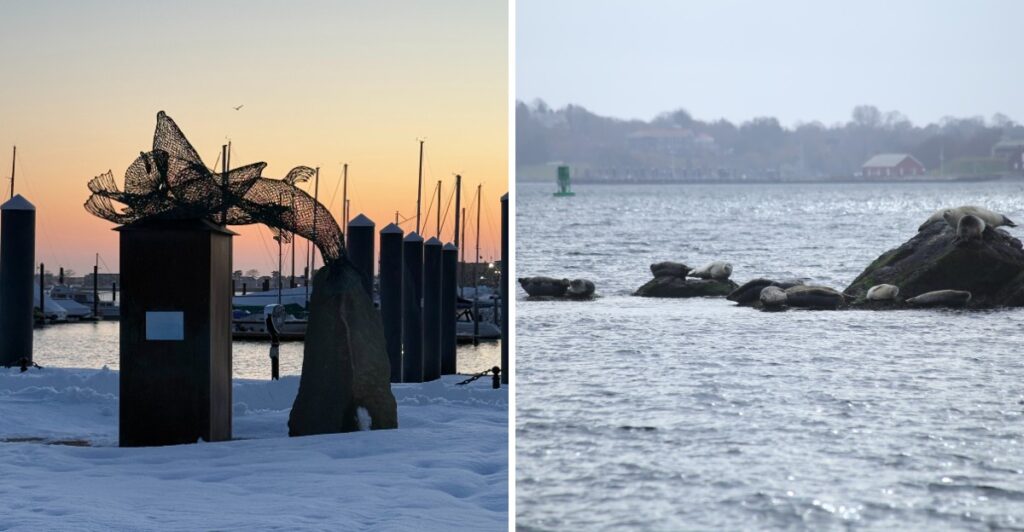
Most snowbirds head south for the winter. Rhode Island’s harbor seals missed that memo and went the other way. Apparently, chilly water and a good rock to nap on are all they need.
Every fall and winter, more seals arrive in Narragansett Bay, with some sticking around year-round. You’ll spot them stretched out on rocks or floating upright like little bobbing bottles.
Not a bad way to spend an afternoon.
Rose Island is a favorite hangout, and boat tours plan around low tide when more rocks are exposed. More rocks, more seals lounging around. Simple math.
While everyone else waits for beach season, these visitors have already claimed the best waterfront spots. And they don’t even need reservations.
Winter Is The Best Season To See Harbor Seals
Most Rhode Island boat trips peak in July.
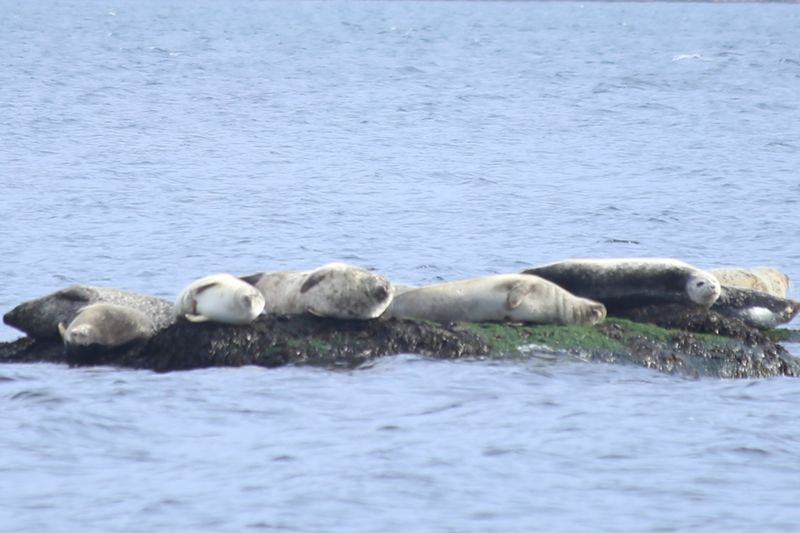
Save The Bay Seal Tours operate during the colder months, when harbor seals are most abundant in Narragansett Bay.
Save The Bay Seal Tours flip that calendar, because the stars of the show only visit in the colder months.
Harbor seals are migratory, and they spend roughly November through April in Narragansett Bay.
That window offers the best opportunities to see large numbers of harbor seals, while sightings outside the colder months are less common.
Peak harbor seal numbers in Narragansett Bay typically occur around March. That means January and February can be prime time, even if your fingers disagree.
Save The Bay is the nonprofit behind these trips. It started in 1970 with a mission to protect and improve Narragansett Bay, and the seal tours fit that goal neatly.
The group has been running seal watch tours for over 20 years. That’s a lot of winters spent counting whiskers.
Planning ahead matters here. Tours mainly run on weekends, plus public school holidays and vacation days, so check the schedule before you promise the kids a seal.
Wildlife also keeps its own calendar. Seals are wild animals, and nobody can order them to appear on cue.
Still, a winter weekend on the water beats another afternoon on the couch. Probably by a lot.
Low Tide Is The Secret Scheduling Trick
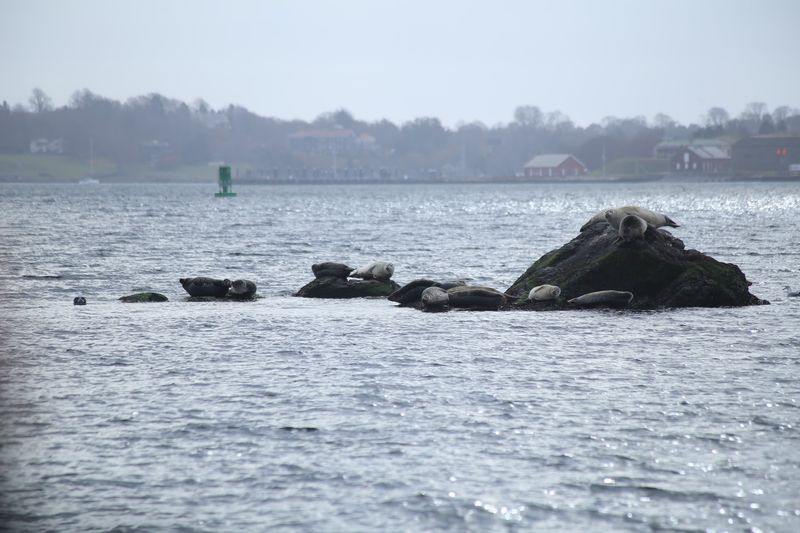
Tide charts run this whole operation. Save The Bay adjusts tour times around low tide, since that’s considered the best condition for seal viewing.
Why does the water level matter so much? When the tide drops, more rocks peek above the surface, giving seals extra places to climb out and rest.
Biologists call that resting behavior hauling out. Seals drag themselves onto rocks to warm up, nap, and generally look like they have nowhere to be.
Because of this, tour times can shift from one weekend to the next. A trip that leaves in the morning one week might leave in the afternoon the next.
Don’t assume last month’s schedule still works. Look up the exact time for your date before you plan breakfast, lunch, or anything in between.
This approach shows real respect for the animals. Instead of chasing seals around, the boat simply shows up when they’re most likely lounging.
It’s smart wildlife watching, and it improves your odds without bothering anybody. The seals keep their routine, and you get a better look.
Everybody wins, especially the seal hogging the sunniest rock.
Keep An Eye Out For Seals Doing The Bottle Pose
A floating seal head can look a lot like a buoy. Then it blinks, and suddenly the whole boat gets excited.
Harbor seals sometimes rest upright in the water with just their heads poking out. This position is called bottling, because the seal looks like a bottle bobbing on the waves.
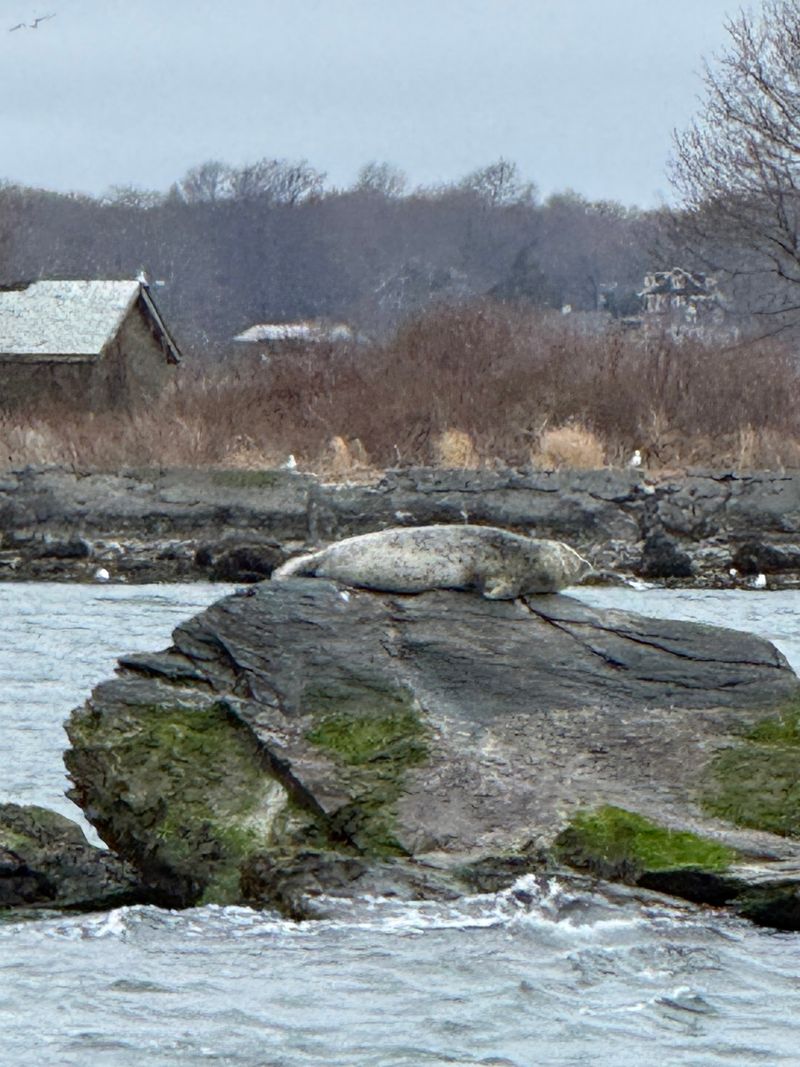
The other classic look is the rock nap. Seals hauled out on rocks tend to stretch out, curl up, or simply flop there with impressive commitment.
Knowing both poses helps you spot more animals. Scan the rocks first, then sweep your eyes across the water for small round heads.
The guides on board can help you figure out what you’re seeing. They’re Save The Bay marine experts and environmental educators, so seal behavior is right in their wheelhouse.
Ask questions while you’re out there. Curious kids especially seem to get a kick out of learning why a seal would choose cold rocks over warm water.
Here’s a fun bit of history too. Harbor seal numbers had dropped, and the Marine Mammal Protection Act of 1972 helped turn that decline around.
Those bobbing heads are a comeback story you can watch live.
Citing Rock Near Rose Island Is Prime Seal Real Estate
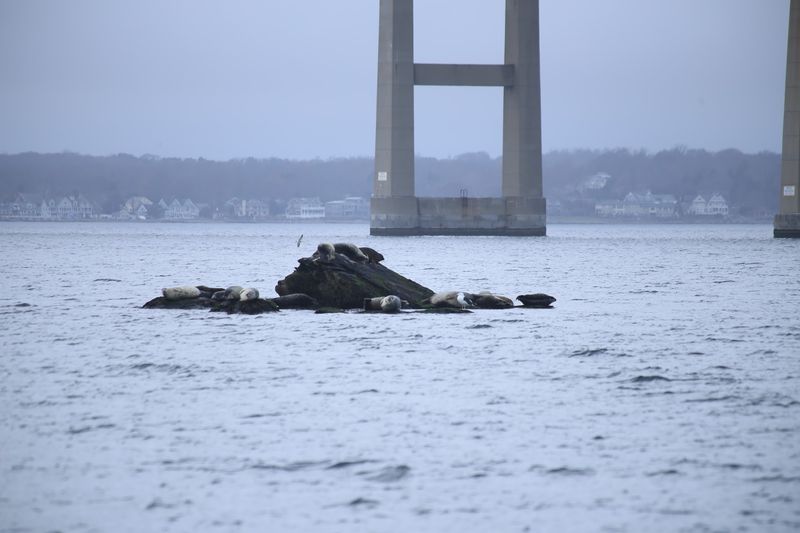
Every neighborhood has a popular hangout. For Newport’s winter seals, that spot is often Citing Rock near Rose Island.
Seals are frequently seen resting there, especially when the tide pulls back. It’s basically the bay’s most exclusive lounge, with a strict seals-only guest list.
The area under the Newport Bridge is another common viewing location. Watching wild seals rest below that huge span of steel is a fun mix of nature and engineering.
The tours keep a respectful distance from the animals. Federal protection rules exist for good reason, so think wildlife documentary rather than petting zoo.
That’s where the free binoculars come in handy. Save The Bay Seal Tours provide them on board, so you can study whiskers and flippers without crowding anyone.
Bring your patience along with your camera. A seal might lift its head, roll over, or slide into the water, and those little moments are the payoff.
A zoom lens helps if you love photos. Your phone may capture a gray dot, and that’s okay too.
Sometimes the best memories don’t fit perfectly in a picture anyway.
Pick Between A Quick Seal Trip Or A Lighthouse Bonus
Two tour lengths make planning easy. You can keep things short, or add a whole extra adventure to your seal outing.
The Newport Seal Tour lasts about one hour and focuses on finding seals. It’s a smart pick for young kids, tight schedules, or anyone nervous about the cold.
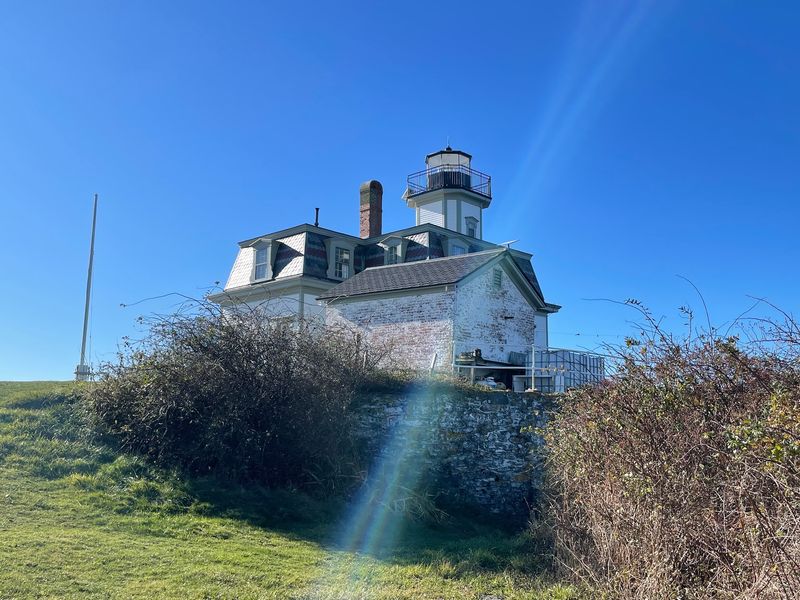
The Newport Seal and Lighthouse Tour runs about two hours. It includes the seal watch plus an hour-long stop to tour the historic Rose Island Lighthouse.
That lighthouse was built in 1870. Standing inside a building that old, out on an island in the middle of the bay, feels like a field trip with better views.
The longer tour is also a nice backup plan. If the seals act shy that day, you still get history, scenery, and a unique stop most visitors never make.
Think about your group before booking. Restless little ones may do best with the hour, while history fans will likely want the lighthouse.
Either way, you’re supporting Save The Bay’s work. Your ticket helps a nonprofit that cares about the bay these seals call home each winter.
Your Guides Know The Bay Inside And Out
Plenty of boat rides offer pretty views. Fewer come with marine experts who can explain what’s happening beneath the surface.
Save The Bay Seal Tours are led by the group’s marine experts and environmental educators. They narrate the trip, covering harbor seals, local wildlife, bay history, and environmental issues.
Seals are the headliners, but they aren’t the only topic. The narration often includes other animals living around Narragansett Bay, so keep your eyes moving.
That mix makes the trip feel like a floating classroom. The good kind, where nobody gives a pop quiz.
Kids can pick up real science here. They’ll learn why seals migrate, how they rest, and why protecting the water matters for all of Rhode Island.
Adults usually learn just as much. Newport has deep maritime history, and hearing it from people who study the bay adds fresh meaning to the scenery.
Don’t be shy about asking questions. Educators tend to light up when someone actually wants to know more.
You might leave knowing more about seals than anyone at your next family dinner. Use that power wisely.
Newport Harbor Puts On Its Own Show Along The Way
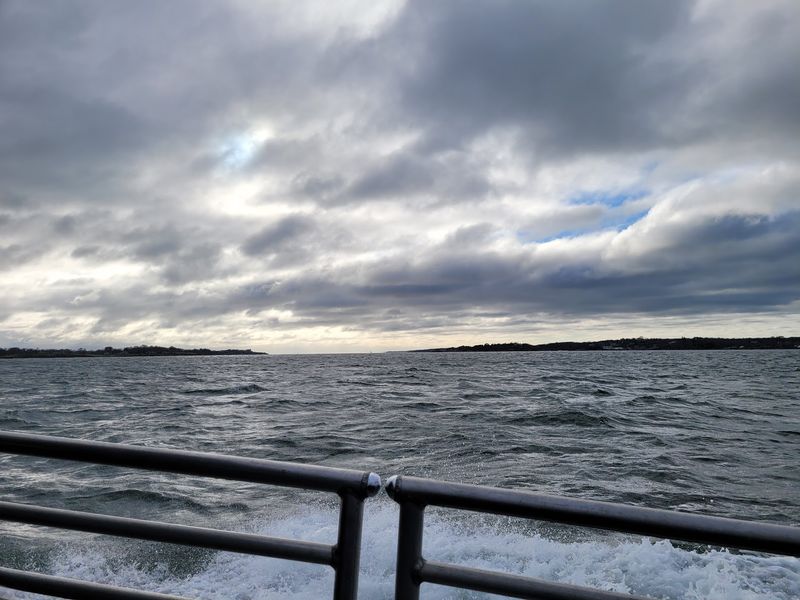
Between seal sightings, the scenery keeps pulling your attention. The boat offers 360-degree views of Narragansett Bay and historic Newport Harbor.
Newport is packed with maritime history, and plenty of it sits along the water. From the boat, you can take in historic Newport structures from an angle most land visitors never see.
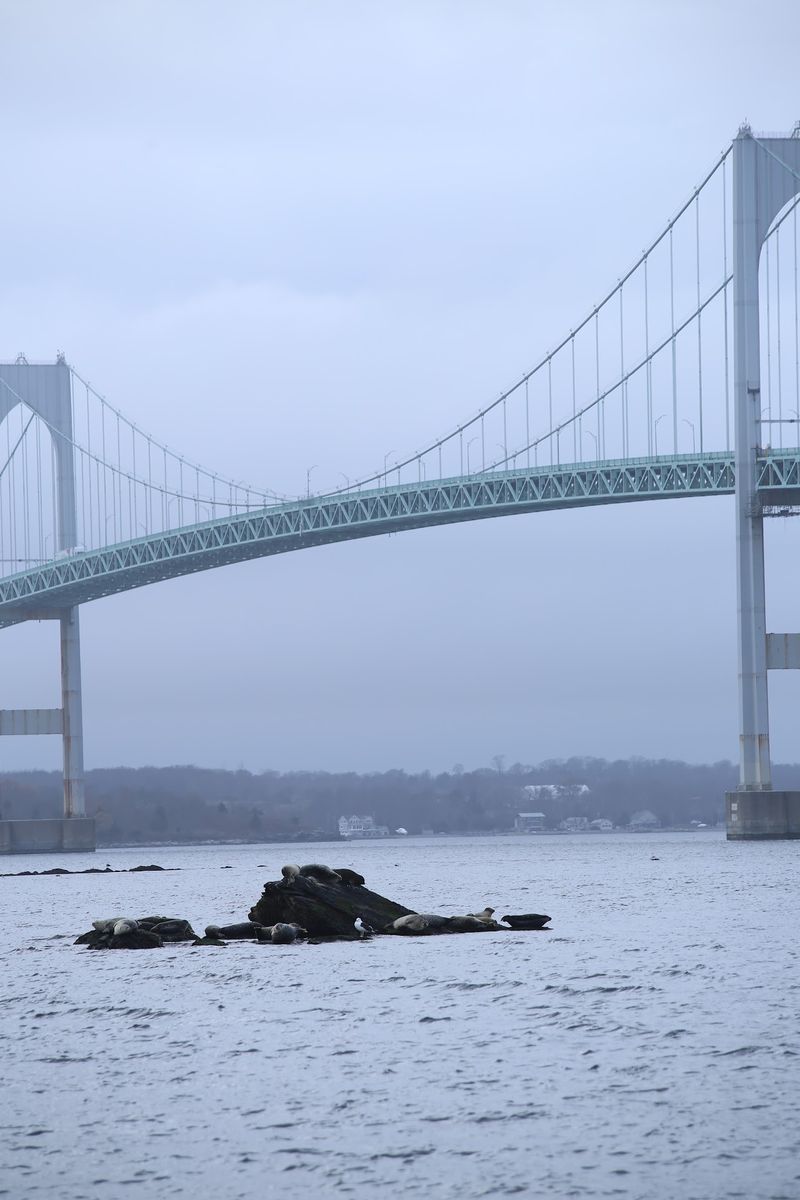
Then there’s the Claiborne Pell Bridge, often called the Newport Bridge. It stretches across the bay in a huge sweep, and it looks even bigger from below.
Winter light changes the whole mood of the harbor. The water can look silver, deep blue, or moody gray, sometimes all in one trip.
Photographers should keep a camera ready the entire ride. A seal on a rock with the bridge behind it would make a pretty great holiday card.
Quieter months also mean a different side of this famous Rhode Island town. You’re seeing a sailing city in its off-season, when the bay belongs to the wildlife.
Look up every few minutes, not just at the rocks. The backdrop deserves your attention too, even if the seals rarely say thanks.
Finding The Dock And Making A Day Of It
Getting there is the last puzzle piece. Seal tours leave from Bowen’s Ferry Landing, 30 Market Square, Newport, RI 02840, on the downtown waterfront.
Arriving a bit early is a smart move. Downtown Newport can be tricky if you don’t know the area, and an early start gives you time to park and find the dock calmly.
Save The Bay also runs the Hamilton Family Aquarium at 23 America’s Cup Ave, First Floor, in Newport. Look it up before your trip, since it can pair nicely with a seal tour.
Tour days usually fall on weekends, with Saturday and Sunday hours listed. School holidays and vacation days can add extra trips during the season.
Booking ahead makes sense, since the boats hold a limited group. Low-tide timing also means your departure might land at an unexpected hour.
After the tour, warm up nearby on the waterfront. Newport has plenty of spots for hot drinks and a snack before the drive home.
Winter in Rhode Island suddenly looks a lot more fun. Who knew the coolest crowd in town would have flippers and whiskers?