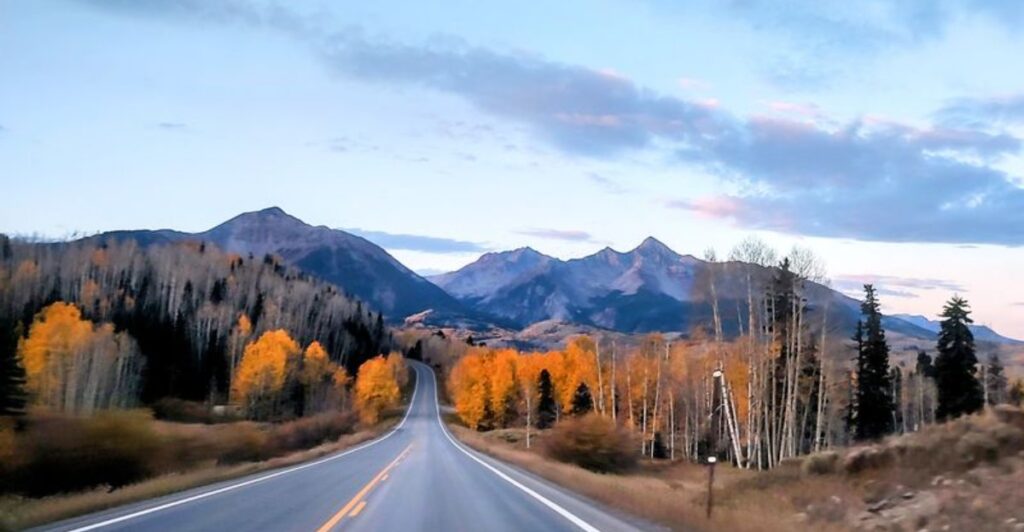
Butch Cassidy robbed his very first bank on this road trip route back in 1889. Today the loot is better.
Think waterfalls, hot springs, and passes topping 11,000 feet.
The loop runs roughly 236 miles through southwestern Colorado. One stretch is so dramatic it earned a nickname worth a million dollars.
Parts of it skip guardrails entirely, which keeps everyone wide awake.
I like how this drive packs Victorian mining towns, ancient cliff dwellings, and a steam train into one circle. You could finish it in an afternoon.
I can’t imagine why anyone would want to.
Along the way you’ll find a town called the Switzerland of America. You’ll also meet a box canyon with a free gondola and a 365-foot waterfall.
So which stop gets your first tank of gas?
America Gave This Loop Its Top Honor For Good Reason
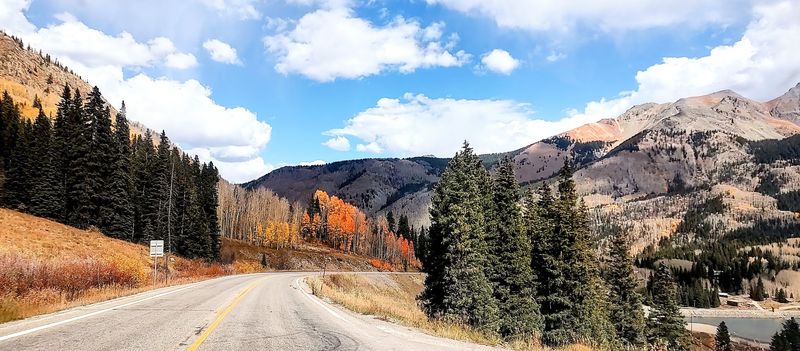
Federal officials don’t hand out the All-American Road title to just any stretch of pavement. The San Juan Skyway Scenic and Historic Byway earned it in the 1990s, the highest honor a scenic road can get.
That wasn’t its first award, either. It became a National Forest Scenic Byway in 1988 and a Colorado Scenic and Historic Byway in 1989.
The loop covers about 236 miles of southwestern Colorado. It mostly follows U.S. 550, Colorado 62, Colorado 145, and U.S. 160.
Along the way, it crosses six counties – La Plata, San Juan, Ouray, San Miguel, Dolores, and Montezuma – and climbs through the towering San Juan Mountains.
Many peaks out here top 14,000 feet. The route also brushes past millions of acres of the San Juan and Uncompahgre National Forests.
You can technically drive the whole thing in about five to seven hours. That would be like speed-reading your favorite book.
Plan for two to four days instead, and give each town real attention.
Elevations swing from about 6,200 feet near Cortez to over 11,000 feet at Red Mountain Pass. Your ears will notice, and so will your lungs.
Bring water and rest often, since high altitude can sneak up on anybody.
Hold The Wheel Tight On The Million Dollar Highway
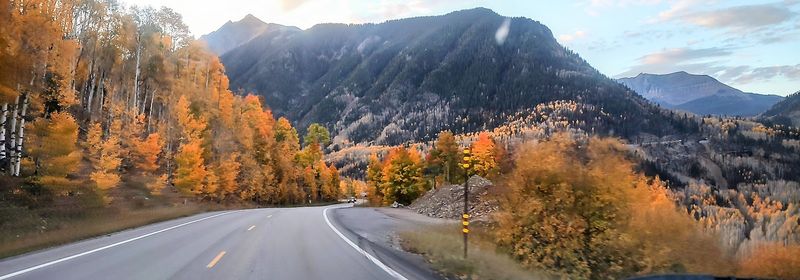
Guardrails? In some spots, the Million Dollar Highway decided they were optional.
This famous stretch of U.S. 550 runs between Ouray and Silverton, hugging cliffs with dizzying drop-offs.
Nobody fully agrees on where the name came from. One theory says the road cost a fortune to build.
Another claims the fill dirt held gold ore worth a million dollars.
Either story works for a road this bold. It climbs over Red Mountain Pass at about 11,000 feet, the highest point on the whole loop.
The views through the Uncompahgre Gorge are huge. That’s exactly why the driver should keep eyes on the road.
Let a passenger handle the gasping and photo-taking duties.
Timing helps a lot here. Late June through early October usually brings the clearest high passes.
Winter can bring dangerous weather and closures, so check road conditions before you leave.
Summer afternoons often bring thundershowers too. Starting this leg in the morning is a smart move.
You’ll get better light, calmer skies, and fewer surprises on those tight curves.
Honestly, it’s the stretch people talk about most. Drive it slowly and you’ll understand why.
Soak Like Royalty In The Switzerland Of America
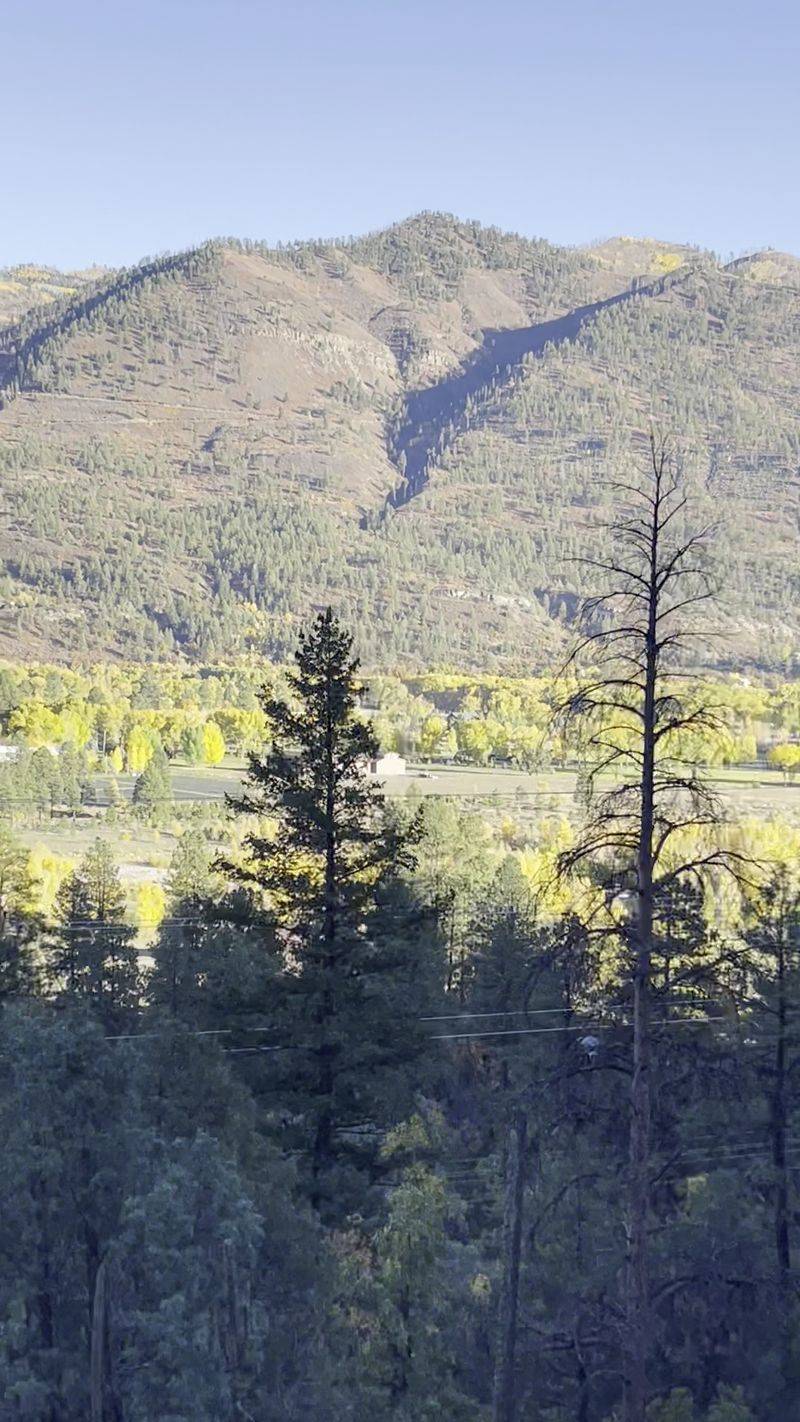
Steep peaks wrap around Ouray so tightly that folks nicknamed it the Switzerland of America. The comparison makes sense the second the valley comes into view.
Victorian buildings line the streets, and cliffs rise in nearly every direction. It feels like a postcard that refuses to stay flat.
Ouray also offers a large natural hot springs pool. After a few hours of hairpin turns, a warm soak sounds less like a luxury and more like a requirement.
Box Cañon Falls is another must-see spot near town. Water thunders through a narrow canyon, and spring snowmelt makes it extra powerful.
History fans should swing by the Ouray County Historical Society Museum. It sits inside the old Miner’s Hospital, built in 1887.
That building alone tells you a lot about the hardworking people who settled here.
Ouray also sits at the northern end of the Million Dollar Highway. That makes it a great base for tackling the drive to Silverton.
Outdoor fans have plenty to do in colder months, too. The area is known for ice climbing.
Watching people scale frozen waterfalls might be the most Colorado thing ever.
Silverton Still Feels Like Miners Just Clocked Out
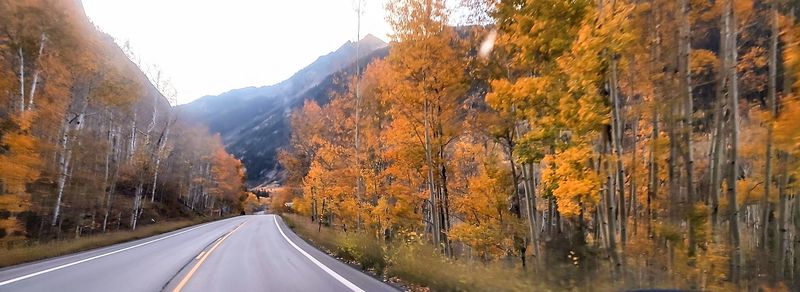
Deep in the San Juans, Silverton keeps its mining-era spirit loud and proud. The little Victorian town looks ready for a prospector to stroll down the street any minute.
Want to see what that life really looked like? The Old Hundred Gold Mine tour takes visitors underground into real mining history.
Back above ground, the San Juan County Historical Society Museum fills in the bigger story. It shows how silver and gold shaped this rugged corner of the state.
Here’s a fun bonus. Silverton is the northern end of the Durango and Silverton Narrow Gauge Railroad, which dates back to 1881.
Steam trains still chug through the San Juan Forest on this historic line. Watching one roll into town is a real treat for kids and grown-ups alike.
The San Juan Skyway Scenic and Historic Byway roughly follows these old railroad routes. That means your car is tracing paths that once carried ore and miners.
Nearby Molas Pass and Coal Bank Pass both top 10,000 feet. Pull over safely and soak in those wide mountain views.
Your camera roll will fill up fast.
Durango Mixes Old West Grit With River Town Fun
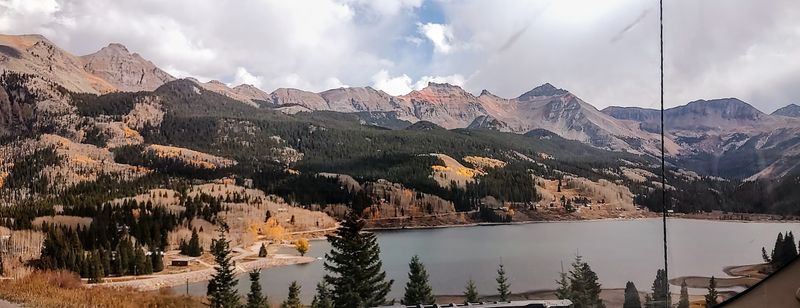
Railroads built Durango, and the Animas River gave it a playful streak. The result is a lively town with well-preserved Old West roots.
The Durango and Silverton Narrow Gauge Railroad starts its famous trips here. Even if you skip the ride, the steam engines are worth a look.
Need to stretch your legs? The Animas River Trail follows the water through town.
It’s an easy way to shake off a long morning behind the wheel.
The Animas Museum shares stories of the area’s early days. Families might also enjoy the Durango Fish Hatchery, which offers a fun, low-key stop.
Hot springs near Durango offer another reason to slow down. Honestly, this loop seems designed for people who enjoy warm water and big views.
North of town, Purgatory Mountain Resort adds skiing in winter and downhill mountain biking in summer. It also hosts one of the new electric vehicle fast chargers on the route.
Durango makes an easy starting point for the full loop. You can head north toward Silverton or west toward Mancos.
Either direction leads somewhere great, so flip a coin.
A Bank Robbery Legend Lives In This Box Canyon
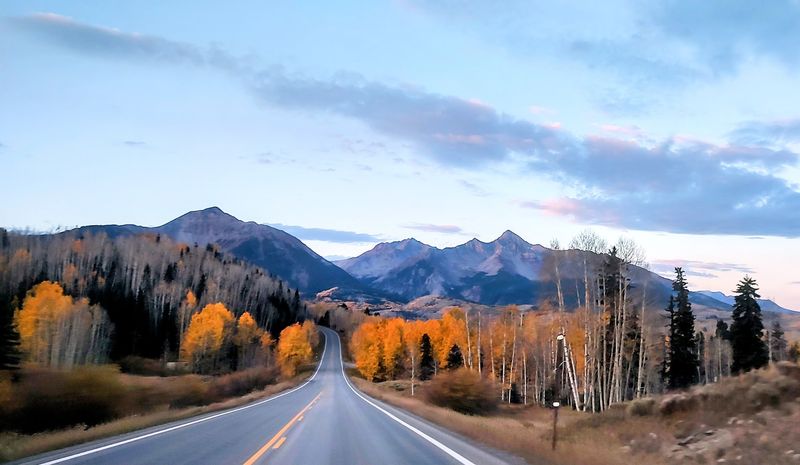
On June 24, 1889, Butch Cassidy robbed his first bank in Telluride. The outlaw is long gone, but the town’s Wild West story still gets told.
Telluride sits inside a dramatic box canyon in Colorado. Cliffs close in on three sides, so the scenery practically hugs you.
At the canyon’s end, Bridal Veil Falls drops 365 feet. It’s one of those sights that makes everyone suddenly quiet.
Then there’s the free gondola. Yes, free.
It lifts riders above town for views that would normally cost serious money elsewhere.
The Telluride Historic Museum explains how mining shaped the community. Afterward, wander the Telluride Arts District for a more creative side of town.
Telluride is also famous for skiing and festivals. Film, jazz, and bluegrass events have helped put this small town on the world map.
Tiny Ophir sits nearby, surrounded by towering peaks, waterfalls, and rugged cliffs. Rico, another old mining town, waits farther south along the San Juan Skyway Scenic and Historic Byway.
Both prove that small places can pack big history into very little space.
Cliff Dwellings Turn This Road Trip Into A Time Machine
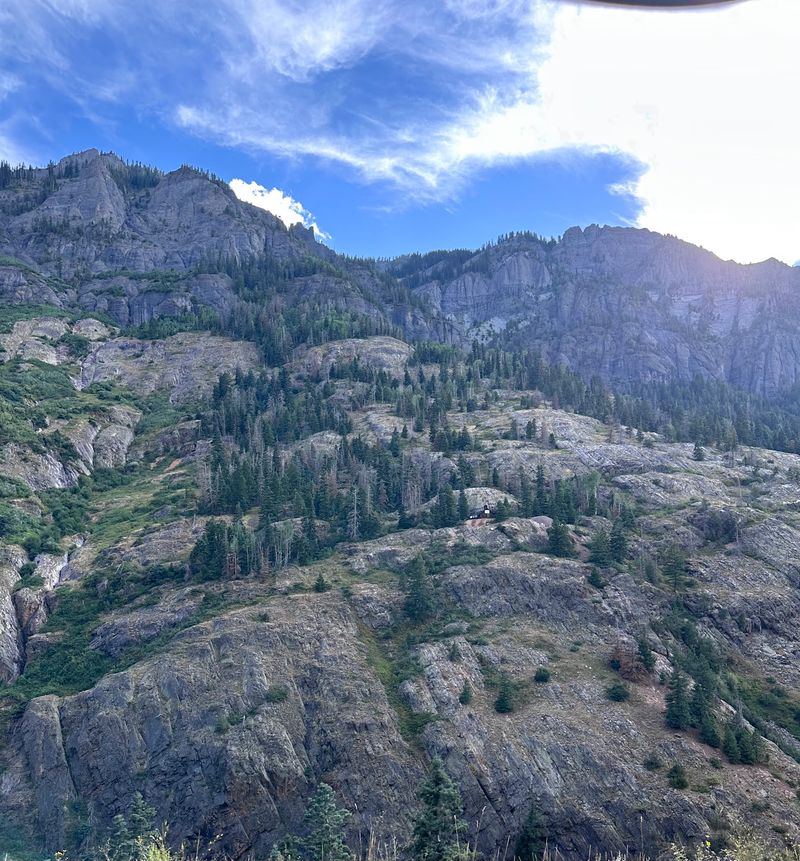
Long before miners showed up, people lived here for thousands of years. Evidence of Paleo Indians in the region dates back about 10,000 years.
Ancestral Pueblo people settled in Southwest Colorado around 600 AD. They left behind remarkable ruins that still stand today.
Cortez is your gateway to this ancient world. It sits near the entrances to Mesa Verde National Park and Canyons of the Ancients National Monument.
Mesa Verde is a UNESCO World Heritage Site. It holds one of the densest collections of prehistoric ruins in the United States.
Standing near those cliff homes puts the whole drive into perspective. The Victorian towns suddenly feel pretty young by comparison.
The land changes around Cortez too. High alpine scenery gives way to desert mesas and canyon country.
It’s like the loop switched channels without warning.
Nearby Dolores offers McPhee Reservoir, one of the largest human-made lakes in the state. The Galloping Goose Historical Society there celebrates a quirky piece of railroad history.
Between ancient homes and old rails, this corner rewards curious travelers who slow down.
Small Towns Here Hand You The Mountains Gift-Wrapped
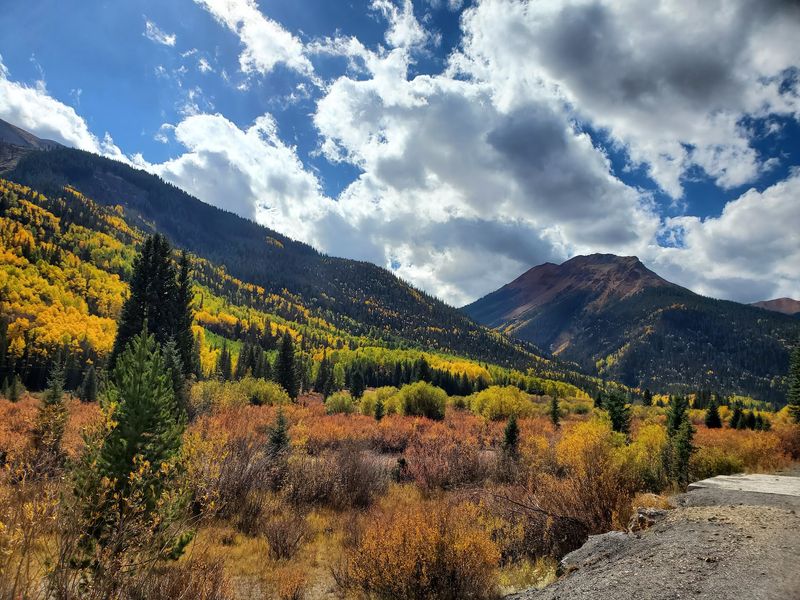
Ridgway goes by the Gateway to the San Juan Mountains, and that title fits nicely. Open valleys spread out around town, giving the peaks plenty of room to show off.
The Ridgway Visitor Center and Railroad Museum makes a handy stop. Ridgway State Park adds space for outdoor fun near the water.
West of town, Dallas Divide serves up one of the loop’s most famous views. Mount Sneffels rises sharply above the valley like a giant stone crown.
Farther south, Mancos brings a friendly, artsy vibe. The Mancos Creative District and Mancos State Park both deserve a little time.
Keep your eyes open between Mancos and Durango. Elk roam this area, and you might spot cattle or llama farms along the way.
Llamas on a mountain byway? Sure, why not.
This loop clearly enjoys surprising people.
Lizard Head Pass is another scenic highlight in this part of the San Juan Skyway Scenic and Historic Byway. Its rocky landmark is easy to recognize.
Pack snacks for these quieter stretches, since towns can be spread out.
Time Your Trip For Gold Leaves Or Wildflowers
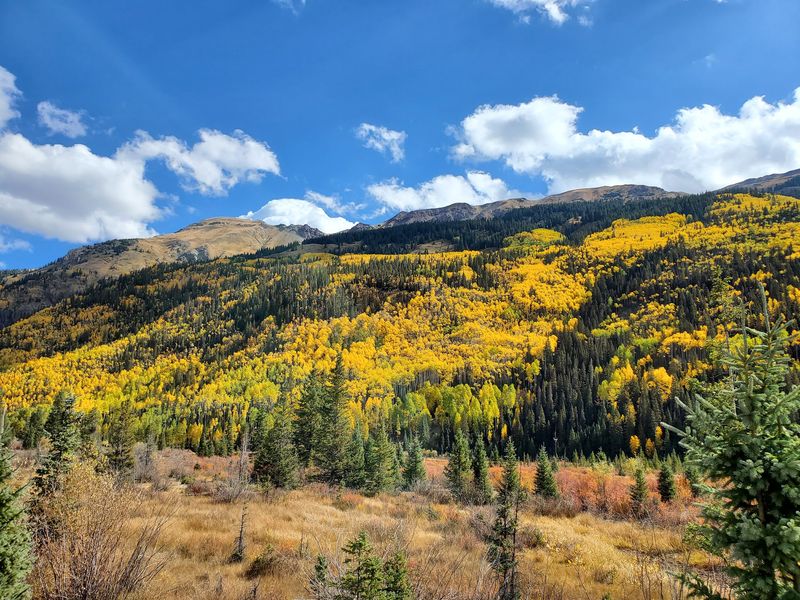
Mid-to-late September turns the aspens bronze and gold for about three weeks. If you can only pick one season, this one makes a strong case.
Summer has its own magic, though. Wildflowers put on bright displays in July and August across the high country.
Spring brings the loudest waterfalls, thanks to melting snow. Every season seems to have a showpiece ready for visitors.
For driving the full loop, late June through early October works best. High passes are usually clear, and mountain towns are fully open.
Winter visitors can still find plenty to love, from skiing to snowshoeing to snowmobiling. Just check road conditions first, since storms can close passes.
Electric vehicle drivers got good news in August 2025. The San Juan Skyway Scenic and Historic Byway became the newest Electric Byway in Colorado.
DC fast chargers now sit in Cortez, Durango, Purgatory, Ouray, and Telluride. More projects are planned for Ridgway, Silverton, and Dolores.
That means fewer battery worries and more time staring at mountains. Honestly, that sounds like the right trade.