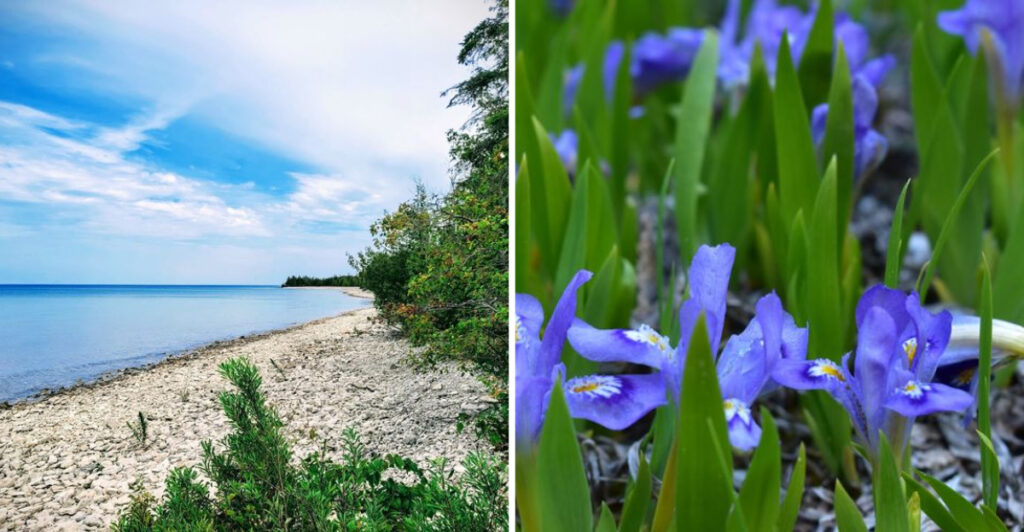
Some places make you forget to check your phone. This stretch of Michigan shoreline may make you forget where you left it.
Lake Huron fills the horizon while forest, marsh, and rocky coast block out nearly everything demanding your attention elsewhere. More than 5,000 acres surround six miles of trails. It gives you room to wander without meeting boardwalk crowds or rows of souvenir shops.
The farther you walk, the quieter the day becomes. Waves tumble across stones, and birds call from somewhere beyond the path.
Rare plants grow near the shoreline, while two rustic cabins let visitors stay after the daytime explorers have gone.
Once darkness arrives, limited development becomes another advantage. Stars appear without city lights competing overhead.
Follow the trail, and let Michigan handle the rest. Sometimes the best escape is simply a place that asks nothing from you.
Lake Huron Appears Beyond The Forest
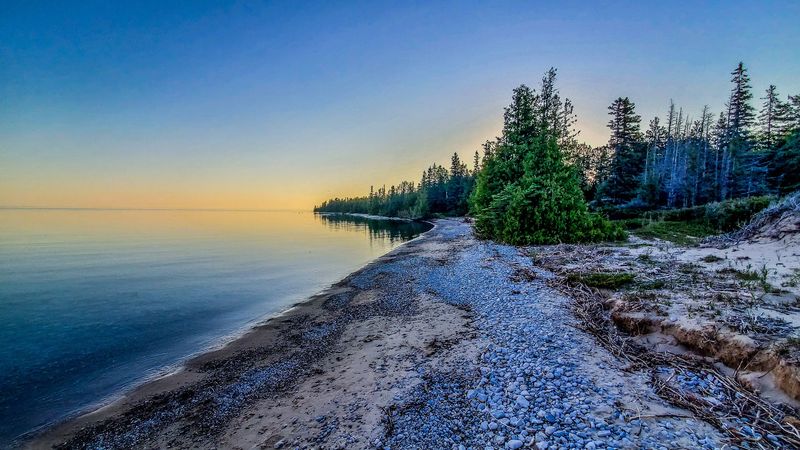
The first view of the lake often arrives between tree trunks.
A strip of blue begins to show through the branches, then the forest opens onto a broad horizon with no opposite shore in sight. Thompson’s Harbor protects 7.5 miles of Lake Huron coastline, giving you room to explore without being directed toward one main beach.
Much of the shore is rocky, with pale stones and driftwood gathered along the water. Small bays and points interrupt the coastline, changing the view as you continue walking.
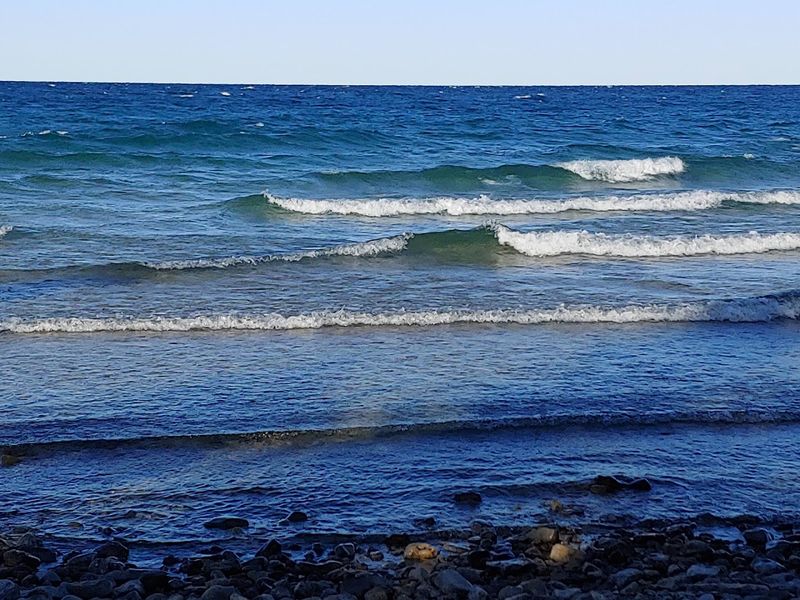
The lake can appear blue, green, gray, or nearly silver depending on the clouds and wind. Clear conditions reveal stones beneath the shallows, while rougher weather sends waves across the uneven shore.
Pets are allowed along the entire Lake Huron shoreline, provided they remain on a six-foot leash and under immediate control.
Would you follow the trail toward the next wooded point or stop where the lake first comes into full view?
Either choice places you beside one of the park’s defining sights: open water meeting land with almost no development between them.
The Park Begins North Of Alpena
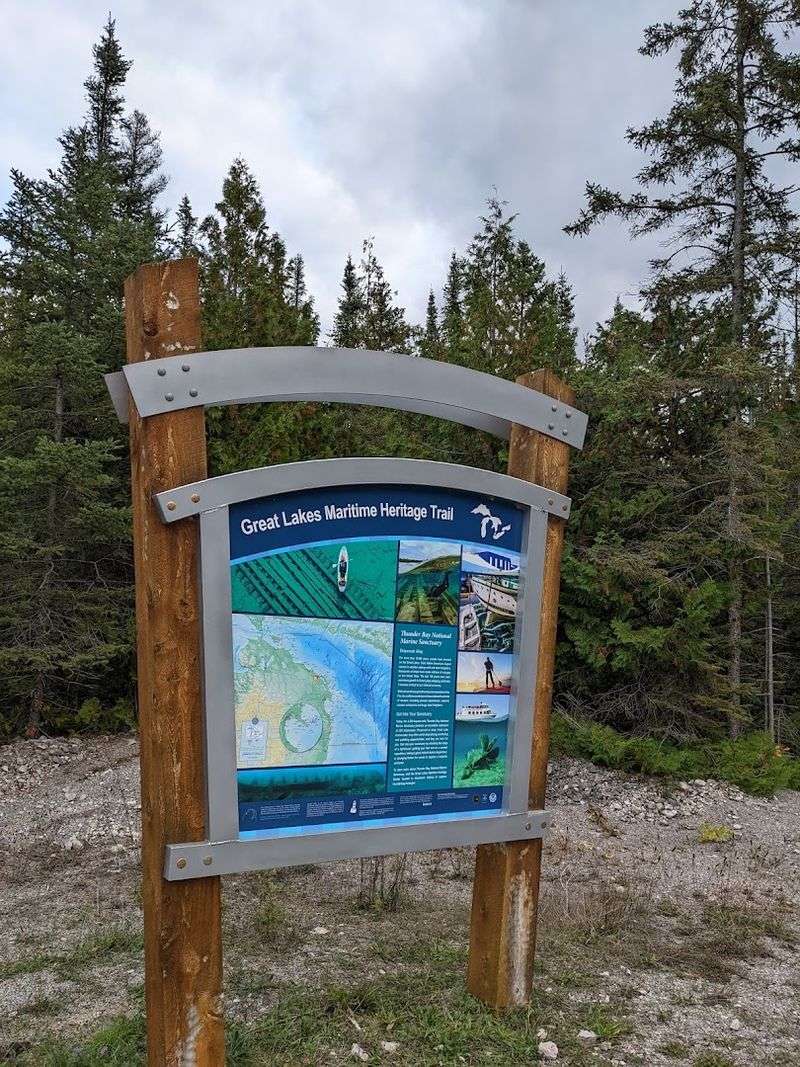
The park lies along U.S. 23, approximately 24 miles north of Alpena. The surrounding section of the northeastern part of the state includes long forested stretches, small communities, and repeated glimpses of Lake Huron.
This state park is reached from Thompson’s Harbor State Park Road, Rogers City, Michigan.
A Michigan Recreation Passport is required for vehicle entry. Facilities are limited compared with those at heavily developed state parks, so water, suitable footwear, seasonal layers, and a downloaded map can make the visit easier.
Vault toilets provide basic facilities, but you will not find a modern campground or large visitor complex. The park’s two overnight cabins are separate rustic accommodations rather than part of a conventional campground.
This limited infrastructure helps preserve the landscape visitors came to see. Roads and trails provide access, but they do not dominate the woods or shoreline.
Once you leave the parking area, the sound of traffic begins to fade. Forest, wetland, and lake take over quickly.
More Than 5,000 Acres Protect A Changing Landscape
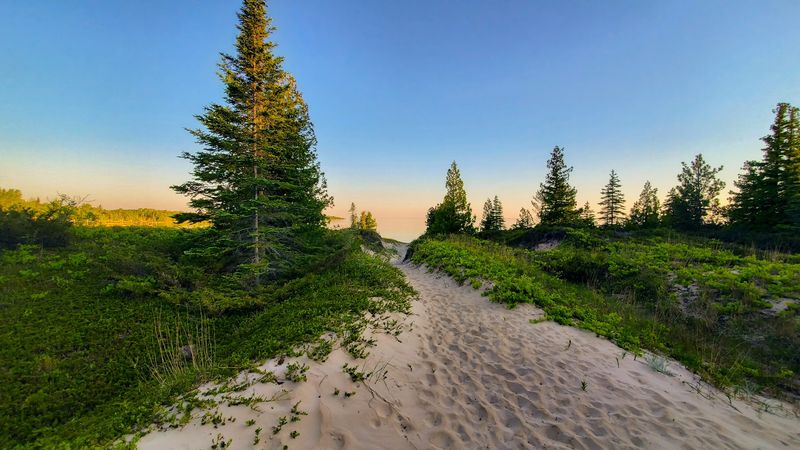
Thompson’s Harbor covers more than 5,000 acres of largely undeveloped land.
Its boundaries contain hardwood and evergreen forest, open wetlands, sandy ridges, dunes, and rocky Lake Huron shoreline. The landscape can shift several times during one walk, carrying you beneath trees, beside marshes, and toward exposed coastal ground.
Part of the park contains a 307-acre legally dedicated natural area. This protected section preserves a forested dune-and-swale complex formed as ancient lake levels receded. Low sandy ridges now alternate with wet swales that may be forested or open.
The state has fewer than 50 remaining examples of forested wet-swale communities of this quality. That rarity gives the quiet terrain ecological importance far beyond its scenery.
You may cross the area without immediately recognizing how unusual it is. The ridges are low, the wetlands can appear between trees, and each change arrives gradually.
Looking closely reveals a landscape built in layers by water, sand, vegetation, and time.
Six Miles Of Trails Lead Through The Park
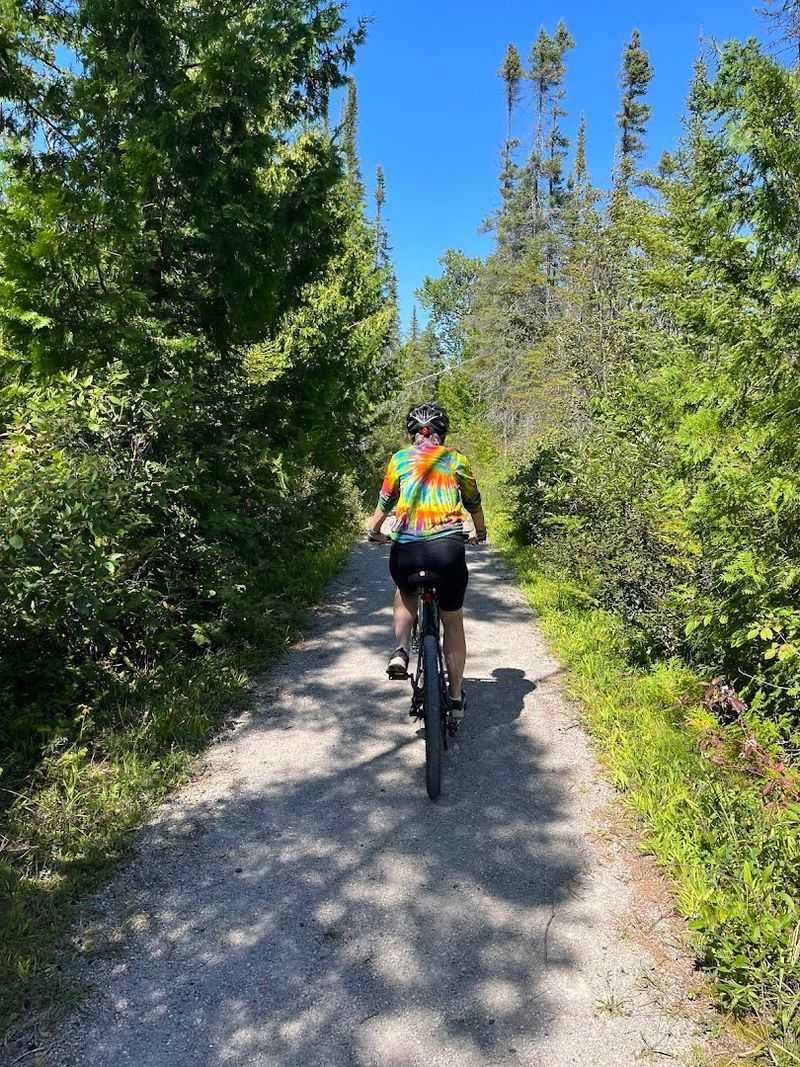
The park contains six miles of trails used for hiking, cross-country skiing, and snowshoeing.
These routes lead through forest and wet ground toward different sections of the Lake Huron shoreline. The terrain is generally low, though roots, rocks, sand, and seasonal moisture can slow your pace.
Trail conditions can vary considerably. Spring thaw and rain may leave damp sections, while fallen leaves can conceal uneven ground during autumn. Winter replaces the forest floor with snow and gives the same routes an entirely different character.
The value of these trails comes from what surrounds them. Birds move through the canopy, low plants spread across the forest floor, and brief openings offer flashes of water ahead.
There is no single grand overlook directing everyone to the same spot. Your best view might arrive where the trail reaches the shore, beside a wetland, or through an unexpected opening between cedars.
Paying attention becomes part of the hike. The park rarely announces its details loudly.
Rare Wildflowers Grow Near The Shore

The Thompson’s Harbor Natural Area supports one of the world’s largest known populations of dwarf lake iris.
This small blue flower is the state’s wildflower and is listed as threatened at both the federal and state levels. Thousands of iris shoots grow within the protected natural area, along with several other plant species of special concern.
The dwarf lake iris usually grows low to the ground, often near Great Lakes shorelines in northern Michigan. Its size makes it easy to miss when your eyes remain fixed on the lake.
Wildflower viewing is one of the activities officially supported within the dedicated natural area. Photography, nature study, hiking, and wildlife observation are also permitted.
Stay on established routes and avoid stepping into patches of vegetation. The plants may occupy fragile ground that does not recover quickly from repeated foot traffic.
A visit during the growing season gives you two landscapes to study at once. Lake Huron fills the horizon, while some of the park’s rarest details appear only inches above the earth.
Two Rustic Cabins Extend The Visit
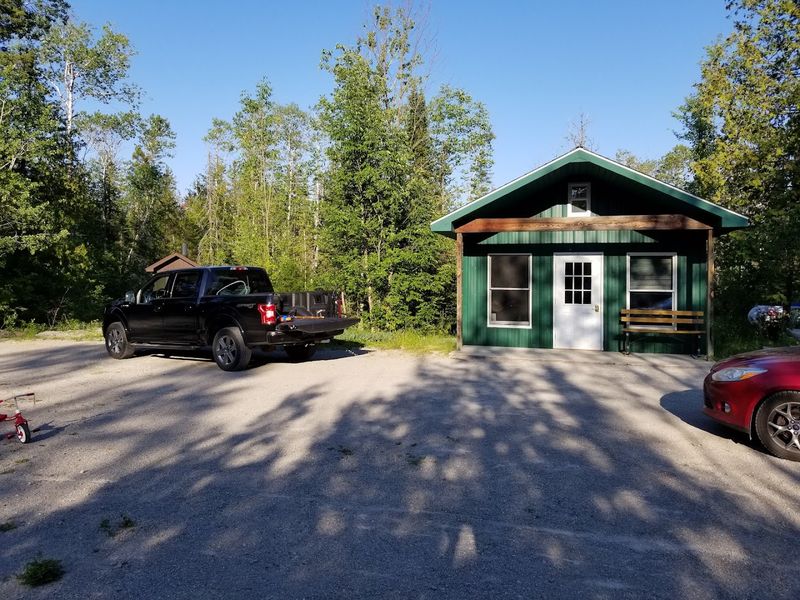
Two cabins allow visitors to stay inside the park throughout the year.
Cedar Haven and Stone Path each sleep four to six guests. Both include two bunk beds, a pull-out couch, a table, a gas stove, and a propane cooktop. Neither cabin has running water inside.
An outdoor hand pump and nearby vault toilet supply the basic necessities.
You must bring your own linens and kitchen supplies. The setup is deliberately rustic, placing the cabins closer to simple shelter than full-service vacation lodging.
That simplicity changes the rhythm of an overnight stay. Dinner requires planning, water comes from outside, and darkness arrives without the usual glow of a developed campground.
Morning begins with trees beyond the windows and trails waiting nearby. Evening brings the sounds of the surrounding woods before the night sky takes over.
Reservations are handled through the state park system. Cabin availability can fill during popular travel periods, making advance booking useful for fixed dates.
The Rocky Coast Rewards Slow Exploration
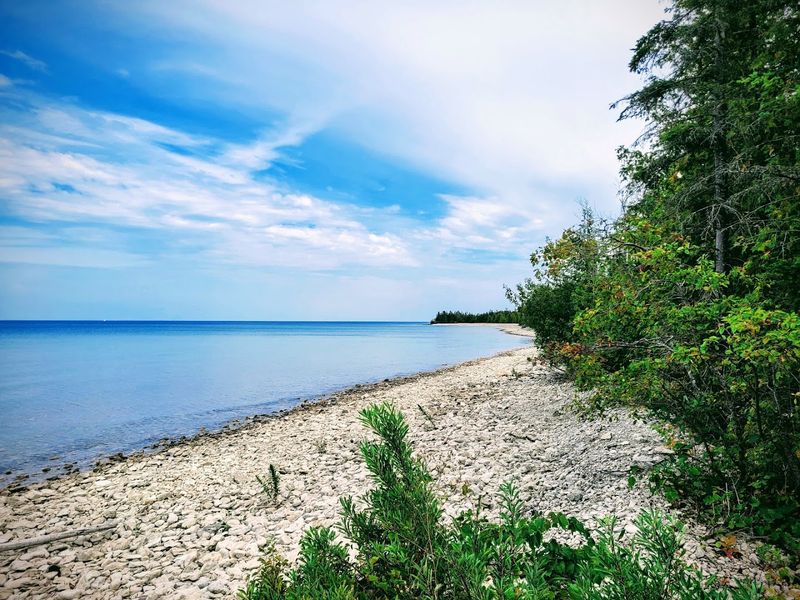
This park does not present the Lake Huron shore as one uniform beach.
Some sections are covered in small stones, while others include sand, low dunes, driftwood, or vegetation reaching close to the water. Forested points divide the coast into smaller views and sheltered curves.
Paddlers use the park’s bays and inlets, while anglers and shoreline walkers find access to the lake from different points.
The rocks can become slippery when wet, and loose stones require more attention than a flat sandy beach. That slower pace gives you time to notice patterns in the shoreline.
Water sorts stones by size. Waves rearrange driftwood. Cedars lean toward the lake where wind has shaped their growth.
You can walk for a while, turn around, and discover that the return view looks completely different. The lake remains constant, but every bend changes its frame.
Thompson’s Harbor Keeps Nature In The Foreground
Thompson’s Harbor State Park offers very little that competes with the landscape.
There are trails, rustic cabins, water access, vault toilets, and enough infrastructure to support a visit. Beyond that, the main attractions are the forest, wetland, rare plants, night sky, and 7.5 miles of Lake Huron shoreline.
You can spend the morning hiking beneath hardwoods, study dwarf lake iris near the protected natural area, follow the stones along the coast, and remain after sunset for the stars.
Each part of the day reveals a different version of the park.
The quiet here is not complete silence. It is waves striking rock, leaves moving overhead, and wildlife calling beyond sight.
For nature lovers, that is more than enough reason to take the road toward Thompson’s Harbor and see where the forest meets one of the state’s widest horizons.