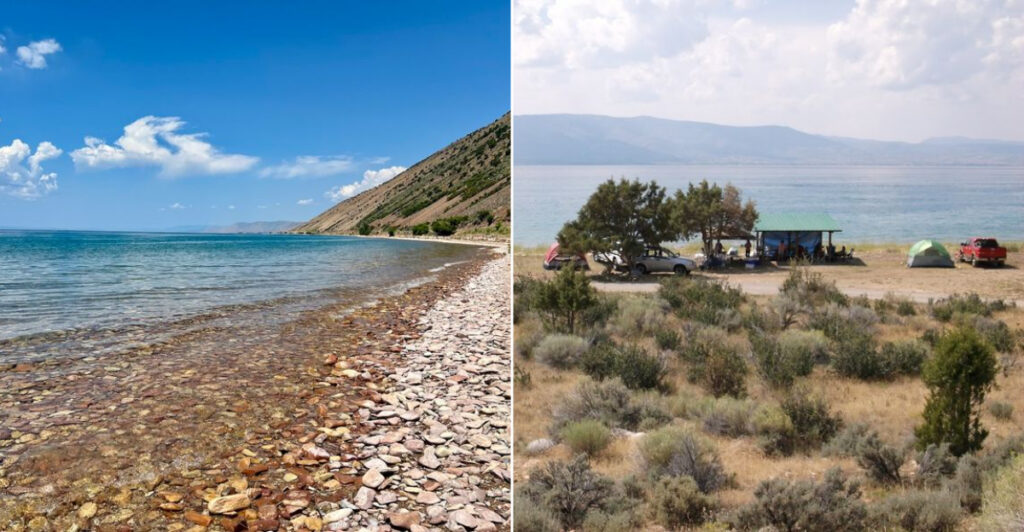
A beach day in the landlocked West sounds like a trick until the water comes into view and completely changes the conversation. In Utah, this lakeside escape delivers turquoise waves, sandy stretches, and a breezy shoreline mood that feels far more coastal than its mountain surroundings should allow.
It is the kind of place that makes first-time visitors double-check their expectations, then immediately start planning a longer stay.
The color alone is enough to stop people mid-sentence, but the real appeal is how easily it shifts from lazy beach lounging to paddling, swimming, snacking, and sunset watching.
Families get space to spread out, road-trippers get a rare payoff that feels bigger than the detour, and anyone craving water without flying to an ocean gets a serious win. By the end of the day, Utah’s version of a beach escape feels less surprising and more like something everyone should have known about already.
Bear Lake’s Turquoise Secret That Utah Locals Guard Closely
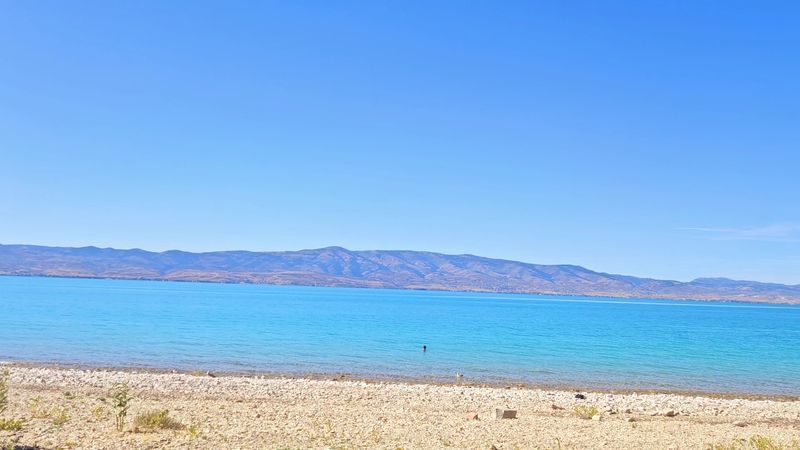
There’s a moment, somewhere along the final stretch of road into Laketown, when the lake appears through the windshield and you genuinely question whether you took a wrong turn into a screensaver. Bear Lake’s famously turquoise water is caused by suspended calcium carbonate particles, giving it that almost unreal blue color that makes first-time visitors stop and stare like they’ve stumbled onto a film set.
This place sits right on that shoreline at 7175 North Cisco Road, Laketown, Utah 84038, and it does not apologize for being exactly this photogenic. The campground is part of Bear Lake State Park, managed by Utah State Parks, which means the infrastructure, vault toilets, and general upkeep fall under a consistent standard.
Why It Matters: This isn’t just a pretty lake. Bear Lake spans roughly 109 square miles across Utah and Idaho, making it one of the largest natural freshwater lakes in the western United States.
The color alone makes the drive worthwhile, but the sheer scale of the water turns a simple campout into something that feels genuinely significant.
Best For: First-time visitors who want maximum visual payoff with minimal planning effort.
What Arriving At Cisco Beach Actually Feels Like On A Thursday
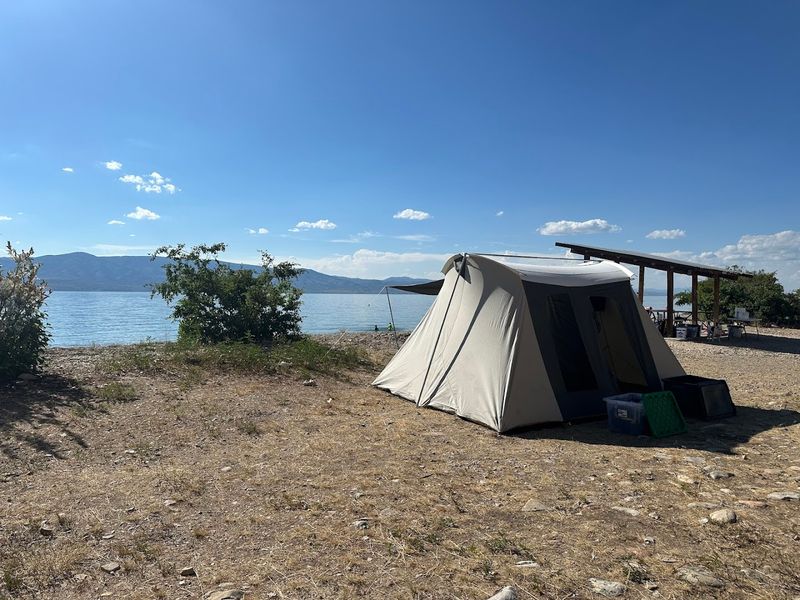
Pull in on a weekday and the place carries the quiet confidence of a spot that knows it doesn’t need to try too hard. Sites are large, noticeably larger than the cramped pads you’d find at a more popular state park, and roughly half come with covered picnic shelters that double as shade in a campground that doesn’t offer much natural tree cover.
The ground is rocky, which is worth knowing before you pack only a thin sleeping pad and a tent with standard stakes. Visitors who arrive with trailers or RVs tend to settle in easily, given the generous site dimensions.
Dry camping is available for a reasonable nightly fee for non-residents.
Pro Tip: Seasoned visitors consistently recommend arriving by Thursday at the latest if you want your pick of sites rather than whatever’s left after the weekend crowd sweeps through. The campground fills up, and the better spots with lake views and covered tables go first.
Quick Tip: Bring longer tent stakes or a rubber mallet. The rocky ground is real, and a standard push-in stake will lose that argument every single time without much drama.
The Honest Case For Camping Right On The Water’s Edge
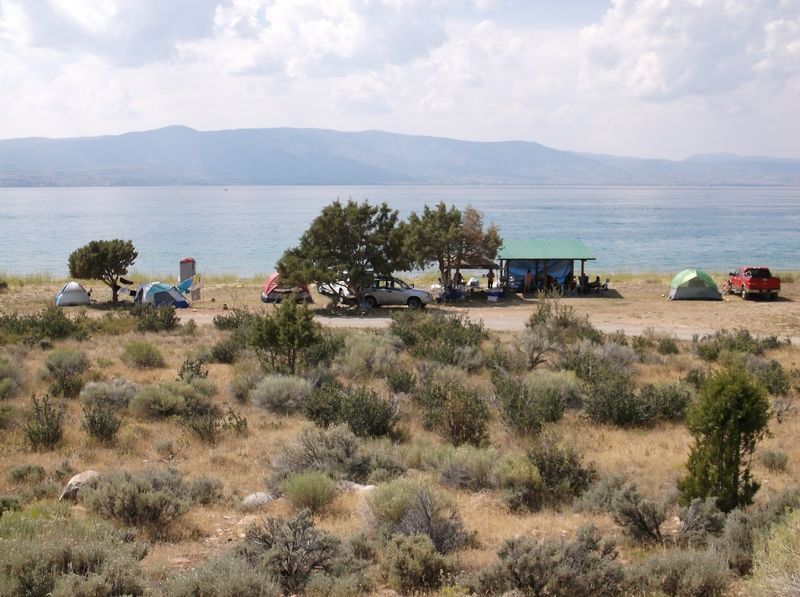
Waking up fifteen feet from a turquoise lake is the kind of thing that makes you briefly consider quitting your job and living here permanently. The proximity to the water is Cisco Beach’s single strongest selling point, and it’s not subtle about it.
Sites slope gently toward the shoreline, so the view from your folding chair is essentially uninterrupted lake.
Each site comes with a fire ring and picnic table, giving you the baseline setup for a functional camp without hauling extra furniture. Vault toilets are distributed throughout the campground and visitors consistently note they’re kept clean, which matters more than people admit until they’re in a situation where it really matters.
Insider Tip: There is no dump station on site, so plan your water and waste management accordingly before arrival. The campground also lacks water hookups, meaning you’ll want to arrive with enough fresh water for your full stay.
The lake water itself runs cold even in summer, which makes afternoon swims feel genuinely refreshing rather than just lukewarm wading. For anyone who’s spent a July afternoon in a crowded reservoir, that temperature difference alone feels like a small luxury.
Best For: Campers who prioritize waterfront access over full amenities.
Why Repeat Visitors Keep Coming Back To This Particular Stretch
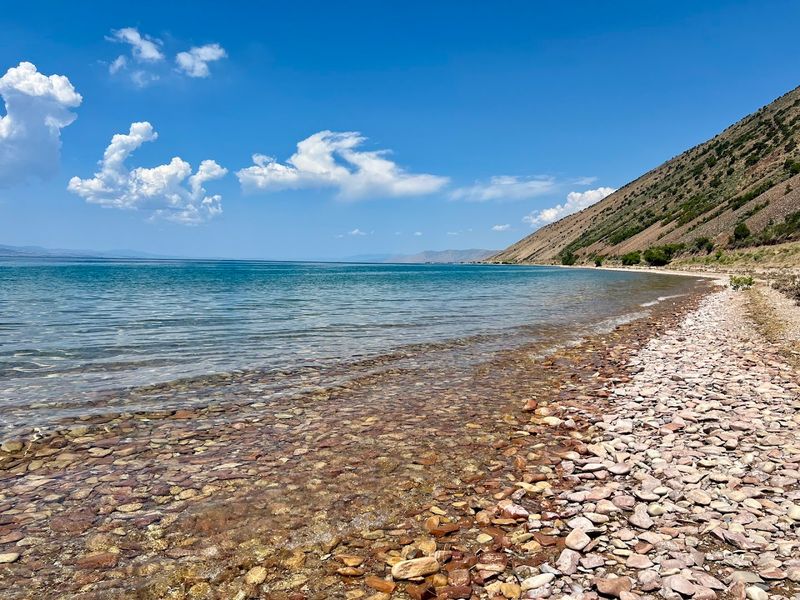
There’s a certain type of camper who finds a place, tells exactly three people about it, and then returns every single summer with the quiet satisfaction of someone who made a very good decision. Cisco Beach has built that kind of loyal following among visitors who’ve sampled several Bear Lake campgrounds and landed here as their consistent preference.
Camp volunteers actively work to keep the grounds clean and maintain a welcoming atmosphere, and that effort shows in the overall tone of the place. Neighboring campers tend to be friendly, the kind of people who wave when you walk by and occasionally share firewood advice without being asked.
Who This Is For: Families with older kids, couples looking for a low-fuss overnight, and solo campers who want space without isolation.
Who This Is Not For: Anyone expecting electrical hookups, a dump station, or a sandy beach underfoot. The shoreline is rocky, the ground is uneven, and the experience rewards people who come prepared rather than those expecting resort-level convenience.
The sunsets here have earned their own reputation. Multiple visitors specifically mention the evening light over the lake as a reason to return, which is the kind of detail that doesn’t show up in a park brochure but sticks with you long after the drive home.
How Cisco Beach Fits Into A Real Weekend Without Overcomplicating Things
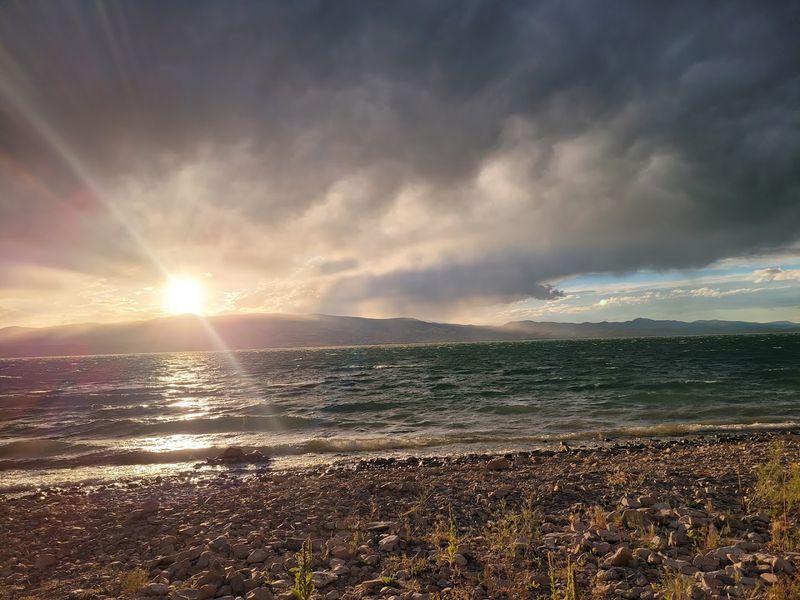
The beauty of a place like this is how little coordination it actually requires. Drive up from Salt Lake City and you’re looking at roughly two hours, which puts it firmly in the category of destinations that work for a Friday-night departure after work without requiring anyone to take PTO or book anything six months in advance.
Families with younger children appreciate the large site dimensions, which give kids room to spread out without wandering into neighboring camps. Couples find the scale of the lake impressive enough to justify the drive even for a single overnight.
The lack of cellular service in the area, noted by several visitors, functions less as an inconvenience and more as an accidental digital detox that most people end up quietly appreciating.
Planning Advice: Contact Bear Lake State Park directly at (435) 946-3343 or visit stateparks.utah.gov/parks/bear-lake before your trip to confirm site availability and current fee structures. Non-resident fees apply, and extra vehicles at your site may incur additional charges, so factor that in if you’re traveling with a convoy.
Best Strategy: Pack everything you need before you leave. The nearest town services are limited, and the campground operates on a bring-what-you-need basis rather than a you-can-grab-it-nearby assumption.
Making The Most Of Your Time Before The Campfire Gets Going
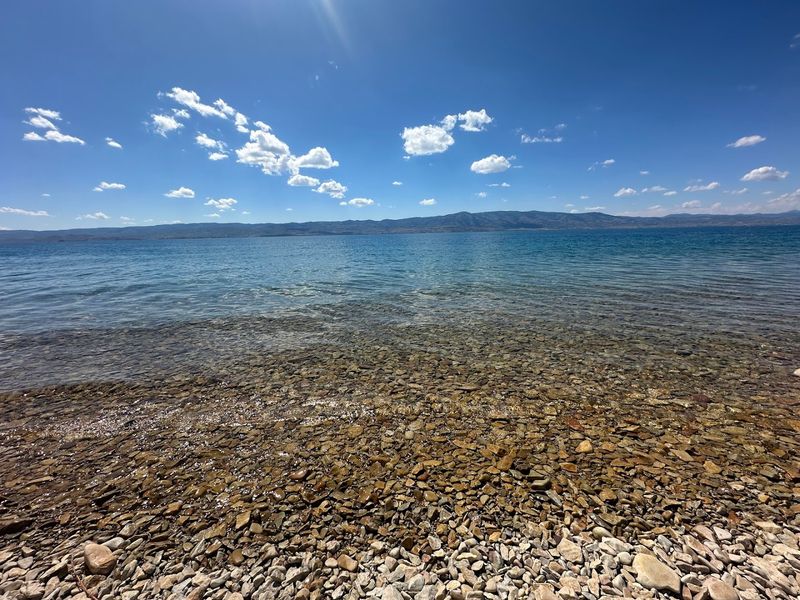
Once you’ve set up camp and realized you have a few hours before sunset turns everything golden and cinematic, the lake itself becomes the obvious next move. The water is cold and clear, and swimming directly from your site is straightforward given the gentle slope down to the shoreline.
It’s not a sandy beach entry, so water shoes are a practical call rather than an optional one.
The surrounding landscape offers wide, unobstructed views that reward anyone who takes ten minutes to simply stand at the water’s edge and look across to the Idaho side. There’s a reason visitors describe this stretch as feeling unexpectedly coastal despite being completely landlocked.
Common Mistakes to Avoid: Don’t assume you can launch a boat from Cisco Beach. The campground does not have a boat launch, so if watercraft is part of your plan, you’ll need to coordinate access from a different location within the state park system.
Quick Tip: Bring a portable shade setup if you run warm. The campground has minimal natural tree cover, and while the covered picnic shelters help, open-sky afternoons in Utah summer can be genuinely intense without your own shade solution in place.
The Quiet Confidence Of A Place That Earns Its Reputation Honestly
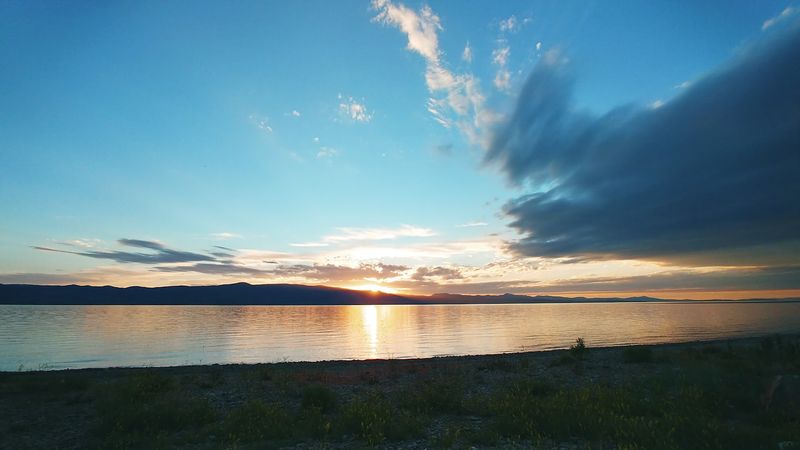
Some places earn their following through marketing. Cisco Beach earns its through the view from your camp chair at 7:30 in the evening when the light hits the lake at an angle that makes the turquoise water look like something from a geography textbook illustration of a place you always meant to visit.
It’s the kind of spot that rewards the people who showed up rather than the people who almost did.
The campground holds a solid overall rating from visitors across multiple seasons, which for a place with no hookups, rocky ground, and limited shade is genuinely telling. The things people come back for, the water color, the site space, the sunsets, the quiet, are exactly the things this campground consistently delivers.
Quick Verdict: Cisco Beach is not a polished resort experience and doesn’t pretend to be one. It’s a well-maintained state park campground sitting directly on one of the most visually striking lakes in the American West, and that combination is hard to argue with.
If a friend texted asking whether it was worth the drive, the honest answer is yes, bring stakes you trust, arrive before the weekend, and don’t forget the water shoes. The rest takes care of itself.