On Saturday mornings in Breaux Bridge, people two-step between breakfast tables before most towns have finished their coffee. This small city on Bayou Teche carries the official title of Crawfish Capital of the World, and it earns that name with boiled, fried, and smothered crawfish all through the spring.
Add a downtown full of antique shops and a swamp at the edge of town, and you get a place that keeps its own clock. Here is what makes that rhythm worth learning.
A Bayou Teche City In St. Martin Parish
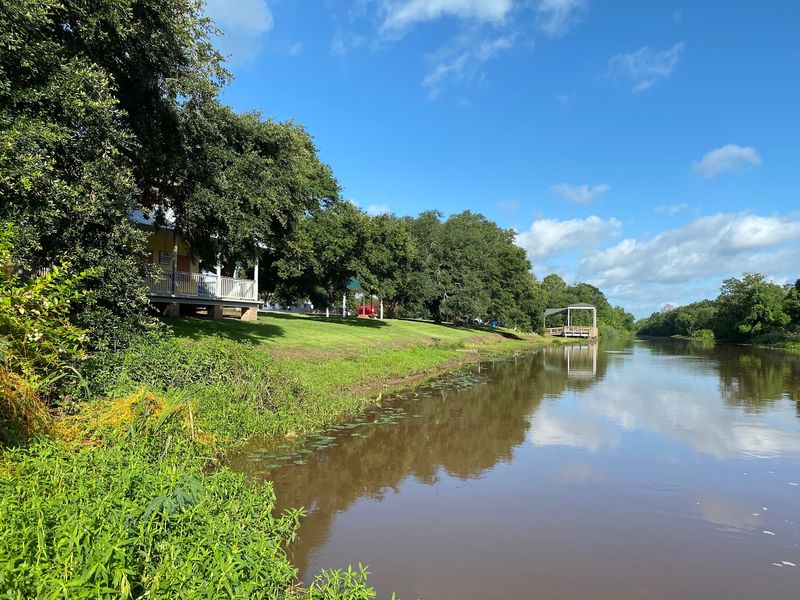
Find Bayou Teche on a map of Acadiana, trace it east of Lafayette, and you will land on Breaux Bridge. The city sits in St. Martin Parish and belongs to the Lafayette metropolitan area, close enough to the bigger city for an easy drive but separate enough to keep its own personality.
About 7,513 people lived here at the 2020 census. That modest size matters, because it shapes nearly everything a visitor notices: short walks between downtown storefronts, restaurants that feel tied to the families who run them, and a bayou that still functions as the town’s center line instead of a backdrop.
Two things put Breaux Bridge on most travelers’ radar. The first is crawfish, which the town has claimed as its signature for generations and which the state has formally recognized.
The second is music, especially zydeco, which shows up at the breakfast table on weekends in a way few places can match.
Around those two anchors sit antique shops, art galleries, Cajun kitchens, and quick access to the Atchafalaya Basin and Lake Martin. None of it is packed tightly.
Instead, the pieces spread out across a town built at a human pace, which is exactly how most people end up experiencing it.
How A Footbridge Became A Town
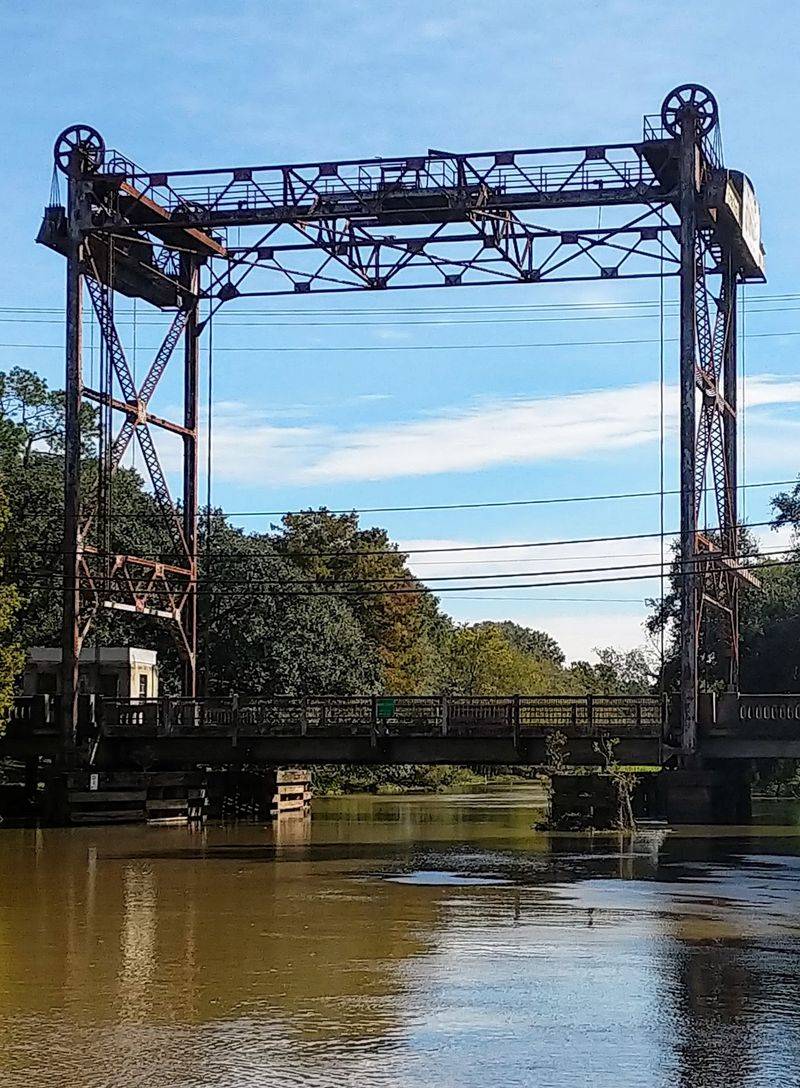
Every town name has a story, and this one is refreshingly literal. In the late 1700s, an Acadian exile named Firmin Breaux acquired land along Bayou Teche and built a footbridge across the water.
Neighbors used it, the settlement grew around it, and the crossing gave the place its identity.
Firmin’s son, Agricole, took the next step in 1817 by building the first bridge that could handle vehicles. That bridge mattered more than it might sound.
It allowed Breaux Bridge to develop on both banks of the bayou at the same time, something no other city along Bayou Teche can claim.
The official founding came in 1829, and it came from a woman. Scholastique Picou Breaux, Agricole’s widow, laid out the community with careful planning, mapping streets and lots that still shape how downtown fits together today.
Knowing this backstory changes how a stroll through town reads. The bridges, the bayou, and the street grid are not accidental; they trace a family’s practical decisions over roughly half a century.
Acadian roots run through all of it, and that heritage still shows in the food, the French surnames on storefronts, and the way music sits at the center of community life.
Saturday Mornings At Buck And Johnny’s
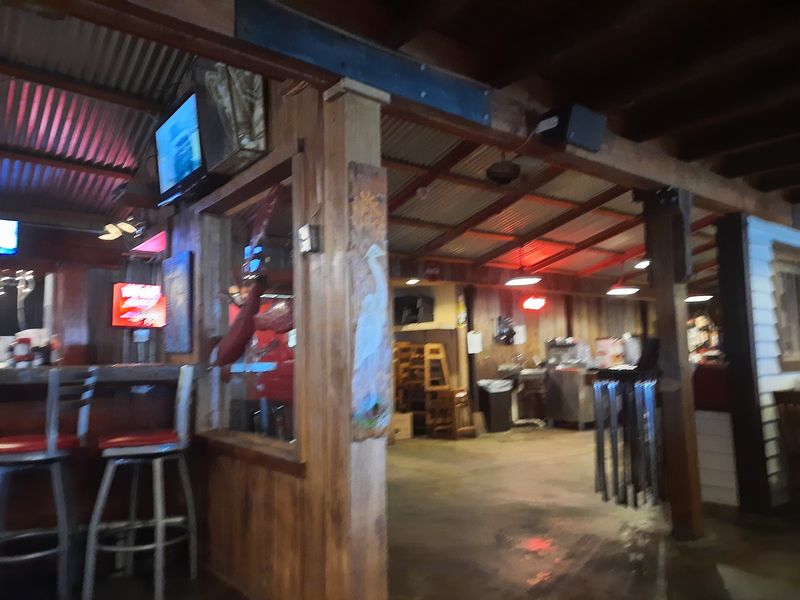
Picture an accordion warming up at a breakfast hour, plates of food arriving, and couples already sliding into a two-step between the tables. That is the Saturday zydeco breakfast, and Buck and Johnny’s is one of the best-known places to catch it.
The restaurant occupies a renovated former auto building, and the old character of the structure has been kept in the decor. People gather early, find a seat, and settle in as a live band takes the stage.
Once the music gets going, an impromptu dance floor tends to form wherever there is open space.
The food is there to fuel the morning. Expect hearty breakfast and lunch plates, with traditional Cajun options on the menu alongside the expected eggs and morning staples.
Nobody treats the meal as an afterthought, but the music clearly sets the agenda.
What makes this weekly ritual stand out is how ordinary it feels to the people attending. It is not a festival or a special event on a calendar.
It is simply Saturday. That casual regularity explains why the town often describes itself as living festival life all year, with celebrations folded into routine rather than saved for a single weekend.
The Sound Behind The Two-Step
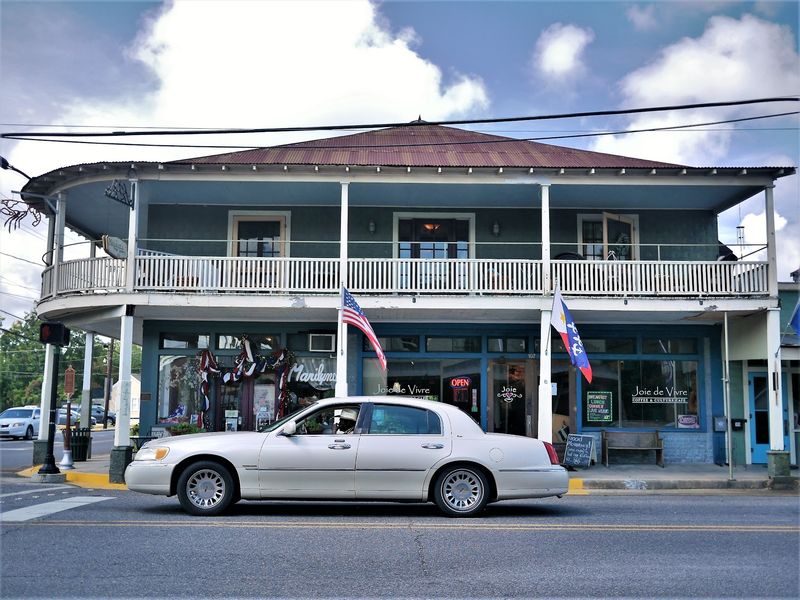
Accordion, rubboard, guitar, drums. Those four instruments carry most zydeco bands, and in Breaux Bridge they set the tempo for more than a dance floor.
Zydeco is a Southwest Louisiana music and dance style that pulls from rhythm and blues, Creole traditions, Cajun music, and Afro-Caribbean influences. The accordion drives the melody, while the washboard, often worn like a vest and scraped with spoons or thimbles, keeps a scratchy, insistent beat underneath.
The result is music built for moving, not for sitting politely.
In town, that sound turns up in several settings. Saturday breakfast is the famous one, but zydeco also shares stages with Cajun and swamp pop bands at bigger community gatherings, especially in spring.
Visitors who arrive unsure of the steps usually find the dance floor forgiving, since the two-step is easy to pick up by watching for a song or two.
Music here works as social glue. Neighbors see each other, families bring kids, and visitors get folded into the crowd without much ceremony.
For a town of this size, having live music at the center of a weekly routine says a lot about what people value and how they choose to spend their mornings.
Crawfish Capital Of The World, Officially
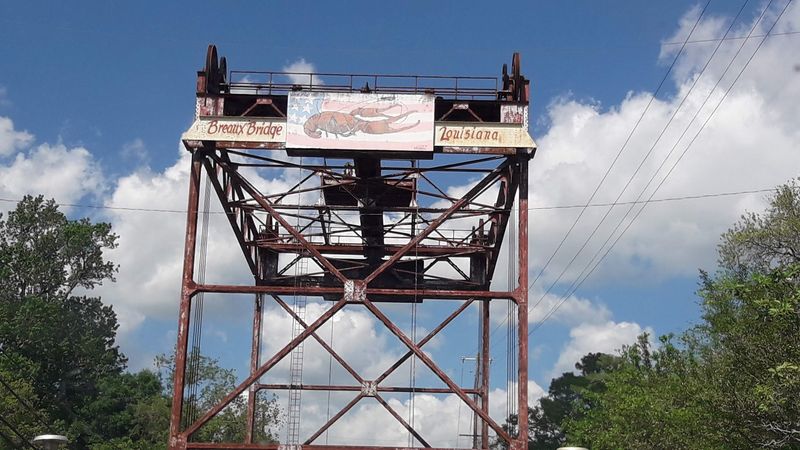
Plenty of towns call themselves the capital of something. Breaux Bridge has paperwork.
In 1959, the Louisiana Legislature formally designated it the Crawfish Capital of the World, recognizing the town’s significant role in the crawfish industry.
The claim is grounded in more than volume. Breaux Bridge is home to restaurants that were among the first to openly put crawfish on their menus, at a time when the crustacean was still treated as humble home cooking.
Bringing it into restaurant dining rooms helped turn a local staple into a regional calling card.
The statewide numbers show why the title matters. Louisiana produces more than 90 percent of the crawfish eaten in the United States, and towns like this one sit right in the middle of that harvest, between commercial ponds and the wild waters of the nearby basin.
Today the menu range is wide. Crawfish turns up boiled, fried, in jambalaya, stuffed into boudin, baked into pies, ladled as bisque, and stirred into gumbo.
Rather than one signature preparation, the town offers a full catalog, and moving through it over a weekend is one of the simplest ways to understand the place.
Étouffée And The Hebert Hotel
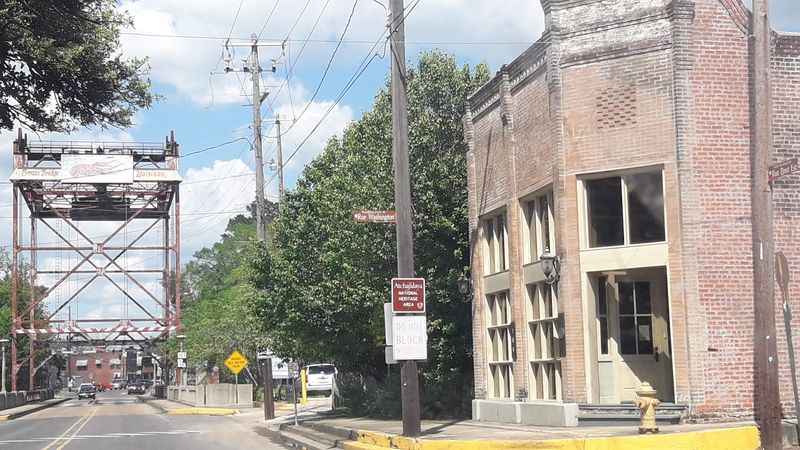
Here is a fun origin detail for the next time you order a bowl over rice: crawfish étouffée is believed to have been invented in Breaux Bridge. The usual telling places its beginnings at the Hebert Hotel as early as the late 1920s.
The name comes from the French word for smothered, which describes the technique well. Crawfish tails cook down in a rich sauce, often built on a roux, with the familiar base of onion, celery, and bell pepper.
It lands somewhere thicker than a gumbo and gentler than a fried platter, and it is almost always served over rice.
The dish fits the town’s broader story. Early restaurants here were willing to treat crawfish as something worth serving to paying customers, and étouffée became one of the clearest results of that confidence.
It has since spread across Louisiana menus and well beyond the state.
For visitors, ordering étouffée in the town that claims it carries a small bit of satisfaction. Kitchens vary in color and richness, with some leaning darker on the roux and others lighter and buttery.
Comparing a couple of versions during a trip is a worthwhile way to spend lunch.
Spring Boils And The May Festival At Parc Hardy
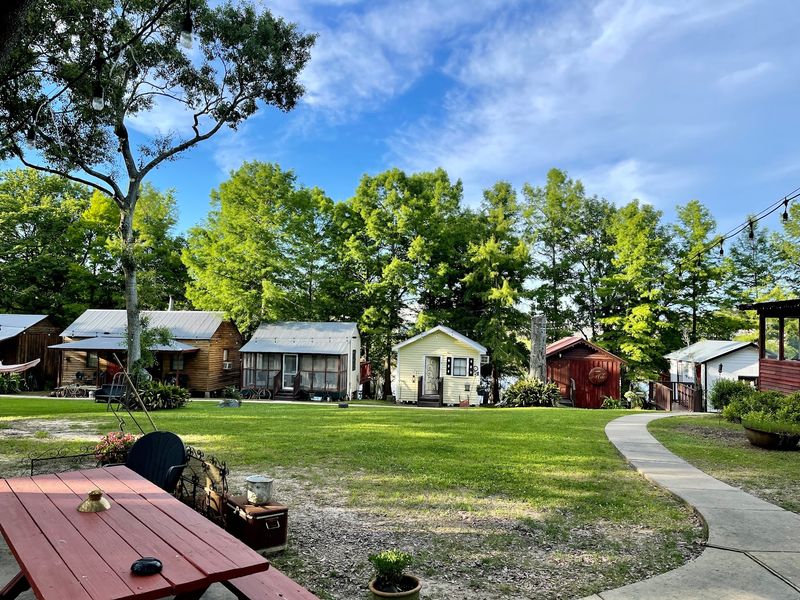
Timing a trip around crawfish means watching the calendar and the weather. Peak season in Breaux Bridge usually lands in March and April, though the exact window shifts with weather and water levels in both farm ponds and wild bayous.
During those weeks, boils become part of the background of town life. Big pots, seasoned steam, and long tables covered in red shells show up at gatherings across the area.
It is the time of year when the Crawfish Capital title feels most visible.
The season builds toward the Breaux Bridge Crawfish Festival, held every first full weekend of May at Parc Hardy. The festival started in 1960, a year after the legislative designation, and it now draws tens of thousands of visitors annually.
Multiple stages host more than 30 Cajun, zydeco, and swamp pop bands over the weekend. Between sets, the schedule includes dance contests, cooking demonstrations, and crawfish eating competitions that reliably draw cheering crowds.
Anyone planning to attend should book lodging early, since a town of about 7,500 residents fills quickly when that many guests arrive at once. Visitors wanting quieter streets can come during the shoulder weeks instead.
Boudin, Gateau Syrup And A Market-Counter Lunch
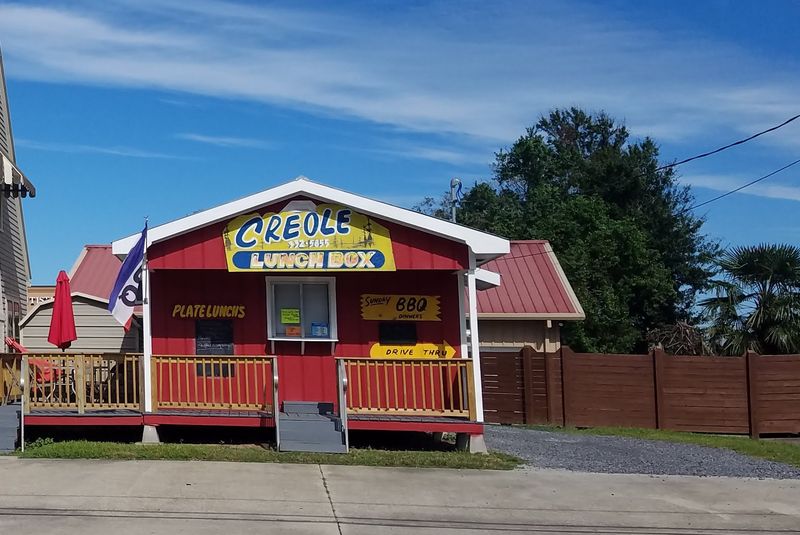
Crawfish may hold the title, but plenty of people leave town talking about boudin. The broader food scene covers a deep bench of Cajun cooking, from seafood gumbo to sausage-and-rice links eaten straight from the paper.
Sweets deserve attention too. Gateau sirop, a cane syrup cake with a dense, spiced crumb, shows up on local tables, along with sweet dough pies, the soft hand pies filled with fruit or custard that many Cajun families treat as a standard dessert.
Poche’s Market and Restaurant offers a clear example of how food and commerce overlap here. The business combines food preparation with a market setting, so the counter where ingredients are sold sits right alongside the kitchen that cooks them.
For travelers, it is an easy place to grab lunch and pick up something to bring home.
That mix of grocery and dining is common across Acadiana, and Breaux Bridge leans into it. Ordering here often means standing at a counter, pointing at what looks good, and eating at a simple table.
The setup favors food over fuss. It also gives a clear window into what people actually eat day to day, not just on festival weekends.
Downtown Streets, Antiques And Galleries
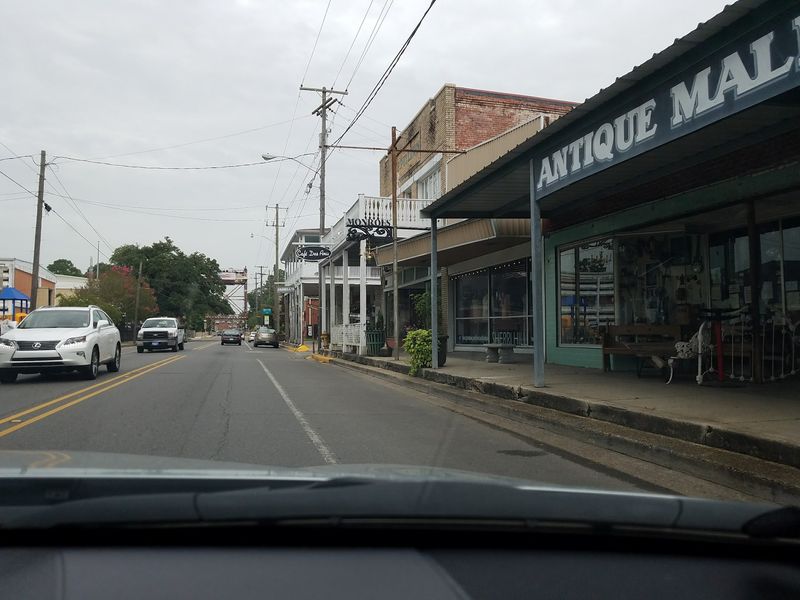
After a big breakfast, a slow walk downtown is the natural next move. The historic district gathers antique shops, art galleries, and Cajun restaurants within a compact grid that rewards wandering more than planning.
Antique hunting is a long-running draw. Shops here range from cluttered treasure rooms to more curated spaces, with furniture, kitchenware, and Louisiana keepsakes filling shelves.
Browsing tends to take longer than expected, partly because the town gives little reason to hurry.
Galleries add another layer, showing work from regional artists who often draw on bayou scenery, music, and Acadian themes. Between stops, the streets themselves offer a quiet kind of interest, with older storefronts lining blocks that follow the plan Scholastique Breaux set out in 1829.
Visitors frequently describe a feeling that time slows down here, and the downtown layout helps explain it. Neighbors stop to talk on sidewalks, restaurants encourage lingering over meals, and nobody seems especially anxious to move along.
That atmosphere is not staged for tourists. It reflects how the town has always run, and it gives an afternoon downtown a relaxed shape that bigger destinations rarely manage to offer.
Lake Martin, Bayou Teche And The Atchafalaya Edge
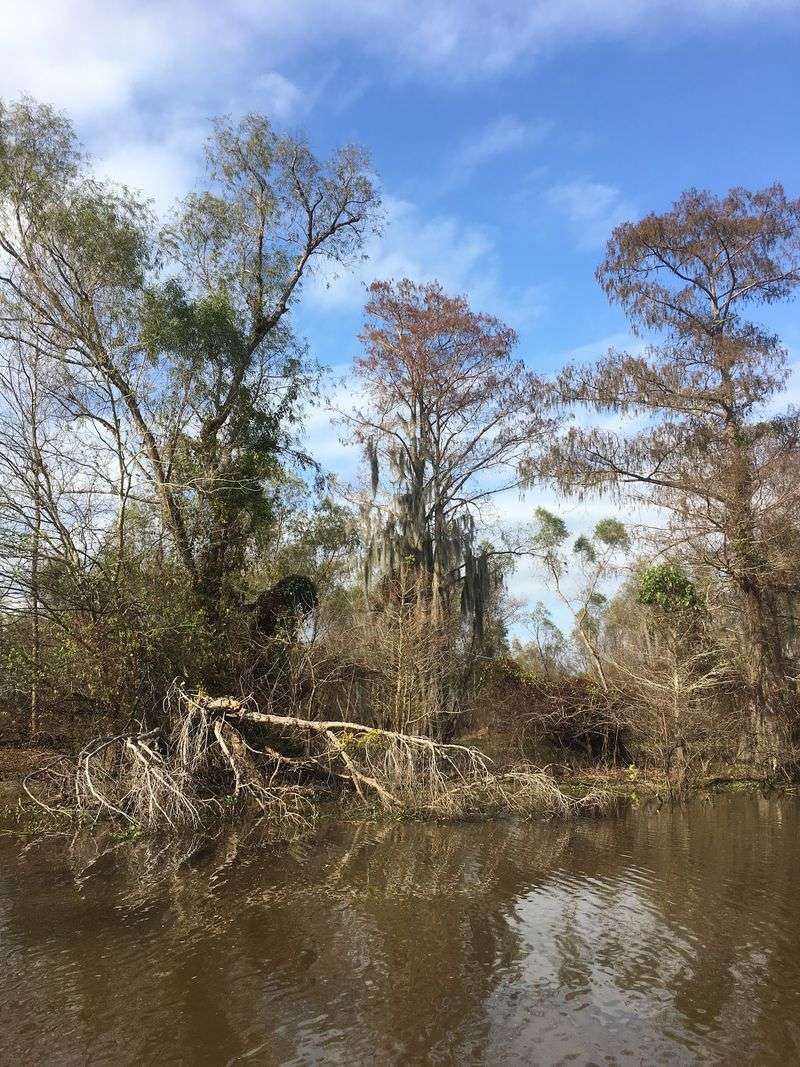
Ten minutes of driving can swap storefronts for cypress knees. Breaux Bridge serves as a quieter gateway to the Atchafalaya Basin, the largest freshwater swamp in the United States, and that natural setting is a big part of why the town feels unhurried.
Lake Martin is the standout nearby. It ranks among the country’s largest nesting areas for wading birds, so egrets, herons, and spoonbills gather there in impressive numbers during nesting season.
Birders and photographers arrive early for the best light and the most activity.
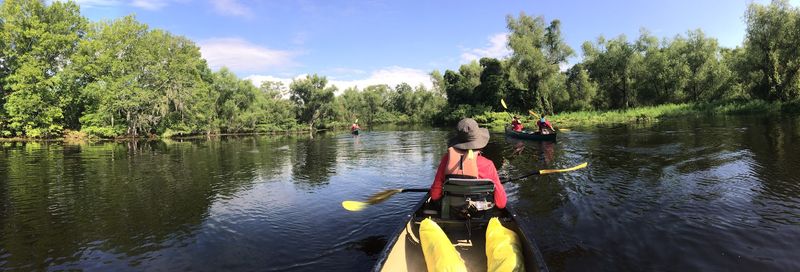
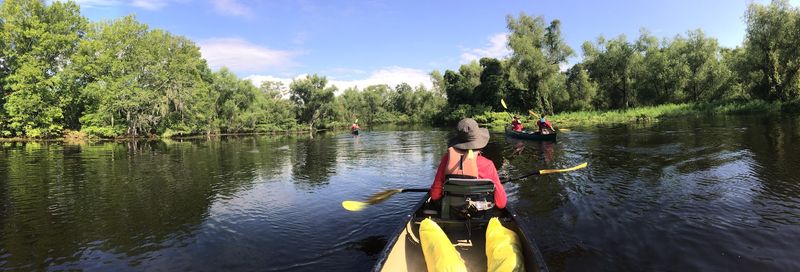
Closer to downtown, Bayou Teche itself invites paddling. A kayak or canoe trip offers a different view of the town, passing the banks where Firmin Breaux once built his footbridge.
Calm stretches make it approachable for casual paddlers.
The town also sits on the Bayou Teche Scenic Byway, which links communities along the waterway and makes Breaux Bridge an easy stop on a longer Acadiana drive. Pairing a morning on the water with a crawfish lunch is a practical way to see how tightly the swamp, the seafood, and the town are connected.
The basin supplies more than scenery; its waters shape the local menu.
Planning A Visit And Why The Slow Pace Wins
Getting here is simple. Breaux Bridge sits within the Lafayette metro area, so most travelers arrive by car from Lafayette or along Interstate 10, and the Bayou Teche Scenic Byway offers a slower, prettier approach for anyone touring Acadiana.
Timing shapes the experience. Saturday mornings bring the zydeco breakfast, March and April usually deliver the best crawfish, and the first full weekend of May turns Parc Hardy into festival grounds.
Hours and menus at individual restaurants change, so checking the town’s visitor site, breauxbridgelive.com, or calling ahead before a trip is smart.
The town suits travelers who like their plans loose. Music fans, birders, antique browsers, and anyone curious about Cajun cooking will find enough to fill a weekend without rushing between stops.
Families tend to do well too, since festivals and breakfast dances welcome all ages.
The best advice may be the simplest one. Leave room in the schedule.
Breaux Bridge has run on its own rhythm since a single footbridge crossed the Teche, and visits work best when guests match it. Sit through one more song at breakfast, order a second bowl of étouffée, and watch the bayou slide past at dusk.