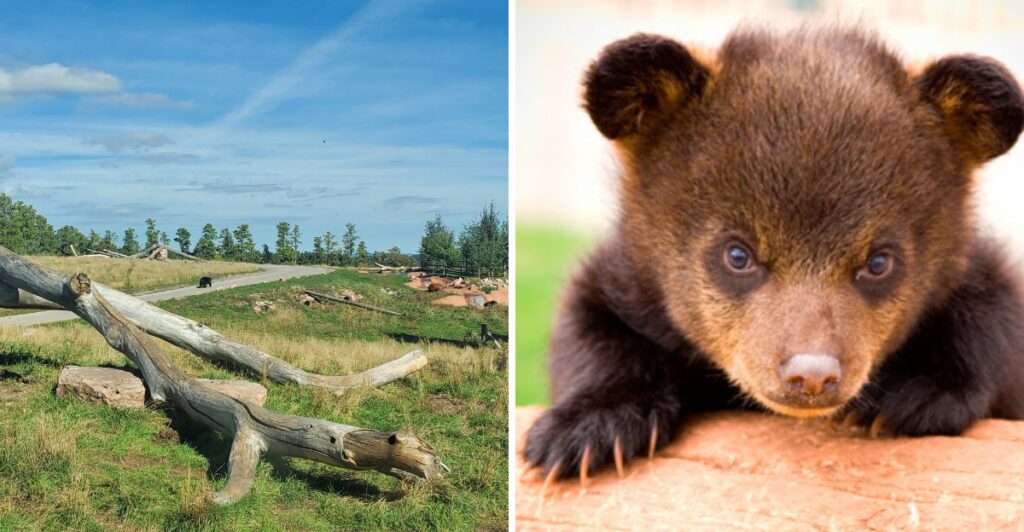
A three-mile drive in your own car can put you right beside black bears in South Dakota’s Black Hills. You don’t need a boat, a hike, or binoculars.
You just need a steering wheel and a window.
The road also winds past wolves, elk, bison, reindeer, and mountain lions along the way. My inner kid is already doing cartwheels over the idea of a bear strolling past the bumper.
After the drive, a short walking path leads to an area with a nickname that sounds made up. It’s called Babyland. It’s home to young animals, and yes, that includes adorable bear cubs.
The park closes for the winter, so planning ahead for next season makes a lot of sense.
I didn’t know I needed a traffic jam caused by bears until now, but it’s officially on my wish list.
Your Car Becomes The Best Seat In The House
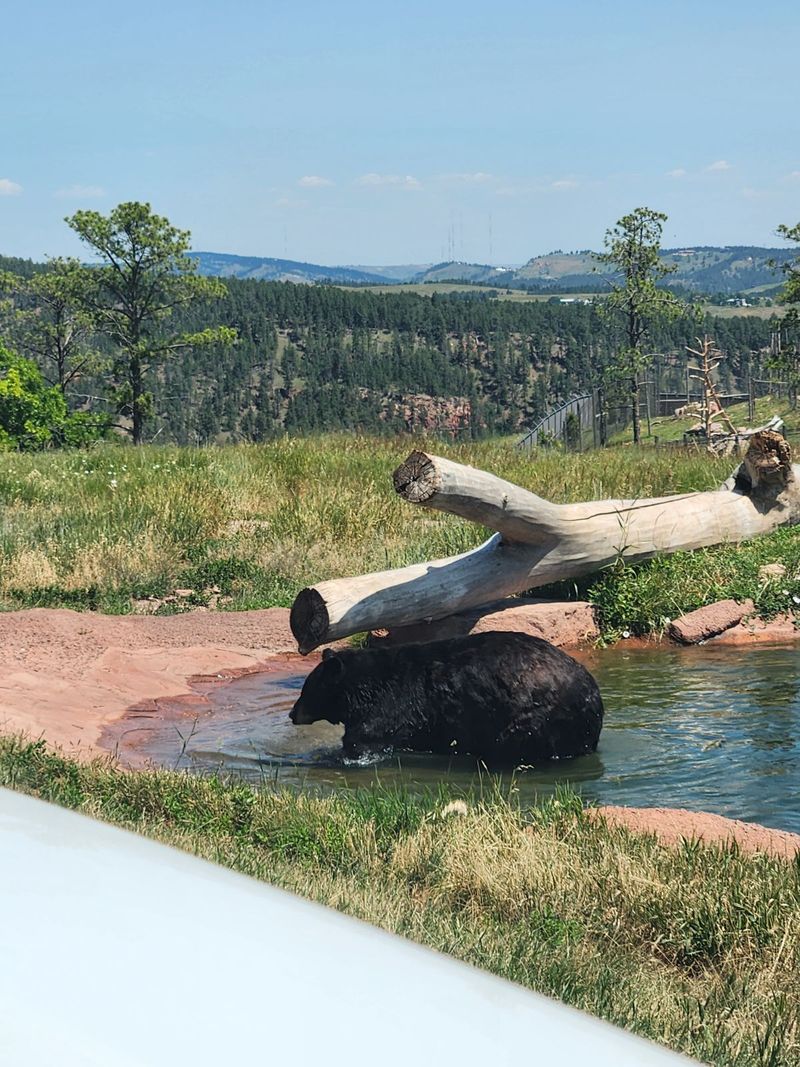
Most wildlife trips ask you to hike, squint, and hope. Bear Country U.S.A. flips that script by letting you stay buckled in.
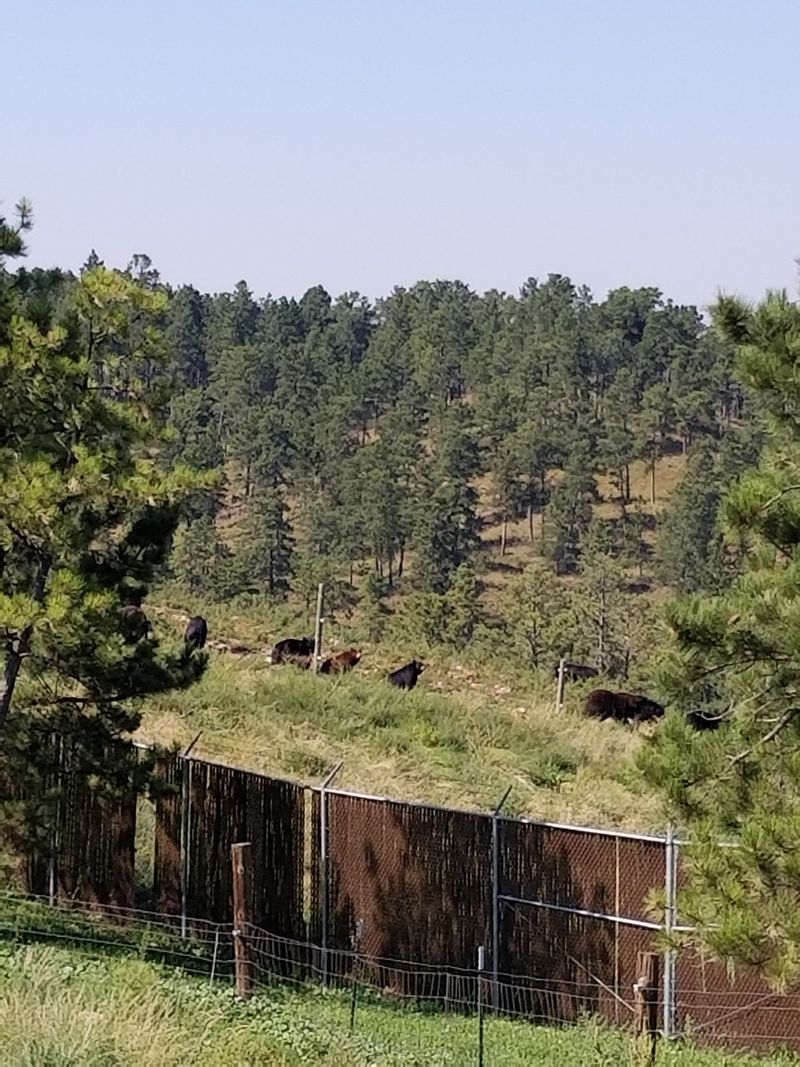
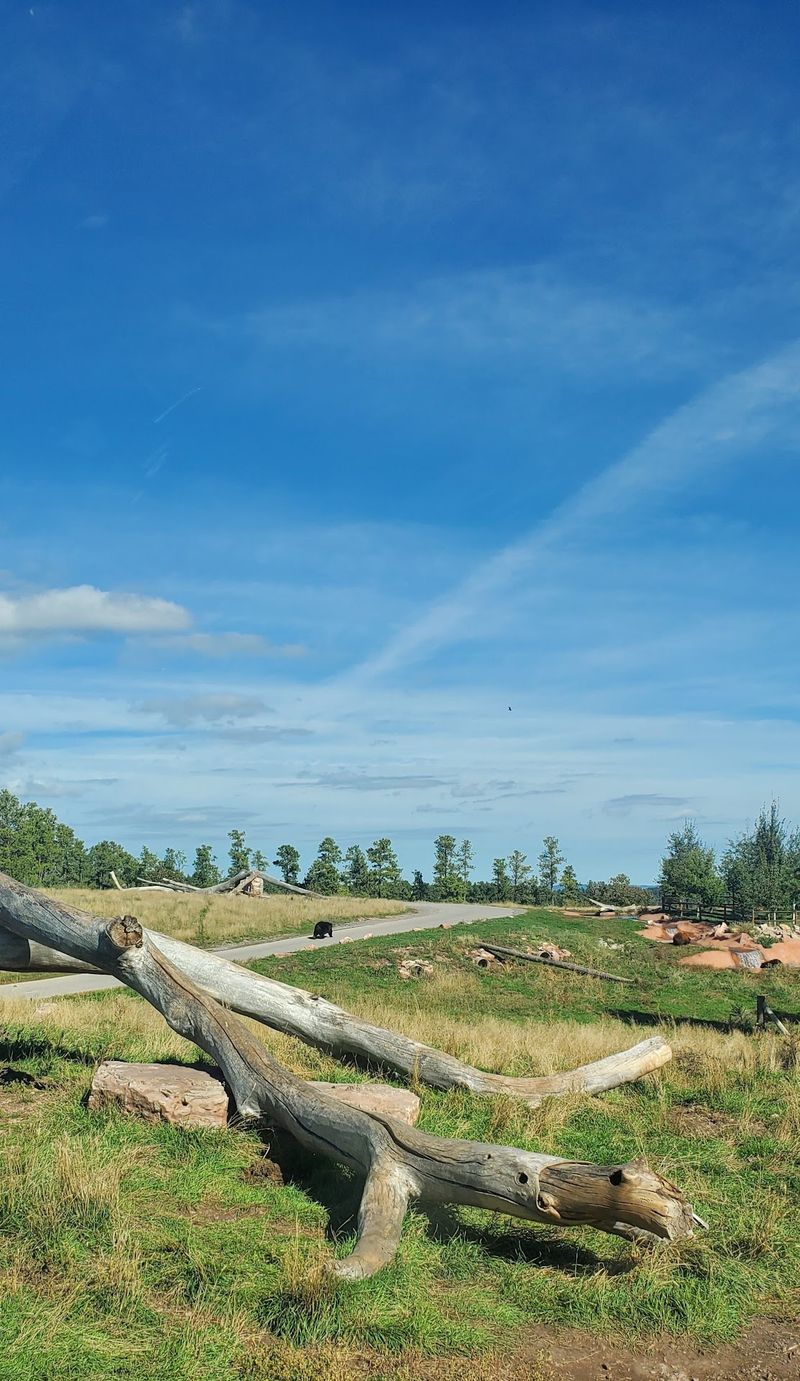
The main event is a relaxed three-mile drive through large, natural enclosures. Animals roam freely while you roll along at an easy pace.
Black bears are the headliners here. The park is home to a large collection of black bears, so you won’t be hunting for just one furry face.
Beyond the bears, the loop features elk, reindeer, mountain lions, bighorn sheep, pronghorn, bison, and wolves. That’s a lot of North American wildlife for one tank of gas.
The roads wind through habitats built to feel like the wild. Your windshield turns into a moving nature documentary, minus the dramatic narrator.
Keep your windows up for the whole loop. It’s a safety rule, and it protects both you and the animals outside.
Drive slowly and let the bears set the tempo. Rushing through would waste the best part of the visit.
Bring a camera with a good zoom, even though many animals stay close. You’ll want to capture every snout, ear, and lazy stretch.
Not Every Ride Gets A Ticket Through The Bear Loop
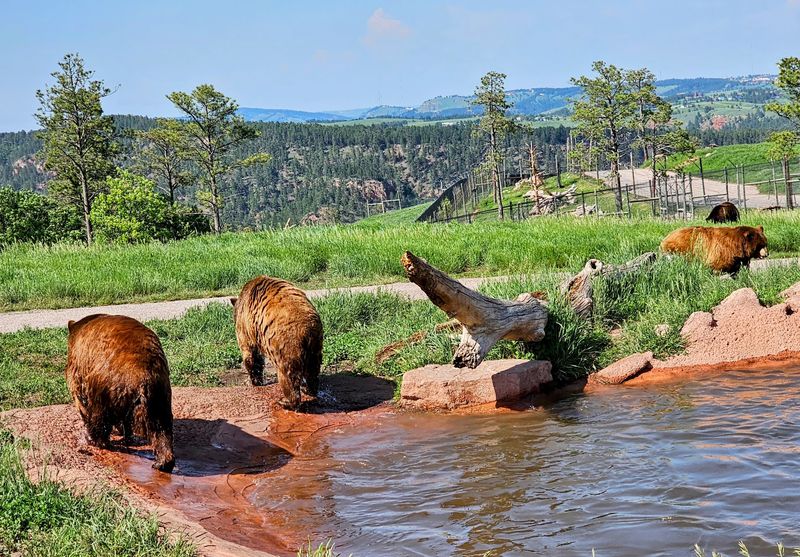
Here’s a rule that saves a lot of disappointment. Convertibles, motorcycles, UTVs, and soft-top vehicles are strictly prohibited in the drive-thru area.
The reason is simple. A thin fabric roof doesn’t mix well with curious bears or big hooved animals.
Riding into the Black Hills on two wheels? You’ll need to arrange enclosed, hard-topped transportation before entering the park.
Plenty of travelers visit the region on motorcycles, especially during busy summer months. Planning this ahead keeps your trip from hitting a speed bump at the gate.
Got a dog riding shotgun? Good news, pups are welcome in the drive-through section.
Just remember that dogs aren’t allowed in the Babyland or Wildlife Walkway area. Plan for someone to stay with your furry friend, or keep the walking portion short.
Windows should stay closed during the drive, even if your dog really wants a sniff. Bears may be impressive neighbors, but they aren’t pen pals.
A little prep here goes a long way. Check your vehicle, check your passengers, and you’re ready to roll safely through bear territory.
Wolves, Elk, And Bison Keep The Drive Full Of Surprises
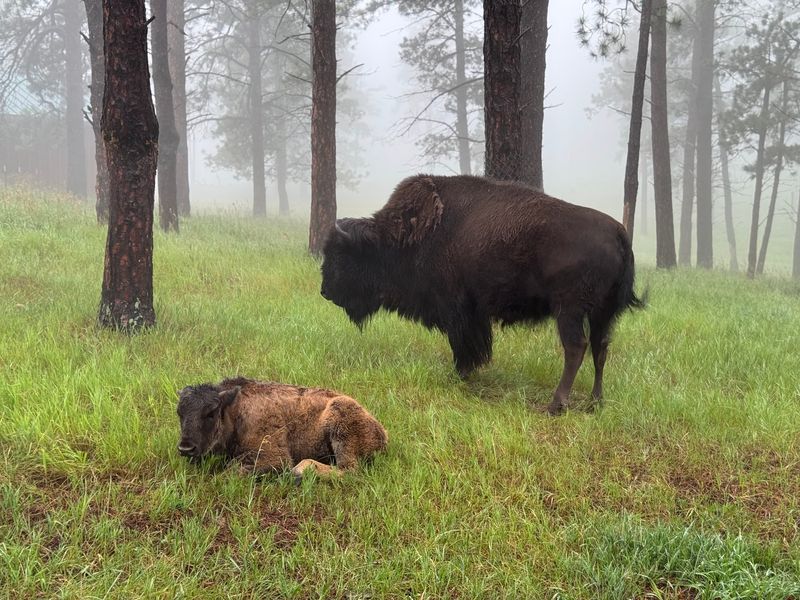
Bears get top billing, but the supporting cast deserves applause too. Every bend in the road brings a new kind of animal into view.
Wolves roam their own section of the park. Elk wander through meadows, often looking like they own the place.
Bison add some serious size to the lineup. Seeing one from a car window is much smarter than meeting one on a random roadside.
Reindeer bring a little holiday flair, even in July. Bighorn sheep and pronghorn round out the hooved crew.
Mountain lions also live along the route. Spotting one feels like winning a tiny wildlife lottery.
The whole park covers more than 200 acres of pine forest and rolling meadows. That space gives animals room to move, rest, and do their own thing.
Kids can make a checklist before the drive starts. Ticking off each species turns the loop into a friendly scavenger hunt.
Adults might secretly enjoy that game too. Nobody needs to know you got competitive over a pronghorn sighting.
Babyland Might Be The Cutest Quarter Mile In The Black Hills
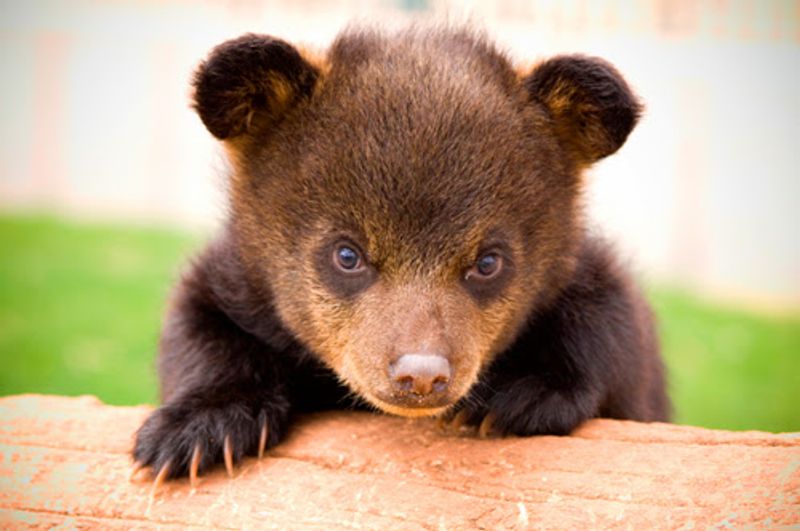
Bear cubs. Wrestling, climbing, and generally acting like furry toddlers. That’s the energy waiting after the drive ends.
Once you park, a leisurely quarter-mile stroll leads along the Wildlife Walkway. Many people know this area by its sweeter nickname, Babyland.
Here you can view a mix of smaller and younger animals up close. The cubs tend to become the main attraction, and honestly, who could blame anyone?
The path is paved, which makes it easier for strollers and slower walkers. It’s a nice change of pace after sitting in the car.
Stretch your legs and take your time. This part of Bear Country U.S.A. rewards patience, since young animals switch between playtime and nap time quickly.
Remember that dogs must sit this portion out. Leave them in good hands before heading down the walkway.
Wear comfy shoes and bring water on warm days. South Dakota summers can heat up, and you’ll want to linger without wilting.
I didn’t know I needed a quarter mile of baby animals until now. Now it feels like a non-negotiable part of the trip.
A Dentist’s Big Idea Started It All Back In 1972
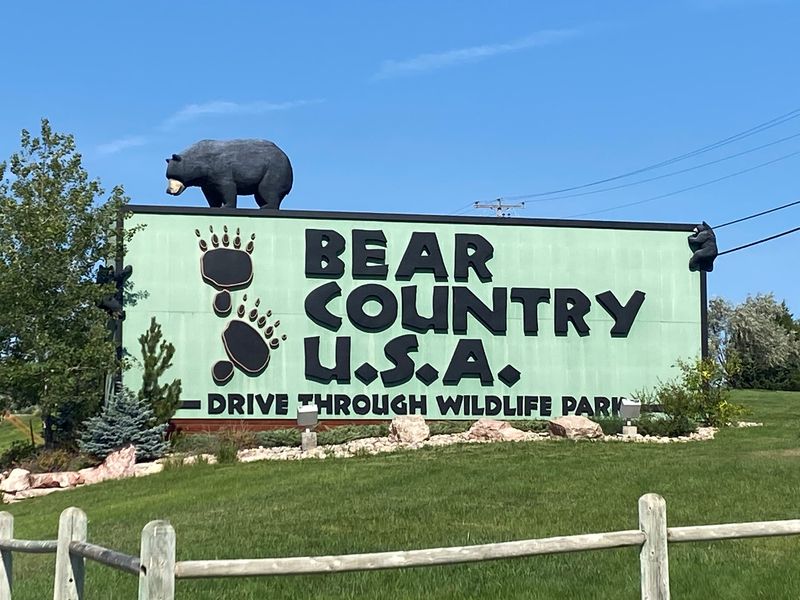
Of all the people to launch a bear park, a dentist might be the last guess. Yet that’s exactly how this story begins.
Dennis “Doc” Casey, a Rapid City dentist, founded the park with his wife, Pauline. They opened it to the public in August 1972.
The Caseys built it on about 200 acres they already owned. The land sat next to U.S. Route 16, a busy road for Black Hills travelers.
Doc Casey drew inspiration from other drive-through parks. He also noticed how much visitors wanted to see bears in Yellowstone National Park.
The starting lineup was small by today’s standards. It included 11 black bears, a cougar, a wolf, three buffalo, and one large bull elk.
Since then, Bear Country U.S.A. has grown a lot. It now covers more acreage and holds many more animals.
One detail makes the history even sweeter. The park remains family-owned and operated today.
That kind of staying power is rare for a roadside attraction. More than five decades later, the Caseys’ bold idea still draws families from all over.
Behind The Scenes, The Land Gets Plenty Of Love Too
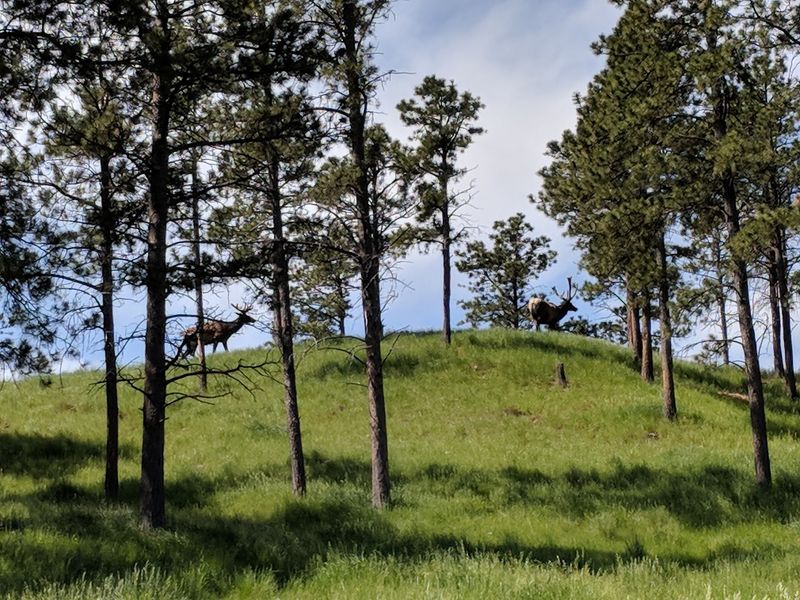
Good grass doesn’t grow by accident. The team here puts real thought into the ground beneath all those hooves and paws.
Bear Country U.S.A. uses rotational grazing programs for its hoof stock. Moving animals between pastures gives the land a chance to recover.
The park also grows specialized pasture grass mixes. These include drought-tolerant native species, which suit the Black Hills climate well.
Shelter belts are another smart move. Hardy native shrubs and trees create windbreaks and shade for the animals.
Those same plantings provide winter food for songbirds. So even the tiny feathered locals get a perk.
Bears benefit in a bigger way too. The park takes part in research projects on bear conservation, hibernation, and captive breeding.
That means your visit connects to something larger than a fun afternoon. It supports work that helps experts better understand black bears.
Kids who love science can chat about this on the drive home. It’s a great way to turn bear-watching into a bonus lesson about caring for wildlife and land.
Timing Your 2027 Visit Takes A Little Strategy
Bears hibernate, and so does this park in a way. It runs seasonally, opening in spring and usually closing in late November.
The off-season closure stretches from November 30 through late April 2027. So any 2027 trip should land after that spring opening.
During the season, the park is generally open daily. October and November can bring closures due to rough weather, so keep an eye on conditions.
The park also closes on Thanksgiving Day. Plan holiday road trips around that date.
Some weekends get especially busy. Memorial Day, July 4th, and Labor Day weekends often bring heavier traffic and possible delays.
Picking a weekday outside those holidays could make the drive feel more relaxed. Fewer cars mean more time to soak up each view.
Hours shift through the year, so check before you go. A quick look can save you from arriving at a locked gate.
Planning early is the secret weapon here. With the closure dates known, you can map out the perfect spring, summer, or fall visit well ahead of time.
Mount Rushmore Is Practically On The Way
Location matters, and this one nails it. The park sits about eight miles south of Rapid City, South Dakota.
You’ll find it at 13820 US Highway 16, Rapid City, SD 57702. That road is a popular corridor for travelers heading to Mount Rushmore National Memorial.
Pairing the two makes for one memorable day. Bears in the morning, presidents carved in stone after that, and plenty of Black Hills scenery between.
Rapid City works well as a home base. It puts the bears and other Black Hills sights within easy reach.
The park’s pine forests and meadows also give you a taste of the region’s beauty. It’s a fitting warm-up for the rest of your trip.
Bear Country U.S.A. offers some accessibility features too. The walk-through area has paved paths, and the Sky Dome includes an elevator.
Pack snacks, water, and a full tank before heading out. Road trips go smoother with the basics covered.
South Dakota has big-name landmarks, but few let a bear wander past your bumper. That’s exactly why this stop deserves a spot on your 2027 plans.