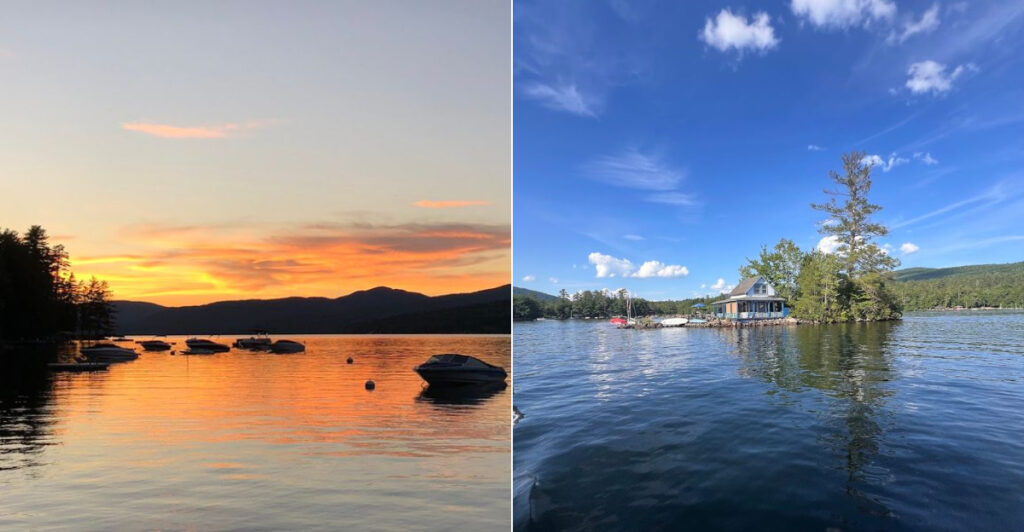
Pack a bag and point the car toward New Hampshire. There is a lake up there that looks too clean to be real, and people who have seen it say photos never quite do it justice.
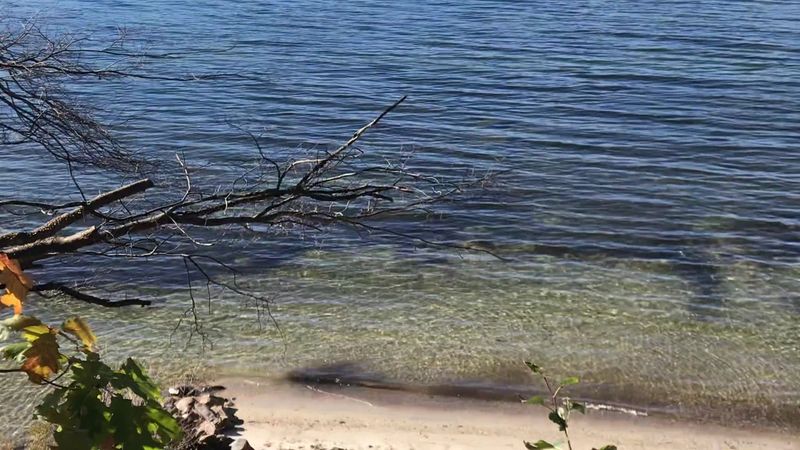
The water is that clear. You can peer straight down and watch the lake floor like it is sitting behind glass.
Eight underground springs keep it that way, and 98% of the surrounding land is untouched forest.
This is the kind of place that earns a real reaction. Not a polite nod, but a genuine stop-and-stare moment the second you reach the shoreline.
New Hampshire does not make a big fuss about this one, but it absolutely should. Treat yourself to a lake day that actually delivers, because you have earned it and this one will not disappoint.
Water That Defies Belief
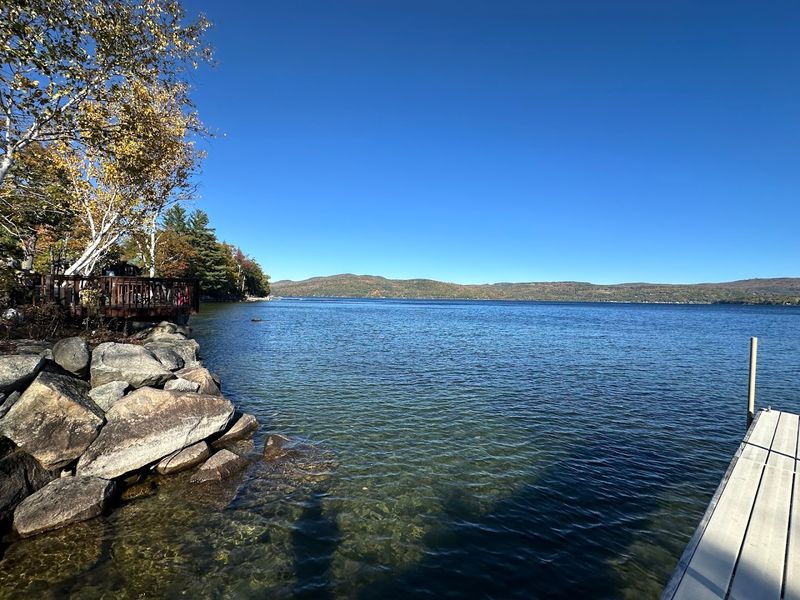
Most lakes look murky up close. Newfound Lake does the opposite and gets more impressive the closer you get.
The water clarity here is officially rated a “0” by the New Hampshire Department of Environmental Services. That is the best possible score, meaning the water is as clear as it gets anywhere in the state.
Visibility can reach 10 to 15 feet down in many areas. You can watch fish swim beneath the surface like you are looking through a window.
The secret behind this clarity is a combination of factors working together. Eight underground freshwater springs feed the lake constantly.
The surrounding watershed is 98% forested, which means very little runoff or pollution ever reaches the water.
The lake is also classified as oligotrophic. That is a fancy science word meaning the water has very low nutrient levels, which keeps algae from growing.
No algae means no green haze, no murky water, and no surprises under the surface.
It is also completely milfoil-free. Milfoil is an invasive aquatic plant that clouds up lakes across the country.
Newfound Lake has kept it out entirely, and that makes a visible difference.
Have you ever looked down into a lake and actually been able to see the bottom? At Newfound Lake, that moment will genuinely stop you in your tracks.
Wellington State Park Beach
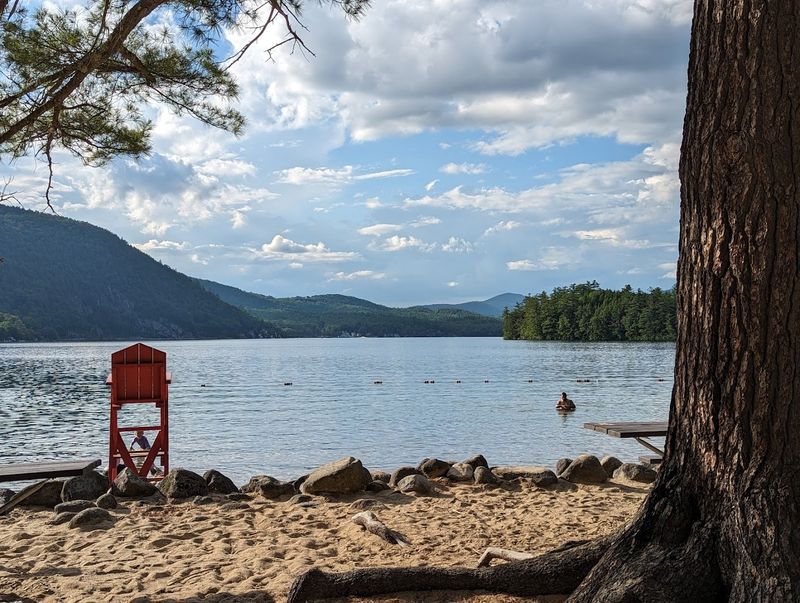
Right on the western shore of Newfound Lake sits Wellington State Park, and it comes with the largest freshwater swimming beach in the entire New Hampshire state park system.
That is not a small title to hold. The beach stretches generously along the shoreline, giving families plenty of room to spread out, set up, and enjoy the day without feeling packed in.
The facilities here are clean and well-maintained. Visitors say the bathrooms and changing rooms are consistently tidy, which makes a real difference on a full beach day.
The park also has a boat launch, hiking trails, and picnic spots with grills. You can swim in the morning, hike a trail after lunch, and cook out before heading home.
That is a full day without any fuss.
One important tip from people who visit regularly: arrive early on beautiful summer days. The park fills up fast and can reach capacity by noon.
Getting there before 10 a.m. is a smart move if you want to grab a good spot.
The mountain views from the beach are a bonus that sneaks up on you. You look up from the water and suddenly there are hills framing the whole scene.
Is there a better way to spend a summer afternoon in New Hampshire than this? Probably not.
Fishing Records Set Here
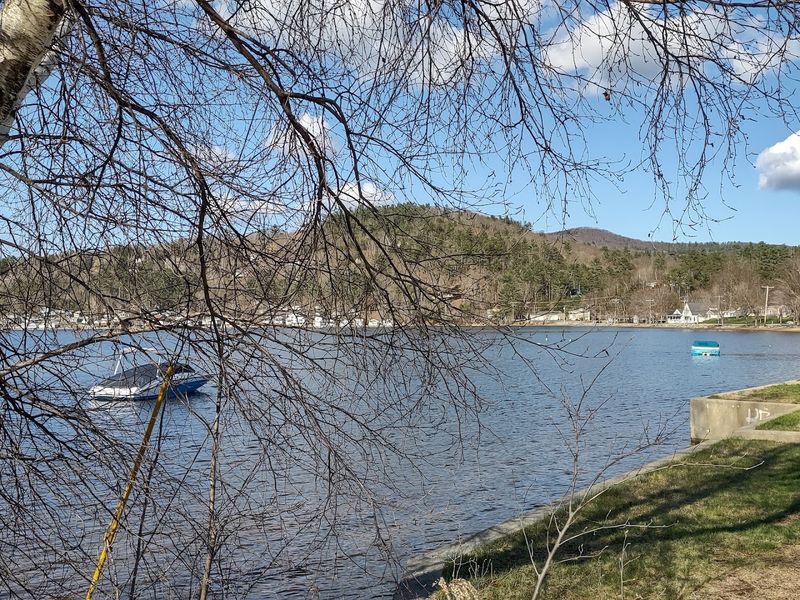
Anglers have a special relationship with Newfound Lake. The water is deep, cold, and clean, which creates ideal conditions for some of the most sought-after freshwater fish in New England.
The lake reaches a maximum depth of 183 feet, making it one of the deepest lakes in New Hampshire. That kind of depth keeps water temperatures low year-round, and cold-water fish absolutely love it.
Newfound Lake once held the state record for lake trout, with a 28.5-pound fish caught here back in 1958. That record stood for over 60 years, a testament to the quality of fish these cold, deep waters produce.
Lake trout, landlocked salmon, and smallmouth bass are the big draws here. Lake trout in particular thrive in these conditions, and the lake has produced some impressive catches over the years.
Ice fishing is popular in winter too. When the lake freezes over, locals and visitors head out onto the ice to try their luck in the cold months.
It is a completely different experience from summer fishing, and it has its own loyal crowd.
The lake holds an estimated 98 billion gallons of water. Think about how much space that gives fish to roam, grow, and thrive without pressure.
If you have been searching for a lake that actually delivers on its fishing reputation, this one has the record to prove it. What will you reel in?
Four Islands To Explore
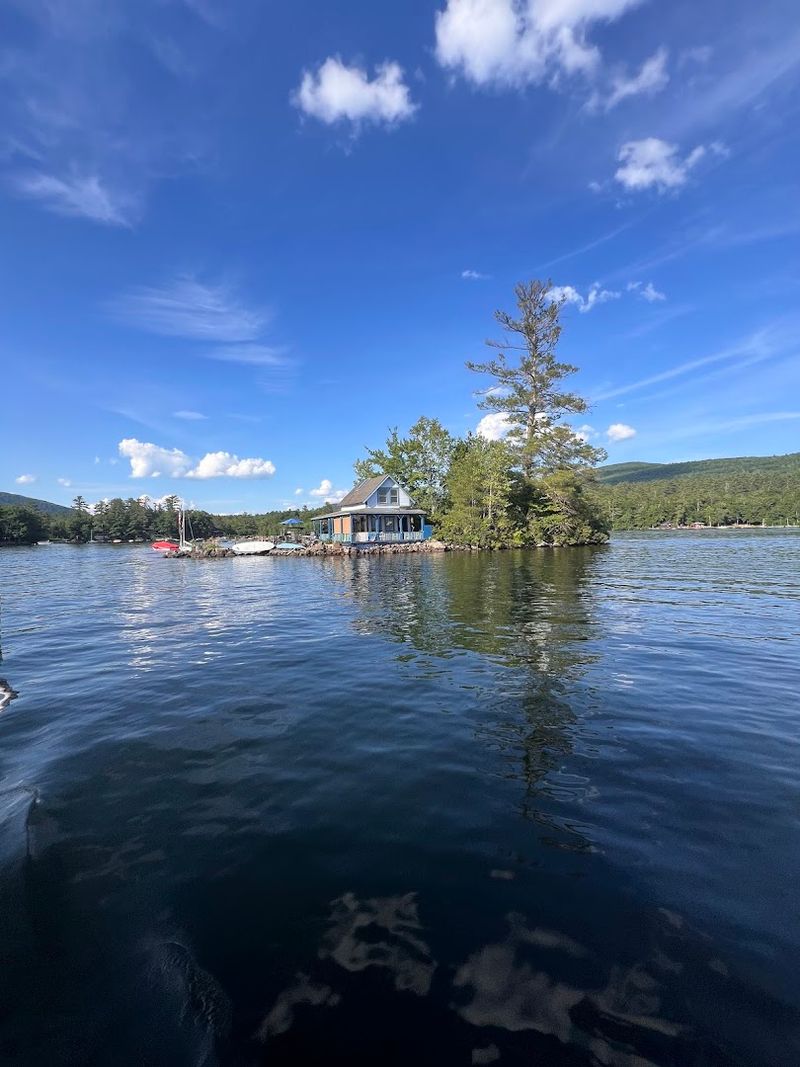
Newfound Lake has four islands scattered across its surface: Mayhew, Belle, Cliff, and Loon. Each one adds character to the landscape and gives paddlers and boaters a reason to explore.
The lake stretches about six to seven miles long and nearly two and a half miles wide, so there is plenty of open water to cover between islands. A kayak or canoe trip that winds past all four is a genuinely satisfying way to spend a morning.
The islands sit quietly in the water, covered with trees that reflect off the surface on calm days. From a distance, they look like little floating forests dropped into the middle of the lake.
Boating on Newfound Lake is a popular activity, and the open water gives everyone room to move. On sunny days, visitors say there are always boats out, but the lake is large enough that it never feels overcrowded on the water itself.
Paddleboarding and kayaking have become especially popular in recent years. The calm, clear water makes it easy to glide along the surface and peer straight down at the lake bed below you.
The Newfound River flows out of the lake and into the Pemigewasset River, connecting this quiet body of water to a larger natural system. The whole area feels connected and alive.
Which island would you paddle to first?
Paradise Point Nature Area
On the eastern shore of Newfound Lake in Hebron, there is a 43-acre sanctuary called Paradise Point Natural Area. The name is not an exaggeration.
This protected space is managed as a nature preserve, which means no development, no noise, and no crowds. It is the kind of place where you slow down without even trying.
Wooded trails wind through the property, offering peaceful walks with lake views peeking through the trees. Birdwatchers come here specifically because the forest and shoreline attract a wide variety of species throughout the year.
Canoeing is also possible along this stretch of the lake, and the calm water near the preserve makes it an ideal spot for a quiet paddle. You are not fighting boat traffic here.
You are just moving gently through still water with trees on one side and open lake on the other.
The preserve connects to the broader conservation effort that protects Newfound Lake. Thousands of acres around the lake are under conservation protection, which is a big reason the water has stayed this clean for so long.
The Newfound Lake Region Association actively works to maintain the ecological health of the area. Their eco-tours on a pontoon boat are a great way to learn about the lake’s history and natural systems while actually being out on the water.
Could a 43-acre sanctuary really change the way you see a lake? Yes, it absolutely can.
Sculptured Rocks Nearby
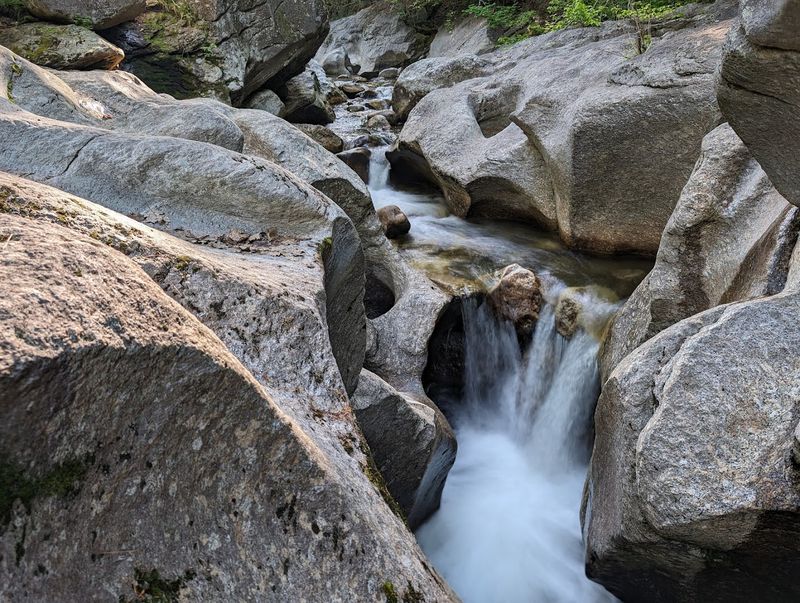
Just a short drive from Newfound Lake sits one of New Hampshire’s most dramatic natural formations. Sculptured Rocks Natural Area on the Cockermouth River is the kind of place that makes your jaw drop a little.
Glaciers carved these rocks thousands of years ago. The result is a series of smooth, curving gorges and natural pools that look like something a sculptor spent years perfecting.
Except no sculptor was involved, just ice and time.
The Cockermouth River actually flows into Newfound Lake, making it a natural part of the same water system you came to explore. Visiting both in one trip gives you a fuller picture of the landscape.
The gorge is not very large, but it is incredibly detailed. Every curve and hollow in the rock tells a story about how water and ice shaped this corner of New Hampshire over thousands of years.
Waterfalls add movement and sound to the scene. Standing near the rushing water while looking at the carved rock formations is one of those quiet, powerful moments that stays with you long after the trip is over.
This area is free to visit and easy to access. It makes a perfect add-on to a day spent at the lake, especially if you want to stretch your legs and see something unexpected.
How often do you stumble across a glacial gorge on a lake vacation? At Newfound Lake, it just comes with the territory.
Winter On The Lake
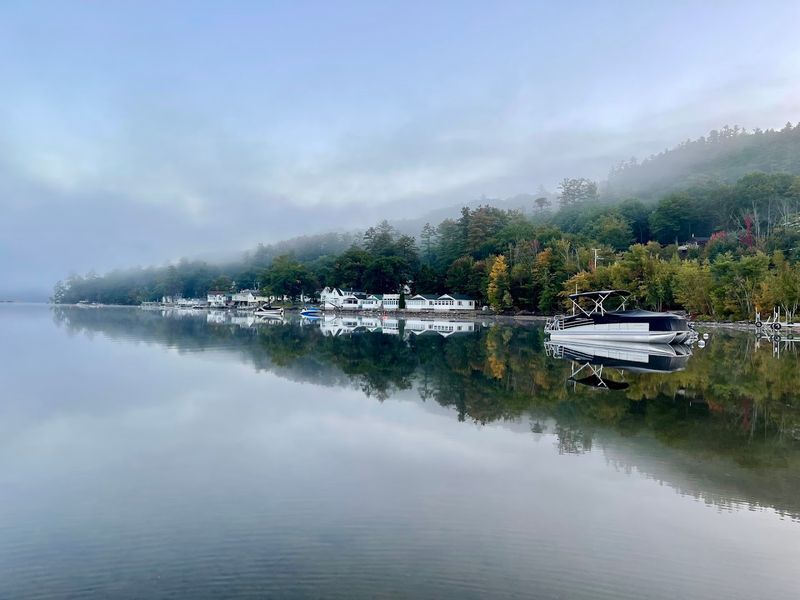
Summer gets most of the attention at Newfound Lake, but winter has its own loyal fan base. When temperatures drop and the lake freezes over, a completely different set of adventures begins.
Ice fishing is the main event for many winter visitors. The same deep, cold water that holds record-breaking lake trout in summer becomes a prime ice fishing destination when frozen.
People drill holes, set up small shelters, and wait patiently in the cold. It is meditative in a way that summer fishing is not.
Snowshoeing and snowmobiling are popular around the lake and through the forested trails nearby. The 22 miles of shoreline take on a completely different character under a layer of snow.
Everything is quieter, slower, and surprisingly beautiful.
Nearby ski resorts make Newfound Lake a practical base for a winter trip. You can ski during the day and come back to the peaceful lake setting in the evening.
The surrounding hills and forests look completely different in white.
The lake area in winter is far less crowded than summer. If you value quiet and open space, this is actually the best time to visit.
You get the scenery without the competition for parking spots.
Visitors who come in both seasons often say winter shows a side of the lake that summer visitors never get to see. Cold, calm, and completely clear, the lake has a stillness in winter that is hard to describe.
Would you trade a beach towel for snowshoes to experience that?
Conservation Keeps It Clean
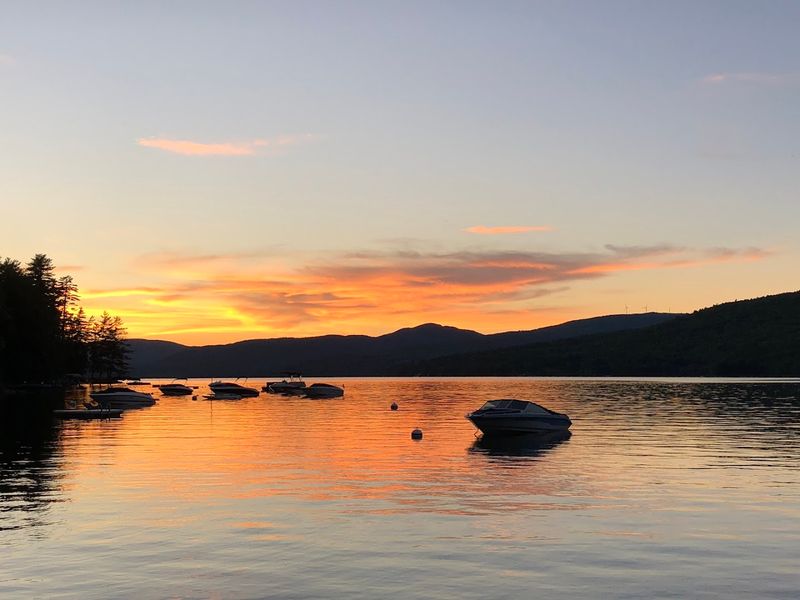
The water at Newfound Lake did not stay this clean by accident. It takes real, consistent effort from a dedicated group of people who care deeply about protecting it.
The Newfound Lake Region Association, known as the NLRA, has been working for years to preserve the lake’s water quality and the surrounding land. Thousands of acres around the lake are now under conservation protection, which keeps development away from the shoreline and watershed.
The watershed itself is 98% forested. That is an extraordinary number.
Most lakes in New England have far more development around them, which leads to runoff, pollution, and declining water quality. Newfound Lake has avoided that path.
The NLRA also runs educational eco-tours on a pontoon boat. These tours take visitors out onto the water and explain the science behind the lake’s clarity, the history of conservation efforts, and what makes this ecosystem so special.
It is genuinely interesting, even for people who do not consider themselves nature enthusiasts.
Keeping milfoil out of the lake is another active effort. Boat inspections and monitoring programs help prevent invasive species from taking hold.
It is a constant job, and it makes a visible difference in water quality.
New Hampshire is home to many beautiful lakes, but very few have this level of organized protection behind them. The result is water that earns a perfect clarity score year after year.
Clean water this good does not happen by chance. It happens because people show up and protect it.