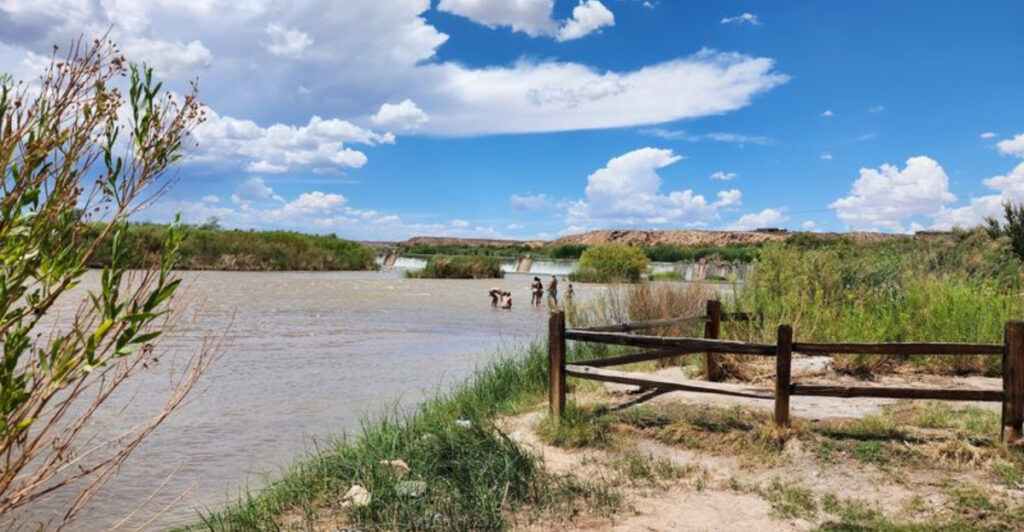
The best road-trip stops are often the ones that make you forget to check the time. This state park does exactly that, with the Rio Grande winding past desert trails and picnic areas shaded by cottonwoods.
New Mexico brings plenty of dramatic scenery, but this place has a quieter pull. The mountains sit in the distance, while cactus gardens brighten the dry landscape and the evening sky keeps improving after sunset.
A historic diversion dam gives the park a story as interesting as its views, while the observatory turns an ordinary overnight stay into a chance to explore the stars. You can cover the trails without spending all day on your feet, then settle beside the river and let the afternoon stretch out.
Nothing here demands a packed schedule or complicated plan. Keep reading to see why such an easy stop can become one of the most memorable parts of a weekend road trip.
A Peaceful Escape Along The Rio Grande
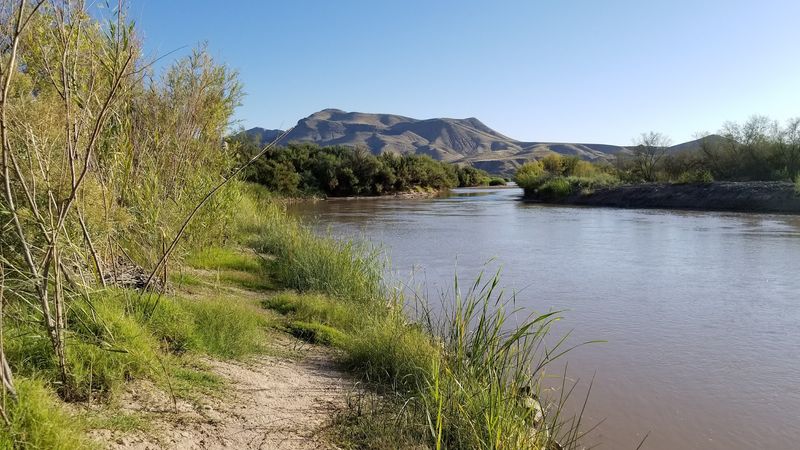
Some places have a way of slowing you down the moment you arrive, and this spot does exactly that.
The Rio Grande moves steadily through this part of the desert, and standing on the bank watching the current is one of those simple pleasures that quietly resets your entire mood.
I remember stepping down toward the water and feeling the temperature drop a few degrees, which felt like a small miracle under the New Mexico sun.
The riverbank area draws campers, day visitors, and hikers who just want to sit and listen to the water for a while.
Cottonwood trees line sections of the bank, giving the whole stretch a soft, shaded quality that feels almost dreamlike against the surrounding desert terrain.
Bird watchers show up regularly here because the river corridor attracts a surprisingly wide variety of species throughout the year.
I spotted herons, a handful of ducks, and something I could not quite identify but enthusiastically photographed anyway.
You can reach this peaceful riverfront experience at Leasburg Dam State Park, located at 12712 State Park Rd, Radium Springs, NM 88054.
Desert Trails Lead To Wide-Open Views
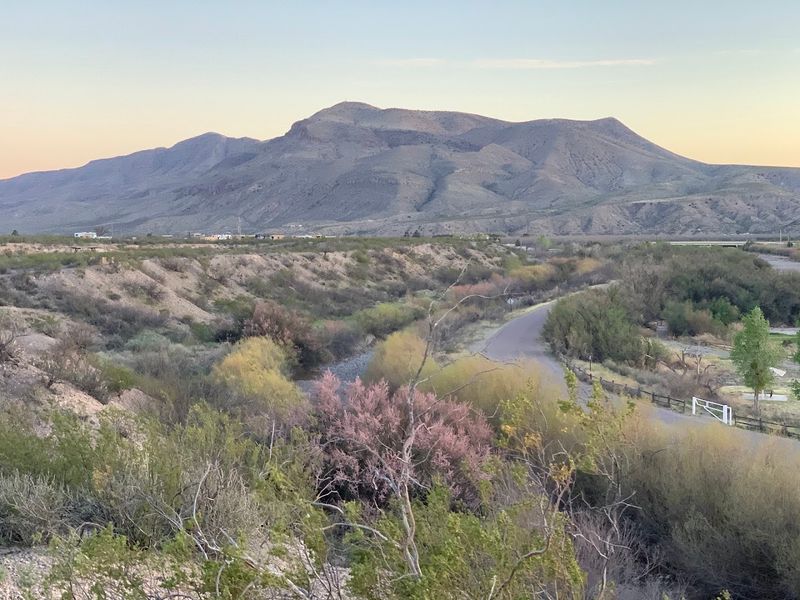
The trail system here is one of those surprises that rewards you more the farther you go.
From the campground, several paths branch out across the desert landscape, weaving through creosote bushes and rocky ground at a pace that feels completely manageable even for casual walkers.
The Creosote Trail is well maintained and clearly marked, making it easy to navigate without any specialized gear or prior hiking experience.
What strikes you almost immediately is how open everything feels out here, with views stretching toward the Dona Ana Mountains and the surrounding high desert basin in every direction.
I took a late afternoon walk and the light was hitting the rocky ridgelines in a way that made each step feel like I was moving through a painting.
The trails are not especially long, but they pack in a satisfying amount of scenery for the distance covered.
Footwear with a solid grip is worth bringing since the ground can be uneven in spots, especially after a dry stretch.
Early morning walks are particularly rewarding when the air is cooler and the desert feels unhurried and completely yours.
The Historic Dam Adds A Striking Backdrop
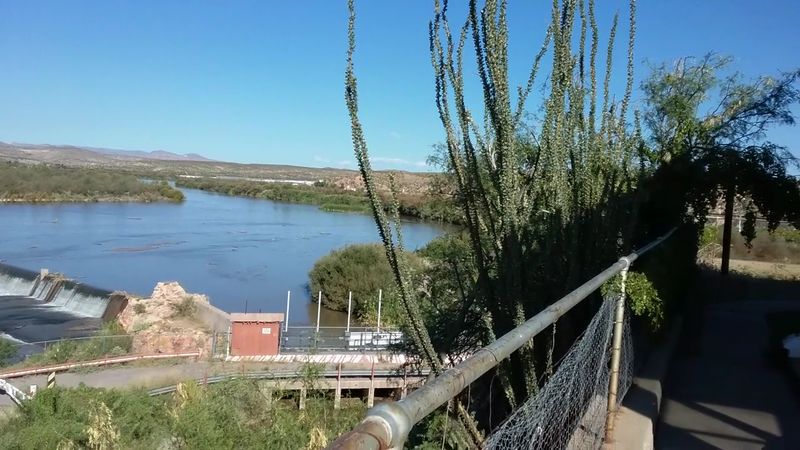
Built in 1908, the Leasburg Diversion Dam is one of the oldest water control structures in this part of the Southwest, and it carries that history visibly in every weathered surface.
The dam was constructed to divert Rio Grande water into the Leasburg Canal, which still serves agricultural land in the Mesilla Valley today.
Standing near it gives you a real sense of how federal engineers reshaped this landscape to support farming in an otherwise arid region.
The structure itself is not massive by modern standards, but its low profile across the river creates a photogenic scene that looks especially dramatic when the water level is up.
I walked along the edge of the area near the dam and found myself thinking about how different this whole valley must have looked before irrigation changed everything.
The surrounding terrain frames the dam naturally, with rocky slopes and desert scrub creating a rugged contrast against the engineered concrete weir.
It is the kind of landmark that makes a hike feel like it has a destination rather than just a loop to complete.
History and scenery rarely combine this neatly in one compact stop for local agriculture.
A Cactus Garden Brightens The Landscape
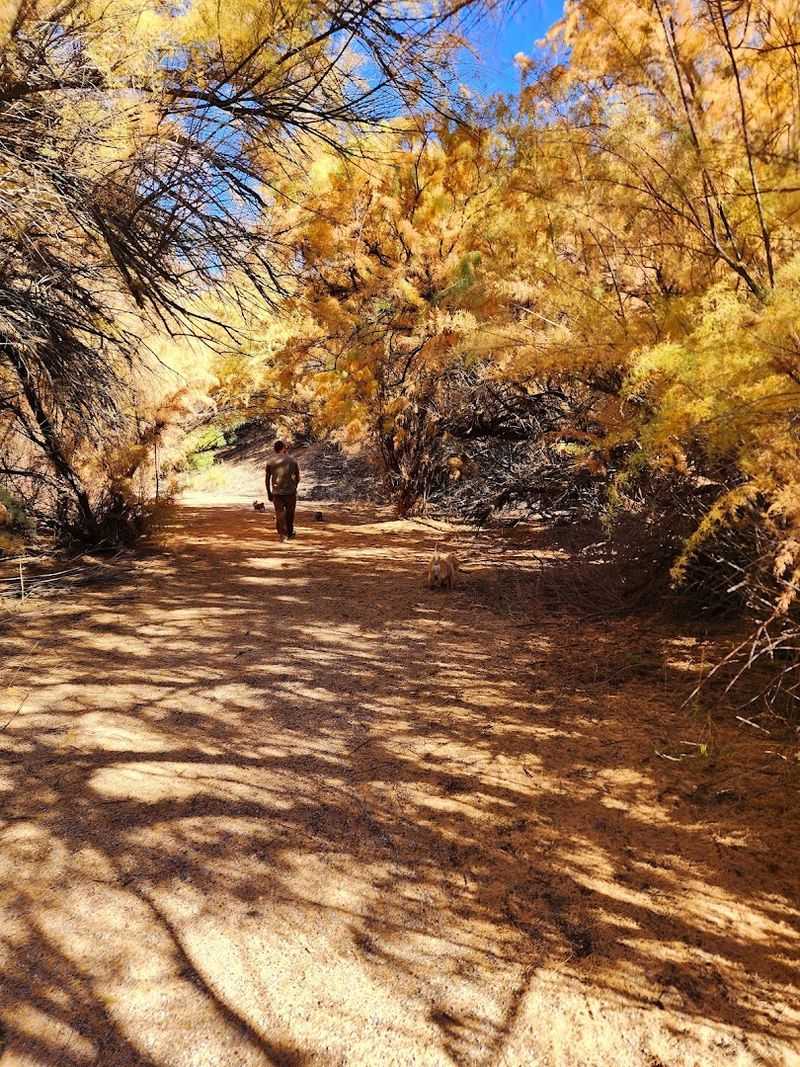
One of the quieter highlights of this park is its cactus garden, where native and exotic desert plants form a carefully maintained display near the visitor center for everyone to explore.
Prickly pear cacti grow throughout the landscaped display nearby, their flat pads catching the light in shades of green and dusty blue depending on the time of day.
During spring, some of these plants burst into bright yellow and orange blooms that feel almost shockingly vivid against the neutral tones of the desert floor.
Cholla cacti stand scattered across the hillsides like spiky sculptures, and up close they have a texture that is genuinely fascinating even if you keep a respectful distance.
I spent a good chunk of one morning just photographing the plant life, which surprised me because I had come mostly for the river and the trails.
The variety of native species here reflects how rich the Chihuahuan Desert ecosystem actually is when you take time to look closely.
Park staff have worked to protect and highlight the native vegetation throughout the grounds, which gives the whole place a sense of ecological pride.
This living landscape is one of the most underrated parts of the entire visit.
Quiet Riverbanks Feel Worlds Away
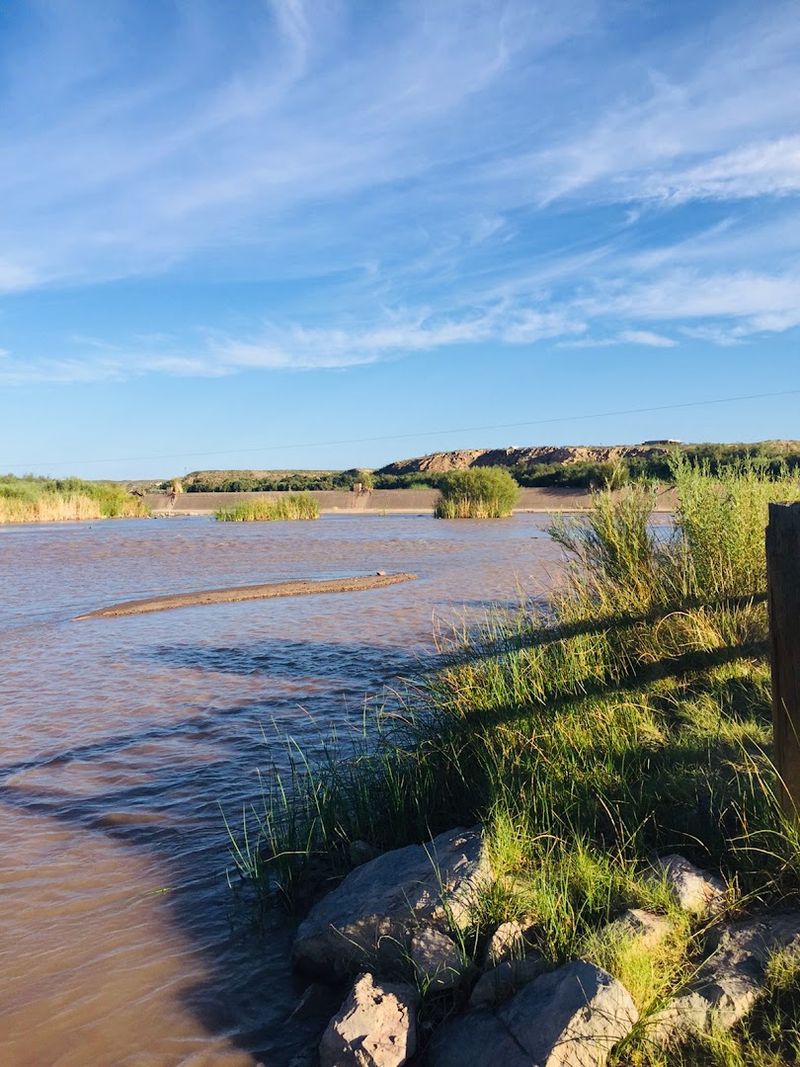
There is a specific kind of quiet that only exists near moving water in the desert, and the riverbanks here have it in abundance.
Away from the main campground loops, the path leading down to the Rio Grande opens into a wider, calmer space where the only sounds are the current, the wind, and whatever birds happen to be passing through.
I sat on a flat rock near the water for nearly an hour on my second day, doing absolutely nothing productive, and I have zero regrets about that choice.
The cottonwood trees along this stretch create natural canopy patches that offer shade even when the desert sun is at its most insistent.
Swimming is permitted only in the North Day Use Area, and visitors enter the river entirely at their own risk.
The park prohibits swimming within 150 feet of the diversion dam, so posted boundaries and current conditions should guide every visit at all times during the outing.
This stretch of riverbank has a timeless quality that makes the surrounding desert feel like a backdrop rather than the main event.
A folding chair, a water bottle, and an open afternoon are really all you need to make the most of it.
Golden Sunlight Transforms The Desert
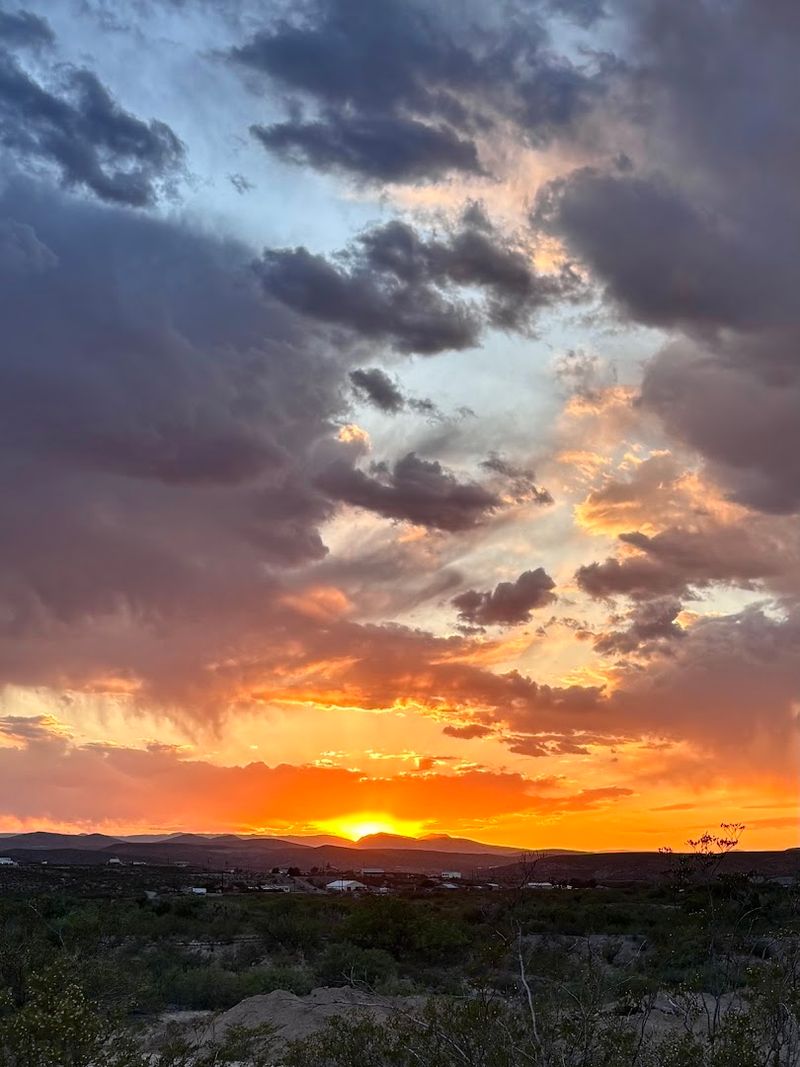
If you have ever doubted that the desert can be genuinely beautiful, one evening here will settle that debate permanently.
As the sun drops toward the Dona Ana Mountains, the entire landscape shifts color in a way that feels almost theatrical, moving from bright white midday tones into deep golds and burnt oranges that saturate everything in sight.
The rocky hillsides catch the light differently depending on their angle, so some faces glow while others fall into cool shadow, creating a contrast that photographers chase specifically for this kind of result.
I made a point of being out on the Creosote Trail during golden hour, and the experience was one of those quiet travel moments that stays with you long after the trip ends.
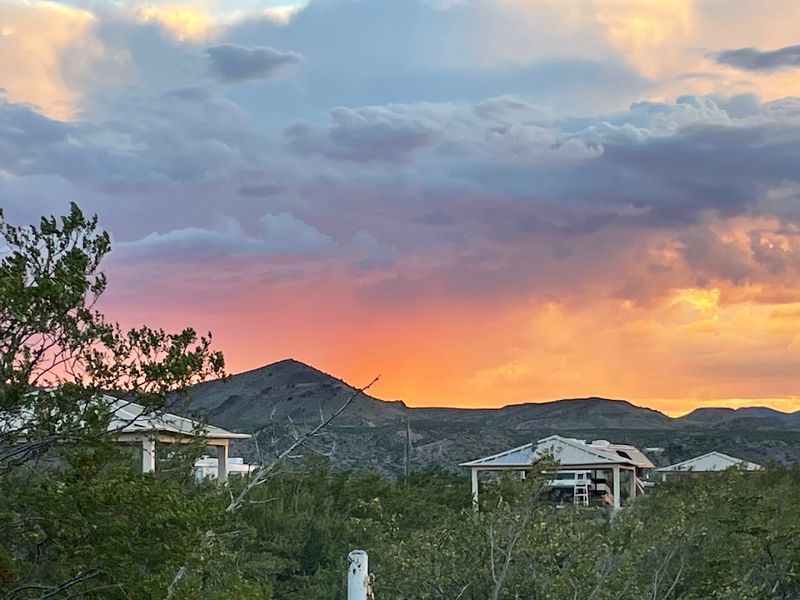
Even the campsites take on a warm, cinematic quality at that hour, with covered picnic shelters casting long geometric shadows across the concrete pads.
New Mexico is known for its extraordinary light, and this park gives you a front-row position to experience exactly why that reputation exists.
Sunsets here tend to linger, fading slowly through pink and purple before the sky deepens into a dark blue that signals the arrival of something equally spectacular.
That transition from day to night is worth staying up for every single time.
The Observatory Opens Up The Night Sky
Far from city light pollution and sitting at a desert elevation that keeps the air remarkably clear, this park offers some of the most accessible stargazing in southern New Mexico.
The park features a small observatory used during scheduled night sky programs, making it a memorable stop for visitors who are curious about astronomy at this park.
On the night I visited, the Milky Way was visible with the naked eye, which is the kind of sight that makes you stop talking mid-sentence just to absorb it.
The observatory generally opens only once each month for special events, so visitors should check the park calendar before planning an evening around it.
Families with kids tend to find this feature especially engaging because it transforms something abstract into something real and immediately visible overhead.
Bringing a blanket and lying flat on the ground to look straight up is a completely valid and highly recommended strategy here.
The cooler evening temperatures in the desert also make outdoor stargazing comfortable for much of the year, particularly in spring and fall.
Night at this park is not just an ending to the day, it is its own separate and equally worthwhile experience.
Every Turn Feels Ready For A Photograph
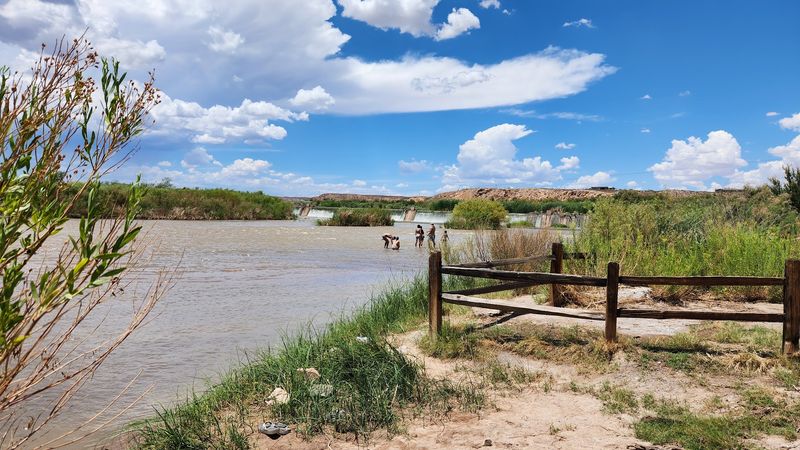
Some parks have one or two standout photo spots, but this place seems to have quietly arranged itself so that almost every angle works.
The combination of desert flatlands, elevated ridgelines, the Rio Grande cutting through the middle distance, and the mountain backdrop creates a layered composition that shows up naturally no matter where you point a camera.
I took well over two hundred photos during my stay and found it genuinely difficult to pick a bad one, which is a first for me at any park of this size.
The covered picnic shelters add interesting geometric shapes to campsite shots, while the dam structure gives historical weight to any river-facing frame.
Morning light is soft and directional, making it ideal for landscape shots, while the golden hour turns everything into something that looks heavily edited even when it is not.
Wildflowers, cacti blooms, and bird sightings add spontaneous subjects that keep the photography interesting throughout any season.
New Mexico has a reputation for visual drama, and this park delivers on that consistently from one end of the trail system to the other.
You do not need professional equipment here, just curiosity and a willingness to slow down and look around carefully.