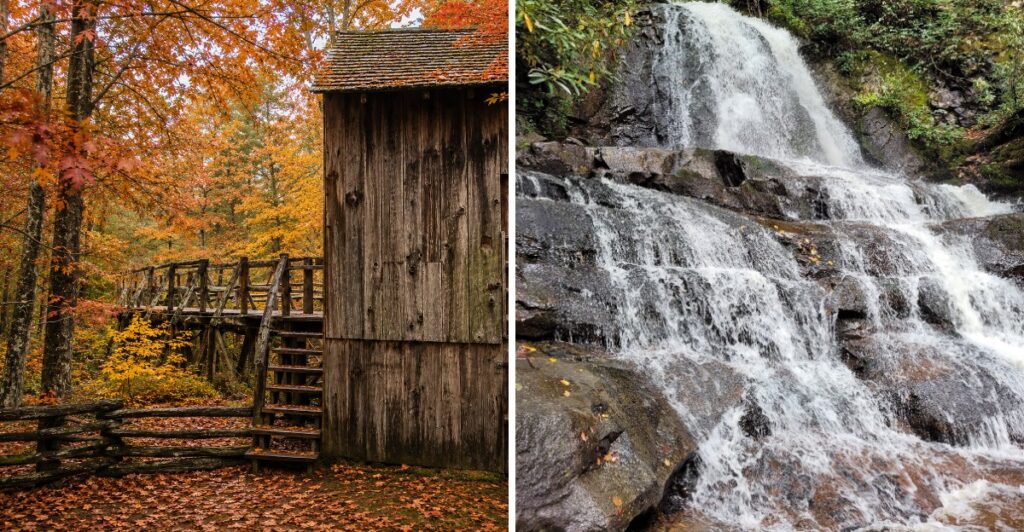
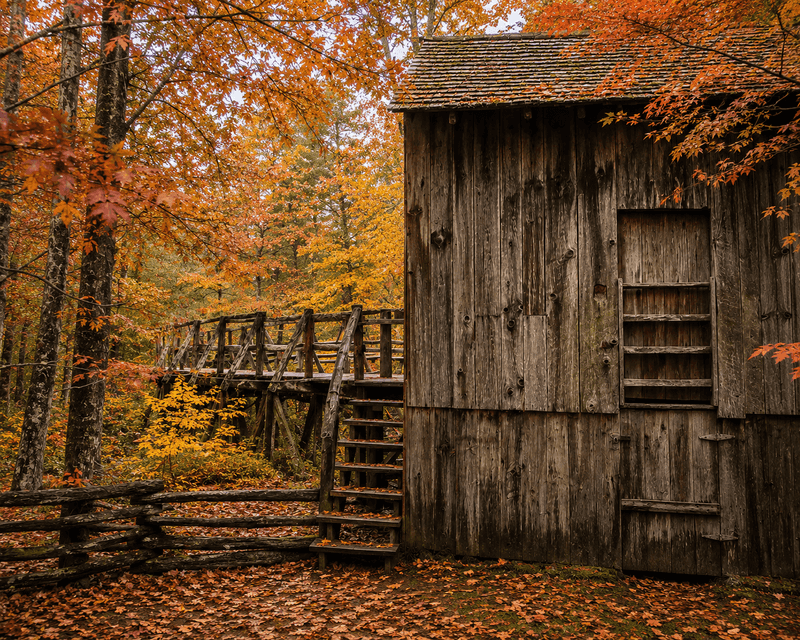
A log cabin built around 1820 still stands here, held together by gravity and notched corners instead of nails. Not one nail. Put me down as impressed.
That cabin sits along an 11-mile, one-way road that circles a whole valley. More than 100 kinds of trees line the hills around it.
Sugar maples, scarlet oaks, and hickories all join the party.
In Tennessee, most fall color peaks early in the high mountains. This valley waits its turn.
Peak color usually arrives from late October into the first week of November, after the higher slopes have already gone bare.
So you get red and orange ridges wrapped around green fields. You might get black bears, deer, and wild turkeys too. There’s even a working gristmill selling fresh cornmeal.
I’m not saying I’d move there, but I’d at least ask about the parking situation.
Who’s packing the snacks?
The Leaves Here Show Up Fashionably Late, And That’s Great News
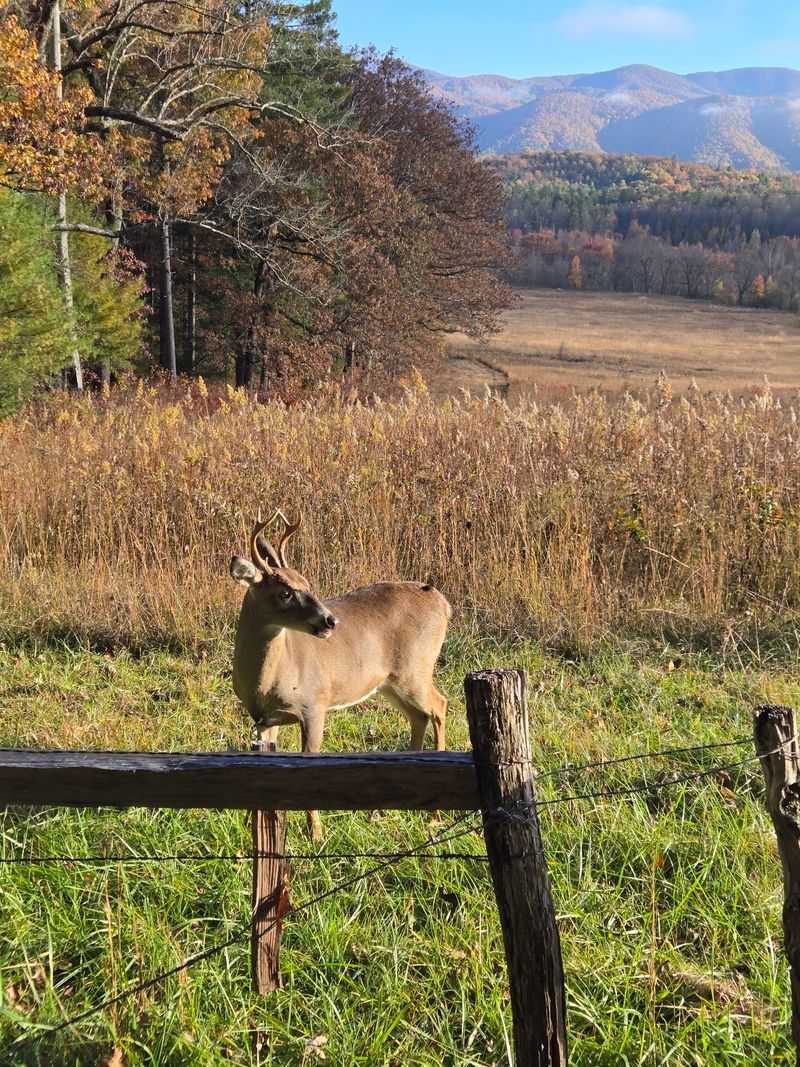
Cades Cove plays by its own fall calendar. Higher parts of the Great Smoky Mountains National Park start turning in early to mid-October.
Down in the valley, peak color usually lands from late October through the first week of November. That’s handy if you missed the mountaintop show or simply prefer cooler sweater weather.
The color comes from serious variety. More than 100 tree species grow in the area, including sugar maples, scarlet oaks, and hickories. Each one turns its own shade, so the ridges look like a giant quilt.
The best part is the contrast. Yellows, oranges, and reds rise above green fields and a blue sky. The open valley floor gives you room to see it all at once instead of peeking through a tunnel of branches.
Timing still depends on weather, so check park updates before you go. A warm or dry season can nudge things a bit earlier or later.
Plan for a flexible window if you can. A trip in that late October stretch gives you the best odds of catching the hills at full glow.
Eleven Miles, One Direction, And Zero Reasons To Rush
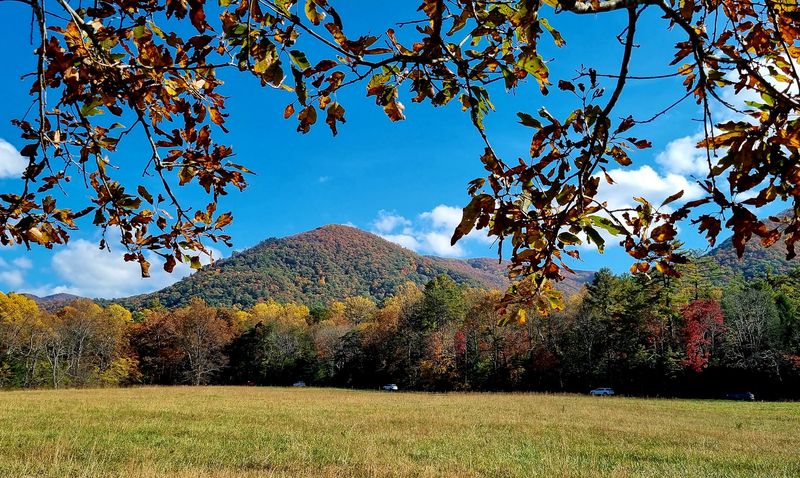
Speed is not the point on the Cades Cove Loop Road. The 11-mile paved road runs one way around the valley, and a slow trip usually takes two to four hours.
Add hikes or long stops, and you’ll want even more time. Paved pull-offs along the route let you stop safely for photos or wildlife.
The road is generally open from sunrise to sunset year-round, weather permitting, but is closed to motor vehicles on Wednesdays from May through September.
Fall is one of the busiest seasons, and weekends get crowded all year.
Your best move is arriving early in the morning or picking a weekday. Mid-week visits help you skip the heaviest traffic.
Need a shortcut? Sparks Lane and Hyatt Lane are two-way roads that cut across the middle of the loop.
They come in handy if time runs short or someone in the back seat suddenly needs a restroom. Just know these lanes can close seasonally, so check ahead.
Bring a paper map or download one before you arrive. Cell service inside the cove can be unreliable, and your phone will not save you here.
Your Halfway Pit Stop Comes With History And Clean Maps
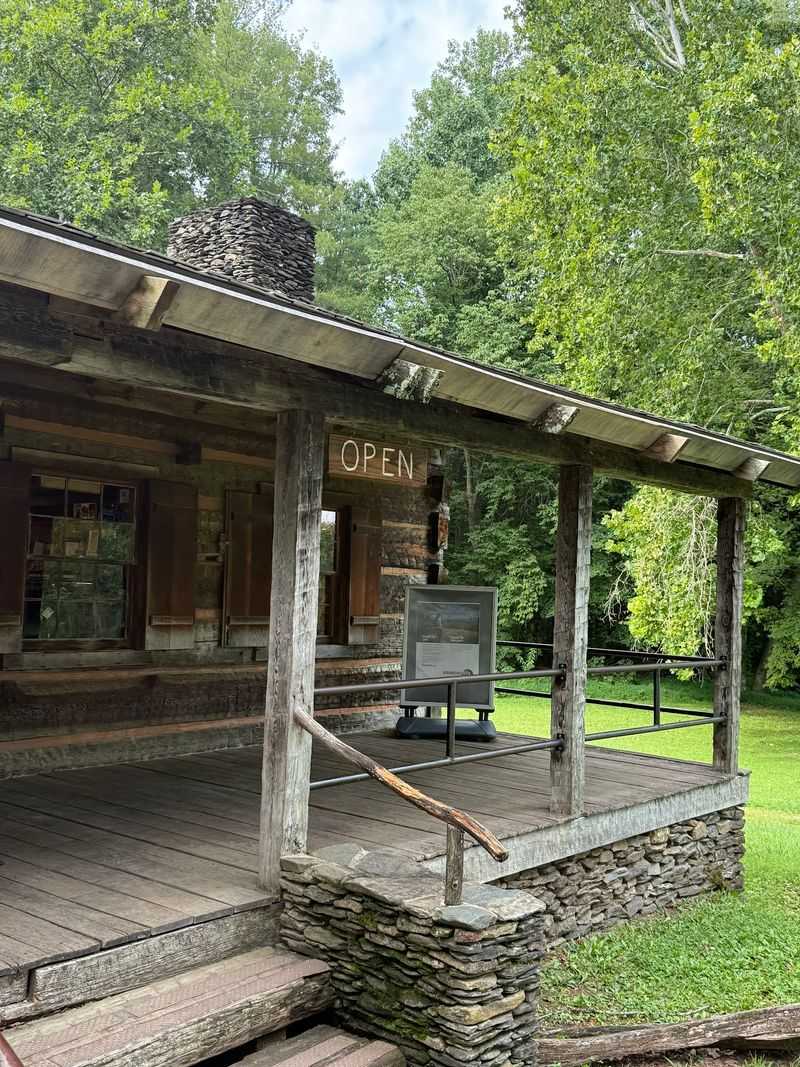
Roughly halfway around the loop, the Cades Cove Visitor Center gives you a well-earned break. It sits at 5686 Cades Cove Loop Rd, Townsend, TN 37882, near the Cable Mill area.
Inside, you’ll find park information, a bookstore, and restrooms. Exhibits cover Southern Mountain history and culture, plus the wildlife and people tied to the valley.
The center generally opens at 9 a.m. year-round, except Christmas Day, but opens at 7 a.m. on designated vehicle-free Wednesdays from May through September.
Closing times shift with daylight, so check the current schedule before you count on a late visit.
Accessibility matters here too. The visitor center is set up for guests with mobility needs.
It’s also a smart spot to regroup. Grab a map, ask a ranger a question, and figure out which stops fit your remaining time.
One tip saves headaches. A parking tag is required for any stop longer than fifteen minutes, including trailheads.
You can buy one online or at visitor centers like Sugarlands. Sort it out before your trip, and your fall drive stays nice and relaxed.
Fresh Cornmeal From A Mill That Has Been Grinding Since 1867
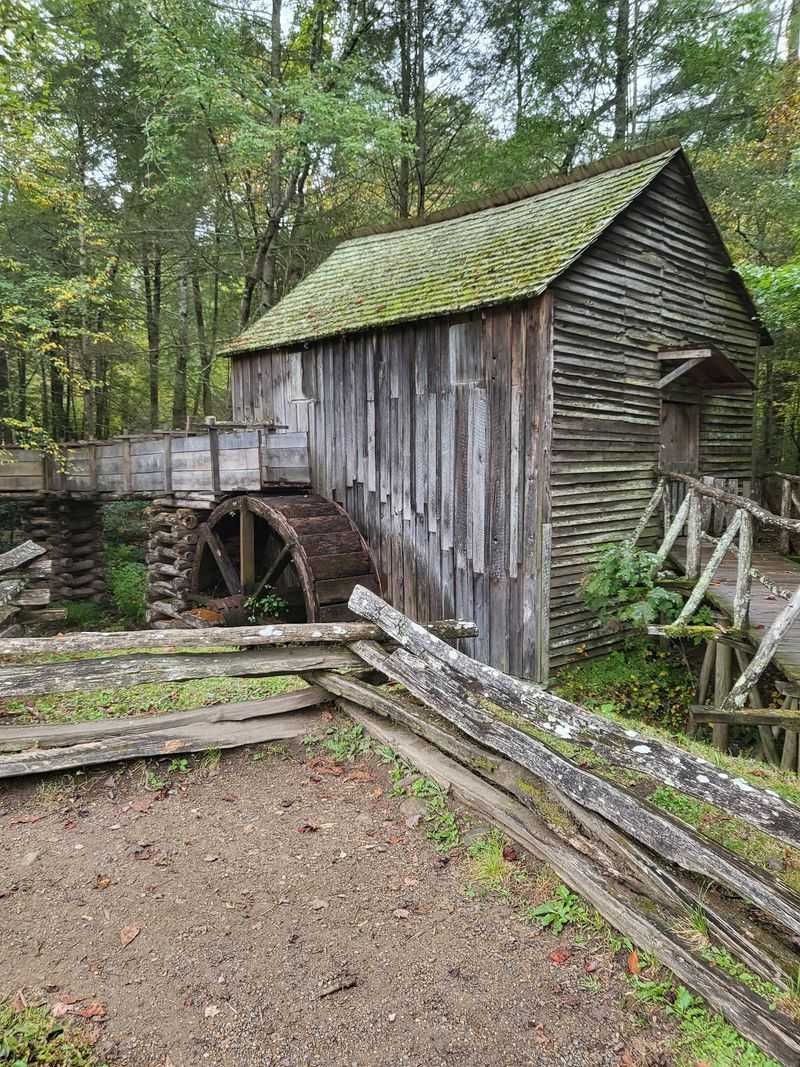
John Cable built a gristmill here in 1867, and it still works. The Cable Mill shows off time-tested technology right beside the visitor center.
Better still, you can buy freshly ground cornmeal. Few souvenirs come with that kind of backstory.
In 2026, Cable Mill is scheduled to operate daily from March 15 through November 29, from 9 a.m. to 5 p.m.
That schedule lines up nicely with peak leaf season, so plan your stop around it.
The historic area goes beyond the mill. A barn, smokehouse, and blacksmith shop sit nearby, showing how mountain families handled daily work.
Walking between the buildings is easy and pleasant in cool fall air. Kids get a hands-on look at life before grocery stores and electric everything.
Colorful hillsides frame the whole scene. The old wood and stone look especially good against orange and red leaves.
Give yourself time to wander here instead of rushing back to the car. The Cable Mill area might become the stop your family talks about at dinner. Especially if that dinner includes cornbread.
A Cabin Older Than Most Of Tennessee’s Towns Still Stands Strong
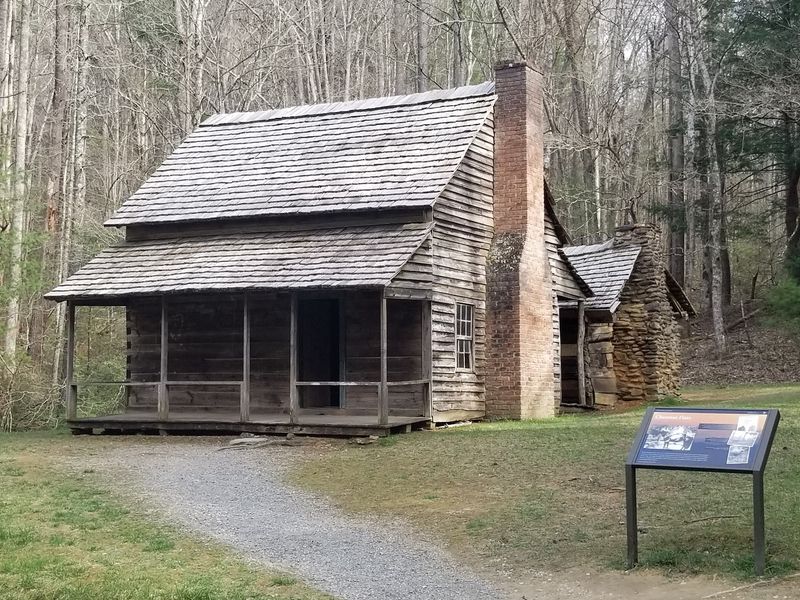
Around 1820 to 1822, some of the valley’s first European-American settlers built the John Oliver Cabin. It’s believed to be the oldest human structure still standing in Great Smoky Mountains National Park.
Here’s the wild part. Gravity and notched corners hold it together, not nails.
Settlers arrived in Cades Cove between 1818 and 1821. By 1830, the population had grown to 271 people.
Cherokee people had lived in the area for thousands of years and maintained a settlement in Cades Cove when the first European-American settlers arrived. The valley carries a long human story under all that fall color.
Cades Cove has a large collection of restored buildings from the 1800s. Other stops include the Elijah Oliver Place, Dan Lawson Place, Tipton Place, Carter Shields Cabin, and Henry Whitehead Place.
Some show off unusual designs like the cantilever barn. These barns look a bit like they’re balancing on their toes.
Take a moment at each stop. Old timber walls look extra striking with blazing hills behind them, and they make great photos too.
Bears Are Busy Snacking, So Keep Your Distance
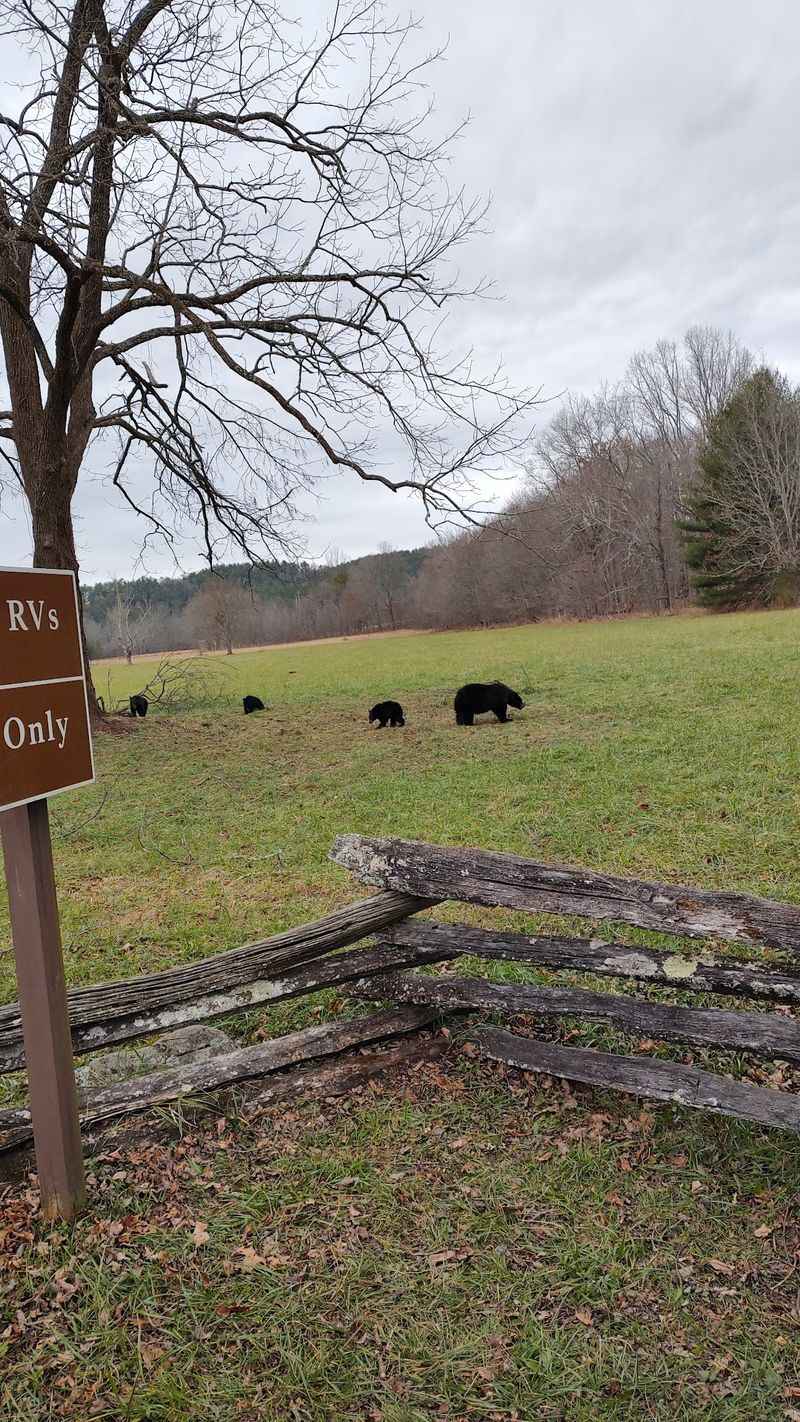
Fall is snack season for black bears. They forage hard to prepare for winter, especially in early morning and late evening.
Cades Cove ranks among the best places in the park to spot wildlife. Open fields make animals much easier to see.
White-tailed deer are plentiful here. Wild turkeys stroll through the grass, and woodpeckers are common too.
November offers a bonus. Once leaves drop, sightlines improve, and wildlife becomes easier to find.
Safety comes first, every time. Stay at least 50 yards from bears and keep a safe distance from all wildlife.
Use a pull-off instead of stopping in the middle of the road. Other drivers want to see the bears too, and nobody enjoys a traffic jam.
Binoculars or a zoom lens help a lot. You get great views without bothering the animals at all.
Remember that sightings are never guaranteed. Bears keep their own schedules, and they don’t check yours.
Lace Up For A Waterfall Hike With Fall Colors Overhead
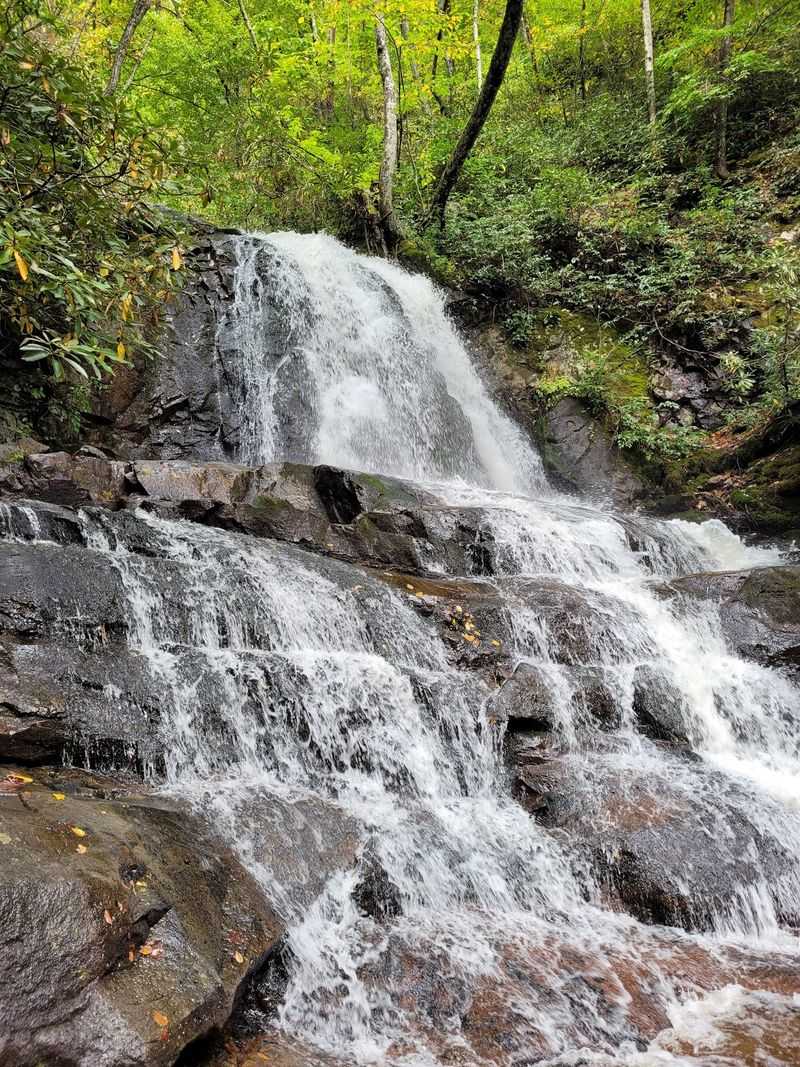
Abrams Falls rewards your legs with a 25-foot waterfall.
The round-trip hike runs about 5 miles from the Cades Cove area.
It’s one of the most popular trails here. Fall leaves make the walk even prettier.
Want something shorter? The Cades Cove Nature Trail is an easier option for families or tired drivers.
Bigger goals live here too. Rich Mountain Loop, Spence Field, Gregory Bald, Thunderhead Mountain, and Rocky Top all connect to this area.
Those longer hikes take serious planning. Pack water, snacks, layers, and a map, since cell service is spotty.
Start early in the day during fall. Shorter daylight hours mean the sun sets sooner than summer hikers expect.
Remember your parking tag for trailhead stops longer than fifteen minutes. It’s an easy detail to forget.
Hiking gets you away from the loop traffic for a while. That peace and quiet, plus the color overhead, can feel like a full reset for your weekend.
Stretch The Day With A Picnic, A Campsite, Or A Horse
Leaving at sunset feels like a crime in peak season. Luckily, Cades Cove gives you ways to linger longer.
The picnic area stays open year-round and has more than 80 spots. Pack lunch before you head into the loop.
The Cades Cove Campground also operates all year. Waking up close to the loop means you can hit the road early, before traffic builds.
Horse fans have an option too. Cades Cove Riding Stables operate seasonally from March through November.
That window covers the full fall color season. Seeing the valley from a saddle gives you a fresh angle on the scenery.
Weather can change quickly in late autumn. Bring warm layers for chilly mornings and evenings.
Winter brings its own rules. Ice and snow can close the loop road temporarily between December and March.
Fall is the sweet spot for a long stay in Tennessee’s most famous valley. Good food, good views, and maybe a horse named something adorable. Not a bad plan.