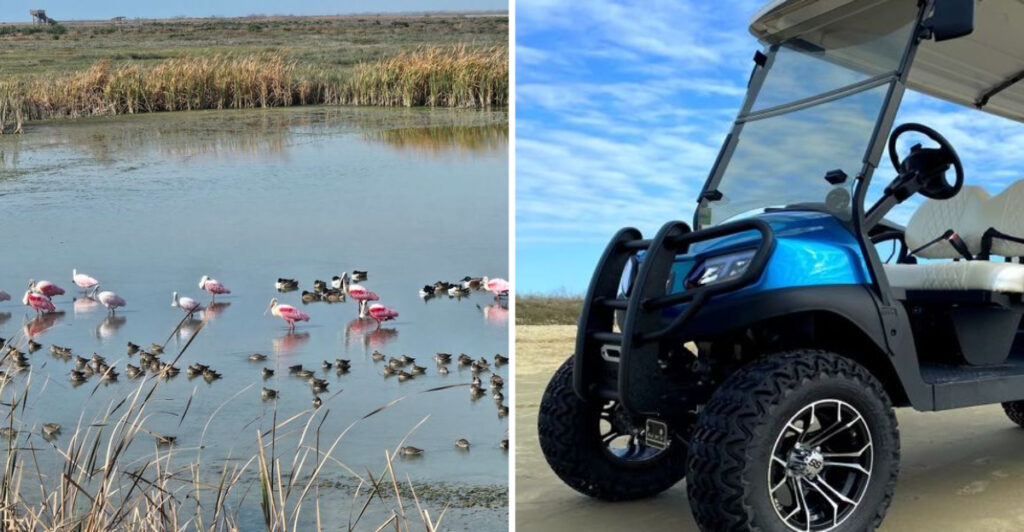
The fastest way to look out of place here is to hurry. Golf carts rule the road, the beach doubles as a parking lot, and nobody seems interested in racing the sunset.
Set along the Texas Gulf Coast, this island town treats slow travel like a sport. You can arrive with a packed schedule, but the ferry, fishing docks, and birding trails will start making better suggestions.
The shoreline is only part of the story. Wild horses once crossed these dunes, pelicans still patrol the channel, and the fishing tradition became official enough for Texas to give the town a title.
What happens when your car stays parked, your shoes collect sand, and your plans lose every argument?
You start measuring the day by ferry crossings, tide lines, and how far one golf cart battery can carry you.
Slowing down is not wasted time here. It is the point.
The Beach Doubles As One Very Sandy Street
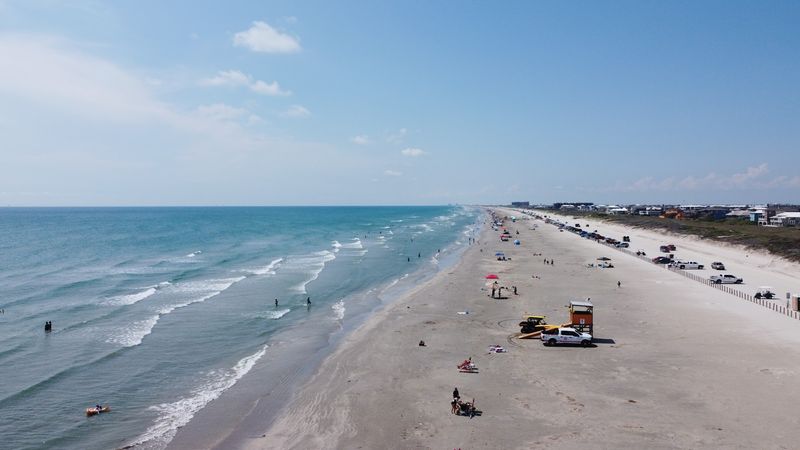
Here, the parking lot comes with waves. Port Aransas allows vehicles on designated stretches of beach, so you can drive onto the sand and settle near the shoreline.
That convenience saves you from hauling chairs, coolers, and one mysteriously heavy beach bag over a long distance.
The beach functions as a two-lane roadway, and the posted speed limit is 15 mph. Walkers, children, sunbathers, golf carts, and full-size vehicles all share the same sandy corridor, so patience belongs in your beach kit.
A parking permit is required when you leave a motorized vehicle in regulated beach areas. The permit remains valid through the end of the purchase year and is sold at several local locations, including the Welcome Center.
The shoreline is broad and relatively flat, which helps vehicles move through approved zones. Conditions can still change after storms or high tides, so soft sand deserves more respect than your GPS usually gives it.
Driving onto the beach changes the entire day. You can unload close to your chosen spot, keep extra supplies nearby, and avoid several exhausting trips before you have even touched the water.
Few parking spaces come with a better view, and none require you to check the tide before backing out.
Golf Carts Set The Pace In Port Aransas
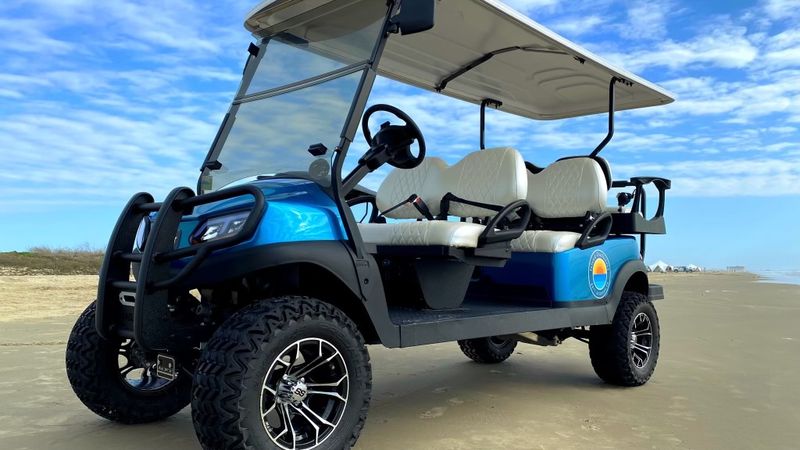
Four wheels do not need much horsepower to become the star of the show here.
Golf carts are part of everyday transportation here, not merely a novelty parked outside rental shops. You will see them carrying families, umbrellas, fishing gear, and enough beach equipment to stock a small sporting goods aisle.
Licensed drivers may operate properly registered and insured carts on permitted city streets. They can also use beach sections that remain open to vehicles, which makes a cart surprisingly practical for short trips between town and shore.
The rules still matter. Golf carts cannot travel on Highway 361 south of Avenue G, although designated crossings help drivers reach approved areas without turning an island outing into a navigation puzzle.
You also need to follow normal traffic laws because the beach is treated as a public roadway. A golf cart may look cheerful, but it does not receive a free pass for creative driving.
That structure keeps the experience fun without turning the streets into a free-for-all. You still get the breezy ride, easy parking, and proudly windblown hair.
By the end of the day, your car may look offended that you left it behind.
Mustang Island Gives You Eighteen Miles To Roam
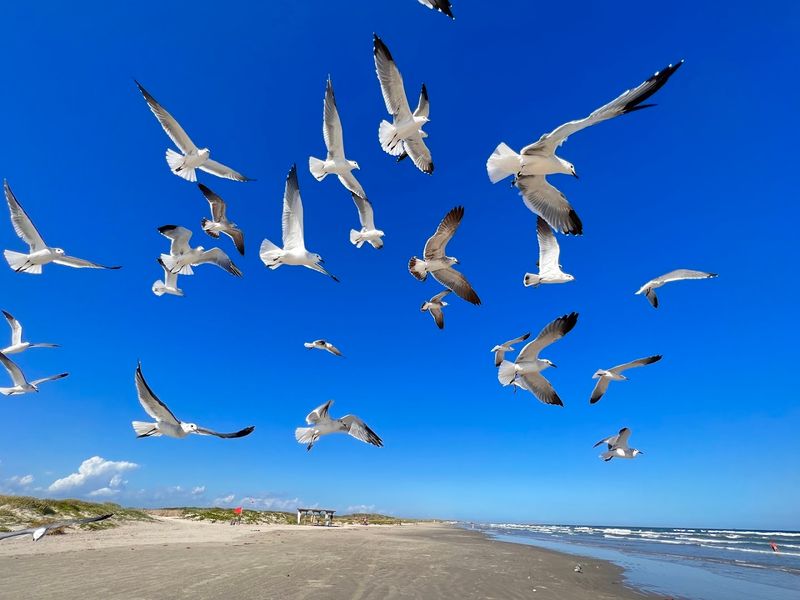
Eighteen miles sounds short until you try to explore an island without stopping every ten minutes.
Mustang Island is a long Texas barrier island, narrowing near the south and widening beyond two miles near its northern end. Port Aransas occupies the northern portion.
The island took its name from the wild mustangs that once roamed its dunes and grasslands. Those horses had disappeared by the late 1800s as ranching and development changed the landscape, but the name still carries a little hoofbeat of history.
Mustang Island State Park protects nearly 4,000 acres and more than five miles of shoreline. You can camp, fish, paddle, walk nature trails, or follow part of the Mustang Island State Park Paddling Trail through shallow coastal waters.
Marshes, tidal flats, dunes, and upland habitat give the island more range than a simple strip of sand.
You do not need to conquer all eighteen miles. Pick a section and follow your curiosity. Let the island prove that a straight coastline can still keep plenty of surprises around the bend.
The Ferry Turns Arrival Into An Opening Scene
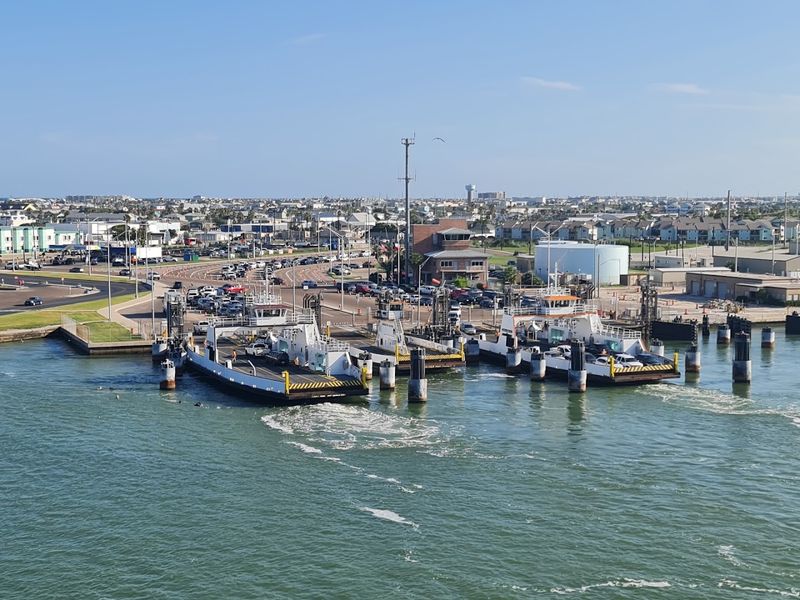
Most towns greet you with a road sign. Port Aransas sends a ferry.
The free Port Aransas Ferry connects Aransas Pass with Mustang Island and operates around the clock throughout the year, weather permitting. You drive aboard, switch off the engine, and let the short crossing announce that ordinary mainland rules are taking a brief vacation.
The crossing usually takes less than ten minutes, although waits can grow during summer weekends, holidays, and busy events.
Once aboard, you can step out, watch the channel, and scan the wake for dolphins. A sighting is never guaranteed, but keeping your eyes on the water gives you a better story than staring at the dashboard.
Pelicans often gather near the landing, balancing on pilings with the confidence of unpaid harbor supervisors. They watch every arrival as though checking whether visitors packed enough sunscreen.
The ferry provides a clean break between the road trip and the island day ahead. By the time the ramp lowers, salt air has already reset the mood.
Some destinations roll out a red carpet. Port Aransas prefers a steel ramp and a flock of pelicans.
Fishing Earned Port Aransas An Official Texas Title
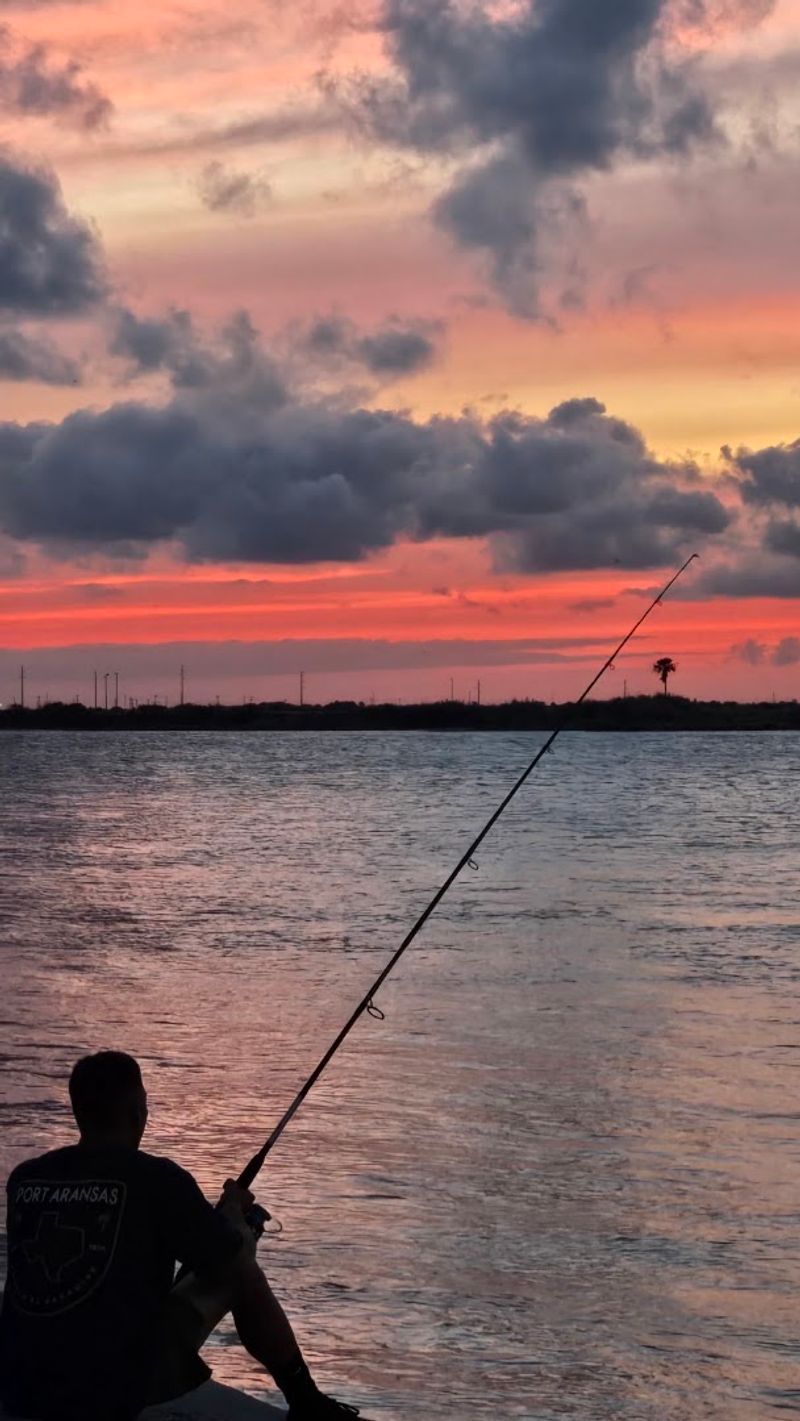
Bring a fishing rod here, and suddenly everyone has an opinion about bait.
Port Aransas became the official Fishing Capital of Texas in 2025, with the state designation set to remain in effect through 2035. The title recognizes a tradition that shaped the town long before tourism brochures began celebrating it.
Anglers can choose between bay fishing, pier fishing, surf fishing, and offshore trips. Redfish, speckled trout, flounder, red snapper, tuna, marlin, tarpon, and other species keep the local fishing calendar busy through different seasons.
Charter boats leave the marina for deeper water, while piers and shore access give beginners a simpler starting point. Experienced anglers still find enough variety to stay occupied.
The town itself was once known as Ropesville and later Tarpon. Residents began using Port Aransas around 1910, but the older name still hints at the silver fish that helped draw sport fishermen to the area.
Fishing remains part business, part ritual, and part excuse to wake before sunrise. The docks carry the usual mix of salt, fuel, tackle, and optimism, especially when someone insists the next cast will be the one.
In Port Aransas, even the fish stories have deep local roots.
Birding Reveals The Island’s Wilder Side
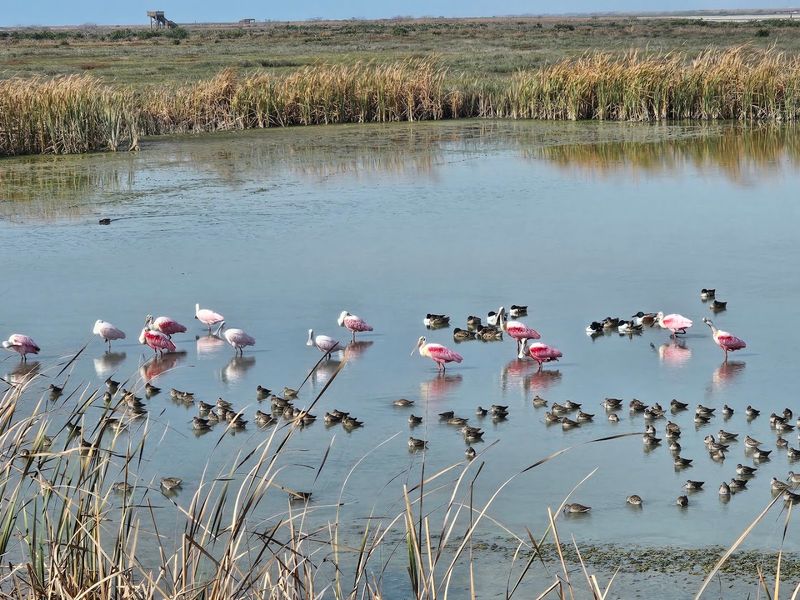
The busiest runway in town belongs to birds, and nobody checks a boarding pass.
Port Aransas sits along the Central Flyway, one of North America’s major migratory routes. The community has six locations on the Great Texas Coastal Birding Trail, giving you several places to trade beach chatter for binoculars.
The Leonabelle Turnbull Birding Center features wetlands, a boardwalk, observation areas, and a pollinator garden. Depending on the season, you may see spoonbills, herons, ducks, and shorebirds moving through the habitat.
You can find the center at 1356 Ross Ave., Port Aransas, TX 78373. The address leads to one of the town’s best reminders that nature does not need a loud entrance to command your attention.
Charlie’s Pasture and the Port Aransas Nature Preserve add marshes, tidal flats, upland areas, and accessible boardwalks. The atmosphere changes within a few steps.
Bring comfortable shoes, water, and more time than you think you need. Birding has a sneaky habit of turning “one quick stop” into an entire morning.
The beach may get top billing, but the birds keep stealing the scene.
Small Island Surprises Reward A Slower Schedule
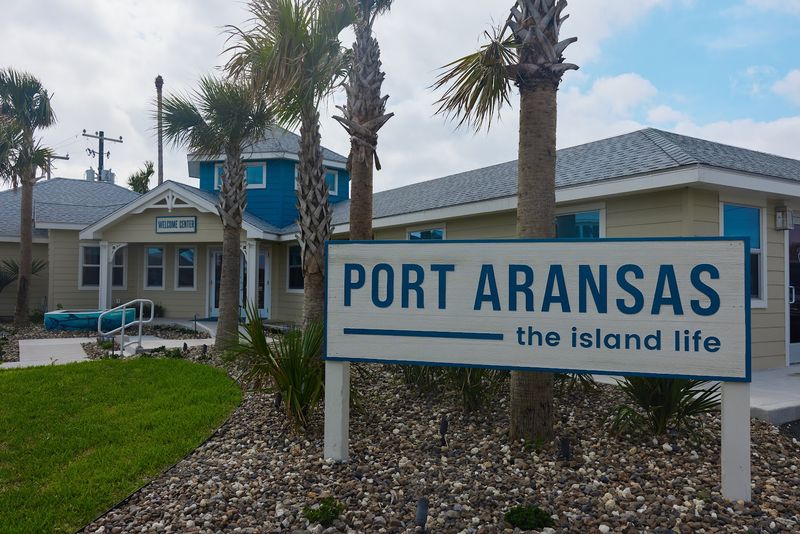
Port Aransas saves a few of its best details for anyone willing to stop chasing the next activity.
The Chapel on the Dunes is one of them. Built in the late 1930s, it is regarded as the oldest functional consecrated church on Mustang Island, and its interior murals add an unexpected burst of art and history.
The murals were painted in 1972, and visitors can view them during guided tours. Checking tour availability before you go is wise because the chapel is not simply an open-door roadside attraction.
A fishing-pier sunrise, quiet marsh, or golf cart beside a seafood stop can become the memory you keep. None needs a grand plan.
The Port Aransas Welcome Center offers maps, beach permits, and local information before the island persuades you to stop thinking practically.
Port Aransas does not reward speed. It rewards detours, long looks, and the occasional decision to stay on the beach until your shadow grows twice as long.
You may arrive with a schedule, but do not be surprised when a golf cart, a ferry, and a pelican vote to overrule it.