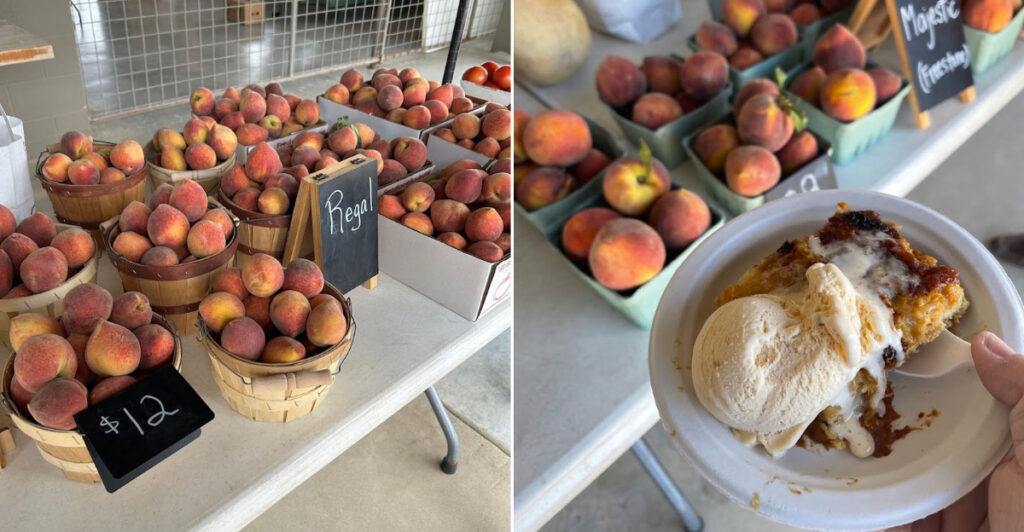
Cruising through the Texas Hill Country in peak summer heat feels like the road itself starts hinting at something sweet ahead.
Highway 290 turns into a ribbon of seasonal stops where fruit stands appear right when the harvest is ready, and the whole drive starts to feel like a slow search for the next fresh bite.
The air carries heat from the pavement and a faint reminder that this stretch of road runs on timing, not luck. Locals and travelers plan their trips around peach season, watching for signs that the fruit has finally ripened enough to justify pulling over.
Each stop feels tied to the land itself, shaped by weather, soil, and long standing farming rhythm. What begins as a simple drive often turns into a tradition that marks the summer calendar in a very real way.
A Roadside Tradition That Started In 1953
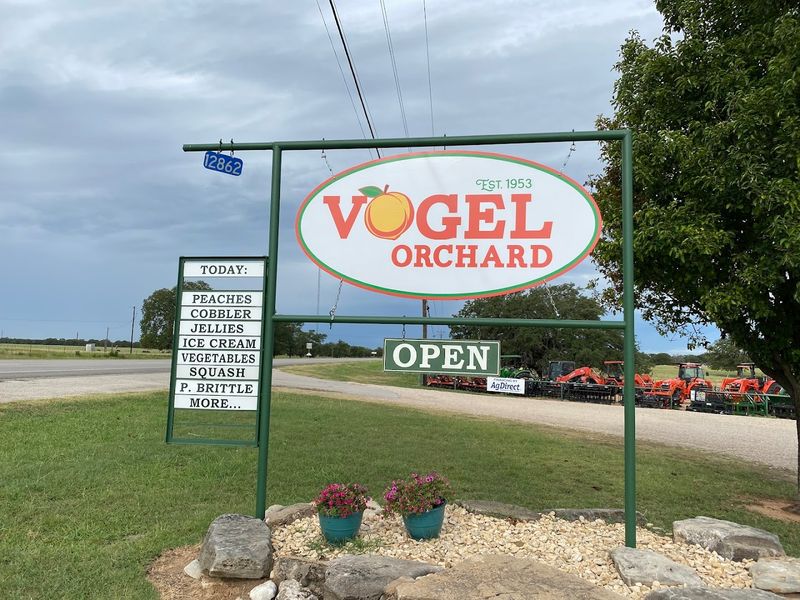
Long before summer road trips turned Highway 290 into a peach corridor, Vogel Orchard had already planted its roots.
George and Nelda Vogel established the business in 1953, a year that places the farm inside the long arc of Hill Country peach growing.
That founding year gives you a clean starting point for understanding why so many Texans build a seasonal stop around it.
Nineteen years later, the roadside market officially opened in 1972. The moment the orchard moved from growing fruit to meeting drivers directly at the edge of the road.
A detour becomes a ritual when people can buy the crop where it is grown, and this stand has done exactly that for decades.
The central idea here is simple.
This is not a recent peach stand borrowing Hill Country history for style points. It is a multi-generational family-owned and operated business with a timeline you can trace from postwar planting to a formal market opening in the early 1970s.
That history also explains why the place stands out during peach season. You are not stopping at a temporary fruit table that appears for a few weeks and disappears without context.
You are stopping at a business with documented dates, a specific family story, and a record tied directly to Fredericksburg peach country.
For most of us, seasonal fruit fresh from the orchard is a real treat. This stop shifts that idea toward peaches, cobbler, and preserves, which tells you a lot about how Texans define summer on this stretch of road.
If your glove box already holds napkins, you know what to do next.
Why Highway 290 Turns This Stop Into A Summer Marker
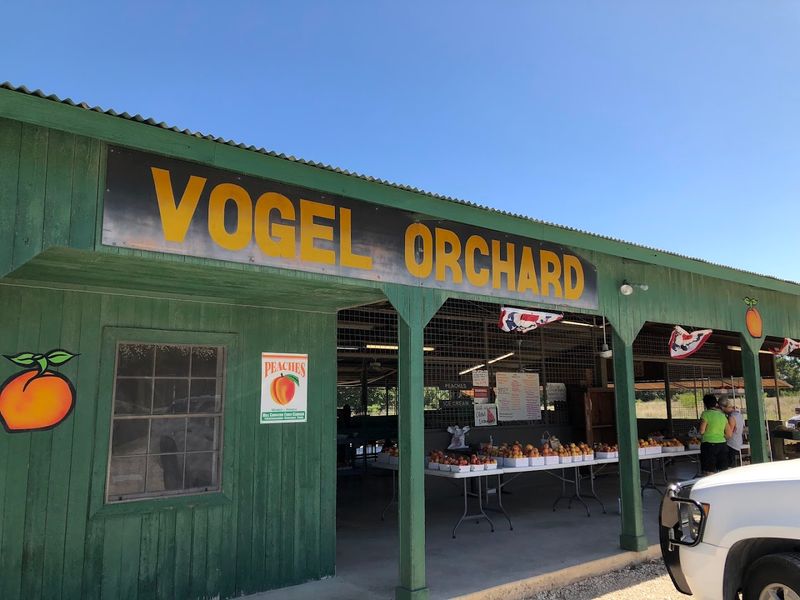
Highway 290 carries a lot of summer expectations in Fredericksburg.
People drive this corridor for peaches, and that context matters because the road itself shapes how the orchard fits into Hill Country travel.
The stand sits on a route widely associated with peach season, which turns a simple pull-off into a recurring marker on regional drives. A place people look forward to visiting next season.
Midway through that tradition, you reach Vogel Orchard at 12862 US-290, Fredericksburg, TX 78624.
That location places the business directly on the best-known peach route in the area, not on a side road you need to hunt down.
If you are tracing where the Hill Country peach story plays out in public view, this address belongs on your next road trip.
Fredericksburg often gets called the Peach Capital of Texas, and that label gives this stop more context.
The orchard does not stand apart from the region’s identity, in fact, it plays a big role in it.
Vogel Orchard participates in the agricultural pattern that made the highway famous, which means your detour links to a broader local crop tradition instead of a random roadside errand.
The family ownership matters here too. It always does.
A multi-generational operation on this stretch of road tells you the business has stayed tied to the same local peach economy that draws visitors every year.
Roadside fruit stands can blur together when you cover enough miles. You miss those small stands on the side of the road.
A documented address on the main peach route, in a town known statewide for the crop, gives this one a sharper outline.
Next time your dashboard points west through Fredericksburg, you might want to let the peaches choose the exit.
The 22-Variety Rule That Sets The Fruit Apart
Plenty of places sell peaches. True.
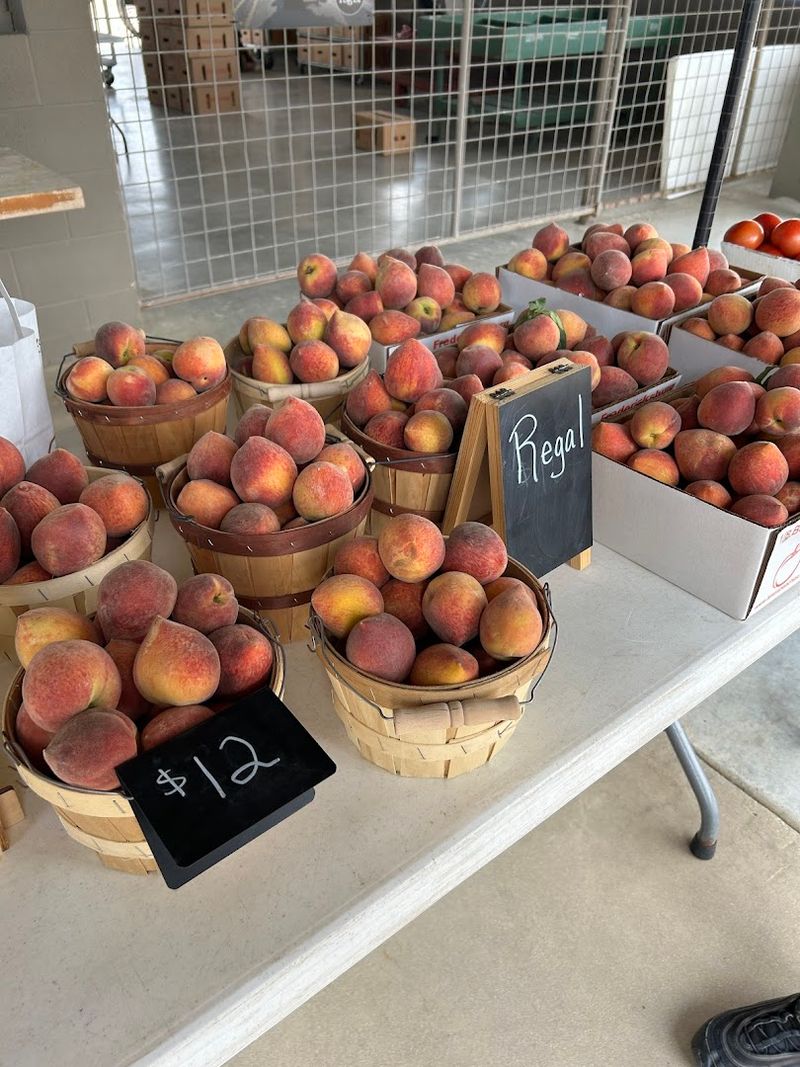
What’s important here is that this orchard cultivates 22 varieties, which gives you a more precise reason to pay attention.
That number indicates the range within a single crop, not a generic pile of fruit with a single label taped to the front. Variety matters because peach season changes week by week.
You don’t have to know the name to taste the difference.
Different types ripen on different schedules, and an orchard with 22 varieties can move through the summer with more nuance than a stand selling one narrow slice of the harvest.
If you have ever wondered why one trip produces a firmer peach and another gives you a juicier one, this is the kind of detail that answers the question.
The second fact is even more important.
Vogel Orchard sells only authentic Fredericksburg peaches and refuses to import fruit from other regions. That policy is crucial in a market where roadside labels can blur county lines and make origin hard to verify at all.
A sense of place matters most when a business draws a line and keeps it. Here, that line is local origin.
Instead of padding the bins with fruit from elsewhere, the orchard ties its reputation to peaches grown in the Fredericksburg area, which gives the product a specific geographic claim you can understand without any sales pitch.
You do not need romantic language to explain why that matters. Twenty-two varieties plus a no-import rule already tell the story in plain terms.
If you want to test how much one region can say through a peach, start with the bag in your passenger seat.
The Peach Season Runs On Weather, Not Wishful Thinking
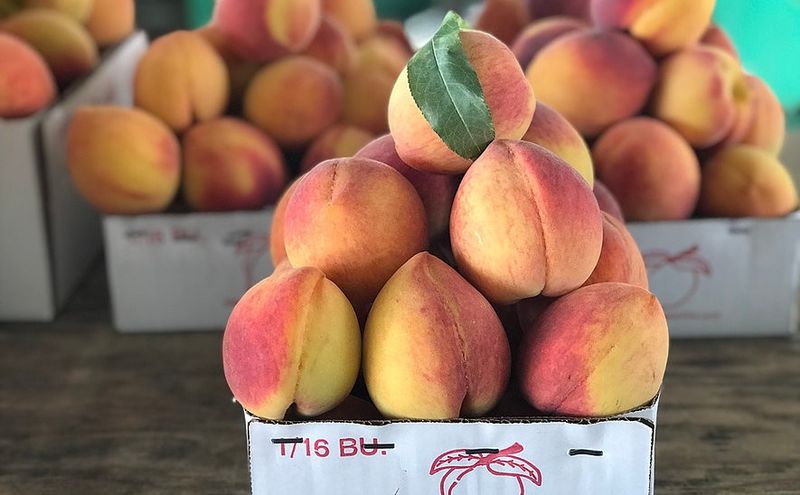
Peach season in the Texas Hill Country usually runs from mid-May through mid-August.
Peak season typically lands between mid-June and late July, and that timeline gives you the clearest calendar fact in this story. If you time your detour around peaches, those weeks matter more than any romantic idea of summer spontaneity.
Then the weather steps in because of how chilling hours and a late freeze affect local growers. Peaches depend on winter conditions and spring timing, so a good crop does not happen by accident or by poor planning.
In practical terms, a limited harvest changes what you may find at the stand.
It can affect volume across the region, not just at one business, because the same weather pattern hits Hill Country orchards broadly. This place does that thinking for you, leaving you to your only job here.
Eating.
Vogel Orchard’s information urges visitors to call ahead for peach availability. That is not a trend.
It is a straightforward response to agricultural reality, especially in a year when demand can outpace what the trees actually produce. Paying homage to the crop means respecting the math of bloom, chill, and freeze dates.
Peaches do not appear because the calendar says June.
If you want the real thing, let the years of experience of Vogel’s Orchard lead the way.
Peaches Share The Table With Blackberries, Plums, And Summer Vegetables
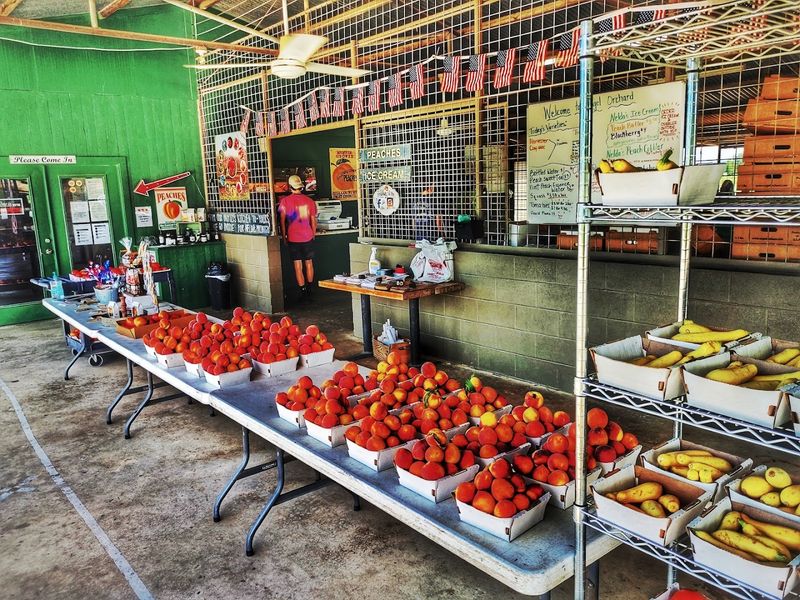
If you stop here expecting peaches alone, you miss half the point.
The stand also offers fresh-picked blackberries and plums, which immediately broadens the summer produce story. This orchard sells a season, not just one headline fruit.
The produce list extends further with locally sourced fruits and vegetables. Watermelon, cantaloupe, okra, squash, tomatoes, and zucchini all appear in the market’s lineup.
Those specifics tell you exactly what kind of Hill Country table this stop can support on a given trip. Blackberries and plums give you alternative fruit options when supplies shift.
Okra, squash, tomatoes, and zucchini point toward dinner instead of dessert.
A roadside stand becomes more useful when you can build a meal from it, and this list makes that case through concrete items instead of slogans. Here is the practical way to look at it.
A bag of peaches may start the stop, but vegetables can finish the shopping list. You know how people say their eyes are bigger than their appetite?
I honestly don’t think those people have ever been to this place.
Fruit for cobbler, tomatoes for slicing, okra for the skillet, and melon for the icebox create a very specific snapshot of what central Texas growers can bring together in one market.
If you like your detours to pull double duty, save some trunk space for the produce box too.
The Case Starts With Cobbler And Ends With Ice Cream
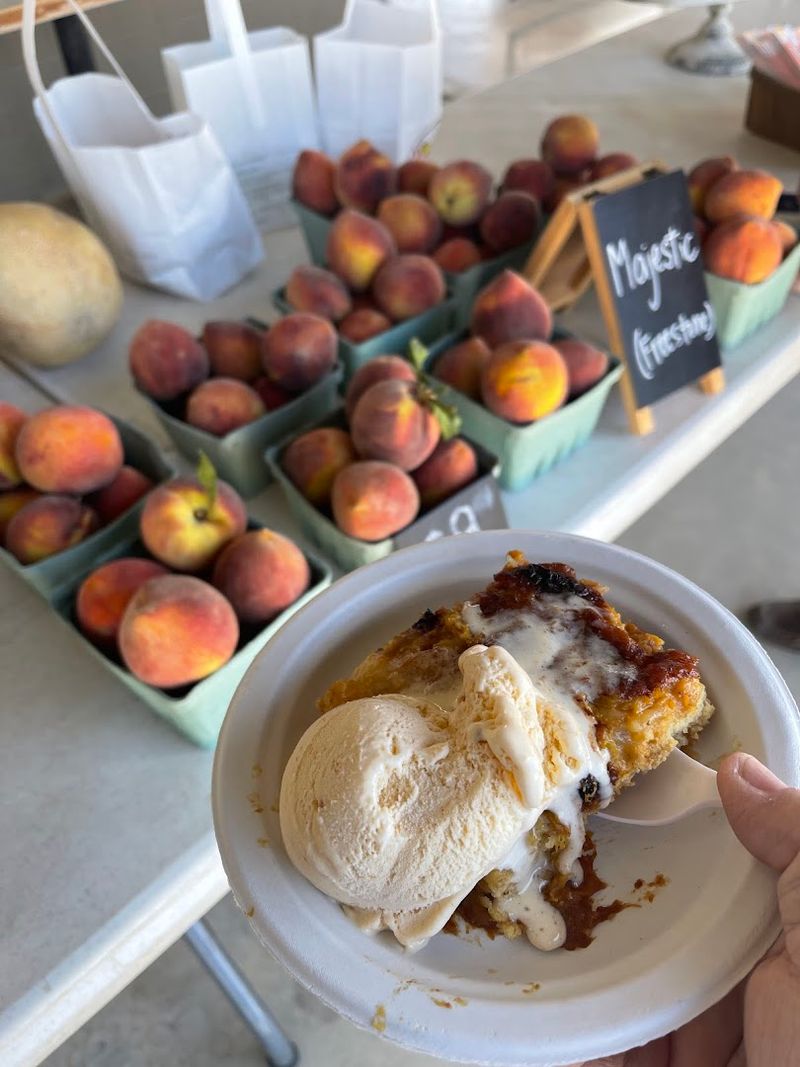
Who doesn’t like homemade dessert?
The signature sweets give this stop its strongest argument after the fresh fruit. Homemade peach cobbler leads the list, and peach butter ice cream follows close behind.
Blackberry ice cream joins them, which means the dessert case draws from the orchard’s fruit instead of drifting into unrelated treats. Those details are so important because they connect the market to its crop in a direct way.
Cobbler uses peaches. Peach butter ice cream turns a preserve-style flavor into a frozen dessert, which gives you a more distinct option than plain vanilla beside a slice.
Honestly, ordering their peach cobbler is a form of self-love. The item pairs with peach butter ice cream, not because anyone needs to oversell a standard scoop.
Once you say you have no space for a bite more of anything, the dessert makes a compelling argument that you do.
Preserves and jellies track the same logic beyond the spoon and the plate. The market offers peach preserves, peach butter, blackberry jelly, plum jelly, pear preserves, and fig preserves.
Some are made in the orchard kitchen, and others come from local producers, which keeps the focus close to Fredericksburg agriculture.
Stored carefully on shelves or in cold storage, ripe fruit becomes a way to hold onto the season a little longer. This place is properly iconic.
If your cart already holds peaches, a jar and a scoop would not exactly be an unreasonable escalation.
Summer Peaches Give Way To A Fall Pumpkin Patch
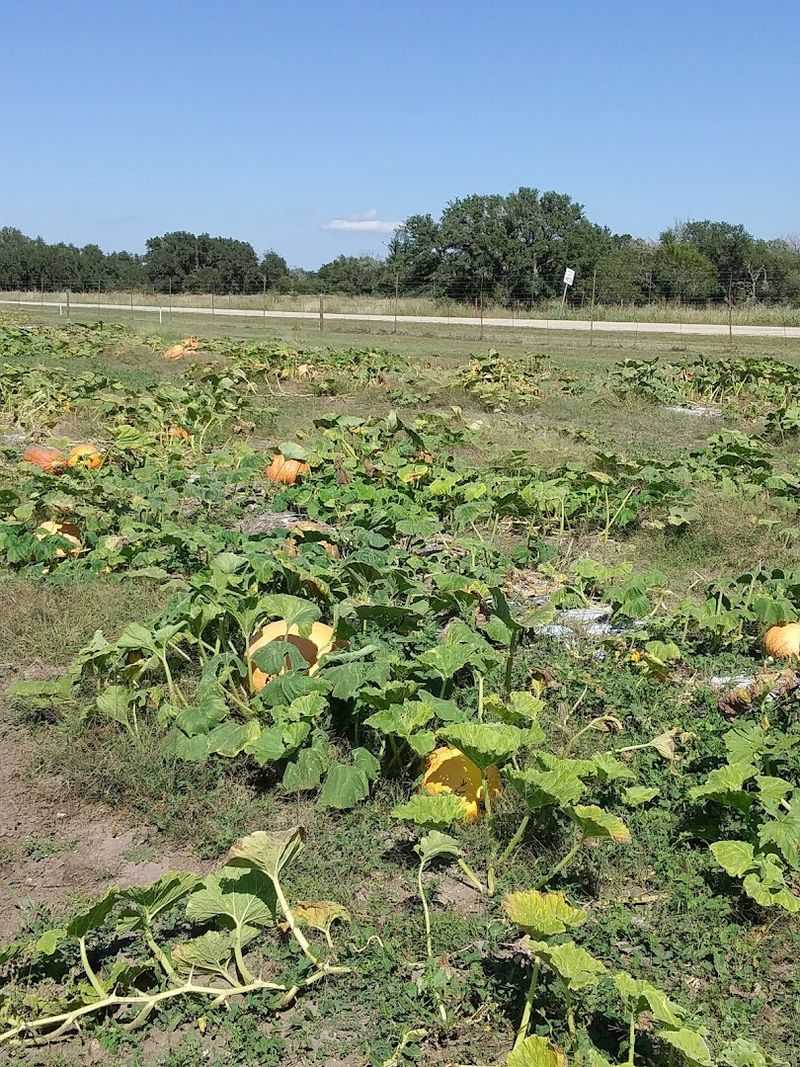
The calendar at this orchard does not stop with peaches.
In the fall, the business offers a pick-your-own pumpkin patch, which changes the crop but keeps the roadside tradition moving. That single fact matters because it shows the stand operates as a seasonal farm destination beyond a single summer harvest.
Pumpkins anchor the autumn side of the market, but the product list goes further. Pumpkin pies, pumpkin bread, pumpkin butter, and pumpkin cookies all appear as part of the fall lineup.
Those specifics matter because they show how the orchard converts one seasonal crop into several forms you can actually take home.
That range also mirrors what the summer side does with peaches.
Fresh produce leads, then baked goods and spreads carry the crop into other categories. The restaurant has the skill of creating dishes that are every bit as comforting as home cooking but never something you could actually recreate yourself.
Here, that idea applies to a farm market menu built around pumpkins instead of peaches. You are looking at an operation that switches with the season and keeps its offerings tied to the crop on deck.
An American icon of a place can look as simple as a roadside pumpkin patch on a Hill Country afternoon. Lovingly committed to quality on every level.
The pattern of moving from orchard fruit and preserves in summer to pumpkin goods in fall without abandoning the farm identity that made the stand notable in the first place.
If your summer detour misses peach season, autumn still has a way of handing you a pie-shaped consolation prize.