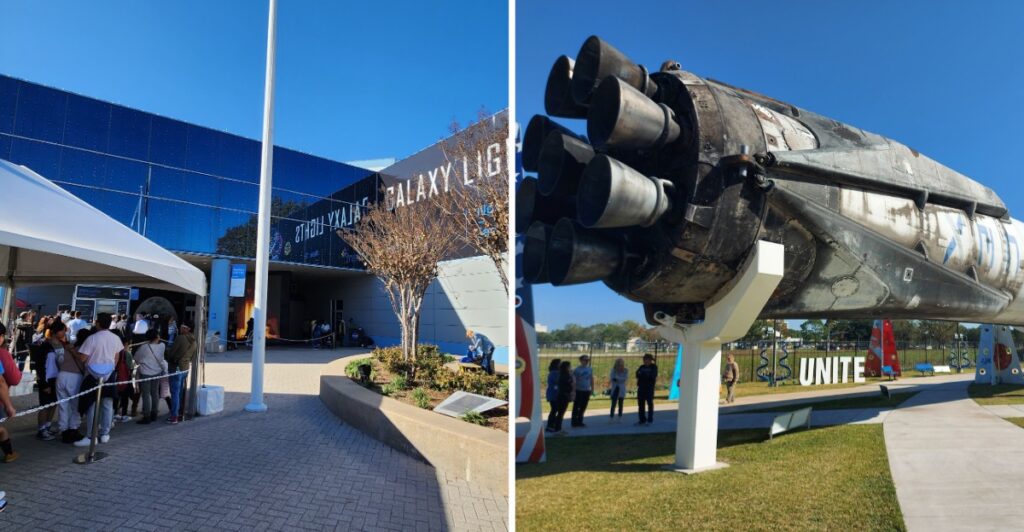
A moon rock sits out in the open, and grown adults line up to poke it like it owes them money. I would absolutely be one of those adults. Probably twice.
That rock lives at a museum in Texas with more than 400 space artifacts. It also has a full shuttle replica perched on top of a real Boeing 747. Yes, on top.
Like a kid riding piggyback, except the kid weighs a lot more.
My own idea of a big launch is getting out of bed before nine. This place, meanwhile, sits beside the NASA campus whose Mission Control heard Neil Armstrong call from the moon in 1969.
Real rockets. Real Mission Control history. A Saturn V you can stroll beside.
How many places let you walk under a flown SpaceX booster and then touch the moon before lunch?
Climb Inside A Shuttle That Hitched A Ride On A Jumbo Jet
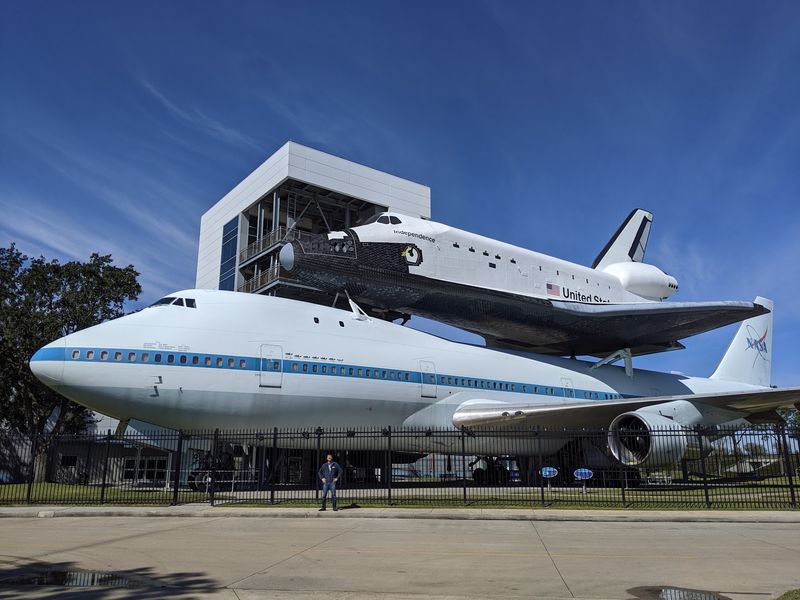
Most airplanes carry luggage. NASA 905 carried space shuttles, and now it holds one on its back for good at Space Center Houston.
This Smithsonian Affiliate museum in Houston, Texas, built Independence Plaza around that wild pairing. It’s the only place in the world where you can go inside both the shuttle replica and the carrier aircraft.
The 747 arrived on April 30, 2014. The shuttle replica, named Independence, was lifted onto it that August.
Exploring both gives you a real feel for the Space Shuttle Program. You get the plane’s side of the story and the orbiter’s side in one visit.
Bring the little astronauts in your life here first. You can pretend it’s all for them, and nobody has to know.
Plan this stop early in your day. It sits outside the main building, so knocking it out before the afternoon heat is a smart move in a Houston summer.
The scale is hard to fake on a screen. Standing beneath that giant wing, you finally understand how big these machines really were.
Charge your phone before you arrive, too. Few photos say ‘I went somewhere amazing’ like a shuttle riding a jumbo jet.
Bring Your Neck Muscles For The Saturn V In Rocket Park
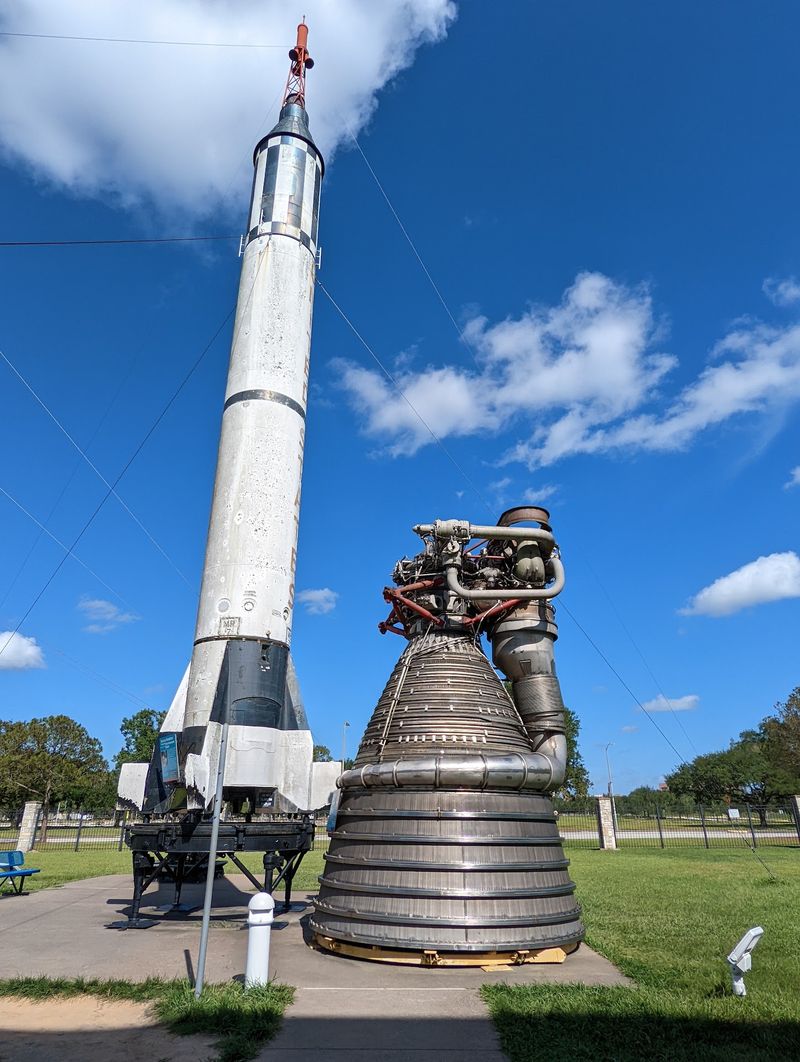
Only three Saturn V rockets remain in the world. One of them lies on its side in Rocket Park, and it stretches about 363 feet long.
The Saturn V displayed at Rocket Park was assembled from flight-certified stages originally intended for different missions, including canceled Apollo flights.
It now rests inside a building made to protect it.
Getting there takes an open-air tram ride from Space Center Houston onto the working NASA Johnson Space Center campus. Dress for Texas weather, because the ride puts you right out in it.
Ask about tram options right after you arrive. Some tours are included with admission, while others cost extra.
The real thrill is the sheer size. You can walk the full length of the rocket and study the stages built to push astronauts toward the moon.
Use the restroom and grab water before you board. Once the tram rolls out, you’re on NASA’s schedule, not yours.
It’s a humbling stroll from engine to tip. Your car will feel very small in the parking lot afterward.
Think of it as history you can measure in steps. Count them on the way down, and you’ll probably lose track somewhere near the third stage.
Duck Under A Rocket That Actually Went To Space Twice
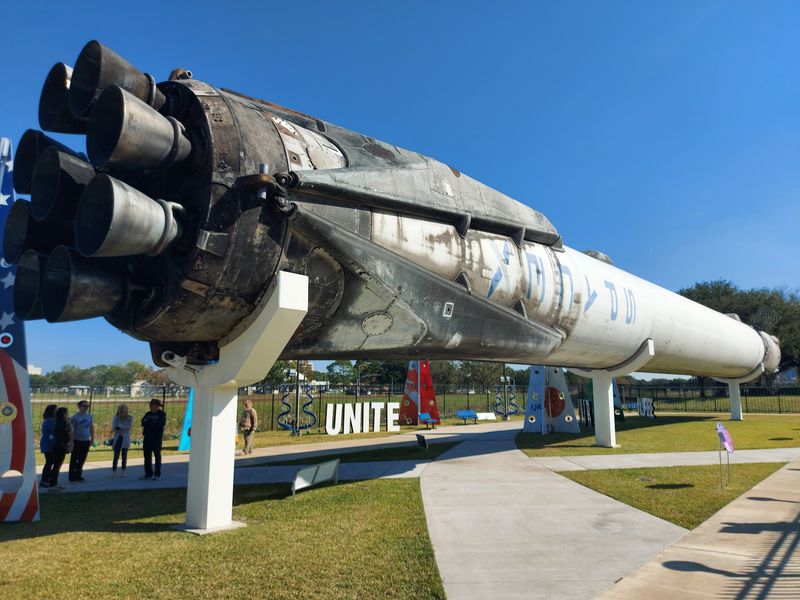
Fourteen feet. That’s how high the SpaceX Falcon 9 booster sits above the ground near Independence Plaza, and you can walk right under it.
This first stage, called B1035, flew on two NASA missions before retiring. It’s one of only two Falcon 9 boosters on public display anywhere.
It also marked a milestone for Space Center Houston. The booster became the museum’s very first commercial space exhibit.
That matters more than it sounds. Apollo hardware shows where spaceflight started, but this booster shows where it’s headed.
Reusable rockets changed everything by flying again instead of being tossed away after one trip. Seeing one in person makes that idea click in a way a news clip can’t.
Lying horizontally, the booster gives you a rare side view of a modern rocket. Usually you only see these standing tall on a launch pad or landing on a drone ship.
Snap a photo from underneath for a fun perspective shot. Then step way back, because the whole length needs some distance to fit in the frame.
Families can even camp under this booster during special overnight programs. More on that later, because yes, it’s a real thing.
Go Ahead And Touch The Moon, It’s Allowed Here
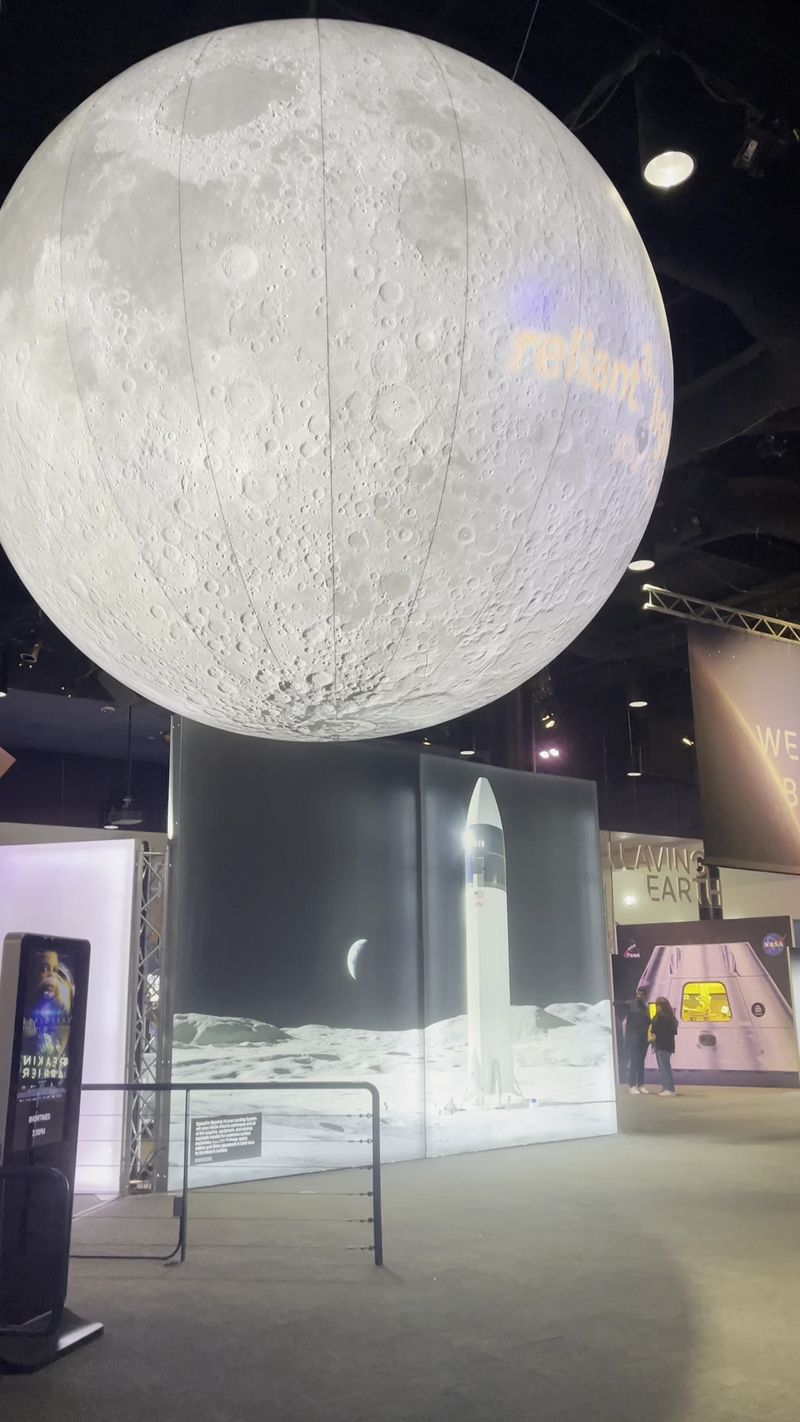
Most museums post ‘please don’t touch’ signs. The Starship Gallery offers up a moon rock and basically says go for it.
That touchable lunar sample is just the start, since the gallery also holds flown spacecraft like the Gemini V capsule. The Apollo 17 Command Module is here too, from the last crewed trip to the moon.
The Mercury 9 ‘Faith 7’ capsule sits nearby. It’s surprisingly small, and one look explains why early astronauts needed nerves of steel.
You can also explore a full-size Skylab training module. It gives you a taste of how America’s first space station was laid out.
History fans should hunt down Gene Kranz’s Apollo 17 vest. The famous flight director’s vests became legends in Mission Control.
The John F. Kennedy lectern is on display, too. It’s a fitting piece, since his push for the moon helped launch this whole story.
Take your time in this room. It’s easy to rush past capsules, but each one carried real people on real missions.
Read a few placards out loud if you have kids along. Turning it into a scavenger hunt keeps young explorers curious.
Sit Where Houston Answered The Moon
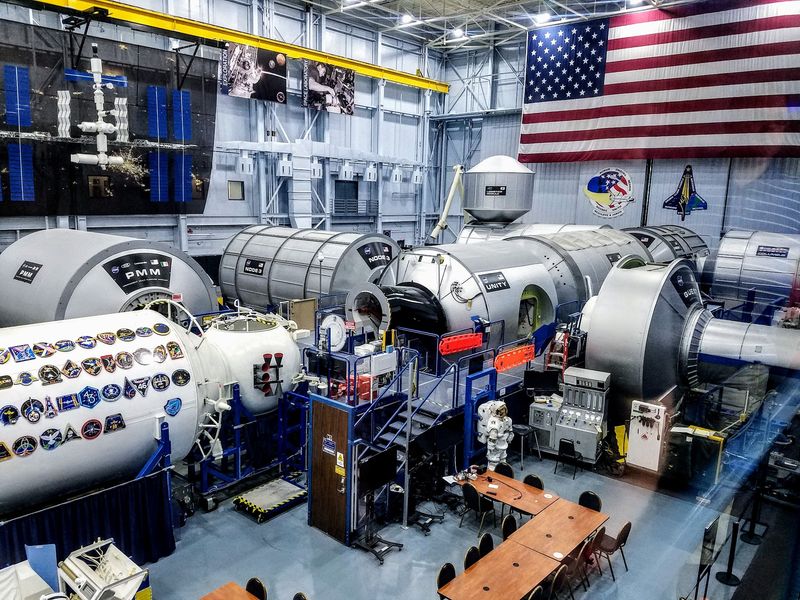
‘Houston, Tranquility Base here. The Eagle has landed.’ Those words from Neil Armstrong in 1969 were aimed at Mission Control, and you can visit that very room.
The Historic Mission Control Center became a National Historic Landmark in 1985. It guided Gemini and Apollo missions, including the first moon landing, and later shuttle flights.
The Mission Control Tram Tour may cost extra on top of admission. Book it ahead of time, since it’s a special add-on worth planning your day around.
Other open-air tram tours roll through the active NASA Johnson Space Center. Stops can include astronaut training facilities, where real crews prepare for missions.
NASA established the Manned Spacecraft Center in 1961, and its Houston campus officially opened in June 1964.
It was renamed for President Lyndon B. Johnson in 1973.
That means you’re not touring a movie set. You’re riding through a working NASA site where human spaceflight still happens today.
Ask staff which tours fit your time and budget. A little planning here pays off more than anywhere else in the visit.
Take a breath when you finally reach that famous room. Few spots in Texas pack this much history into one space.
Refuel At A Food Hall Built Like A Mission Lab
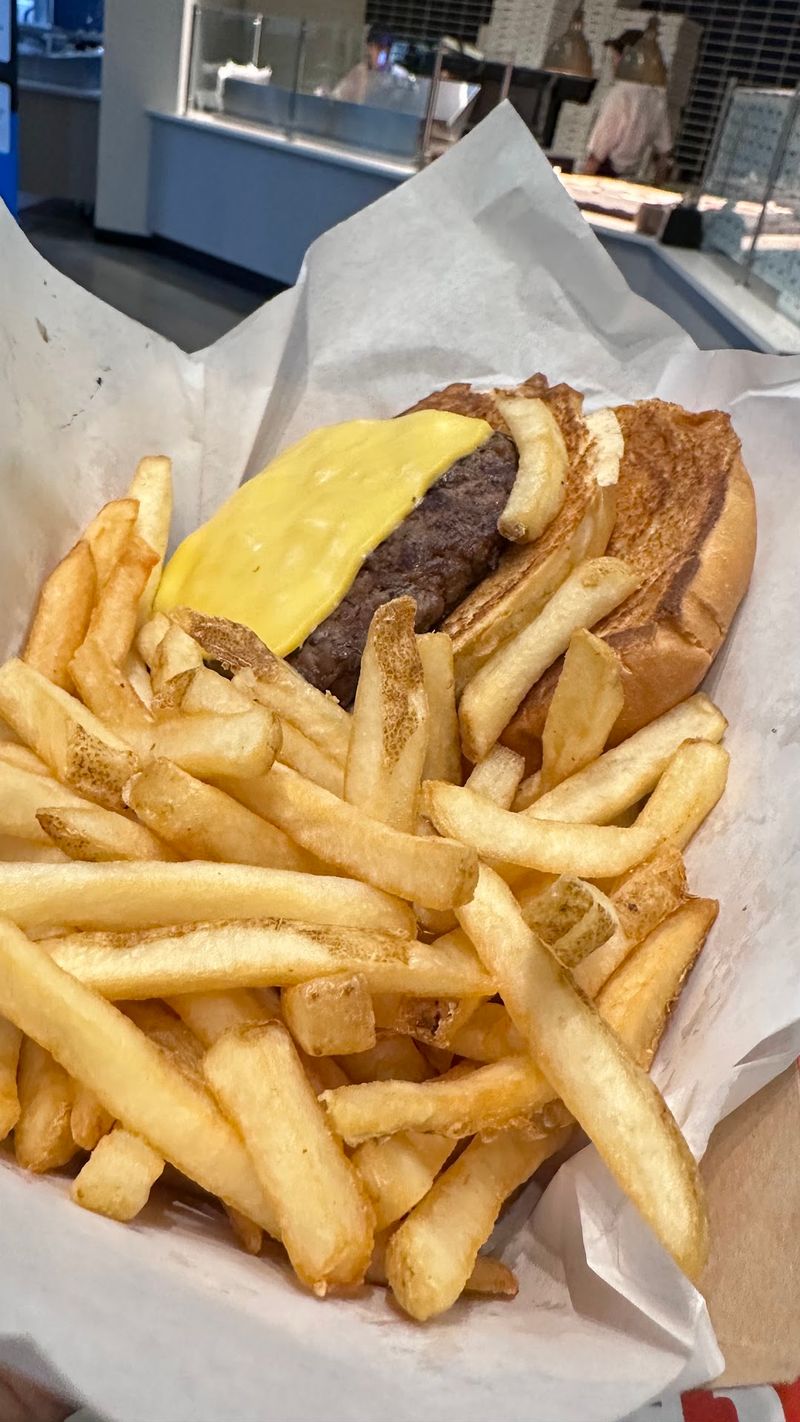
Astronauts eat from pouches. You get flatbreads, salads, and Tex-Mex at The Food Lab, which seems like a much better deal.
This eatery inside Space Center Houston splits into mission-themed stations. Outer Crust serves flatbreads and pizzas, while Velocity Grill handles classic grill dishes.
Galaxy Greens covers fresh salads for lighter appetites. Deep Space Deli makes sandwiches, including one inspired by astronaut John Young.
Need a pick-me-up? Grounds Control offers espresso drinks and pastries for the post-tram slump.
The Community Kitchen rotates dishes inspired by Houston and regional flavors like Tex-Mex and barbecue. It’s a nice nod to the city outside the gates.
In a hurry, The Market has grab-and-go salads, sandwiches, and snacks. You can also order on your phone through Eatify while on site.
Large amounts of outside food and coolers aren’t allowed inside. An outdoor picnic area sits near the front entrance if you pack a lunch.
Plan lunch between big exhibits for the smoothest day. Fueling up keeps afternoon meltdowns, big and small, safely in orbit.
The space puns are free, by the way. Grounds Control alone deserves a small round of applause.
Time Your Launch Window Like A Flight Director
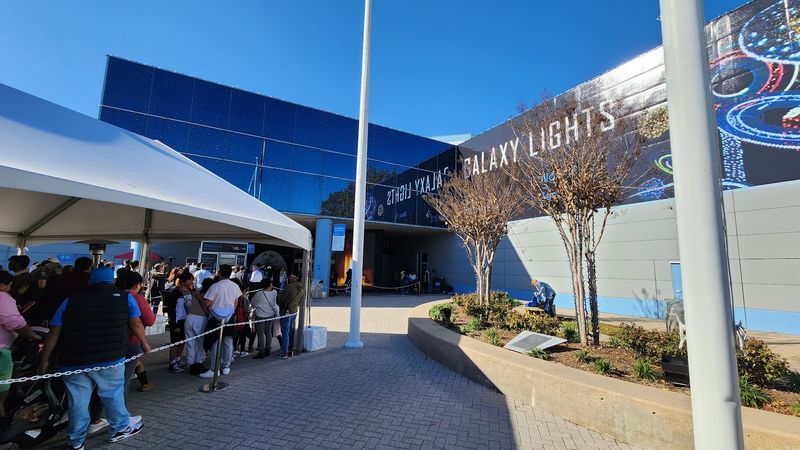
Hours are friendly for a day trip. The center usually opens at 10 a.m. and closes at 5 p.m., with some weekend and event days running to 6 p.m.
You’ll find it at 1601 E NASA Pkwy, Houston, TX 77058, in the Clear Lake area. It’s a drive southeast of downtown Houston, so leave room for traffic.
Parking costs extra unless you’re a member. Electric car charging stations are available once you’ve paid for parking.
Expect a bag screening at the entrance. Leave pets at home, though service animals are welcome.
Luggage storage is offered for a fee, which helps on travel days. An ATM is on site, and digital or printed maps help you find your way.
Buying tickets online before you go can save time at the door. Arriving near opening gives you more hours for trams and shows.
Wear comfy shoes and dress for outdoor stretches. The tram rides and Independence Plaza put you out in the Texas sun.
With 250,000 square feet to cover, pacing matters. Pick your must-sees first, then treat everything else as bonus missions.
Save a few minutes for the gift shop near the end. Leaving without a tiny astronaut souvenir feels almost against the rules.