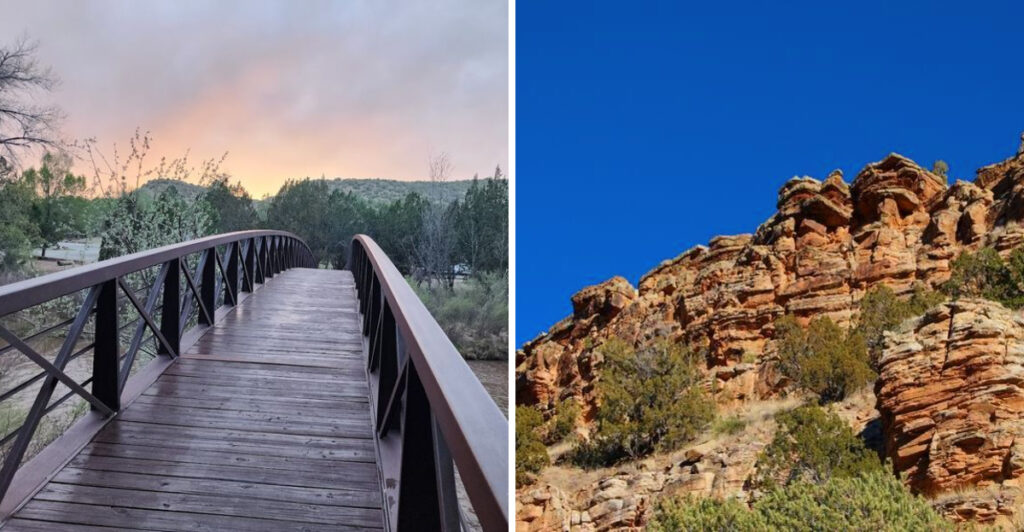
You know those places you almost miss because the road looks pretty ordinary? This state park on the Pecos River is one of them.
It sits in northern New Mexico, right where the canyon suddenly decides to show off.
Most drivers keep going. Big mistake.
The river runs clear beside the campsites and loud enough to follow you around. Sandstone cliffs rise above the water, catching the sun in bands of red and gold.
Cottonwoods shade the banks just enough to make you stay longer than planned.
I found it by accident, which made the whole thing feel even better. One turn, one quick stop, and suddenly I was standing there thinking, wait, how is this not packed?
It is the kind of place that makes you text somebody before you even leave.
Stick around for these facts, because this park might be the road-trip stop you need next.
Sandstone Bluffs Above The River
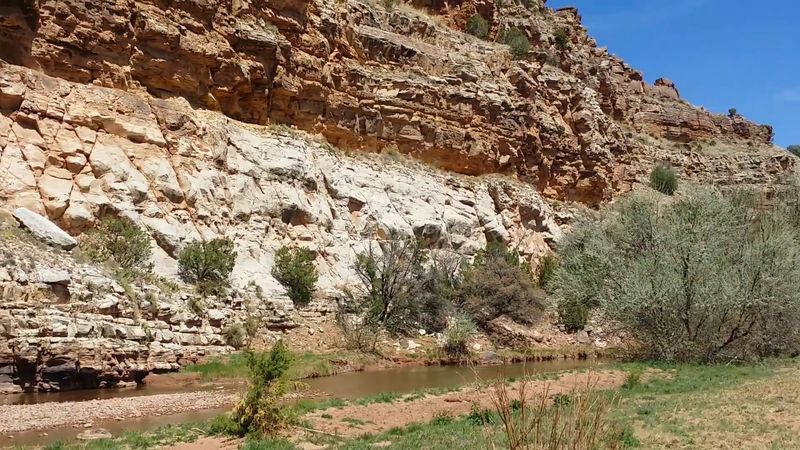
At the base of those walls, you cannot help tilting your head all the way back. It is one of those moments that makes you feel wonderfully small.
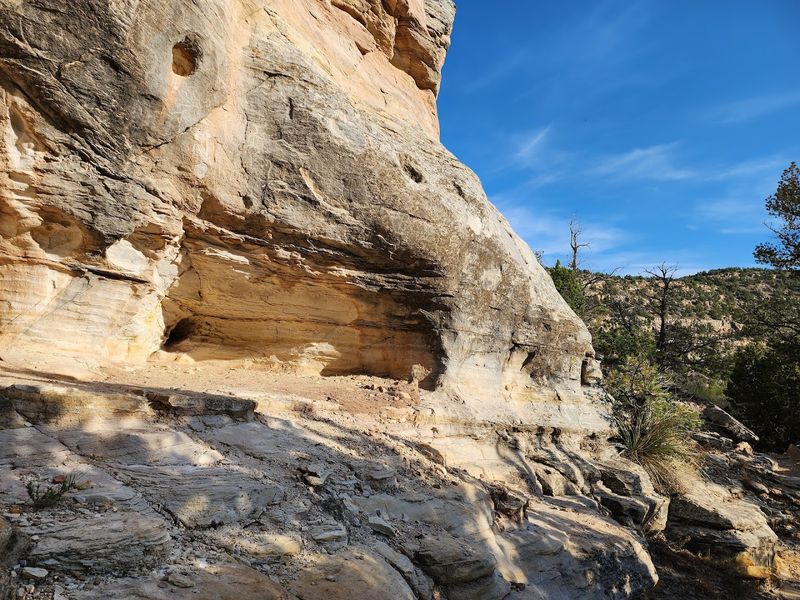
The sandstone bluffs at this park rise between 300 and 500 feet above the canyon floor, their layered faces colored in shades of deep red, burnt orange, and pale yellow that shift beautifully depending on the time of day.
These cliffs are made from Permian-age deposits, meaning the rock you are looking at formed somewhere between 268 and 245 million years ago, long before the Pecos River carved its way through this landscape.
Geologists recognize rock formations here from the Recent, Late Pleistocene, and Permian ages, making the canyon walls a kind of open textbook written in stone.
Morning light hits the east-facing bluffs first, painting them in warm gold tones that photographers absolutely love, while late afternoon turns the western faces into something closer to copper.
I spent an embarrassing amount of time just sitting on a riverside rock staring upward, watching shadows crawl slowly across the cliff faces as the sun moved overhead.
Every angle of Villanueva State Park at 135 Dodge Road, Villanueva, NM 87583 puts those incredible bluffs front and center.
Cottonwood Shade And Canyon Air
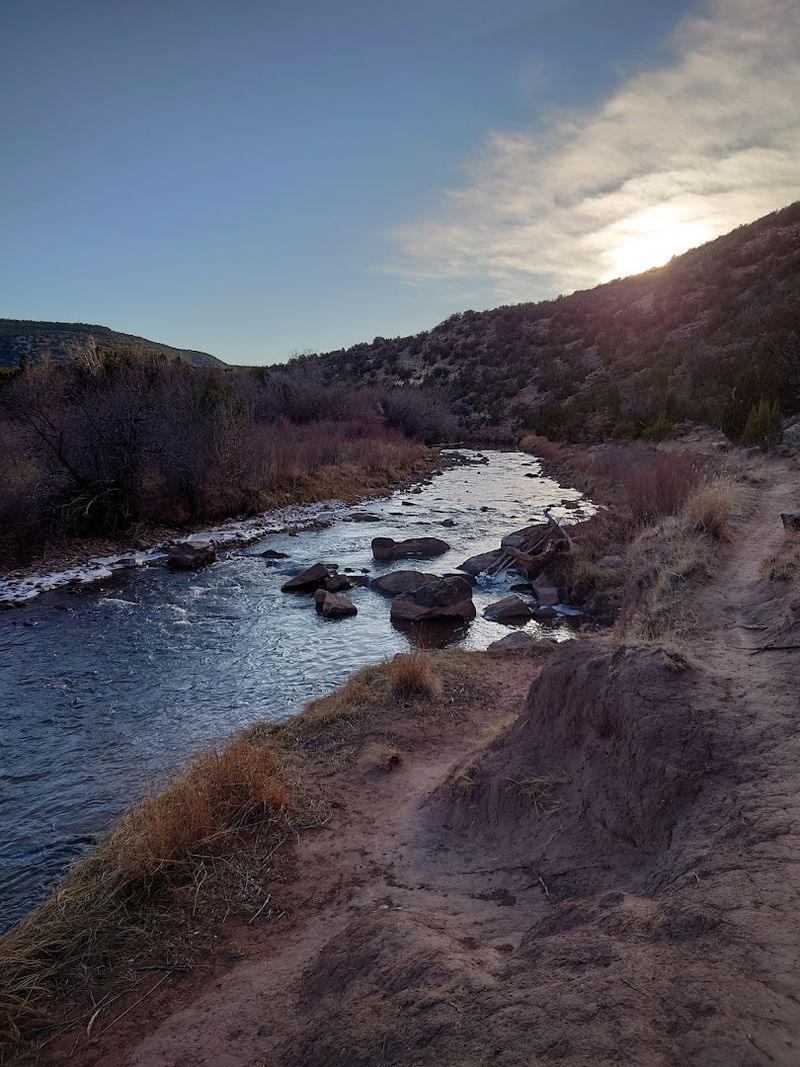
Cottonwood trees have a way of stealing the scene in a desert canyon. Their leaves catch every breath of wind and make the whole place feel alive.
Villanueva State Park sits inside a riparian zone, which means the canyon bottom supports a lush band of large cottonwoods, willows, and other water-loving plants that stand in sharp contrast to the dry mesa landscape above.
On a summer afternoon, the shade beneath those cottonwood canopies drops the temperature noticeably, creating a cool pocket of relief that makes riverside camping here genuinely comfortable even in warm months.
The canyon walls funnel breezes down toward the river, so the air always seems to be moving gently, carrying the faint mineral scent of sandstone and the fresh smell of flowing water.
Birders find this riparian corridor especially rewarding because the combination of trees, water, and sheltered canyon creates ideal habitat for a wide variety of species throughout the year.
I sat under one of those massive cottonwoods with a cup of coffee one morning and counted five different bird calls before I even finished my first sip.
The canyon air alone is worth the drive out here.
Quiet Trails Along The Cliffs
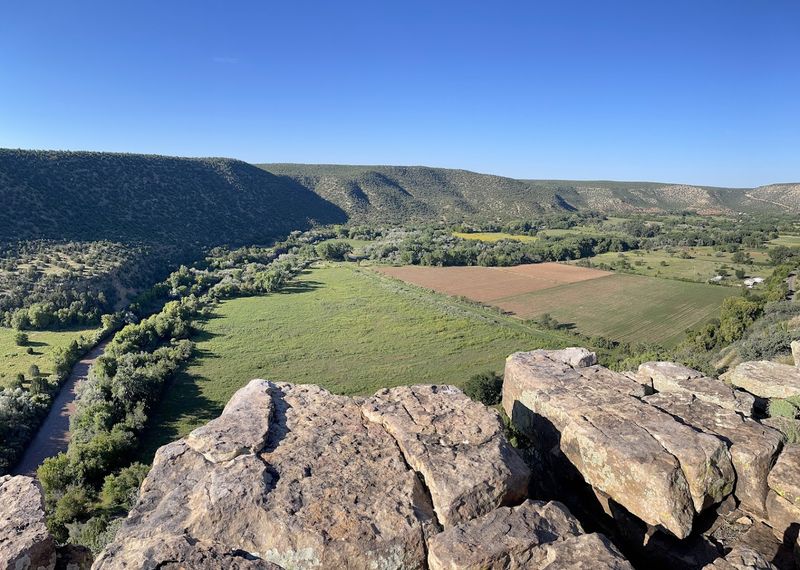
The trails here are quiet, and I mean that as a real compliment. Some popular hiking spots feel more like crowded hallways than wilderness paths.
The park features three main hiking trails: the Viewpoint Loop Trail, El Cerro Trail, and River Trail, with steeper sections requiring solid footing and a willingness to navigate uneven terrain.
The park’s trail system covers about 2.9 miles overall, and the routes still deliver sweeping panoramas of the Pecos Valley, with rocky, narrow stretches that make the experience feel genuinely adventurous rather than like a casual stroll.
What makes these trails especially interesting is how quickly they move between riverside shade, exposed canyon slopes, and open views over the surrounding valley.
I wore proper hiking boots and carried plenty of water, both of which I would strongly recommend since the terrain is uneven and the canyon walls offer limited shade once you start climbing.
The reward near the top, a wide-open view over red canyon walls and the silver thread of the river far below, is the kind of payoff that makes your legs forgive you immediately.
Golden Views Over The Pecos
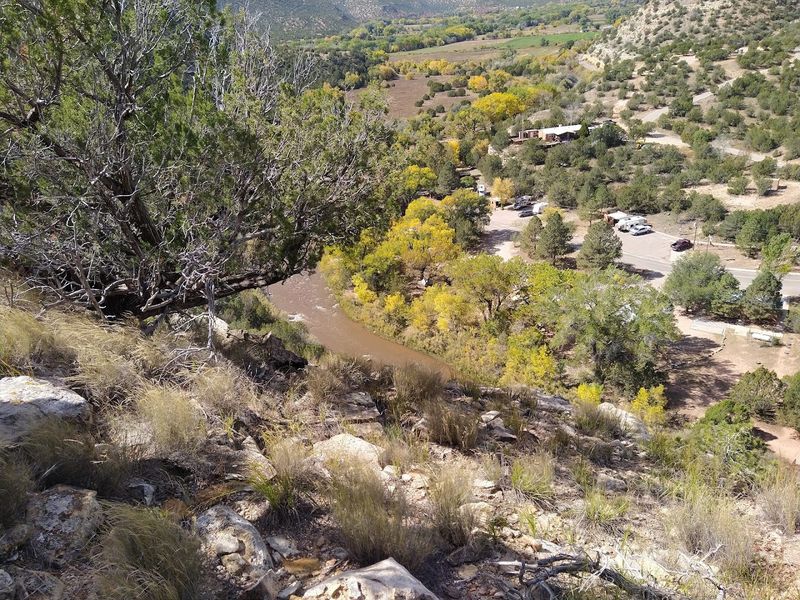
From the top of the ridge, the Pecos River looks like a ribbon of hammered silver. It sits carefully between walls of red and gold stone.
The overlook is one of the park’s best rewards, and after reaching it myself I completely understand why people feel so strongly about making the climb.
The Pecos Valley stretches out in a long, winding corridor below, framed by the Glorieta Mesa cliffs on both sides, and on clear days the visibility extends far enough that you start to understand just how remote and tucked away this canyon truly is.
Sunset from the viewpoint is particularly special, when the warm light turns the sandstone from red to deep amber and the river below catches the last color of the sky.
I made the hike up in the late afternoon specifically to catch that golden hour, and the two-hour round trip, including plenty of photo stops, was one of the most satisfying things I did during my entire visit.
Bringing a camera with a decent zoom lens is a smart move because the scale of the valley below rewards a closer look at the layered geology and the river bends.
A Hidden Canyon Picnic Spot
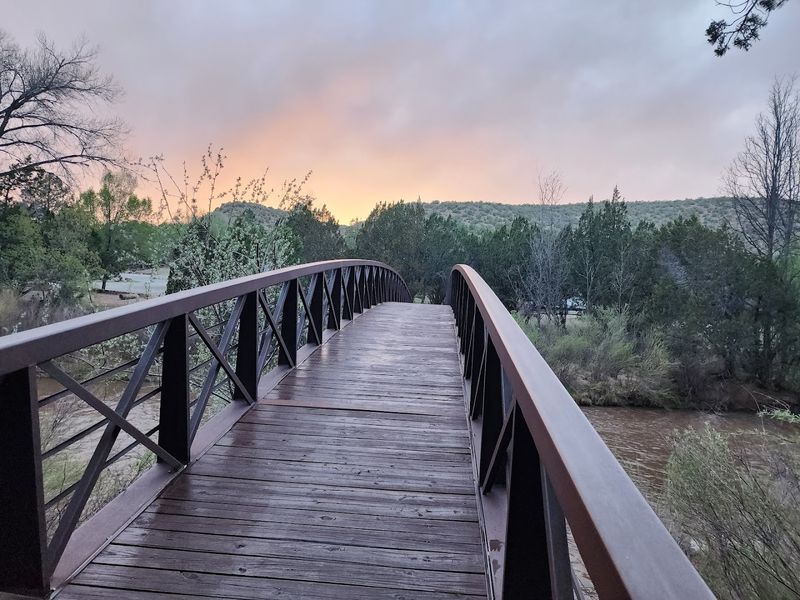
A picnic spot that genuinely earns the word hidden usually takes a little effort. This canyon delivers that feeling like a personal reward for showing up.
The campground layout at Villanueva State Park places many sites directly along the Pecos River, with cottonwood canopy overhead and canyon walls rising on the opposite bank, creating a naturally enclosed and sheltered atmosphere that day visitors can also enjoy at designated picnic areas.
The park includes a group shelter, making it a practical choice for families or small groups who want to share a meal surrounded by red rock scenery without competing for shade.
What I love about eating outdoors here is that the canyon essentially provides its own ambiance, with the sound of the river, the rustle of cottonwood leaves, and the occasional call of a bird doing all the work that a restaurant would charge extra for.
Gate hours vary by season, with shorter hours in cooler months and later evening access during the warmer part of the year, so it is worth checking current hours before you go.
Pack your own supplies since the nearest convenience store in the village of Villanueva carries only the basics.
Wildflowers Between Red Rock Walls
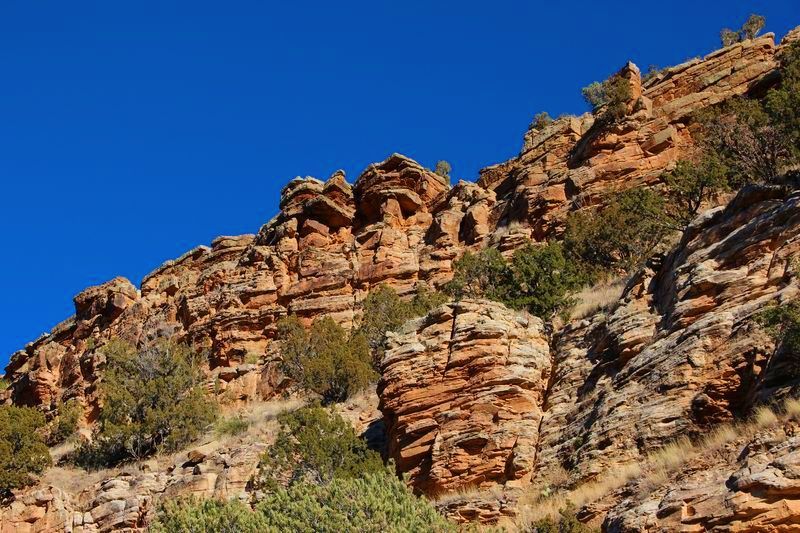
Red rock and wildflowers make one of those color combinations that looks almost artificially vivid, the kind of contrast that stops you mid-step on a trail and makes you reach for your phone camera.
The riparian zone along the Pecos River supports a surprisingly varied plant community, and in spring the canyon floor and lower cliff ledges come alive with seasonal blooms that add soft purples, yellows, and whites against the hard geometry of the sandstone walls.
Spring and fall are generally considered the best seasons to visit for comfortable temperatures and active plant life, and the park takes on a noticeably different character depending on which season you choose.
The canyon walls themselves host small plants and grasses growing from cracks in the rock, evidence of just how persistent life is in this semi-arid landscape where water finds its way into every available crevice.
I visited in late spring and the lower trail sections near the river had a freshness to them that felt almost surprising given the desert surroundings just a few hundred feet above on the mesa.
The contrast between the dry upland terrain and the lush, flower-dotted canyon bottom is one of the details that makes Villanueva feel like two completely different parks layered on top of each other.
Riverside Calm Beneath High Bluffs
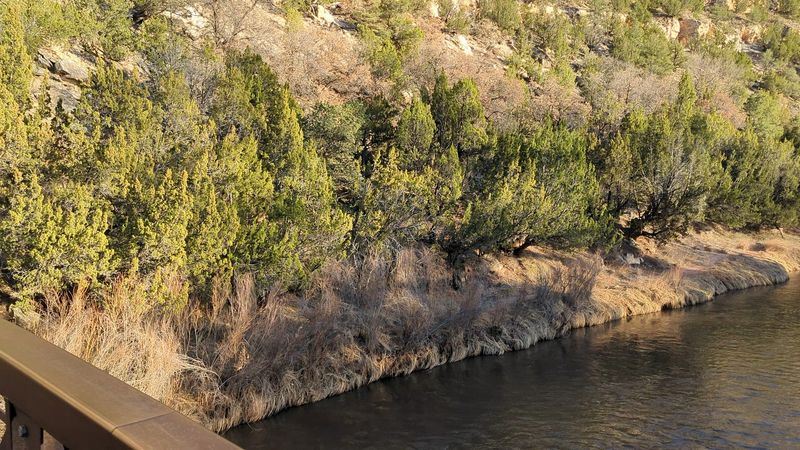
A river canyon has its own kind of calm. The water fills the silence while the high walls keep the rest of the world at a distance.
The Pecos River is the heartbeat of this park, and the activities centered on it change with the seasons in ways that give the place a completely different personality depending on when you visit.
In cooler months, this stretch of the river is associated with trout fishing, while warmer weather brings better conditions for warm-water fishing and relaxed days near the water when conditions are safe.
Many campsites sit close enough to the river that you can fall asleep to the sound of moving water, which is one of the best parts of staying here overnight.
The bluffs on the far bank reflect in the slower sections of the river on still mornings, creating a doubled image of red rock and sky that feels almost meditative to watch.
I spent a full afternoon simply sitting at the water’s edge with a fishing line in the current, and even when nothing was biting, the setting made the whole exercise feel completely worthwhile.
Small-Park Beauty With Big Views
At approximately 1,600 acres, Villanueva State Park is not trying to compete with the massive wilderness areas of the American West. That restraint is a big part of its appeal.
The park was established in 1967 after land was donated by the San Miguel del Vado Land Grant Board of Trustees, giving it a community-rooted origin story that feels different from parks carved out of federal wilderness.
With 36 campsites, including 12 with electric hookups, plus showers, restrooms, a dump station, and a group shelter, the amenities punch well above the park’s modest size and price point.
The El Cerro campground on the hill above the main loop offers dry sites with open skies and a quieter atmosphere for those who want to truly disconnect from everything except the view.
Visitors often praise the park for its dramatic scenery, peaceful atmosphere, and genuine value, which makes sense once you see how much beauty is packed into such a compact canyon setting.
You can reach it by calling +1 575-421-2957 or visiting the official site, and seasonal gate hours are worth checking before the drive. Either way, this small park is ready to show what can happen when a canyon, a river, and 268-million-year-old cliffs all work in its favor.