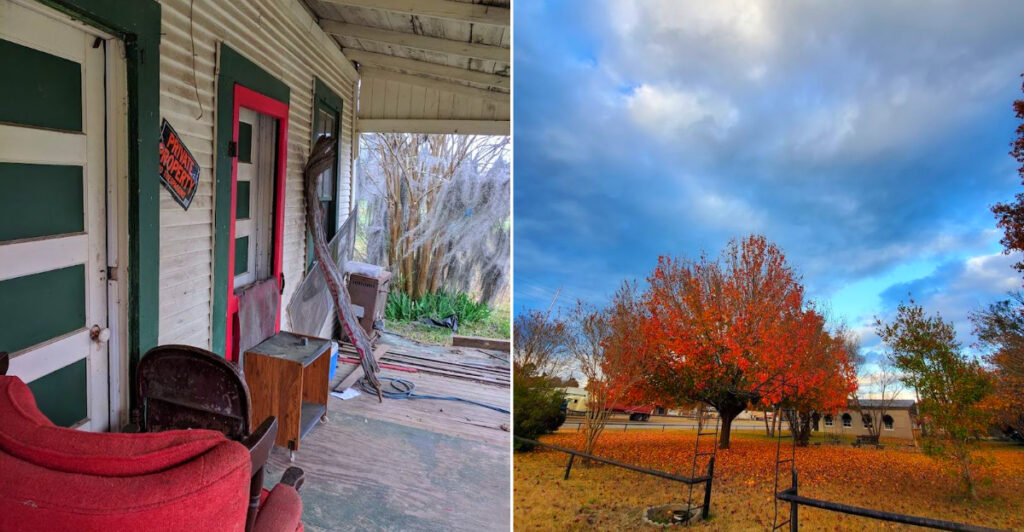
Somewhere between the pine forests and open sky of central Louisiana sits a town where the pace drops to a gentle crawl. A movie theater that has been running since the thirties still sells tickets. A weekend flea market draws the whole community out under the morning sun.
The local diner serves burgers that have regulars driving miles out of their way, while the coffee shop next door pours cups strong enough to justify the drive on its own. Quilting circles meet in the community center on weekdays.
Live music often fills the same space on weekends. There are no luxury boutiques or crowded attractions here, just genuine people who love where they live.
Small-town charm is not a marketing slogan in these parts. It is simply how life works when neighbors still look out for one another. Finding a place this authentic and unhurried is what makes road trips through Louisiana worth taking.
Historic District Stroll
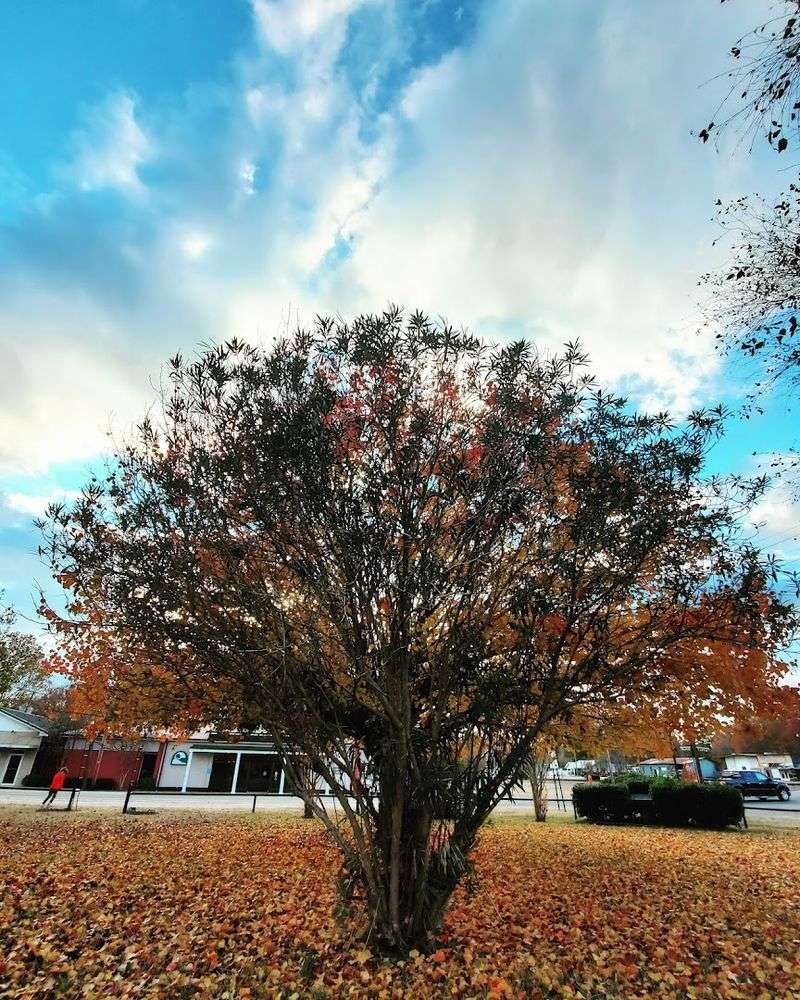
The Historic District is the town’s heartbeat, a compact block where brick storefronts and the Olla State Bank anchor a landscape of quietly cared-for buildings. Walking here feels like paging through a local photo album, with a historic marker guiding you to the stories that built the place.
The Centennial Cultural Center Museum sits nearby and offers artifacts that link the town to its spa-era name, Castor Sulfur Springs, and to the community events that still define its rhythm. During festivals the square becomes a place of shared memory rather than spectacle.
Bring comfortable shoes and curiosity, because small plaques and friendly residents do the storytelling better than any guidebook can manage in a single visit.
Stay On US-165 Until The Pine Trees Make Room For Olla
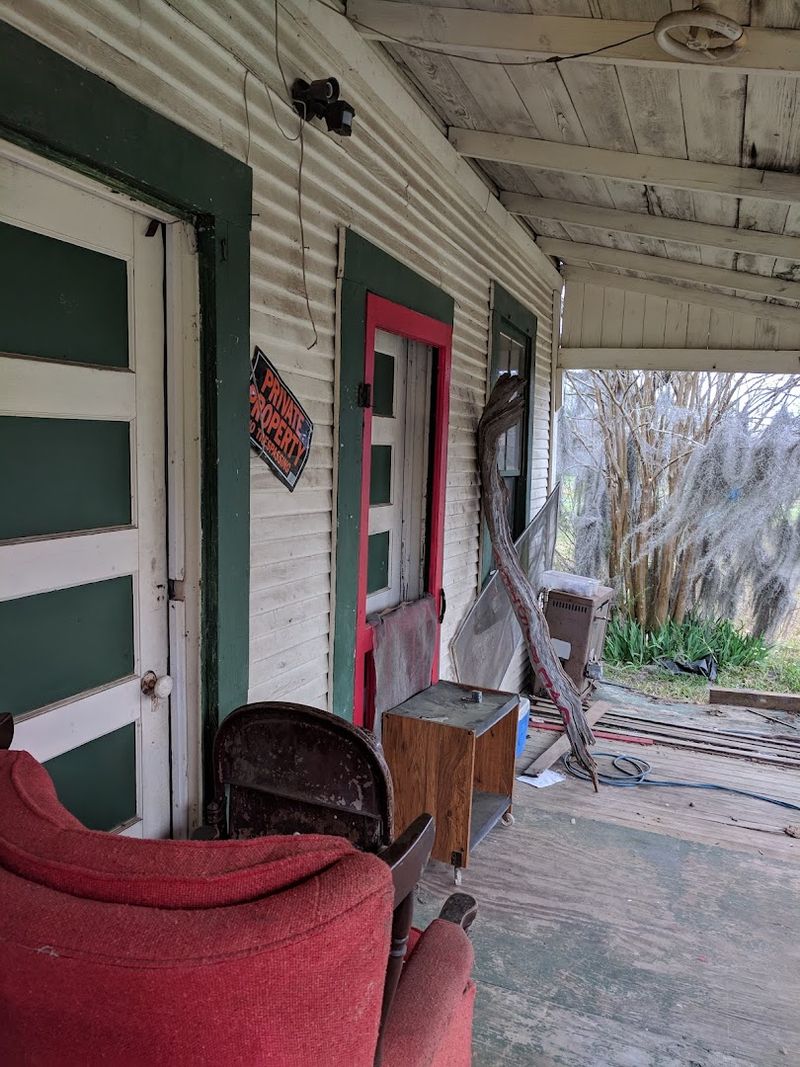
Olla, Louisiana 71465, is most easily reached by following US-165 through the wooded hills of central Louisiana. The town lies along the main north–south route between Alexandria and Monroe, so the drive requires few complicated turns.
From Alexandria, take US-165 north through Pineville, Georgetown, and Tullos. Travelers coming from Monroe can follow the same highway south through Columbia before reaching the Olla area.
Approaching from the east or west, use US-84 to reach Tullos, then turn north onto US-165. Continue through Urania and watch for the Olla signs as the highway carries you into town.
Centennial Cultural Center
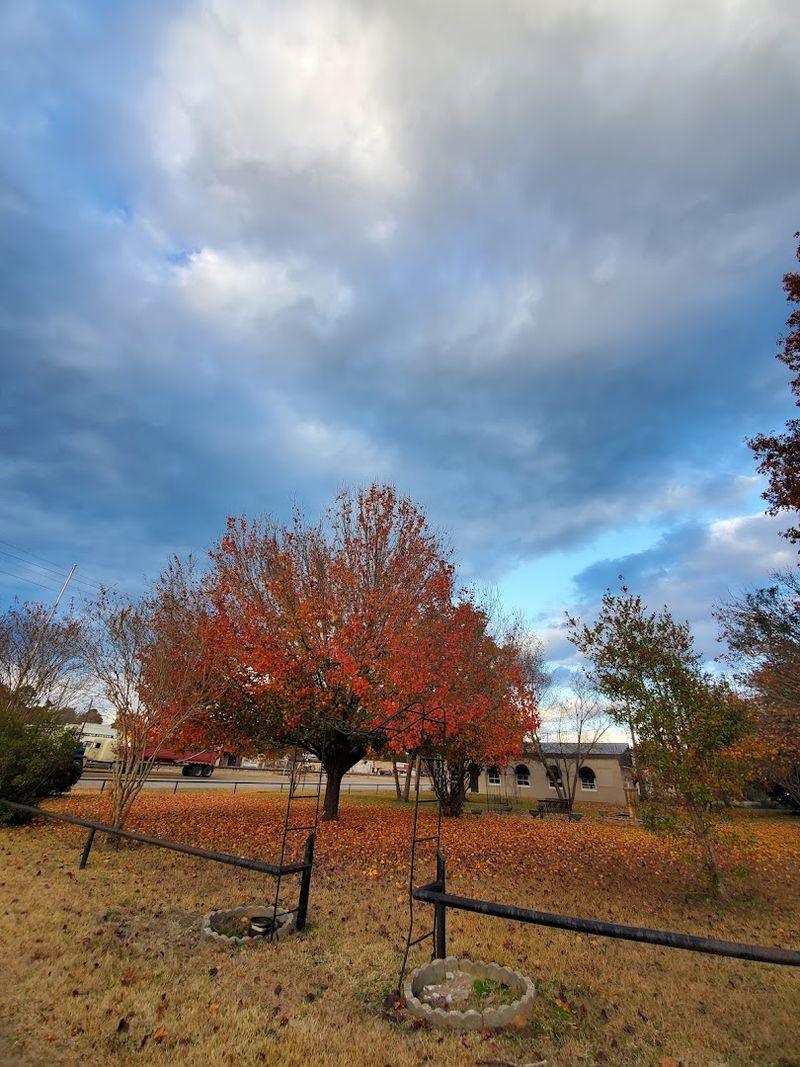
The Centennial Cultural Center Museum collects and preserves the artifacts that tell Olla’s story from steamboat port to small-town hub. Exhibits include items tied to Castor Sulfur Springs’ spa reputation and relics from the Olla Bottling Works that produced regional sodas decades ago.
It’s a tidy, approachable museum where volunteers and staff provide context without fuss; I found that a brief conversation in the gallery added texture to otherwise quiet displays. The center helps explain why the Olla State Bank building is so central to local memory.
Admission tends to be modest or donation-based, and a short visit pairs well with a stroll through the historic district. Allow thirty to sixty minutes to read labels and chat with a docent if one is available.
Olla Fair And Traditions

The Olla Fair, held each autumn at the Historic Olla Fair Grounds, is a long-running agricultural tradition dating back to 1912 and remains one of the oldest continuous fairs in the country. Fair week is a time when families converge on the grounds for exhibits, shows, and a sense of continuity.
The fairgrounds host events like the Tri-City Popper fireworks and local gatherings that highlight agricultural life, crafts, and community pride rather than commercial spectacle. It feels earned and community-driven, with volunteers and local groups running much of the program.
If you visit during fair week, expect wholesome pageantry and practical exhibits; otherwise the grounds are still interesting for a quiet walk through historic signage and parklike spaces on non-event days.
Pine Hills And Nature
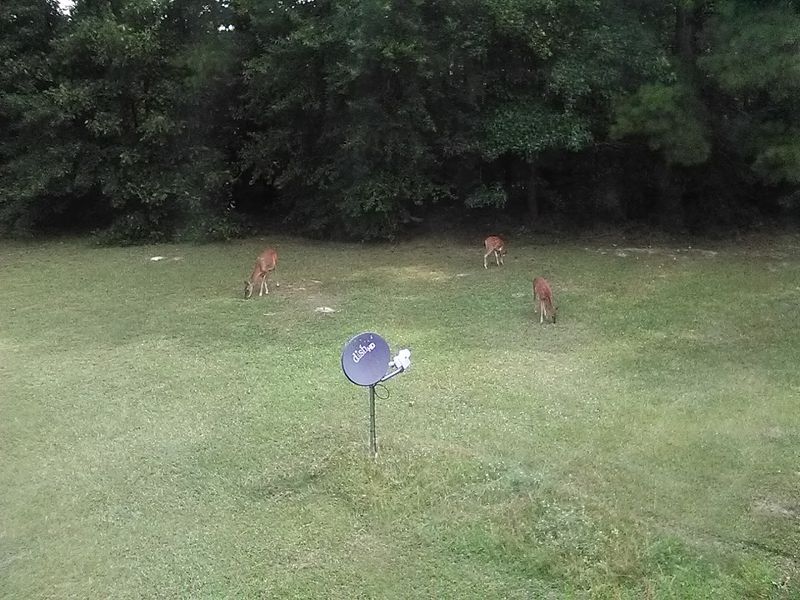
Olla sits in the Louisiana Central Hill Country, a region of rolling pine-covered hills that differs from the state’s flat deltaic image. Those pine forests provide a quietly scenic setting that attracts hunters, hikers, and anyone who prefers a slower, contemplative landscape.
I enjoyed a short walk where the scent of pine and the pattern of light under tall trunks create a steady, calming rhythm. The terrain invites low-effort exploration rather than strenuous hiking; trails and parks are designed for local recreation rather than long-distance backpacking.
Bring insect repellent and comfortable shoes, and if you’re here during hunting season check local regulations and be mindful of posted areas. These woods reward patience with simple, restorative views and pleasant shade.
Recreation Center And Parks
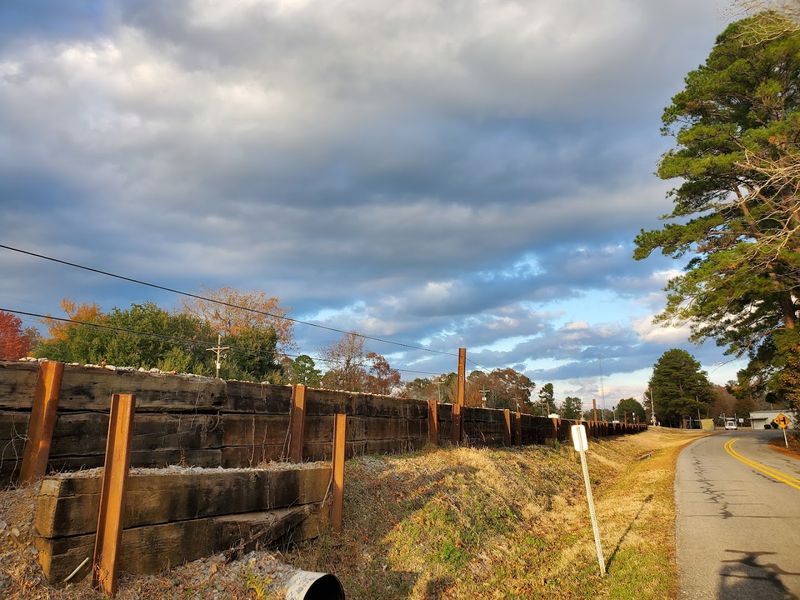
Olla’s recreation amenities are surprisingly complete for a town its size: two parks with a paved walking trail, baseball fields, a public pool, and a bowling alley supported by the YMCA and local volunteers. These facilities reflect a practical, family-oriented approach to community life.
Watching kids practice on the diamond or families using the pool conveys the everyday rhythms that make Olla livable for multiple generations. The Recreation Center also hosts community programs and occasional events that tie into school schedules and local sports.
If you’re visiting, check the town’s calendar for pool hours, league schedules, and any guest policies. Using park trails for a morning walk is an easy way to align with local life and feel part of the town’s steady pace.
Local Shops And Thrift
The Olla Thrift Shop offers a practical slice of daily life and a place to find secondhand treasures while supporting local needs. Shops here focus on utility and community with straightforward displays, modest prices, and volunteers who know customers by name.
Exploring thrift shelves or small storefronts is more about discovery than curated commerce; you’ll see items that reflect local tastes and the town’s conservative, family-centered demographic. Conversations at the counter often include recommendations for upcoming events or practical tips about the area.
Allow time for casual browsing and ask about store hours, which can be more limited than in larger towns. A small purchase often feels like a meaningful way to contribute to the local economy.
Community Festivals Calendar
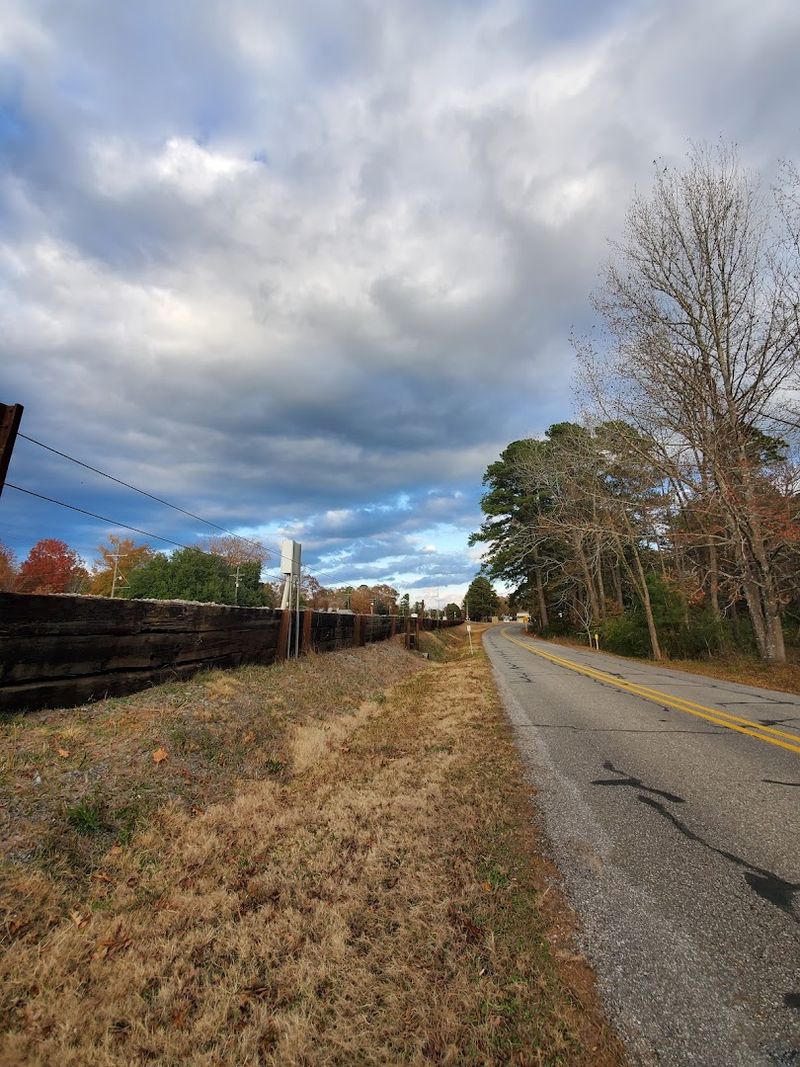
The town’s calendar revolves around community festivals, the Homecoming Parade and Celebration in autumn, a Christmas parade and pageant, and the Central Louisiana Bluegrass Festival each April. These gatherings feel civic and heartfelt, driven by school groups, civic clubs, and volunteer committees.
Attending a parade or festival provides insight into local priorities: family, tradition, and sustained volunteerism rather than spectacle. The events preserve rituals like the parade route and stage performances that connect generations and sustain the town’s social fabric.
Check municipal schedules and arrive early for the best vantage points. If you’re comfortable, join a line of locals cheering from folding chairs to experience the town’s communal rhythms firsthand.
Olla State Bank Legacy
The Olla State Bank, established in 1906, stands as the oldest permanent brick structure in LaSalle Parish and a tangible link to the town’s commercial origins. It survived financial storms and remains a visual anchor in the historic district, telling a story of resilience and continuity.
The building’s brickwork and placement on the main street evoke an era when small-town banks were community pillars. Observing its facade prompts questions about the local economy’s evolution from steamboat trade and bottling works to present-day small business life.
Photography is welcome from the sidewalk; respect any private signs and avoid blocking entrances. The bank’s presence makes a good starting point for a self-guided historical walk through downtown Olla’s streetscape.
Castor Sulfur Springs History
The area’s early identity as Castor Sulfur Springs made Olla a noted health destination before the Civil War, known for sulfur muds and spring waters believed to relieve ailments. This spa-era past is woven into local memory and appears in museum exhibits and historical markers around town.
Reading those markers reveals how transportation via Bayou Castor and steamboats shaped settlement patterns, and how a later bottling industry leveraged local springs. Those layers create a narrative of place that is both industrial and folkloric.
Seek out interpretive signs and museum displays to connect dots between spa lore and later local industries. Local staff and volunteers often provide the best context for these intriguing historical shifts in function and identity.
Practical Visitor Tips
Visiting Olla is about pacing and preparation, plan around local event dates, check facility hours, and be mindful that services may be limited compared with larger towns. The town’s population is small and growing modestly, so businesses can have irregular hours tied to community needs.
Bring cash or confirm card acceptance at smaller vendors, wear comfortable shoes for walking the historic district, and schedule time to speak with locals who often provide the best tips. Mornings are great for quiet walks and park trails, while festival weekends reveal the town’s more extroverted side.
Respect local customs, observe posted signs on private property, and arrive with curiosity. A flexible, low-key approach yields the most rewarding experiences in Olla’s steady, neighborly atmosphere.
Leave a little room in the schedule for unexpected stops, whether that means a church supper, a conversation near the park, or a detour suggested by someone you meet. In a place this small, spontaneity often becomes the visit’s pleasure.