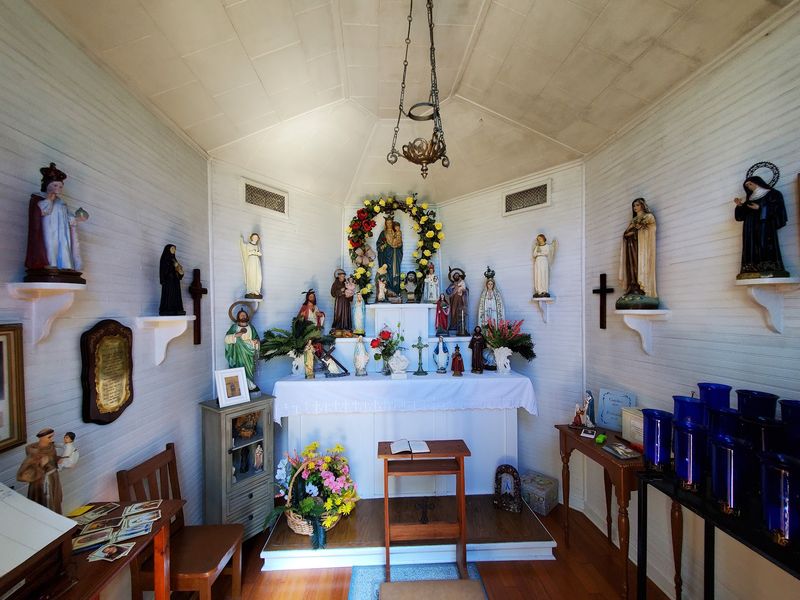
A very small chapel in south Louisiana has become a big stop for people seeking calm and prayer. The Madonna Chapel near White Castle may be tiny, but its story, setting, and meaning leave a lasting impression.
People come here to pause, reflect, and remember loved ones. Once you learn how it began, it is easy to see why this little building matters so much.
A riverside chapel near White Castle
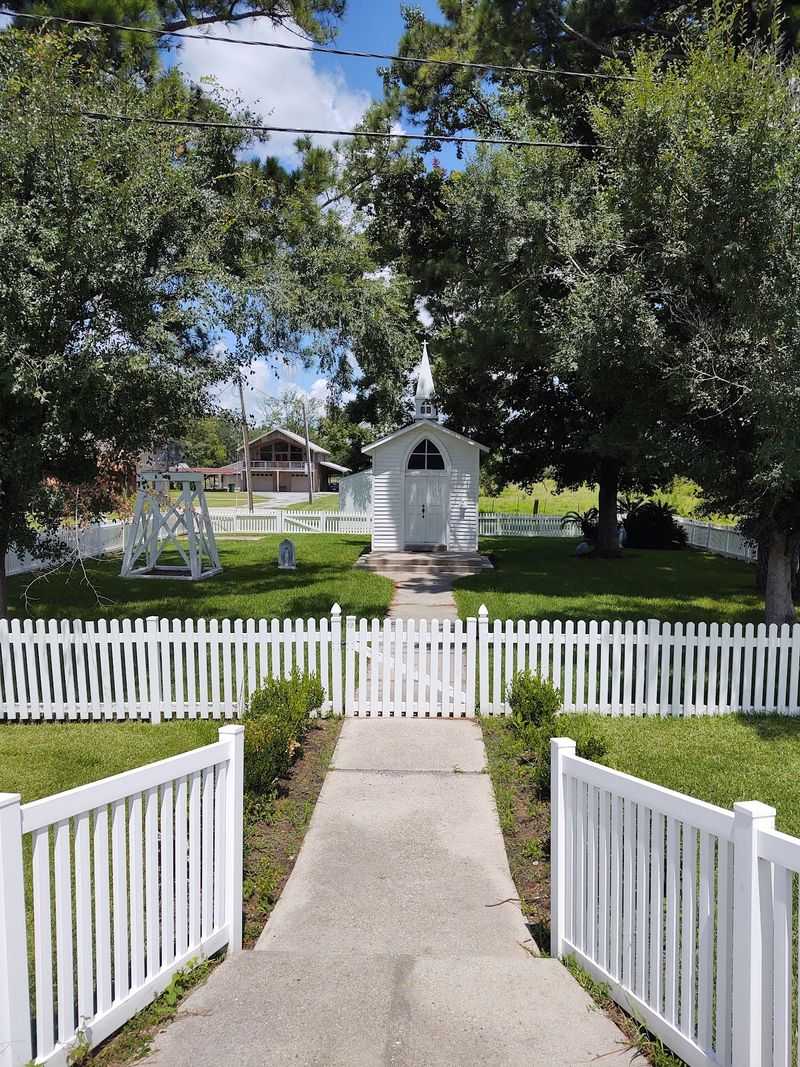
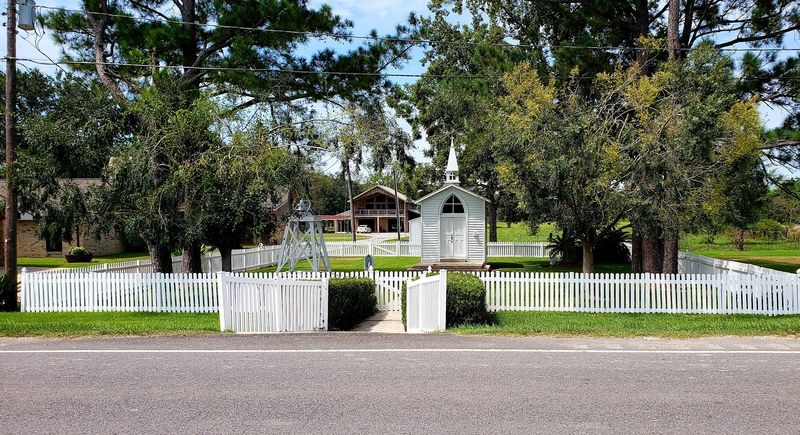
Just outside White Castle, along LA-405 in Iberville Parish, sits one of Louisiana’s most unusual little landmarks. The Madonna Chapel is a tiny Catholic chapel at 28527 LA-405, and many people know it as the World’s Smallest Church.
Even before anyone steps inside, the place stands out because it looks humble, cared for, and deeply personal.
Rather than feeling like a major tourist attraction, it feels like a quiet roadside stop with real spiritual purpose. People come not for noise or spectacle, but for stillness.
That simple role helps explain why the chapel has drawn visitors from nearby towns and from much farther away.
Part of its appeal is how easy it is to understand. It is small, prayerful, and rooted in local faith.
Yet the chapel also carries a wider reach, because its story has traveled well beyond Iberville Parish. Visitors often mention that seeing it in person feels different from reading about it.
The tiny building has a way of making people slow down, look closely, and appreciate how much meaning can fit into one small sacred space.
An answered promise in 1903
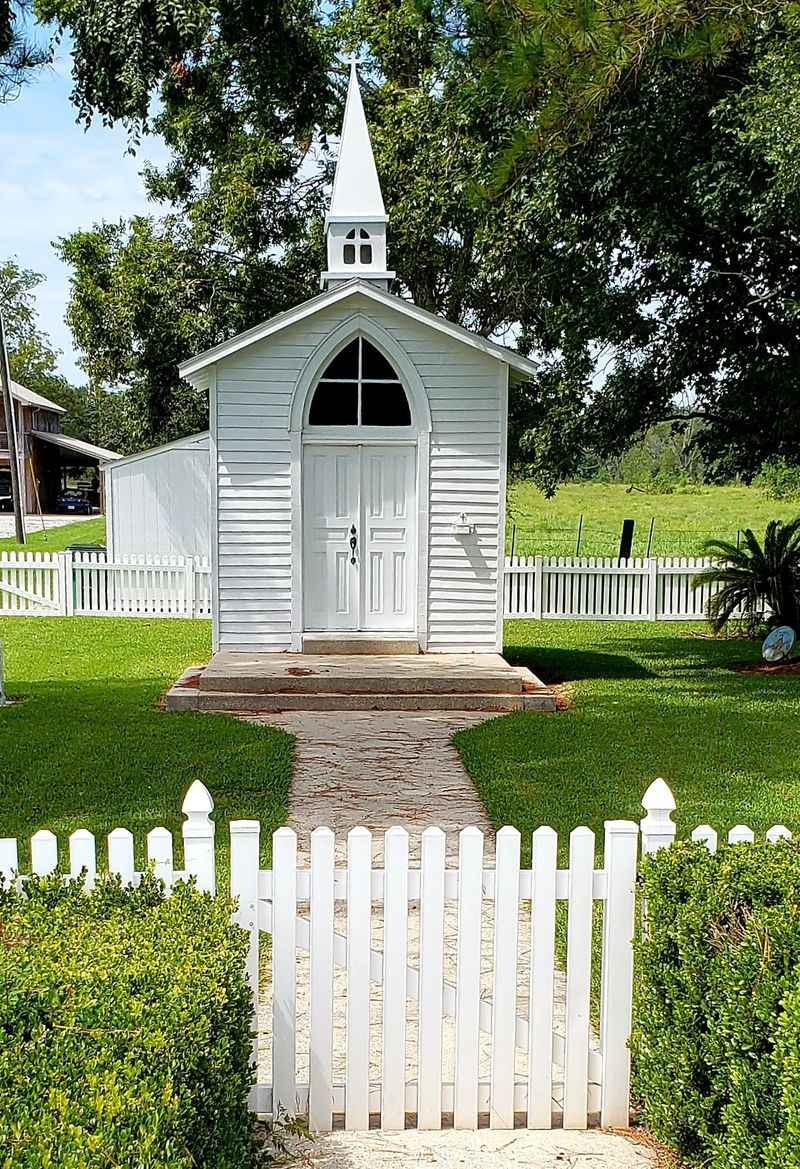
Long before the chapel became a curiosity for road trippers, it began with a family promise. Its story traces back to 1903, when Italian farmer Anthony Gullo built the chapel in thanks to the Blessed Virgin Mary after his son recovered from a serious illness.
That origin gives the place a strong emotional center, because the building was not created for fame or novelty. It was built as an act of gratitude and faith.
Knowing that background changes the way the chapel reads to a visitor. What might first seem like a tiny oddity becomes something much more heartfelt.
The structure stands as a reminder that people often build meaningful places for very personal reasons, and those reasons can continue to speak across generations.
Local sacred sites often hold family history inside their walls, and this one is no different. In a small footprint, the Madonna Chapel carries a story of hope, prayer, and follow-through.
Anthony Gullo made a promise and kept it, and that decision created a place where other people now bring their own hopes. The chapel’s staying power begins with that simple but moving human story.
A rebuilt shrine shaped by the levee
History did not leave the chapel untouched. The original structure measured seven feet by seven feet and had an octagonal shape, making it remarkably small even by chapel standards.
Later, when a new levee was built in 1924, a newer version had to be constructed. The building seen today measures nine feet by nine feet.
That change matters because it shows how the chapel adapted to the landscape around it. In south Louisiana, land, water, roads, and levees often shape daily life.
The Madonna Chapel reflects that regional reality. Even a deeply personal place of prayer had to respond to larger changes in the surrounding environment.
Plenty of historic sites survive by staying exactly the same, but this chapel’s story includes careful continuation instead. Its identity was preserved even as its structure changed.
The move from seven-by-seven to nine-by-nine may sound minor on paper, yet it marks a practical and meaningful chapter in the chapel’s life.
For visitors, that rebuilding adds another layer of interest. The chapel is not only old.
It is also resilient. What remains today honors the original promise while showing how a beloved local place can endure through necessary changes and still keep the heart of its purpose fully intact.
The world’s smallest church identity
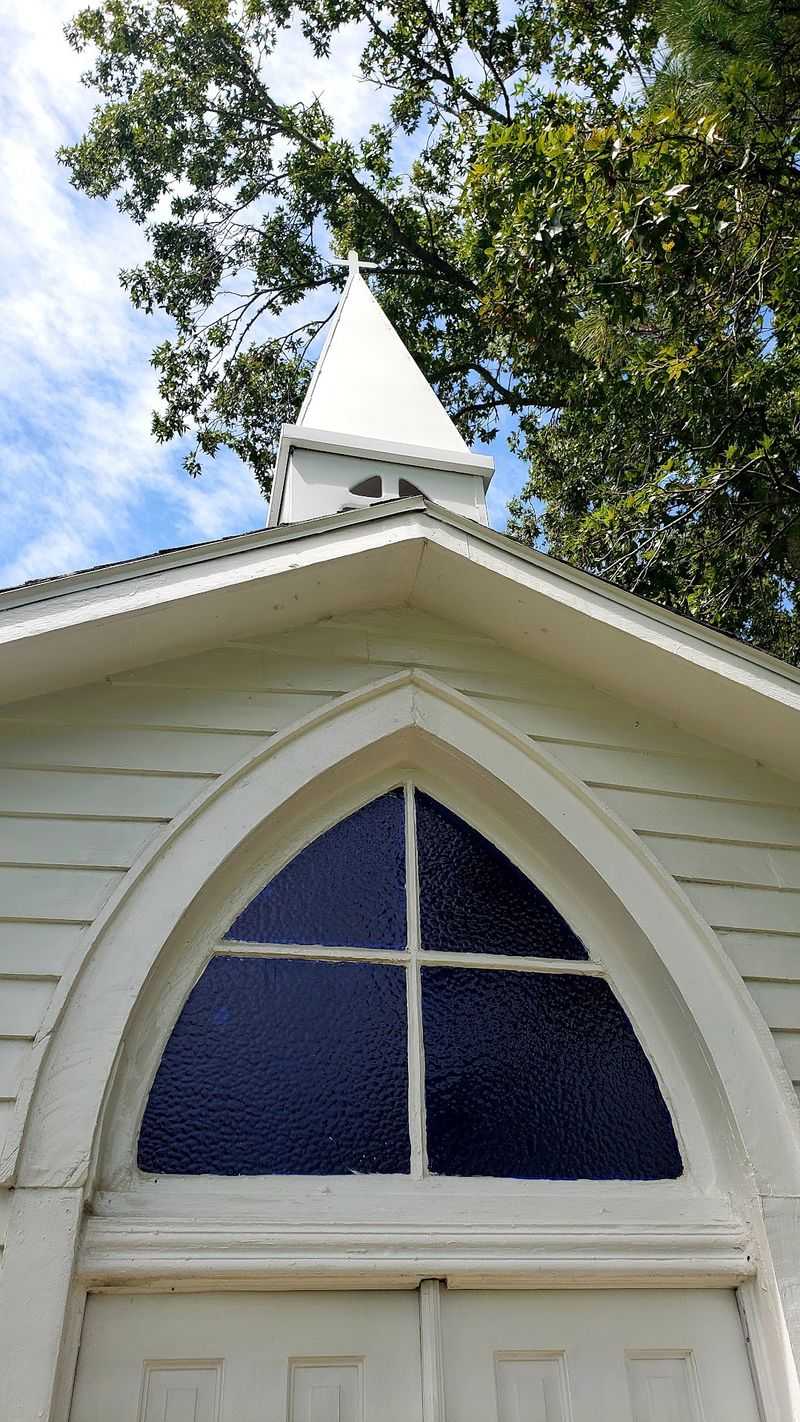
Size is the first thing almost everyone notices. The Madonna Chapel is widely known as the World’s Smallest Church, and that title gives it instant curiosity value.
Yet the most interesting part is not simply that it is tiny. It is that the small scale changes how a person experiences the space.
Inside, there is no room to wander or get distracted. Visitors have to be present almost right away.
According to shared visitor impressions, only a few people can stand inside at once. That closeness can make the chapel feel especially personal, almost like stepping into a private moment of reflection rather than a large public sanctuary.
Small buildings often seem charming, but this one feels more meaningful than cute. Its dimensions encourage simplicity.
There is no extra space for grand decoration or long processions. Instead, attention turns to prayer, silence, and the reason the chapel exists in the first place.
That is why the World’s Smallest Church label works so well. It draws people in with a surprising fact, then leaves them with a quieter lesson.
Bigger is not always deeper. In this case, a chapel barely larger than a small room has become memorable because it invites focus, humility, and a slower way of paying attention.
Prayer intentions and the guest book tradition
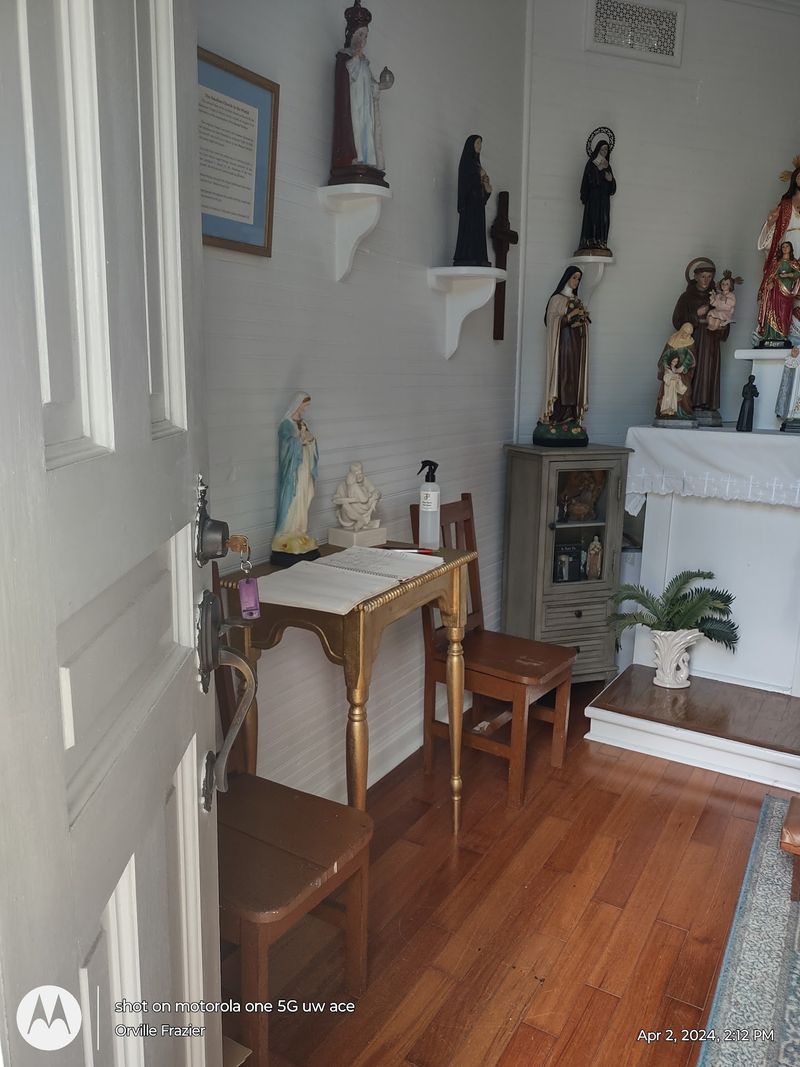
Many sacred places become special because of what people leave behind, and the Madonna Chapel follows that pattern. Visitors come here to offer prayer intentions and sign a guest book, creating a record of care, hope, and remembrance.
That simple act turns a short stop into something more lasting. Names, thoughts, and prayers connect one visitor to another across time.
Older memories of the chapel also suggest how deeply people once used the space for devotional offerings. Shared recollections describe a past interior filled with meaningful keepsakes tied to prayers that mattered greatly to families.
Even as the inside has changed over the years, the larger habit remains the same. People still arrive with concerns on their minds and a wish to place them somewhere peaceful.
Catholics from many places are known to visit, especially to pray for loved ones experiencing illness. That focus gives the chapel a tender purpose.
It is not simply a site to look at and leave behind. For many visitors, it becomes a stop where private burdens can be spoken quietly.
The guest book adds one more gentle layer. It shows that even in a tiny room, a wide circle of visitors has gathered, one handwritten intention at a time.
Well-kept grounds and a quiet bayou mood
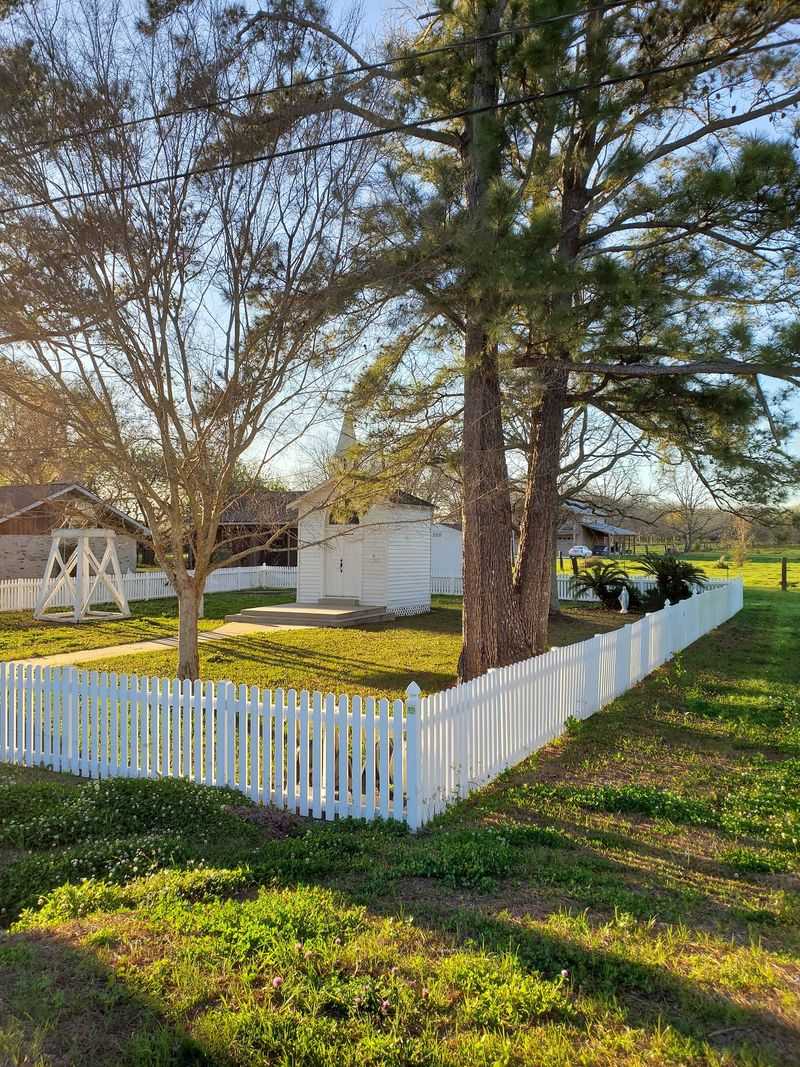
Plenty of the chapel’s charm comes from what surrounds it. Visitors regularly mention that the grounds are beautiful and well kept, and that care shapes the whole experience before anyone even reaches the door.
A tiny chapel could easily feel like a novelty object dropped by the roadside. Instead, the maintained setting gives it dignity and calm.
South Louisiana has a landscape all its own, and the chapel fits naturally within it. The road, open sky, and parish setting all help create a slower mood.
People often stop here during a drive, stretch their legs, and spend a few quiet minutes looking around. That easy rhythm matches the place better than any rushed itinerary could.
Good upkeep also sends a message about community pride. The chapel has not been forgotten or left to fade into the background.
It is cared for, and visitors tend to notice that. Even those who arrive out of curiosity often end up appreciating the attention given to the site and its surroundings.
Nothing flashy is needed here. A small sacred building, tidy grounds, and a peaceful patch of Louisiana do the work.
Together, they create an atmosphere that feels settled, respectful, and ready for anyone who wants a brief pause from the usual pace of the day.
A peaceful stop for believers and the simply curious
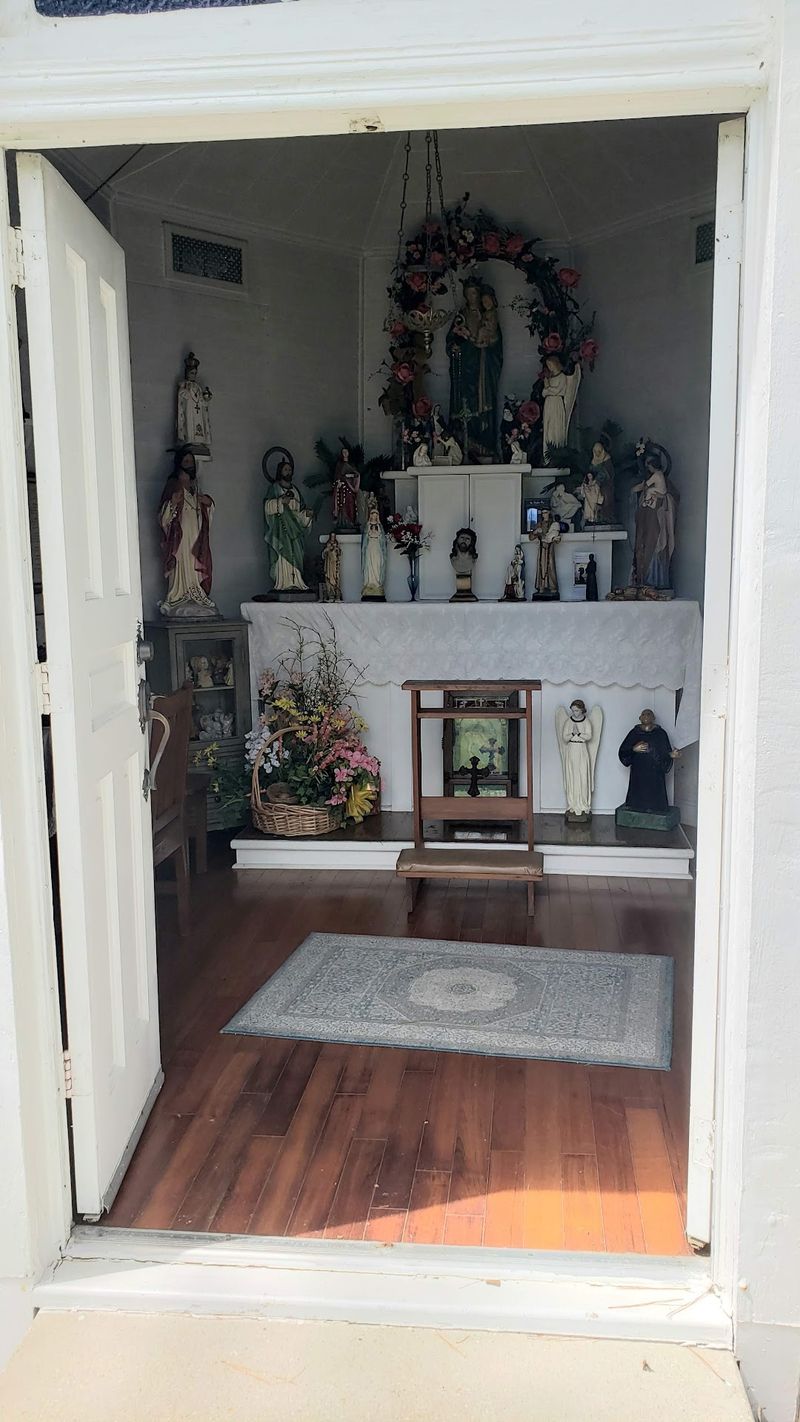
Not every visitor comes for exactly the same reason, and that is part of the chapel’s appeal. Some arrive with a clear intention to pray.
Others are drawn by its unusual size, its history, or the pleasure of finding an offbeat landmark on a quiet drive. The Madonna Chapel seems to welcome both kinds of attention without forcing the experience in one direction.
People who value silence and reflection are likely to connect with it most. The tiny interior encourages brief, focused visits rather than long tours.
Visitors often describe the place as calming and beautiful, which suggests that even a short stop can leave a real impression. Anyone hoping for a loud, highly produced attraction may not find that here, but that is also what makes it special.
For religious travelers, the chapel offers an intimate place to pray for loved ones or simply sit with a concern for a moment. For nonreligious visitors, it can still be meaningful as a piece of local history and community care.
The craftsmanship, upkeep, and story give it value beyond one single audience.
In that way, the chapel works best as a shared quiet space. It is small enough to feel personal, yet open enough to speak to many different kinds of travelers.
Assumption observance and seasonal devotion
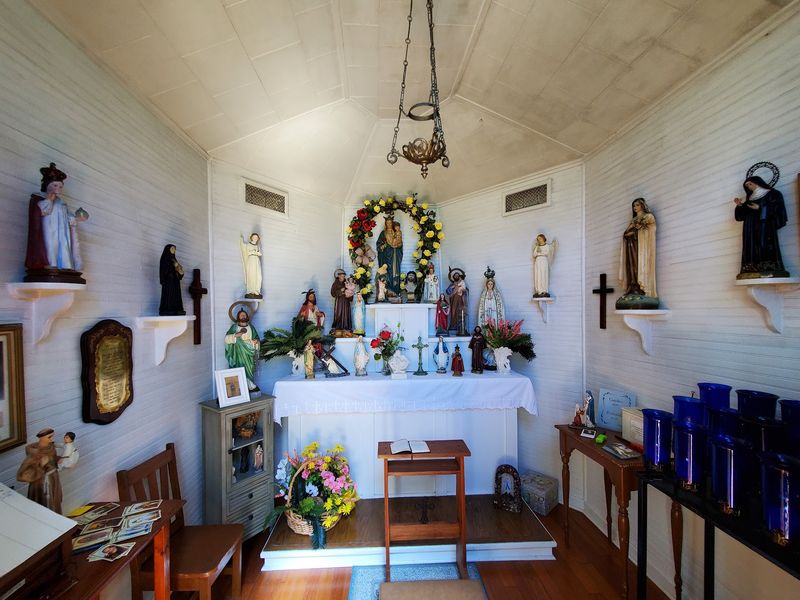
One day each year gives the chapel a larger public role. Although it is usually open for quiet self-guided reflection, Mass is held once a year on August 15 for the Catholic feast of the Assumption.
That annual observance ties the small chapel to the wider Catholic calendar and gives returning visitors a shared moment of worship at a place that is normally very intimate.
Seasonal devotion also appears in other ways. Recollections from visitors mention people stopping in May to pray the rosary there, as well as an annual novena that begins on August 1 and leads toward the Assumption gathering.
Those practices show that the chapel is not only a static historic site. It remains part of living faith traditions.
What makes that especially moving is the contrast in scale. A place known for fitting only a few standing visitors at a time can still anchor community prayer over the course of a season.
The building may be tiny, but its religious life extends far beyond its walls.
For travelers interested in Catholic heritage, that rhythm adds depth to the visit. The chapel is not merely remembered for what happened in 1903.
It continues to host devotion in the present, linking personal prayer, family hopes, and annual observance in one modest Louisiana setting.
Simple visiting details that help you plan
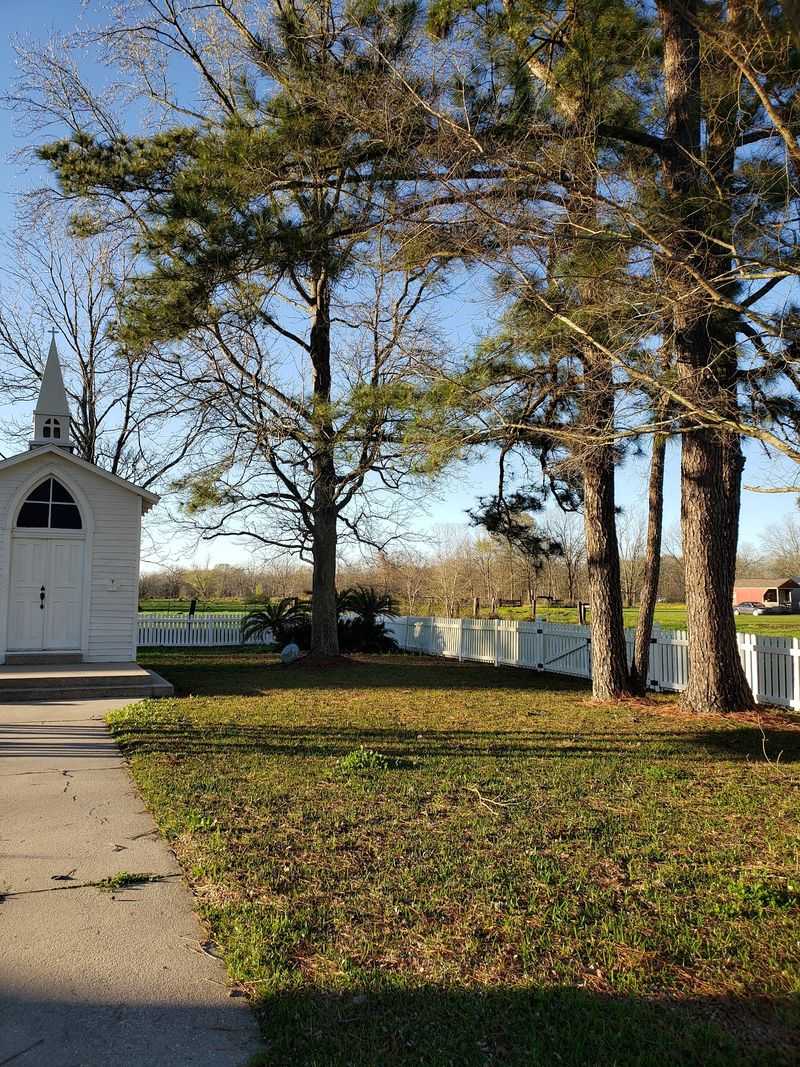
Practical details are refreshingly simple here. The Madonna Chapel is listed at 28527 LA-405, White Castle, LA 70788, making it a straightforward stop for anyone exploring Iberville Parish or driving through this part of south Louisiana.
The chapel is open daily from 12 PM to 5 PM, with the same posted hours from Monday through Sunday.
Because the experience is self guided, visitors can move at their own pace. That works well for a place built around quiet reflection rather than formal touring.
Available information does not list elaborate visitor services, so it makes sense to arrive expecting a brief, respectful visit centered on the chapel itself and the surrounding grounds.
People often treat it as a short roadside stop, and that seems to fit the spirit of the place. You do not need a large block of time to appreciate it.
A calm few minutes may be enough to understand why it lingers in memory. If you go, the setting calls for courtesy and care.
Driving directions are helped by the exact address and map listing, and the chapel’s official website is available through Iberville Parish. For many travelers, the best plan is simple: go during the posted afternoon hours, slow down, and let the visit be unhurried.
A soft final impression
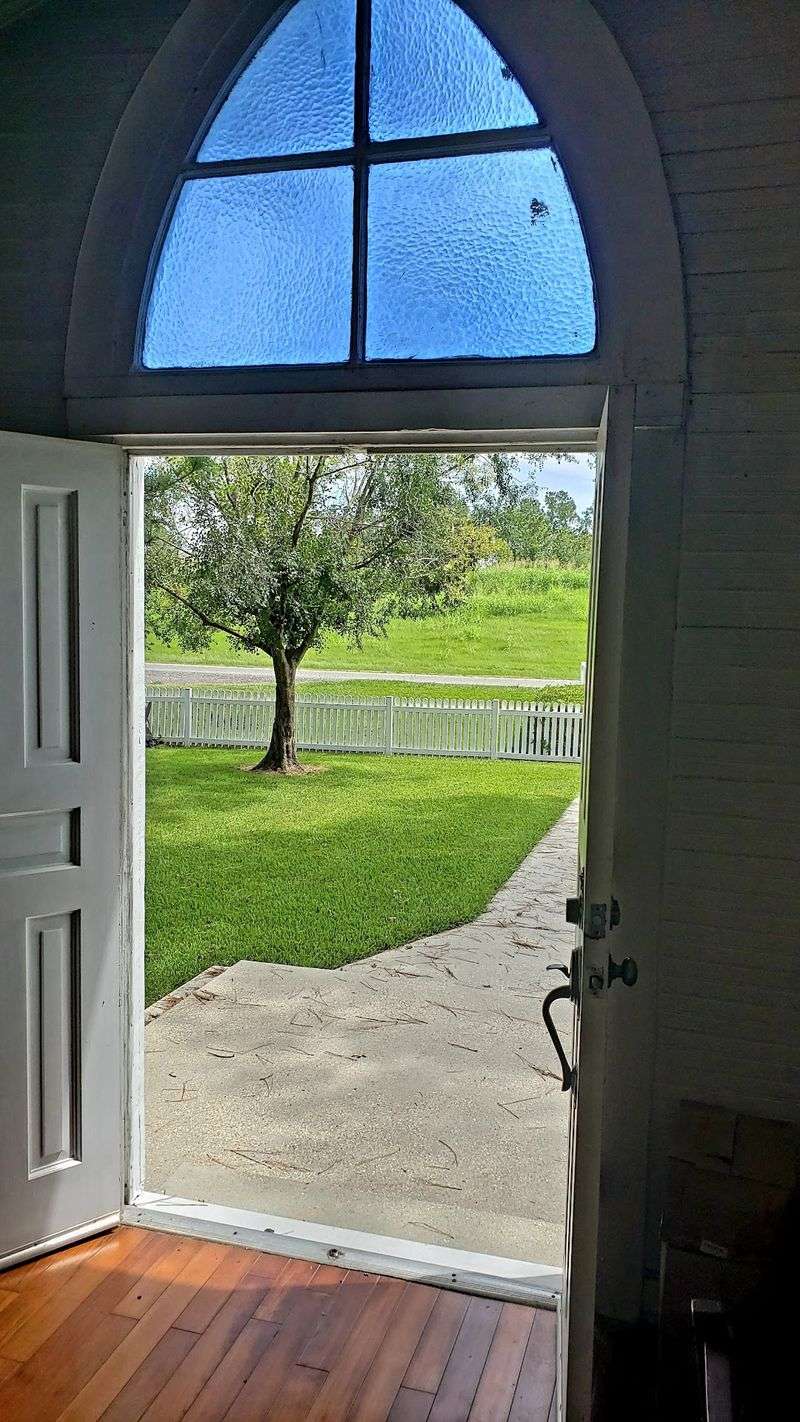
Some places impress people with size, while others work by staying small and sincere. The Madonna Chapel belongs firmly in the second group.
Its story begins with one family’s act of gratitude, but the chapel has grown into something shared by many visitors who come seeking a peaceful place to pray, reflect, or simply breathe a little more slowly.
What stays with most people is not a long list of features. It is the feeling of the place.
The chapel’s tiny scale, devotional purpose, and well-kept setting come together in a way that feels unusually personal. Even those who arrive out of curiosity often leave with a deeper appreciation for the care and meaning held there.
Louisiana has no shortage of memorable churches and historic sites, yet this one stands apart because of how modest it is. Nothing about the visit asks for much except attention and respect.
In return, the chapel offers a rare sense of stillness.
For anyone drawn to roadside history, Catholic heritage, or quiet corners with a human story behind them, the Madonna Chapel is easy to recommend. It will not take long to see, but it may stay on your mind far longer than larger attractions.
Sometimes the gentlest places leave the strongest impression.