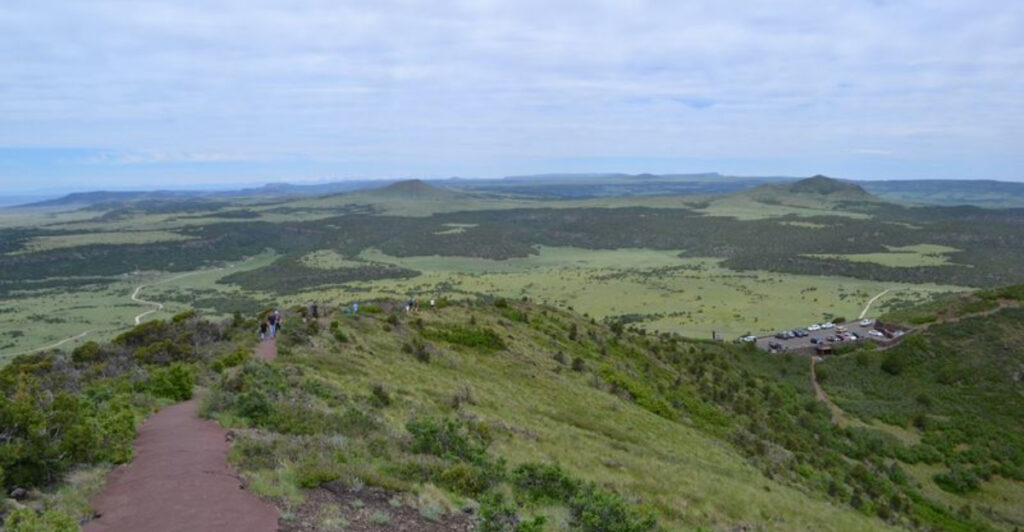
A volcano you can actually stand on sounds like something from a road-trip story. But in northeastern New Mexico, it really does happen.
This hidden volcano makes a long drive feel worth it, with a rim you can walk and views that stretch into four states. You can drive almost to the top, step out, and walk the crater rim while the land drops away on every side.
The crazy part? Plenty of road-trippers pass right by, probably thinking it is just another stop on the map.
It is not. This place feels bigger in person, quieter than you expect, and strange in the best way.
The views are wide, the crater is right under your feet, and the whole visit feels almost too easy for what you get. Here are the facts that might make you change your route before your next long drive.
A Windy Rim Above Endless Plains
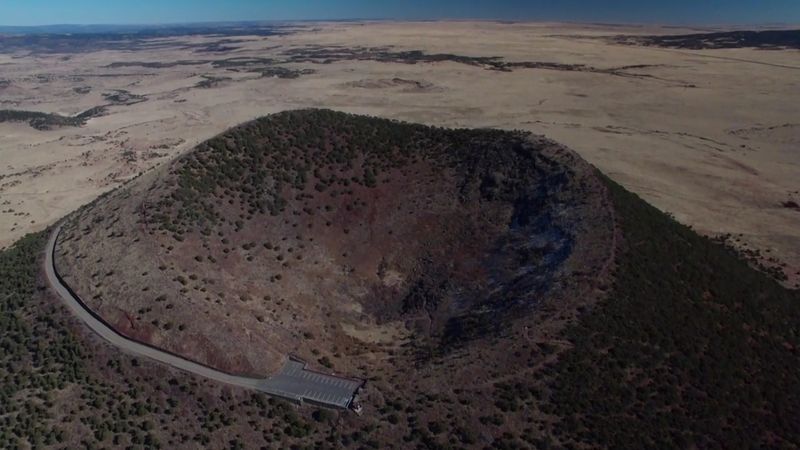
The wind up here has opinions, and it will share all of them with you the moment you step out of your car at the summit parking lot.
It rises about 1,300 feet above the surrounding high plains, and that dramatic vertical gain means the breeze at the rim feels nothing like the calm air you left behind at the base.
People often remember the wind as one of the defining parts of the experience, and park benches along the trail offer welcome spots to pause, catch your breath, and simply take in the staggering openness around you.
The elevation at the rim reaches 8,182 feet above sea level, which adds a cool, crisp edge to the air even during summer months.
A light jacket is smart regardless of the season, because the temperature up top can surprise even seasoned hikers.
That persistent breeze also helps the air feel remarkably clear, which is a big part of why the views from this spot stretch so far in every direction.
Few places in the country reward a short hike with this much sky in a single glance. You will find it at Capulin Volcano National Monument, 46 Volcano Highway, Capulin, NM 88414.
Where Ancient Lava Shapes The Landscape
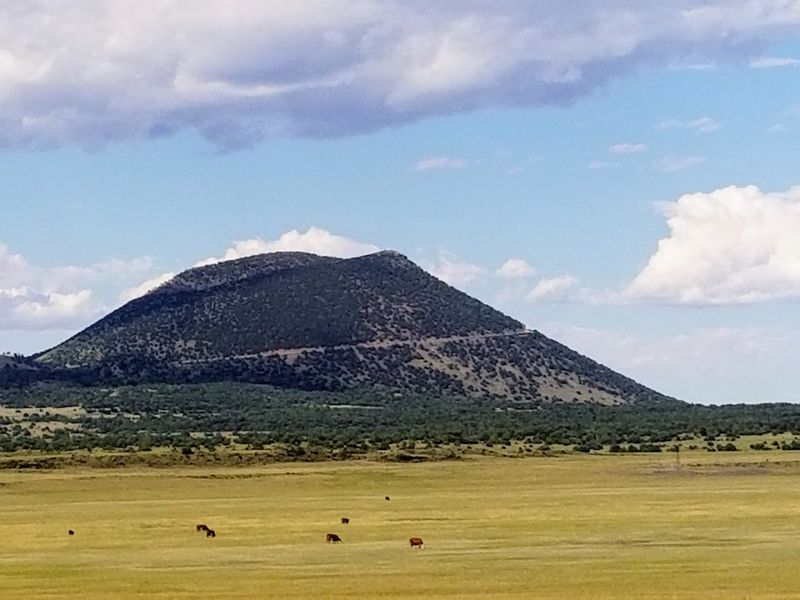
About 56,000 to 62,000 years ago, this part of northeastern New Mexico was putting on a geological show that would have been impossible to ignore.
Capulin Volcano formed through explosive eruptions that hurled cinders and ash into the sky, building up the nearly perfect cone shape that still stands today with remarkable symmetry.
The dark volcanic rock scattered across the slopes is a direct reminder of those ancient eruptions, and information boards along the trails do a great job of explaining what each layer of the landscape actually represents.
Capulin sits within the Raton-Clayton Volcanic Field, an 8,000-square-mile area that contains more than a hundred individual volcanic features and holds the distinction of being the easternmost Cenozoic volcanic field in North America.
Across hardened lava fields formed tens of thousands of years ago, the whole visit takes on a grounded, almost humbling feeling.
Geology enthusiasts can spend extra time here examining textures and colors that tell a long, slow story.
The landscape itself is the exhibit, and it has been quietly on display for millennia.
Sweeping Views From The Crater Trail
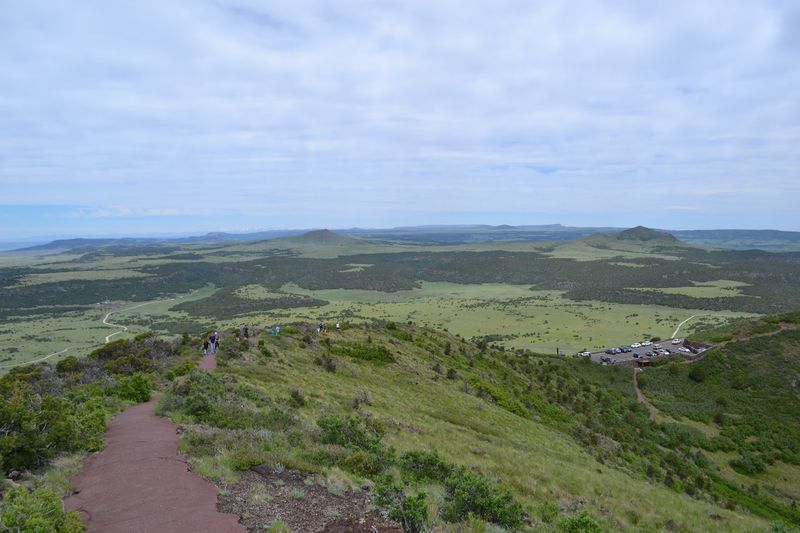
At the right point on the crater rim trail, a clear day opens up views into four states at once. It is the kind of moment that makes you want to call someone just to tell them what you are seeing.
New Mexico, Texas, Oklahoma, and Colorado all fall within the sightlines from this remarkable vantage point, spread out across the plains below in every direction.
The crater rim trail itself is a one-mile paved loop, and most people complete it in about 35 to 40 minutes, though plenty stretch that time considerably because the photo opportunities never seem to stop.
The trail climbs about 350 feet from the parking area, so the cardiovascular effort is real, but every step upward trades effort for a wider slice of the horizon.
Bring binoculars if you want a closer look at distant landmarks across the plains.
The paved surface makes the trail manageable for a wide range of visitors, though the steeper sections near the start do require a steady pace.
Few crater trails anywhere in the national park system deliver this much visual payoff per mile.
Quiet Roads Through Volcanic Scenery
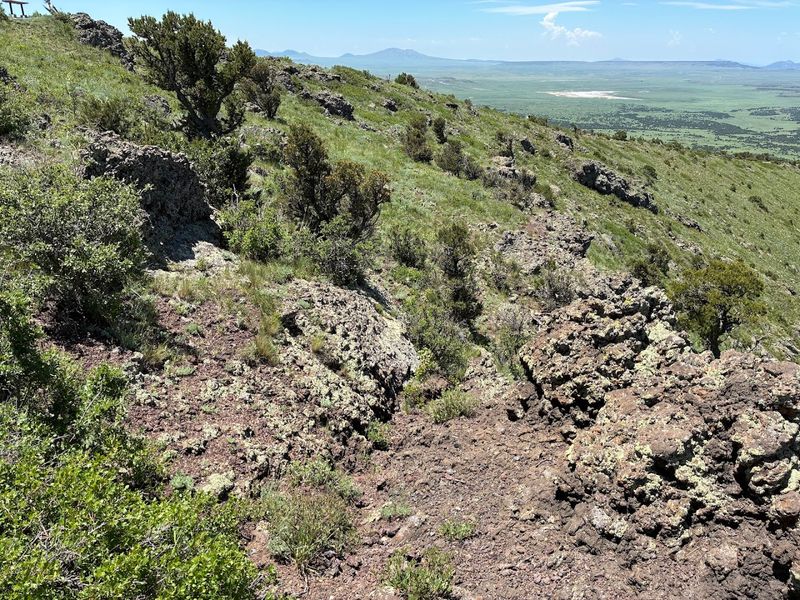
The top of this volcano is surprisingly easy to reach. You do not need hiking boots or a full day of effort, and that convenience helps set this monument apart from many volcanic destinations in the country.
A two-mile paved road spirals directly to the rim, making Capulin one of the more accessible volcano experiences by car, though the summit trails themselves are steep and not suitable for every mobility level.
The drive itself is a slow, winding ascent that circles the cone as it climbs, offering progressively wider views of the surrounding grasslands with every curve in the road.
The road feels like a dramatic part of the visit before you even step out of the vehicle.
The road does not have guardrails on the outer edge, which adds a bit of intensity to the experience, so those who prefer a buffer between themselves and the drop may want to keep their eyes forward.
Trailers, campers, and vehicles over 26 feet must be left at the visitor center before the drive up, as only standard vehicles are permitted on the summit road.
That quiet, winding climb through volcanic scenery sets the mood perfectly for everything waiting at the top.
A Rugged Summit With Big Sky Drama
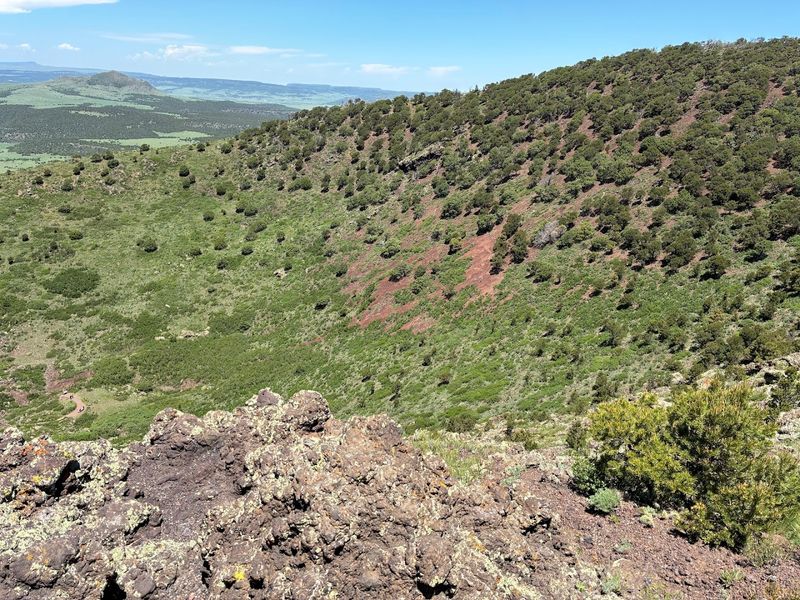
Capulin Volcano looks almost theatrical against the northeastern New Mexico sky, especially when afternoon storm clouds start building on the horizon.
The summit sits at 8,182 feet above sea level and offers an unobstructed 360-degree view that feels genuinely rare in a country full of crowded scenic overlooks.
Summer afternoons can bring fast-moving thunderstorms rolling in from the west, and visitors should keep an eye on the sky and head down before the weather shifts too dramatically.
The combination of volcanic rock, open grasslands, and enormous sky creates a visual atmosphere that feels unlike anything else in the region.
During the summer months, night sky viewing events are sometimes held at the base, and the monument holds some of the darkest skies in the entire country, making stargazing here genuinely spectacular.
Telescopes may be available during those evening programs, giving visitors a chance to see the cosmos with real clarity far from city light pollution.
The summit rewards every type of visitor, whether you arrive for geology, photography, or simply the feeling of standing somewhere that demands your full attention.
Layers Of Grassland, Rock, And Horizon
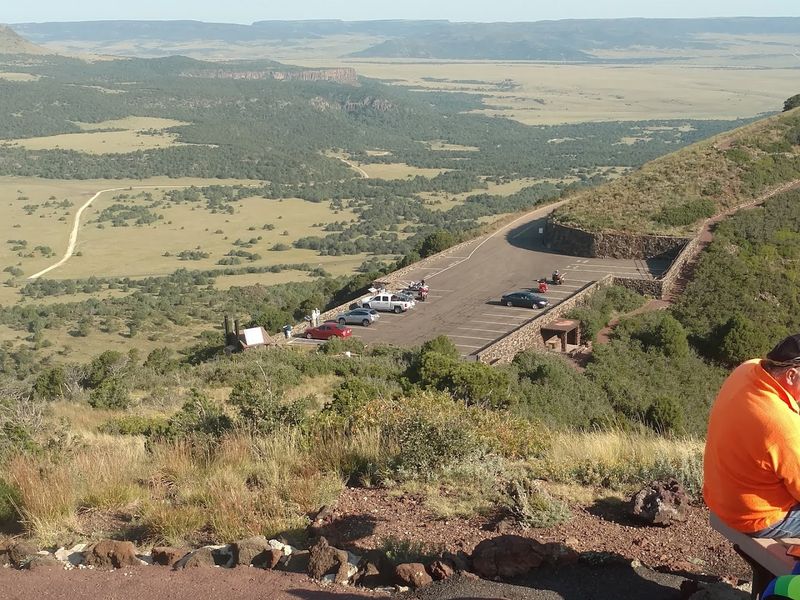
From the crater rim, the landscape falls into clear layers. Grassland stretches toward distant mesas, and those shapes slowly fade into hazy mountain ridges at the far edge of sight.
The Raton-Clayton Volcanic Field surrounding Capulin contains more than a hundred volcanic features spread across 8,000 square miles, and on a clear day, several of those distant formations are visible from the rim as dark bumps rising above the plains.
The unique elevation of the monument creates a microclimate that supports an unexpected variety of plant and animal life, including rare local species associated with Capulin and nearby areas, such as the Capulin Alberta Arctic Butterfly and Capulin Goldenrod.
Pinyon pines grow along the slopes, and deer, crows, and blue jays are frequent visitors to the trails, making wildlife spotting a genuine bonus on any hike here.
The contrast between the dark volcanic rock and the surrounding golden grassland is especially vivid in the late afternoon light, when shadows deepen the texture of the landscape considerably.
Information signs along the trails connect the visual layers to their geological and ecological stories in a way that feels genuinely engaging rather than textbook-dry.
Every direction you look tells a slightly different version of the same ancient story.
A Peaceful Walk Around The Crater Edge
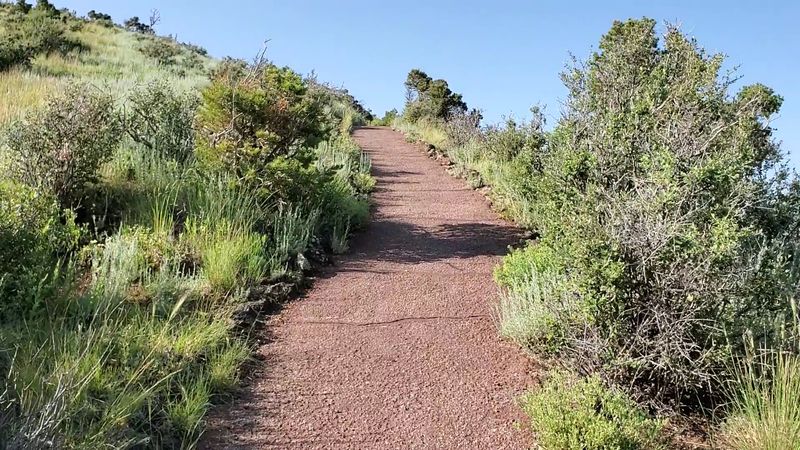
A paved trail circles the edge of a real volcanic crater. As you look down into the bowl below, the experience feels both peaceful and mildly surreal at the same time.
The one-mile rim loop offers constant views in two directions simultaneously, outward across the plains stretching to four states and inward down into the crater itself, where a second trail descends about 100 feet of elevation change toward the plugged volcanic vent at the bottom.
That descent trail into the crater is shorter but steep, and the climb back out earns every visitor a satisfying sense of accomplishment along with a story worth telling.
Benches are placed along the rim path at thoughtful intervals, giving hikers a chance to rest and absorb the scenery without feeling rushed.
The paved surface keeps the walk manageable for a wide range of fitness levels, though the elevation gain from the parking area to the highest point on the rim does require some steady effort.
The rim walk is easy to understand as a highlight once you are up there with the wind and the sky and the endless plains rolling away in every direction.
This crater edge feels like a place where you earn a view that most people never find.
Sunlit Slopes And Distant Mountain Views
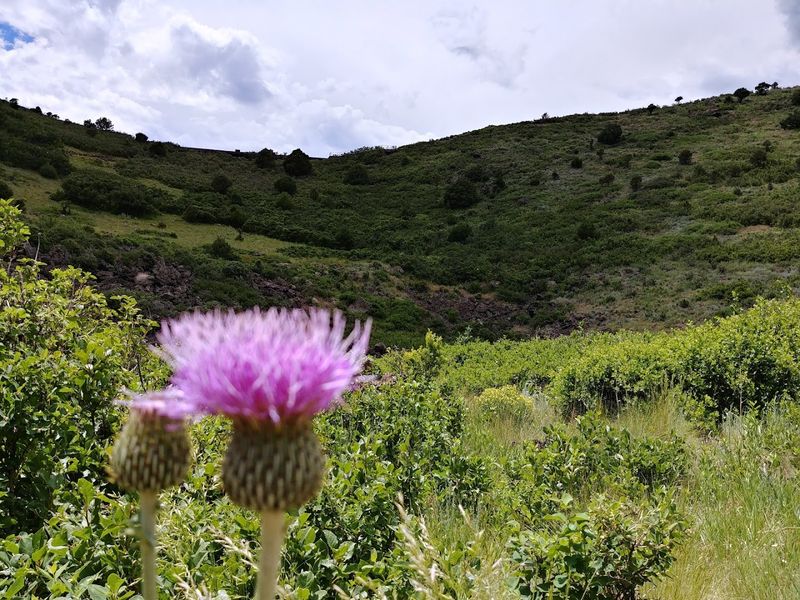
Late afternoon at Capulin has a special quality of light. It turns the dark volcanic slopes almost amber, while the distant mountain ranges visible from the rim take on a deep blue hue that makes the whole scene feel painted.
On clear days, the Sangre de Cristo Mountains to the west and the Spanish Peaks to the north are visible from the rim, adding genuine alpine drama to a landscape that already has plenty of personality on its own.
Volcano Road is generally open daily from 8:30 AM to 4:00 PM, while the visitor center is generally open until 4:30 PM, so it is worth checking current hours before planning a late-day visit.
Visitors who arrive in the late morning often find that the light is ideal for photography along the rim trail before afternoon clouds develop.
The visitor center at the base is well worth a stop before heading up, with exhibits, a theater room, and a gift shop that give helpful context for what you are about to see.
The setting is easy to enjoy without much effort, but the road schedule, weather, and summit access rules make timing an important part of the visit.
You can find all of this waiting for you at Capulin Volcano National Monument.